

Quick Jumplinks to Navigate
There are a lot of places you can think of when you hear the phrase India’s Switzerland, but Kashmir wears it the best, and for clear reasons. Snow-crowned peaks, cool summers, mirror-like lakes, and flower-rich meadows create a mountain world that feels alpine in every season. You get the drama of high ranges with a calm pace that lets you breathe.
From houseboats on Dal Lake to ski runs in Gulmarg, the region gives you classic mountain experiences with a strong local character. In the sections ahead, you will see why this comparison makes sense. Use them to plan a Kashmir holiday that feels easy, balanced and memorable.
What Makes Kashmir Feel Like Switzerland?
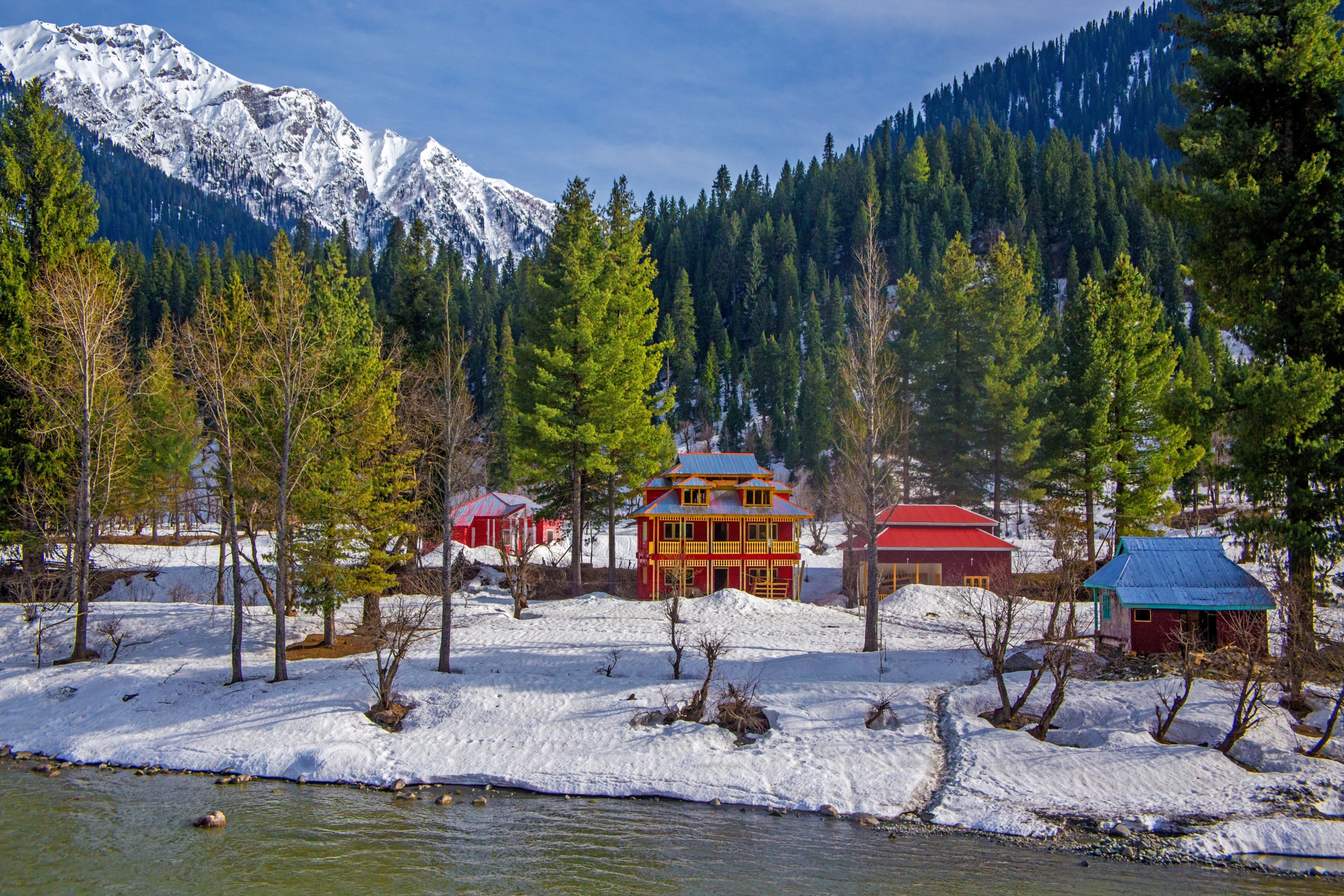
Look across the Kashmir Valley and you will see the Greater Himalayas ahead, with the Pir Panjal forming the rim on the other side. Together, they frame a skyline of rock and ice, much like the Swiss Alps. Villages sit beside streams, pine forests climb the slopes, and open pastures roll out like a green carpet. When you add clear lakes and tidy orchards, you get a landscape that matches the postcard idea of an alpine country. Here, you will find true alpine scenery paired with easy access and local warmth.
1. Landscapes That Match An Alpine Postcard
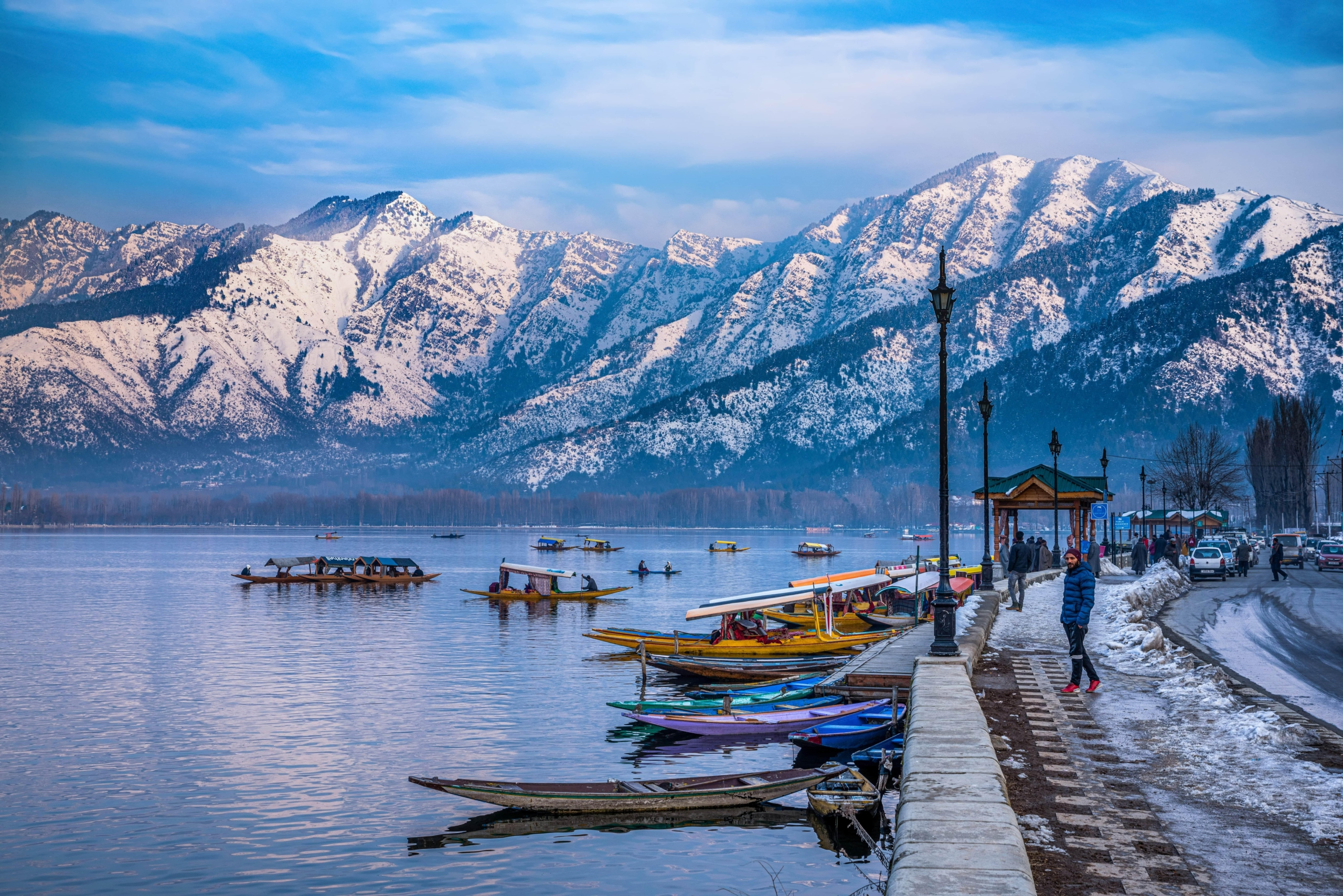
Dal Lake reflects the Zabarwan hills at daybreak with still water and clean air. You can glide in a shikara on Dal Lake between floating gardens and see kingfishers flash by. Close by, the Nigeen Lake stays quieter and suits a slow morning ride with tea on a houseboat deck. As you travel farther out, the scene opens into Wular Lake, one of Asia’s largest freshwater lakes, where wide horizons meet tall mountains on every side. The gentle shift from sheltered canals to open water keeps the journey smooth and scenic.
The meadows here complete this alpine picture and bring the comparison into clear focus. Gulmarg lives up to the name Meadow of Flowers with rolling grasslands ringed by conifers and long sightlines to snow on Apharwat, which makes it one of the top places to visit in Kashmir. A little further on, Pahalgam sits at the meeting of the Lidder River and mountain trails and offers long valley views that feel truly alpine. Continue towards Sonamarg, and you reach the high country near the major passes, with streams that run milky blue from fresh ice melt. Short walks lead to open pastures and glacier viewpoints that remain easy to access in good weather. Across these valleys, grass, water, forest and rock settle into a near balance that echoes classic Swiss terrains.
2. Seasons That Shape Your Trip
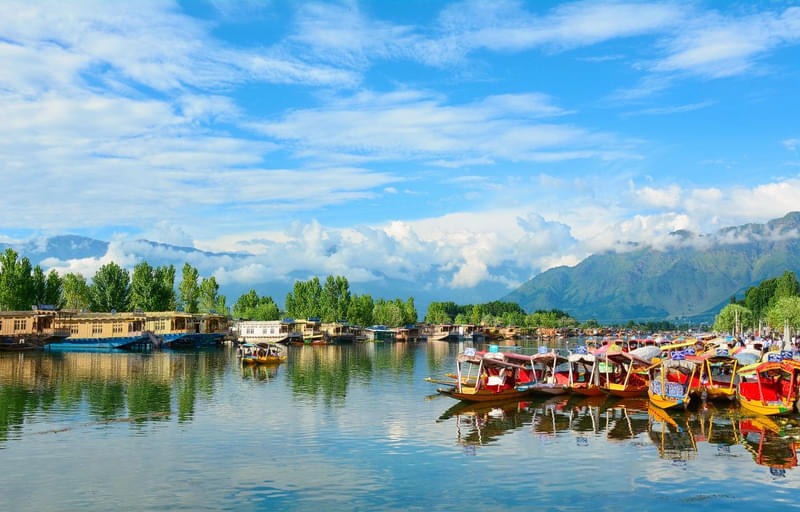
Spring arrives with fresh blooms, milder days and soft light that enhances every view. From late March to April, gardens and village lanes wake up after winter, and orchards start to bud. The Indira Gandhi Memorial Tulip Garden in Srinagar opens with over a million tulips on gentle terraces with the Dal Lake view below. Apple and almond orchards add fresh colour across the valley. Summer turns trail-friendly with daytime temperatures that usually sit between 15 and 25 degrees Celsius in the valley, and cooler air in Gulmarg.
Autumn paints chinar avenues in deep red and gold while skies stay crisp and clear. Winter changes the valley into a snow world, and Gulmarg becomes a top ski base. The Gulmarg Gondola, among the highest cable cars on the planet, carries you near the Apharwat slopes. The four-season cycle mirrors the Swiss rhythm that keeps the mountains interesting through the year.
3. Adventure That Runs Year-Round
For winter snow and long ski days, you will find it in Gulmarg from late December through March in a typical season. Skiing, snowboarding, and guided backcountry runs give you varied terrain with long descents. Strong skiers can try heliskiing with certified guides on stable days. In warmer months, trails open across the valley.
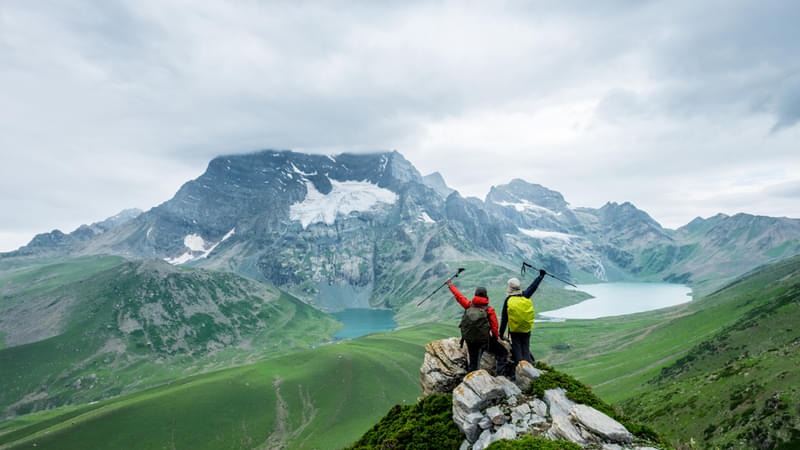
The Kashmir Great Lakes trek links alpine lakes with blue-green water, high passes, and meadows dotted with wildflowers. Fit hikers finish it in about a week with organised support and clear camps. Day hikers can choose shorter routes around Pahalgam, Yusmarg, and Doodhpathri, where streams, pines, and open grass make easy walking. Anglers look for brown trout in clear sections of the Lidder and Sind rivers under a valid permit. Paragliding, mountain cycling, and river rafting add options when the snow melts.
4. Culture And Food With A Mountain Soul
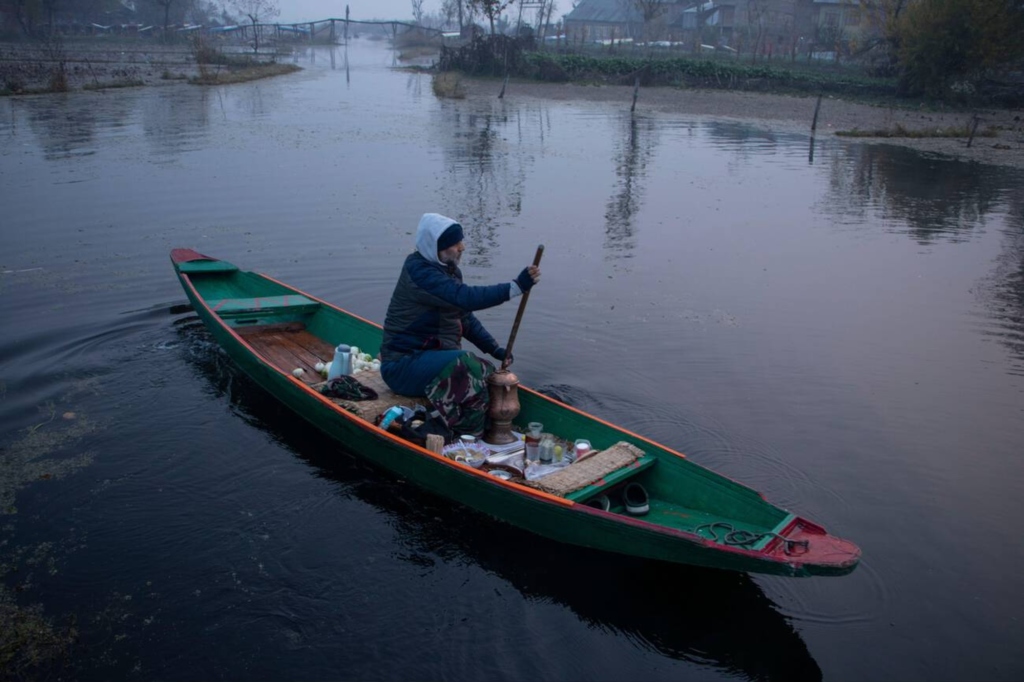
Mountain life shapes local craft and homes, guiding design, materials and everyday use. Traditional Kashmiri houses use timber and sloped roofs that shed snow, much like chalets in other alpine regions. Walnut wood carving shows up on doors, houseboat panels, and small keepsakes that you can pack with care. You will also see hand-knotted carpets and pure pashmina shawls at long-standing shops.
Food keeps you warm and content after long hours outside in clear mountain air and busy sightseeing days. You can sip kahwa with saffron and almonds after a lake ride or a cold slope session. At bigger gatherings, you will often share a full Wazwan, where rich rogan josh, creamy gushtaba and other slow-cooked dishes arrive one after another. For your pantry at home, you can carry saffron from Pampore, crisp apples from Shopian, and morel mushrooms gathered near forest edges, which hold memories long after the trip and reflect some of the unique things to do in Kashmir.
Kashmir Facts That Earn The Switzerland Tag

- In Kashmir, you can ride the Gulmarg Gondola that reaches heights of about 3,980 metres above sea level, ranking among the world’s highest cable cars for quick alpine access.
- Here, you can visit Wular Lake, one of Asia’s largest freshwater lakes, with wide water views framed by long mountain horizons.
- It is in Kashmir where you can walk the Indira Gandhi Memorial Tulip Garden, Asia’s largest tulip garden with millions of varieties that bloom during spring above the Dal Lake.
- You can also spot the endangered Hangul Deer inside the Dachigam National Park, a protected mountain species unique to the Kashmir Valley.
- Here, you can also trek the Kashmir Great Lakes route, which links seven high-altitude lakes, clear passes and flower-rich meadows, all in a week.
Planning Tips For First-Time Visitors
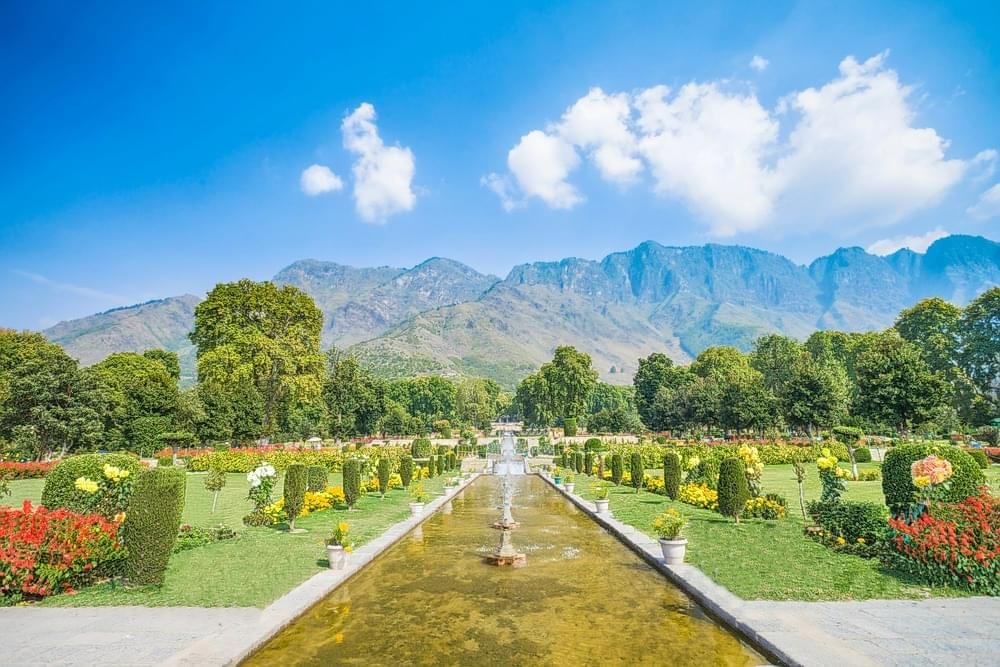
Start with the top three places, namely Srinagar, Gulmarg and Pahalgam, to ensure short transfer times. Begin in Srinagar for lakes, gardens and Old City walks, before you continue to Gulmarg for winter snow sports or summer meadows. Then, finish your journey in Pahalgam, which is known for its river valleys, pony trails and relaxed day hikes. This simple loop keeps travel easy and gives you full days without long drives. The Srinagar to Gulmarg drive is about 50 kilometres and takes 2 hours in normal traffic. Srinagar to Pahalgam is roughly 90 kilometres and takes 2.5 hours in normal conditions.
- Build buffer time in winter for weather-held roads.
- Pack layers, waterproof shoes, sun protection, and basic medicines.
- Keep identification copies on your phone and in your bag.
- Book Gulmarg Gondola tickets in advance during weekends and holidays to avoid queues.
- Carry cash for small eateries and pony handlers in remote stretches.
- Choose guided treks with licensed operators in peak season, and confirm permits where required.
Conclusion
Kashmir earns the tag India’s Switzerland because the essentials match with striking clarity. It is in Kashmir where you get high ranges, clean lakes and flower meadows. You will also feel a four-season rhythm that keeps every trip unique. The valley also adds its own voice through its crafts, food and the quiet life on houseboats.
Plan with the seasons, choose responsible operators, and keep two or three bases to cut road time and stress. When you step onto a shikara at sunrise or clip into skis above Gulmarg, you will understand why this valley carries the alpine comparison with Switzerland with quiet confidence.