

Quick Jumplinks to Navigate
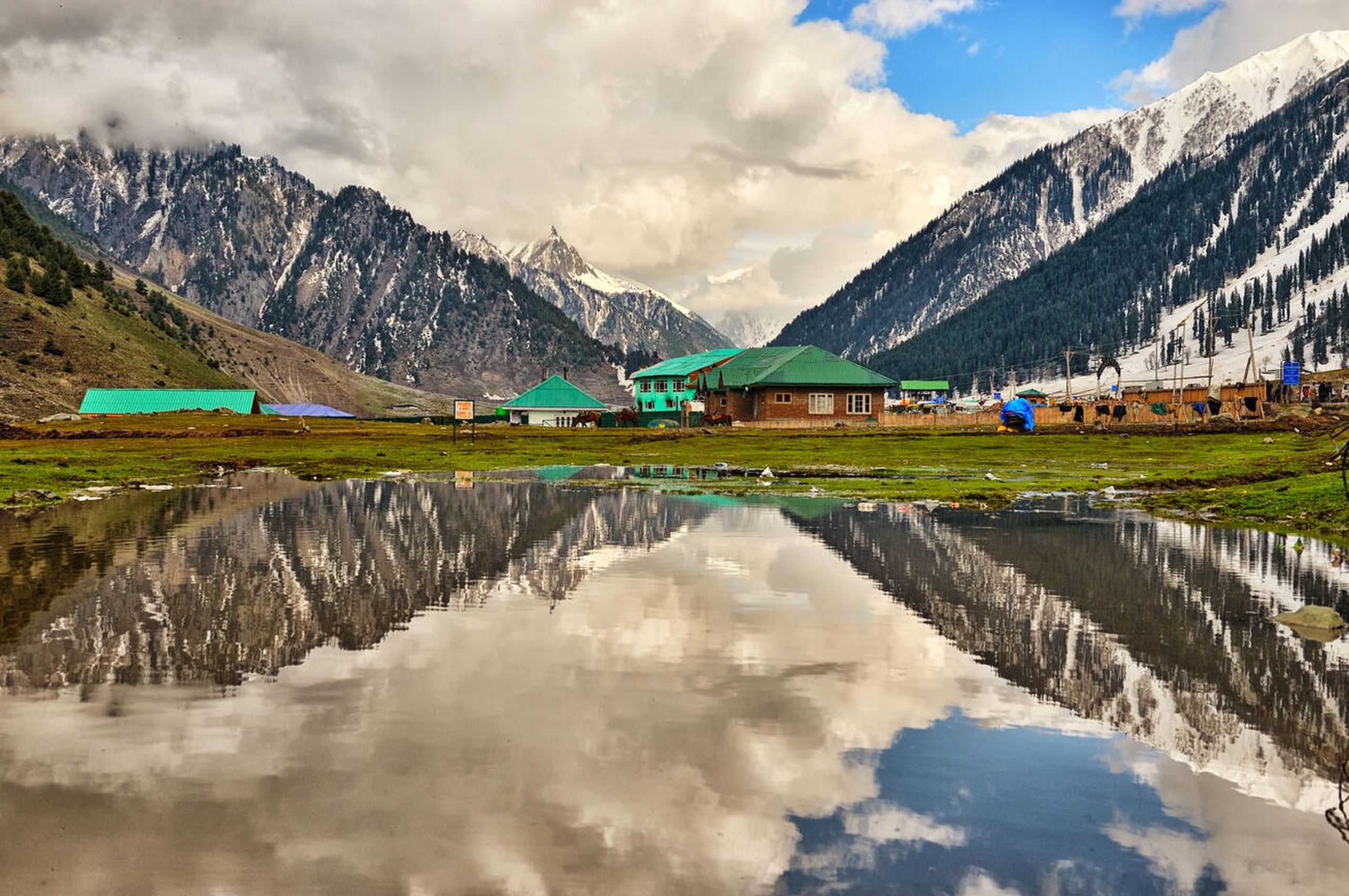
Kashmir, often called the Paradise on Earth, is a much-loved destination for nature lovers and adventure seekers alike. With its snow-capped mountains, pristine lakes, lush valleys, and charming houseboats, it offers experiences that are hard to match anywhere else in the world. However, even a well-planned trip can be spoiled by simple mistakes that many travellers make unknowingly.
From timing your visit to packing smartly, knowing what to avoid can make your Kashmir trip smoother, safer, and far more enjoyable. This blog lists the top 10 travel mistakes to avoid in Kashmir so you can make the most of this stunning region.
1. Visiting at the Wrong Time
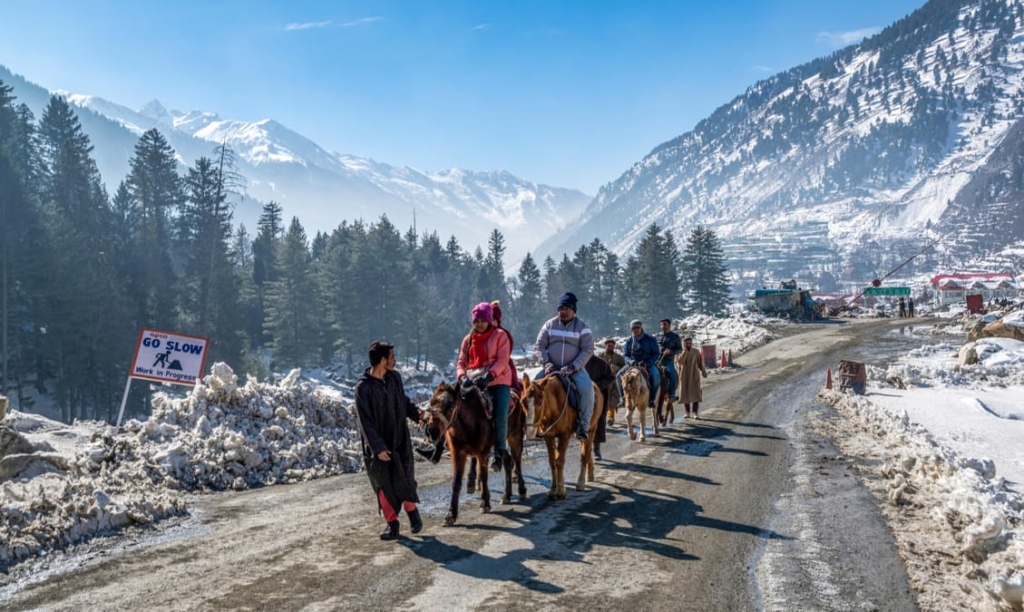
Kashmir experiences distinct seasons, and choosing the wrong one can significantly affect your experience. Many travellers visit during peak summer (March to August) without realising that it is also the busiest period. Prices for hotels and houseboats rise, and popular sites get crowded. On the other hand, winter (December to February) brings heavy snowfall, which makes some roads and passes inaccessible.
The ideal time to visit Kashmir depends on what you want to do. For trekking, river rafting, and sightseeing in Srinagar, early summer and autumn (April to June or September to October) are perfect. If snow activities and the mesmerising winter landscape are your goal, then winter is ideal, but always check road conditions in advance.
2. Ignoring Local Permits and Regulations
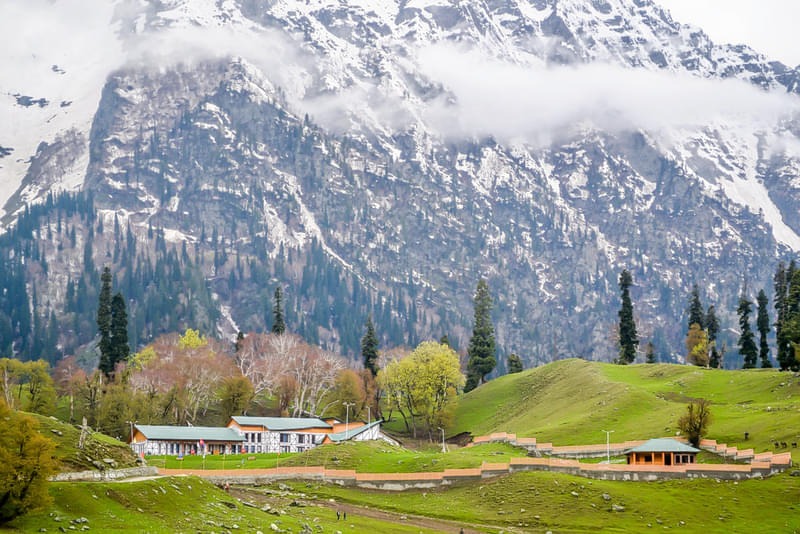
Being a sensitive region, Kashmir has certain areas that require permits to visit. While most tourists stick to Srinagar, Gulmarg, Pahalgam, and Sonamarg, venturing further without proper permission can lead to denied entry or legal complications. So, you should always check whether you need an Inner Line Permit or special passes for border areas.
The local guides and hotels can provide up-to-date information about these permits. Failing to secure the right permits or ignoring rules is a mistake that can disrupt your travel plans and create unnecessary stress.
3. Underestimating the Weather
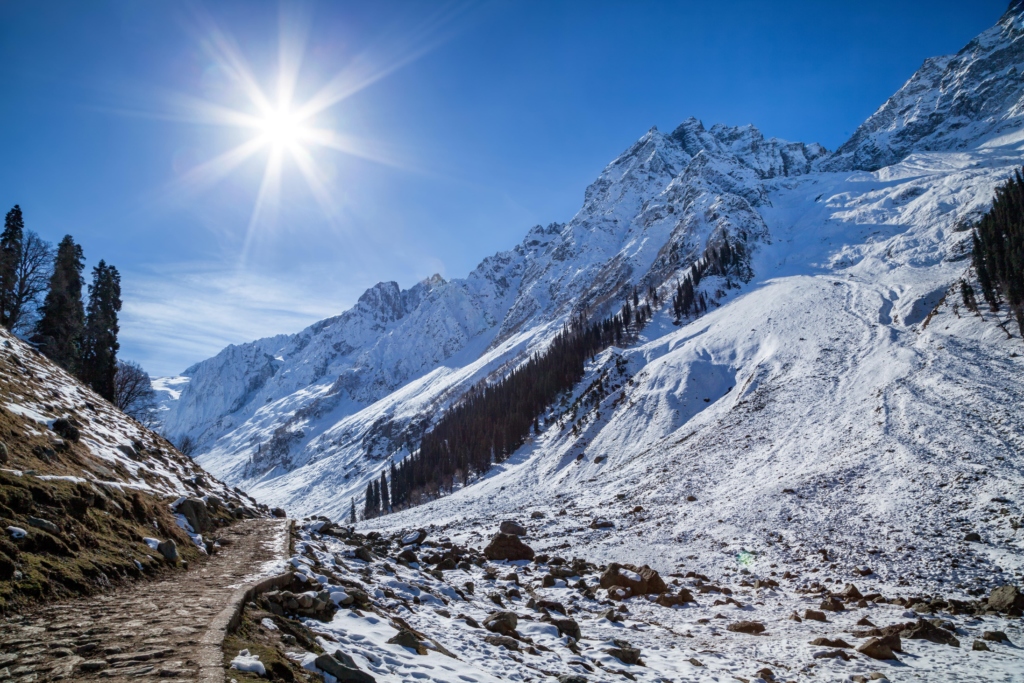
The weather in Kashmir can be unpredictable, even within a single day. Sunny mornings can quickly turn into chilly evenings, and mountain winds can be biting cold. Many travellers pack only summer clothing, assuming temperatures will be moderate, or they forget to bring rain gear during the monsoon.
Smart packing includes layered clothing, waterproof jackets, strong shoes, and accessories like hats and gloves. A light sweater or shawl can make a huge difference, especially when visiting hilltops or taking shikara rides on Dal Lake at sunset.
4. Skipping Local Cuisine

Kashmir’s cuisine is a treasure in itself, but many travellers make the mistake of sticking to familiar foods or fast-food options. The traditional dishes like Rogan Josh, Dum Aloo, Yakhni, and Gustaba are delicious. Moreover, local street foods like Kashmiri kebabs or Noon Chai (salted tea) offer a glimpse into the culture and heritage of the region.
Thus, you should avoid eating at unverified restaurants or roadside stalls that compromise hygiene. Instead, ask locals for recommendations, try authentic Wazwan meals, and explore home-cooked food options if possible.
5. Overpacking or Packing the Wrong Gear

You may make the classic mistake of overpacking bulky items or carrying unnecessary gadgets. The terrain and transportation options of Kashmir require smart and practical packing. Heavy luggage becomes a hassle, especially when travelling to remote valleys or taking shikara rides.
The essential items include a comfortable backpack, layered clothing, sunscreen, sunglasses, reusable water bottles, and a small first-aid kit. For adventure activities like trekking, you should carry waterproof shoes, trekking poles, and light thermal wear.
6. Not Planning Accommodation in Advance

Kashmir is a popular tourist destination, and accommodations fill up quickly during peak seasons. Many travellers make the mistake of assuming they can find lodging on arrival. This often leads to last-minute compromises or inflated prices.
However, you should plan your stay ahead of time, especially if you want to experience iconic houseboats on Dal or Nigeen Lake or boutique hotels in Gulmarg or Pahalgam, which are perfect for a couple trip to Kashmir
7. Overlooking Safety and Travel Advisories
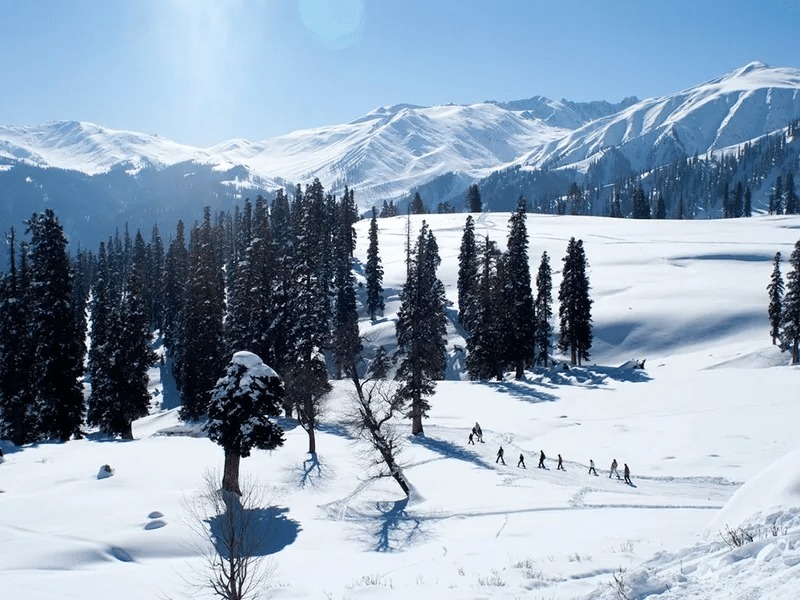
While Kashmir is largely safe for tourists, road closures, strikes, or sudden weather changes can affect travel plans. Ignoring these can result in missed activities or being stranded in remote areas. So, you should always check official sources, consult hotel staff, and download reliable apps for real-time updates.
8. Rushing Through Destinations
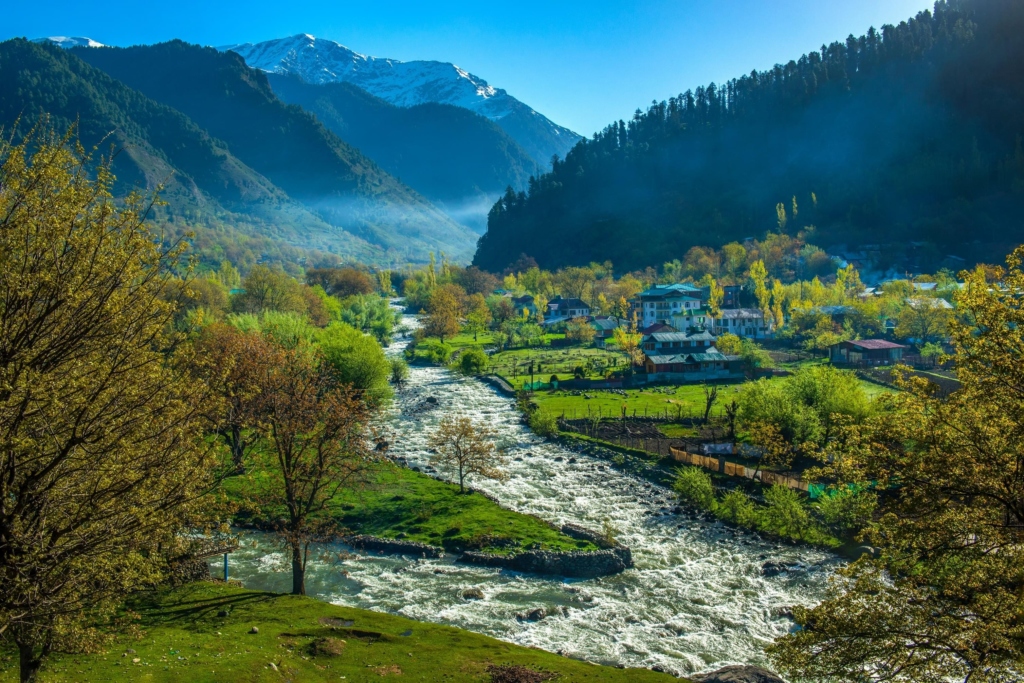
Kashmir’s beauty lies in its serene landscapes and leisurely experiences. Hopping from Srinagar to Gulmarg to Pahalgam in just a couple of days leaves little time to enjoy the scenery, take part in activities, or simply soak in the atmosphere. These are among the most popular tourist destinations in Kashmir, and they deserve time to be experienced properly.
Instead, you should plan your Kashmir itinerary realistically. Spend a minimum of 2-3 days in Srinagar for the Dal Lake, Mughal gardens, and local markets. Allocate 1-2 days for Gulmarg’s adventure sports and another 1-2 days for Pahalgam’s trekking and valley walks. Rushing makes the trip hectic and diminishes the magical experience Kashmir offers.
9. Neglecting Cultural Sensitivity

In villages and mosques, modest attire is appreciated, and asking permission before taking photographs of people is important. When you engage respectfully with locals, learn a few basic phrases, and show interest in traditional crafts and cuisine, you enhance your experience. Ignoring cultural sensitivity can lead to awkward situations or even offend the local community, which is best avoided.
10. Skipping Local Experiences and Activities
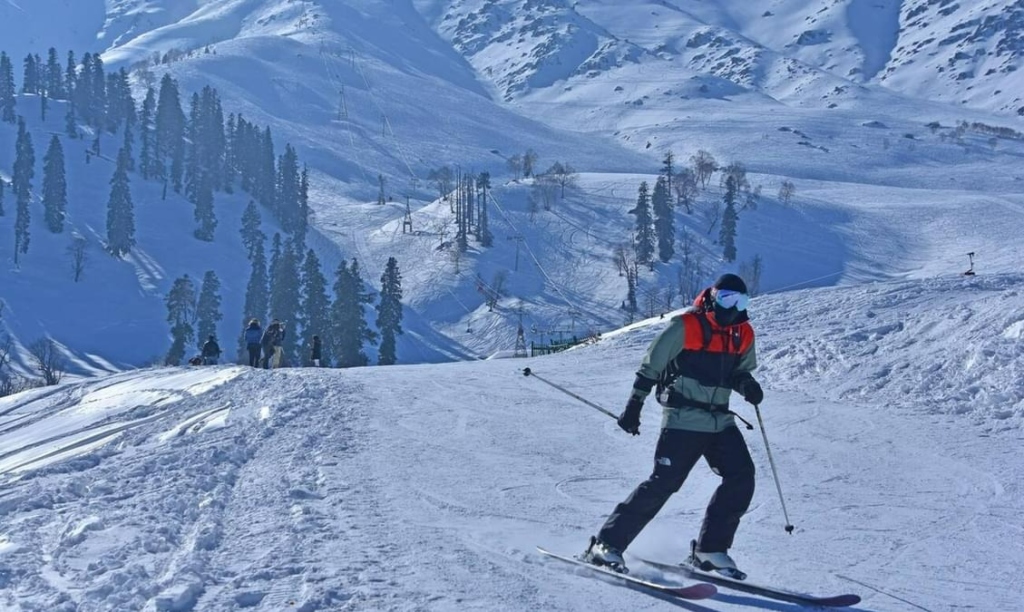
Many visitors limit themselves to sightseeing and miss out on unique local experiences that make Kashmir memorable. Houseboat stays, shikara rides on Dal Lake, trekking in Betaab Valley, skiing in Gulmarg, or visiting apple orchards and saffron fields are all integral parts of a true Kashmir experience. But, interacting with local artisans, trying local delicacies, and exploring markets in Srinagar like Lal Chowk or Polo View can give you memories far beyond pictures.
Conclusion
Kashmir is a destination that captivates the heart, but even paradise can present challenges if you are unprepared. When you plan carefully and stay informed, you can fully immerse yourself in the magic of Kashmir’s valleys, lakes, and mountains. With a thoughtful approach, your journey through this “Heaven on Earth” will be stress-free and enriching.