

Quick Jumplinks to Navigate
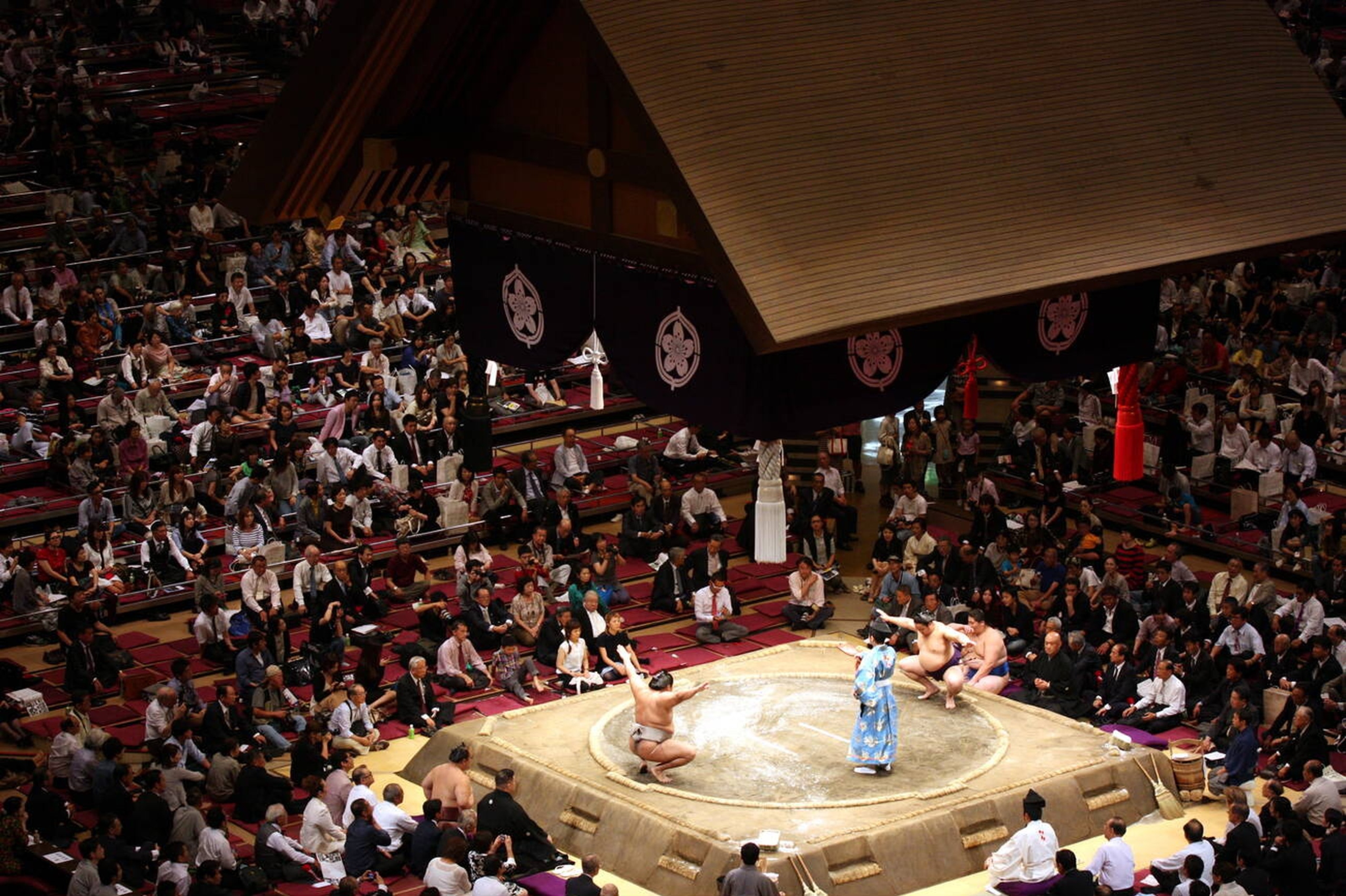
Sumo wrestling is quintessentially a Japanese sport that is bold, powerful, and rooted in centuries of tradition. Originating from old Shinto rituals meant to please the gods, sumo combines fierce fighting with holy practices like using salt to clean the ring. There aren’t many rules, but the fights are very intense and only last a few seconds at a time.
Heavyweight fighters fight in a clay ring, using their strength, speed, and skill to knock out their opponent. Moreover, unexpected matches make this sport more exciting, as there are no weight limits. You can learn about Japan’s history, culture, and great respect for tradition while watching a live tournament.
History of Sumo Wrestling
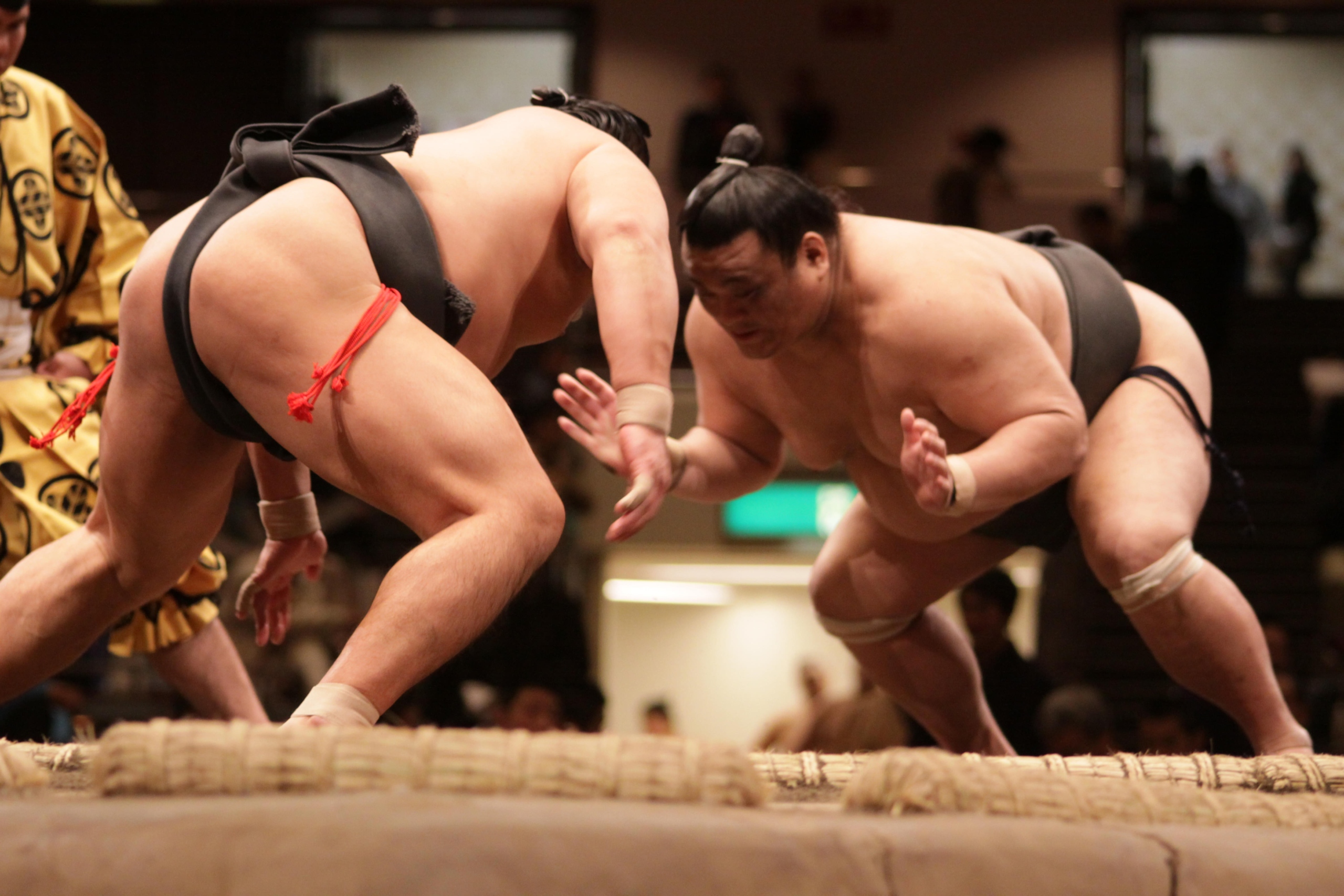
The history of sumo wrestling in Japan can be traced back to farming customs, mythology, and rituals. Similar forms of wrestling exist in other countries, but early clay figures from the Kofun period (3rd–7th centuries) show sumo’s presence in Japan.
According to old books like the Kojiki (712) and Nihon Shoki (720), sumo fights were held to pray for a good rice harvest, and to guess what crops would grow that year. These sumo matches were held in front of the emperor as a court event during the Nara (710–794) and Heian (794–1185) eras.
In the time of the samurai, being strong was important for battle, and rich families hired wrestlers. It is said that in the late 1500s, warlord Oda Nobunaga held annual sumo matches. It was during the Edo period (1603–1867) that sumo achieved its current shape. There were professional fighters, and fights were set up to raise money for shrines, temples, and bridges.
With the help of colourful woodblock prints of fighters, it became popular among regular people. Wrestlers had to follow formal rules, which included 48 legal winning moves, competing in the clay ring (dohyo), and training in a stable manner.
Along with ceremonial rituals, many Edo-era traditions are still used in modern sumo, like topknots, as well as traditional robes. This makes it both a competitive sport and a live part of Japanese culture.
Also Checkout: Things to do in Japan
Rules of Sumo
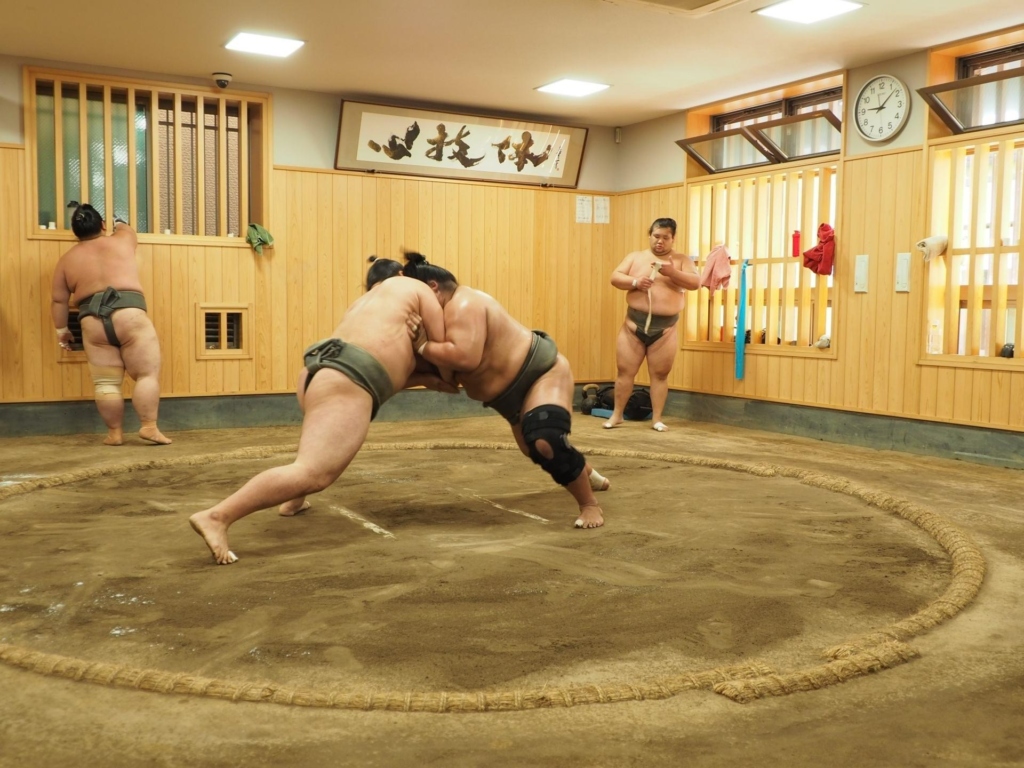
Two wrestlers called rikishi fight inside a dohyo, which is a round ring. In traditional sumo wrestling in Japan, this ring has a diameter of roughly fifteen feet and is built of clay with a thin coating of sand on top. To win, you have to either knock your opponent out of the ring or make any part of their body hit the ground except their feet.
The rikishi perform Shinto rites prior to every fight. They stomp their feet to show that they are strong but disciplined and ready. Further, they clap and throw salt into the ring to clean and get rid of bad spirits. Fighters wear a large belt called a mawashi and tie their hair back in a topknot which is also called the chonmage.
The referee signals for the fight to begin when both wrestlers kneel with their hands on the ground. A typical match lasts only a few seconds, with one of the 48 legal winning moves called a kimarite. In this move, you have to push the opponent out of the ring, throwing them or forcing them to fall.
However, some behaviours are prohibited, which include pulling hair, punching, hitting the head, choking, or groin attacks. Weaker belts or moves that are against the rules can also cause wrestlers to lose.
Following each formal competition, the six divisions into which Rikishi are rated are subject to change. It is the performance in these tournaments that determines promotion or demotion of a player. Additionally, matches can also end if a wrestler is disqualified or is unable to continue.
Where to See Live Sumo?
1. Sumo Museum
Sumo Museum, inside Ryogokui Kokugikan, showcases the sport’s rich history. Here, you can see ceremonial aprons, portraits of past champions as well as ritual items used in matches. Entry is usually free, which makes it an easy stop to combine with other activities in Tokyo. Even outside tournament season, it is a great place to include in Japan tour packages to learn more about the history as well as the culture behind sumo.
2. Ryogoku Kokugikan
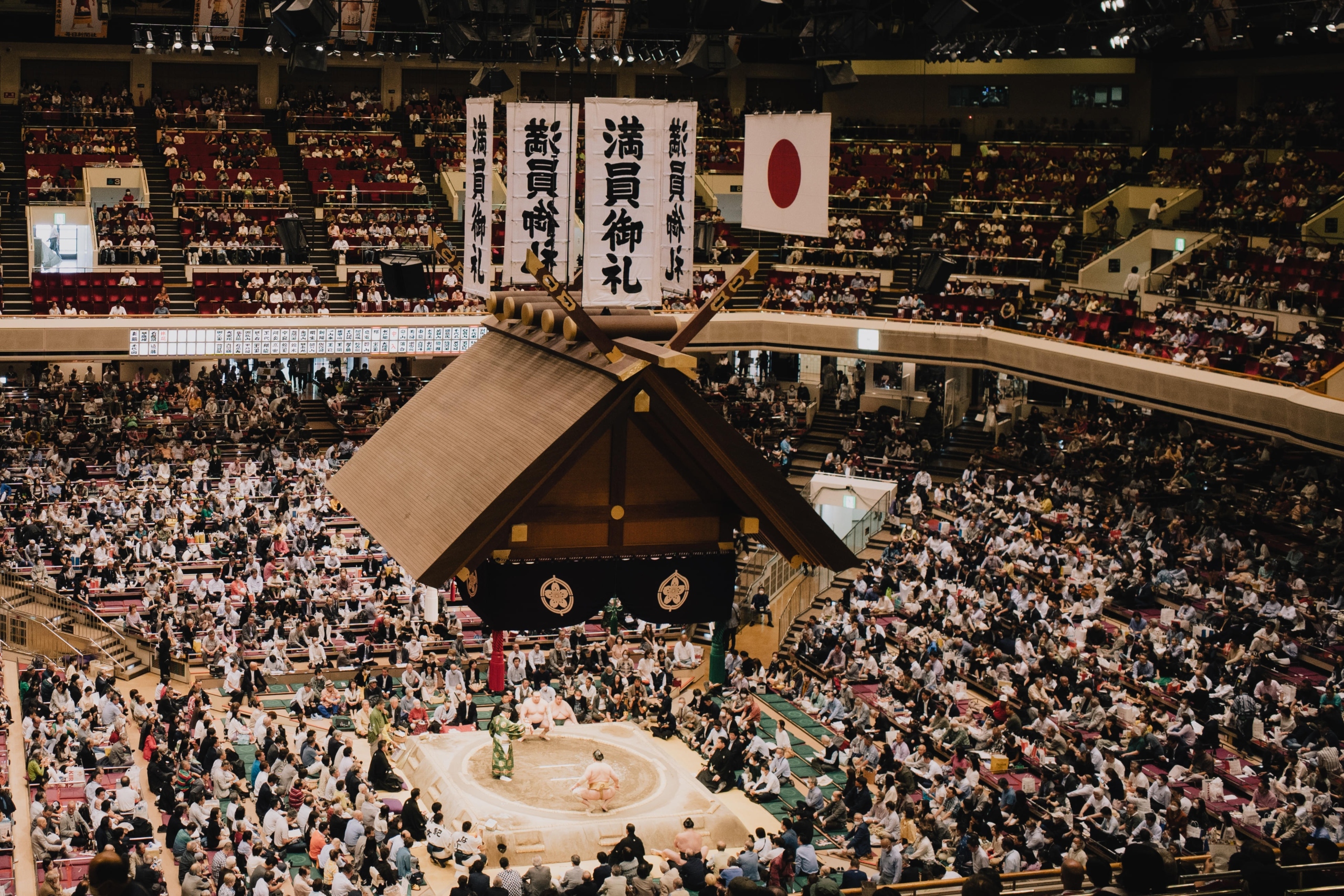
If you are wondering where to watch sumo wrestling in Japan, then the most famous location is Ryogoku Kokugikan in Tokyo. This grand arena hosts three of the six national tournaments each year, in January, May, and September. Each tournament lasts 15 days, with the biggest matches featuring top-division wrestlers on the final days. The arena can hold over 11,000 spectators under a shrine-style roof.
3. Musashigawa-beya Sumo Stable
If you are not in Tokyo during tournament season, you can still watch the wrestlers train at stables. Musashigawa-beya in Edogawa City allows 20–40 visitors to observe morning practice while sitting on tatami mats. You can watch the wrestlers up close and even attend a meet-and-greet after training. This is a memorable stop for couples who are planning a honeymoon trip to Japan, as it offers a unique cultural experience.
4. Arashio-beya Sumo Stable
Arashio-beya is another great place to watch morning training which is located in Chuo City near the Sumida River. Here, practice sessions run from 7:00 AM to 10:00 AM and can be viewed for free from behind glass or with a paid reservation for a closer view. This is a quiet as well as authentic way to enjoy sumo without the large tournament crowds. You can choose this option to experience traditional Japanese culture at a slower pace when booking Japan tour packages from Chennai.
Conclusion
Experiencing a sumo wrestling match in Japan is unforgettable, as the pre-match rituals, along with the clash of the wrestlers create an electric atmosphere, which is unlike any other sport. You can watch the top-ranked matches in the afternoon while enjoying delicious bento boxes, which adds to the cultural experience. So why wait? Just witness the action firsthand be it the morning bouts or the thrilling mains, by diving into Japan’s sumo tradition.