

Quick Jumplinks to Navigate
The land where traditions gracefully blend with innovation, Japan becomes a famous tourist spot especially during winters because of the Sapporo Snow Festival, often featured in many Japan holiday packages.
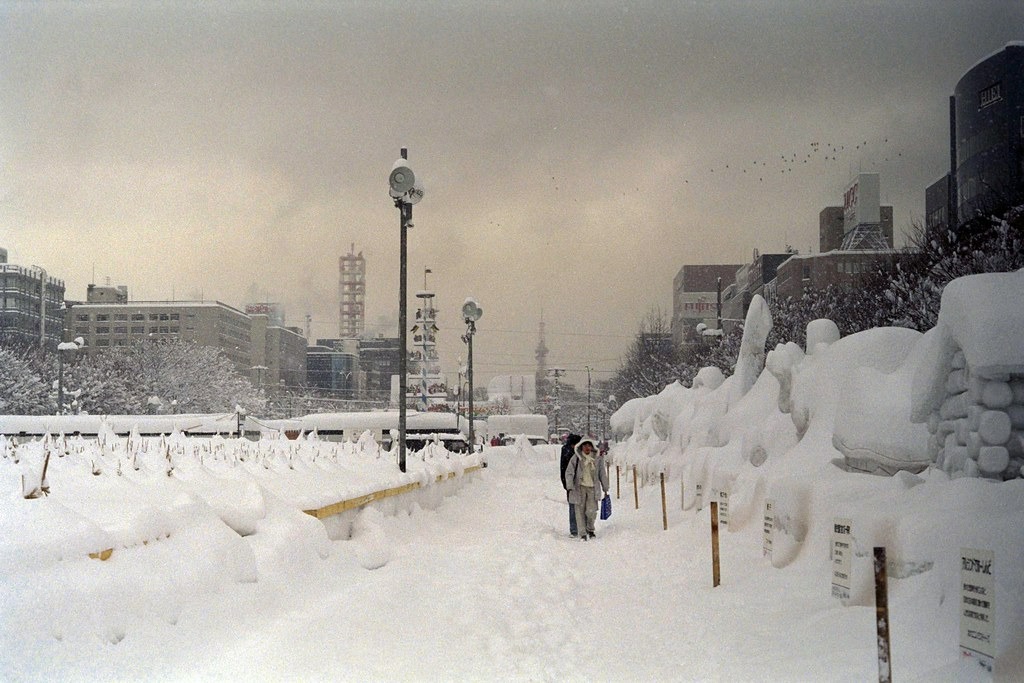
It is held every February in the northern island of Hokkaido and is a world-famous event that transforms the city of Sapporo into a winter wonderland. Here, you can witness large scale sculptures made out of snow and ice, participate in games or winter sports, and enjoy local cuisines.
The festival is extremely famous and well-packed every year, so it is important that you plan before visiting. Here’s a list of things to keep in mind and plan for before you en route on this magical-snowy journey.
1. Know the History of the Sapporo Snow Festival
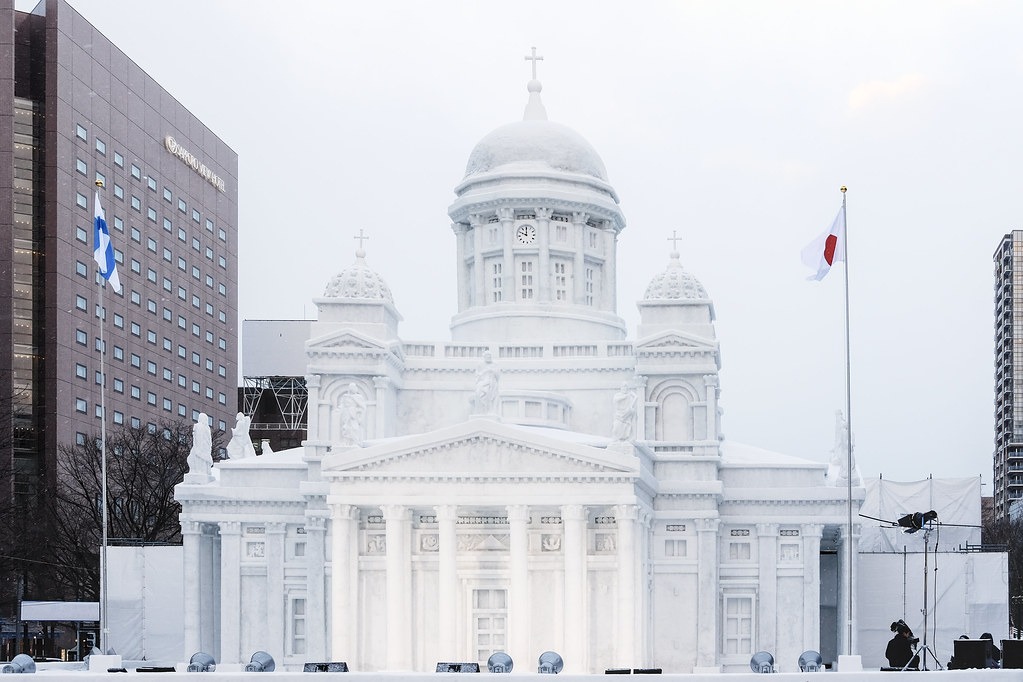
This festival was started in the year 1950 by some high school students who built six snow statues in the Odori Park. Since then the Sapporo Snow Festival has gained world-wide attention and has become a global attraction. Today, it features hundreds of snow and ice sculptures, with artists from around the world participating.
Understanding this humble beginning helps visitors appreciate the creativity and community spirit behind this festival. This festival is more than just snow as it is also a proud cultural expression of Hokkaido’s winter heritage.
2. Pick the Right Dates to Visit
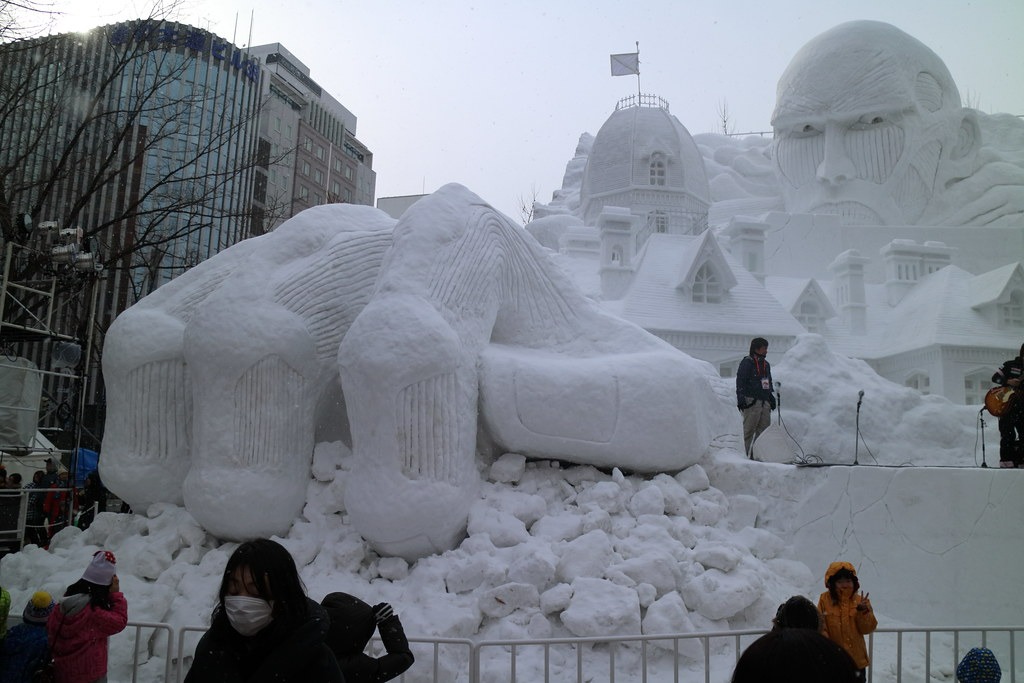
This festival usually takes place between 4th and 11th of February but exact dates can change every year so check the official schedule in advance. The ice sculptures in the Susukino site tend to be displayed longer, while Odori Park’s snow sculptures are best seen mid-week, when crowds are thinner. Visiting on weekdays not only gives you better views but also more peaceful photo opportunities.
3. Explore The Three Main Sites
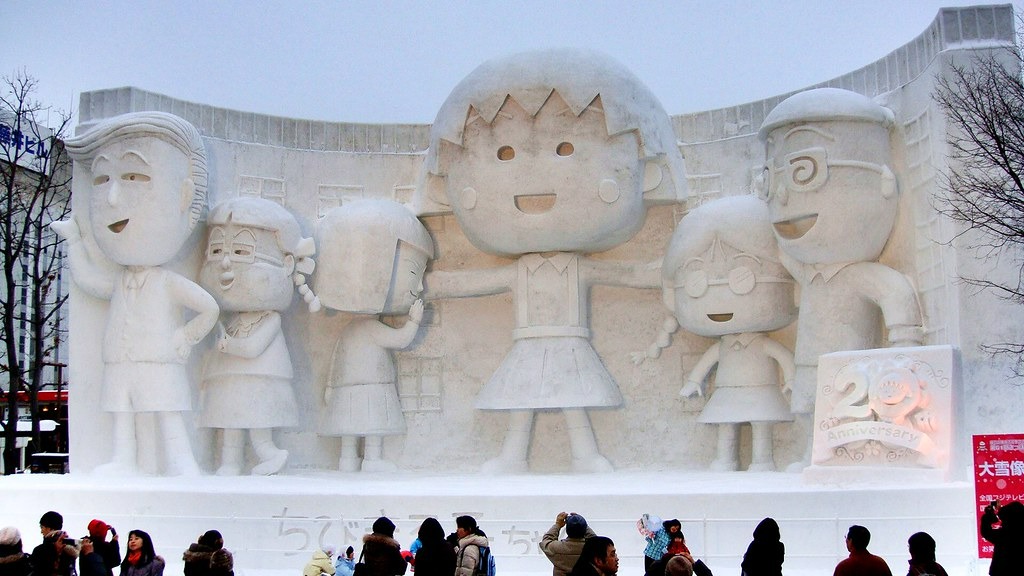
The Sapporo Snow Festival is spread across three primary locations: Odori Park, Susukino, and Tsudome. Odori Park is the heart of the festival as it hosts the largest snow sculptures. Susukino is known for its nightlife, features like stunning ice carvings and a romantic Ice Bar.
Tsudome is perfect for families as it offers snow slides, tubing, and winter games. To fully enjoy this festival, plan to visit all three sites as each offers a different slice of the snowy magic and consider adding it to your itinerary when exploring other popular places to visit in Japan.
4. Dress Warm and Waterproof
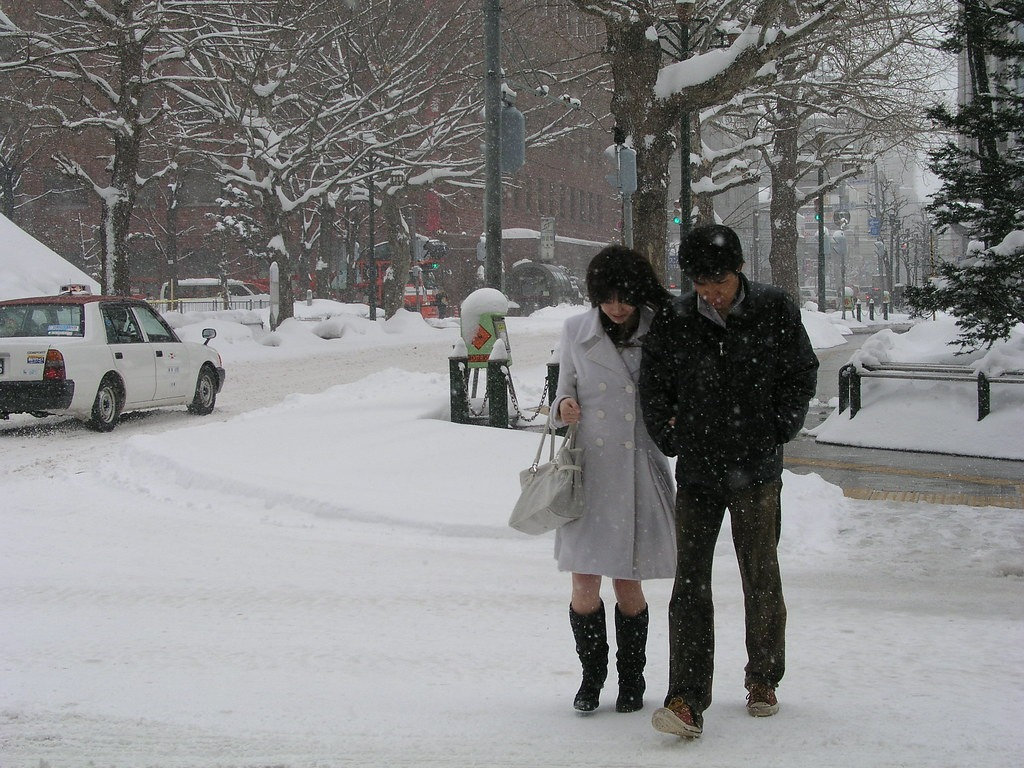
Temperatures in Sapporo during February can dip to -10°C or even lower. So here layering becomes the key, packing thermal wear, sweaters, down jackets, scarves, gloves, and woolen socks are essential. Don’t forget to buy waterproof snow boots with good grip, as pathways in the festival location can be icy.
Hand warmers, which are called kairo in Japan, are easy to find and super useful. Staying warm ensures that you can enjoy the Sapporo Snow Festival comfortably without cutting your exploration short.
5. Don’t Miss the Night Illuminations
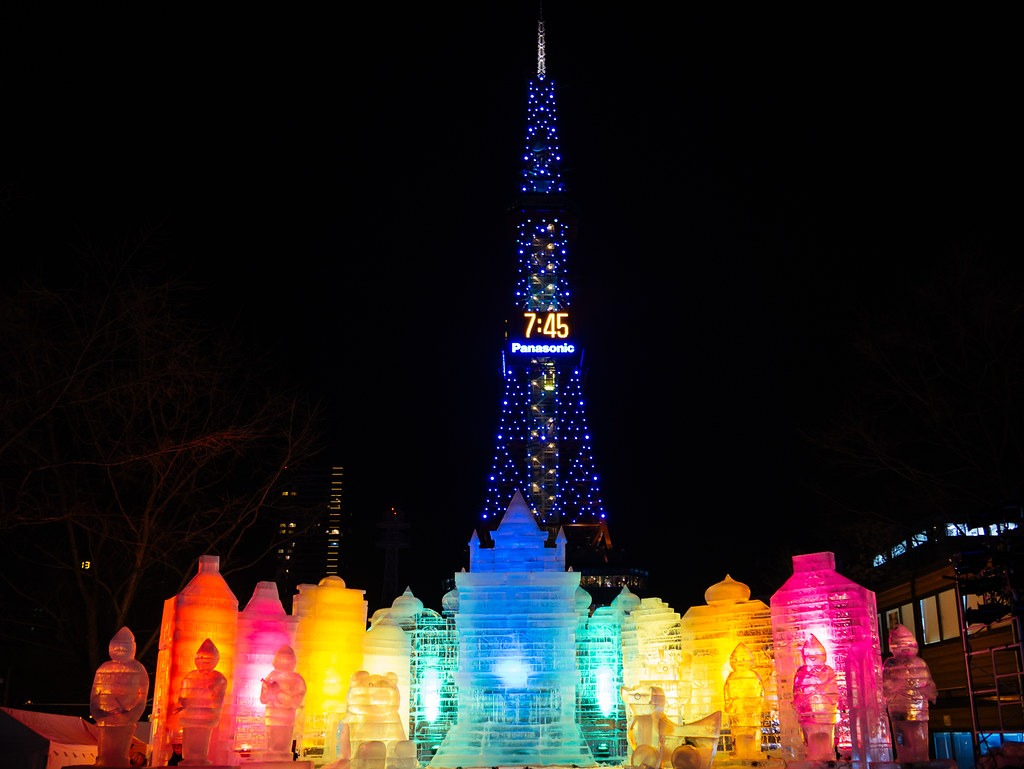
One of the most magical aspects of the festival is its night-time glow. As the sun sets, snow and ice sculptures are lit with colorful lights and sometimes even projected animations. Odori Park becomes a dreamland of glowing castles and creatures.
Bundle up and stay out after dark as this is when the sculptures truly come to life. The lighting typically begins at 5 p.m. and lasts till 10 p.m.
6. Try the Local Winter Foods
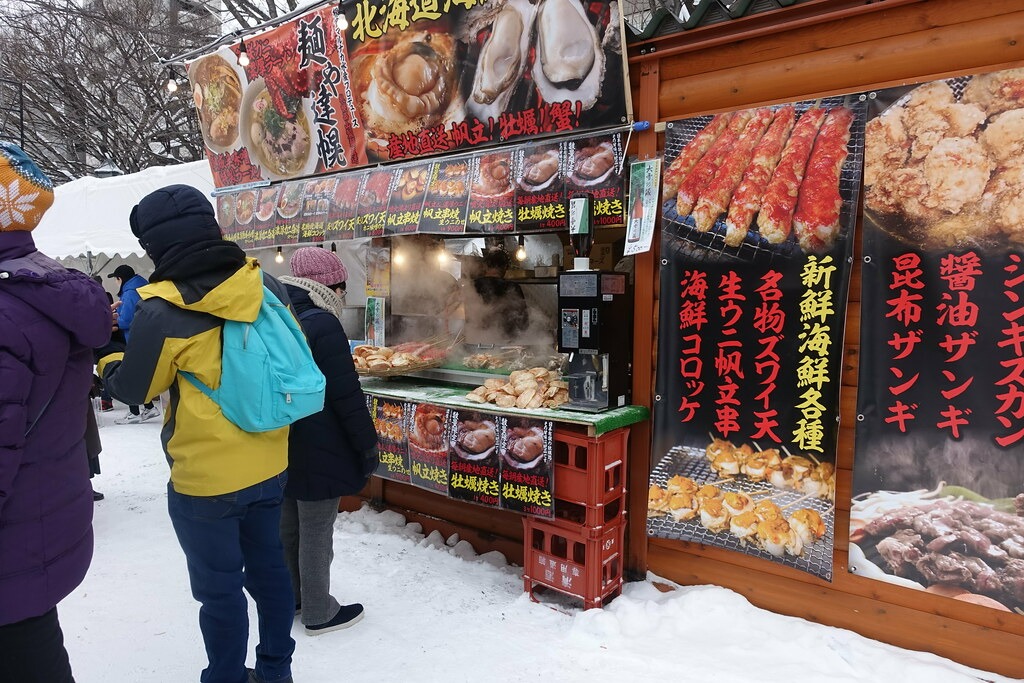
Winter in Sapporo is as much about food as it is about snow. Warm up with Hokkaido’s famous miso ramen, seafood rice bowls, grilled scallops, and hot milk tea. Sampling these local delicacies is among the most famous things to do in Japan, and food stalls are spread across the festival grounds, especially near Odori Park.
Don’t miss out on sweet treats like freshly made taiyaki or hot chocolate. Enjoying these local delights while walking among glowing sculptures adds a delicious dimension to your experience.
7. Capture the Best Photos
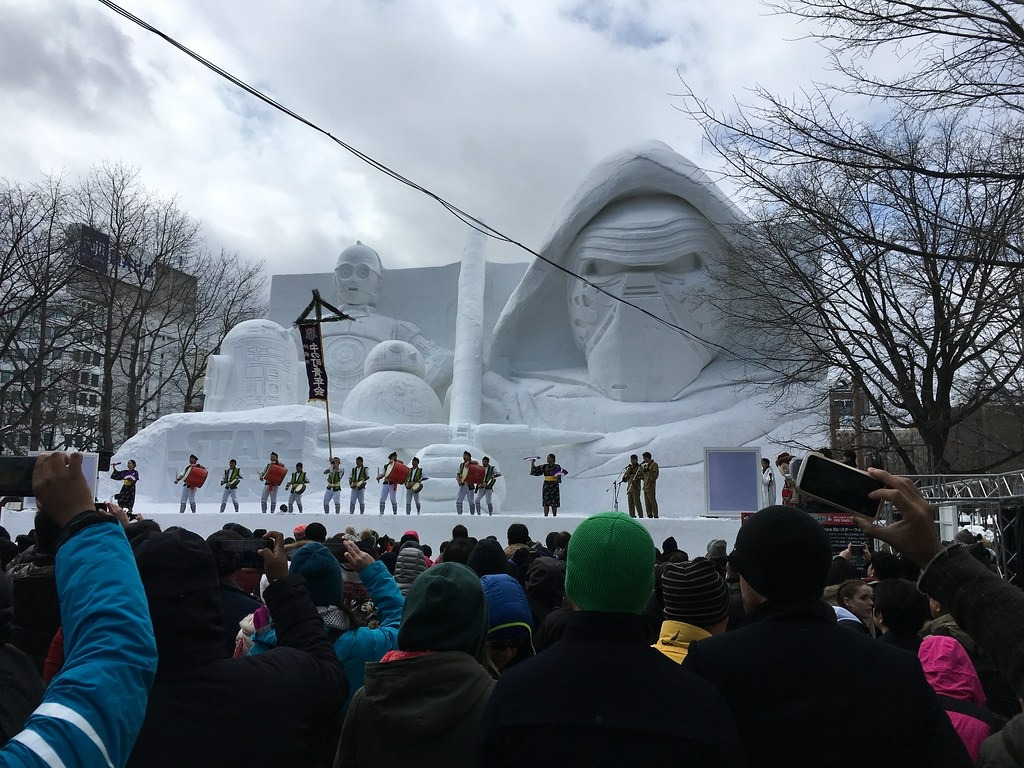
Bring a good camera or ensure your phone is winter-ready. The best time for photos is during early mornings and evenings, when lighting is soft and sculptures are less crowded. Odori Park has several elevated observation spots so climb one for a bird’s-eye view of the sculptures. To keep your phone battery from dying in the cold, bring a power bank and carry it close to your body for warmth.
8. Book Accommodation in Advance

Sapporo gets packed during the festival, so it is important that you book your hotel well in advance, ideally 3 to 6 months prior. Choose a place near Odori Station for easy access to the main festival site. Alternatively, staying near Susukino lets you explore the nightlife and ice displays with ease.
Japan’s hospitality is top-notch, and even budget hotels are clean and efficient. Having a cozy place to return to makes a big difference after a cold day out.
9. Attend the Snow Sculpture Competitions
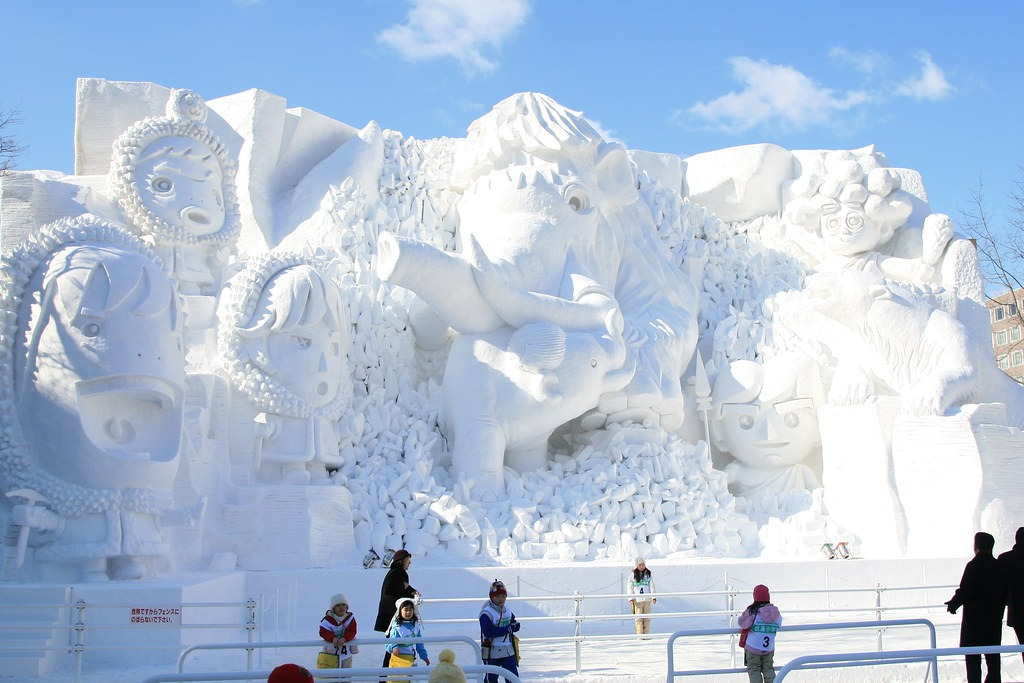
The international snow sculpture competition is a fascinating part of the Sapporo Snow Festival. Teams from all around the world, including Thailand, the U.S., and South Korea, come here to compete, carving massive sculptures live over several days.
Watching them work is inspiring, and you’ll gain deeper insight into the effort and skill behind each piece. It’s a dynamic, evolving exhibit that adds a thrilling layer of excitement to your visit.
10. Enjoy Other Winter Attractions Nearby
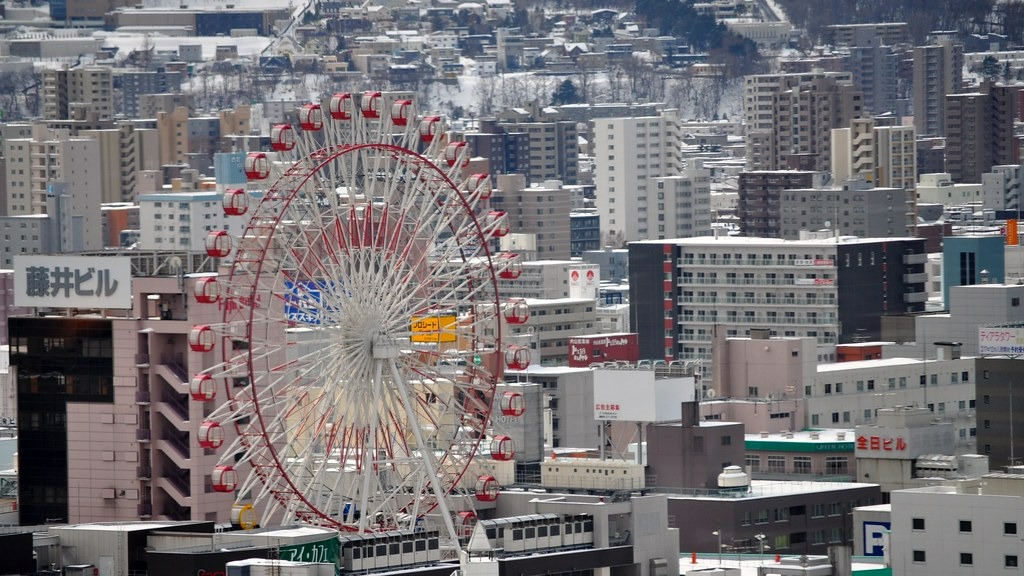
While in Sapporo, you can explore the region beyond the festival. Visit Mt. Moiwa Ropeway for panoramic snow-covered views, soak in a local onsen (hot spring), or visit the Sapporo Beer Museum for a cozy indoor break.
If time permits, take a day trip to nearby Otaru, known for its romantic canal and snow lantern festival. These extra experiences help round out your winter adventure in Japan, making your trip even more unforgettable.
Conclusion
The Sapporo Snow Festival is more than a celebration, as it is a wholesome experience for all your senses. From glittering sculptures to steaming bowls of miso ramen, from snow slides to quiet moments under glowing lanterns, this festival captures the heart of Japanese hospitality and creativity. With the tips above, you’re all set to explore the frozen fantasy like a seasoned traveler. So grab your winter gear, plan your route, and immerse yourself in one of the most magical winter festivals the world has to offer.