

Quick Jumplinks to Navigate
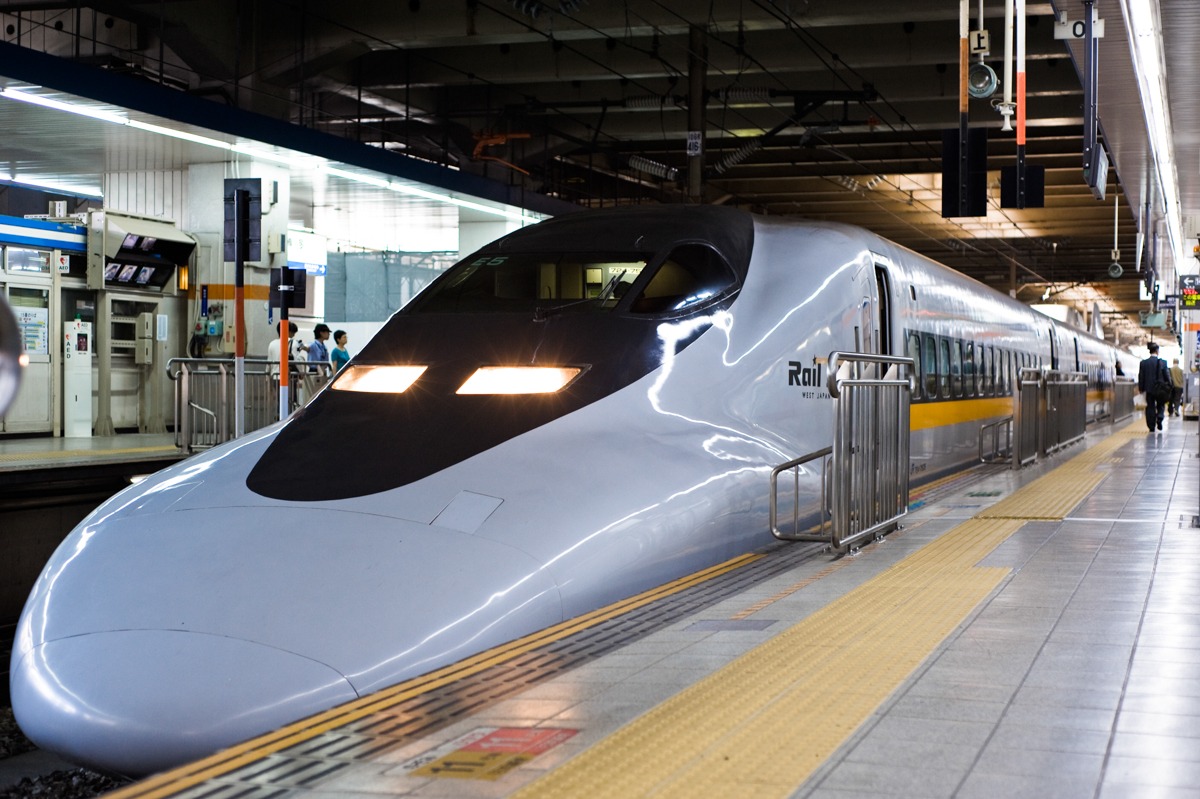
Japan’s legendary Shinkansen, or more commonly known as the bullet trains, are a marvel of speed, precision, and comfort. Since their debut in the year 1964, they have changed the whole system of how Japan travels. It is a revolution that can easily connect cities from Hokkaido to Kyushu in record time. The speed of these bullet trains reaches up to 320 kilometres per hour, which is efficient. When you ride on these Shinkansen, you will also get to see Japan’s diverse landscape on this smooth journey.
This is one of those rare experiences that is a mix of modern engineering and impeccable service, which is really memorable to the tourists who visit Japan. Whether you’re planning short hops or cross-country rides, this guide covers everything you need to know about riding the Shinkansen like a pro.
1. Understanding the Shinkansen Network
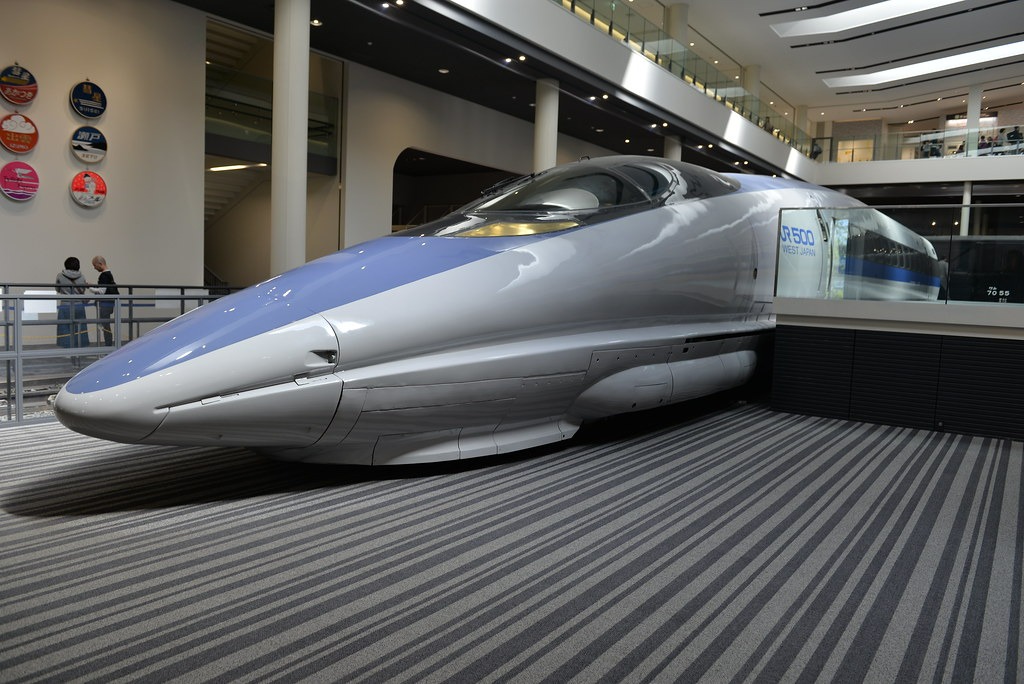
The Shinkansen network spans the entire country of Japan, and it is divided into several lines, like the Tokaido, Sanyo, Tohoku, and Kyushu Shinkansen. Each of these lines connects major cities and regions of Japan, like Tokyo to Osaka on the Tokaido line, Osaka to Fukuoka on the Sanyo line, and Tokyo to Aomori on the Tohoku line.
The trains are categorised into different service types: Nozomi, which is the fastest with the fewest stops; Hikari, which is fast with moderate stops; and Kodama, which is slower but stops at all stations. Choose the type of service that suits your budget and schedule the best to make your journey smoother and more efficient.
2. Buying Tickets and Passes
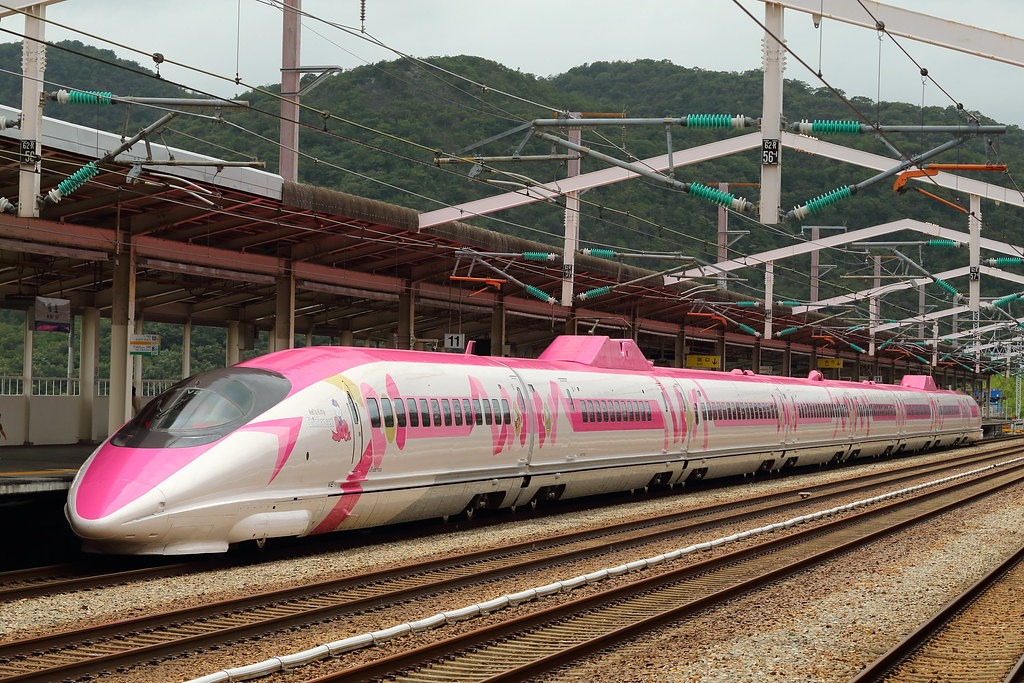
There are many ways to acquire a ticket to these Shinkansen; you can purchase them at station counters, ticket machines, or online. As a tourist, you can also go for a Japan Rail Pass that offers unlimited travel time on most of the Shinkansen lines for a particular number of days. These passes give excellent value if you have long-distance itineraries planned. However, the Nozomi and Mizuho services are not included in the pass, so plan your purchase accordingly.
If you’re booking Japan travel packages, many include Shinkansen rides, ensuring convenience and cost savings. Reserved seats are recommended, especially during peak travel times like Golden Week or cherry blossom season.
3. How Fast Are They?
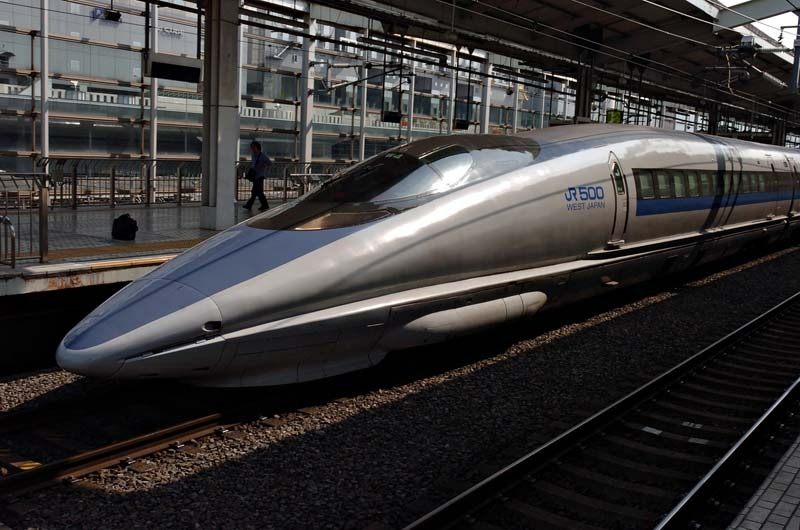
The top operating speed of the Shinkansen is about 320 kilometres per hour, and some of the experimental trains have even exceeded the 400 kilometres per hour mark. Even though the speed of the trains is this high, the ride is still smooth with minimal motion and no jarring movements.
So without any discomfort, you can easily sip coffee, work on a laptop, or simply gaze out the window. On routes like Tokyo to Osaka, the journey takes just over 2.5 hours, which is a fraction of the time compared to driving or conventional trains.
4. Green Cars and Gran Class

While ordinary cars offer great comfort, first-class Green Cars provide more spacious seating, extra legroom, and quieter cabins. On the other hand, the Gran Class is only available on some selected routes and it is the pinnacle of luxury as it features leather seats, complimentary meals, and personalised services. If you are taking a long journey, then these upgrades are something to consider.
These options are famous for giving more privacy and comfort on the journey. For couples on a special trip, these premium experiences add a romantic touch to the journey that is something often highlighted in Japan tour packages for couples.
5. Luggage and Storage
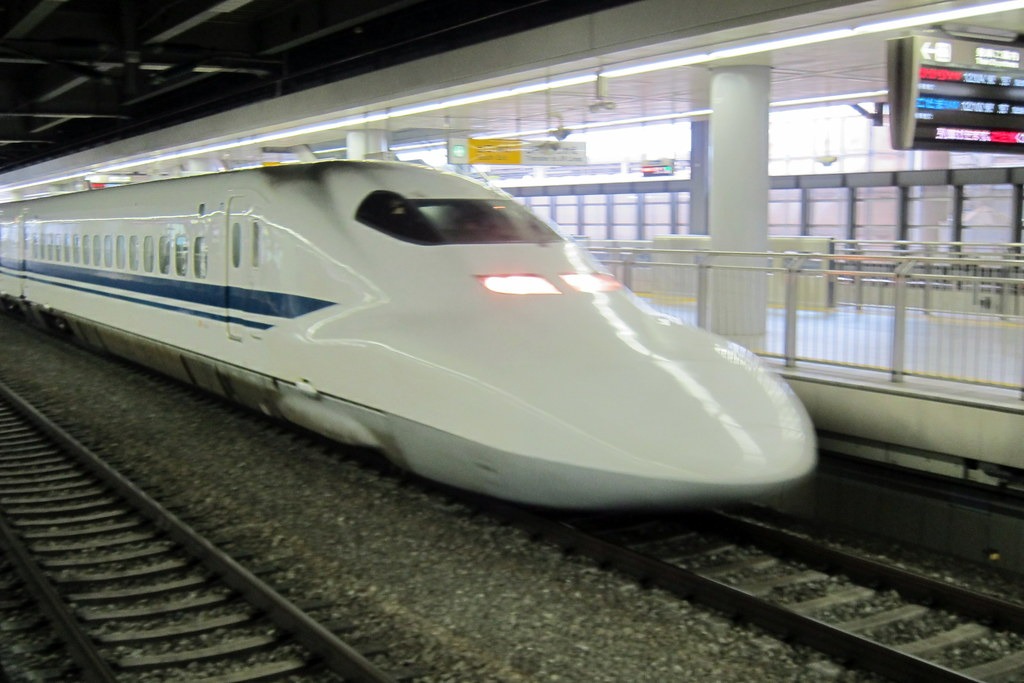
Shinkansen trains have overhead racks for carry-on bags and designated storage spaces for larger luggage at the end of each car. As of 2020, passengers with oversized baggage (over 160 cm total dimensions) must reserve special seats in advance. Packing light will make boarding and disembarking faster, especially at busy stations where trains stop for only a few minutes.
6. Onboard Experience
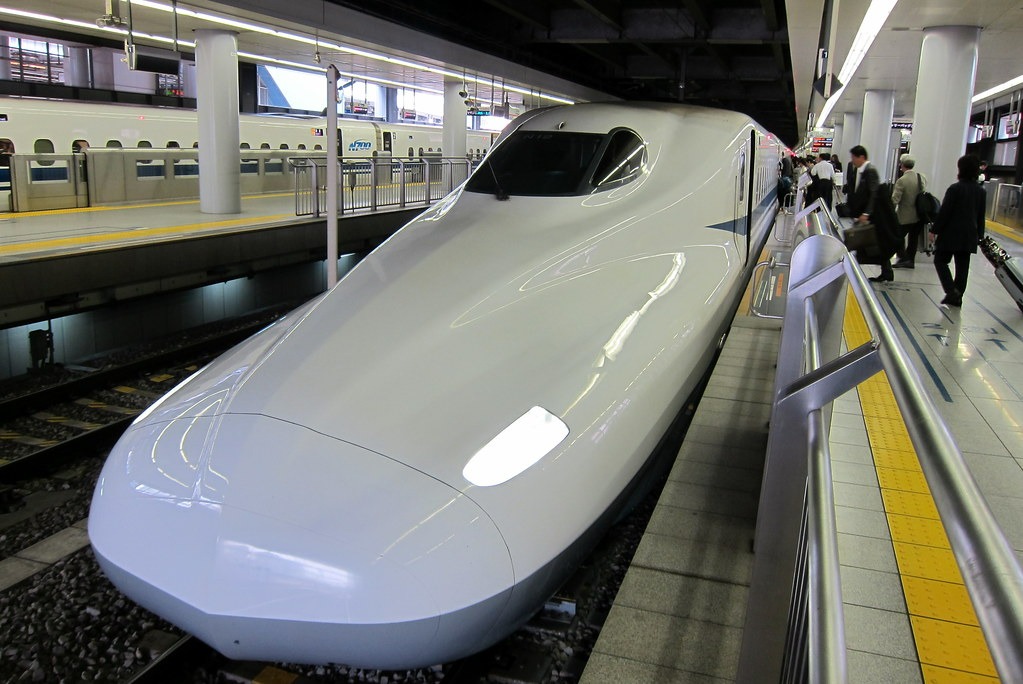
Shinkansen trains are famous for punctuality; delays are rare and usually only by seconds. The interiors are clean and well-maintained, with reclining seats, fold-out trays, power outlets (on newer models), and ample legroom. Food trolleys offer ekiben (station bento boxes), snacks, and drinks. Riding the bullet train itself is one of the top activities to try in Japan.
The large windows give stunning views of Mt Fuji, rice paddies, and coastal stretches, depending on your route. Announcements are made in both Japanese and English for travellers’ convenience.
7. Scenic Routes to Consider
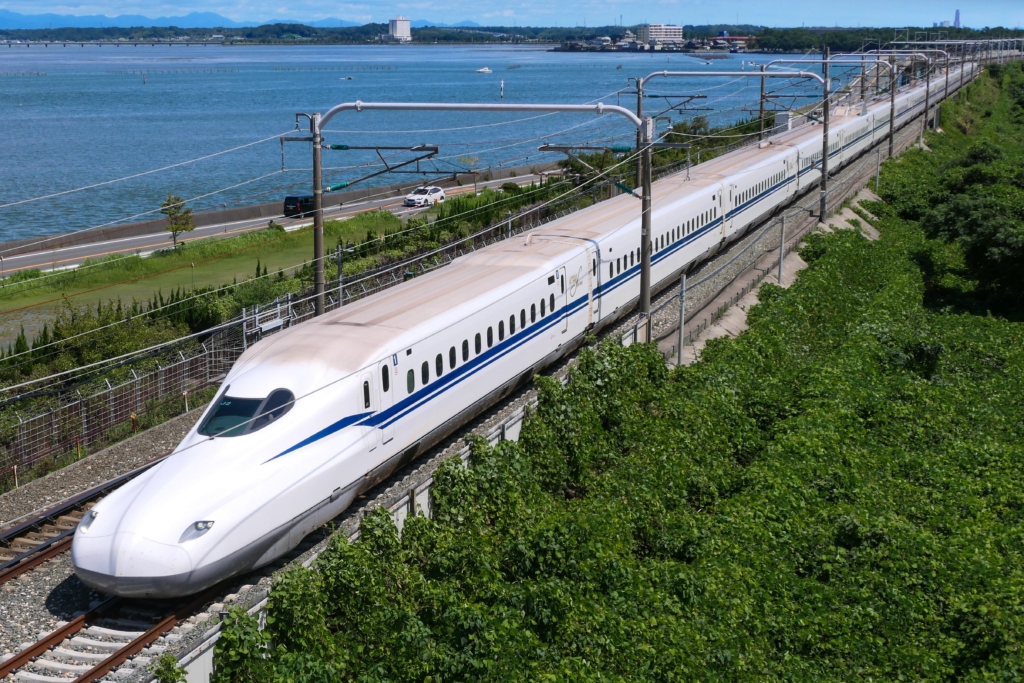
Some Shinkansen routes are not just quick but breathtakingly scenic. The Tokaido line offers glimpses of Mt Fuji on clear days between Tokyo and Shizuoka. The Tohoku Shinkansen cuts through rural landscapes and mountains, especially picturesque during the autumn foliage season.
The Kyushu Shinkansen passes through volcanic landscapes and lush countryside, making it a favourite among travellers seeking more than just point-to-point transport.
8. Tips for First-Time Riders

- To locate your platform easily and to avoid any last-minute confusion, it is best to arrive 15 minutes early at the station.
- Stand at the marked boarding point for your car number.
- Hold onto your ticket until you exit your destination station.
- Keep noise to a minimum, and phone calls are discouraged inside the cabin.
- Don’t forget to explore station bento shops, as many of them have region-specific specialities worth trying before boarding.
9. Seasonal Travel Considerations
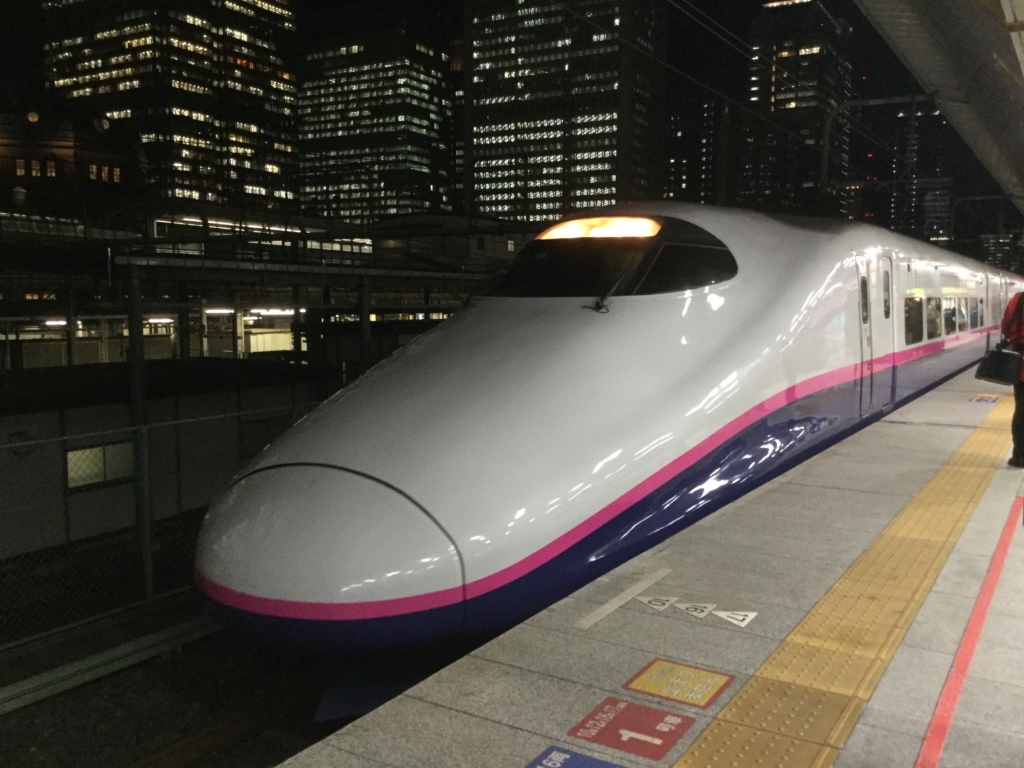
During cherry blossom season (late March–early April) and autumn foliage season (November), tickets sell out fast. Winter routes to northern Japan offer magical snow-covered views, though weather can occasionally cause slight delays. Summer months are quieter, except for school holidays in August. Adjusting your travel plans around these peak times can make your experience more comfortable and enjoyable.
10. Why You Shouldn’t Miss It?

The Shinkansen is more than just transportation; it’s an icon of Japanese innovation and hospitality. It represents the country’s ability to blend efficiency with beauty and tradition with modernity. Even if you have only a short stay, riding the Shinkansen offers a cultural insight into Japan’s meticulous approach to detail and service.
Conclusion
Riding the Shinkansen is an essential Japan travel experience, combining breathtaking speed, smooth comfort, and a window into the country’s landscapes and culture. Whether you choose a quick hop between Tokyo and Kyoto or an extended journey to the northern or southern extremes, you’ll certainly get the chance to appreciate the punctuality, cleanliness, and thoughtful amenities. From the quiet elegance of Green Cars to the everyday efficiency of ordinary seats, there’s an option for every traveller. So, when planning your itinerary, make sure the bullet train isn’t just a way to get somewhere, but it is also a highlight of your journey through Japan.