

Quick Jumplinks to Navigate
While planning a trip to Japan you also need to figure out how you want to explore these destinations. Would you rather have a guide who can tailor the day around your interests, join a smaller group of travellers for a few hours, or follow a pre-arranged itinerary that takes care of most of your holiday logistics?
The difference between private, shared and group tours in Japan comes down to how much control you want over your experience, how you prefer to travel and what you are comfortable spending. A private tour can give your family more freedom to explore at its own pace, while a shared excursion can make guided sightseeing more affordable. Organised group tours, meanwhile, can simplify a multi-city holiday by bringing accommodation, transfers and sightseeing into one itinerary.
There isn’t one option that works best for every traveller. Someone booking a Japan tour package for the first time with their parents may value convenience over flexibility, while a couple returning for a second visit may prefer to explore independently and book a guide only for selected experiences.
As per Thrillophilia’s destination experts, comparing the itinerary, group size, transport arrangements and cancellation conditions is essential before choosing a tour format, as the experience can vary significantly even between tours in the same city.
Here’s how the three formats compare in real travel situations, including what you can expect to pay for and where each one makes the most sense.
1. Private Tours in Japan

Imagine spending a morning in Tokyo exploring traditional streets and local food spots, only to realise that you want to spend the rest of the afternoon browsing shops instead of heading to another scheduled attraction. On a private tour, changing the pace may be possible, provided the revised plan fits the guide’s availability and the tour’s conditions.
That flexibility is the main reason travellers consider private tours in Japan. Your booking party gets a dedicated experience rather than sharing the guide’s attention with strangers. Depending on the package, this could mean a private walking tour, a customised sightseeing experience or a vehicle and driver for a particular route.
Private tours can be especially useful for families travelling with children, elderly parents or people who need more frequent breaks. They can also suit photography enthusiasts, food lovers and travellers who want to explore particular neighbourhoods rather than follow a standard sightseeing circuit.
However, a private tour does not automatically include a car, admission tickets or complete freedom to change the itinerary. Some experiences are walking tours, while others follow a fixed route despite being private. Read the inclusions carefully before paying.
Best suited to: Couples on a honeymoon trip to Japan, travellers with specific interests and anyone who values a more personalised pace.
2. Shared Tours in Japan
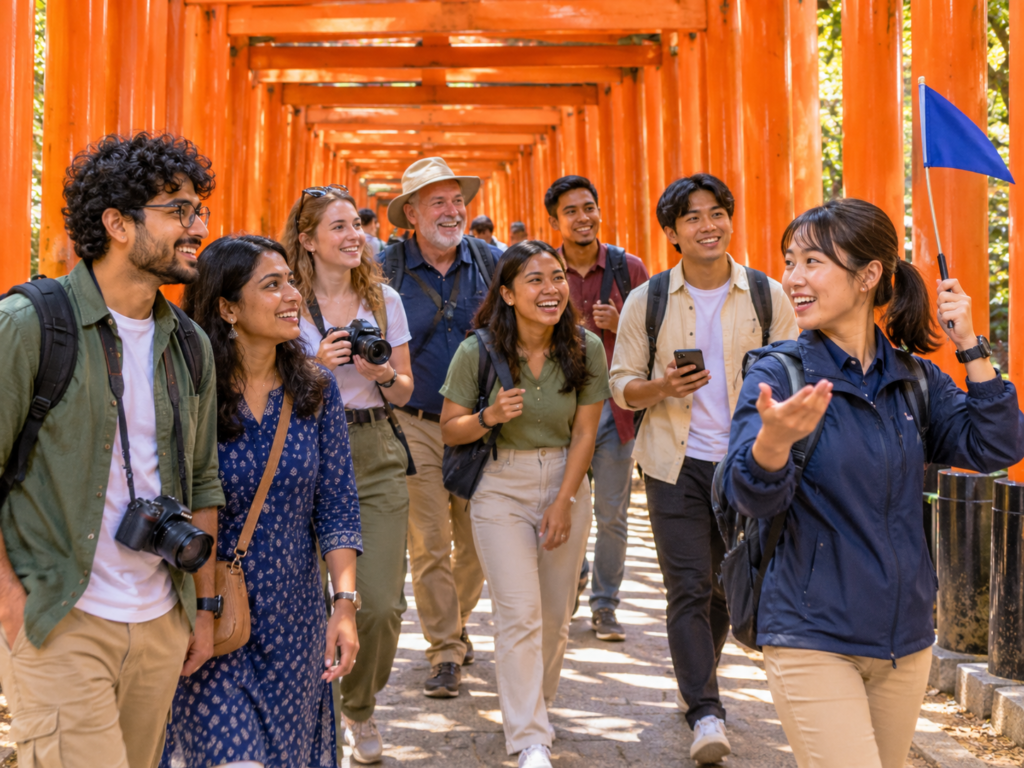
Not every traveller needs a dedicated guide for the entire day. Sometimes, a few hours with someone who understands the destination is enough to make a neighbourhood, historic site or food district more interesting.
That’s where shared tours come in. You reserve a place on an existing excursion and explore alongside other participants who have booked the same experience. These tours usually operate at a set time and follow a predetermined route, with the guide managing the schedule for everyone.
For example, a shared walking tour in Kyoto can introduce you to the history and traditions of a neighbourhood without requiring you to arrange a private guide. In Tokyo, a guided food excursion can help you discover local specialities while providing context that might be difficult to get from a menu alone.
Shared tours are often attractive to solo travellers and couples because the price is usually charged per person. You pay for your own participation instead of covering the cost of a dedicated guide or vehicle for your party.
The trade-off is that you have less control over the schedule. If you want to spend an extra hour at a particular stop, leave early or change the route, the guide may not be able to accommodate you. The experience also depends partly on the size and pace of the group.
Best suited to: Solo travellers, couples, budget-conscious visitors and anyone who wants guided sightseeing without committing to a private experience.
3. Organised Group Tours in Japan
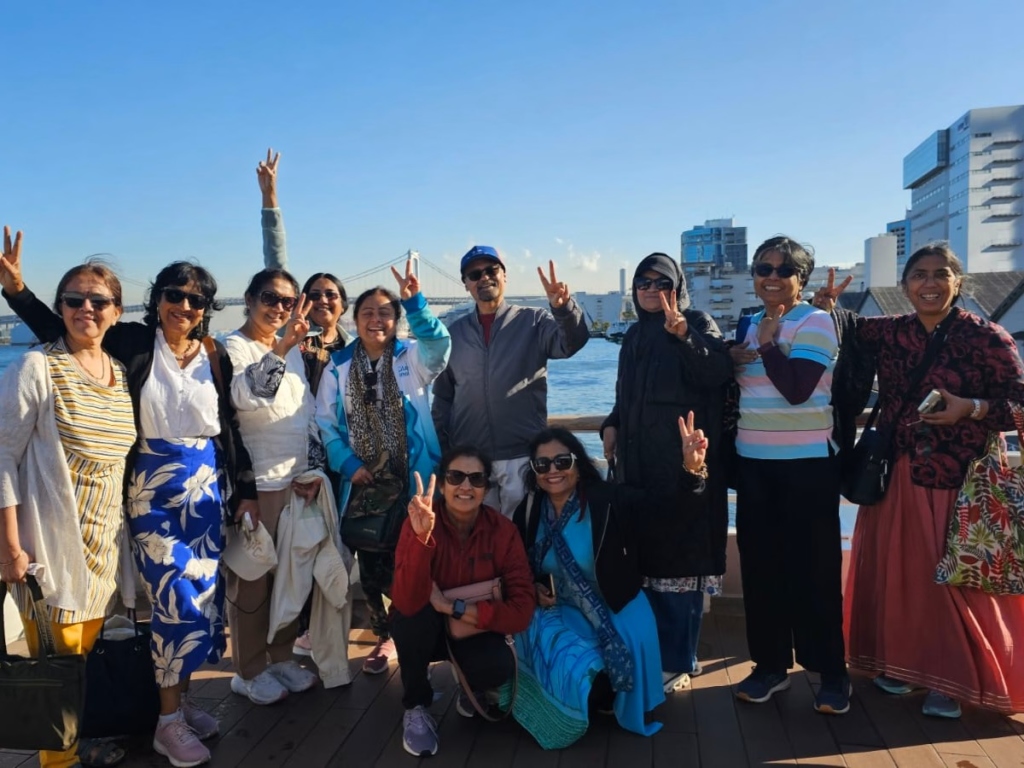
A multi-city Japan holiday involves more moving parts than a single afternoon excursion. You may need to coordinate hotel check-ins, intercity trains, luggage, attraction timings and transfers between destinations. If you would rather not organise each element yourself, an organised group tour can simplify the process.
These tours generally follow a pre-arranged itinerary over several days. Depending on the package, accommodation, transport, selected meals, sightseeing and tour-leader services may be included. Travellers follow the same broad schedule, moving between destinations together or meeting for scheduled activities.
Consider a first trip covering Tokyo, Kyoto and Osaka. Instead of independently researching every transfer and deciding how many nights to spend in each city, you could choose an organised itinerary that has already mapped out the main arrangements.
This structure is particularly helpful if you have limited time to plan, feel uncertain about navigating transport in an unfamiliar country or simply prefer knowing the major details before departure.
The compromise is a less personalised schedule. A group itinerary needs to work for everyone, so you may spend less time at an attraction you love or have limited opportunities to explore independently. Optional activities, free evenings and the pace of travel can vary significantly between packages.
Best suited to: First-time visitors, travellers exploring multiple cities, people who prefer organised logistics and those who enjoy travelling with a group.
4. Which Tour Type Is Cheaper in Japan?
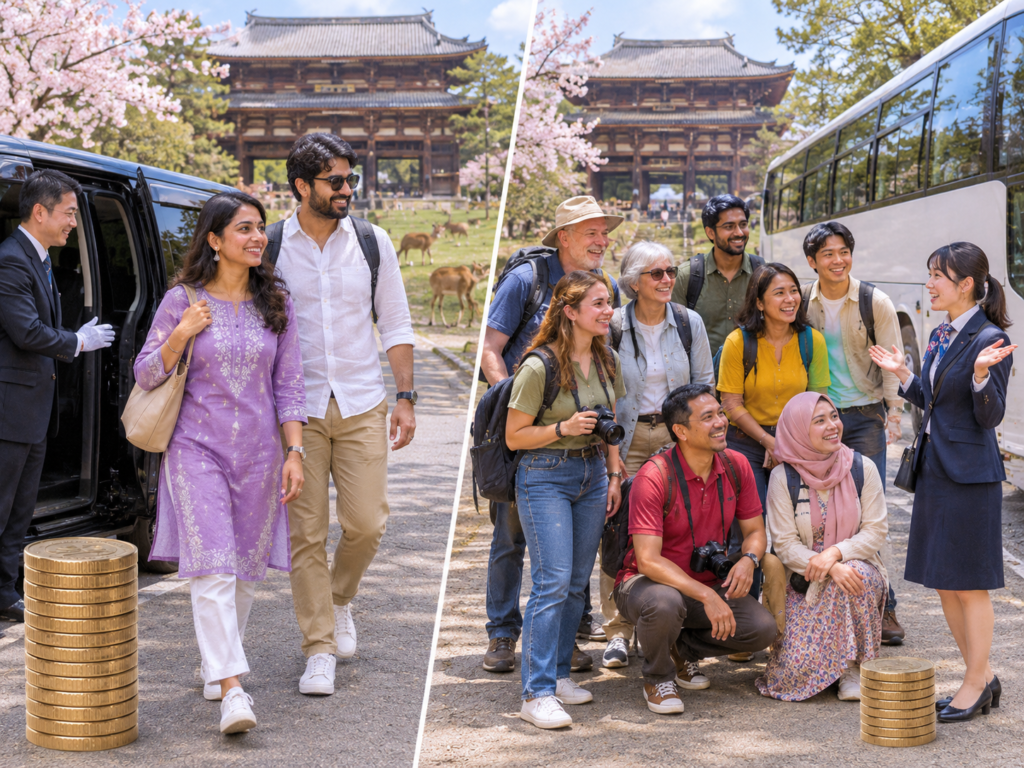
The price difference between private, shared and group tours is not as straightforward as comparing three advertised rates. A short shared walking tour and a private day trip with a vehicle are different products, even if they cover the same city.
Shared excursions often have a lower price per person because the guide and other operating costs are distributed across participants. Private tours may cost more overall, particularly when a dedicated vehicle is involved. However, the difference can narrow when several people travel together.
For instance, imagine a private experience priced at ₹24,000 for a party of four. The cost works out to ₹6,000 per person. If only two people take the same booking, the effective cost doubles to ₹12,000 each. These figures are hypothetical examples to illustrate the calculation, not current market rates.
Organised group tours require a slightly different comparison. Their total prices can be higher because they may cover several days of accommodation, transport and sightseeing. Comparing the package total with the price of a single shared excursion would not give you a meaningful picture of value.
Based on Thrillophilia’s trip-planning recommendations, compare the total cost per traveller after accounting for inclusions such as accommodation, transport, attraction tickets and meals, rather than judging value by the advertised starting price alone.
5. Private vs Shared vs Group Tours for Families Travelling in Japan
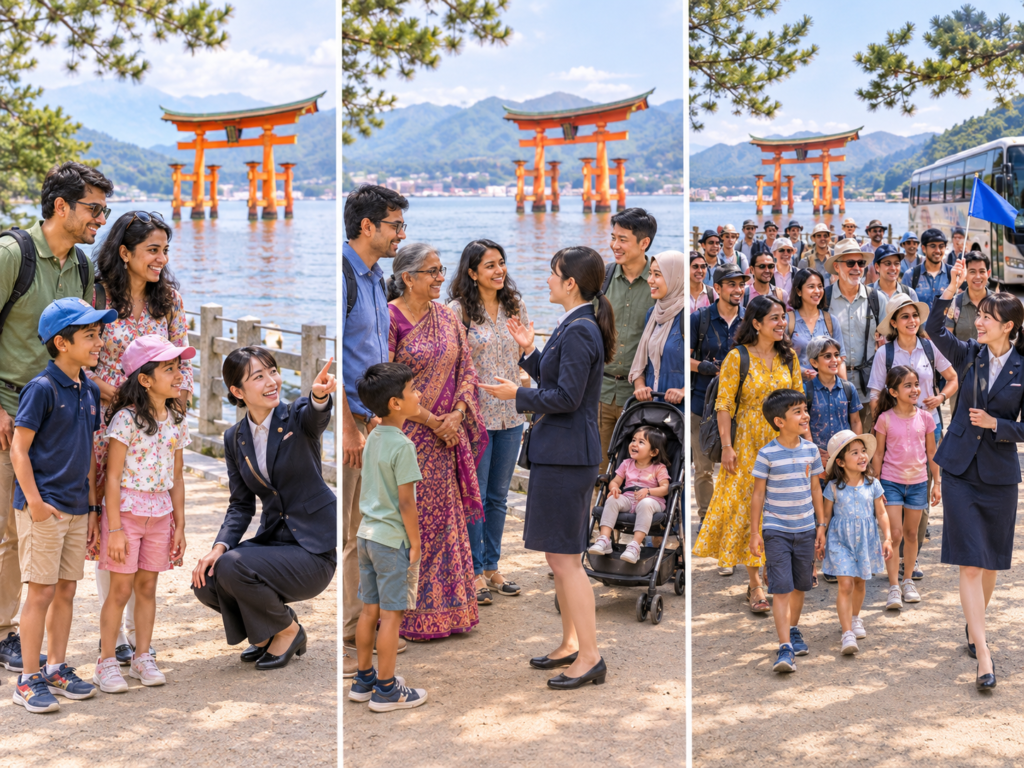
Planning a family trip to Japan can change what counts as good value. A couple might happily spend several hours walking between attractions, whereas a family with young children or elderly parents may need a slower day with convenient breaks.
A private tour can work well when the family has different mobility needs or wants to avoid the pressure of keeping up with a larger group. You may be able to adjust the pace or select a more convenient route, depending on the booking.
Shared tours can still be a sensible choice for families whose members are comfortable with fixed timings. A short cultural experience or guided neighbourhood walk may be easier to manage than an entire day of sightseeing with a dedicated guide.
Organised group tours offer a different advantage: less responsibility for arranging the major logistics. However, families should look closely at hotel arrangements, walking distances, luggage transfers and the amount of free time available.
For anyone travelling with elderly parents, the tour’s accessibility matters as much as its format. A private walking tour can still involve substantial steps, and a group tour can be comfortable if its itinerary is designed appropriately. Check the actual route and transport arrangements rather than assuming that a more expensive option will automatically be easier.
6. How to Choose the Right Japan Tour for Your Budget and Travel Style
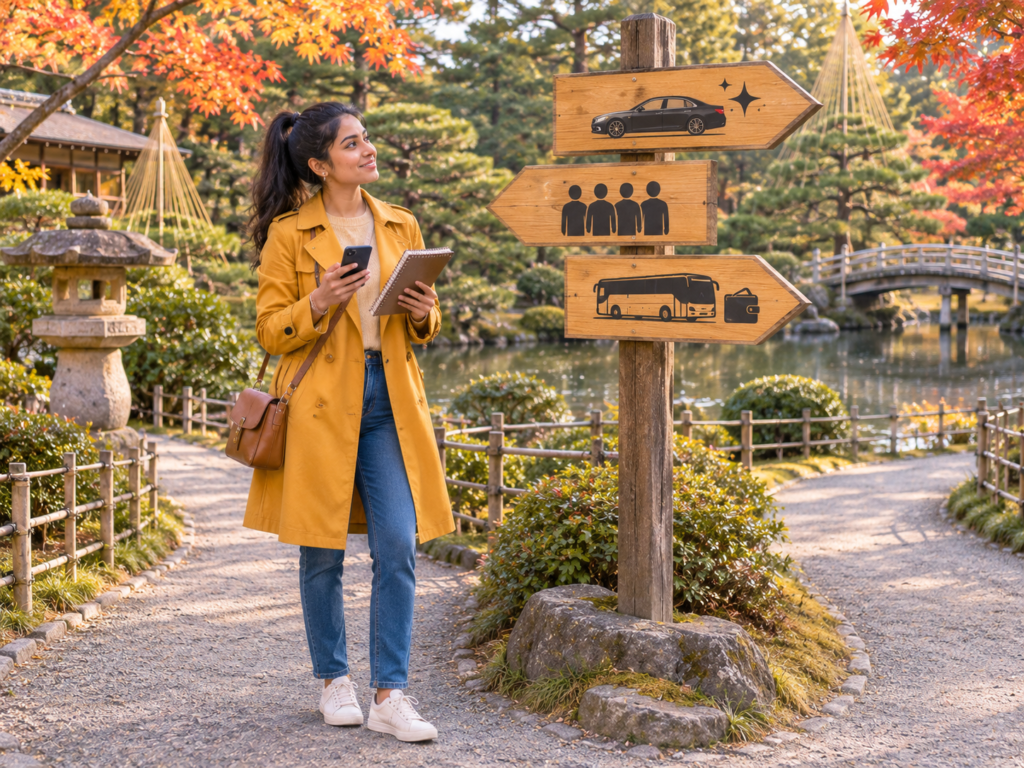
If you enjoy exploring at your own pace and want a guide’s attention to yourself or are on a luxury trip to Japan, a private tour is worth considering. The higher total price may be justified when flexibility, comfort or a particular interest is central to your plans.
If you are travelling alone or with a partner and mainly want a guided introduction to a destination, a shared tour can offer a useful balance between convenience and cost. Look for a route that genuinely interests you rather than choosing solely on price.
For a first-time visit covering several cities, an organised group tour can reduce the effort involved in coordinating accommodation, transfers and sightseeing. Just make sure the schedule leaves enough room for the experiences that matter to you.
For travellers comparing options, Thrillophilia recommends checking the actual walking distances, daily start times, free-time allowances and transport arrangements in each itinerary, especially when travelling with children or senior family members.
Frequently Asked Questions
Private tours can be worth the extra cost when flexibility, personalised attention or a dedicated vehicle is important. They can also become more economical per person when several travellers share the booking. Compare the total price and inclusions before deciding.
Yes. Shared tours can be a convenient way for solo travellers to explore with a guide and meet other visitors without paying for an exclusive booking. Check the group size, meeting point, itinerary and cancellation policy before reserving a place.