

Quick Jumplinks to Navigate
Prepare to discover top 10 interesting facts about Japan, a nation where robots, sushi trains, along with fast bullet trains coexist with traditional customs! From incredible wooden buildings and magical temples to calm tea ceremonies as well as snow monkeys, this country is full of wonders. It is a place where culture, history, as well as nature thrive harmoniously, making a trip to Japan an unforgettable experience
These interesting facts about Japan will make you love the country before you even get there, whether you desire to climb Mount Fuji or cross the busiest street in the world. So let us dive into the coolest things that make Japan truly one of a kind!
1. 26 UNESCO World Heritage Sites
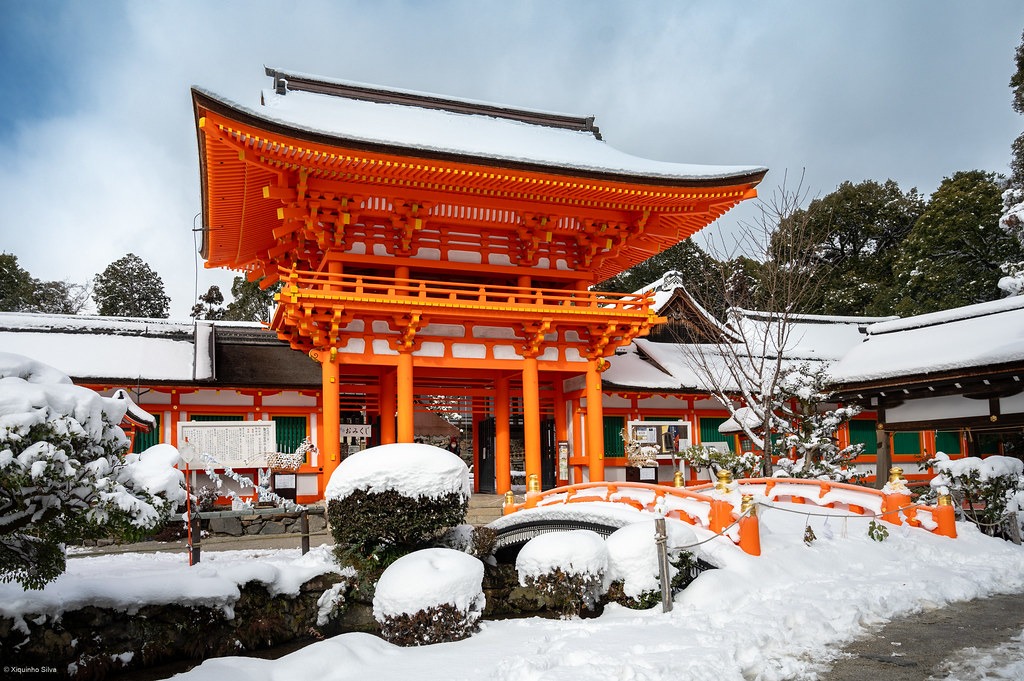
There are 26 UNESCO World Heritage Sites in Japan, including 5 natural and 21 cultural sites that provide wonderful sights and activities. Large palaces and gardens of Kyoto’s Nijō Castle can be seen at Itsukushima Shrine, along with the well-known floating torii gate.
You can explore the steep-roofed farmhouses of Shirakawa-go, as well as the hiking trails and old cedar trees of Yakushima Island. Visit the Himeji Castle to witness the best-preserved samurai fortress in Japan. You can also head to Hōryū-ji to see the world’s oldest wooden Buddhist monuments.
2. Active Volcano of Mount Fuji
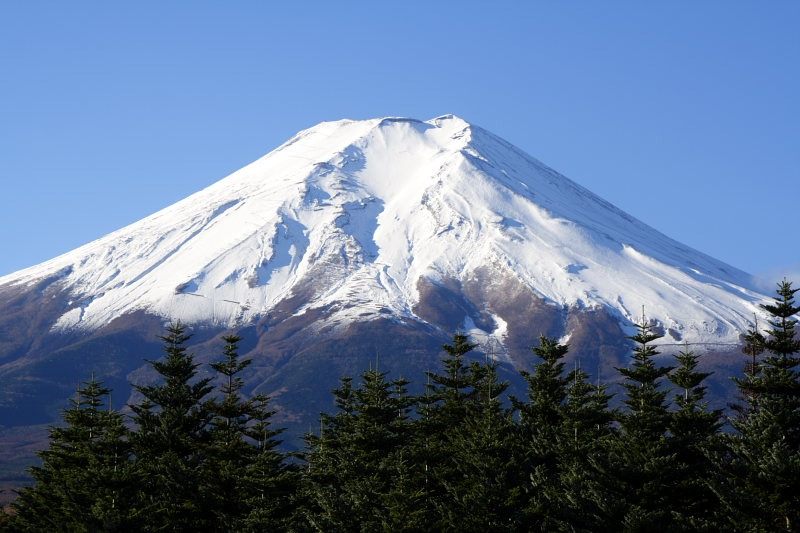
One of the top 10 interesting facts about Japan is that Mount Fuji is the country’s tallest mountain and an active volcano. Despite its most recent eruption in 1707, scientists continue to keep a careful eye on it for signals of future eruptions. It is geologically active due to its location at the intersection of three tectonic plates.
The stratovolcano structure, which is composed of ash and lava layers, indicates an explosive history. You can witness how stunning, holy, and possibly alive it is by hiking to the top, soaking in views of the sunrise, or visiting the Fuji Five Lakes, which is considered among the most amazing activities to do in Japan.
3. Diverse Wildlife
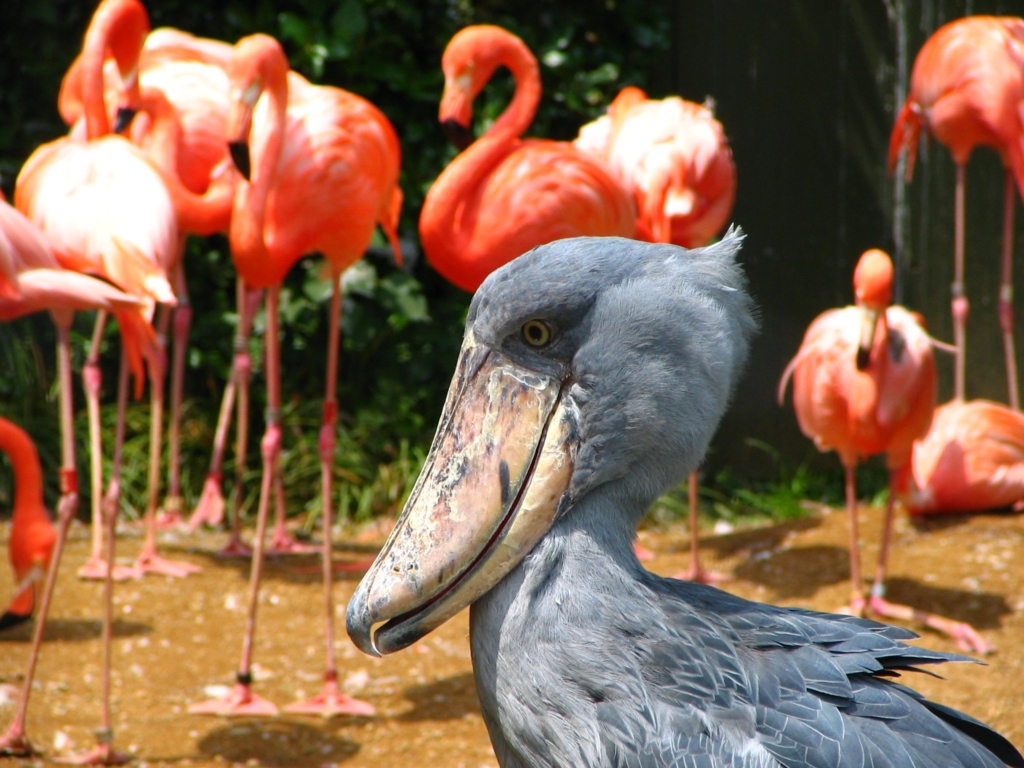
Japan is known for its remarkable wildlife diversity which is made possible by its wide range of climates and island geography. You can observe huge salamanders in the rivers of Nichinan or snow monkeys taking a dip in the hot springs in Jigokudani Monkey Park.
Witness the beautiful red-crowned cranes dance in the snow in Hokkaido, or look around in the rice fields to see frogs, dragonflies, birds, and more. When you dive in Okinawa, you can see hammerhead sharks and manta rays, as well as animals that live near villages, like the tanuki.
4. It has one of the longest wooden structures
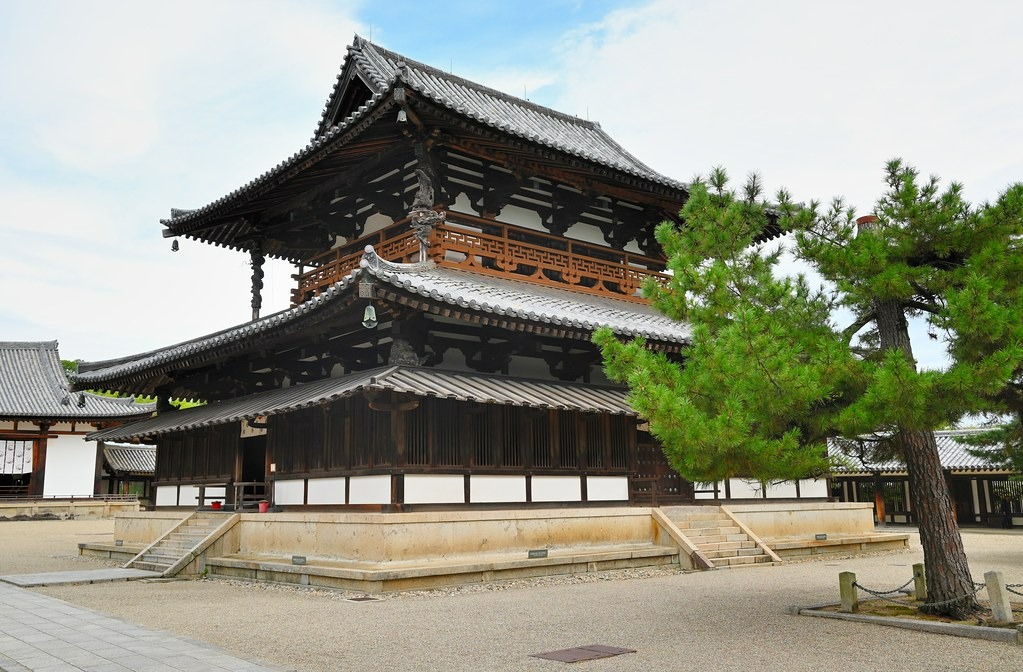
Japan’s Kyoto is home to Sanjusangen-dō, which features the country’s longest wooden hall, measuring 120 meters. You can see about 1001 life-size statues of Kannon, the Buddhist goddess of mercy, as you stroll through this magnificent temple.
In addition, each of these statues has a distinct expression carved into it. The name of the hall, which means “33 spaces between columns,” shows how it is built. Here, you can also see the Toshiya archery competition, in which archers shoot arrows all the way down the hall.
5. Geisha Tradition
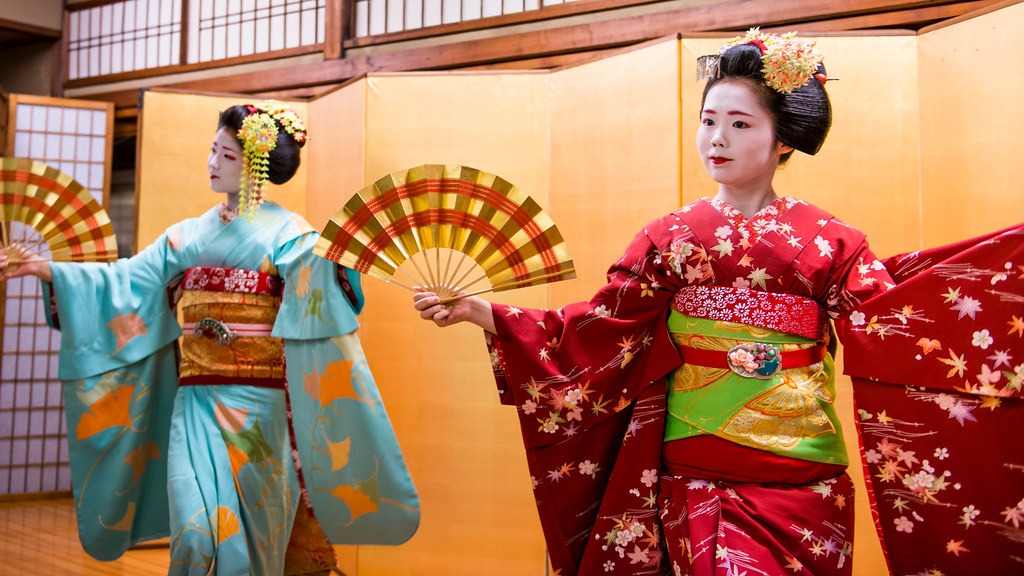
The geisha, whose name means “person of the arts,” is one of the most interesting aspects about Japan. These famous women artists are all taught Japan’s classical music, dance, tea ceremony, poetry, and conversation. Geisha dress in beautiful kimonos, wear white oshiroi makeup, and behave in a very dignified manner reflecting centuries of art and discipline.
In Kyoto, they are called geiko, while maiko are girls who start training as early as 15 years old. You can still see geisha performances in some teahouses and cultural shows today, which are a unique way to experience Japan’s elegant and mysterious artistic history.
6. The Shikansen
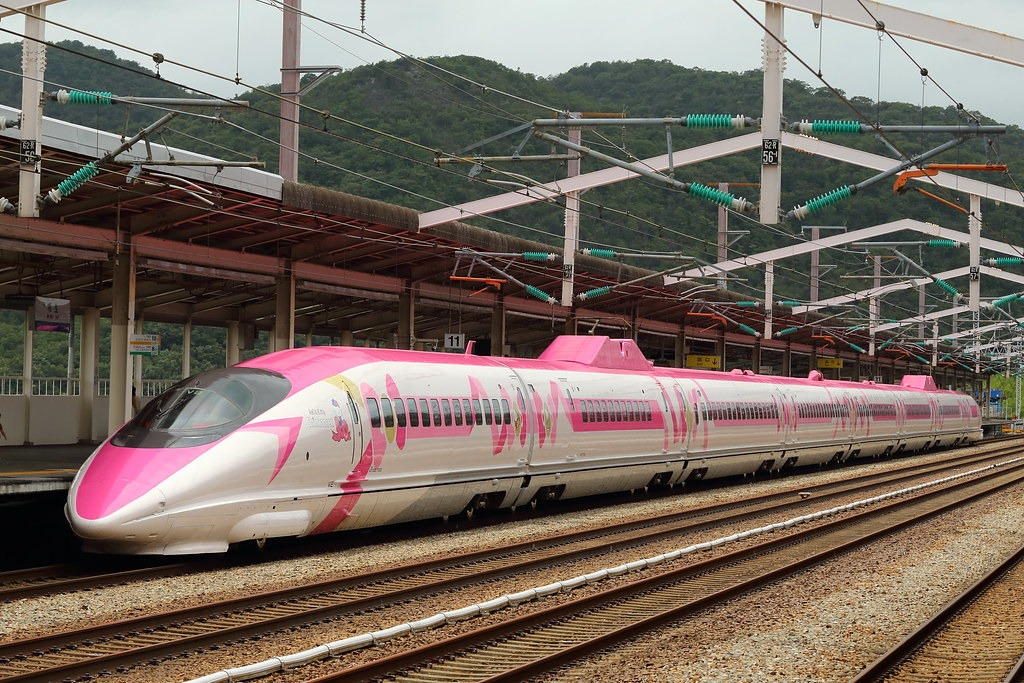
Are you looking for a smooth, quick, and safe way to go about Japan? You can take a ride on the legendary bullet train, the Shinkansen. With no passenger fatalities in more than 50 years, it has transported people between cities at up to 320 km/h since 1964.
Built to withstand earthquakes, keep precise time, and provide the utmost comfort, the Shinkansen provides smooth rides, as well as on-time service (delays average less than a minute). With wide-body coaches, comfortable seats, and regular departures, it is the best way to travel without stress, whether you are going to Tokyo, Kyoto or beyond.
7. World’s Busiest pedestrian crossing
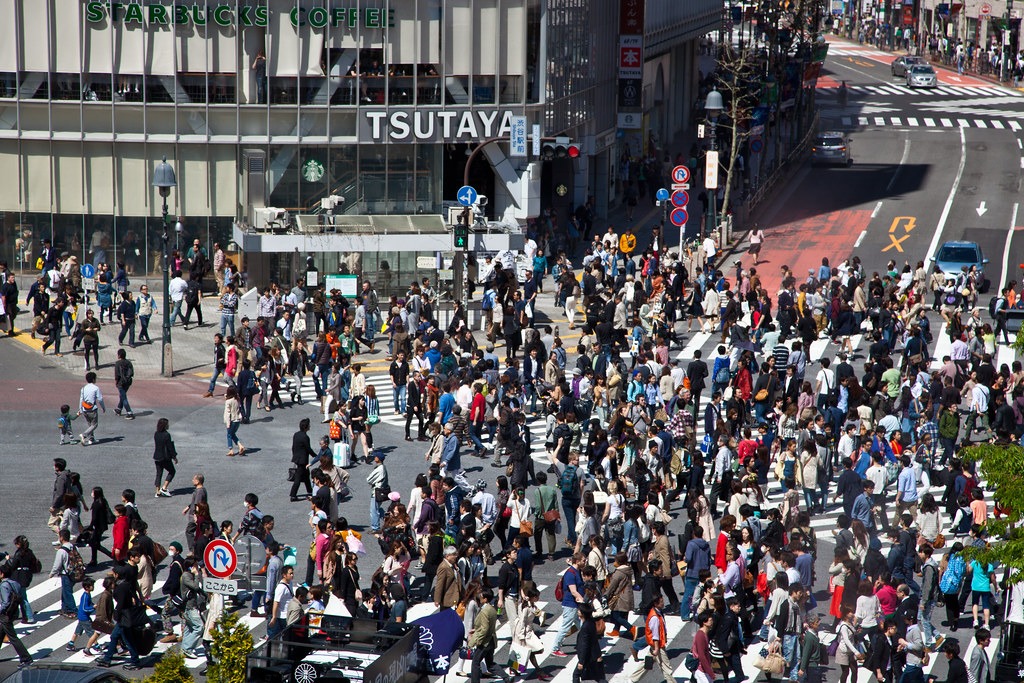
Shibuya Crossing in Tokyo is the busiest place for people to cross the street. When the lights go out, up to 3,000 people can walk across at once. This point, known as the “scramble,” allows everyone to cross simultaneously from all directions.
It is large, crowded, as well as bursting with activity. You can witness Tokyo’s fast life from this spot, which is close to shops, cafés, and big screens. Explore the nearby district of Harajuku, take a ride on Tokyo Bay, or go to the Imperial Palace Plaza.
8. Hakone Open-Air Museum
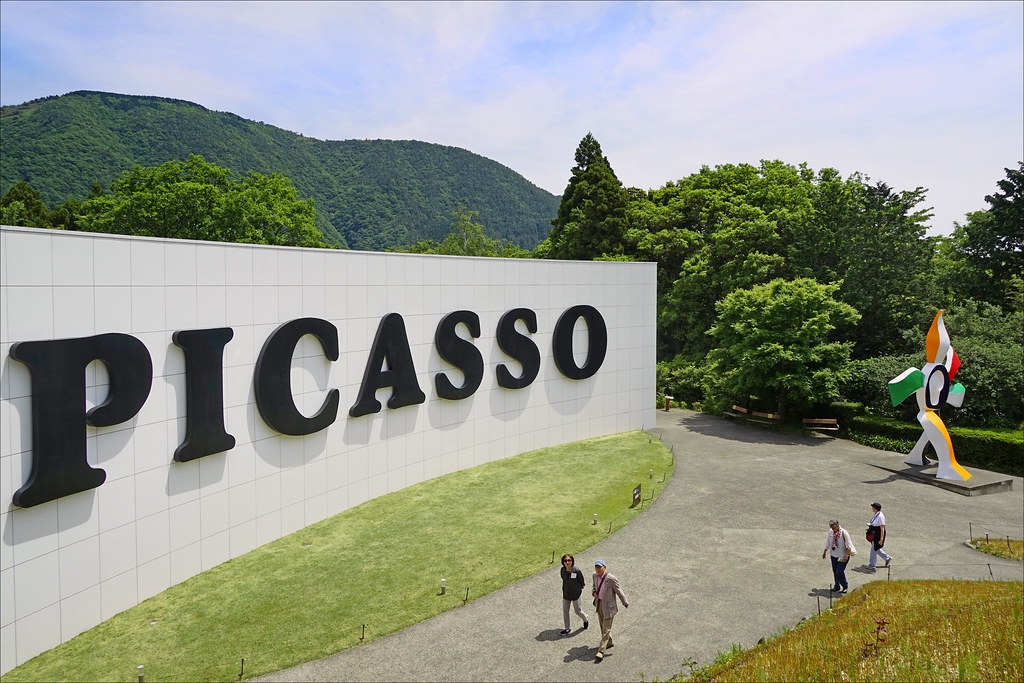
You can find peace and quiet at the Hakone Open-Air Museum, which combines art with nature. This museum has more than 100 sculptures spread out over wide grounds with views of the mountains in Hakone, one of the famous places to visit in Japan, which is close to Mount Fuji. Here, you can view pieces by well-known painters including Yasuo Mizui, Henry Moore, and Picasso.
Within the Picasso Exhibition Hall, see his paintings, ceramics, and life pictures. If you want to see the Symphonic Sculpture, you can take the circular stairs that are made of colourful stained glass. Everyone can relax in the natural hot spring foot bath while children enjoy themselves in the entertaining art areas like Zig Zag World.
9. 800 year old Tea Ceremony
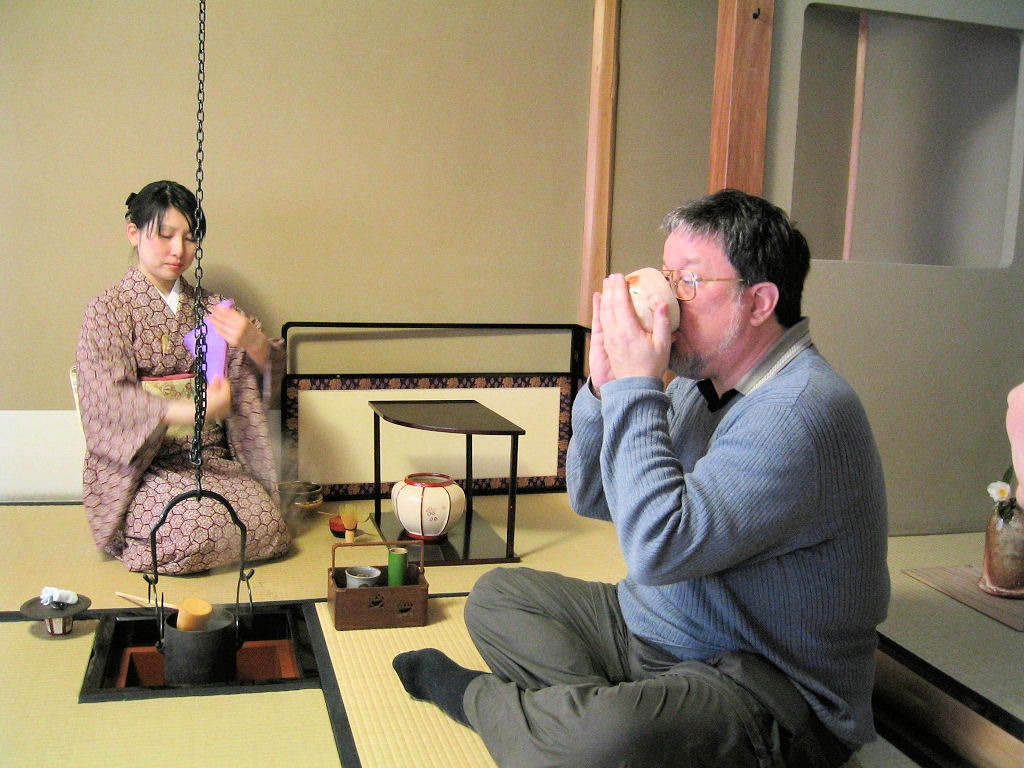
Chado, the Japanese word for tea ceremony, is a beautiful practice that lets you experience Japan’s rich history. It has roots that go back more than 1,200 years and combines Zen philosophy with art, silence, and kindness.
You can sit in a quiet tea room during a ceremony in Kyoto or Tokyo and learn from a tea master how to make matcha in a lovely manner. Every little detail, from the handling of the utensils to the quiet pauses between sips, encourages you to take your time and immerse yourself in Japanese culture.
10. Over 2000 temples in Kyoto

Over 2,000 temples and shrines make Kyoto the spiritual heart of Japan. Here, you can walk through Fushimi Inari Shrine’s endless red torii gates, take in the view from Kiyomizu-dera, apart from being amazed by Kinkaku-ji’s golden beauty.
You can relax in the moss fields at Ginkaku-ji or wander through the Zen areas as well as the historic gate at Nanzen-ji. Explore a beautiful landscape garden at Tenryu-ji, and see beautiful fall foliage at Tofuku-ji. You can also join a morning prayer session at Chion-in to see Japan’s biggest temple gate for a peaceful as well as cultural experience.
Conclusion
Japan is full of wonders around every corner, from holy temples and old tea ceremonies to fast bullet trains and the famous Shibuya Crossing. It feels like every moment here is a story, whether you are admiring art under the stars, bowing to snow monkeys, or drinking matcha in peace. So, gather your curiosity and travel to a nation where innovation and tradition coexist peacefully.