

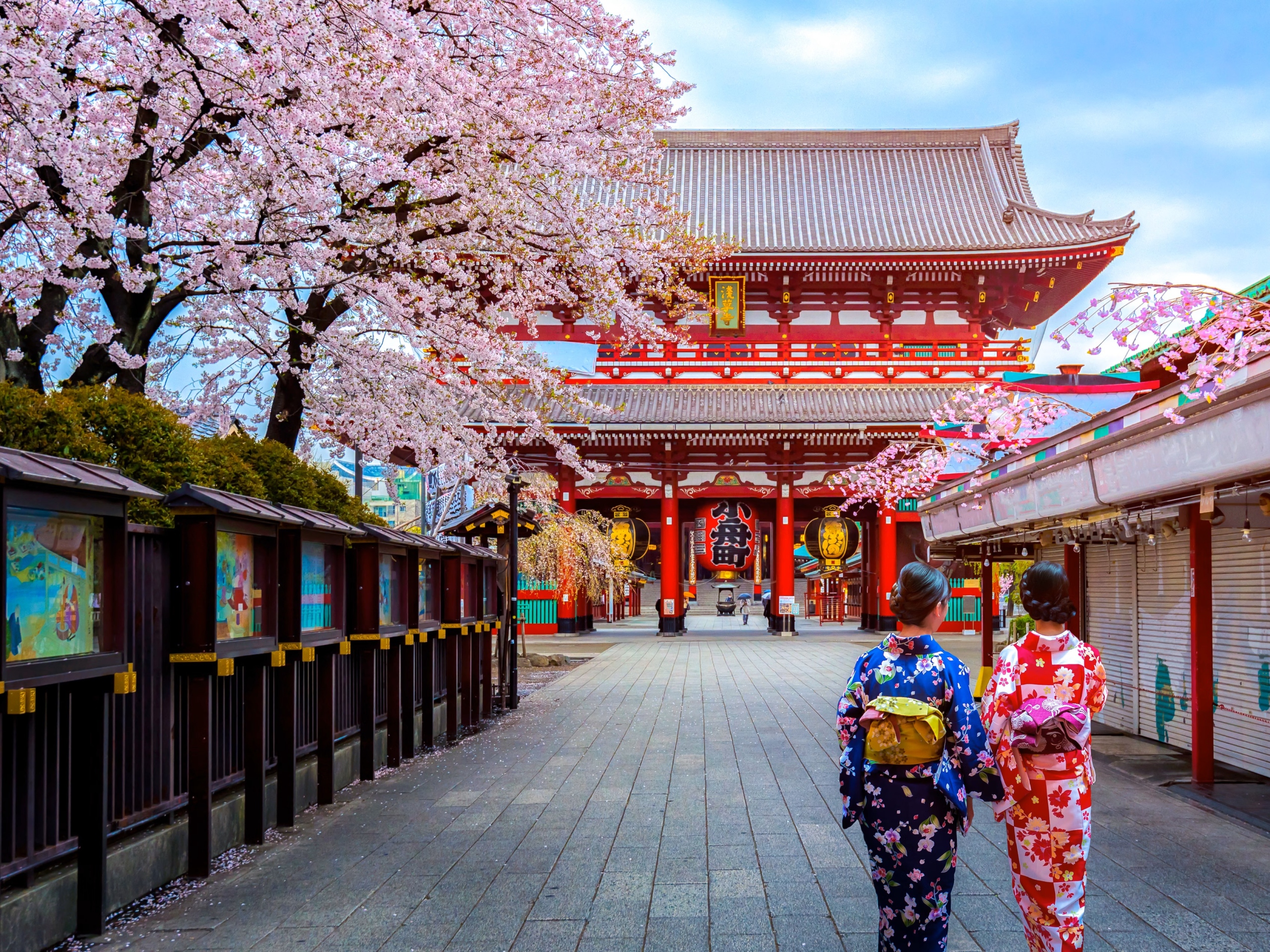
Quick Jumplinks to Navigate
The same temples and parks you might visit in summer look entirely different when maple trees turn red, ginkgo avenues go gold, and mountain forests shift through amber and orange. This season, known in Japanese as koyo, draws travellers specifically around the foliage window. Getting the timing right, however, requires more planning than most people expect.
Japan stretches over 3,000 kilometres from north to south. That distance means autumn colours in Japan do not arrive everywhere at once. Hokkaido in the far north sees its peak in early to mid-October. Kyoto and Osaka, much further south, typically reach full colour in late November to mid-December. Travel dates that work for one region may miss the peak entirely in another. This guide covers the timing by region, the best spots within each area, and what you need to know before booking your trip.
Thrillophilia offers over 60 Japan tour packages with specialised packages structured to make the best of the koyo season in Japan. Our team of 20+ destination experts, with regional insights from our on-site team, plan itineraries that let travellers experience Japan’s renowned season with consistent on-trip support, essential trip components, and an itinerary that’s planned around your needs and preferences.
What Is Koyo? Understanding Japan’s Autumn Foliage Season
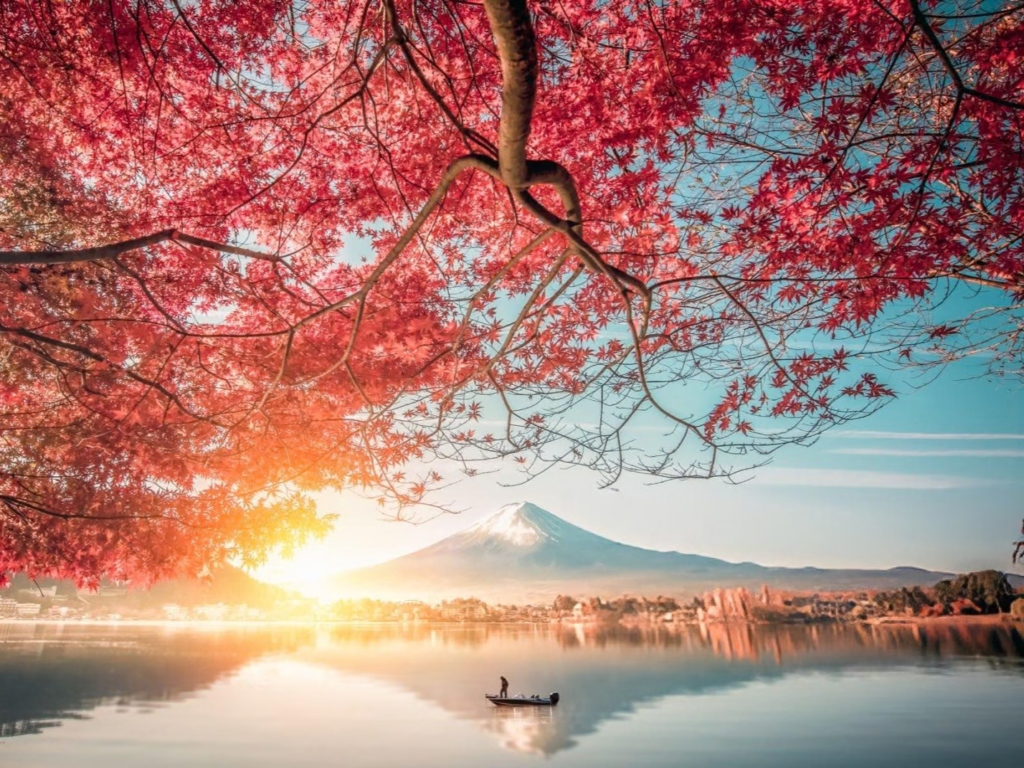
Koyo refers specifically to the autumn colour change of deciduous trees and shrubs across Japan. There are two distinct types of koyo, and understanding both helps you plan better.
The first is yellow foliage, driven primarily by ginkgo trees. Ginkgo avenues and temple gardens turn a sharp, uniform gold during peak weeks. The second is red foliage, driven by Japanese maples (momiji). Red foliage peaks slightly later than yellow in most regions, and it is the momiji displays that attract the largest crowds at temple gardens and mountain parks.
Hokkaido and Tohoku: Where Autumn Begins
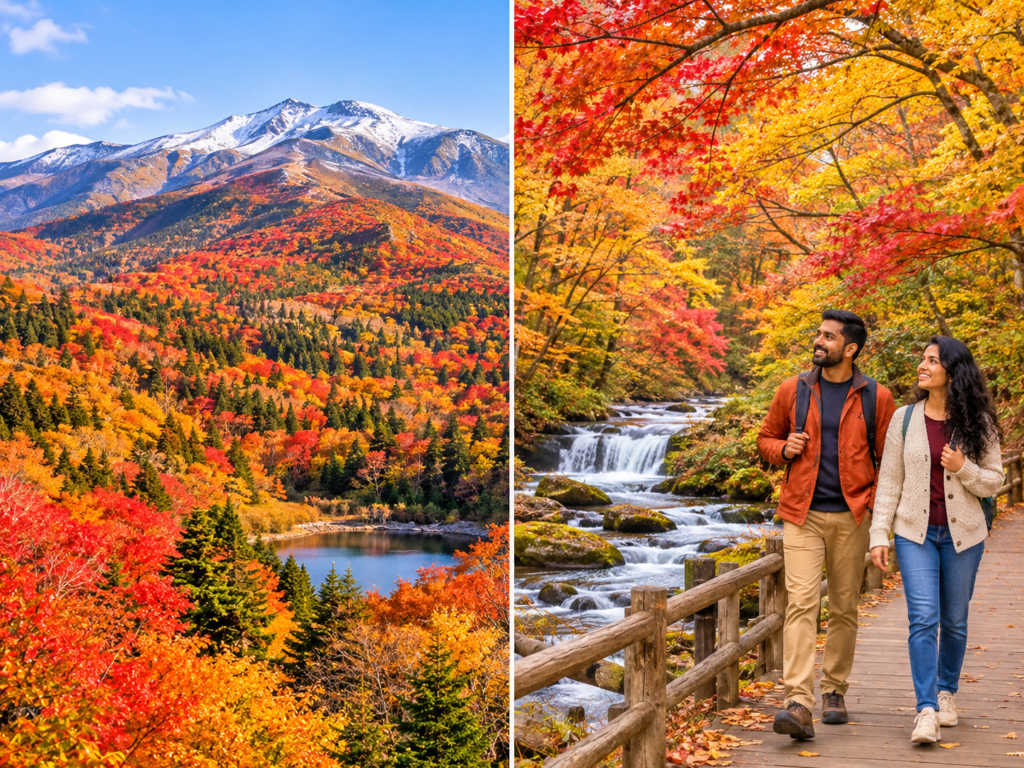
Hokkaido is the first part of Japan to see koyo each year. Colour change typically starts in Daisetsuzan National Park in early to mid-October. This is Japan’s largest national park, with mountain slopes that shift dramatically over a few weeks. By mid to late October, the foliage front moves down to Hokkaido’s lowland parks and city gardens in Sapporo.
The colour palette here is different from what you see in Kyoto. Hokkaido’s forests contain a broader mix of deciduous species, which means the colour range includes deep reds, burnt oranges, yellows, and remaining greens all at once. This patchwork effect across large natural landscapes is the major reason 73% of our repeat Japan travellers rate Hokkaido’s koyo above the more manicured temple gardens further south, according to Thrillophilia’s internal booking data.
Hokkaido in October sees temperatures drop to between 5°C and 15°C, with nights approaching freezing in mountain areas. Pack accordingly if you are combining a Hokkaido start with the rest of Japan in a single trip.
Tohoku, the northeastern region of Honshu, follows Hokkaido’s lead by late October. Lake Towada and the Oirase Gorge in Aomori Prefecture are among the most dramatic autumn landscapes in Japan. The gorge follows a river through a forest corridor, and the combination of flowing water and flaming foliage makes it a strong destination specifically for koyo travellers. Peak timing here is typically mid to late October.
Tokyo and Mount Fuji: Autumn Arrives in the Capital
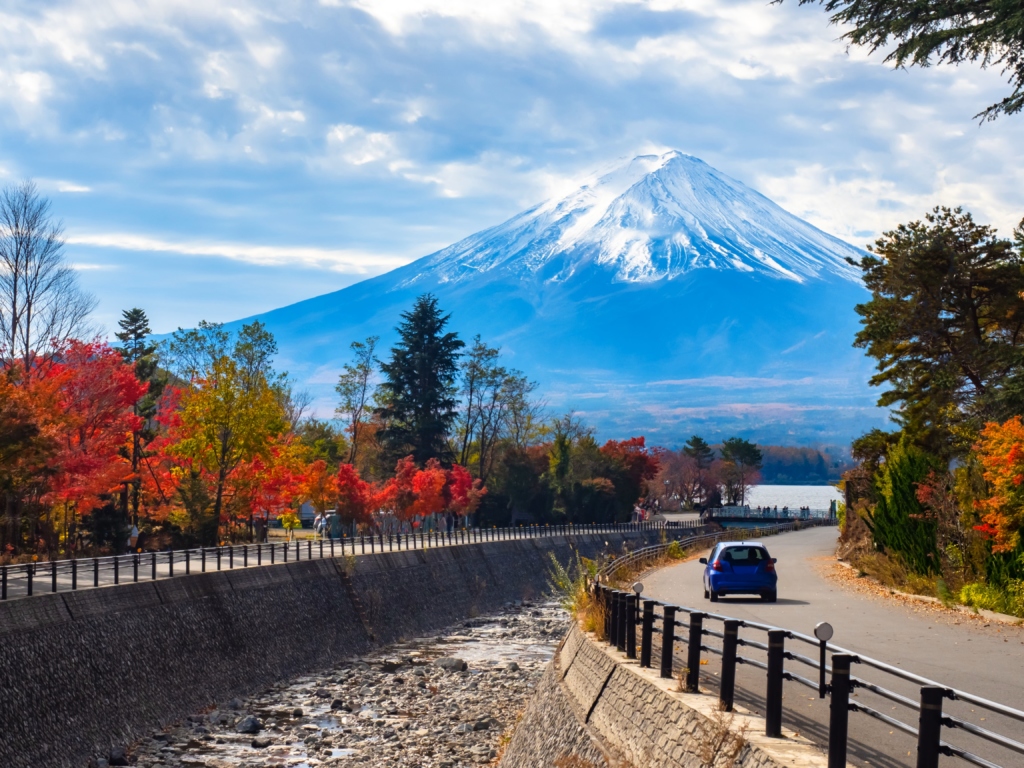
Tokyo’s autumn foliage season runs from mid to late November, with yellow ginkgo leaves typically peaking around 26 November and red maple foliage following around 1 December. These are general averages. Actual dates shift each year based on temperatures.
The city has several excellent koyo spots within easy reach of the main tourist areas. Shinjuku Gyoen is one of the most reliable for a concentrated mix of maple and ginkgo trees across a large, well-maintained garden. Rikugien in Bunkyo ward is particularly known for its illuminated evening koyo displays, which run during peak weeks and draw long queues but offer a genuinely different viewing experience. Hibiya Park, near the Imperial Palace, is more open and less crowded.
From Tokyo, the Fuji Five Lakes area (Fujigoko) is about 90 minutes by bus or train. Mount Fuji’s lower slopes are not dramatically coloured, but the mix of early snow on the summit, the lakes, and the surrounding autumn forests creates a strong visual combination in mid to late November. The Kawaguchiko area, in particular, is well known for views framing Mount Fuji with autumn foliage in the foreground.
For travellers on Thrillophilia’s Japan tour packages, Tokyo is typically the starting point of the itinerary. 68% of our first timers opt for a late November trip that lets you to catch Tokyo’s autumn colour before taking the Shinkansen south towards Kyoto and Osaka, where the season extends into December, as indicated by Thrillophilia’s internal booking data.
Kyoto and Nara: The Heart of Koyo Season
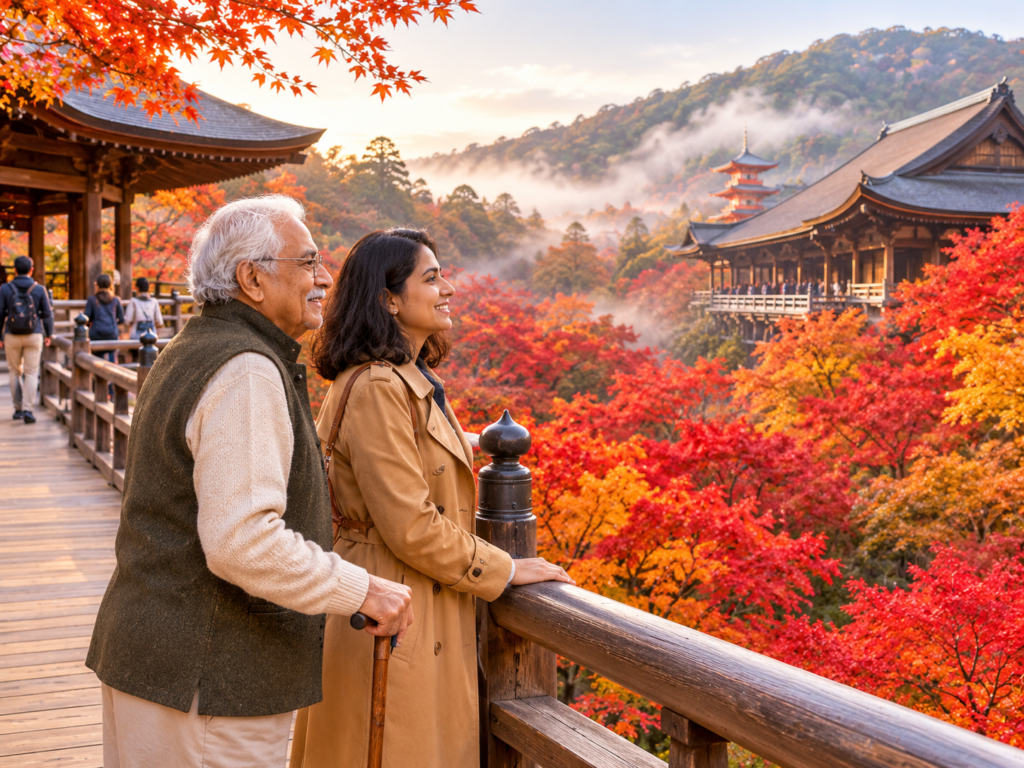
Kyoto is where most travellers want to be during Japan’s autumn foliage season. The combination of ancient temples, Japanese gardens, forested hillsides, and carefully maintained maple trees produces a density of koyo scenery that no other city matches.
Peak timing in Kyoto is typically late November to mid-December for red foliage. Yellow ginkgo foliage peaks slightly earlier, around 28 November. Given that these windows overlap with some of the most popular sightseeing months in Japan, Kyoto’s accommodations get booked out well in advance. Weekends during peak season see very large crowds at top temples. Visiting popular spots early in the morning, before 09:00 a.m., improves the experience.
Tofukuji Temple in the Higashiyama district is one of Kyoto’s most celebrated koyo spots. Its Tsutenkyo Bridge overlooks a valley of maple trees and is one of the most visited viewpoints in Japan during peak weeks.
You can explore Thrillophilia’s Kyoto tour packages when planning your autumn Japan itinerary, as most options include time in Kyoto as a central base for the region. Since our packages include conveniently located hotels, timely transfers in well-maintained vehicles, select meal plans, and experiences that naturally fit into your chosen route, you can experience Japan without having to worry about on-ground coordination efforts.
Osaka and Hiroshima: Western Japan in Autumn
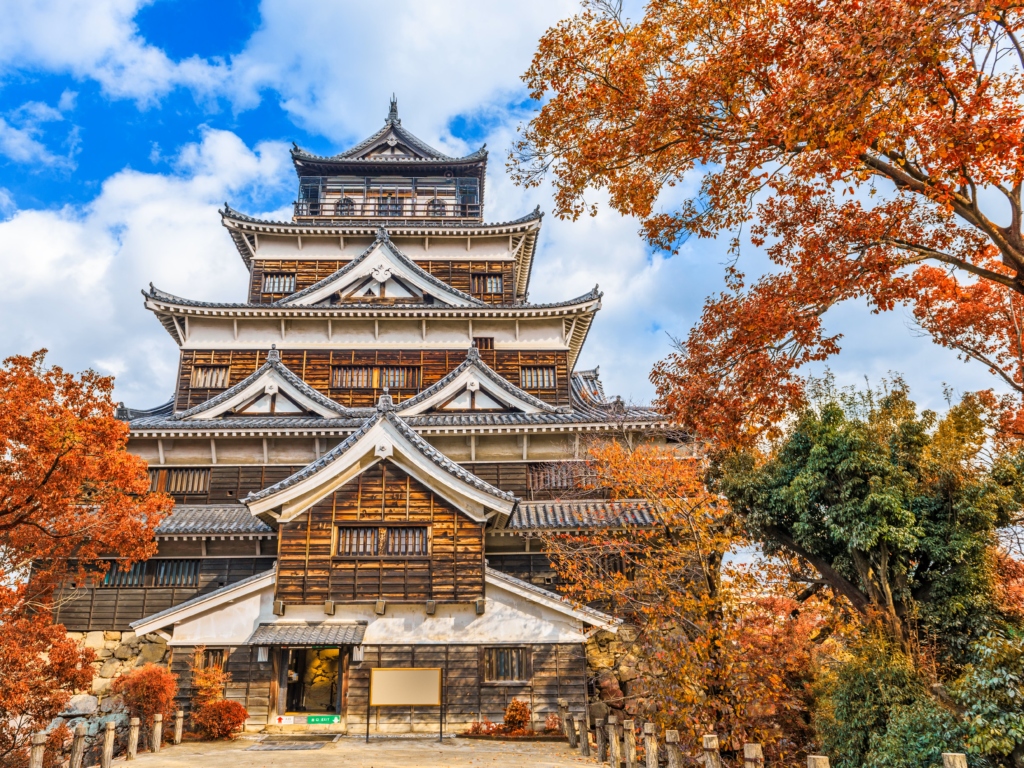
Osaka’s koyo season runs slightly ahead of Kyoto’s for yellow foliage and roughly in parallel for red foliage. Yellow ginkgo in Osaka typically peaks around 24 to 25 November, and red maple around 4 December.
Osaka Castle Park is the most convenient spot for autumn colour within the city. The castle grounds contain both ginkgo and maple trees, and the combination of the castle structure and autumn foliage makes it a genuinely strong koyo destination. Minoo Park, about 30 minutes from central Osaka by train, is more forested and more dramatic in terms of sheer colour volume. A walking trail follows a river up to a waterfall, with maple trees on both sides. This is particularly popular on autumn weekends and gets very crowded.
Osaka is also the gateway to Hiroshima and Miyajima Island, both of which can be reached in about 90 minutes by Shinkansen. Miyajima, known for its floating torii gate, has forested hillsides that colour through November and into early December. The combination of the island’s shrines, deer, and autumn foliage makes it a popular addition to any western Japan autumn itinerary.
For travellers on Thrillophilia’s Japan group tour packages, the Osaka and Hiroshima leg of a standard itinerary typically falls in the final days of the trip. Timed right, visiting these cities in late November or early December means arriving in Osaka and Hiroshima while the foliage is still at or near peak.
Planning Your Autumn Japan Trip
Autumn is a popular booking window for a trip to Japan. Here are some planning considerations our destination experts use to plan your itinerary during this period to ensure you can enjoy a comfortable trip without missing out on any of your planned activities:
- Book accommodation early: Hotels and ryokans near popular koyo spots fill up months in advance, particularly for the late-November to early-December window in Kyoto. Accommodation near Tofukuji or in the Higashiyama area of Kyoto can be fully booked by August for November dates.
- Build in a timing buffer: Koyo forecasts are published by the Japan Meteorological Corporation from September onwards, but exact peak dates are not guaranteed. Warmer summers push the peak later.
- Expect crowds on weekends: The most popular spots in Kyoto and Osaka see genuinely large visitor numbers on autumn weekends. Tofukuji, Arashiyama, and Osaka Castle Park all attract very high footfall during peak weeks. Weekday mornings before 09:00 a.m. are meaningfully quieter.
- What to wear: Late November temperatures in Tokyo and Kyoto range from around 8°C to 16°C during the day, with evenings dropping to 5°C or below. A mid-layer and a windproof outer jacket are sufficient for most days. Hokkaido and mountain areas like Nagano require heavier clothing in October.
Travellers interested in a family-orientated itinerary can review Japan family tour packages to compare route options that balance foliage viewing with other sightseeing across the country. Our internal booking data shows that 74% of families planning a trip to Japan prefer longer itineraries, like an 8- or 10-day Japan itinerary, that comfortably cover a comprehensive circuit without compromising on leisure time.
Frequently Asked Questions
Late November to early December is the most reliable window for the Golden Route. Tokyo’s red maple foliage typically peaks around 1 December, Osaka around 4 December, and Kyoto around mid-December. Arriving in Tokyo around 20 to 25 November, then travelling south by Shinkansen, gives you a reasonable chance of catching each city close to its peak. Build in a few days of buffer given that exact peak dates shift by one to two weeks between years.
Both offer strong koyo viewing but for different reasons. Kyoto has more historic temple gardens with carefully maintained maple trees, making it a more concentrated and atmospheric experience. Tokyo has more green space and urban parks across a larger area. That said, most Thrillophilia Japan tour packages include both cities, which is the most practical option for travellers from India.