

Quick Jumplinks to Navigate
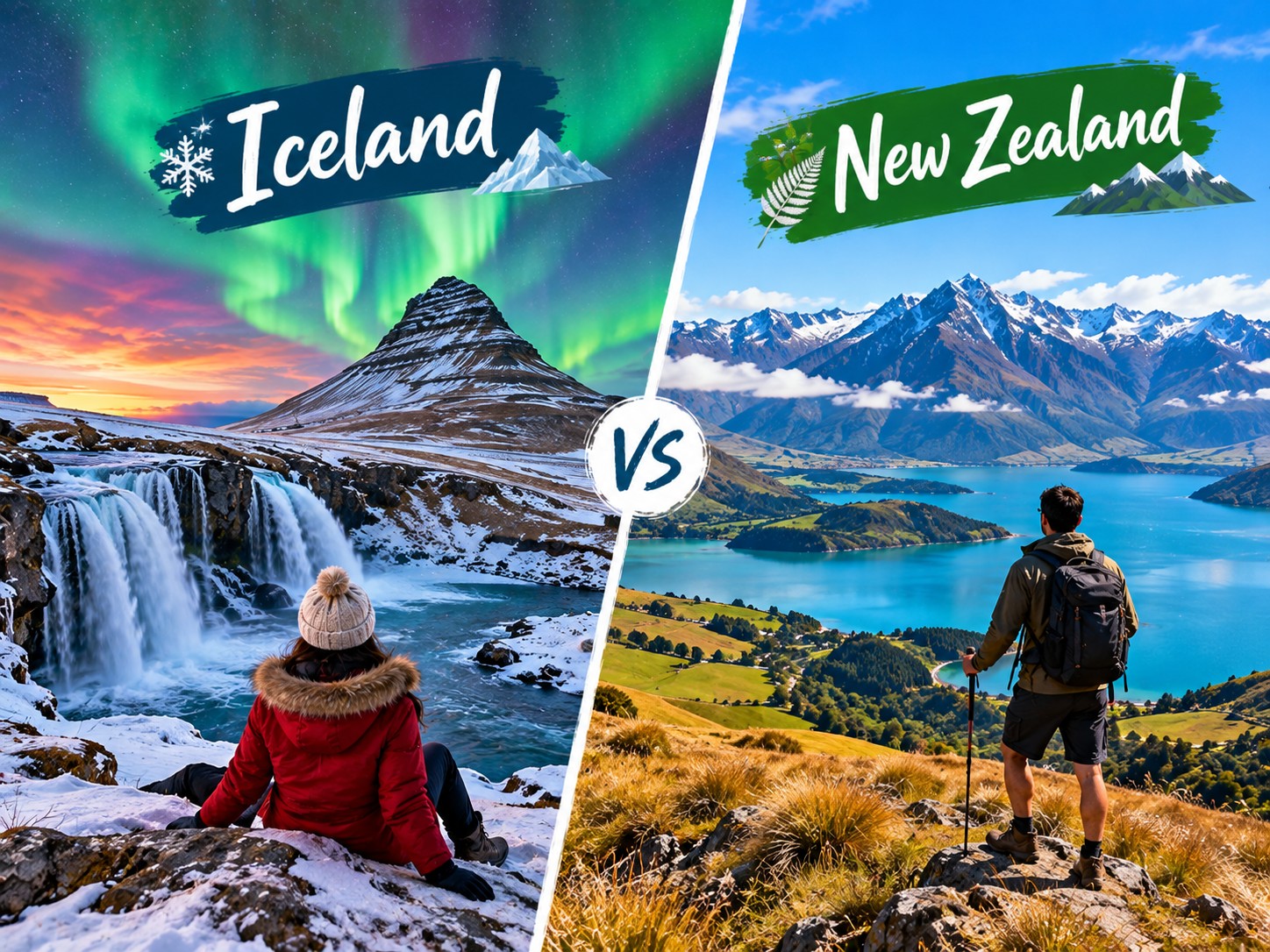
Iceland and New Zealand are two of the world’s most scenic holiday destinations, but they offer very different travel experiences. Iceland is famous for volcanic landscapes, glaciers, waterfalls, geothermal springs, black-sand beaches, and the Northern Lights, with highlights such as Reykjavik, the Golden Circle, Vik, and the Blue Lagoon. New Zealand, on the other hand, is known for dramatic mountains, fjords, lakes, beaches, wildlife, and adventure activities, with popular destinations such as Auckland, Queenstown, Rotorua, Milford Sound, and Christchurch.
Choosing between the two depends on your budget, travel style, season, and the experiences you want. If you enjoy dramatic landscapes, glaciers, waterfalls, geothermal attractions, scenic drives, and Northern Lights experiences, Iceland can be a great choice. If Iceland is on your list, you can explore Iceland tour packages covering popular destinations and experiences across the country.
New Zealand is ideal for travellers interested in mountains, road trips, outdoor adventures, wildlife, beaches, and diverse natural landscapes. This Iceland vs New Zealand comparison covers key factors such as cost, weather, places to visit, food, transport, activities, and ideal trip duration to help you choose the destination that best suits your holiday plans.
Iceland vs New Zealand: Quick Comparison
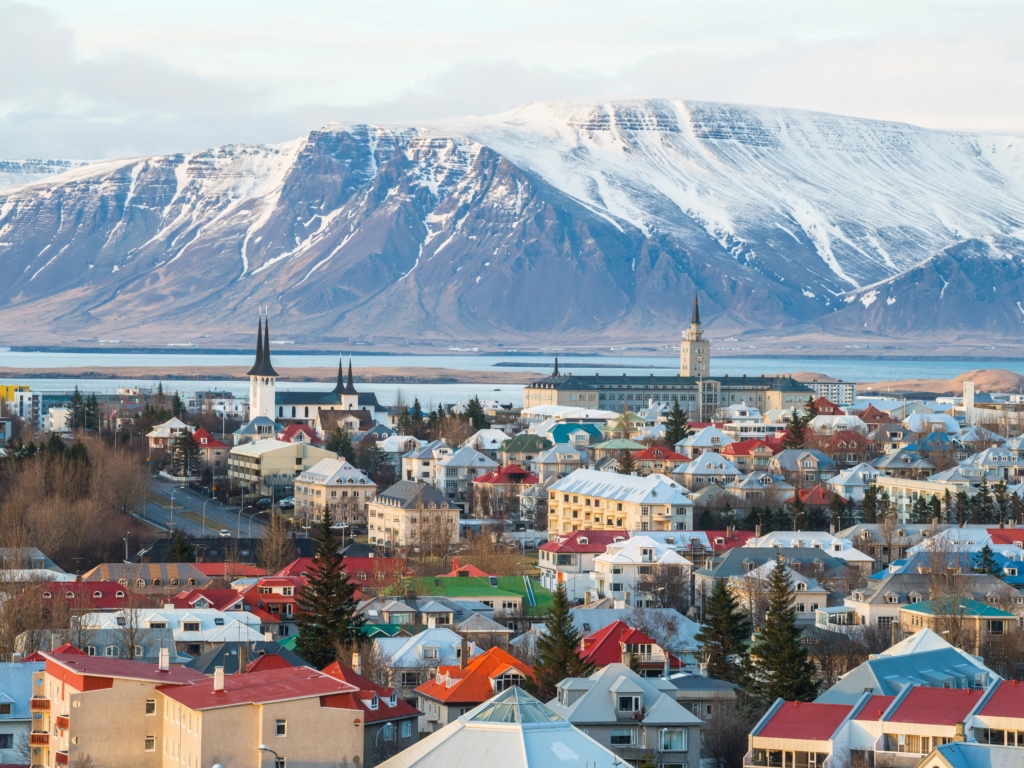
As per Thrillophilia’s destination experts, the Iceland vs New Zealand comparison mainly depends on your budget, travel style, season, and the experiences you want. The hotels, sightseeing, transfers, activities, and inclusions should be checked before booking your trip.
| Parameter | Iceland | New Zealand |
| Best For | Couples, honeymooners, nature lovers, adventure seekers, photographers, and Northern Lights enthusiasts | Couples, families, honeymooners, nature lovers, adventure seekers, and road-trip enthusiasts |
| Budget | From INR 150,000+ for a 7-day trip | From INR 150,000+ for a 7-day trip |
| Accommodation | 3- to 5-star hotels, boutique stays, countryside lodges, guesthouses, and luxury stays | 3- to 5-star hotels, boutique stays, resorts, lodges, villas, and scenic stays |
| Ideal Trip Duration | 6 to 10 days | 8 to 14 days |
| Best Time to Visit | June–August for pleasant weather and sightseeing; September–March for Northern Lights and winter experiences | December–February for summer activities; June–August for skiing and winter experiences |
| Ease of Travel | Rental cars, buses, domestic flights, private transfers, and guided tours | Rental cars, buses, trains, domestic flights, ferries, and private transfers |
| Food | Fresh seafood, lamb, rye bread, skyr, Icelandic hot dogs, and traditional Nordic dishes | Lamb, seafood, meat pies, dairy products, Māori-inspired dishes, and local produce |
| Natural Scenery | Glaciers, volcanoes, waterfalls, geysers, lava fields, fjords, and black-sand beaches | Mountains, fjords, glaciers, lakes, beaches, forests, volcanoes, and rolling countryside |
| Adventure | Glacier hiking, snowmobiling, ice caving, hiking, whale watching, and Northern Lights tours | Bungee jumping, skydiving, hiking, skiing, kayaking, jet boating, and rafting |
| Honeymoon | Best for Northern Lights, geothermal lagoons, scenic drives, glaciers, and romantic countryside stays | Best for scenic road trips, mountains, lakes, luxury lodges, adventure activities, and romantic escapes |
Getting to Know Iceland and New Zealand
Iceland and New Zealand are popular nature-focused destinations with distinct holiday experiences. Iceland is known for glaciers, waterfalls, volcanoes, geothermal attractions, and the Northern Lights, while New Zealand offers dramatic mountains, lakes, fjords, beaches, wildlife, and adventure activities.
Iceland
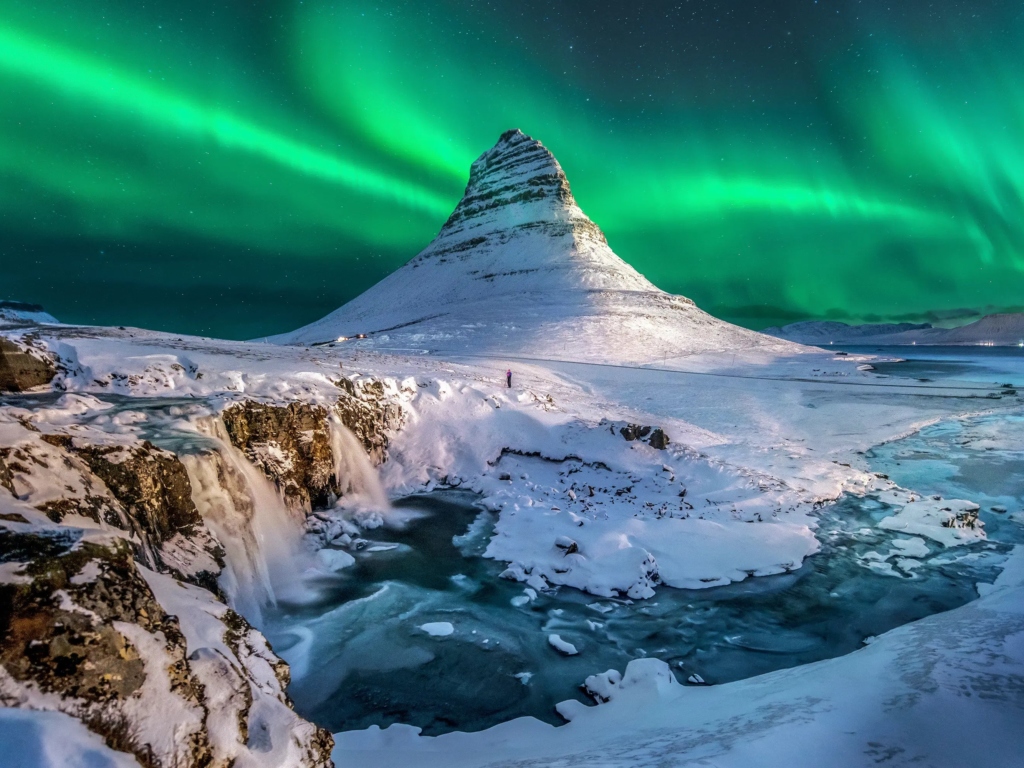
Iceland is a great choice if you enjoy dramatic landscapes, road trips, glaciers, waterfalls, geothermal experiences, and winter adventures. Popular places include Reykjavik, Vik, the Golden Circle, the Blue Lagoon, Akureyri, and the South Coast. Travellers can explore Iceland tour packages covering popular destinations and experiences across the country.
Reykjavik is known for its colourful streets, cultural attractions, restaurants, and coastal setting, while the Golden Circle and South Coast are famous for waterfalls, glaciers, volcanic landscapes, and scenic drives. Travellers can also explore the best places to visit in Iceland to plan their trip.
New Zealand
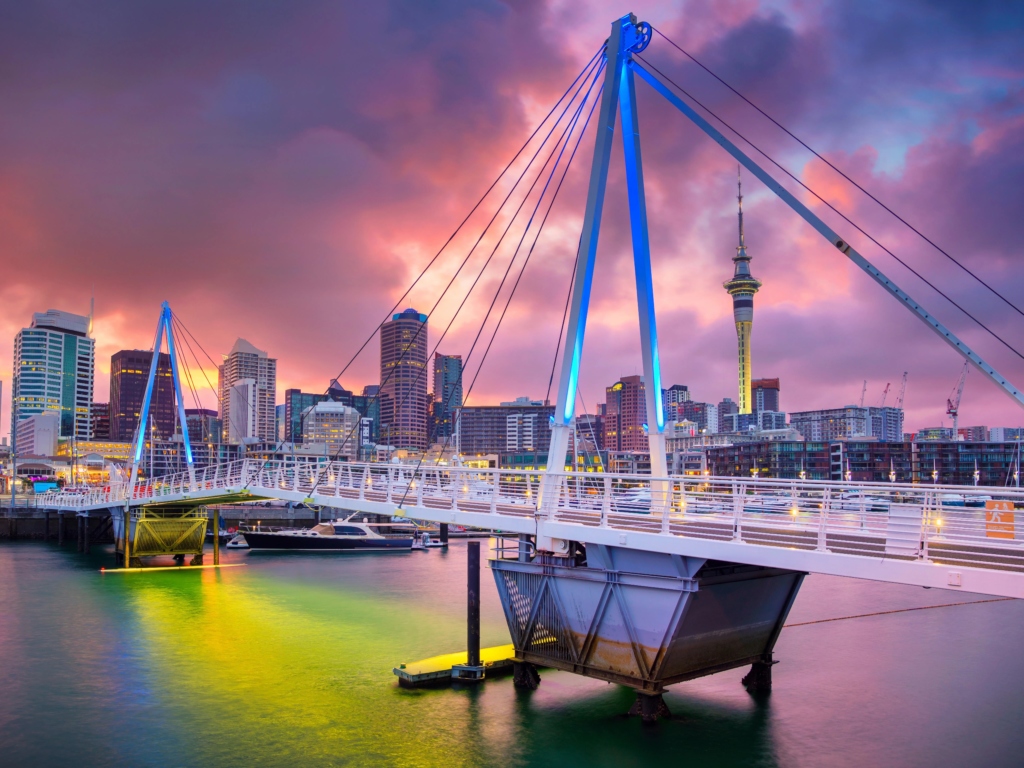
New Zealand is a great choice if you enjoy mountains, scenic road trips, outdoor adventures, wildlife, beaches, and diverse natural landscapes. Popular places include Auckland, Queenstown, Rotorua, Christchurch, Milford Sound, and Wellington. Travellers can explore New Zealand tour packages covering popular destinations and activities across the country.
Auckland is known for its harbour, islands, beaches, and urban attractions, while Queenstown is famous for mountains, lakes, adventure activities, and scenic landscapes. Travellers can also explore the best places to visit in New Zealand while planning their holiday.
Iceland vs New Zealand: Detailed Comparison
Choosing between Iceland and New Zealand mainly depends on the type of holiday you want. Both are renowned for their natural beauty, but they offer different experiences. Iceland is better known for glaciers, volcanoes, waterfalls, geothermal attractions, and the Northern Lights, while New Zealand is famous for mountains, fjords, beaches, wildlife, and adventure activities.
The following sections compare Iceland and New Zealand based on cost, weather, places to visit, food, transport, activities, and ideal trip duration.
Cost & Budget
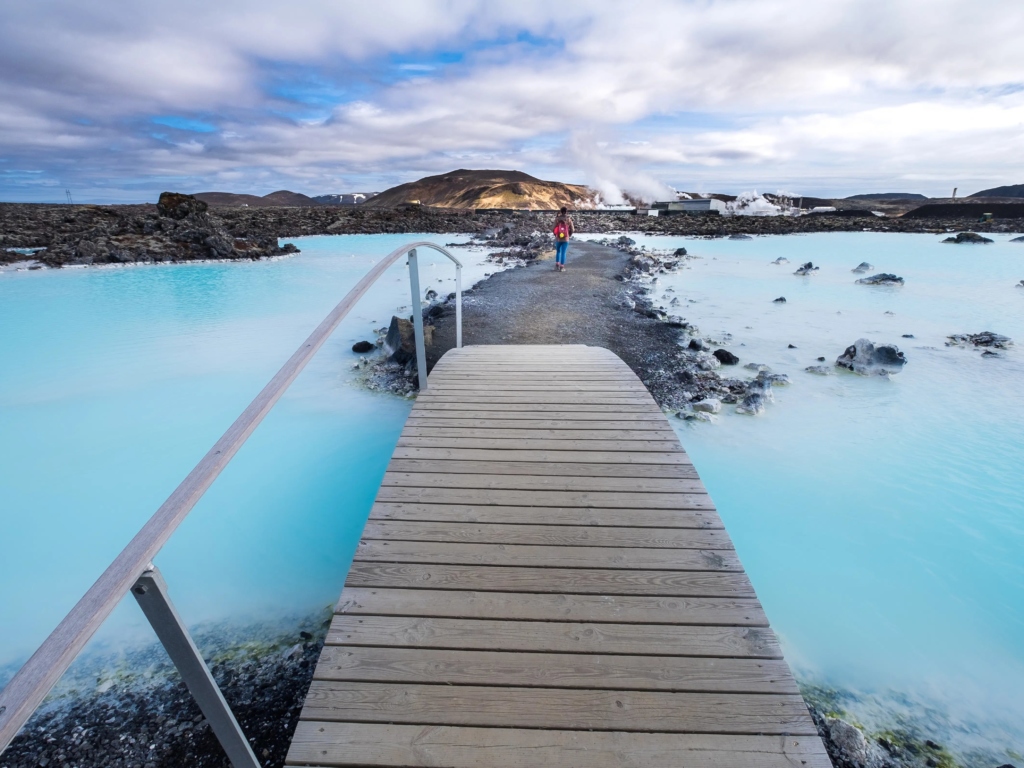
Iceland and New Zealand can both be expensive destinations, but the total cost depends on your hotel, transport, food, activities, season, and trip length.
| Cost Factor | Iceland | New Zealand |
| Starting Package Price | Around INR 150,000+ for a week-long trip | Around INR 150,000+ for a week-long trip |
| Accommodation | Varies by city, season, location, and hotel | Varies by city, season, location, and hotel |
| Meals per Day | Varies by restaurant and location | Varies by restaurant and location |
| Internal Transport | Rental cars, buses, flights, guided tours, and private transfers | Rental cars, buses, trains, ferries, flights, and private transfers |
| Best For | Glaciers, waterfalls, volcanoes, Northern Lights, and scenic road trips | Mountains, fjords, adventure, wildlife, beaches, and scenic road trips |
Iceland is a great choice for travellers who want dramatic landscapes, glaciers, waterfalls, geothermal experiences, and Northern Lights adventures. New Zealand is better for travellers looking for mountains, fjords, scenic road trips, wildlife, beaches, and a wider range of outdoor adventure experiences.
Weather and Best Time to Visit
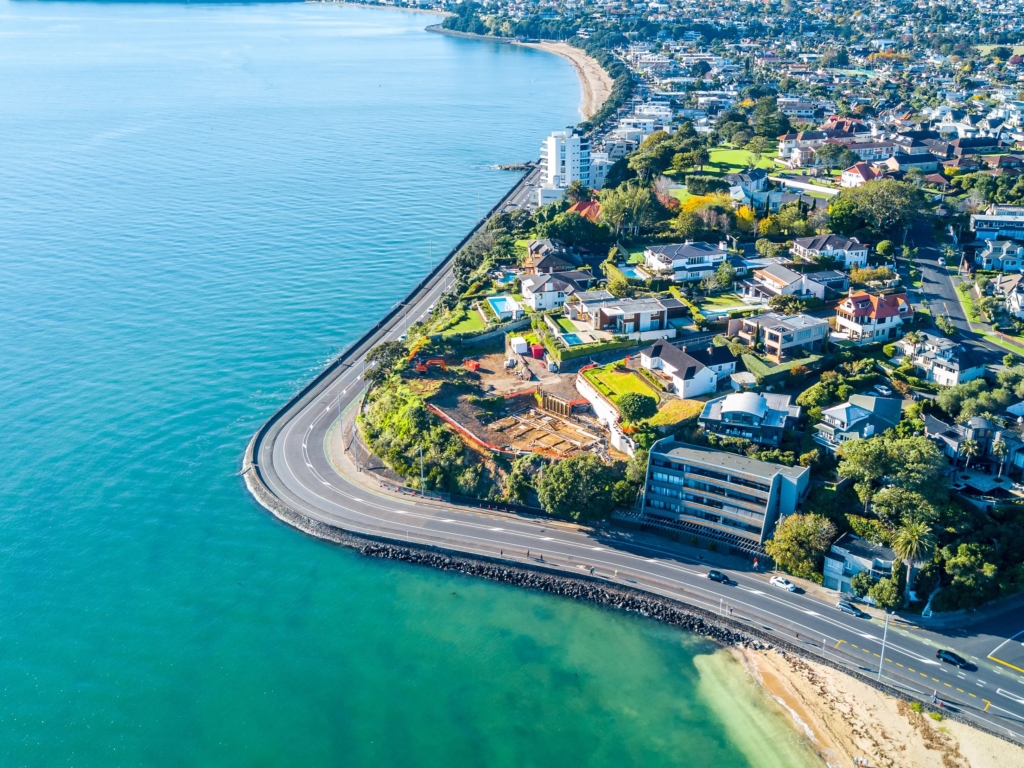
Iceland
- Spring (March to May): -2°C to 8°C, with cool weather and gradually longer daylight hours. Late spring is suitable for sightseeing and exploring waterfalls, landscapes, and coastal areas. Travellers looking for affordable options can explore Iceland budget tour packages, with prices varying depending on the season, itinerary, and inclusions.
- Summer (June to August): 8°C to 15°C, with mild weather and very long daylight hours. It is one of the best seasons for road trips, hiking, waterfalls, and exploring Iceland’s natural attractions.
- Autumn (September to November): 2°C to 10°C, with cooler weather and shorter days. September and October can offer a good balance of sightseeing and opportunities to see the Northern Lights.
- Winter (December to February): -5°C to 5°C, with short daylight hours and snowy conditions in many areas. It is a popular season for Northern Lights experiences, ice caves, and winter landscapes.
New Zealand
- Spring (September to November): 8°C to 20°C, with mild temperatures, blooming landscapes, and good conditions for sightseeing and outdoor activities. Travellers looking for affordable options can explore New Zealand budget tour packages, with prices varying depending on the itinerary, season, and inclusions.
- Summer (December to February): 15°C to 25°C, with warm and pleasant weather. It is one of the best seasons for hiking, road trips, beaches, and outdoor adventures.
- Autumn (March to May): 10°C to 20°C, with cooler temperatures and colourful landscapes. It is a good period for sightseeing, scenic drives, and exploring the countryside.
- Winter (June to August): 5°C to 15°C in many areas, with colder conditions in the mountains. It is a popular season for skiing and snow activities, particularly around Queenstown and the South Island.
June to August is generally a good time to visit Iceland for long daylight hours and outdoor sightseeing, while September to March is popular for Northern Lights experiences. For New Zealand, December to February is ideal for warm-weather activities and road trips, while June to August is best for skiing and winter experiences.
Food & Vegetarian Meal Options Availability
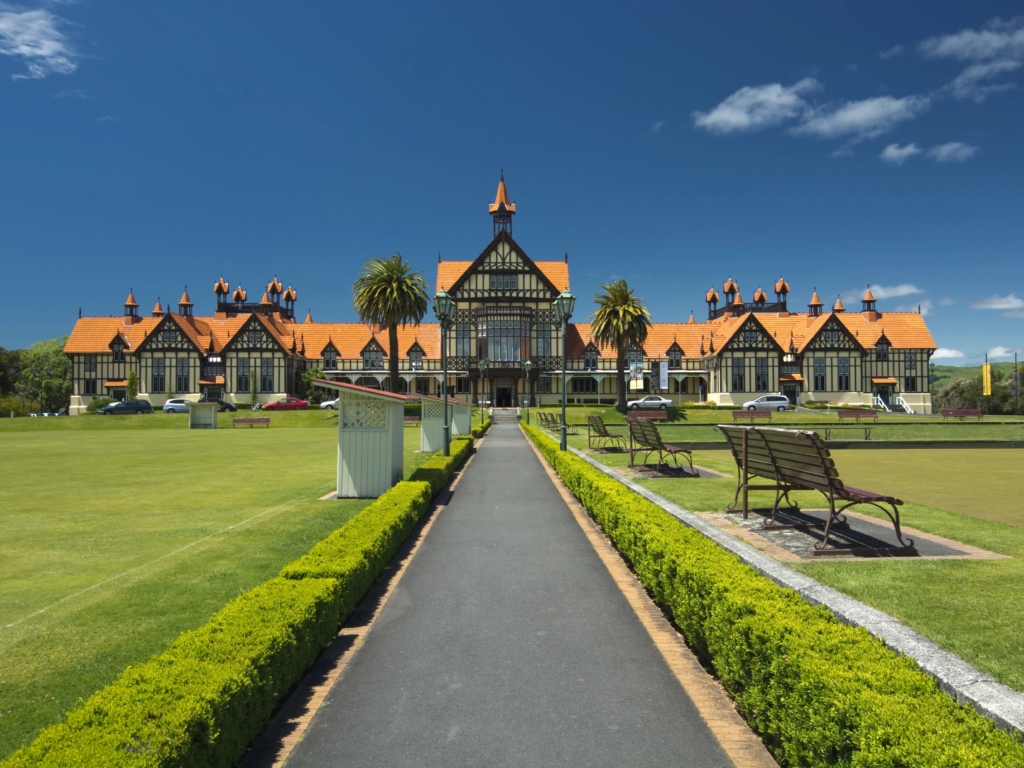
Iceland and New Zealand both offer diverse food experiences, although their cuisines are quite different. Iceland is known for seafood, lamb, rye bread, skyr, and traditional Nordic dishes, while New Zealand is famous for lamb, seafood, dairy products, meat pies, and fresh local produce.
Iceland
- Local Food: Popular dishes include fresh seafood, Icelandic lamb, skyr, rye bread, fermented shark, and traditional pastries.
- Vegetarian Options: Vegetarian meals are available in major cities and tourist destinations, with options such as salads, soups, pasta, vegetables, and plant-based dishes.
- Indian Food: Indian restaurants and vegetarian dining options are available in Reykjavik and other popular tourist areas.
- Outside Cities: Food choices can be more limited in smaller towns and remote areas, so checking restaurant options in advance can be useful.
New Zealand
- Local Food: Popular dishes include lamb, seafood, meat pies, fish and chips, pavlova, dairy products, and locally sourced produce.
- Vegetarian Options: Vegetarian and plant-based meals are widely available in major cities and tourist destinations.
- Indian Food: Indian restaurants and vegetarian dining options are available in Auckland, Queenstown, Christchurch, Wellington, and other popular tourist areas.
- Outside Cities: Food choices can be more limited in smaller towns and remote areas, so checking restaurant options in advance can be useful.
Both destinations offer vegetarian and international food options. Iceland is ideal for travellers interested in seafood, lamb, Nordic cuisine, and local specialities, while New Zealand offers a diverse food experience with fresh produce, seafood, lamb, and international cuisines. Thrillophilia offers vegetarian meal options across select packages, keeping the preferences of Indian travellers in mind and helping them enjoy a more comfortable holiday.
Getting Around
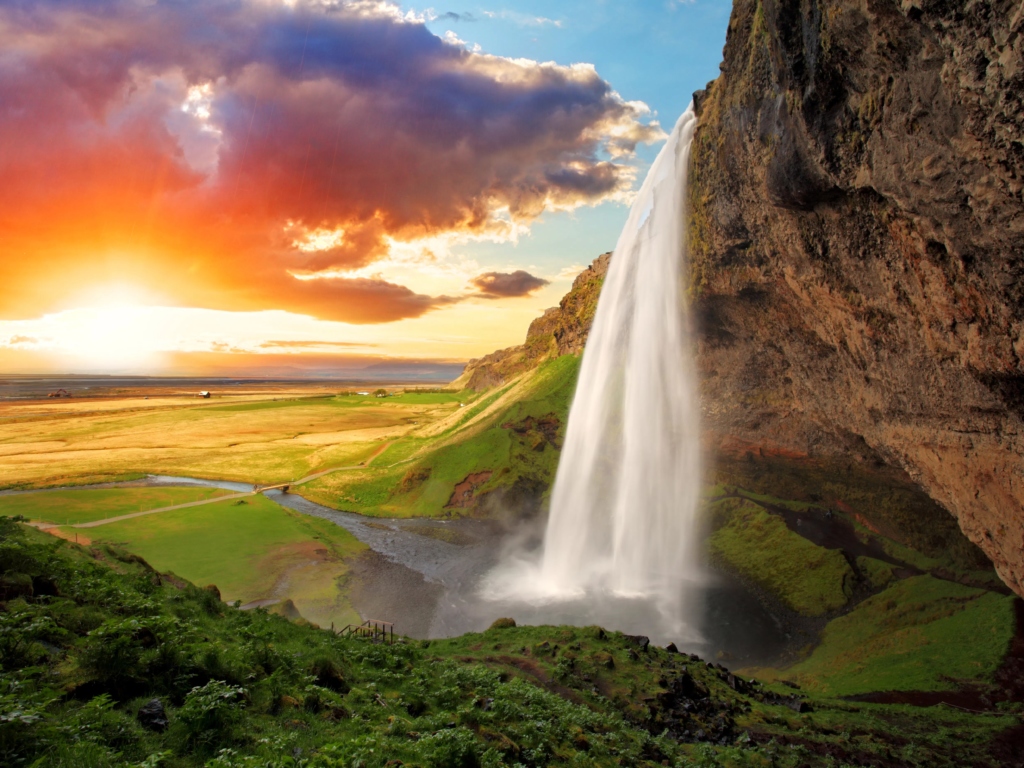
Iceland and New Zealand are both relatively easy to explore, although the best way to travel can vary depending on the itinerary and destinations.
Iceland
- Rental Cars: One of the most convenient ways to explore the Ring Road, Golden Circle, waterfalls, glaciers, and remote landscapes.
- Buses: Useful for travelling between Reykjavik and popular tourist destinations.
- Domestic Flights: Convenient for covering longer distances, particularly between Reykjavik and northern Iceland.
- Guided Tours: A practical option for travellers visiting glaciers, ice caves, Northern Lights locations, and other attractions.
- Private Transfers: Useful for airport transfers, sightseeing, and travelling between hotels and attractions.
New Zealand
- Rental Cars: A popular option for scenic road trips and exploring both the North and South Islands.
- Buses: Useful for travelling between major cities and popular tourist destinations.
- Trains: Scenic rail journeys offer a unique way to experience parts of New Zealand.
- Ferries: Important for travelling between the North and South Islands and nearby coastal destinations.
- Domestic Flights: Useful for covering longer distances between Auckland, Queenstown, Christchurch, and other major destinations.
Iceland is particularly convenient for travellers planning self-drive trips or guided tours, while New Zealand offers a well-connected combination of roads, buses, ferries, trains, and domestic flights. With Thrillophilia, select packages include transfers and other transport arrangements, making internal travel simpler and more convenient.
Iceland & New Zealand 6 Days Sample Itinerary
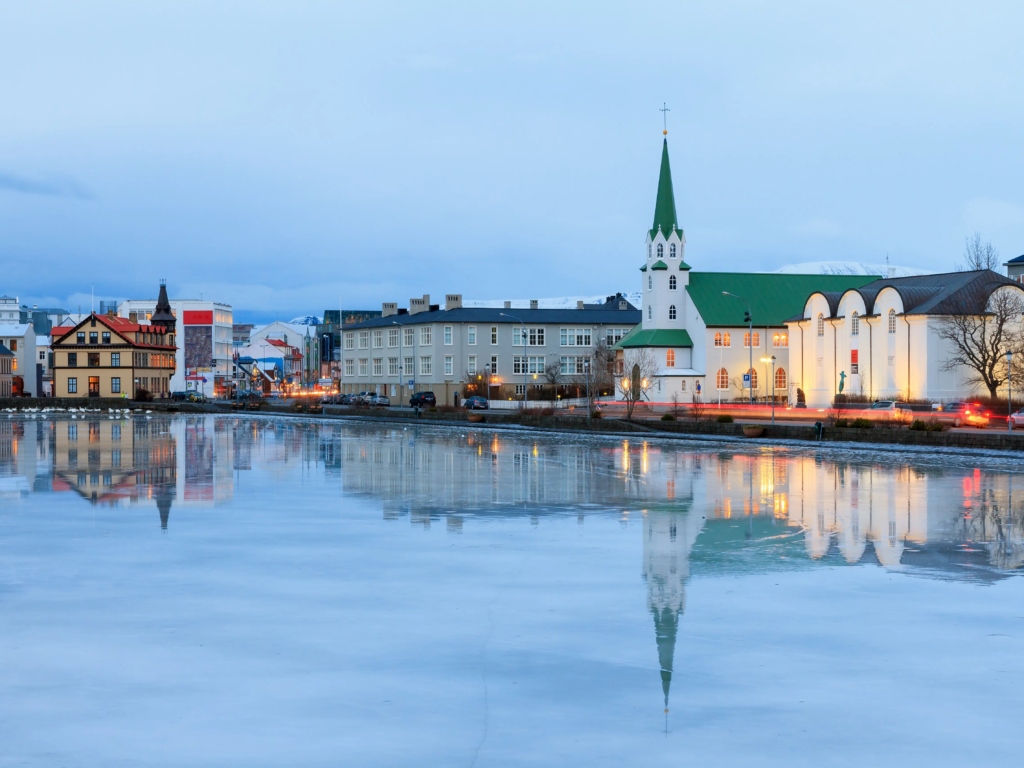
Iceland: Reykjavik, Golden Circle & South Coast Escape
A 6-day Iceland package covering Reykjavik, the Golden Circle, and South Coast, combining sightseeing, waterfalls, glaciers, geothermal experiences, and scenic landscapes.
Duration: 6 Days / 5 Nights
Starting Price: Varies depending on the itinerary, hotel category, season, and inclusions.
- Day 1: Arrive in Reykjavik and explore the city.
- Day 2: Visit the Golden Circle, including Thingvellir National Park, Geysir, and Gullfoss.
- Day 3: Explore Iceland’s South Coast and visit waterfalls and black-sand beaches.
- Day 4: Enjoy glacier or ice cave experiences and explore the surrounding landscapes.
- Day 5: Relax at the Blue Lagoon or explore more of Reykjavik.
- Day 6: Depart from Iceland.
New Zealand: Auckland, Queenstown & Milford Sound Escape
A 6-day New Zealand package covering Auckland, Queenstown, and Milford Sound, combining city sightseeing, scenic landscapes, fjords, and adventure experiences.
Duration: 6 Days / 5 Nights
- Day 1: Arrive in Auckland and explore the city.
- Day 2: Visit Auckland’s harbour, markets, viewpoints, and popular attractions.
- Day 3: Travel to Queenstown and enjoy the surrounding mountain and lake landscapes.
- Day 4: Explore Queenstown and enjoy adventure activities or scenic experiences.
- Day 5: Visit Milford Sound and enjoy a scenic cruise through the fjords.
- Day 6: Depart from New Zealand.
Which Destination Should You Choose?
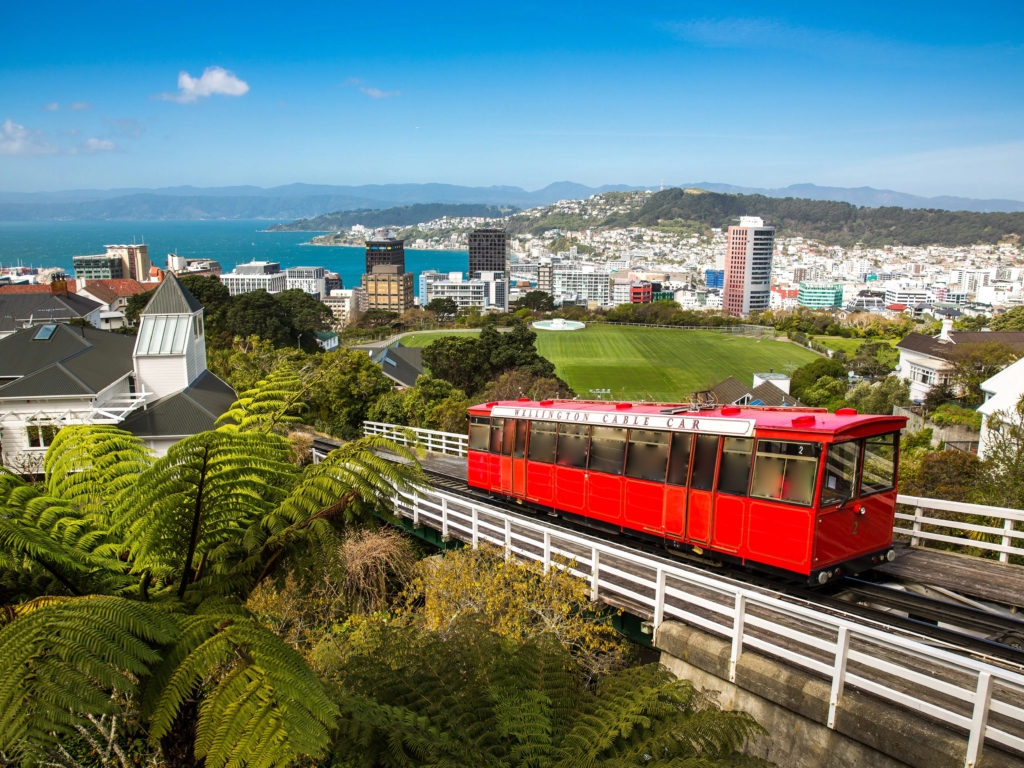
Both Iceland and New Zealand offer very different nature-focused travel experiences. Iceland is ideal for glaciers, waterfalls, volcanoes, geothermal attractions, and Northern Lights, while New Zealand is known for mountains, fjords, beaches, wildlife, and adventure activities.
| Choose Iceland If… | Choose New Zealand If… |
| You want Reykjavik, the Golden Circle, Vik, the Blue Lagoon, or the South Coast. | You want Auckland, Queenstown, Rotorua, Christchurch, or Milford Sound. |
| You enjoy glaciers, waterfalls, volcanoes, geothermal attractions, and dramatic landscapes. | You enjoy mountains, lakes, fjords, beaches, forests, and diverse landscapes. |
| You want seafood, lamb, skyr, rye bread, and traditional Nordic cuisine. | You want lamb, seafood, dairy products, meat pies, and fresh local produce. |
| You enjoy glacier hiking, ice caves, snowmobiling, hiking, and Northern Lights tours. | You enjoy bungee jumping, skydiving, hiking, skiing, kayaking, and jet boating. |
| You want a romantic holiday with geothermal lagoons, scenic drives, glaciers, and Northern Lights experiences. | You prefer a mix of scenic road trips, mountains, luxury stays, lakes, and adventure activities. |
| Best for: Couples, honeymooners, nature lovers, photographers, and winter enthusiasts | Best for: Couples, families, honeymooners, adventure seekers, road-trip lovers, and nature enthusiasts |
Frequently Asked Questions
Iceland is ideal for travellers who want glaciers, waterfalls, volcanoes, geothermal attractions, scenic drives, and Northern Lights experiences. New Zealand is better for those looking for mountains, fjords, beaches, wildlife, road trips, and a wider variety of outdoor adventures.
New Zealand can be more budget-friendly than Iceland, depending on your accommodation, transport, activities, and travel season. Iceland is generally known for higher costs, especially for hotels, restaurants, car rentals, and popular tourist activities.
Both are excellent for nature and adventure. Iceland is known for glaciers, volcanoes, waterfalls, ice caves, black-sand beaches, and geothermal attractions. New Zealand offers hiking, skiing, bungee jumping, kayaking, rafting, wildlife, mountains, and fjords.
Iceland is excellent for a shorter road trip, with scenic routes covering waterfalls, glaciers, volcanic landscapes, and beaches. New Zealand is better for longer road trips, with diverse routes through mountains, lakes, fjords, forests, and coastal areas.
A 6–10 day trip is generally enough to explore Iceland’s major highlights. New Zealand is better explored over 10–14 days or more, especially if you want to visit multiple regions or experience both the North and South Islands.