

Quick Jumplinks to Navigate
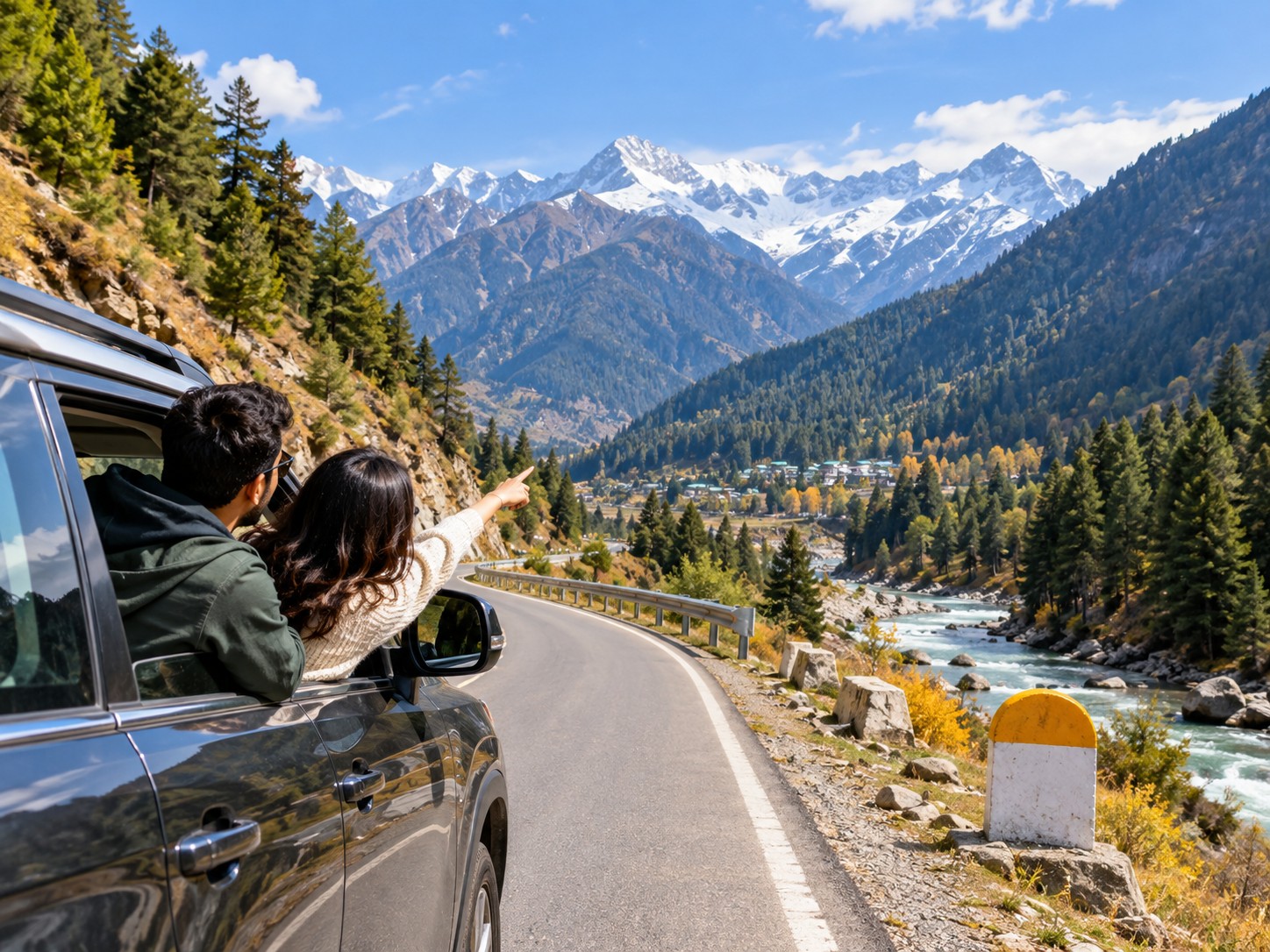
North India offers a wide range of road-trip experiences, from high-altitude Himalayan routes and scenic mountain roads to heritage cities and desert landscapes. A road trip gives travellers the freedom to explore at their own pace, make spontaneous stops and enjoy the journey along with the destination. The right route depends on factors such as your interests, budget, driving experience and available time.
| Road Trip | Route | Ideal For | Best Time |
| Manali to Leh Highway | Manali – Jispa – Sarchu – Leh | High-altitude adventure and mountain landscapes | June–September |
| Shimla to Kaza via Spiti Valley | Shimla – Kalpa – Nako – Kaza | Remote Himalayan landscapes and off-road adventure | May–October |
| Delhi to Jaipur & Jaisalmer | Delhi – Agra – Jaipur – Jodhpur – Jaisalmer | Heritage, architecture, culture and desert experiences | October–March |
| Amritsar to Dharamshala | Amritsar – Pathankot – Dharamshala | Culture, spirituality, food and mountain scenery | October–April |
Best Road Trips in North India: 4 Routes to Explore
1. Manali to Leh Highway
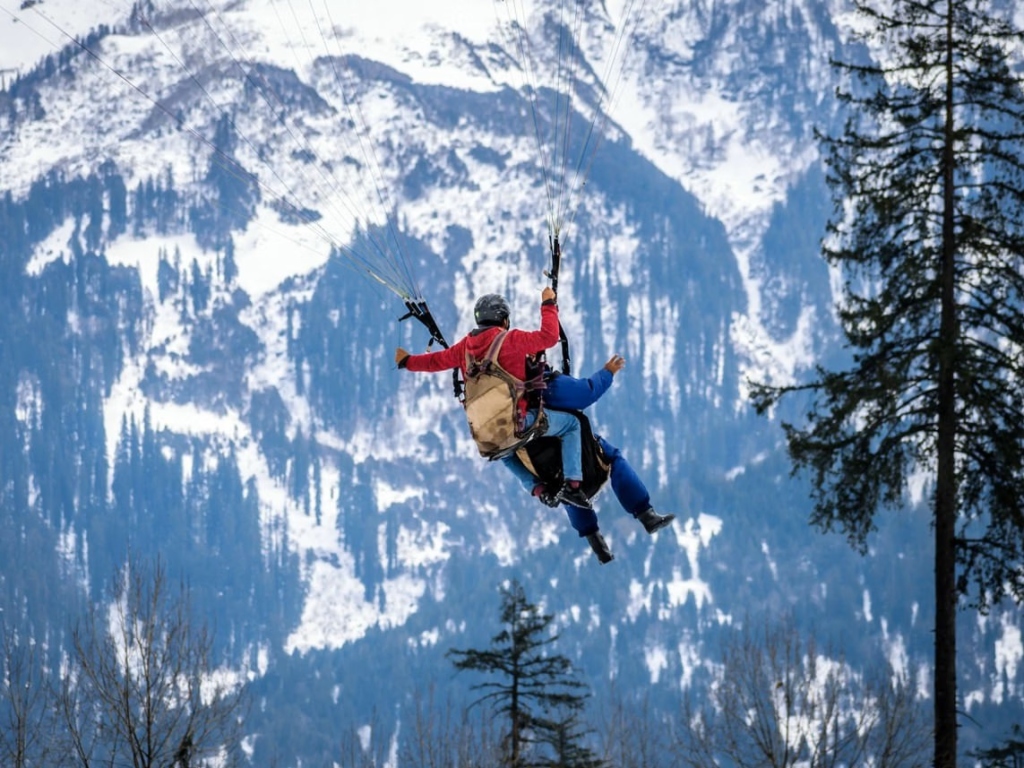
The Manali to Leh Highway is ideal for travellers seeking a challenging mountain road trip. The route takes you from the green valleys of Himachal Pradesh into the cold, high-altitude desert of Ladakh, making it a popular choice for travellers considering a Ladakh tour package.
| Information | Details |
| Route | Manali – Jispa – Sarchu – Leh |
| Ideal Duration | 8–12 Days |
| Best Time | June–September |
| Fuel Cost | INR 7,000–10,000 |
| Basic Stay Cost | INR 1,200–2,500 per night |
| Premium Stay Cost | INR 4,000–8,000 per night |
| Food Cost | INR 500–1,200 per person per day |
| Package Cost | INR 28,000–55,000 |
| Major Highlights | Rohtang Pass, Baralacha La, Gata Loops, Moore Plains, Taglang La |
| Recommended Vehicle | SUV with at least 180–200 mm ground clearance |
| Main Challenge | High-altitude terrain, rough stretches and water crossings |
Experience
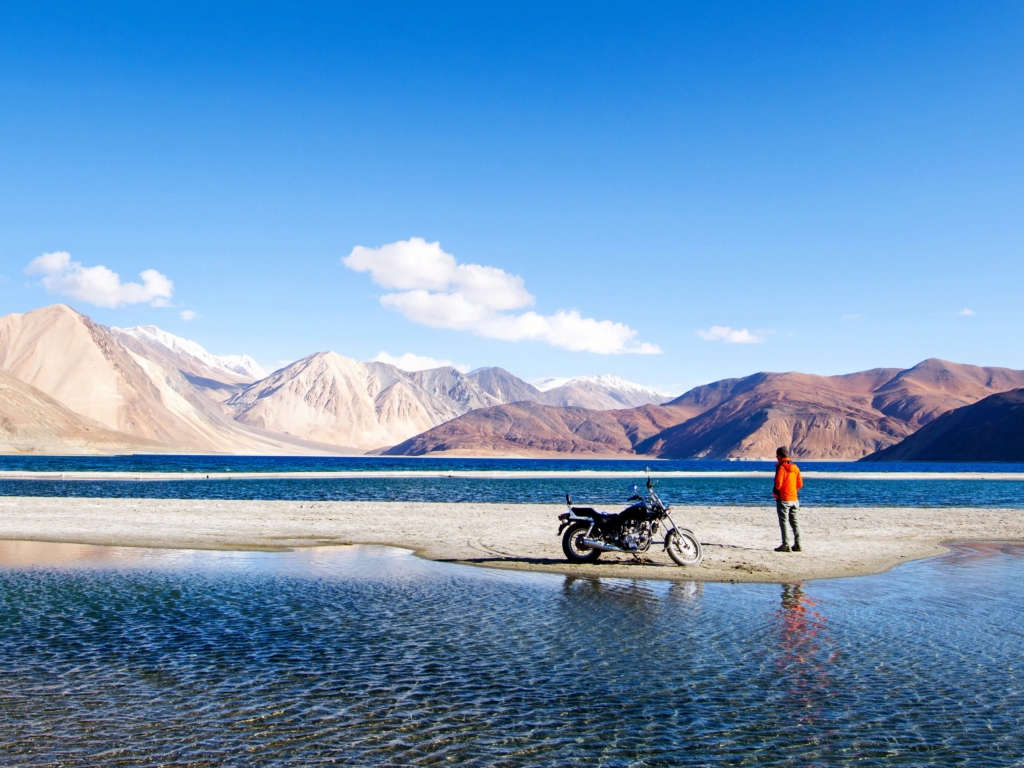
You will navigate iconic high-altitude passes such as Baralacha La and Taglang La. The Gata Loops, with 21 hairpin bends, and the straight roads of Moore Plains offer a dramatic driving experience.
How to Reach Manali
| Mode | Details |
| By Air | Fly to Kullu-Manali Airport (Bhuntar), around 50 km before Manali, and take a local prepaid taxi. Alternatively, fly to Chandigarh International Airport, which has more flight options. |
| By Rail | Chandigarh Railway Station is the nearest major railway station. From Chandigarh, Manali is around a 7–8-hour drive. |
| By Road | Overnight Volvo buses are available from ISBT Kashmiri Gate, Delhi, to Manali and take around 12–14 hours. If driving, take NH 44 through Ambala and Chandigarh before continuing towards Manali. |
Permits and Entry Requirements
| Traveller/Requirement | Details |
| Indian Citizens | No Inner Line Permit is required. An Environment and Development Fee (EDF) must be paid online through the LAHDC Leh Permit Portal. |
| EDF Receipt | Carry around 4–5 printed copies as they are collected at South Pullu and Karu checkpoints. |
| Foreign Nationals | A Protected Area Permit (PAP) is required for restricted areas such as Nubra Valley, Pangong Tso and Hanle. |
| Rohtang Pass | Vehicles using the Rohtang Pass route instead of the Atal Tunnel require an online vehicle permit. |
Important Tips
| Tip | Details |
| Acclimatisation | Take a mandatory acclimatisation stop at Jispa or Keylong before crossing higher passes. |
| Fuel | There is a 365-km stretch between Tandi and Karu with no active fuel stations. Carry 10–20 litres of spare fuel. |
| Vehicle Equipment | Carry a full-sized spare tyre, portable air compressor, tow rope, jumper cables and extra engine coolant. |
| AMS | Acute Mountain Sickness is a major risk above 10,000 feet. Ascend gradually and rest at intermediate altitudes. |
| Connectivity | Mobile networks disappear for long stretches. Download offline maps before starting the journey. |
| Payments | Carry physical cash because UPI and card payments may not work in remote areas. |
Best Time for Manali to Leh
| Period | Conditions |
| June-September | Best travel window; roads are generally clear and daytime temperatures are around 15°C–22°C. |
| October-May | Avoid because heavy snowfall can close high-altitude passes and make the route inaccessible. |
2. Shimla to Kaza via Spiti Valley
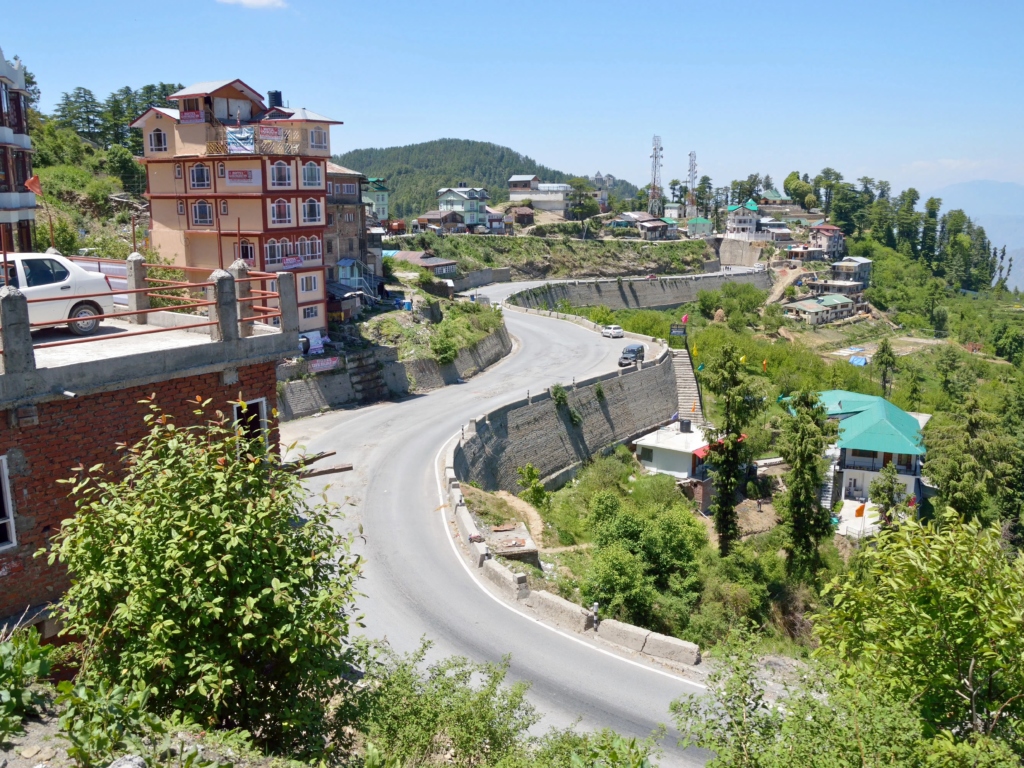
The Shimla to Kaza route takes travellers through the dramatic landscapes of Spiti Valley and the Hindustan-Tibet Highway.
| Information | Details |
| Route | Shimla – Kalpa – Nako – Kaza |
| Ideal Duration | 8–10 Days |
| Best Time | May–October |
| Fuel Cost | INR 6,500–9,000 |
| Basic Stay Cost | INR 1,000–2,000 per night |
| Semi-Luxury Stay Cost | INR 3,500–6,000 per night |
| Food Cost | INR 400–900 per person per day |
| Package Cost | INR 28,000–45,000 |
| Major Highlights | Kinnaur cliffs, Nako Lake, Key Monastery and remote Himalayan landscapes |
| Main Challenge | Rugged terrain and limited connectivity |
Experience
The route features cliff-hanging roads and rock overhangs carved into mountain walls. Travellers pass ancient Tibetan monasteries and alpine waters such as Nako Lake.
How to Reach Shimla
| Mode | Details |
| By Road | Drive from Delhi to Shimla via NH 344G and NH 5. The journey is around 400 km and takes roughly 7 hours. |
| By Train | Take the Shatabdi Express from New Delhi to Kalka. From Kalka, take the Shimla Toy Train or a taxi. |
| By Air | Fly to Jubarhatti Airport from Delhi. Flights are limited and depend heavily on weather conditions. |
Permits
| Traveller | Requirement |
| Indian Citizens | No permit is required for Spiti Valley or Kinnaur. Vehicle registration and government ID are required at Jangi and Sumdo checkpoints. |
| Outside-State Private Vehicles | A SADA environmental entry tax of around INR 200–300 applies at the district barrier. |
| Foreign Nationals | A Protected Area Permit is mandatory between Reckong Peo and Kaza. It must be obtained physically from the district magistrate’s offices in Shimla or Reckong Peo. |
| PAP Cost | Approximately INR 200–400. |
Important Tips
- Cell service disappears for long stretches.
- Download offline maps before beginning the journey.
- Use a vehicle with high ground clearance.
- Be prepared for rugged roads and remote stretches.
Best Time for Shimla to Kaza
| Period | Conditions |
| May–October | Sunny days and cold nights, with temperatures typically around 5°C–18°C. |
| December–April | Avoid because extreme cold, ice and sub-zero temperatures can make road travel difficult. |
3. Delhi to Jaipur & Jaisalmer

This route is suited to travellers who prefer smooth highways, vibrant colours, rich architecture, grand forts and desert landscapes, making it one of the popular road trips from Delhi.
| Information | Details |
| Route | Delhi – Agra – Jaipur – Jodhpur – Jaisalmer |
| Ideal Duration | 7–10 Days |
| Best Time | October–March |
| Fuel Cost | INR 8,000–12,000 |
| Standard Stay Cost | INR 1,500–3,000 per night |
| Premium Heritage/Luxury Stay | INR 8,000–25,000+ per night |
| Food Cost | INR 600–2,000 per person per day |
| Package Cost | INR 40,000–75,000+ |
| Major Highlights | Taj Mahal, Jaipur forts, Jodhpur and Jaisalmer desert |
| Main Experience | Heritage, architecture, culture and desert landscapes |
Experience
The journey takes you along multi-lane motorways, with stops at the Taj Mahal in Agra, the Pink City of Jaipur and the golden sands of the Thar Desert. Jaisalmer also offers desert camping and opportunities to spend the night under the stars.
How to Reach Jaipur
| Mode | Details |
| By Road | Drive from Delhi to Jaipur via NH 48. The route is around 302 km. |
| By Train | Jaipur has well-connected railway stations with frequent trains from major Indian cities. |
| By Air | Jaipur has an international airport with flights from major Indian cities. Rental cars can be picked up from the airport. |
Permits
No special permits are required for the Rajasthan route. Standard toll taxes apply along national highways and can be paid through FASTag.
Important Tip
Avoid travelling on this route during peak summer when temperatures can exceed 45°C. Winter is more comfortable for sightseeing.
Best Time for Delhi to Rajasthan
The ideal time for this North India road trip depends on the route, especially if you are travelling towards Rajasthan or considering a Rajasthan tour package.
| Period | Conditions |
| October–March | Comfortable period with temperatures around 10°C–28°C. |
| April–September | Can be challenging due to extreme summer heat. Monsoon can also affect road conditions. |
4. Amritsar to Dharamshala
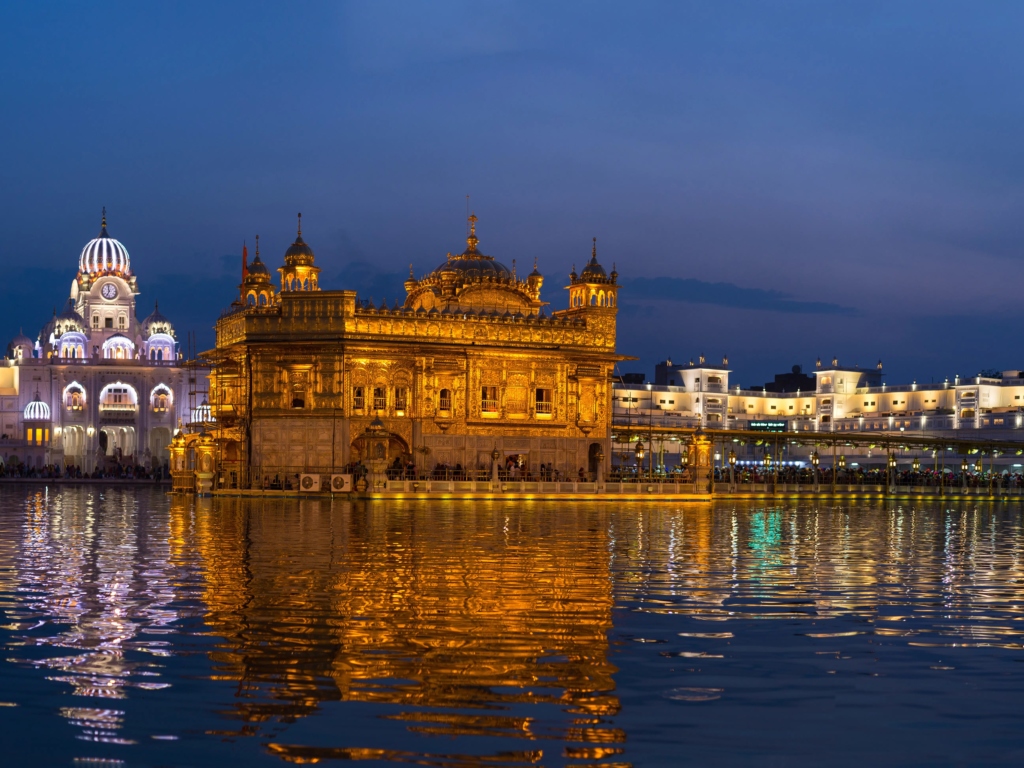
This short and scenic road trip combines Punjabi hospitality, spirituality, Tibetan culture, mountain landscapes and cafés.
| Information | Details |
| Route | Amritsar – Pathankot – Dharamshala (McLeod Ganj) |
| Ideal Duration | 5–7 Days |
| Best Time | October–April |
| Fuel Cost | INR 3,000–4,500 |
| Basic Stay Cost | INR 1,200–2,500 per night |
| Luxury Stay Cost | INR 5,000–12,000 per night |
| Food Cost | INR 500–1,500 per person per day |
| Package Cost | INR 18,000–30,000 |
| Major Highlights | Golden Temple, Dalai Lama Temple, Dhauladhar range, pine forests and mountain cafés |
| Main Experience | Culture, spirituality, food and mountain scenery |
Experience
Start with Punjabi street food and a spiritual visit to the Golden Temple in Amritsar. The route then climbs towards the Dhauladhar range and Dharamshala, with plenty of places to visit in Kangra along the way, before leading to McLeod Ganj, monasteries, pine forests and mountain cafés.”
How to Reach Amritsar
| Mode | Details |
| By Road | From Amritsar, the route continues towards the mountain foothills, making it a useful starting point for travellers also considering a Himachal Pradesh tour package. Drive from Delhi to Amritsar via NE 5 and NH 44. The route is around 490 km and takes roughly 7 hours. |
| By Train | Vande Bharat Express and Shatabdi Express services connect New Delhi with Amritsar Junction in just over 5 hours. |
| By Air | Sri Guru Ram Dass Jee International Airport has domestic flights from Delhi, Mumbai and Bengaluru. |
Permits
No special permits are required for the Amritsar–Dharamshala route. Standard highway toll taxes apply.
Best Time for Amritsar to Dharamshala
| Period | Conditions |
| October–April | Cool and pleasant weather, with temperatures generally between 5°C and 20°C. |
| July–August | Avoid where possible because heavy monsoon rains can cause landslides and disrupt road travel. |
General Road Trip Tips and Travel Guidelines
| Area | Recommendation |
| Vehicle | Rugged routes such as Spiti and Leh require an SUV with at least 180–200 mm ground clearance. |
| Spare Fuel | The Manali–Leh Highway has a 365-km stretch between Tandi and Karu without active fuel stations. Carry 10–20 litres of spare fuel. |
| Emergency Equipment | Carry a full-sized spare tyre, portable air compressor, tow rope, jumper cables and extra engine coolant. |
| Altitude | Acute Mountain Sickness is a major risk above 10,000 feet. Ascend slowly and plan rest stops at intermediate altitudes. |
| Medication | Carry portable oxygen cylinders and Diamox after consulting a doctor. |
| Connectivity | Mobile networks disappear entirely for days in some parts of Spiti and Ladakh. Download offline maps in advance. |
| Payments | Carry physical cash because UPI and card payments may not work in remote villages. |
| Planning | Check road conditions, weather, permits, fuel availability and accommodation before starting a remote mountain route. |
Why Choose Thrillophilia for the Best Road Trips in North India?
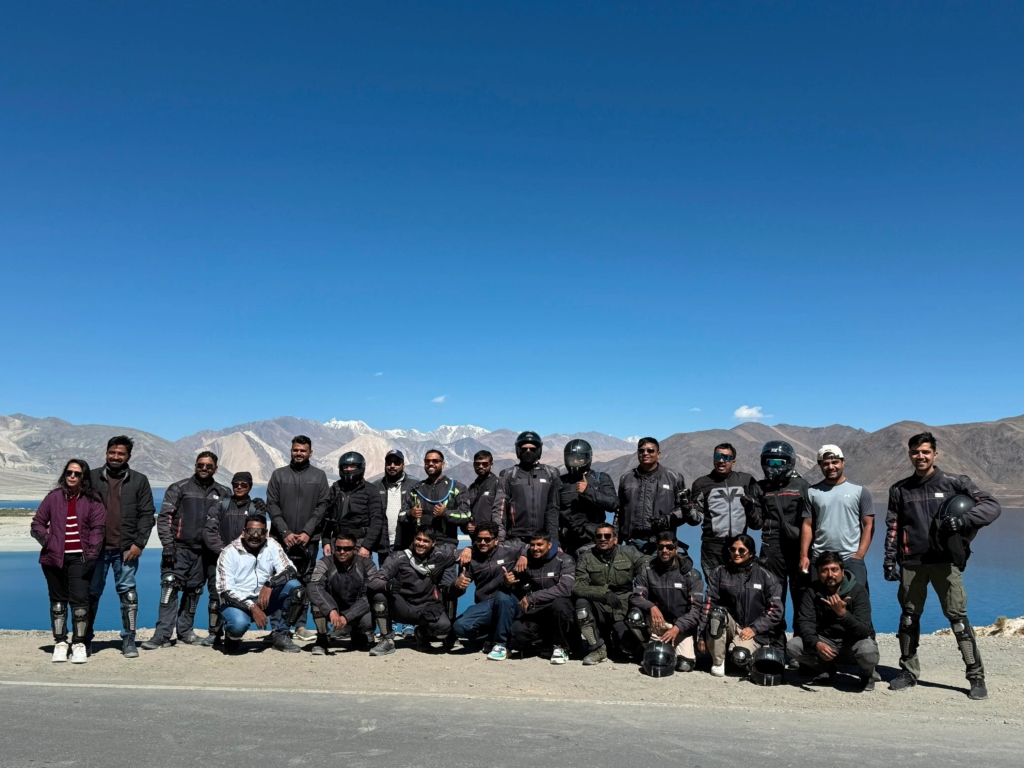
Planning a road trip involves more than choosing a route. Stays, transport, logistics, challenging terrain and unexpected situations can make the planning process complicated. Thrillophilia offers route guidance, logistics and 24/7 on-ground support for road-trip experiences.
| Feature | Details |
| Curated Road Trip Experiences | Routes include Manali–Leh, Spiti Valley, the Golden Triangle and Amritsar–Dharamshala. |
| Route Guidance & Logistics | Support with practical aspects of the journey and route planning. |
| Different Budget Options | Options range from homestays and basic accommodation to hotels, resorts and premium stays. |
| Flexible Trip Durations | Choose shorter 5–7-day trips or longer 8–12-day mountain journeys depending on available time. |
| Support for Challenging Routes | Guidance for high-altitude routes such as Manali–Leh and Spiti, where connectivity and infrastructure can be limited. |
| 24/7 On-Ground Assistance | On-ground support can be useful in remote destinations or during unexpected travel situations. |
| Multiple Travel Styles | Options for mountain adventure, off-road exploration, heritage and culture, or peaceful food-and-mountain experiences. |
With Thrillophilia, travellers can focus on enjoying the open road, scenic stops and experiences while receiving support with practical trip details. Choose a road trip based on your budget, travel style, driving comfort and available time.
Frequently Asked Questions
An SUV with high ground clearance (at least 180–200 mm) or a powerful 4×4 vehicle is best suited for this rugged terrain. The route features rough patches, gravel paths, and heavy water crossings that can easily damage low-clearance hatchbacks or sedans.
Yes, high-power motorcycles like the Royal Enfield Himalayan or standard 350cc bikes are highly popular on this route. However, the rider must be experienced in handling deep water crossings, slush, and steep gravel inclines. Ensure your bike is fully serviced with fresh engine oil and durable tyres before starting.
You must top off your fuel tank completely at Tandi, which hosts the last official fuel station before a massive 365-kilometre dry stretch. Because there are no active stations until you reach Karu near Leh, carrying 10–20 litres of backup fuel in secure jerrycans is absolutely mandatory.
Indian citizens do not need an Inner Line Permit but must pay an environment fee online via the LAHDC Leh portal. Foreign nationals strictly require a Protected Area Permit (PAP) for restricted zones, which must be processed through a registered travel agent in Leh. If you plan to drive over Rohtang Pass instead of using the Atal Tunnel, a separate vehicle pass is required.
The most effective way to prevent AMS is to ascend slowly and include a mandatory night stop for acclimatisation at an intermediate altitude like Jispa or Keylong. Stay well-hydrated throughout the drive, avoid alcohol, and carry portable oxygen cylinders along with preventative medication like Diamox after consulting your doctor.
The ideal window is from June to September when the Border Roads Organisation has fully cleared the heavy winter snow from the high mountain passes. Early June offers spectacular snow walls along the road, while September provides stable, dry weather and clear routes, avoiding the peak monsoon landslides of July and August.
Accommodation options range from basic guesthouses and homestays in permanent villages like Keylong to Swiss-style luxury tents in remote transit camps like Sarchu and Pang. It is highly recommended to book your stops in advance during the peak summer months. Be prepared for minimal amenities and shared bathroom facilities in the highest wilderness camps.
Mobile connectivity is extremely poor and disappears entirely for long stretches between Manali and Leh. Only postpaid SIM cards work reliably in the Ladakh region, with BSNL offering the widest geographic coverage, followed by Airtel and Jio in major towns. Download offline Google Maps and share your day’s destination with family before hitting the road.
You must carry a significant amount of physical cash, as digital UPI payments and credit cards will not work due to the lack of cellular networks. Remote fuel pumps, local food stalls, and mountain campsites rely strictly on physical money. Do not depend on finding functional ATMs past the town of Manali until you safely reach Leh.
Pack versatile layers including heavy thermal innerwear, fleece jackets, and a windproof, waterproof outer jacket to combat extreme weather shifts. High-altitude mountain passes can experience freezing temperatures and sudden snow squalls even in the middle of July. Don’t forget UV-protection sunglasses, heavy-duty sunscreen, and waterproof trekking shoes for water crossings.