

Quick Jumplinks to Navigate
There is a beautiful saying stating,“New Zealand feels like nature left to dream out loud, while Switzerland feels like nature shaped by a master clockmaker.” So New Zealand vs Switzerland is one of those travel debates that rarely produces a clear conclusion. Both countries built their entire identity around mountains, lakes and roads that beg to be photographed, yet standing on a cruise deck in Milford Sound feels almost nothing like riding the Glacier Express through the Alps.
For most Indian travellers, this isn’t really a question of which country is better. It comes down to how many vacation days you can spare, how far your budget stretches, and whether you’d rather self-drive through open country or hop between towns on a train. This Switzerland vs New Zealand travel comparison lays out cost, weather, scenery and things to do side by side, along with sample itineraries, so the choice feels informed rather than guessed at.
Before getting into the finer comparisons below, it helps to see what’s actually on offer. Scrolling through a New Zealand tour package listing next to a Switzerland tour packages page is often the fastest way to get a real sense of what each destination costs and covers, well before the tables further down settle the rest of the decision.
New Zealand vs Switzerland: Quick Comparison
If you have just 2 min to get a view of what both the tours offer, this table covers the New Zealand vs Switzerland basics in one glance: budget, best season and how each trip is usually paced.
| Parameter | New Zealand | Switzerland |
| Best For | Couples and families wanting fjords, adventure sports and wide open road trips | Couples, families and groups wanting scenic trains, alpine towns and effortless logistics |
| Budget (Starting Price) | Starting from INR 1,19,000 (7 Days/6 Nights) | Starting from INR 78,000 (5 Days/4 Nights) |
| Accommodation (by budget tier) | 3 to 4 star hotels in Auckland, Rotorua, Queenstown and Christchurch | 3 to 5 star hotels in Zurich, Lucerne, Interlaken and Zermatt, plus boutique alpine stays |
| Ideal Trip Duration | 10 Days/9 Nights (North and South Island circuit) | 7 Days/6 Nights (Zurich, Lucerne, Interlaken, Jungfrau region) |
| Best Time to Visit | November to March, warm and outdoor-friendly, with March to May as a quieter option | June to September for hiking, December to February for snow |
| Ease of Travel | One-stop flights from Delhi and Mumbai, domestic flights and self-drive between islands | Direct flights from Delhi and Mumbai to Zurich, high-speed rail across the country |
| Verdict | Choose New Zealand for wide-open scenery, adventure sports and a slower, road-trip pace | Choose Switzerland for scenic trains, alpine polish and a compact, efficient circuit |
Both destinations land in a similar price bracket once flights and a week of stays are totted up, so New Zealand or Switzerland which is better usually comes down to how much time you have and how you like to move through a country, behind the wheel or aboard a train.
Getting to Know New Zealand and Switzerland
New Zealand
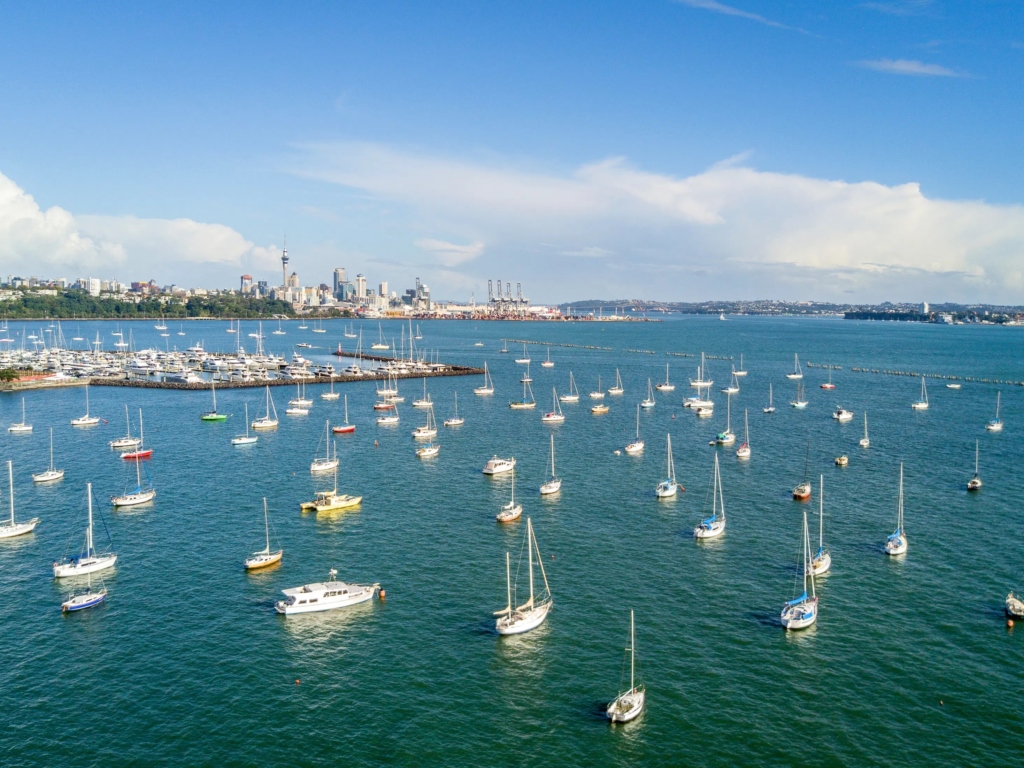
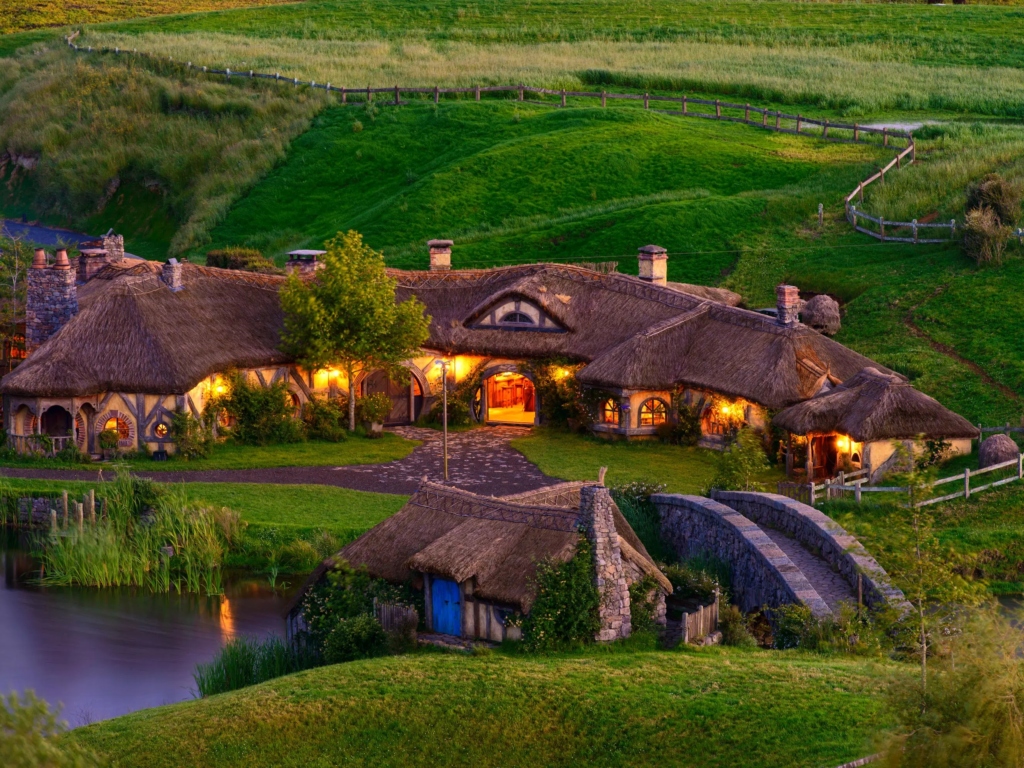
In the New Zealand tour, Auckland is the usual starting point, a harbour city with an easy, unhurried pace, before the itinerary pushes into Rotorua’s geothermal valleys. Hobbiton, near Matamata, turns out to be worth the hype even for travellers who’ve never watched a single film in the franchise, mostly because the rolling green hills look exactly as staged as the photographs suggest, in the best way.
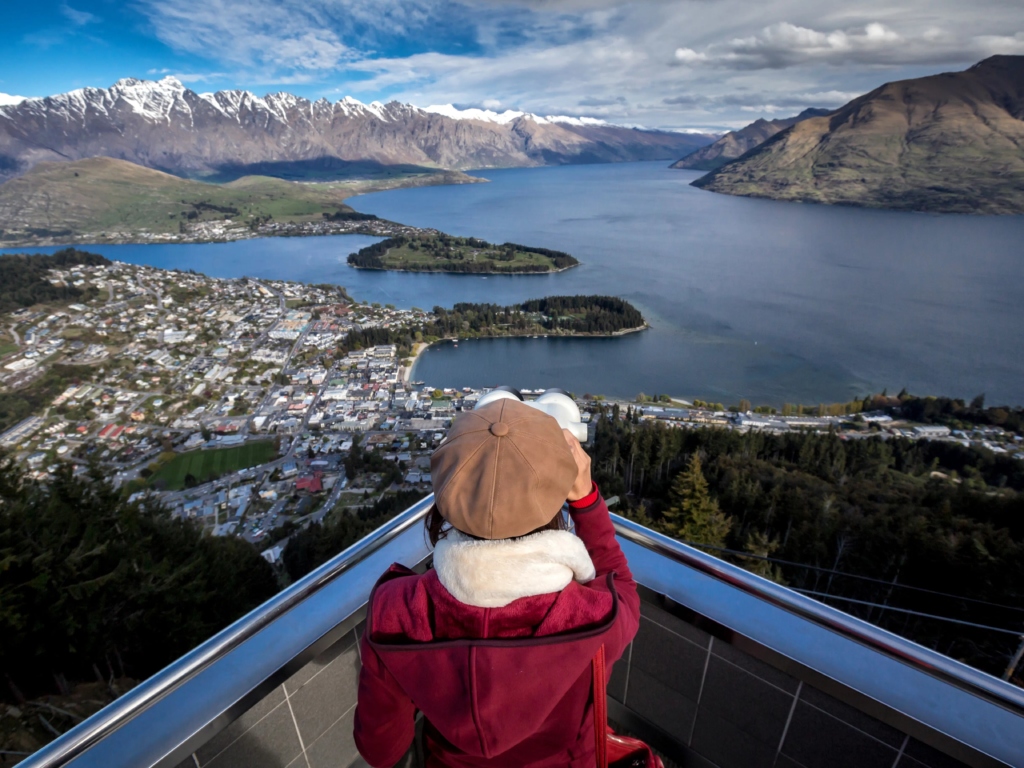
Queenstown carries the reputation of adventure capital of the world, and it earns it, between bungee jumping off the Nevis, jet boating the Shotover River and the Skyline Gondola’s sunset views over Lake Wakatipu.
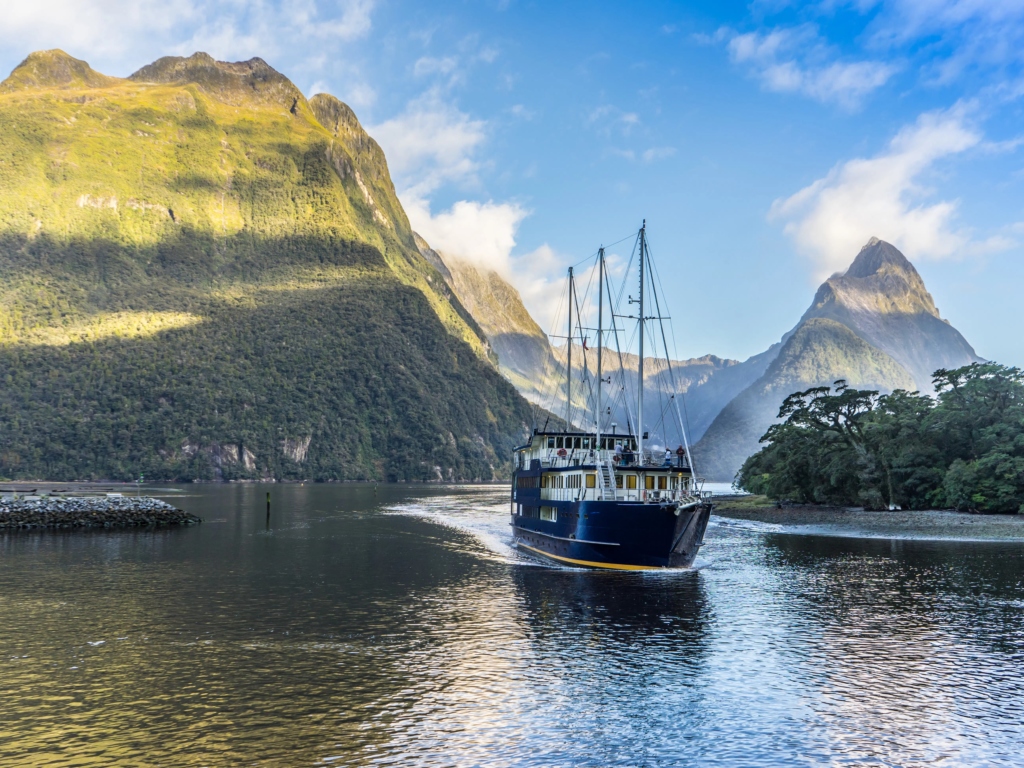
Fiordland National Park and the Milford Sound cruise are usually the centrepiece of the whole trip, cliffs, waterfalls and fur seals inside a fjord carved out by glaciers. Christchurch, rebuilt with genuine creativity after its earthquakes, and Kaikoura, known for whale watching almost year round, round out the longest circuits.
New Zealand’s biggest logistical quirk for Indian travellers is the flight itself. There are no direct routes, so every itinerary begins with a layover through Singapore, Kuala Lumpur, Dubai or Doha, pushing total travel time to 16 to 22 hours each way. Once landed, getting around leans on a mix of domestic flights and self-drive car hire, which feels fairly familiar since New Zealand also drives on the left.
Switzerland
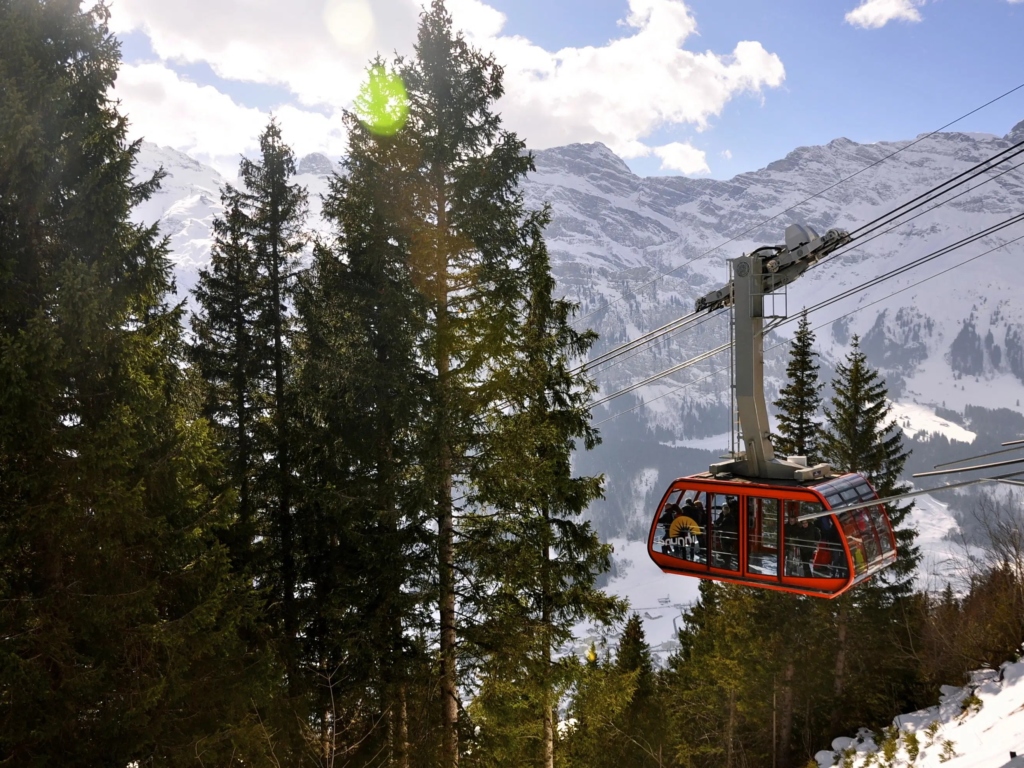
Switzerland works almost like the opposite argument. Zurich or Geneva serve as the entry points, and from there the country’s rail network does most of the heavy lifting. Lucerne offers the Chapel Bridge, Lake Lucerne and an easy day trip up Mount Titlis on the Rotair, the world’s first rotating cable car. Interlaken sits between two lakes and functions as base camp for the Jungfrau region, including Jungfraujoch, Europe’s highest railway station, and the waterfall-lined Lauterbrunnen valley.
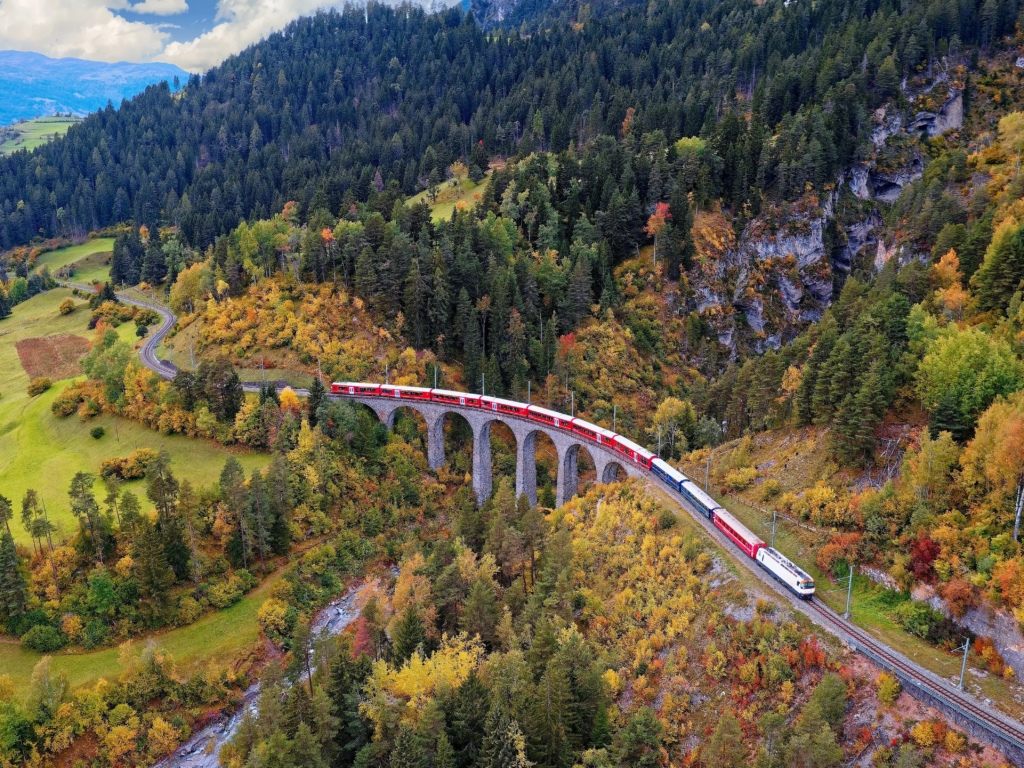
Zermatt, a car-free village at the base of the Matterhorn, connects to St Moritz through the Glacier Express, an eight-hour scenic train ride that’s arguably the country’s single most photographed journey. Montreux adds Lake Geneva, vineyards and Chillon Castle for travellers who want a slower, lakeside close to the trip.
What sets Switzerland apart is how little planning friction it involves. Direct flights from Delhi and Mumbai reach Zurich in 8 to 10 hours, and once there, a rail pass replaces the need for domestic flights, car rentals or navigating unfamiliar roads entirely.
New Zealand asks you to drive through the story, while Switzerland lets a train carry you through it. If you are travelling with Thrillophilia, then it keeps either trip hassle-free because of their years of expertise in planning tours in both of these destinations, so the attraction tickets, visa assistance and transfers are all arranged in advance, backed by 24/7 on-ground support throughout the journey. Thrillophilia also runs multi-destination tours, so a longer leave window is worth using to cover both countries in one trip and take in their individual beauty.
New Zealand vs Switzerland: Detailed Comparison
Choosing between New Zealand vs Switzerland is less about which country is more beautiful, both clearly are, and more about cost, weather windows and how each day of the trip actually unfolds. Here’s how the two stack up across the categories that matter most.
Cost and Budget
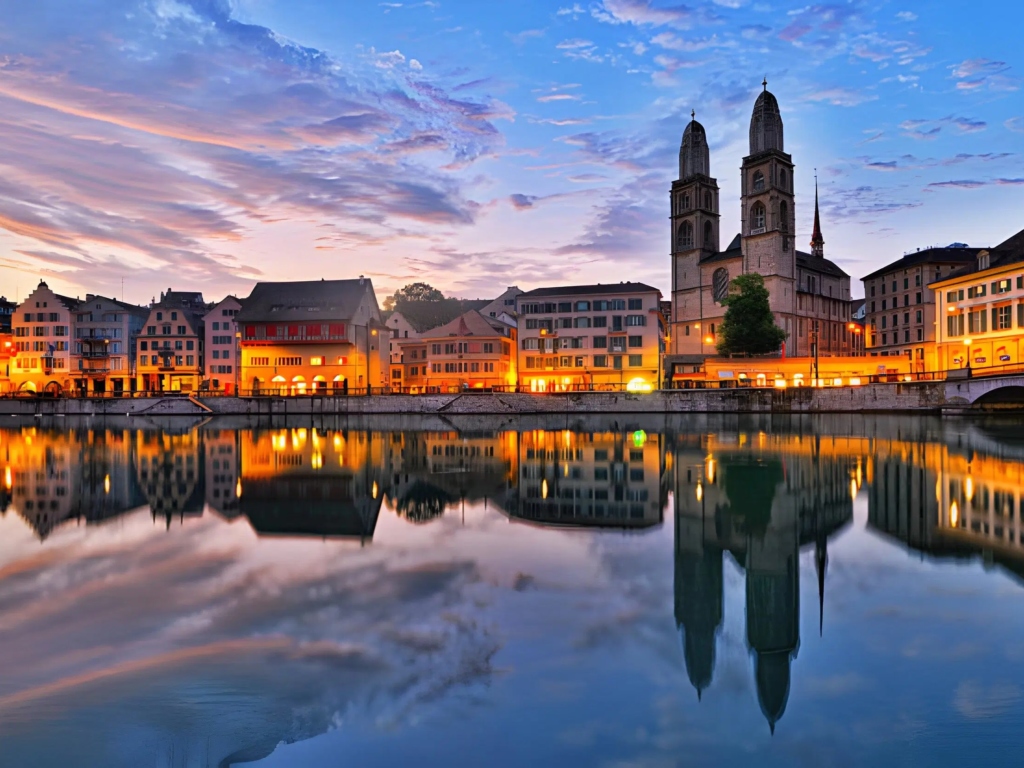
| Cost Factor | New Zealand | Switzerland |
| Starting Package Price | INR 1,19,000 (7 Days/6 Nights) | INR 78,000 (5 Days/4 Nights) |
| Return Flights from India | INR 55,000 to 1,50,000+ | INR 35,000 to 75,000+ |
| Accommodation (per night, by tier) | INR 8,000 to 60,000+ | INR 6,000 to 35,000+ |
| Meals (As per the selected meal plan) | INR 10,000 to 60,000+ (total trip) | INR 2,500 to 12,000+ (per day) |
| Mountain Excursions / Adventure Add-ons | Charged per activity, bungee jumping, jet boating, Milford Sound cruise | INR 8,000 to 31,000 per adult (Titlis, Jungfraujoch, Gornergrat) |
| Visa Fee | Approx. INR 27,000 to 30,000 (Visitor Visa plus the IVL levy) | Approx. INR 8,800 to 9,400 plus a VFS service fee |
| Total Cost, Budget Tier | INR 1,00,000 to 1,90,000 | INR 1,35,000 to 1,80.000 |
| Total Cost, Premium Tier | INR 3,00,000 to 5,70,000+ | INR 2,60,000 to 3,90,000+ |
If the New Zealand vs Switzerland travel cost question is your deciding factor, Switzerland edges ahead on flights while New Zealand edges ahead once a trip stretches past 10 days, since Swiss mountain excursions and rail seat reservations add up daily in a way New Zealand’s more activity-led spending doesn’t.
Experiences and Places
New Zealand:
- Cruise Milford Sound’s fjords in Fiordland National Park, past waterfalls, dolphins and fur seals.
- Walk through Hobbiton’s hobbit holes and the Green Dragon Inn near Matamata.
- Spend an evening at a Maori hangi in Rotorua, where dinner is cooked underground on heated stones.
- Bungee jump the Nevis or take on Grade 3 to 5 rapids on the Shotover River in Queenstown.
Switzerland:
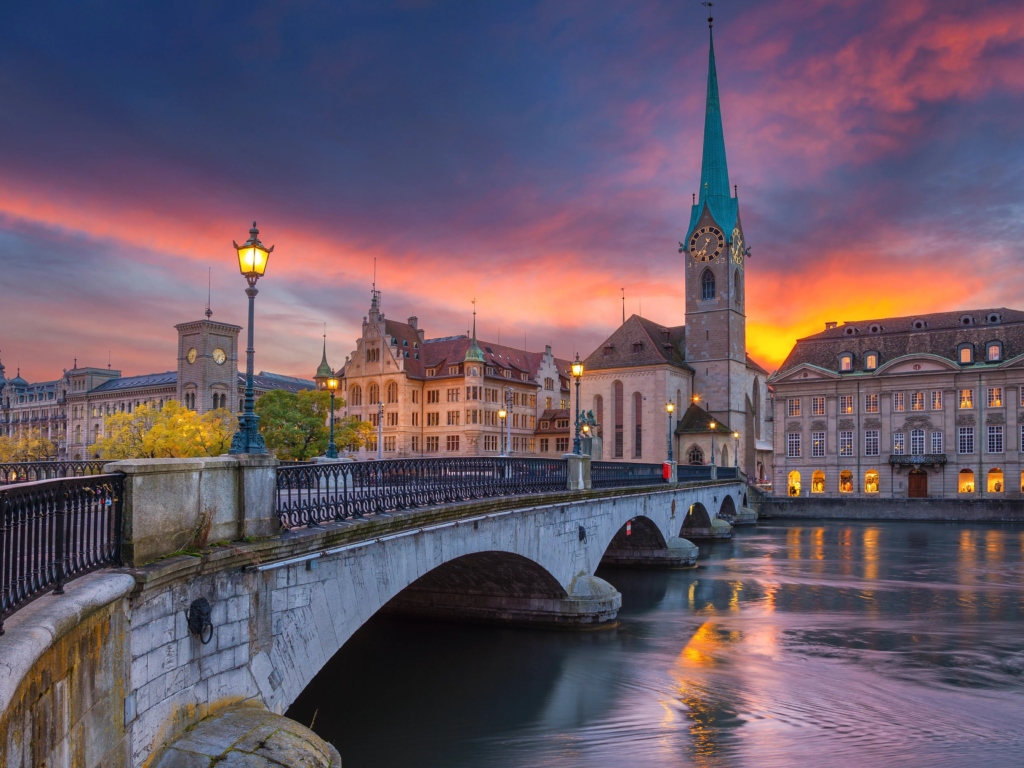
- Ride the Glacier Express between Zermatt and St Moritz, an eight-hour panoramic journey through the Alps.
- Stand at Jungfraujoch, the Top of Europe, for glacier views and the Ice Palace.
- Take the rotating Rotair cable car up Mount Titlis from Lucerne.
- Walk the waterfall-lined Lauterbrunnen valley or take a slow Lake Lucerne cruise.
Verdict: Comparing New Zealand vs Switzerland scenery is really a choice between raw, spread-out drama and postcard-tight alpine polish. Both are honeymoon staples for good reason. A New Zealand honeymoon tour package usually leans into Queenstown’s mountains and a quiet Milford Sound cruise, while a well curated Switzerland honeymoon tour package tends to build around Interlaken’s lakes and a scenic train ride through the Jungfrau region. Neither ever feels rushed once the on-ground logistics are handled properly.
Weather and Best Time to Visit
New Zealand vs Switzerland weather works almost in reverse, since the two sit in opposite hemispheres. December, deep winter in the Alps, is peak summer in Queenstown and Auckland.
| Season | New Zealand | Switzerland |
| Dec to Feb | Summer, 20 to 30°C, peak season and the busiest months | Winter, -2 to 7°C, ski season and Christmas markets |
| Mar to May | Autumn, 10 to 20°C, fewer crowds, wine harvest season | Spring, 8 to 18°C, mild and quieter shoulder season |
| Jun to Aug | Winter, cold with snow in the South Island, ski season | Summer, 18 to 30°C, the busiest and priciest months |
| Sep to Nov | Spring, 10 to 18°C, fewer crowds, better prices | Autumn, 10 to 20°C, clear mountain views, good value |
Book April to June or September to October for Switzerland if crowds are a concern, and lean towards New Zealand’s shoulder seasons, March to May or September to November, for the same reason.
Food and Vegetarian Options
New Zealand:
- Cuisine: Hangi (Maori food slow-cooked underground on heated stones), green-lipped mussels, New Zealand lamb and pavlova, alongside L&P, a local lemon soft drink worth trying once.
- Vegetarian tip: Menus mark vegetarian dishes clearly in most towns, so finding a proper meal rarely takes much hunting.
- Where to eat: Paradise Restaurant and Satya South Indian Restaurant in Auckland, Indian Alley in Wellington, Himalayas Indian Restaurant in Christchurch, The Bull Indian Vegetarian and Vegan Restaurant in Queenstown.
Switzerland:
- Cuisine: European and dairy-heavy, with cheese fondue, rosti and chocolate showing up on most menus.
- Vegetarian tip: cities make this genuinely easy, Zurich alone has Hiltl, the world’s oldest vegetarian restaurant, running continuously since 1898, plus the Tibits buffet chain.
- Where to eat: an Indian restaurant cluster around Langstrasse in Zurich, Kanchi Indian Restaurant and Bombay Alley in Lucerne, The Grand Indian and Madras Jungle in Interlaken.
Between New Zealand vs Switzerland for tourists who eat vegetarian, both hold up well in the major towns, with Switzerland having a slight edge simply because vegetarian cafes and buffets are built into the city dining culture by default. This is where Thrillophilia’s local connections make a real difference. Strong ties with restaurants across both destinations mean vegetarian and Jain meal preferences are sorted in advance, so travellers spend their time exploring and taking part in activities rather than hunting for the right eatery.
Getting Around
New Zealand:
- Domestic flights connect Auckland, Queenstown and Christchurch quickly for the longer hops.
- Self-drive car hire covers everything else, helped along by left-hand driving that Indian travellers adjust to almost immediately.
- Fiordland and the West Coast roads narrow into one-lane bridges, so these stretches need a slower pace than the distances suggest.
- A New Zealand group tour usually factors in one or two short domestic flights to link the North and South Islands without losing a full day to road travel.
Switzerland:
- A Swiss Travel Pass (roughly INR 22,500 to 26,000 for three days) covers unlimited local transport plus discounts on mountain excursions.
- A Half Fare Card suits slower, multi-base itineraries better than a full travel pass.
- High-speed trains link Zurich, Lucerne, Interlaken and Zermatt in under four hours each.
- A Switzerland group tour can move an entire group between four towns using nothing but rail tickets and zero driving.
New Zealand is built for a slower, self-directed pace, while Switzerland’s is built for precision and almost zero downtime between stops.
Sample Itinerary and Ideal Trip Duration
New Zealand rewards a longer stay simply because of the distance involved, while Switzerland’s compact rail network means a full circuit fits comfortably into a week. Here’s how a realistic itinerary looks for each.
New Zealand: 10-Day North and South Island Itinerary
The 10 Days and 9 Nights New Zealand tour itinerary is one of the most booked itineraries, offering a well-paced mix of Auckland’s city landmarks, Rotorua’s geothermal culture, the South Island’s alpine scenery and a Milford Sound cruise, all without feeling rushed.
- Day 1: Arrive in Auckland, explore the waterfront and city landmarks
- Day 2: Visit Hobbiton Movie Set, transfer to Rotorua
- Day 3: Rotorua sightseeing, geothermal parks, hot springs and the Redwoods Treewalk
- Day 4: Transfer to Christchurch, explore gardens and heritage sites
- Day 5: Journey through the South Island, Lake Tekapo and Mount Cook National Park
- Day 6: Arrive in Queenstown, evening by Lake Wakatipu
- Day 7: Queenstown sightseeing and nearby vineyards
- Day 8: Full-day Milford Sound cruise through Fiordland National Park
- Day 9: Visit Arrowtown, Lake Wanaka and nearby attractions
- Day 10: Departure from Queenstown
Switzerland: 7-Day Classic Circuit Itinerary
The 7 Days and 6 Nights Switzerland tour itinerary is one of the most booked itineraries, offering a well-paced mix of Lucerne’s lakeside charm, a Mount Titlis excursion, the Jungfraujoch railway and Interlaken’s alpine scenery, all without feeling rushed.
- Day 1: Arrive in Zurich, transfer to Lucerne
- Day 2: Lucerne sightseeing, Chapel Bridge, Lion Monument, afternoon Mount Titlis excursion
- Day 3: Transfer to Interlaken, afternoon Harder Kulm or a lakeside walk
- Day 4: Jungfraujoch excursion, Sphinx Observatory and the Aletsch Glacier
- Day 5: Lauterbrunnen valley walk and Grindelwald exploration
- Day 6: Leisure day in Interlaken, paragliding, kayaking or a walk along Hoheweg
- Day 7: Departure from Interlaken or Zurich
Families travelling on a New Zealand family tour often stretch this itinerary to 12 or 14 days, giving children and elder members of the family more breathing room between long drives. A Switzerland family tour, on the other hand, tends to hold steady around a week, since train transfers are short and hotels sit close to the stations, which keeps the pace comfortable without needing extra days.
Who Should Choose Which Destination?
New Zealand vs Switzerland which is better depends entirely on travel style, so here’s a straightforward way to match the destination to the traveller.
| Choose New Zealand If… | Choose Switzerland If… |
| You want road trips and constantly changing scenery. | You want efficient rail travel and tidy alpine towns. |
| You have 10 days or more to spend. | You have 5 to 8 days to spend. |
| You enjoy adventure sports like bungee jumping and jet boating. | You enjoy scenic train rides and gentle mountain walks. |
| You want Maori culture layered into nature. | You want precision, comfort and minimal planning effort. |
| You’re planning a slower honeymoon or a longer family trip | You’re planning a honeymoon, family trip or a multi-country Europe circuit |
Travellers chasing space and unpredictability tend to lean towards New Zealand. Travellers chasing polish and efficiency tend to lean towards Switzerland. Both answer New Zealand or Switzerland, which is better? question differently depending on what “better” means to the person asking it, and that’s really the honest answer here.
Final Verdict
There’s no single statement in New Zealand vs Switzerland, only the trip that matches your calendar and travel style is the best choice for you. New Zealand suits travellers with 10 or more days to spare, a taste for adventure sports and a preference for self-drive freedom over fixed schedules. Switzerland suits travellers who want a tighter, efficient week built around scenic trains and alpine towns that never feel far from the next one. Many travellers eventually visit both, sometimes years apart, so this rarely needs to be a permanent choice.
Planning Your New Zealand and Switzerland Trip
Planning either trip well is less about picking flights and more about timing mountain excursions, weather windows and visa paperwork correctly.
Thrillophilia’s New Zealand packages carry a 4.7 rating across more than 2,600+ verified reviews, while its Switzerland packages hold a similar 4.7 rating across over 7,200+ reviews, both shaped by destination experts with 15+ years of experience, who track everything from Milford Sound cruise timings to which Interlaken hotels have step-free access for elderly travellers.
Visa documentation, rail pass comparisons and 24/7 on-ground support are handled quietly in the background for both the countries. What’s left for the traveller is largely the part worth showing up for standing on a fjord, or watching the Matterhorn come into view from a train window.
FAQs
Neither is objectively better, it depends on comfort with logistics. Switzerland suits first-timers who want an easy, rail-connected week with minimal planning. New Zealand suits those comfortable with a longer flight and self-drive days. Both work well as a first big trip, though Switzerland’s shorter distance makes it slightly easier to start with.
Costs are fairly close once a full week is added up. New Zealand starts around INR 1,19,000 for 7 days, Switzerland from INR 78,000 for 5 days. Flights cost more to New Zealand due to distance, while Switzerland’s daily costs, especially mountain excursions and rail passes, add up faster across a longer stay.
Both are established honeymoon destinations. New Zealand offers Queenstown’s mountains and a quiet Milford Sound cruise, ideal for couples wanting space and adventure. Switzerland offers Interlaken’s lakes and a scenic train ride through the Alps, ideal for couples wanting comfort and polish. Couples wanting a longer, slower trip usually lean towards New Zealand.
New Zealand generally needs 10 days or more because of the distance and the North and South Island split. Switzerland’s compact rail network fits a satisfying circuit into 7 days, covering Lucerne, Interlaken and the Jungfrau region comfortably. Longer stays in either country simply allow slower pacing and a wider spread of destinations.
Both are exceptional, but the style differs. New Zealand offers fjords, geothermal valleys and dramatic, spread-out landscapes across Fiordland and Rotorua. Switzerland offers tightly clustered alpine views, glacier trains and postcard-perfect towns like Zermatt and Interlaken. Photographers wanting variety often prefer New Zealand, those wanting classic alpine shots prefer Switzerland.