

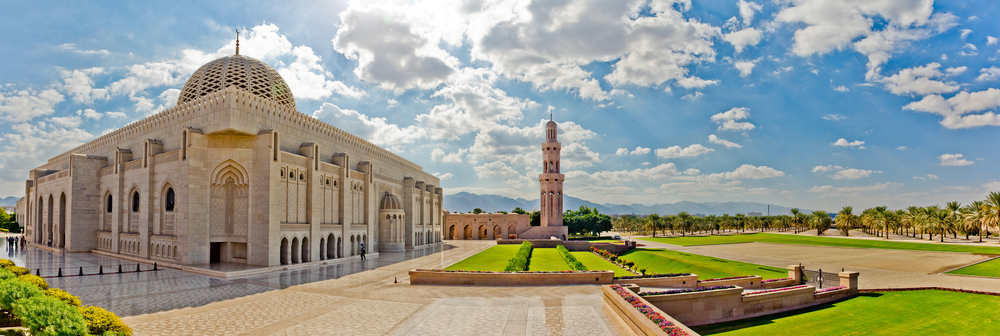
Quick Jumplinks to Navigate
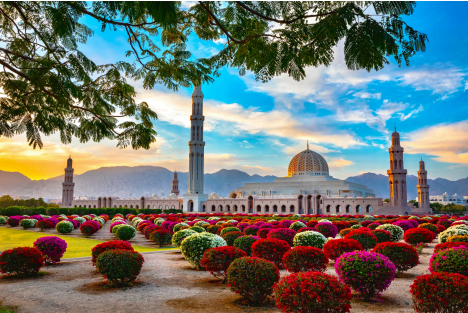
Looking for a place where ancient traditions meet raw, untouched beauty? How about Oman?
It is a beautiful country located on the southeastern tip of the Arabian Peninsula, surrounded by the sea on one side and deserts and mountains on the other. It shares borders with the UAE, Saudi Arabia, and Yemen—but stands apart with a character all its own.
What truly sets Oman apart, though, is its soul. It’s in the warm smiles of its people, the aroma of exotic spices, the rhythm of old souks, and the quiet pride with which locals share their heritage.
Travellers today want more than pretty views—they want stories, history, and real-life experiences. Oman delivers all that without the hassle of having to deal with the crowds. From ancient forts to scenic beaches, this is a place where you become a part of the local culture even before you know it.
Exploring the Rich Culture and Heritage of Oman
1. Feel the Pulse of Omani Traditions
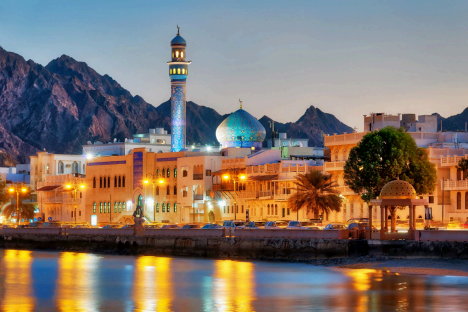
Oman’s cultural heartbeat isn’t hidden in museums—it’s alive in its everyday life. From traditional dances and music to community sports and lively festivals, these experiences bring the soul of Oman to life.
Traditional Music and Dances That Still Get the Crowd Going
If you’re someone who loves watching cultural events that bring people together, Oman offers several unique experiences. You can catch locals performing Al-Bar’ah or Razha—traditional dances that are performed with swords, drums, and rhythm, during national holidays and
festivals like the Muscat Festival or Salalah Festival.
Old-School Sports That Locals Still Cheer For
Yes, camel racing is one of the most popular sports in Oman—and people love it. In Muscat or Sur, you can also enjoy watching wooden dhow boats or sail in one to admire the views of Al Bustan Palace, and Al Alam Palace
Festivals That Turn Towns Into Cultural Hubs
Time your visit with the Muscat or Salalah festivals and you’ll see Oman at its most colorful mood, filled with music, food, crafts, everything in one place. The Muscat Festival offers a peek into the local culture and cuisines, whereas Salalah celebration or the Khareef Festival is known for festivities related to monsoons in the region.
What Omani Hospitality Feels Like in Real Life
Expect to be treated like family in Oman. It’s common to be greeted with spiced coffee, dates, and warm conversation – simple gestures that reflect a gesture of respect, friendship, and the country’s strong cultural emphasis on hospitality .In many homes, guests are seated in a majlis (a traditional sitting area) where coffee is served by the youngest male in the family—an Omani custom that echoes Indian values of respect and service.
2. Crafted by Hand, Passed Down Through Generations
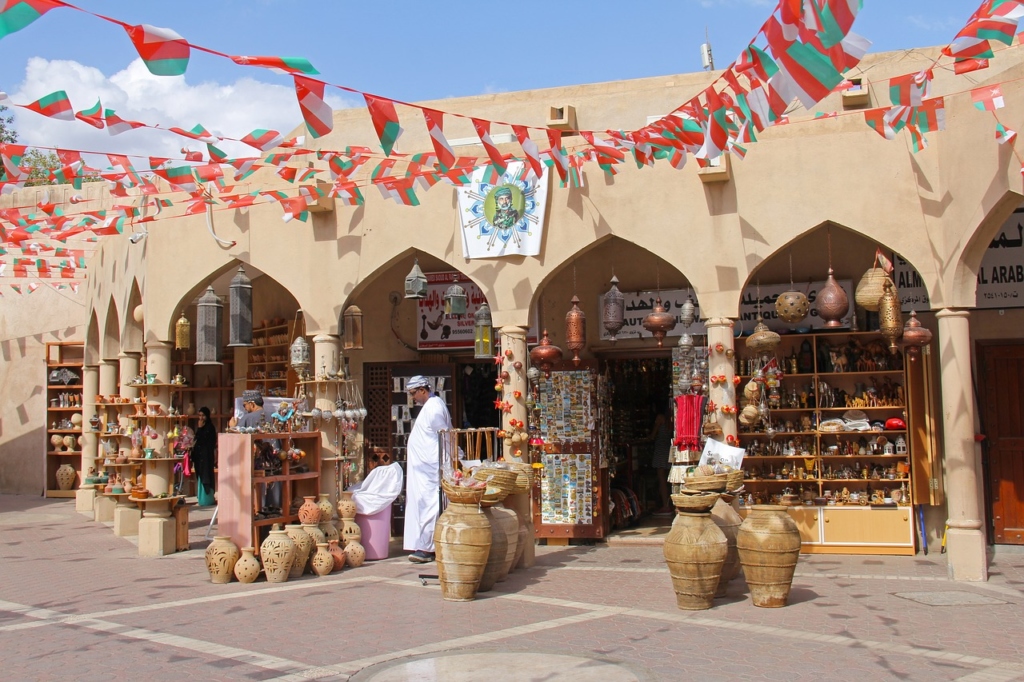
Craftsmanship in Oman goes beyond aesthetics. From textiles to silverwork, every piece holds generational pride. Here, you’ll find artistry to be shaped by environment, history, and an unbroken connection to traditional ways of life.
Handmade Treasures You’ll Want to Take Home
For those who love to shop for handmade souvenirs, Oman is an amazing destination. Clay pots, silver anklets, woven belts, and the iconic Khanjar dagger, you’ll find these and more in local markets like Mutrah Souq and Nizwa Souq.
Frankincense: More Than Just a Scent
Frankincense isn’t just a scent used as a fragrance in soaps, lotions, and perfumes here— extracted from Boswellia sacra tree, it’s part of Omani heritage. Walk through local marketplaces like Haffa Souq or Mutrah Souq, known for selling various products like essential oils and incense sticks, which smell as good as they did centuries ago.
What makes Omani Clothing Special?
When in Oman, it’s always a great idea to dress like the locals. Men can try the white dishdasha – an ankle-length and collarless outfit, usually worn with a Kumma (head covering). Women can wear the abaya, which is a traditional outfit that is known for its beautiful and detailed
embroidery.
Markets That Feel Like a Step Back in Time
If you’re someone who loves shopping, famous marketplaces like Seeb Souq, Bahla Souq, and Souq es Sabt are some of the top places to visit in Oman. Remember to explore Muttrah Souq, which is listed among the oldest marketplaces on the globe. From exotic spices and jewellery to fabrics, there’s so much to shop here!
3. Walls That Watched History Unfold
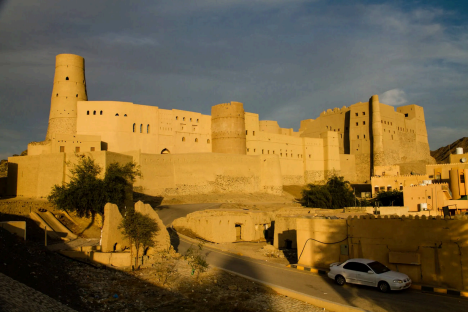
Oman’s forts and historic buildings are living chronicles—each one revealing chapters of power, trade, defence, and design that shaped the nation. These are more than stone walls and watchtowers…these are living testaments of time and history!
Forts That Dominate the Landscape – and the History Books
Do you want to time-travel without leaving Oman? Head out on a historical sightseeing tour of Nizwa Fort’s giant tower, Bahla’s ancient mud walls, or Jabrin’s painted ceilings that speak volumes about the cultural heritage of this destination.
What makes these forts so important?
These historical sites were once known for housing soldiers, emperors, and traders. Here, you’ll find secret doors, majestic walls, and many other elements of clever architecture everywhere. You can also explore how forts used to handle everything from law, security, and battle plans. Walking through these forts on your Oman trip isn’t just a sightseeing tour, it’s more like flipping through Oman’s history book, page by page.
4. Tombs, Tools, and Timelines of the Past
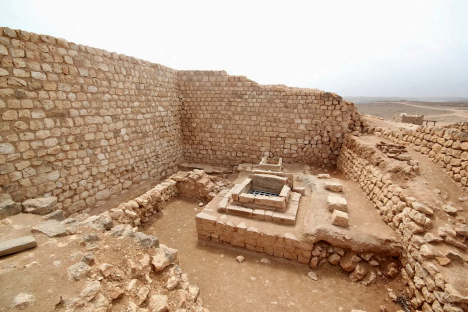
Beneath Oman’s sands and stones lie echoes of civilizations – the origins of which are older than most of the places in the modern world. These ancient sites quietly narrate stories of trade, rituals, and connections across continents.
Ancient Sites That Tell Stories
Some of the places in Oman, such as Al Baleed, Salut, and Bat, are as old as 5,000 years. Al Baleed was once a busy trading port while Salut and Bat have tombs and ruins that happen to be older than most of the countries in the world.
Tombs and Artifacts From Thousands of Years Ago
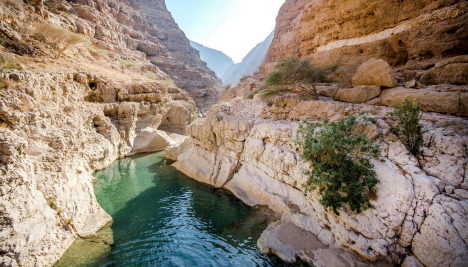
There are several rocks and tombs in Bat, Wadi Al Ayn, Bawshar, Zukait, and Nabi Ayoub, that showcase ancient carvings of animals, people, and unique symbols. You’ll find that some of the tombs are still standing, which is fascinating considering the fact that they were built thousands of years ago.
You can also check out excavations that reveal maritime and trade history related to connections that Oman shared with Africa, India, and beyond. Even today, archaeologists keep finding bits of pottery, tools, and various other artifacts that Omani people used to have back in the day.
5. Landmarks with World Recognition
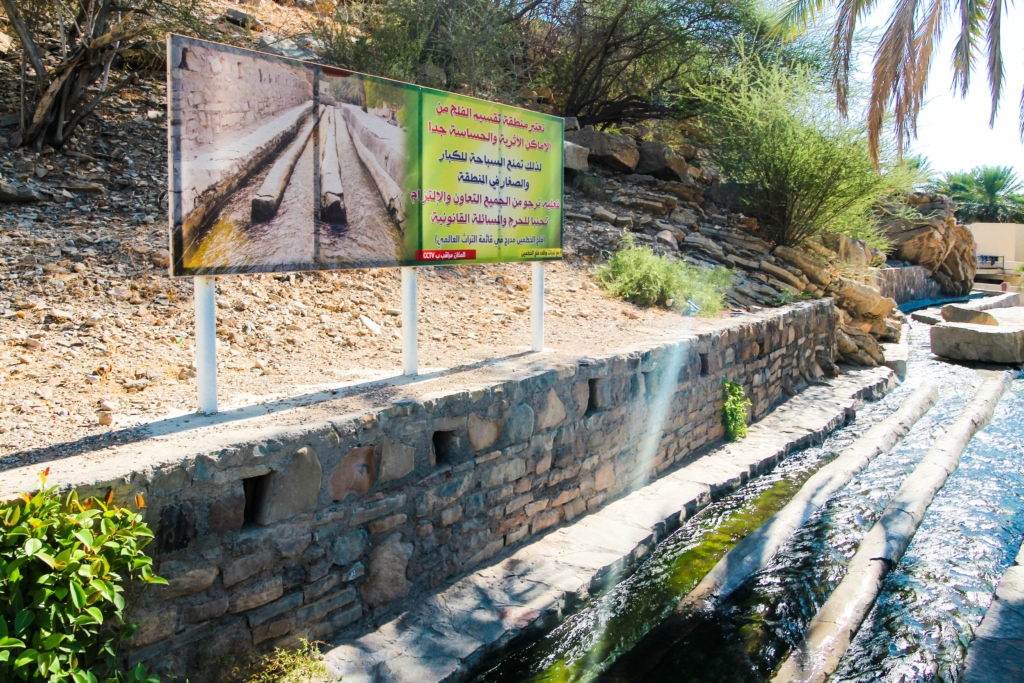
Each UNESCO site in Oman represents a piece of global importance—be it engineering marvels, cultural landscapes, or historical trade centres. Together, they showcase the country’s contribution to human civilization.
Aflaj Irrigation Systems
Imagine water flowing through hand-dug channels from the mountains into farms—this system is over a thousand years old and still works today. The Aflaj Irrigation Systems are traditional irrigation systems that are still being used as a sustainable method for water management in Oman.
Bahla Fort
The Bahla Fort is an important historical site that is protected by UNESCO. Its size and style of architecture are impressive even when measured against modern-day standards. Built from mud bricks and surrounded by a 12-kilometre-long wall, the fort once guarded a thriving
settlement. It stands as a remarkable example of medieval Islamic architecture and defensive planning in the region.
Land of Frankincense
This region includes Sumhuram (Khor Rori), Al-Baleed, Shisr (also known as Wubar) and Wadi Dawkah, which are tied to Oman’s ancient incense trade. You can admire frankincense trees, historic ruins, and explore the Museum of the Frankincense Land, which are all linked to the
utility of this fragrant resin.
Archaeological Sites of Bat, Al-Khutm, and Al-Ayn
If you’re a history buff and want to learn about historic Omani rituals, these sites are a must-visit. Known for housing exceptional Bronze Age remains, including unique beehive tombs, towers, and settlement, these sites offer a glimpse into the well-preserved ancient civilisation of this region.
6. Where Oman Tells Its Own Story
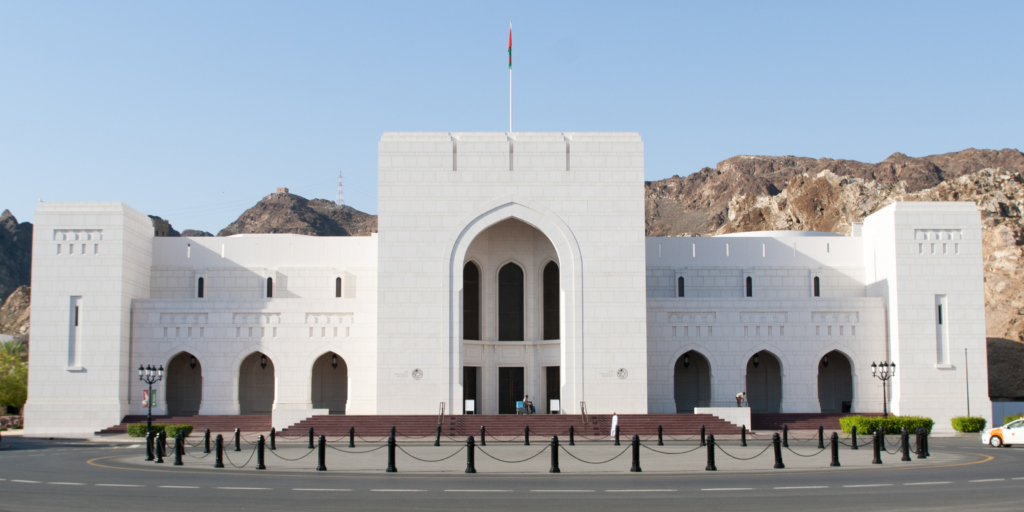
Whether housed in traditional homes or sleek modern buildings, Oman’s museums open doors into its past and future. Here you can expect everything, from tribal artefacts to interactive exhibits, that speak to curious minds.
National Museum, Muscat
This is where you need to go if you’d like to understand the evolution of Oman over the years. From old Islamic silver Dirhams to royal gifts like Japanese lacquered chairs and lunar soil, it covers everything you’re looking for, and then some more.
Bait Al Zubair
It’s one of the most loved museums in Oman that is known for showcasing the traditional lifestyle of the locals. From clothes, tools, weapons, and family items that have been passed down through generations, you can find everything which makes Oman so unique.
Oman Across Ages Museum
If you’re near Manah, remember to visit this museum. It’s modern, interactive, and tells the story of how Oman moved from ancient trade to an innovative and modern business landscape. The exhibits blend digital storytelling with historic artifacts like weapons and jewellery, offering an
immersive experience for visitors of all ages. It’s a great stop to understand how Oman balances heritage with progress.
Maritime and Frankincense Museums
In Salalah and Sur, you’ll find these unique museums that offer details about various sea routes and the incense trade, perfect for those who are curious about learning more about Oman’s history and culture. You can see models of traditional Omani Boats like Boom, Battil, Ghanjah,
and Sambuq or read about the ancient shipbuilding techniques. All in all, you are sure to walk away with a deeper appreciation for Oman’s seafaring past and fragrance exports.
Oman Stays With You, Long After You Leave
Oman doesn’t shout for attention—but once you’re there, you’ll feel how deep its roots go. It’s a country where history is still lived, not locked behind glass.
If your idea of travel includes learning, connecting, and being surprised—Oman should be on the top of your list. Go beyond beaches and mountains, share a meal with locals, learn how a silver bangle is made, or walk through a fort at sunset. This isn’t just sightseeing, exploring Oman is something you’ll remember long after the trip ends.