

Quick Jumplinks to Navigate
At first, India and Morocco might look completely different, set in separate corners of the world, speaking different languages, shaped by distinct histories. But look a little closer, and you will spot some striking cultural parallels.
These are two countries that thrive on colour, spices, hospitality, and family values. Whether you are sipping chai in Jaipur or mint tea in Marrakech, the warmth feels oddly familiar.
From lively markets to festive gatherings, Morocco mirrors the everyday warmth and energy you find back in India. Ready to see it for yourself? Plan your Morocco trip and feel right at home!
A Shared Love for Spice: From Masala to Ras el Hanout
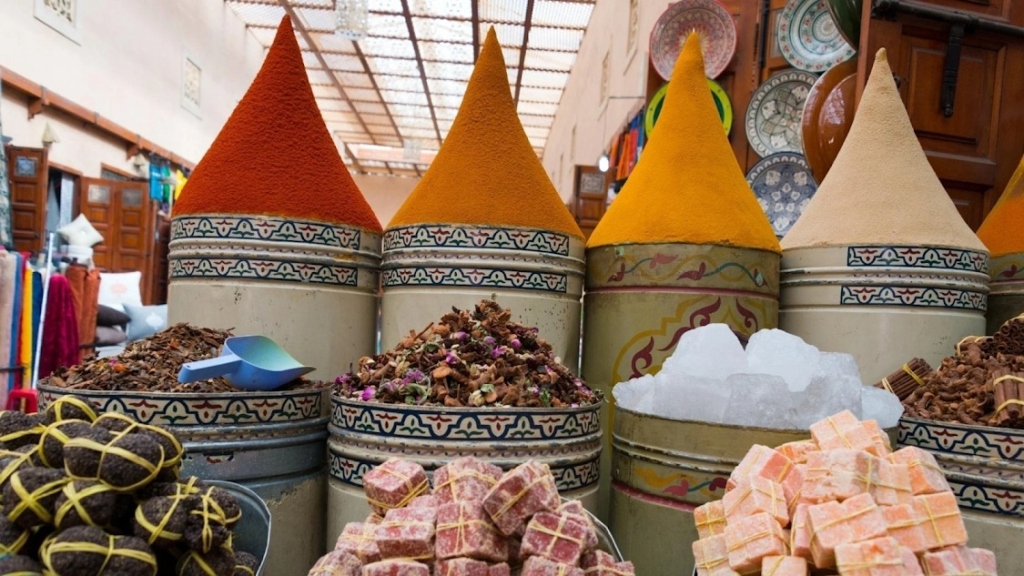
In India and in Morocco, food isn’t just something you eat – it is a story, a tradition and a connection that runs deep. It carries generations of tradition, identity, and pride. Step into a Moroccan kitchen, and the rich aroma of ras el hanout, cumin, saffron, and cinnamon might instantly take you back to the familiar scent of garam masala at home. Both blends are made from multiple spices and passed down through generations.
Slow-cooked dishes are another shared culinary trait. In Morocco, it is tagine; in India, it is curry. The cooking style involves sealing in moisture and flavour over a low flame for hours. Even vegetarian Indian travellers will find plenty to enjoy, from lentil-based harira to vegetable tagines and zaalouk. The bold flavours, colourful platters, and use of seasonal herbs in both cuisines turn meals into memorable experiences.
Both nations also centre meals around bread, treating it as a staple that accompanies almost every dish. While India offers naan, roti, and paratha, Morocco serves khobz and msemen. Bread is broken, not sliced, often shared from the same plate as a symbol of trust and community.
Buzzing Bazaars: Shopping That Feels Like Déjà Vu
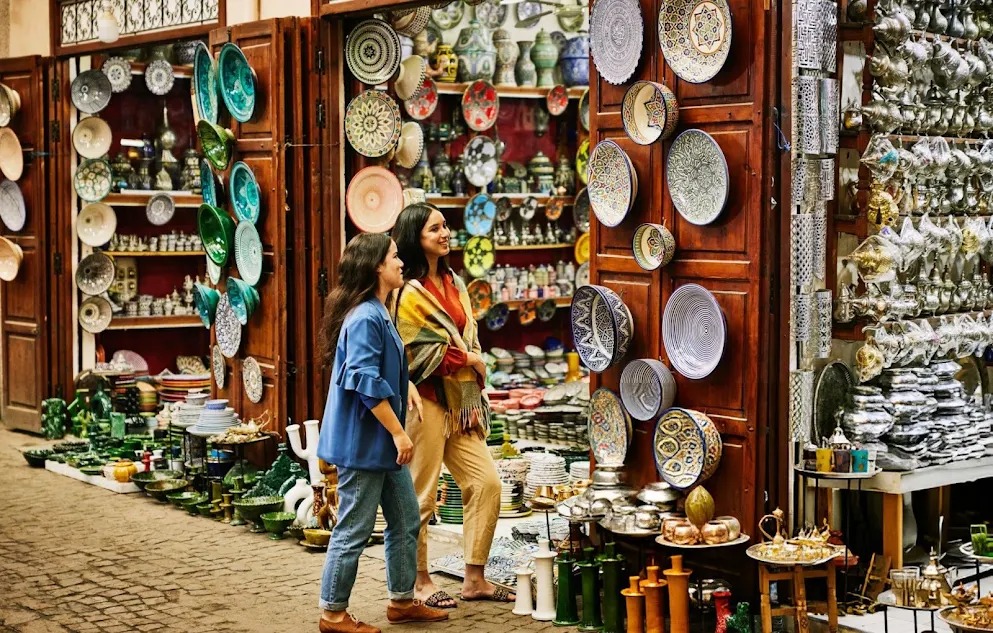
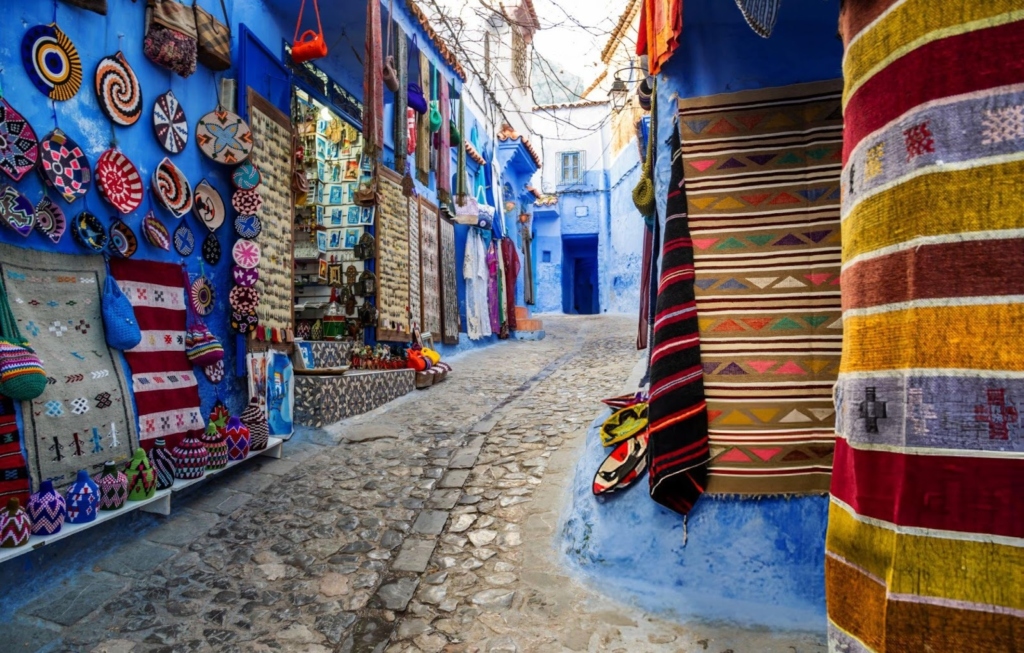
If you have ever wandered through Old Delhi or Hyderabad’s Laad Bazaar, you will feel right at home in the souks of Marrakech or Fez. Both are winding networks of narrow lanes, lined with shops overflowing with handcrafted treasures – carpets, jewellery, leather bags, lanterns, and colourful fabrics at every turn.
The bargaining process is a key part of the shopping culture in both countries. Sellers often invite you in for tea and small talk before the real negotiation begins.
Shopping is not just about buying; it is a social activity. There is a shared emphasis on craftsmanship, and each item reflects regional identity and tradition. The colour, chaos, and chatter feel surprisingly familiar.
Hospitality Runs Deep: Where Guests Are Family
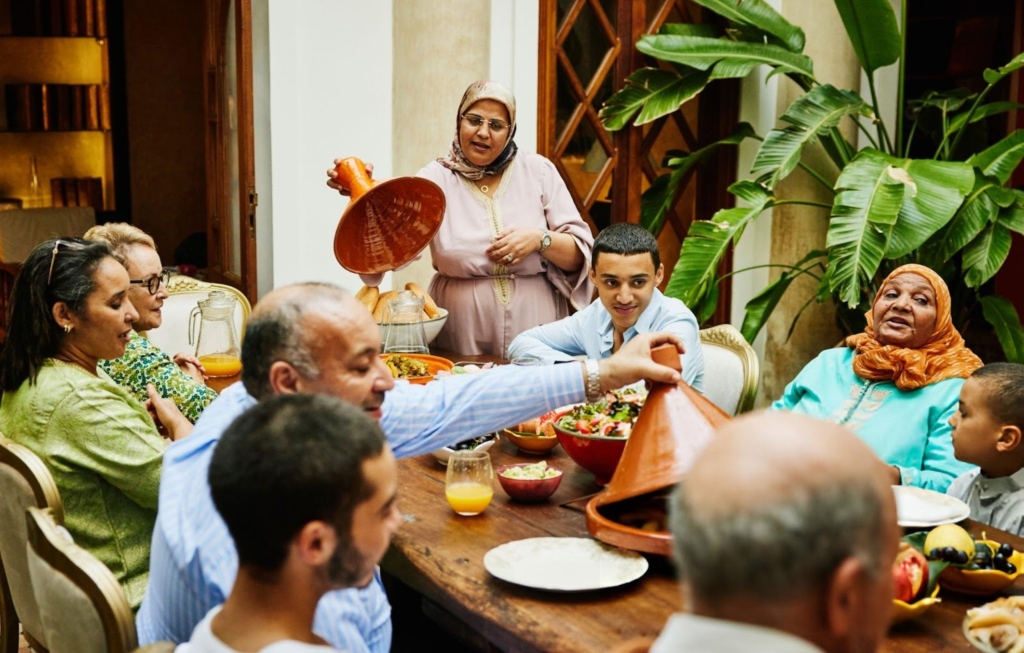
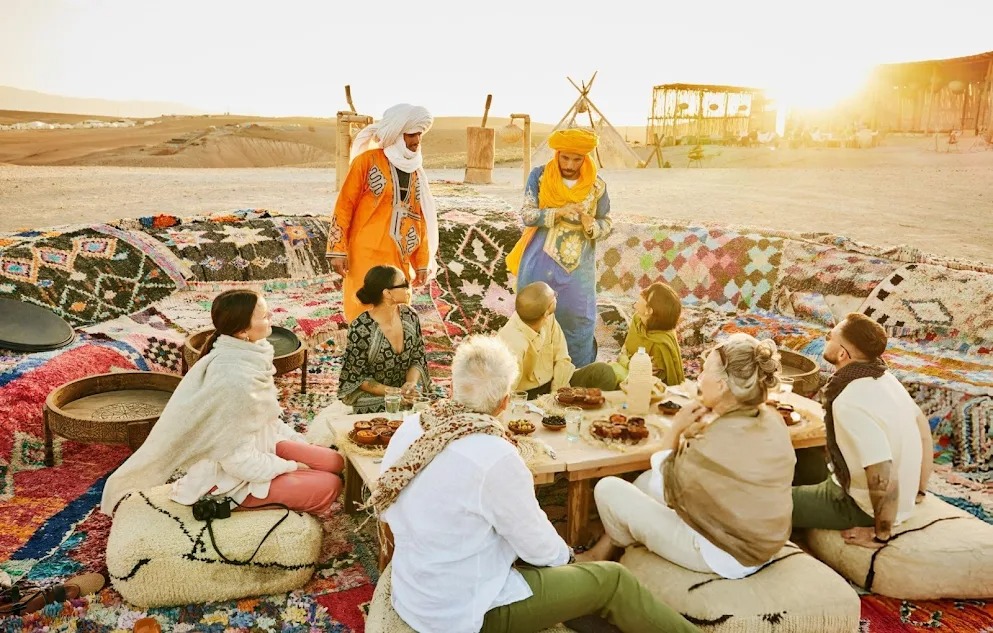
In India, there is a phrase: “Atithi Devo Bhava,” which means “the guest is god.” In Morocco, hosting is equally sacred. Guests are welcomed with mint tea, dates, and often a full meal, even if they stop by unannounced.
Both societies value large, multi-generational households. Respect for elders, shared meals, and strong family ties form the social fabric in both places. Hosting guests is more than a duty; it is a gesture of pride and kindness.
The bond between family and community plays a central role in shaping everyday interactions. Whether you are visiting a home in Rajasthan or Rabat, you will likely be treated like one of their own.
In rural areas Iwitness the open-door culture. Neighbours often visit each others’ homes, and easy conversations often stretch well into the night.
Festival Energy: Music, Lights, and Togetherness
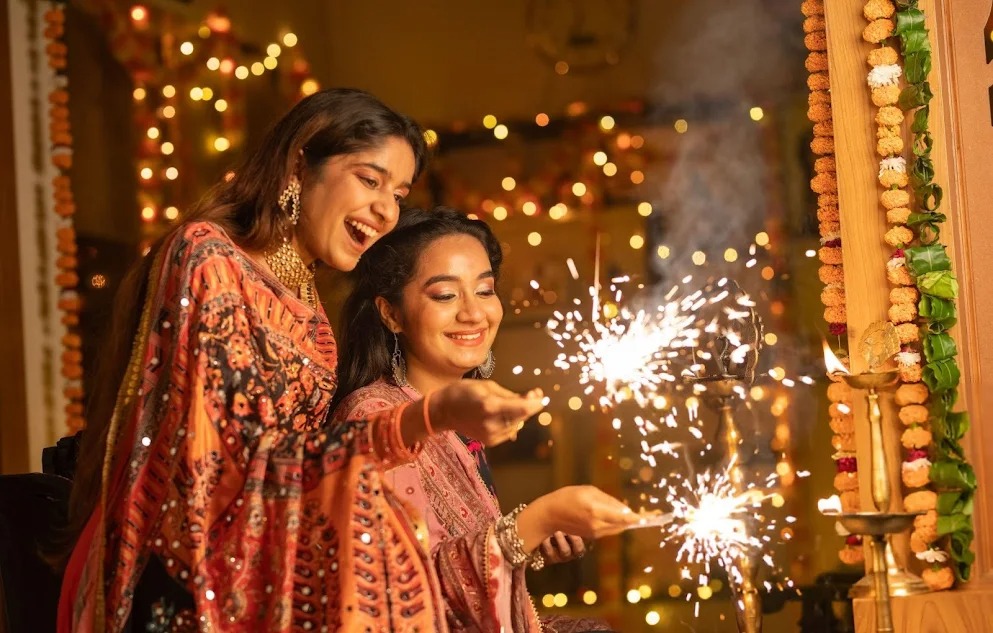
Festivals in India and Morocco really bring the streets to life with delicious food, lively music, and a whole lot of celebration, each showcasing their own unique vibe.
In Morocco, you really feel the sense of togetherness during Ramadan and Eid al-Fitr. And let’s not forget Mawlid, the celebration of the Prophet’s birthday, which is observed with a great deal of respect and warmth as well. These moments are filled with warm prayers, shared meals that stretch into the night, and cheerful gatherings with near and dear ones.
In India, you can really feel that sense of togetherness during Diwali, Eid, and Holi. These festivals really focus on prayer, family, sweets, and a whole lot of joy. What truly ties them to Moroccan traditions isn’t just the rituals; it’s how people gather, whip up family recipes, decorate their homes, and create memories that bring everyone closer together.
In both cultures, children get special attention during festivals, and elders share stories that are passed down informally. Whether lighting diyas or hanging lanterns, celebration is as much about memory as it is about the moment.
Fabric and Identity: Clothing That Tells a Story
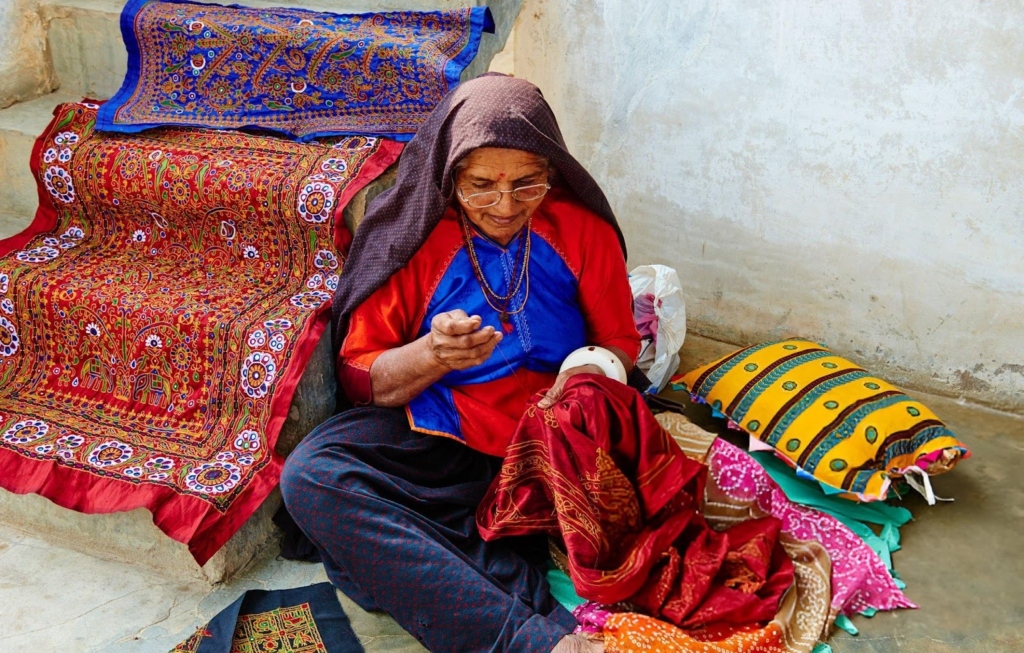
Moroccan clothing traditions, like India’s, value elegance, colour, and craftsmanship. The Moroccan caftan – a long, flowing gown – resembles the saree or salwar kameez in its grace and attention to detail. Both are often made of silk, cotton, or handwoven fabrics and are adorned with embroidery or beadwork.
Whether it is a wedding, religious ceremony, or national festival, traditional wear is a big part of how both cultures express pride in their identity. In Morocco and India, colour is part of the culture.
Bold shades are tied to emotion and tradition, often linked to festive moments, good luck, or family milestones. Wearing traditional clothing is not just about looking good; it is about feeling connected. From intricate hand-woven fabrics to naturally dyed textiles, both countries hold a deep respect for the skill and stories behind every thread.
In local markets, you can also find handwoven shawls, block prints, brocade, and fabric dyed using age-old techniques.
Rhythm of the Soul: Where Music Meets Devotion
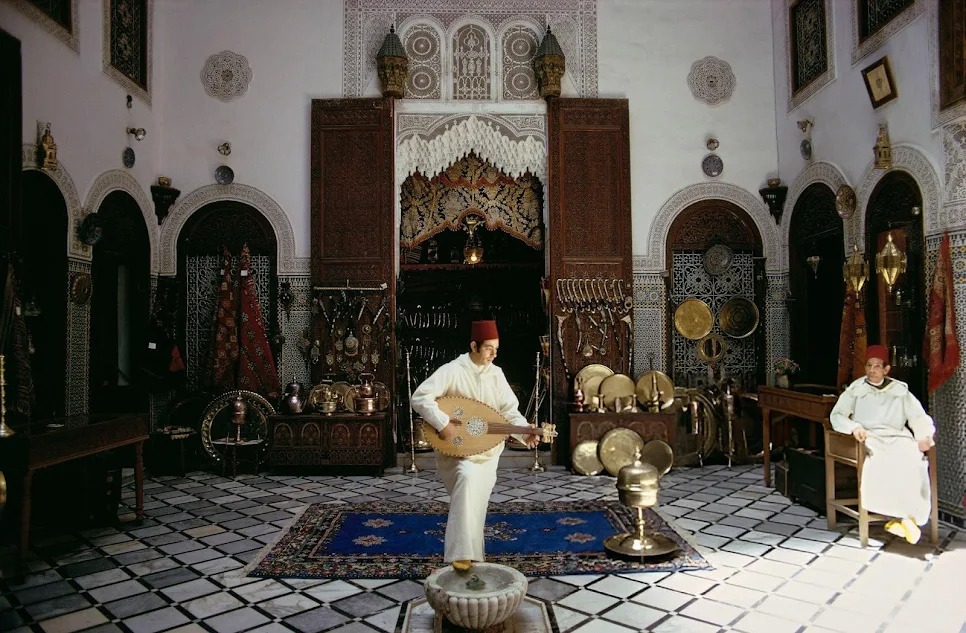
In both Morocco and India, music and spirituality are connected, becoming a part of everyday life. In Morocco, the deep, rhythmic sounds of Gnawa and the soothing flow of Sufi chants often fill the air. In India, it is the familiar sound of bhajans or qawwalis that brings people together. No matter the language or style, the music carries the same purpose, bringing faith, rhythm, and a sense of community into one shared experience.
Religious life is visible in daily routines. In both nations, people find spiritual fulfilment in simple, regular activities like going for a morning walk, visiting a nearby temple, or celebrating a holiday with friends and family.
You will also notice how instruments like the tabla or Moroccan guembri are not just musical tools – they are extensions of spiritual tradition. In both places, performances are all about community, often happening spontaneously, and are really tied to faith.
Walls That Speak: Architecture with Shared Roots
Walk into a Moroccan riad or an Indian haveli, and you will notice common features: inner courtyards, geometric patterns, carved wooden panels, and mosaic-tiled walls. These architectural characteristics bear Islamic and Mughal influences, which affected both countries’ design philosophies.
You can see the love for symmetry, balance, and detail everywhere – in the way buildings are designed, streets are laid out, or even how everyday spaces are decorated. Unlike in many Western countries, art is widely enjoyed and practiced in Morocco and India.
The walls of mosques, ceilings of palaces, and tiles of courtyards are its habitats. Not only are the designs and carvings beautiful to look at, but they also hold a wealth of knowledge, cultural impact, and the work of many hands who have come before.
Fountains, central gardens, and jharokhas (balconies) serve both aesthetic and functional purposes. They cool the interiors and offer privacy while still inviting natural light. Beauty, in these cultures, is always practical.
A Familiar Feeling in a Foreign Land
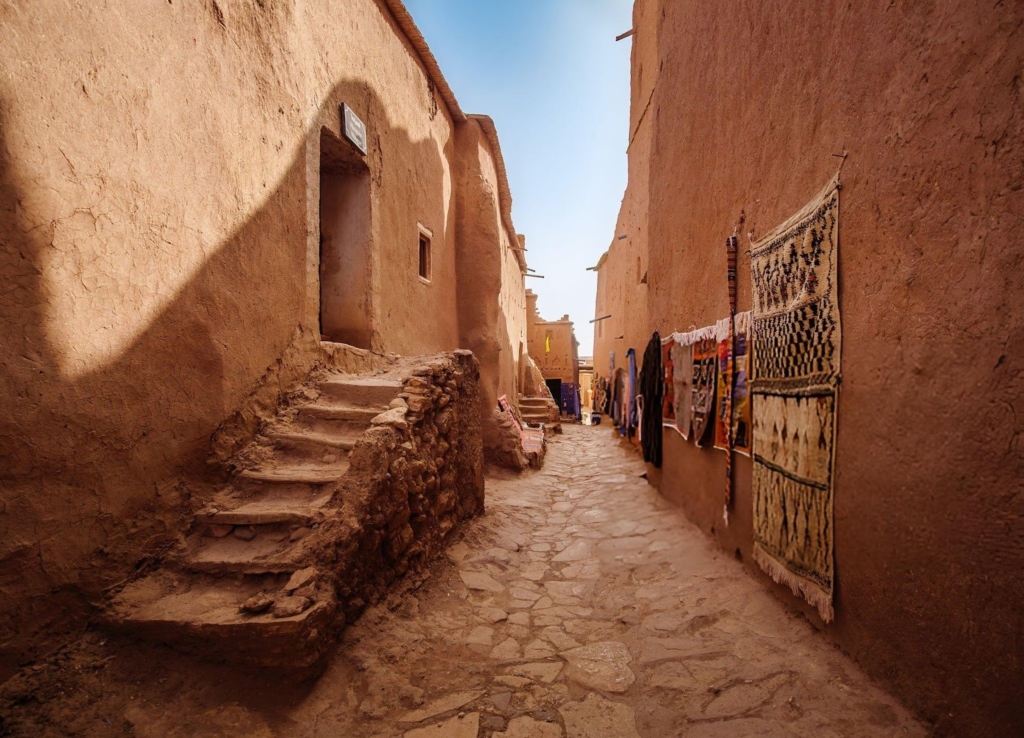
India and Morocco are not identical, but the emotional experience of being in either place carries similarities. The sound of familiar teacups clinking, the air of history, and the warmth with which complete strangers welcome you as if you were family all contribute to a bond that transcends language and geography.
Even the landscapes offer moments of déjà vu. Rajasthan’s dusty landscapes are very similar to Morocco’s Atlas Mountains. Casablanca’s traffic is just as hectic as Mumbai’s. It’s fascinating how the ancient and the new coexist, with historical monuments sitting right next to bustling roadways. It’s a vibe that feels familiar, doesn’t it?
Morocco may be located thousands of miles away, but for Indian travellers, it can feel surprisingly relatable. You will find yourself nodding at familiar flavours, smiling at a shopkeeper’s friendly nudge to bargain, or pausing at a morning prayer that feels like home.
Final Words: New Destination, Familiar Heartbeat
Though oceans lie between the two countries, Morocco and India have more in common than you might expect. Family is important in both cultures, as is food with bold flavours and genuine hospitality.
You are not just sightseeing; you are recognising familiar stories told in a new language. If you are thinking about your next trip abroad, Morocco could be more than just another destination on the map. It might just surprise you, and feel like the last place you expected to feel at home.
Explore Morocco with an open heart – you may be far from home, but you will not feel like a stranger.