

Quick Jumplinks to Navigate
Europe offers travellers centuries of history, diverse cultures, and landscapes that shift dramatically from one country to the next. You might wander along the canals of Amsterdam in the morning, explore the alpine trails of Switzerland by afternoon, and find yourself enjoying tapas in a Spanish plaza by evening. A well-prepared packing list for Europe can transform a trip across the continent from stressful to effortless. Each experience requires flexibility and forethought, and packing wisely ensures you can move comfortably between cities, the countryside, and coastal towns.
Weather changes frequently, cultural norms vary, and transport systems often have strict luggage rules, making thoughtful preparation essential. Even though planning for an international trip is stressful, booking guided journeys like Europe tour packages will help immensely. For those wondering what to pack for a Europe trip, a clear and practical packing list allows you to focus on exploring the trip and not worry about anything. You can enjoy museums, hikes, and scenic streets without worrying about missing essentials, while keeping your luggage manageable and travel days smooth.
Why packing the right way is essential for a Europe trip:
Europe presents practical challenges that shape your approach to packing.
- Weather changes quickly: A summer morning in Amsterdam can feel fresh, while a day later in Rome, you might face intense heat. Winter adds another layer, from snow in Switzerland to mild rain in Portugal.
- Cultural expectations vary: Religious sites often expect modest dressing, while fashionable cities invite a smarter look.
- Transport matters: Budget airlines limit baggage size, and trains are easier with lightweight luggage.
- Walking with luggage: Many times you need to walk a long way with your luggage. Hotels or other accommodations are often only accessible through narrow cobblestone streets.
A flexible Europe trip packing list helps you move smoothly through these differences.
Travel Essentials
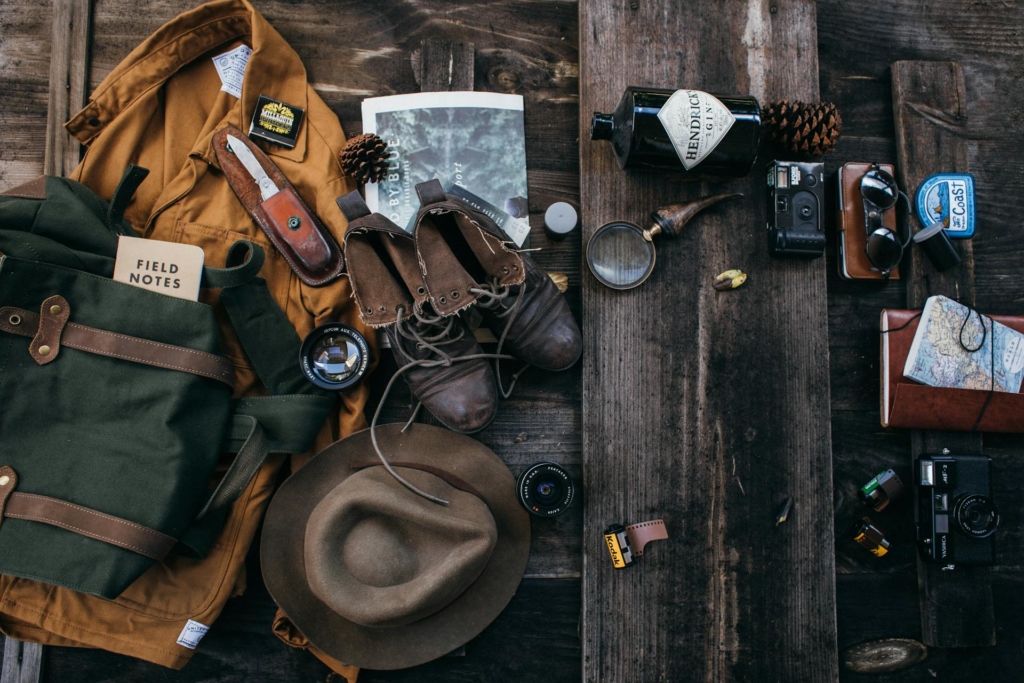
When thinking about what to pack for Europe trip, it is best to start with the basics first before moving on to clothing, gadgets, or extras. These essentials ensure safety, organisation, and peace of mind during your journey.
- Passport and visas: Check that your passport is valid for at least six months beyond your return date and confirm visa requirements for each country.
- Travel insurance: It is extremely important as it protects against medical emergencies, theft, and lost or delayed luggage.
- Document copies: Keep both digital and printed copies of your passport, travel tickets, hotel confirmations, and insurance in separate locations.
- Money: Carry a combination of credit or debit cards and local currency. Even in card-friendly cities, cash is useful for small purchases such as bus tickets, markets, or cafés. Most small businesses only accept cash especially in smaller, offbeat places.
- Universal adapter: European countries use various plug types, so carrying a universal adapter is necessary.
- Portable charger: Long sightseeing days and train journeys can drain devices quickly, so a power bank is essential.
With these essentials in place, packing the rest of your items becomes more straightforward and stress-free.
Clothing: Layered, Versatile, and Practical
Clothing is the heart of your Europe trip packing list. Choosing items that can be layered and reused makes travel easier and more comfortable, and it’s often the trickiest part when deciding what to pack for Europe trip.
- Tops: Neutral t-shirts or blouses are ideal for layering and can be combined with various bottoms. Dark colours hide any stains and allow you to wear them multiple times without washing.
- Jumpers and cardigans: Lighter and more comfortable outer layers like jumpers and cardigans are useful for cool mornings, evenings, or changing weather conditions.
- Jackets: A lightweight trench coat works well for spring and autumn, and it also protects you from unexpected showers, while an insulated coat is essential for winter. Packable down jackets are highly useful for alpine destinations, as they can get extremely cold.
- Bottoms: Pack jeans, trousers, or skirts in neutral colours that are easy to pair with different tops.
- Dresses: Dresses are a comfortable option that allow walking but remain suitable for dinners or social outings.
- Scarves or shawls: These serve multiple purposes, including warmth and sun protection; they also provide modesty when visiting religious sites.
- Rain protection: Always carry a foldable umbrella or waterproof jacket to ensure you stay dry during sudden showers.
- Shoes: Comfortable walking shoes are essential, and one pair of dressier shoes can be included for evenings.
Choose versatile clothing that can be layered, rotated, and reused. This approach saves space, reduces weight, and keeps packing simple.
Toiletries and Health Essentials

Even though toiletries are available throughout Europe, carrying a small kit makes travel simpler and should always be part of your checklist for what to pack for Europe trip.
- Toothbrush, toothpaste, and deodorant
- Travel-size shampoo, conditioner, and soap
- Sunscreen and sunglasses
- Medicines and prescriptions in their original packaging
- Small first aid kit including plasters, painkillers, and antiseptic wipes
- Hand sanitiser or sanitising wipes for crowded areas or long journeys
Gadgets and Technology
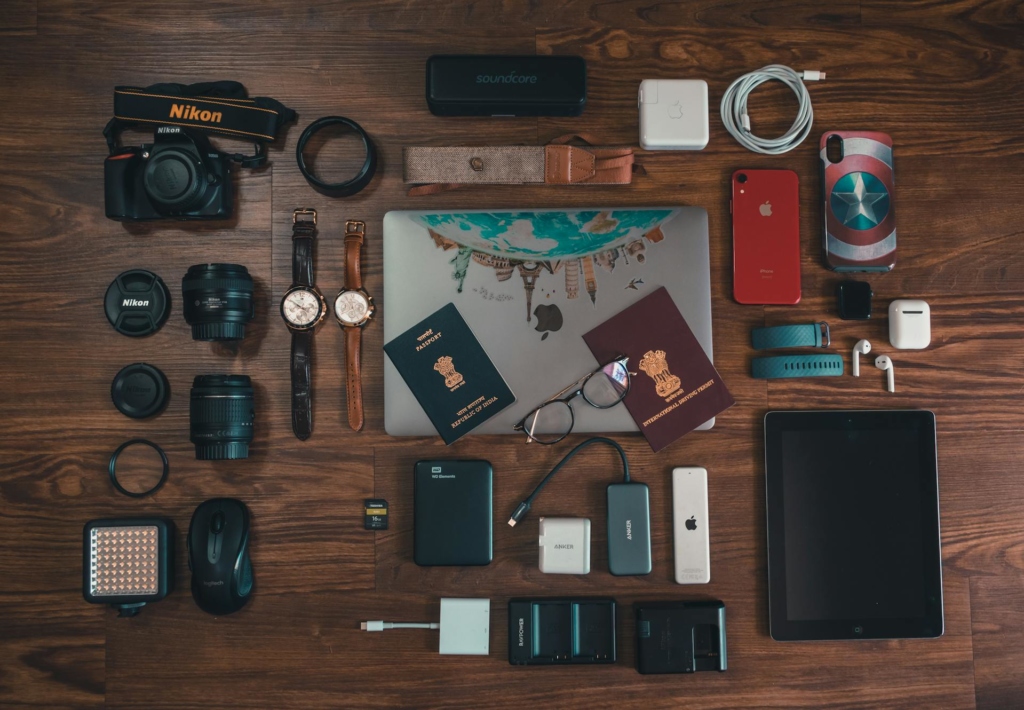
Technology helps you navigate cities, stay connected, and capture memories.
- Smartphone with offline maps and travel apps
- Camera or a smartphone with a good camera
- Headphones for trains, flights, or quiet moments
- Portable charger or power bank
- Luggage locks for hostels or shared accommodation
Detailed Weather-Based Packing
Europe’s weather is highly diverse, changing not just by season but also by region. Packing without considering local climates can make your trip uncomfortable, while thoughtful preparation ensures you stay warm, dry, and stylish. This section breaks down what to pack for Europe trip by region and season, including practical advice for clothing, footwear, and accessories.
Northern and Western Europe (UK, Germany, Netherlands, Belgium)
- Summer (June to August): The summer months of Northern and Western Europe are mild with several hot days throughout the season. Early mornings and evenings are often cool, so you can pack a lightweight jacket or cardigan over t-shirts and blouses. Comfortable trousers or jeans are ideal for walking on cobbled streets and public transport. Neutral colours work well, allowing multiple combinations.
Practical accessories like a small scarf or sunhat add style without bulk. A compact umbrella is also essential, as sudden showers are common in this season. Sturdy walking shoes are a must for both city streets and park strolls, making them a reliable choice when deciding what to pack for Europe trip in summer. - Autumn (September to November): The autumn season brings crisp air and rainfall, making layering key. Wear long-sleeve tops under jumpers or cardigans, paired with a waterproof coat or trench. Scarves and gloves can provide warmth and enhance your outfits.
Ankle boots or low-heeled waterproof shoes are practical for both sightseeing and evenings. Packing clothing that can be layered helps you adapt to fluctuating temperatures. - Winter (December to February): Northern and Western Europe can be cold and damp in winters, particularly Germany and the Netherlands. A heavy insulated coat, thermal base layers, gloves, scarf, and beanie or other protective head wear are essential.
Also carry waterproof boots as they protect against rain or slush. Neutral colours make mixing layers easier and help maintain a polished look even when wearing multiple layers. Consider packing a few warmer tops that can be layered for city walks or festive markets. - Spring (March to May): Spring temperatures in Europe can vary a lot. You will still need to layer things like a jumper or fleece under a light waterproof jacket. Comfortable walking shoes are essential, as you will be on your feet a lot while exploring the new place.
Accessories like scarves or hats can brighten up your otherwise neutral outfits and are practical for sudden wind or rain.
Southern Europe (Spain, Italy, Greece, Portugal)

- Summer (June to August): Southern Europe is warm and sunny during the summer. Pack lightweight, breathable fabrics such as cotton and linen. Shorts, skirts, dresses, and breathable tops will help you stay cool. Sandals or comfortable trainers are ideal for walking through squares and cobbled streets.
Sun protection is important; remember to carry a hat, sunglasses, and sunscreen. Bright colours or patterns can be fashionable without adding extra baggage when considering what to pack for Europe trip. - Autumn (September to November): Autumn days are often warm, but evenings cool down. You can layer tops with a light jacket to accommodate for changing weather.
Flats or loafers will be your best friends, as they provide comfort for long city walks while maintaining style. Scarves or lightweight shawls offer warmth and add an elegant touch to your outfits. - Winter (December to February): Winters here are mild compared to Northern Europe, but evenings can still be chilly. Pack jumpers or a light coat, long trousers, and closed shoes. Neutral jackets are versatile and keep you stylish for dinners or theatre visits.
- Spring (March to May): Spring sees variable temperatures throughout the day. Layer tops with a jacket for cooler mornings and evenings and hotter noons. Comfortable shoes are essential for exploring towns and sightseeing, as you will need to walk quite a lot.
Accessories like scarves, hats, or handbags can add flair to simple outfits while keeping your packing minimal.
Central and Eastern Europe (Austria, Switzerland, Czech Republic, Hungary, Poland)
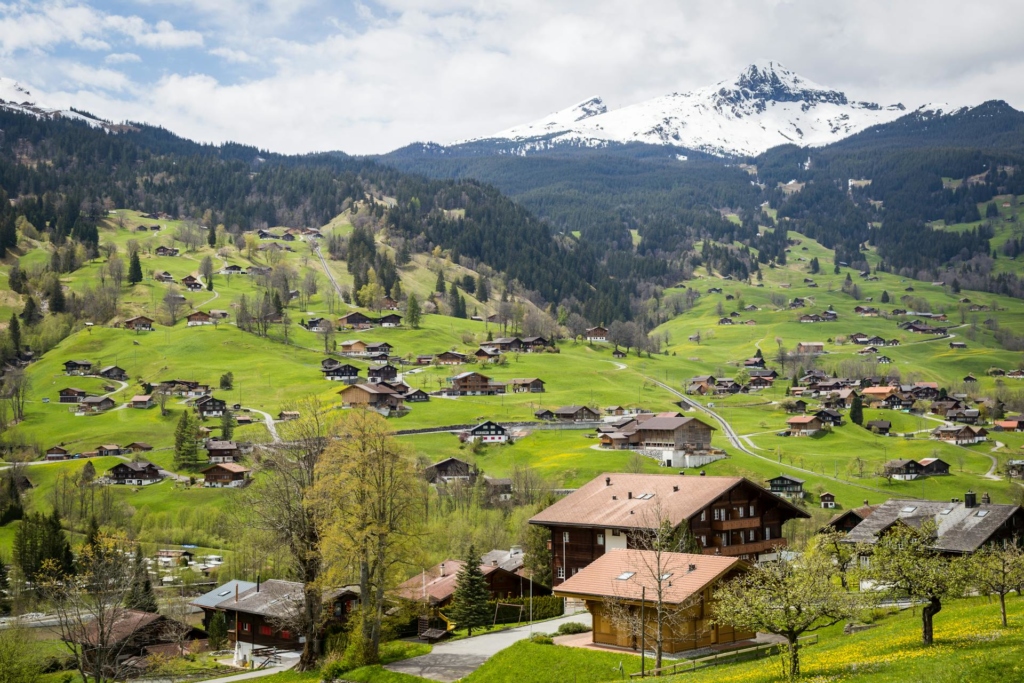
- Summer (June to August): The summers in this part of Europe are warm, with moderate temperatures making breathable tops and trousers ideal. Comfortable walking shoes are essential, as sightseeing often involves you walking through cobbled streets or historic trails.
A light jacket is useful for evenings, as it can get chilly. Neutral colours enable you to create a variety of outfits using only a few pieces. - Autumn (September to November): You can expect cooler temperatures and occasional rain, requiring layered clothing. Sweaters, scarves, and waterproof jackets are necessary and a definite addition to what to pack for your Europe trip.
Boots that are both comfortable and stylish and work well for urban exploration and evening outings. - Winter (December to February): Winters are freezing, especially in alpine areas. Heavy coats, thermal base layers, insulated snow boots, gloves, scarves, and hats are crucial.
Snow and icy conditions are common, especially if you are on Switzerland tour packages, so pack appropriate footwear. Choose neutral or dark-coloured outerwear to coordinate with multiple layers and maintain a neat appearance. - Spring (March to May): Springs are mild, but temperatures vary a lot throughout the day. Layered tops, jumpers, and waterproof jackets are essential.
Snow may remain in mountainous areas, so consider sturdy shoes or light boots. Bright accessories like scarves, hats, or gloves can add style and practicality.
Nordic Europe (Norway, Sweden, Finland, Iceland)

- Summer (June to August): Summers in the Nordic region are mild with frequent rain. You will still need to layer tops with lightweight waterproof jackets and wear sturdy shoes for walking.
Accessories such as scarves or light beanies will provide warmth during chilly mornings or evenings. Always remember to carry sunscreen to protect yourself from long daylight hours, even with mild temperatures. - Autumn (September to November): Temperatures drop, daylight shortens, and rain is frequent during autumn. Packing warm jumpers, waterproof jackets, scarves, gloves, and sturdy shoes is essential.
Neutral outerwear with colourful accessories balances practicality with style, and make the question of what to pack for Europe trip simpler. - Winter (December to February): Winters are extremely cold with snow, ice, and strong winds. Thermal layers, insulated coats, waterproof snow boots, hats, gloves, and scarves are non-negotiable.
It is advisable to pack extra socks and a thermal base layer for comfort. Choose fitted coats that trap warmth but allow layering underneath. - Spring (March to May): Spring is chilly and variable, especially in northern regions. Layered clothing, waterproof jackets, and sturdy shoes still remain essential.
Pops of colour in scarves, hats, or gloves will help brighten grey skies while keeping you warm.
Packing by Travel Style
Your travel style determines what to pack and how to organise it.
- Backpackers: Keep the luggage minimal and light. Quick-dry clothing, a travel towel, a reusable water bottle, a universal adapter, a slim power bank, and two pairs of shoes are usually sufficient.
A small lock for hostels is useful to protect your belongings. Light luggage allows easy navigation of trains, cobbled streets, and stairs, forming a reliable backpacking Europe packing list. - Families: For families wondering what to pack for Europe trip organisation is essential. Packing cubes will keep your clothes and other belongings sorted, so you can focus on enjoying your trip and not finding your toddler’s toy.
Medicines and documents should be accessible at all times. Each family member should have a small daypack during exploration. Pre-arranged Europe tour packages often include transportation and hotel coordination, reducing luggage stress and making family travel smoother. - Couples or Luxury Travellers: Balance comfort and style by packing versatile outfits for dinners, a lightweight jacket, and comfortable shoes.
Even with transportation arranged, light luggage helps with narrow streets, cobbled alleys, and older hotels. Alpine-focused trips like Switzerland tour packages require suitable clothing and gear. - Reminder: Many hotels and older buildings lack lifts, and some require walking from streets with luggage. Packing light and choosing versatile items ensures a smoother experience.
Miscellaneous Things to Pack
Beyond clothing, gadgets, and essentials, there are several items that can make your Europe trip more comfortable, convenient, and enjoyable. These are often overlooked but can save time, money, and stress during your journey.
- Reusable water bottle: Many European cities have public fountains or tap water that is safe to drink. A refillable bottle keeps you hydrated and reduces plastic waste. Although it is still advisable to ask the locals especially in smaller, offbeat places.
- Travel laundry kit: Small packets of detergent, a travel clothesline, or a few clothespins are useful if you need to wash clothes in your hotel sink.
- Snacks: Energy bars, nuts, or dried fruits are handy for long train rides, flights, or day trips where food options might be limited.
- Daypack or small backpack: Perfect for carrying essentials like water, maps, snacks, camera, and documents during sightseeing.
- Travel pillow, eye mask, and earplugs: These are invaluable for long flights, train journeys, or early morning departures.
- Guidebooks and maps: Even with smartphones, printed guides or city maps can help navigate areas with limited connectivity.
- Foldable shopping bag: Useful for groceries, souvenirs, or impromptu purchases at markets.
- Reusable utensils or cutlery: For travellers who prefer self-prepared meals or want to reduce single-use plastic.
- Small sewing kit: Helps fix minor wardrobe malfunctions like a loose button or torn seam.
- Notebook and pen: Useful for jotting down itineraries, addresses, or travel memories.
- Extra zip-lock bags: Useful for keeping electronics dry, storing snacks, or organising toiletries.
- Travel-size detergent sheets: Ideal for washing small items without bulk.
- Power adapters and extra charging cables: Ensure you can charge multiple devices without running into compatibility issues.
Including these miscellaneous items in your Europe trip packing list ensures that you are prepared for unexpected situations, minor emergencies, and small conveniences that make a long journey much easier.
Mistakes to Avoid
- Packing too many shoes: Limit to two or three pairs to save space and weight.
- Carrying heavy books: Use an e-reader or small notebook instead.
- Leaving valuables exposed: Keep passports, wallets, and phones secure.
- Ignoring cultural norms: Some religious sites require modest attire.
- Not checking the weather: Conditions vary widely; planning prevents discomfort.
Luggage Tips
- Choose luggage suited to your travel style: backpack for mobility or suitcase for fewer stops.
- Use packing cubes to organise clothing and accessories.
- Keep a lightweight daypack for sightseeing essentials.
- Leave space in your luggage for souvenirs and local purchases.
Conclusion
Packing for Europe is as much about practicality as it is about preparation. A carefully planned packing list for Europe ensures you are ready for changing weather, varied cultural norms, and the demands of travelling between cities. Many European hotels and older buildings do not have lifts, and a surprising number of accommodations require walking from the streets or stations with your luggage. For this reason, packing light is not just convenient but essential.
Selecting organised trips, such as Switzerland tour packages, can also provide guidance on suitable clothing and help plan itineraries that reduce unnecessary baggage strain. By focusing on versatile clothing, essential documents, a few key gadgets, and thoughtful extras, you can move comfortably, enjoy the journey, and make the most of every city without being weighed down. Travelling light allows you to navigate streets, staircases, and train stations with ease, turning the logistics of your trip into just another part of the adventure.
Frequently Asked Questions
Essentials to pack for a Europe trip include a passport, travel insurance, cards and some cash, comfortable walking shoes, versatile clothing for layering, basic toiletries, and travel adapters.
Yes, you should pack depending on the climate of the place you’re visiting and your travel style. Layering is key. Light fabrics for southern Europe, warm clothing for northern or alpine regions, and a waterproof jacket for unpredictable weather. Accessories like scarves and hats can add versatility.
Sturdy walking shoes are essential in Europe for sightseeing, one pair for smarter occasions, and sandals for summer. Waterproof shoes are useful in rainy months.
Yes, it is wise to carry small denominations of cash for cafés, local markets, and public transport. Credit and debit cards are widely accepted in most cities.
Yes, travel adaptors are necessary, especially a universal adaptor. Europe primarily uses plug types C, E, and F.
Toiletries to bring for a Europe trip include travel-size toothpaste, toothbrush, shampoo, conditioner, deodorant, sunscreen, basic medications, hand sanitiser, and wet wipes. It is recommended to buy larger items locally if needed.
To keep the luggage light for a Europe trip, use packing cubes, stick to a neutral colour palette for mix-and-match outfits, roll clothes instead of folding, and avoid “just in case” items.
Choosing between a backpack and a suitcase depends on the duration of your Europe trip and the kind of travel you are doing. Backpacks suit multi-city or train-heavy itineraries. Suitcases are better for fewer destinations or longer stays. A small daypack is useful for sightseeing.
In order to dress effortlessly for your Europe trip, layer clothes in neutral colours which work across climates and countries. Include a mix of casual wear for walking and slightly smarter outfits for dinners, theatre, or religious sites.
Things to pack for Europe in September include: layered clothing for warm days and cool evenings, a waterproof jacket for occasional rain, walking shoes, lighter scarves, and sun protection for sunny days.
Clothes to pack for 3 weeks in Europe include 7-10 tops, 4-5 bottoms, 2-3 outer layers, 1-2 dresses (female), underwear and socks for a week, comfortable shoes, and a waterproof jacket. In order not to overpack, rotate and wash clothes as needed.
The size of the suitcase or backpack depends on the duration of your trip. For 2-3 weeks: a 50-60 litre backpack or a 24-28 inch suitcase is usually sufficient. Include a small daypack for daily use.
For packing for a 14-day trip abroad, focus on versatile, neutral clothing and mix-and-match items. Packing cubes, rolling clothes, limiting shoes to 2 to 3 pairs, and bringing travel-size toiletries can also help keep the luggage light.
A 40–50 litre backpack is ideal for a 2-week trip to Europe. Use packing cubes and compressible bags to maximise space.
To organise your travel packing list, divide it by category: documents, money, clothing, shoes, toiletries, tech, and extras. Cross off items on a list as you pack, use apps or printable PDFs for convenience.
The 5-4-3-2-1 rule for packing includes packing 5 tops, 4 bottoms, 3 outer layers, 2 pairs of shoes, and 1 versatile bag. This keeps luggage light while covering most needs.
To create a capsule wardrobe for travel, choose neutral mix-and-match pieces, 2-3 layers, and 2-3 pairs of shoes. Accessories add variety while keeping luggage minimal.
You should carry your passport, visas, travel insurance, essential documents, season-appropriate clothing, toiletries, medicines, electronics, a universal adapter, small amounts of cash, and a reusable water bottle for a Europe trip from India.