

Quick Jumplinks to Navigate
A Europe trip can involve multiple countries, flights, trains, hotel stays, and sightseeing activities within a single itinerary. This makes travel insurance more than just a visa requirement. It can help protect you from unexpected medical bills, cancelled plans, lost baggage and emergency transport costs.
If you are comparing Europe tour packages, take a look at whether they cover travel insurance or not. If they don’t, check if you can get the same added into it or customize the package.
Travel insurance requirements can vary depending on the European country you are visiting, your nationality, and the type of visa you need. Some destinations or visa categories may require proof of travel medical insurance, while others may not.
For travellers applying for a Schengen visa, the insurance policy must provide at least €30,000 (approx. INR 33 lakh) in medical coverage. It must cover expenses related to urgent medical attention, emergency hospital treatment and medical repatriation, and remain valid across the relevant Schengen countries for the intended stay.
However, this €30,000 figure should not be treated as a standard insurance requirement for all of Europe. It is a minimum requirement linked to Schengen visas. Even when insurance is not mandatory, having adequate cover can help protect travellers from unexpected medical expenses, trip disruptions, baggage issues and emergency transportation costs.
Your policy should therefore match your destination, itinerary, activities and visa requirements. This becomes especially important when your trip includes multiple European countries, winter travel or adventure activities.
What Should Your Europe Travel Insurance Cover?
1. Emergency Medical Treatment

Medical expenses should sit at the top of your checklist.
Your policy should cover unexpected treatment after an illness or accident. Depending on the policy, this may include emergency consultations, hospitalisation, diagnostic tests, prescribed medicines and ambulance services.
Check the maximum medical coverage, not just whether medical treatment appears in the policy. If you’re on a Europe family tour, every member needs their individual insurance. Remember that the €30,000 cannot be a shared pool for the entire family.
Also check whether the policy has separate sub-limits for hospitalisation, outpatient treatment or specific procedures.
2. Medical Evacuation and Repatriation
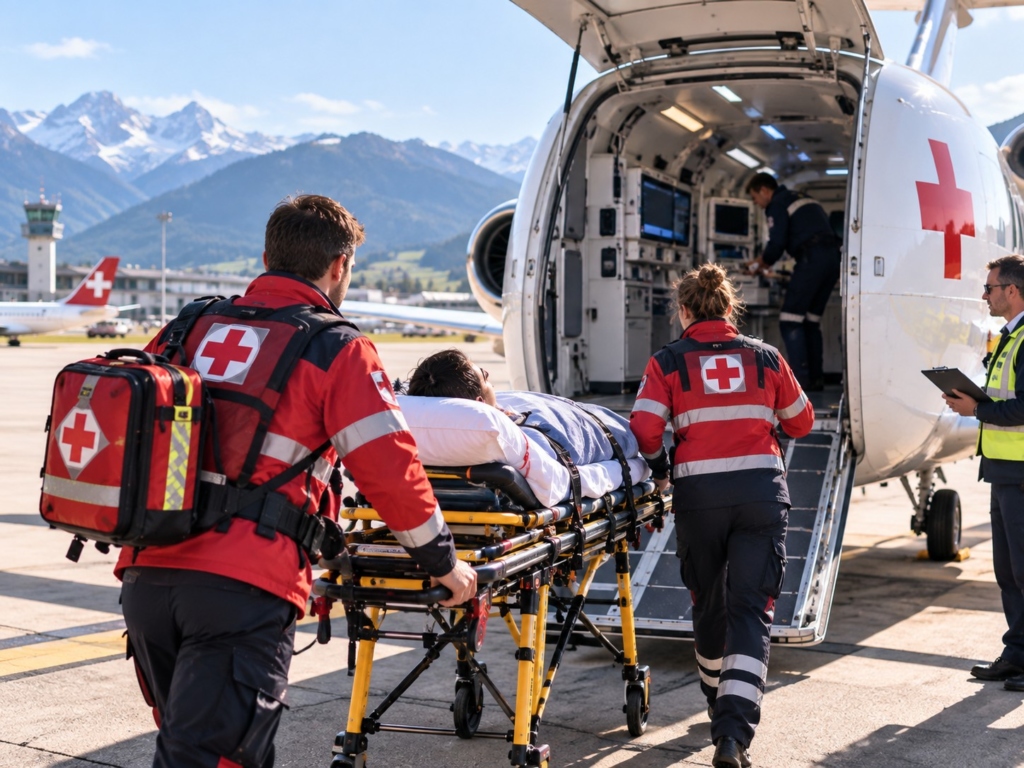
Medical treatment and medical evacuation are not the same thing.
You may become seriously ill in a remote part of Iceland, Norway or the Alps and require transportation to a suitable medical facility. In another situation, doctors may recommend returning you to India for further treatment.
Your policy should therefore cover emergency medical evacuation and repatriation, subject to its terms. It is particularly important for couples who generally love to add remote regions, glacier activities, mountain areas, or long-distance travel to their Europe honeymoon package.
Thrillophilia’s destination experts also recommend checking activity-specific exclusions before travelling to destinations where outdoor experiences form a major part of the itinerary.
3. Trip Cancellation and Interruption

Your financial exposure starts before you board the flight.
You may have to cancel your trip because of a covered medical emergency or another event listed in your policy. Similarly, an emergency during the trip could force you to return home early.
Look for cover that protects eligible non-refundable travel expenses when you cancel or interrupt your trip for a covered reason.
Read the list of covered reasons carefully. A policy does not automatically reimburse every cancellation.
4. Lost, Stolen or Delayed Baggage

A Europe itinerary can involve several flights, trains and hotel changes. Your luggage may be delayed, damaged or stolen during the journey. Baggage cover can help with eligible losses, subject to policy limits and conditions. You should check:
- Maximum baggage compensation
- Per-item limits
- Documentation required for claims
- Cover for delayed baggage
- Rules for unattended belongings
- Limits for valuables and electronics
Thrillophilia’s on-ground team suggests that you should not assume that every expensive item receives its full replacement value. You have to be ready for some amount of loss.
5. Travel Delay and Missed Connections

A delayed flight can create a chain reaction. You could miss a connecting flight, require an additional hotel night, or incur transport costs because of a covered delay.
Some policies provide compensation after a specified delay period. Others may cover reasonable additional accommodation or transport costs. Always check the minimum delay period and maximum reimbursement before purchasing the policy.
This matters even more on multi-country itineraries where one missed connection can affect several later bookings.
6. Personal Liability

Personal liability is often overlooked. Suppose you accidentally damage property at a hotel or injure another person. A suitable policy may provide financial protection for eligible liability claims.
The exact protection depends on the policy terms, exclusions, and limits.
Check whether personal liability is included and understand the situations where the insurer will not pay.
Things Travel Insurance May Not Cover

Travel insurance works through specific conditions and exclusions. Buying a policy does not mean every unexpected expense becomes claimable. Common exclusions can include:
- Undeclared pre-existing medical conditions
- Routine or elective medical treatment
- Alcohol or drug-related incidents
- Reckless or illegal activities
- Activities excluded by the policy
- Events that were already known when you purchased the policy
- Unattended baggage
- Claims without required supporting documents
The exact exclusions vary between insurers. Read the policy wording before buying it. Pay particular attention to exclusions, deductibles, sub-limits and claim conditions.
Frequently Asked Questions
It is mandatory for travellers who need a Schengen visa. The policy must meet specific requirements, including minimum medical coverage. Travellers who do not need a Schengen visa should still consider insurance for medical emergencies and travel disruptions.
The minimum required coverage is €30,000. It must cover urgent medical attention, emergency hospital treatment and medical repatriation and remain valid for the relevant territory and travel period.
Many policies provide baggage protection, but the amount depends on the policy. Check per-item limits, exclusions, reporting requirements and documentation needed for a claim.
Many policies provide baggage protection, but the amount depends on the policy. Check per-item limits, exclusions, reporting requirements and documentation needed for a claim.
€30,000 satisfies the Schengen visa minimum, but it may not provide the level of protection every traveller wants. Compare the medical limit, evacuation cover, exclusions and other benefits against your itinerary before buying.