


Quick Jumplinks to Navigate
You’ve paid for the hotel in Europe, booked the flights, and set aside money for sightseeing. Then the hotel asks for another €20 or €40 at checkout. Where did that charge come from, and why was it missing from the amount you thought you’d already paid?
Tourist tax is easy to miss because it may not sit inside the headline hotel price. Depending on the city, hotel, and booking platform, it can be included in the final payment, shown separately under taxes and fees, or collected directly by the property at check-in or check-out. For Indian travellers on a multi-city Europe trip, these small charges can repeat across several hotels, since Amsterdam, Barcelona, Paris, Rome, and other cities all calculate them differently. Here’s what to check before booking each stay.
1. There’s No Single “Europe Tourist Tax”

A tourist tax is a local charge connected with an overnight stay or, in a few cases, a particular type of visit, and it sits separate from the basic room price. Each city, municipality, or region sets its own rules, with the amount depending on the number of guests, nights, hotel category, accommodation price, type of stay, and the guest’s age. Paris sets its tax by category and per person per night, Amsterdam uses a percentage-based system, and Barcelona combines a regional tax with a municipal surcharge, which is why one flat “Europe tourist tax” figure never works for budgeting purposes.
2. Amsterdam Charges a Flat Percentage
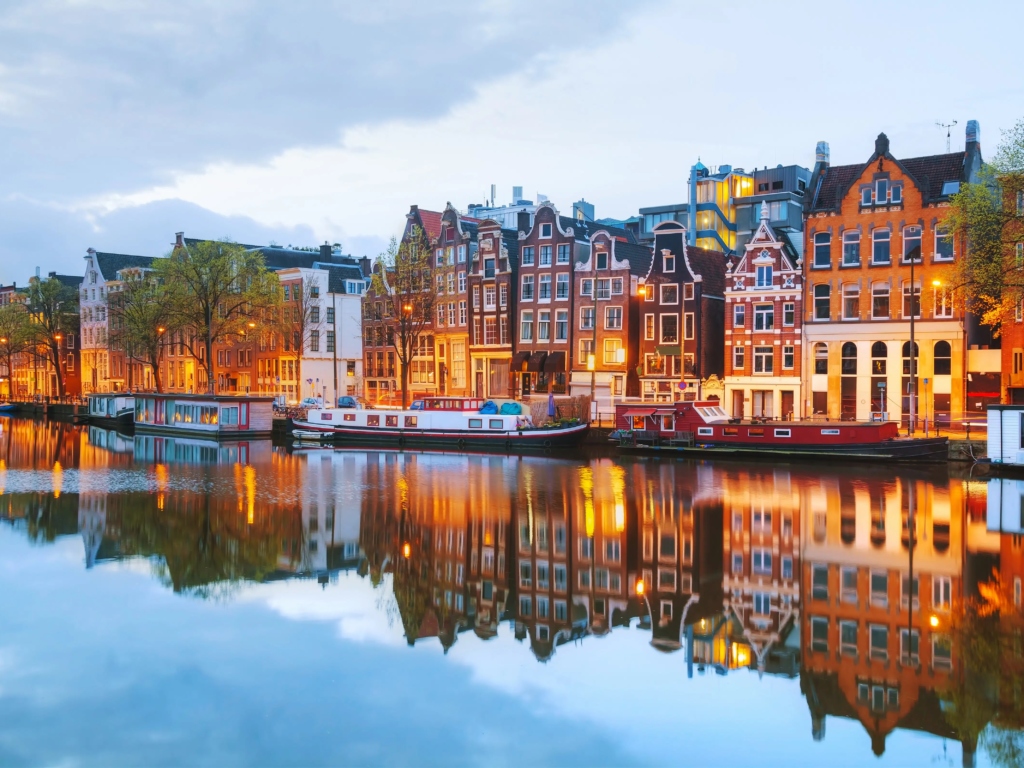
For 2026, Amsterdam charges 12.5% of the overnight accommodation price excluding VAT, and this rule covers hotels, hostels, apartments, bed and breakfasts, and other listed accommodation types across the city. If the taxable room price is €200, the tax works out to €25 for one night. For three nights at the same taxable price, the total tourist tax comes to €75, a figure worth factoring in before you finalise your Amsterdam accommodation budget.
3. Barcelona Combines Two Separate Charges

Barcelona combines the Catalonia accommodation tax with a municipal surcharge, and from 1 April 2026 to 31 March 2027, the combined total varies by accommodation type. A five-star hotel or equivalent runs €12.00 per person per day, a four-star or four-star superior hotel runs €8.40, tourist rental accommodation runs €9.50, youth hostels run €6.00, and other listed accommodation runs €7.00. A couple spending four nights in a four-star Barcelona hotel would pay €67.20 in total tourist tax across the stay.
4. Venice Has Two Separate Charges to Track
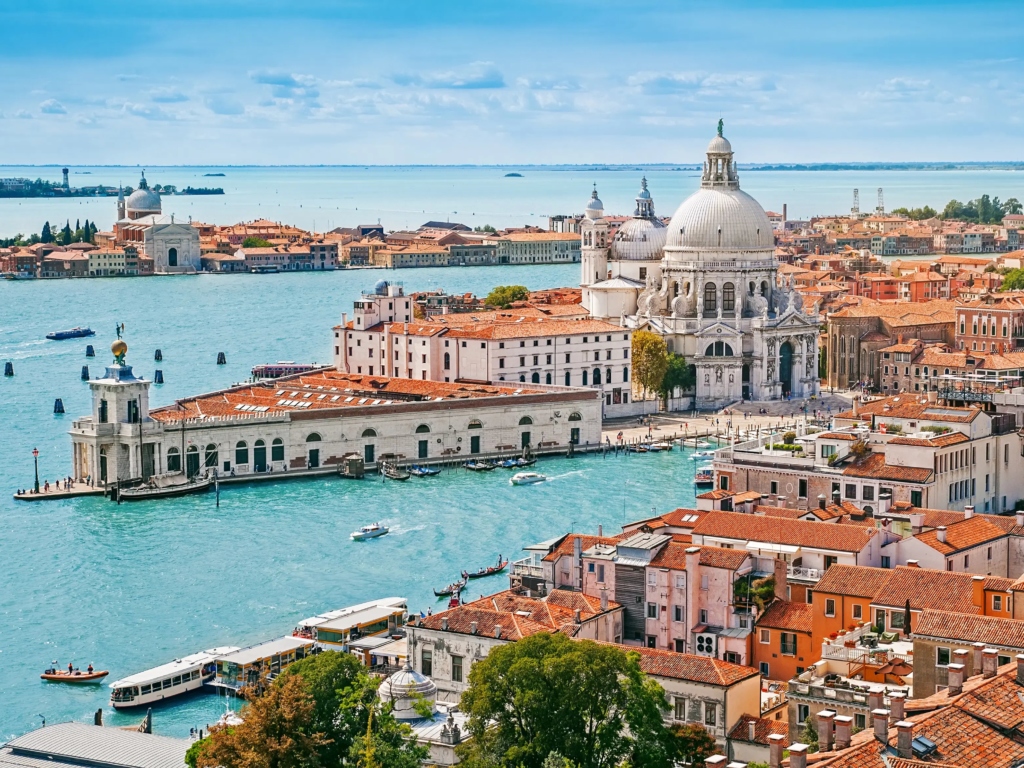
Venice can cause confusion because the overnight tourist tax and the Access Fee are entirely separate charges with different rules and timelines. During the 2026 Access Fee trial, certain day visitors entering Venice’s historic centre on selected dates paid €5 when booked early or €10 when paid within four days of entry. Travellers staying in qualifying accommodation and paying the local tourist tax were exempt from the Access Fee, subject to exemption rules, but the trial ended after 26 July, and the fee no longer applies for the rest of 2026 unless Venice introduces another measure.
5. Paris and Rome Calculate by Accommodation Type

Paris calculates tourist tax per person, per night, with the rate linked to the type and category of accommodation you’ve booked for your stay. Rome also charges a local accommodation tax, with the amount varying according to the type or category of stay chosen. If your Italy trip includes Rome, Florence, and Venice, check each city individually and don’t assume the rate charged in one automatically applies elsewhere, since Italian tourist taxes are set locally, not nationally.
6. Edinburgh Introduced a New Levy in 2026

Edinburgh introduced its visitor levy for stays beginning 24 July 2026, applying a 5% charge on paid overnight accommodation before VAT for the first five nights of any stay. Meals, drinks, parking, and transport are excluded from this calculation entirely. If the taxable accommodation cost is £150 per night, the levy works out to £7.50 per night, which adds up to £30 across four nights, a cost worth budgeting for ahead of a UK trip.
7. Calculate the Tax Separately for Each City on Your Trip

The easiest mistake is checking the tax for one hotel and forgetting the calculation starts fresh in the next city on your itinerary. On a route like 3 nights in Amsterdam, 4 in Paris, 3 in Barcelona, and 3 in Rome, that means four separate local tax checks rather than one combined estimate. Note the nights, whether tax is included, and the extra amount for each city as you book, so nothing catches you off guard at checkout.
8. Check Child Exemptions Before Budgeting for a Family
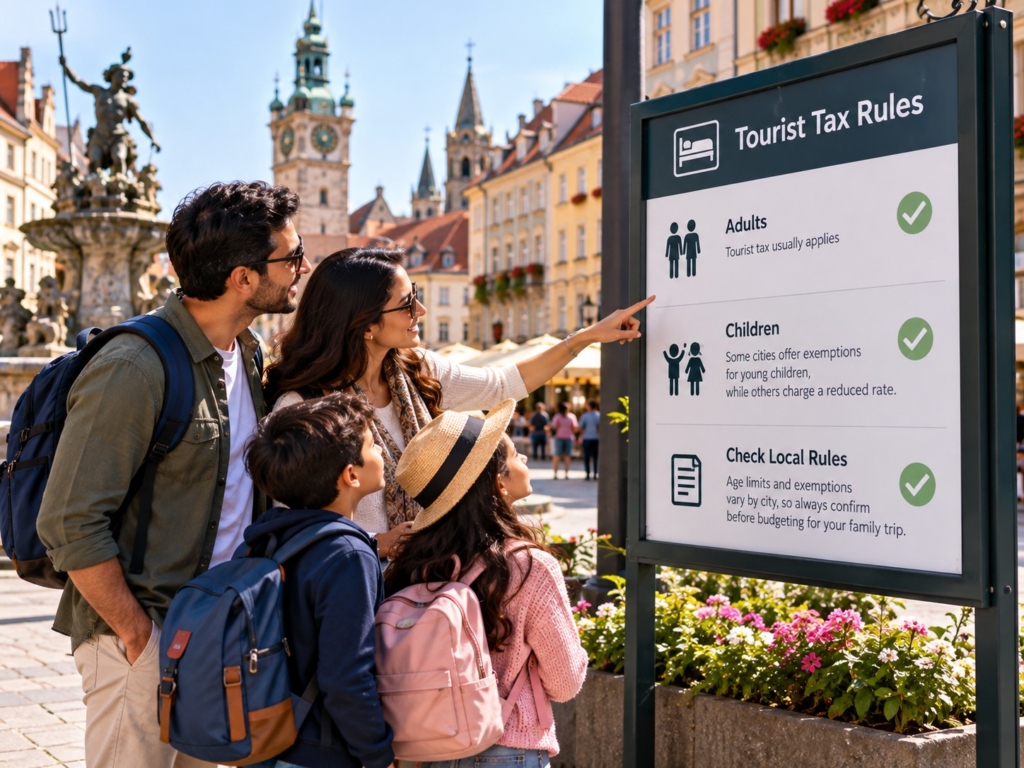
Do not automatically multiply the adult tax by every family member travelling with you, since children are often treated differently under local rules. Some destinations provide exemptions or reduced rates for children, but age limits and conditions vary considerably between cities and even between neighbouring countries. Check the official local rule for your travel dates and carry supporting documents if an exemption requires proof, since assumptions here can lead to an inaccurate family budget.
9. Check How and When the Tax Gets Collected

Depending on the city, booking platform, and accommodation, tourist tax may be included during online payment, displayed separately before payment, collected at check-in, collected at check-out, or listed as a charge payable directly at the property. Keep the final booking breakdown handy so you can verify whether a locally requested tourist tax was already included in what you paid. Also avoid assuming a “prepaid hotel” means every charge is settled, since municipal tax can still be due at the property.
10. Check Day Visitor Fees Separately From Accommodation Tax

Tourist tax is usually tied to accommodation, but some destinations also introduce charges aimed specifically at day visitors or particular forms of tourism, and Venice’s Access Fee is the clearest recent example of this. That means a day trip can carry different rules from an overnight stay in the very same city, so don’t assume one covers the other. If you’re visiting a busy historic centre without staying there, check close to departure whether an access or entry scheme applies for your specific travel dates.
FAQs
Do Indian tourists have to pay tourist tax in Europe?
Yes, where a destination applies the tax and no exemption covers the traveller specifically. Nationality usually does not remove the charge, and the amount depends entirely on the city, accommodation type, and local rules in effect for your travel dates.
Is tourist tax included in European hotel prices?
Sometimes. It may be collected during booking, displayed separately, or collected directly by the accommodation at check-in or check-out. Always check the tax and fee breakdown rather than assuming the displayed room price already includes it in full.
Which European cities use percentage-based tourist taxes?
Amsterdam charges 12.5% of the overnight accommodation price excluding VAT in 2026. Edinburgh also uses a percentage model, applying a 5% visitor levy to eligible accommodation for the first five nights of any qualifying stay.
Do children pay tourist tax in Europe?
It depends entirely on the destination in question. Some cities provide age-based exemptions or reductions for younger travellers, so check the local rule for your specific travel dates before calculating the family’s total accommodation cost.
Is the Venice Access Fee still charged in 2026?
Not currently. Venice’s 2026 trial ended after 26 July, and from 27 July 2026 onward, the Access Fee no longer applies unless the municipality decides to introduce another measure later in the year.