

Quick Jumplinks to Navigate
Planning a Europe trip often comes down to one practical choice: should you take things slow or travel fast?
Both approaches can work, but they create very different travel experiences. A 10-day holiday can include several major European cities, but frequent transfers can take away hours from sightseeing. On the other hand, spending longer in fewer destinations gives you more time to explore beyond the main attractions.
Your decision should also depend on your priorities. First-time visitors may want to cover several famous landmarks, while couples, families and nature-focused travellers may prefer a more relaxed pace.
So, is slow travel or fast travel better for Europe? The answer depends on your available time, destinations, budget and travel style. Here are 10 things worth comparing before you book.
1. How Many Destinations You Cover

Slow travel means spending more time in fewer places instead of constantly moving between cities. A slow itinerary may include three or four destinations over two weeks.
Fast travel focuses on covering more destinations within a limited time. A typical itinerary might include Paris, Amsterdam, Berlin, Prague and Vienna in around two weeks.
As per Thrillophilia’s destination experts, this is usually the first decision worth making before choosing individual cities, whether you’re planning independently or comparing a fixed-pace Europe group tour. The trade-off is straightforward: fewer places with more depth, or more places with less time in each.
2. Nights Per City and Hotel Changes

With slow travel, you might stay three or four nights in one city and use trains for nearby day trips. This reduces packing, unpacking, and the number of hotel changes across the trip. It also means you only need to unpack once per city, rather than living out of a suitcase for most of the holiday.
With fast travel, the traveller spends one or two nights in several cities before moving again. Every additional destination adds another journey, check-in and departure, and that travel time can become significant. A one-night stay in particular often leaves little more than an evening and a rushed morning before you’re already checking out again.
3. Transport and Travel Time Between Cities

Transport plays a major role in how each approach actually feels. High-speed trains can connect cities such as Paris and Amsterdam in a few hours, while longer routes can take much of a day. Hotel check-ins, station transfers, and luggage handling add more time to every move, so this cost compounds more on a fast itinerary with frequent transfers than on a slow one.
Comparing the full door-to-door journey, rather than just the train or flight time itself, gives a more realistic picture of how much of the day each transfer actually takes up.
4. Depth of Experience vs Number of Landmarks Covered

With slow travel, the focus shifts from counting countries to understanding places. You can explore local neighbourhoods, spend longer at museums, try regional food, and leave free time for unexpected discoveries. The journey itself can also become part of the experience, particularly when travelling through scenic European regions by train.
With fast travel, some travellers simply want to visit specific places. If your priority is seeing the Eiffel Tower, Colosseum, Swiss Alps and Amsterdam canals during one holiday, a faster itinerary can help you achieve that. You may not experience every destination deeply, but you can still create a memorable trip.
5. Best For Nature and Scenic Regions
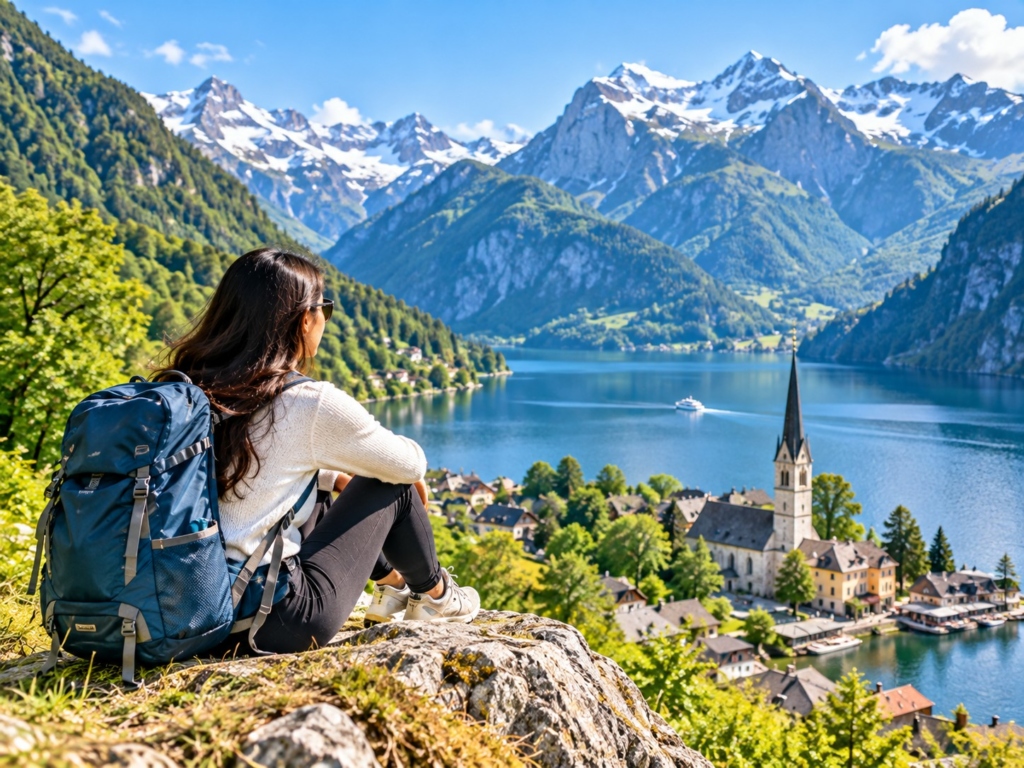
Slow travel makes more sense when the destination itself is part of the experience. The Swiss Alps, Norwegian fjords, Austrian countryside and Icelandic views are better suited to an itinerary that leaves time for scenery.
A rushed schedule can turn a scenic train journey into another item on your transport list.
Europe’s rail network also supports this style. Eurail notes that regional trains can provide reservation-free alternatives on many routes, although they generally take longer than high-speed services.
For example, Switzerland, Austria, northern Italy and parts of France work well for slower itineraries because rail connections allow travellers to combine cities with smaller towns and scenic areas.
6. Best For Couples and Leisure Trips
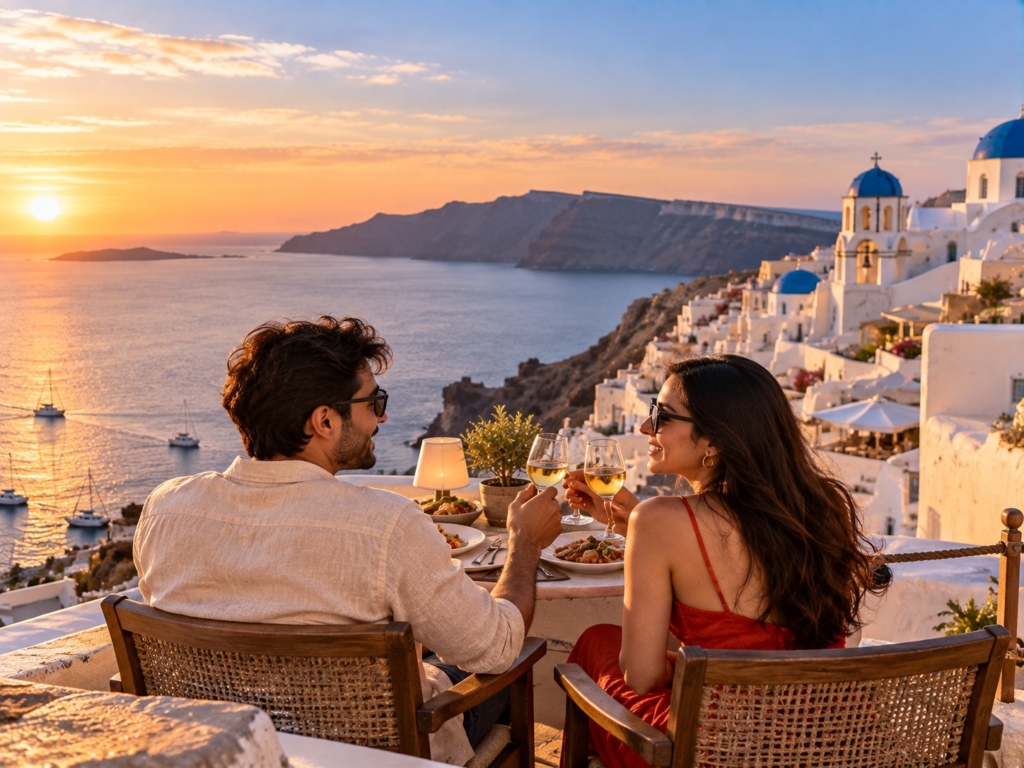
Couples travelling for a relaxed holiday may prefer staying longer in fewer destinations. This is especially true on a Europe honeymoon package, where the goal is usually to enjoy each place together rather than move through as many cities as possible.
Instead of changing hotels every night, you could spend several days in one city and add a day trip. It reduces packing and unpacking while giving you more time for restaurants, cafés and evening walks.
7. Best For Families
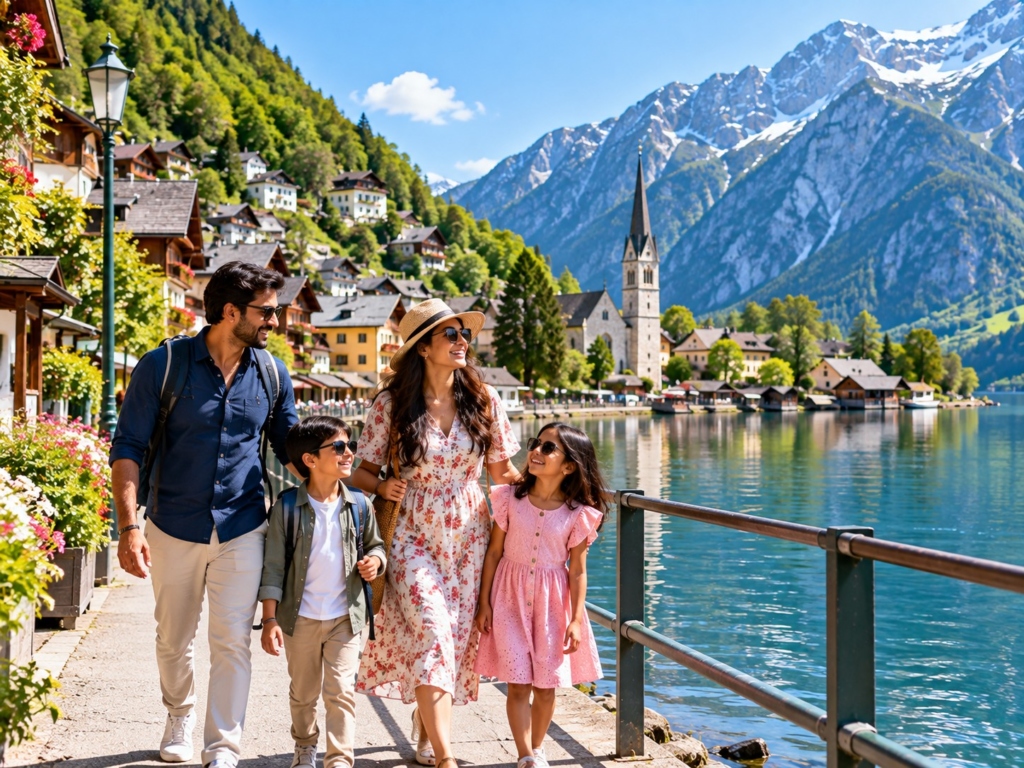
Slow travel can also work better for families. Children may find constant hotel changes tiring. A slower itinerary reduces the number of early departures, luggage transfers and long travel days.
Families can also choose accommodation as a base and explore nearby attractions without changing hotels.
According to Thrillophilia’s on-ground team, this is one of the most common adjustments families make once they’ve travelled with young children before, since the pace that worked on a couple’s trip rarely works the same way with kids. For family-focused planning, you can compare a Europe family tour package and assess the itinerary based on the number of hotel changes and travel days.
8. Best For First-Time Visitors

Fast travel is good when you have limited time and want to see Europe’s famous landmarks. If you have only seven to 10 days, you may prefer two or three major cities rather than spending the entire trip in one destination.
The important point is to avoid confusing fast travel with an overloaded itinerary. Three well-connected cities can work. Five or six cities with constant transfers can become exhausting.
9. How Much Leave You Have

Indian travellers often plan Europe around fixed annual leave or weekends. If you have only 10 days available, spending a week in one city may not match your goals. Fast travel lets you use those limited days across multiple destinations. The trick is to choose places with efficient connections.
If you have ample leave and can spend about 2 weeks in Europe, then it’s better to go for slow travel. You can easily explore the cities, have some time to relax, and also spend more time in cities you love.
10. Cost and Budget

Slow travel is not necessarily more expensive. Staying longer in fewer places can reduce the number of transfers, flights, and short hotel stays, since each additional destination on a fast itinerary adds its own transport cost and check-in overhead.
Based on Thrillophilia’s internal data, this is also worth checking directly against the itinerary rather than assuming either approach is automatically cheaper, whether you’re pricing a Europe group tour package or building your own route from scratch. That said, costs still depend on the destinations, accommodation and travel season chosen either way.
Frequently Asked Questions
Slow travel works better if you value deeper experiences, relaxed schedules and fewer hotel changes. Fast travel suits travellers who want to cover several major destinations within limited leave. A balanced approach often works best.
For a 10-day trip, three cities is a practical target. It gives you enough time to explore without spending most of the holiday in transit. If you have more
Not necessarily. Staying longer in fewer places can reduce the number of transfers, flights and short hotel stays. However, costs still depend on the destinations, accommodation and travel season.
A hybrid travel style is often the most practical. Visit a few major cities but spend enough nights in each to explore comfortably. Current itinerary guides generally recommend prioritising fewer, geographically connected destinations.
Yes. Europe’s extensive rail network makes it possible to combine several countries without constantly taking flights. Choose geographically connected destinations and allow enough time for each stop.