

Quick Jumplinks to Navigate
Ngong Ping 360 Is More Than a Cable Car
Many travellers first hear about Ngong Ping 360 as a scenic cable car ride and plan it as a short stop during a Hong Kong trip. That impression usually changes once they see how the journey is spread across the Lantau Island landscape. The ride does not end at an attraction and leads further into an area where culture, nature, and walking-based exploration naturally extend across several hours.
Rather than functioning as a standalone activity, Ngong Ping 360 works as the beginning of a full day away from the city. The cable car, open space, and separated attractions all combined slow the pace. The experiences that follow, including village walks, cultural landmarks, and nearby coastal communities, invite visitors to stay longer.
Why Ngong Ping Works Best as a Full Day
What makes Ngong Ping suitable for a full-day visit is not one single attraction, but how multiple elements are connected. Travel time to and from the area already takes up a meaningful part of the day, making short visits feel rushed. Once there, walking becomes the primary way to move between experiences, which further shapes a slower rhythm.
Cultural landmarks, village spaces, and nearby natural areas are spread out at comfortable walking distances rather than clustered together. This layout encourages breaks, pauses, and flexible planning rather than fixed schedules. For most travellers, trying to compress everything into a few hours makes the visit feel rushed and reduces its value.
The Cable Car as the Starting Point

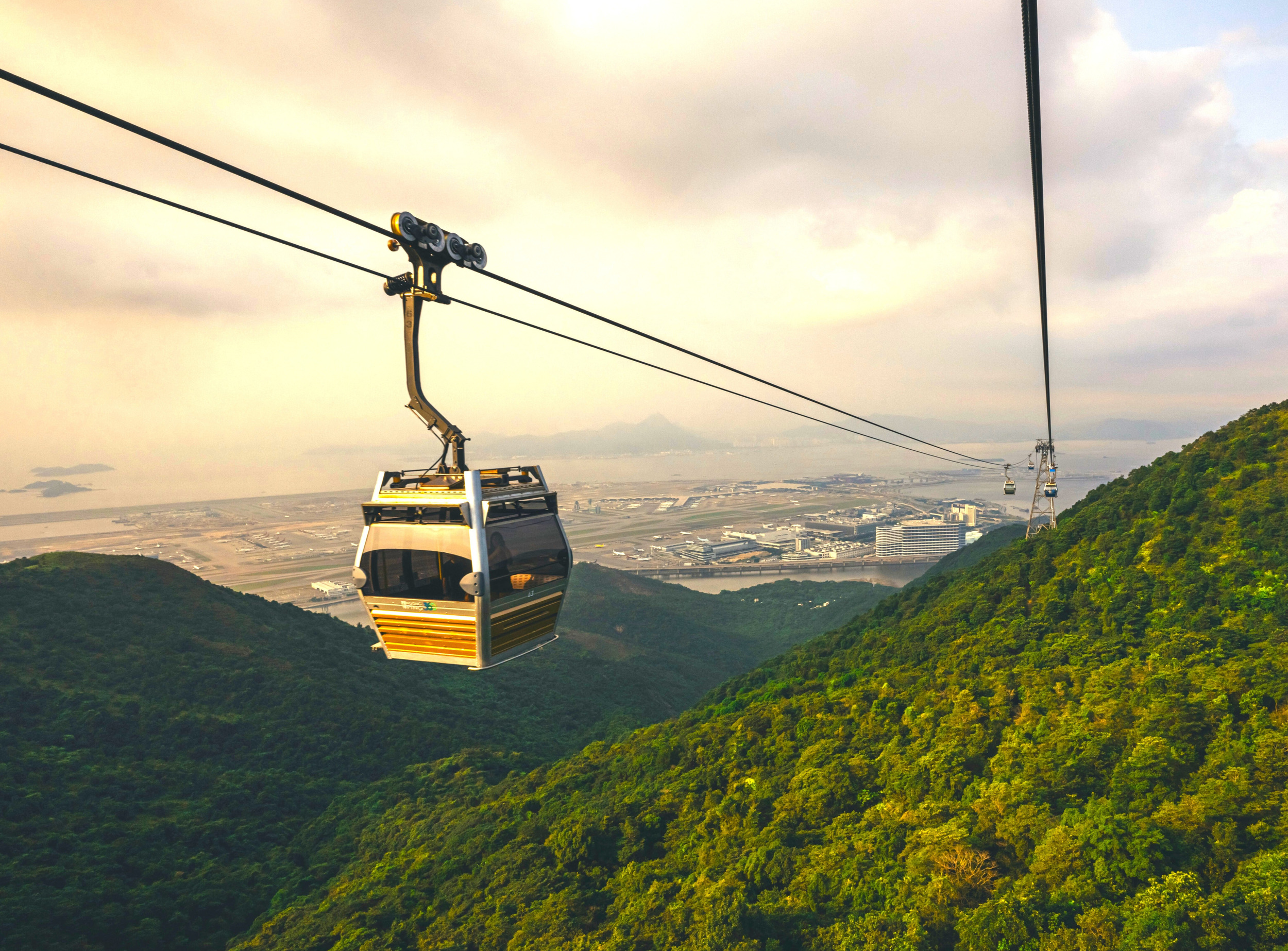
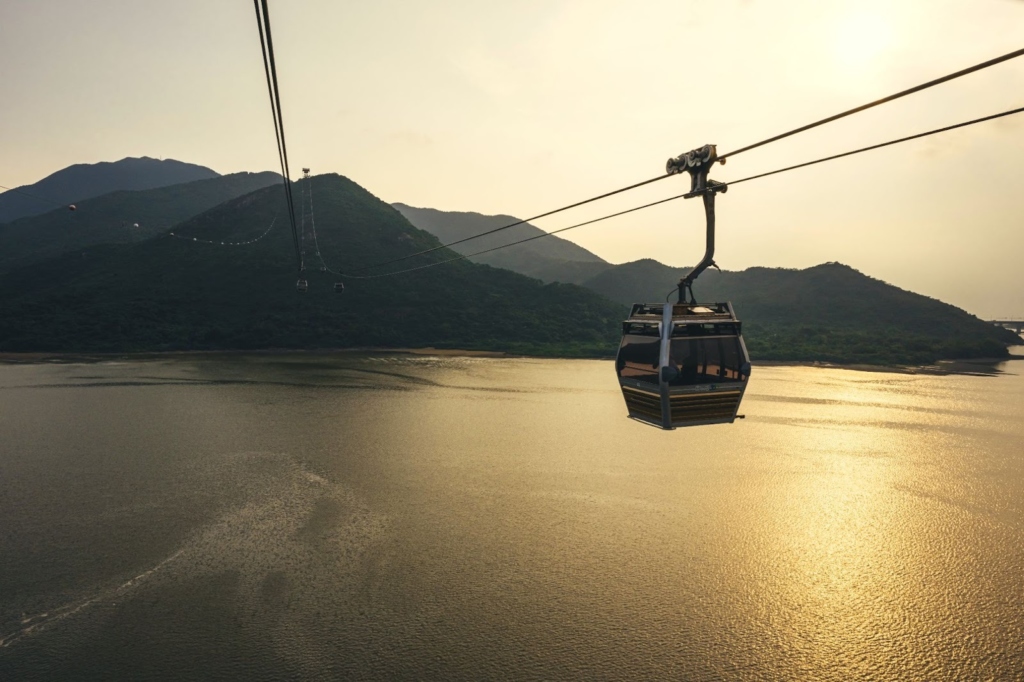
The day usually begins in Tung Chung, where the Ngong Ping 360 cable car departs toward the higher slopes of Lantau Island. The ride lasts about 25 minutes and gradually replaces city views with mountains, water, and open terrain. This transition plays an important role, helping visitors mentally step away from the city’s pace to a quieter environment.
The Ngong Ping 360 cable car works best as a starting point and not just as one single attraction to visit. By the time visitors arrive, they are already familiar with the landscape they will spend the next several hours exploring. This shift sets the tone for the rest of the day, where exploration happens slowly and leaves flexibility later for nearby walks or a visit to Tai O.
How Ngong Ping Village Shapes the Visit
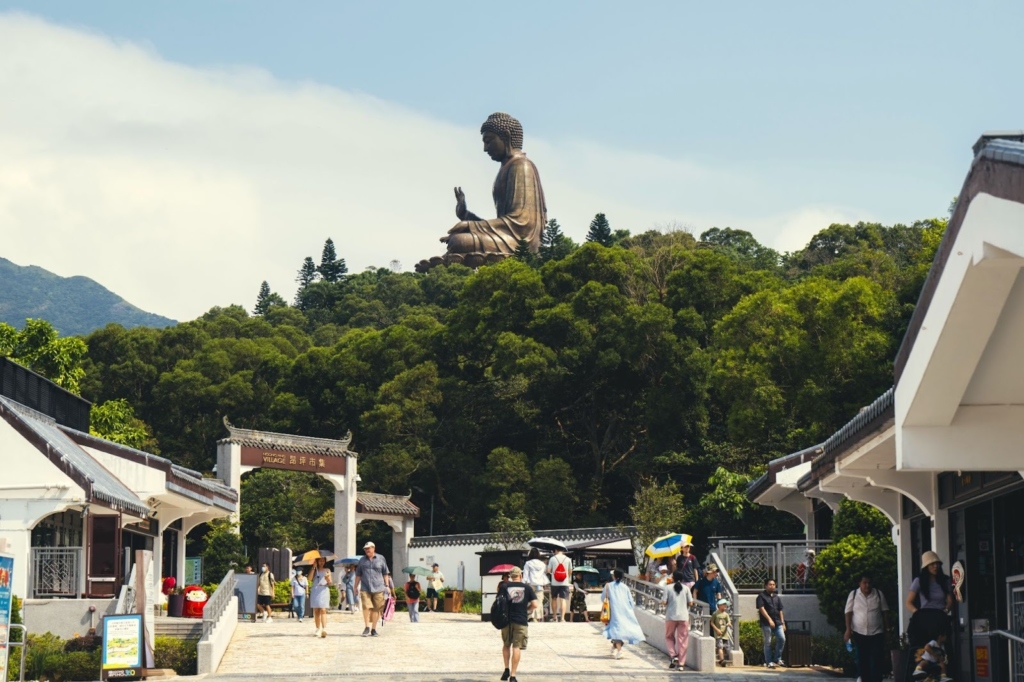
At the top station, visitors enter Ngong Ping Village, which functions as the central base for the day-long experience. The village is designed to be open and easy to navigate, with wide walkways and clear sightlines connecting different areas. It is common for travellers to spend time here first, getting familiar before deciding how to plan the day.
Shops, cafés, and cultural exhibits are spread throughout the village, allowing visitors to move at their own pace rather than follow a fixed route. Many visitors pause here before heading toward the Buddha, comfortable planning the day rather than moving continuously from one attraction to another.
Cultural Landmarks That Anchor the Visit
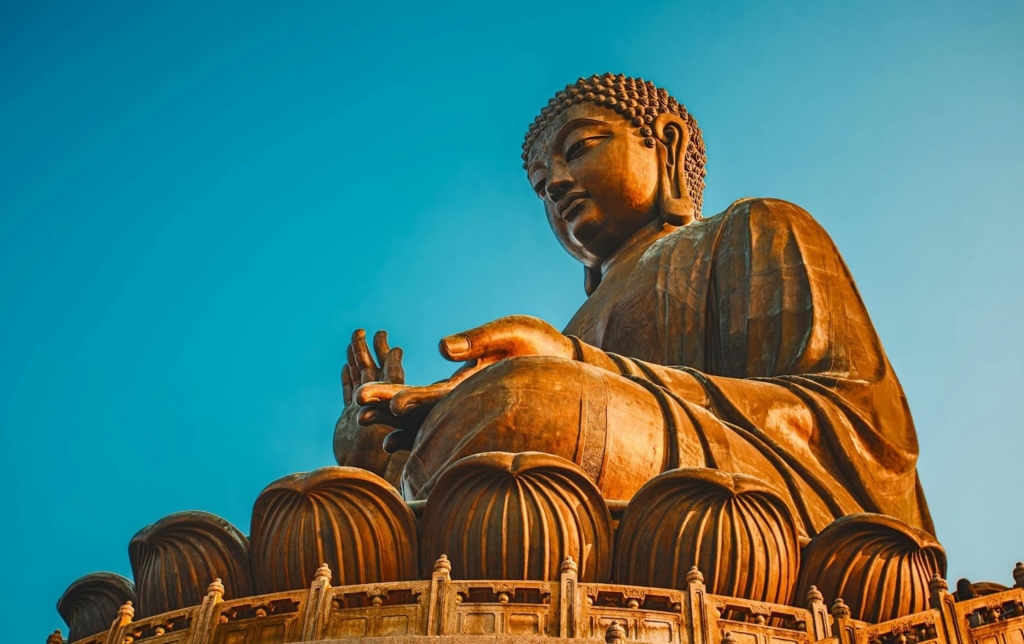
A short walk from the village leads to some of the most important cultural sites in the area. The Tian Tan Buddha is reached by climbing 268 steps, which naturally slows movement and creates a sense of separation from the village below. The elevated setting and open views encourage visitors to enjoy the open surroundings rather than moving on immediately.
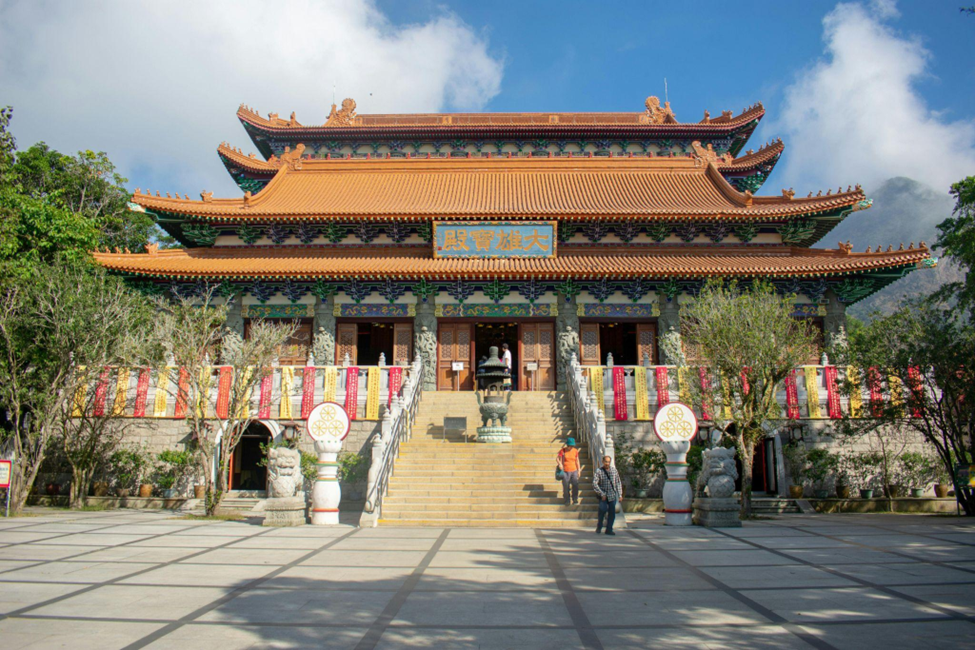
Nearby, Po Lin Monastery offers a quieter environment of incense-filled spaces, courtyards and prayer halls where visitors can slow down and reflect. Together, these landmarks give Ngong Ping cultural depth that justifies spending around one and a half to two hours to explore comfortably.
Adding Nearby Experiences to the Day
For visitors with extra time on hand, the day can extend beyond Ngong Ping itself. A common addition is Tai O, a traditional fishing village, reached by bus from the Ngong Ping village. The stilt houses, narrow lanes, and waterfront activity provide a strong contrast with the mountain setting and show a different side of Hong Kong’s daily life. Boat rides at the waterfront sometimes include sightings of pink dolphins, while local seafood stalls make it an easy place to spend the afternoon.
Some visitors also explore nearby walking trails, which offer light hiking and open views without requiring advanced preparation. These options allow travellers to customise their day, depending on how much time and energy they have after visiting the main cultural sites.
Planning the Day Without Rushing
Planning the visit in proper time blocks helps keep the experience relaxed. Morning arrivals work best for the Ngong Ping cable car and village exploration, when the area is quieter and movement feels easier. Midday is a good time to enjoy cultural landmarks and meals, while afternoons offer flexibility for optional visits such as Tai O or short walks.
Leaving the return journey for later in the day ensures a hassle-free experience, especially since peak crowds begin to thin around this time. This approach allows visitors to experience each part of Ngong Ping without constantly checking the time.
Tickets and Practical Planning Tips
Ticket selection affects comfort and timing but does not need to be complicated. Standard cabins provide wide views and suit most travellers, while crystal cabins add a stronger sense of height for those interested in that experience. Choosing an earlier time slot offers more flexibility later in the day.
Booking in advance is generally helpful, particularly during weekends and busy travel periods. Comfortable footwear is important, as walking and stair climbing are unavoidable parts of the visit.
Best Time to Visit and What to Expect
Weather plays a significant role in shaping this full day experience as clear days offer better visibility from the cable car and cultural sites. Crowds usually tend to increase on weekends and public holidays, making early starts a more comfortable choice.
Layered clothing is practical, as temperatures can change between the cable car ride and open areas. Planning with these factors in mind helps avoid surprises and makes the day feel smoother.
Why Ngong Ping 360 Feels Like a Complete Day
By the time visitors begin the return journey, the experience often feels balanced rather than tiring. The combination of travel, walking, culture, and optional exploration creates a natural rhythm that fills the day without overwhelming it. No single attraction demands constant attention, which allows the experience to unfold gradually.
Ngong Ping 360 works well as a one-day experience because its value comes from how each part connects to the next. Instead of feeling like a checklist of sights, the day feels cohesive, offering a quieter and more unhurried side of Hong Kong beyond the city centre.