

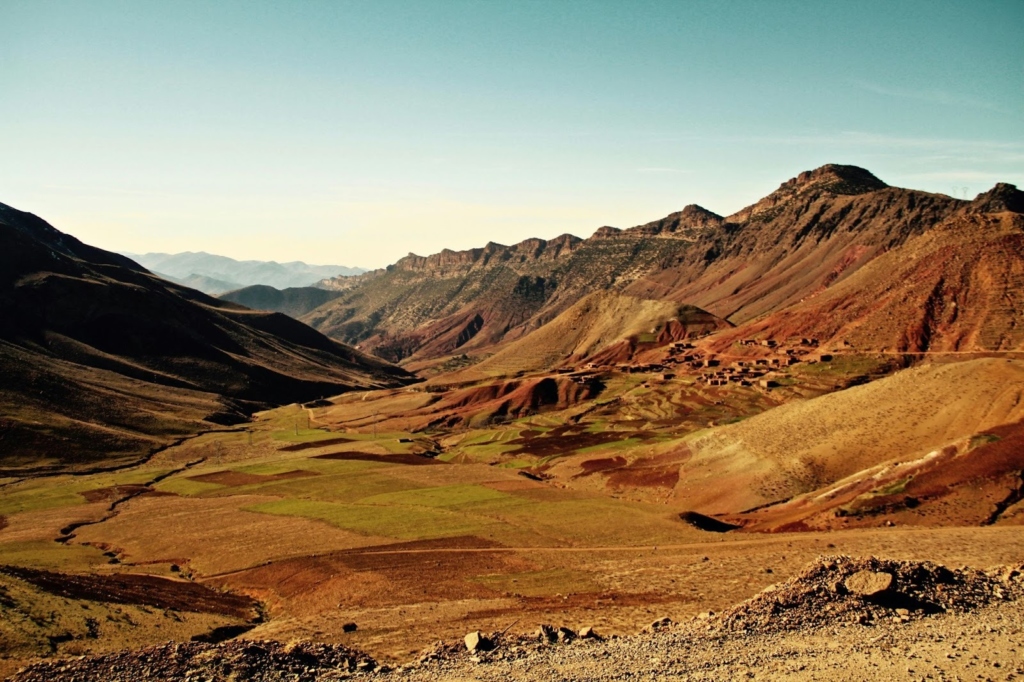
Quick Jumplinks to Navigate
What to Expect When Visiting Morocco in Late Winter and Early Spring
Travellers arriving in Morocco during February or early March often notice that the country feels balanced rather than defined by a single season. It is no longer peak winter across the country, but spring has not fully taken over either. This winter–spring shoulder season brings milder temperatures, changing landscapes, and fewer extremes, making it a practical time to explore different regions within one trip.
Rather than offering one rigid seasonal experience, this period allows travellers to combine deserts, mountains, cities, and cultural stays without adjusting plans around severe cold or heat. For Indian travellers looking for variety and comfort in a single journey, this balance is often what makes the timing appealing.
Why This Period Works for Morocco Travel
The shoulder season works well because Morocco’s geography creates varied conditions across regions, even within the same month. Coastal cities, inland medinas, desert regions, and mountain areas all respond differently to seasonal change. During this time of year, those differences are easier to manage within one itinerary.
Visitors find the days generally comfortable for sightseeing, while evenings are cool enough to slow the pace naturally and enjoy the surroundings. During this time travel feels less draining compared to peak summer, which allows visitors to spend more time exploring instead of recovering from the journey. This makes the period suitable for travellers who want to explore without rushing or limiting themselves to one type of landscape.
Weather and Travel Conditions During This Period
Weather during the winter–spring shoulder season is steady rather than dramatic. Cities and desert-edge areas usually experience comfortable daytime conditions, with cooler mornings and evenings. As the season moves forward, daylight hours gradually increase, making it easier to space activities across the day.
Conditions can still vary by region, so flexibility remains important. Travellers often find that layered clothing works better than packing for a single temperature range. This approach makes it easier to adapt when moving between regions with different elevations or climates.
Desert Experiences at This Time of Year
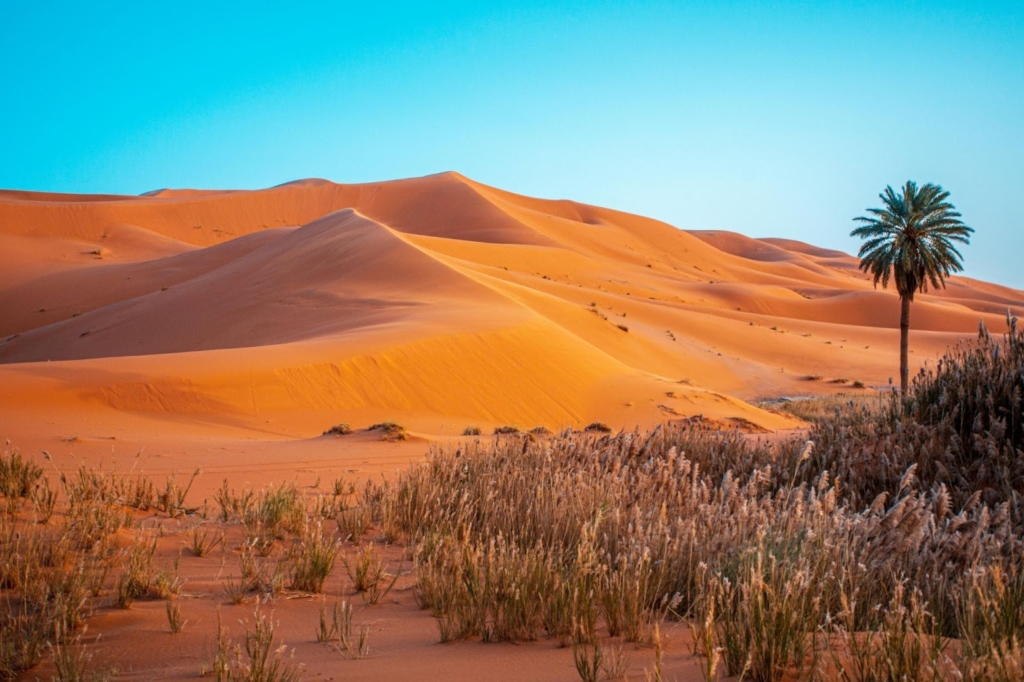
This period is well suited for visiting Morocco’s desert regions, including areas near the Sahara Desert. Compared to peak summer, access is easier and outdoor activities can be spread more comfortably across the day. Nights remain cooler, which suits overnight desert stays and slower evening schedules.
Desert travel during this time is less about endurance and more about pace. Walks across dunes, scenic stops, and time spent outdoors feel manageable. Visitors are able to stay present in the landscape without needing to retreat indoors during the hottest hours.
Atlas Mountains in Late Winter
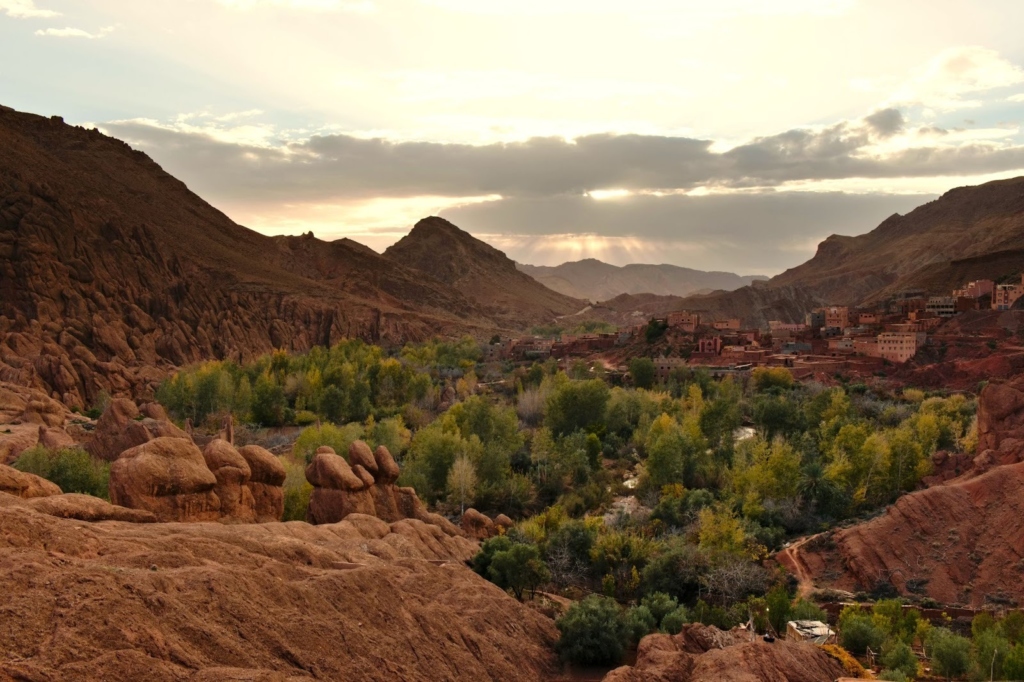
The iconic Atlas Mountains require more careful expectation-setting during this period. Higher elevations in the region can still experience snow, particularly earlier in the season, while lower areas begin transitioning toward spring conditions. Snow presence varies year to year and depends heavily on altitude.
For most travellers, late winter works best for scenic routes, valley walks, and cultural stops rather than snow-based activities. The appeal often lies in the contrast between cooler air and changing mountain views, rather than winter sports.
Cities, Medinas, and Riads During This Time
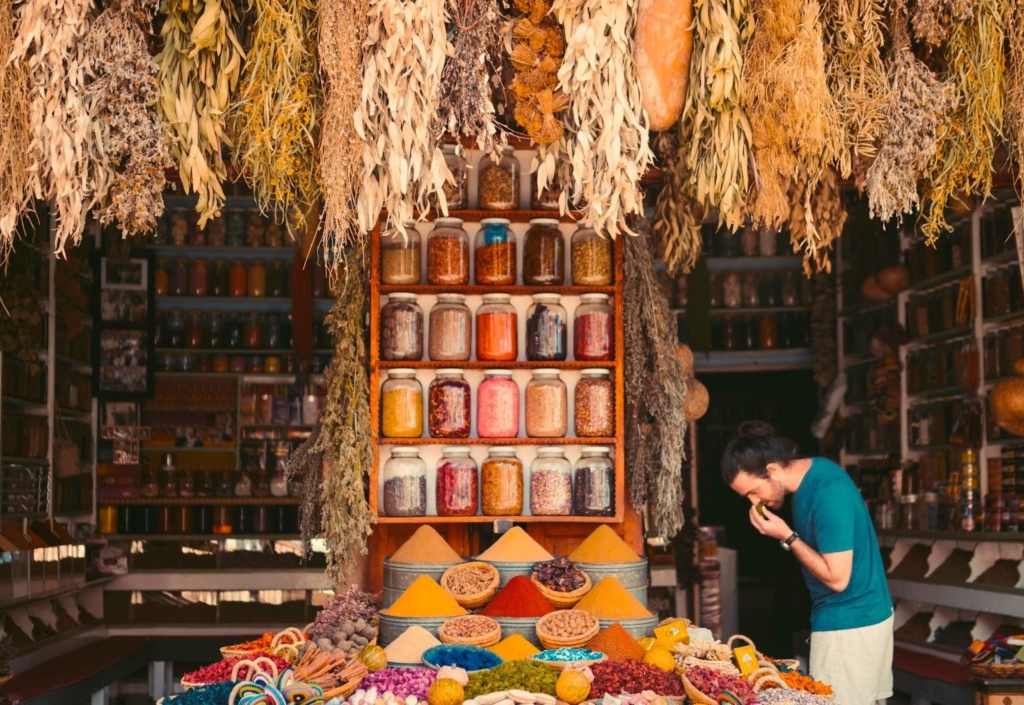
This period makes spending time in Morocco’s cities more comfortable, especially for travellers moving through medinas. Cities such as Marrakech and Fes are easier to explore on foot without the heat that dominates later months. Medinas, markets, and historic areas feel more exciting and approachable when travellers are walking among locals as locals.
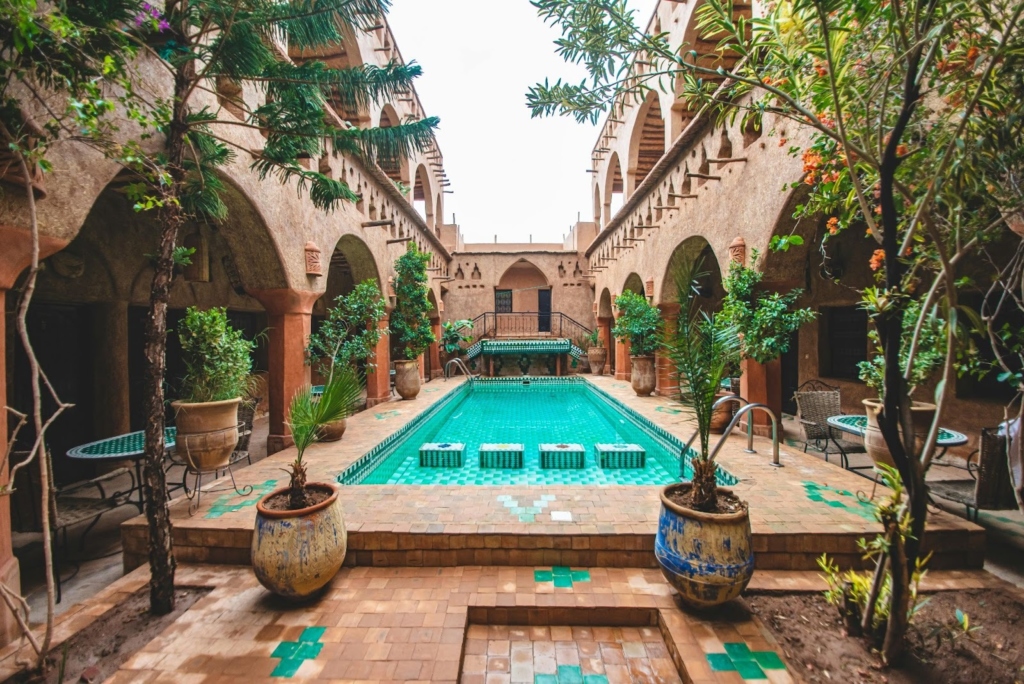
Staying in riads during this time adds to the slower rhythm of the trip. Courtyards, terraces, and shared spaces offer a comfortable pause between sightseeing, especially during cooler evenings. This balance between activity and rest helps days feel full without becoming tiring.
How Landscapes Change as Spring Approaches
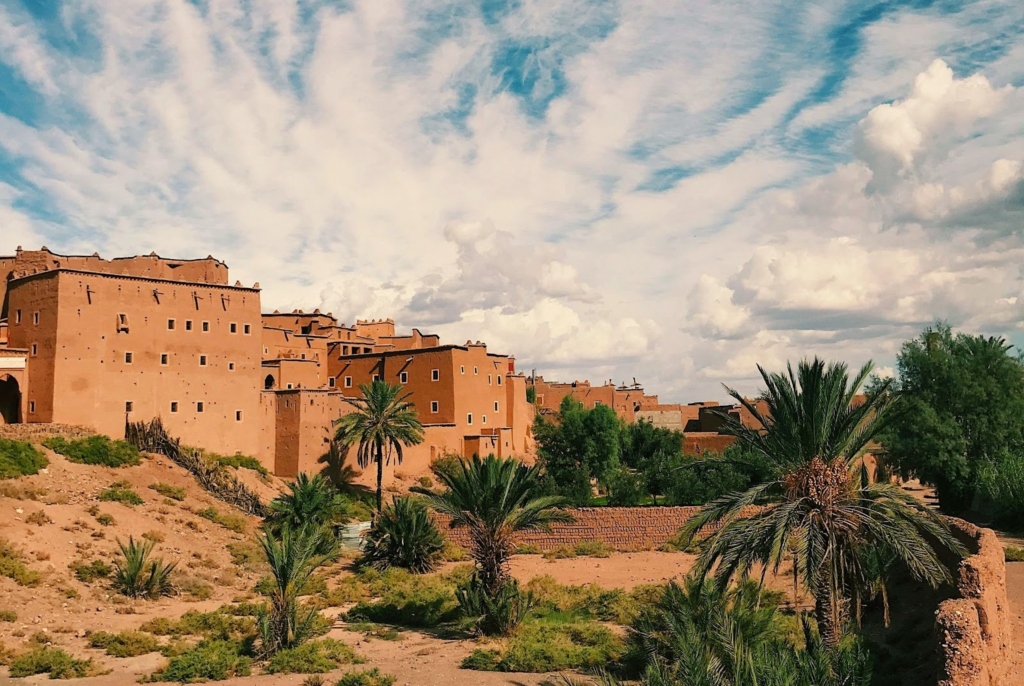
As the season moves closer to spring, subtle changes begin to appear across the country. Valleys and countryside areas start showing early signs of greenery, while light conditions soften during mornings and late afternoons. These shifts do not transform the landscape overnight, but they add variety to longer planned journeys.
For travellers moving between regions, this gradual change becomes part of the experience. It adds variety to the experience without creating planning uncertainty or sudden weather shifts.
Planning a Morocco Trip During This Period
Planning for the shoulder season is largely about flexibility. Travellers benefit from moving between regions at a measured pace rather than stacking long travel days together. The shoulder season also allows time to adjust to local conditions and improves comfort and pacing.
Layered clothing, comfortable walking shoes, and open-ended daily schedules work well during this time of year. These choices allow travellers to respond naturally to weather changes without constantly revising plans.
Who This Time of Year Is Best Suited For
The winter–spring shoulder season suits travellers who value balance over uncertainty and extremism. It works well for first-time visitors who want to see multiple sides of Morocco without committing to one seasonal experience. It also appeals to those who prefer walking, cultural exploration, and varied scenery over specific weather-driven activities.
For Indian travellers considering international travel early in the year, this shoulder season offers a comfortable and easier way to explore Morocco.
Why the Shoulder Season Offers Balance
Visiting Morocco during the winter–spring shoulder season creates a sense of continuity rather than contrast. Desert regions remain accessible, mountains show seasonal change, and cities support longer days of exploration. No single region dominates the trip to this beautiful place“Medinas, markets, and historic areas feel more exciting and approachable when travellers are walking among locals as locals.kil .
Instead of planning around what to avoid, travellers during this time focus on what fits together naturally. That sense of balance is what makes the shoulder season a thoughtful and rewarding time to visit Morocco.