

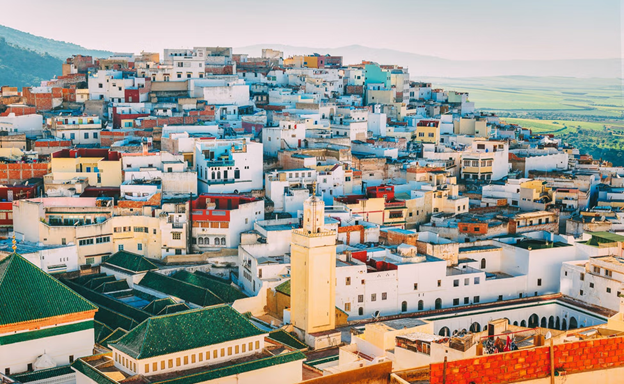
Late summer is one of the best times to explore Morocco, especially for travellers who prefer fewer crowds and better deals. By August and September, the peak tourist rush starts to fade, hotel prices drop a bit, and the weather becomes a little more manageable. Coastal cities like Essaouira feel cooler, while mountain regions such as the High Atlas offer fresh air and beautiful views.
What makes Morocco such a great late-summer destination is how much variety you can pack into one trip. You can explore iconic places like the Hassan II Mosque in Casablanca and Jemaa el-Fnaa in Marrakech, visit centuries-old medinas like Fes el-Bali and Fes El Jdid in Fes, or take a hike along scenic mountain paths in Toubkal National Park. From food and culture to history and landscapes, this 10-day itinerary brings together the best of Morocco during a season that’s just right for exploring.
Things to Know Before You Go
Morocco E-VISA Guide for Indian Travellers
If you hold an Indian passport and are planning to visit Morocco, the process has become easier with the option to apply for a Morocco e-VISA online. Here’s a breakdown of what you need to know:
Who Needs an E-VISA?
Indian citizens must obtain a visa before arriving in Morocco, as there’s no option for visa-on-arrival. The e-VISA is designed for short trips, including both tourism and business visits.
Key Features of the Morocco e-VISA:
- Single Entry: The e-VISA allows entry into Morocco and you can stay for up to 30 consecutive days.
- Validity: The visa is valid for 180 days from the date it is issued, but your stay on any trip cannot exceed 30 days.
- Purpose: Acceptable reasons for travel include tourism or business (with proof of business intent for the latter).
- Non-extendable: If you want to visit again, you must leave Morocco and apply for a new e-VISA after your trip.
Application Process:
- Apply Online: Visit the official Moroccan e-VISA portal (www.acces-maroc.ma) and complete the application, ensuring all details and documents are correct.
Documents Required:
- Recent color photo (ICAO standards)
- Clear scan of your ordinary passport (valid at least 90 days from the application date)
- For business visits: proof or documentation of the purpose of your trip
- File Requirements: All uploads must be in jpg, jpeg, or pdf format, each under 1MB.
Processing Time:
Express: 24 working hours
Standard: 72 working hours (Incomplete or incorrect applications may take longer.)
On Arrival:
Keep these with you: your printed e-VISA, valid passport, proof of return ticket, evidence of sufficient funds (€70/person/day or international bank card), and travel insurance covering hospital and repatriation costs.
Note: Possession of an e-VISA does not guarantee entry—Moroccan border authorities may still deny entry if documentation is incomplete or requirements are not met. Minors need to travel with a parent or legal guardian. Remember to double-check all paperwork before payment, as applications cannot be changed or cancelled afterwards.
Weather in Late Summer
You can expect hot days in Marrakech, Fes, and the Sahara Desert, with average temperatures ranging from 30–38°C. You will find that Coastal areas like Essaouira are cooler, with temperatures around 24–28°C. Mountain regions such as Imlil or Chefchaouen feel more pleasant, especially in the mornings and evenings, with temperatures between 22 and –26°C.
What to Pack
Light, breathable clothes are a must, but remember to pack layers if you’re visiting places like Toubkal and Ouanoukrim mountains in Morocco. A wide-brimmed hat, sunglasses, and strong sunscreen will help you fight the sun. A scarf or shawl can come in handy for both sun protection and modesty when visiting religious or traditional places.
Currency and Payments
The local currency in Morocco is the Moroccan Dirham (MAD), with 1 Dirham roughly equal to 9.50 Indian Rupees. ATMs are widely available in cities and towns, making it easy to withdraw cash when needed. While credit cards are accepted at hotels and most restaurants, it’s a good idea to carry some cash, especially when shopping in souks or visiting smaller local shops where cards may not be accepted.
Modesty and Dress
Morocco is a culturally rich and traditional country, and while tourists are warmly welcomed, dressing modestly is appreciated, particularly in public or religious spaces. It’s best to keep shoulders and knees covered for both men and women when visiting mosques, madrasas, or old medina quarters like those in Fes and Marrakech. In smaller towns and rural areas, locals tend to dress conservatively, so blending in with modest attire shows respect and helps you connect better with the culture.
Internal Travel Options
Morocco has a well-connected train system between cities like Casablanca, Rabat, Fes, and Marrakech. For places not covered by train, such as the Sahara or mountain villages, consider booking private cabs or shared minivans. You can also choose to commute via domestic flights, which can save a lot of time on longer routes, particularly between Casablanca and the southern part of Morocco.
Keeping It Budget-Friendly
If you’re on a budget, you can choose to commute via trains for intercity travel and book stays in locally run riads (traditional Moroccan residences) to experience a great combination of comfort and culture. You can also try the delicious Gine food like couscous and tagine, which are available at affordable prices at various stalls.
A Perfect Late-Summer Morocco Trip Itinerary
Here’s how you can plan a 10-day Morocco itinerary, capturing everything from Marrakech to Chefchaouen, during the cooler and quieter late-summer season.
Here’s how you can plan a 10-day Morocco itinerary, capturing everything from Marrakech to Chefchaouen, during the cooler and quieter late-summer season.
Days 1 to 3: Marrakech
Day 1: Arrive and ease into the city
Once you land in Marrakech, get to your riad and settle down. Most international flights land by mid to late morning, so you’ll probably have the afternoon free. Instead of jumping straight into sightseeing, you can begin with a walk through Souk Semmarine, where shops are packed with leather goods, pottery, spices, and metal lanterns.
Around sunset hours, you can walk over to Jemaa el-Fnaa, the central square. You can try local street food, watch live performances, listen to traditional music, or simply take in the ambience as the square gets busier. It’s a great place to experience everyday life and culture up close. For dinner, you can choose to visit a rooftop café, where you can try delicious food and admire fantastic views of the town.
Day 2: Gardens and Delicious food
Start your day early, especially since it gets warm quickly. Visit the Majorelle Garden first thing in the morning, as it opens at 8 and is a quiet and relaxing place to start the day. If you’re interested in fashion, the Yves Saint Laurent Museum is right next door and worth a short visit. It focuses on haute couture and showcases the life and work of the legendary designer, making it a worthwhile stop for anyone curious about fashion history.
After that, you can grab an early lunch or head back to your riad to relax for a while. In the late afternoon, check out Le Jardin Secret, a beautiful garden known for its historic Islamic architecture. Later in the evening, you can visit restaurants like Le Bistro Arabe or Restaurant Le Grand Bazar Marrakech, which serve modern Moroccan food
Day 3: Short trip to the Ourika valley
Leave Marrakech early and head to the Ourika Valley, which is less than an hour’s drive. It’s cooler there and promises a good break from the city for those seeking some time away from the crowds. There you can visit a local Berber village or walk up to the Setti Fatma waterfalls if you’re up for a short hike. Return to Marrakech by mid-afternoon and keep the rest of the day for leisure. Later in the evening, explore the souks for handcrafted souvenirs like leather goods or ceramics, sip mint tea on a rooftop café overlooking the medina, or take a relaxed walk around the Koutoubia Mosque as the city lights come on.
Days 4 to 6: Choose between the Atlas Mountains or the Sahara Desert
Option A: Spend 3 days in the High Atlas Mountains
Day 4: Into the hills
After breakfast, drive to Imlil, a small village in the High Atlas Mountains. The road to the mountains is smooth, and the views get better as you go further. Once you’re there, check into a guesthouse and take some rest. Later, you can walk around the village, meet a few locals, and enjoy the fresh air. Dinner is usually served at the guesthouse and is often homemade, using fresh, homegrown ingredients like olives, tomatoes, herbs, and seasonal vegetables from the nearby farms.
Day 5: Short trek and downtime
Spend the next morning on a short guided hike. Don’t worry, you don’t need to be super fit for this—there are plenty of relaxed trails through the foothills of Toubkal, Morocco’s highest peak. You’ll pass terraced farms growing barley and vegetables, clusters of walnut and cherry trees offering shade, and small Berber villages where you might spot locals tending to their animals or baking bread in traditional clay ovens. After completing the hike, you can return around lunchtime and spend the afternoon resting.
Day 6: Travel to Fes
Head back down to Marrakech after enjoying a hearty breakfast. From there, you can catch a train to Fes or take a private car or flight if you’re not a fan of long rides with frequent stops. The train ride takes around 7.5 hours, so you can expect to arrive in Fes by evening.
Option B: Explore the Sahara Desert (Merzouga) for 3 days
Day 4: Begin the drive to Merzouga
Start early and head toward Merzouga, which is the gateway to the Erg Chebbi dunes. It’s a long trip, so you can choose to break it up with a stop at Ait Benhaddou, an old fortified village which is made of clay. You can walk around, take some photos, and then continue the journey. It’s recommended that you spend the night in Ouarzazate or Dades Valley to avoid rushing.
Day 5: Camel ride and desert camp
Continue your drive to Merzouga in the morning and get ready for one of the highlights of the trip – a camel ride into the golden dunes of Erg Chebbi. This usually takes place around sunset, when the changing light makes the landscape appear more beautiful. Once you arrive and have had some time to rest, you can choose to take the camel ride and catch the beautiful desert sunset. You can also spend the night at a desert camp, where you can experience dining under the stars, enjoy traditional Berber music, and take in the calm ambience.
Day 6: Onward to Fes (with an overnight stop)
Get up early for beautiful views of sunrise, and after some breakfast, you can start the long drive north toward Fes. It’s too far to be covered in one go comfortably, so it’s recommended that you take a night stop in Midelt, a peaceful town that’s a good halfway point. Alternatively, if you prefer to avoid the long road journey, you can look into domestic flights from Errachidia to Fes. Flights are limited and subject to availability, but they can save a lot of time.
Days 7 and 8: Fes
Day 7: Explore the Historic city
Start with a guided walk through Fes el-Bali, one of the most historic medinas in Morocco. You can start by visiting the Chouara Tannery and see how leather goods have been made for centuries. You’ll also want to check out the Bou Inania Madrasa for its beautiful tilework. For lunch, try pastilla, a savoury pie made with chicken or pigeon and spices at the local restaurants in the area, and then spend your afternoon exploring or just relaxing. For dinner, The Ruined Garden is a must-visit for both food and ambience.
Day 8: Take it easy or visit nearby spots
You can choose to keep a flexible itinerary for this day. If you prefer to stay in town, visit the Dar Batha Museum or walk along the outer wall of the Medina. In case you’re up for a short trip, head to Volubilis to see Roman ruins, or stop by Meknes, another imperial city nearby.
Days 9 and 10: Chefchaouen, Casablanca, or Essaouira (you can choose any)
Option A: Chefchaouen
Day 9: Drive to Chefchaouen from Fes, which takes somewhere around 4 hours. Once you arrive, check into your hotel and go for a walk through the town’s blue-painted streets. The best part is that you don’t need a map here, just explore at your own pace. Chefchaouen’s medina is small and easy to navigate, so you can wander freely and discover local shops or photo-worthy spots on your own. If you’re interested in learning more about Morocco’s history, you can visit the Kasbah Museum to see various artefacts like jewellery, leather goods and Islamic-style paintings.
Day 10: Hike up to the Spanish Mosque to catch a great morning view of the town. It’s a short and not too steep walk, so it’s an ideal way to start the day without exhausting yourself. Once you’re back, you can have some breakfast and head back to Fes or continue exploring, depending on your return flight timings.
Option B: Casablanca
Day 9: If your vacation in Morocco is about to end, it’s recommended that you spend your last couple of days in Casablanca. Visit the impressive Hassan II Mosque, which sits along the Atlantic coast and is one of the few mosques in Morocco open to visitors on guided tours. Later, explore the Habous Quarter, a charming area known for its traditional architecture, bakeries, bookshops, and stalls selling olives and other local goods.
Day 10: Start your day with a walk along the Corniche, a scenic coastal road bordering the city. Have an early lunch at La Sqala, which is a café built within an 18th-century Portuguese fortress, and later, you can make your way to the airport.
Option C: Essaouira
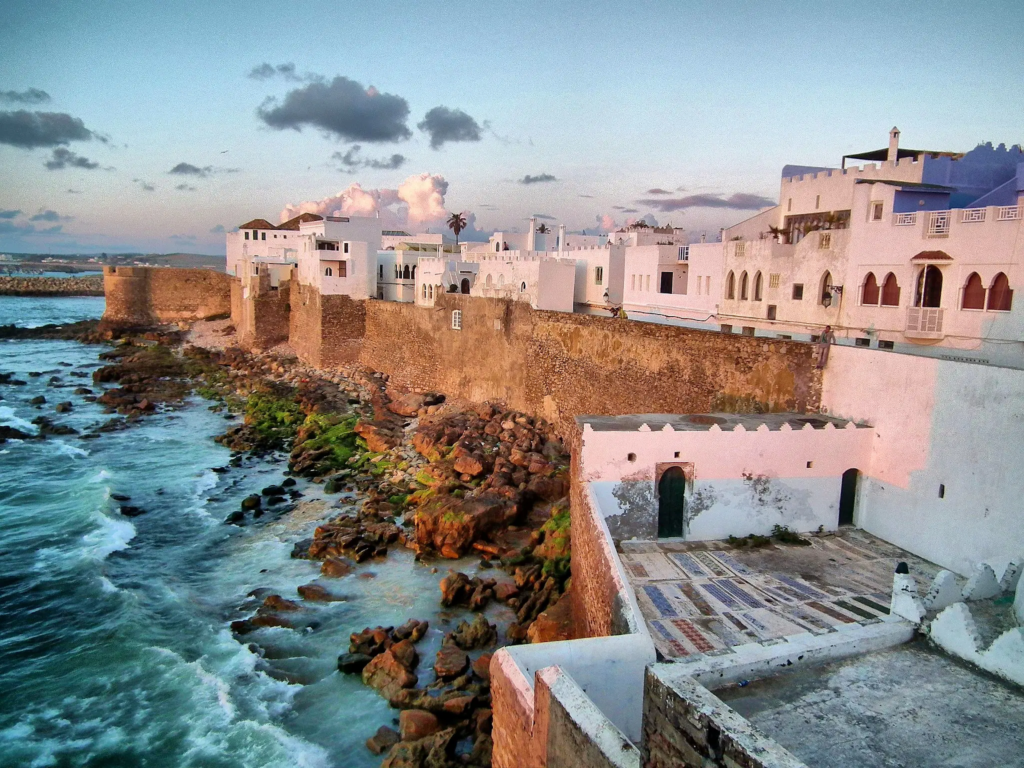
Day 9: From Marrakech, it takes a three-hour drive to reach Essaouira- a laid-back Moroccan coastal town. Once you arrive, take a walk through the Medina, stop by the fish market, and pick your catch to have it grilled on the spot!
Day 10: Spend a few hours at the Essaouira Beach, or walk along the Skala de la Ville- the city walls facing the Atlantic. You can also shop for argan oil or woodwork at some of the local stores in the region. Later, head back to Marrakech or directly to the airport, depending on your plans.
Travel Tips to Explore Morocco in Late Summer
Beat the Heat: Plan sightseeing between 8 AM to 11 AM or after 5 PM. It’s recommended that you rest in the afternoon to avoid exhaustion.
Stay Hydrated: Bottled water is widely available, but prefer carrying a reusable bottle to keep the trip eco-friendly.
Seasonal Foods: Try figs, dates, and grilled sardines, which are in season during the late summer period in Morocco. You can also try mint tea, which is refreshing and served almost everywhere.
What to Wear: Stick to light cotton or linen clothes to stay comfortable in summer. Women may feel more comfortable wearing loose-fitting tops and long skirts or pants, while men can opt for t-shirts and lightweight trousers.
Festivals: You might witness local festivals like the Moussem of Moulay Abdellah, the Setti Fatma Festival, and the Imilchil Marriage Festival during your trip to Morocco in this season.
Final Thoughts
A 10-day trip to Morocco in late summer is a great way to see the country without the peak-season crowds. The weather is more pleasant, and hotels and transport are often cheaper. You can walk through busy markets, relax in the mountains, or ride camels in the desert- presenting you with something different to do every day.
Plan out a route that suits you the best, pack clothes for both warm days and cooler evenings, and you’re good to go. Whether it’s the food, the views, or the people, Morocco will leave you with some really good memories.