

Quick Jumplinks to Navigate
A Europe itinerary can look perfectly manageable on a spreadsheet. Add a tired five-year-old and two suitcases to the picture, and the same plan can start to fall apart by day three.
Three nights in Paris, one night in Amsterdam, two nights in Switzerland, and two nights in Rome look efficient on paper. In practice, every move means packing, checking out, reaching a station or airport, travelling, finding the next hotel, and starting all over again, and each of those steps takes longer and drains more patience, with kids in the plan than it would travelling alone.
Children also experience sightseeing differently from adults. A morning at the Louvre, a timed attraction after lunch, and an evening walking tour might all fit neatly into a single day on the calendar, but it leaves little room for food, rest, or simply stopping when someone has had enough. What reads as a full, satisfying day for a couple can easily become a long, cranky one for a family.
A family Europe trip works better when you plan the pace first, and fill the days around it, rather than the other way round. Thrillophilia’s Europe family packages are built around exactly this range of pace, from a 6-day Paris and Amsterdam route with minimal hotel changes to a 15-day multi-country trip through London, Paris, Amsterdam, Germany, Switzerland, Austria and Italy for families ready to move faster.
The right route depends on your children’s ages as much as your destinations, so it’s worth checking the nights per city and pace of each option before choosing one.
Start With Fewer Bases on a Europe Family Trip
Count hotel changes before you count countries:
For a seven-day trip, Paris and Switzerland give the family more usable time than Paris, Amsterdam, Switzerland and Italy. Every extra stop adds packing, check-out, station time and another hotel arrival.
A useful target is around three nights in a base where the route allows it. That gives you more chance of having at least one full day without arrival or departure logistics.
Before adding another city, check:
- How many complete days you get there
- How long the journey takes
- What time you leave the hotel
- When you realistically reach the next room
- Whether another transfer follows soon afterwards
One-night stops can work, but several in succession make the trip revolve around luggage and transport. This matters even more when children need earlier meals, naps or extra time getting ready.
Thrillophilia has multiple Europe family tour packages that understand the way a family travels and builds an itinerary that works for everyone. The sightseeing is well-paced, the attractions covered in a day are well-planned, and internal transfers are added too to avoid the hassle.
Plan One Main Sightseeing Block Each Day
A family sightseeing day needs to include everything around the attraction too.
An Eiffel Tower booking involves getting there, security, queues and the visit itself. A morning at the Colosseum can also involve substantial walking before lunch.
Start with one attraction that has a fixed time or requires more energy, then build around it:
- Paris: Eiffel Tower, then a Seine cruise or garden
- Rome: Colosseum and Roman Forum, then an easier evening
- Amsterdam: Museum visit, followed by a canal ride
- Switzerland: Mountain excursion as the main event
This still leaves room for lighter activities such as parks, boat rides or neighbourhood walks. Several long museum or monument visits in one day can become tiring.
If the main attraction takes longer than expected, the rest of the day should still work without creating a rush.
Match the Europe Itinerary to Your Children’s Ages
Check what the children can comfortably handle before choosing activities:
- Toddlers and preschoolers need an itinerary built around nap times and stroller access. Keep visits short, mix in playgrounds where you can, and plan meals earlier than you might for an adult trip.
- Children aged 5 to 10 tend to engage best with things they can see move or explore hands-on. Castles, boat rides, train journeys, interactive museums and outdoor stops all work well at this age.
- Tweens do better with a mix of landmarks and more active experiences, and appreciate having some say over how the day unfolds rather than following a fully fixed schedule.
- Teenagers are often ready for a more adult-style itinerary including food, shopping, viewpoints, history and adventure activities that line up with their own personal interests.
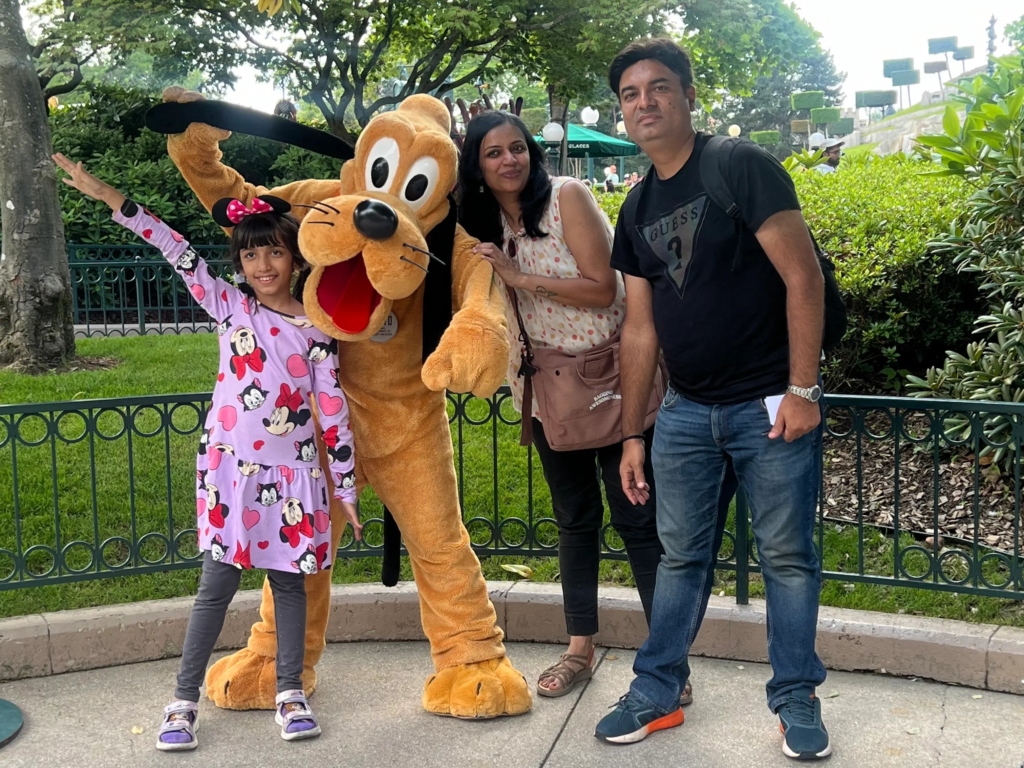
If siblings have different interests, spread their choices across the trip. One child might pick Disneyland Paris while another chooses a Swiss mountain railway or football stadium.
The itinerary works better when everyone gets a few activities they are genuinely interested in. You can also alternate between adult-led sightseeing and something the children have chosen.
Use Transfer Days Differently

Treat an intercity journey as part of the day rather than space between sightseeing plans.
A three-hour train ride also includes:
- Checking out
- Reaching the station
- Waiting for the train
- Managing luggage
- Reaching the new hotel
- Checking in
That can take a large part of the day.
Avoid important timed attractions immediately after arrival. Keep the evening flexible with a nearby walk, early dinner or short activity.
Also check departure times. An early train affects the previous evening, while a midday departure can leave little useful sightseeing time in the morning.
Count the complete door-to-door journey rather than only the time printed on the ticket. If a route requires several changes or a long transfer to the station, treat it as a heavier travel day.
Choose Accommodation in Europe for the Morning and Evening
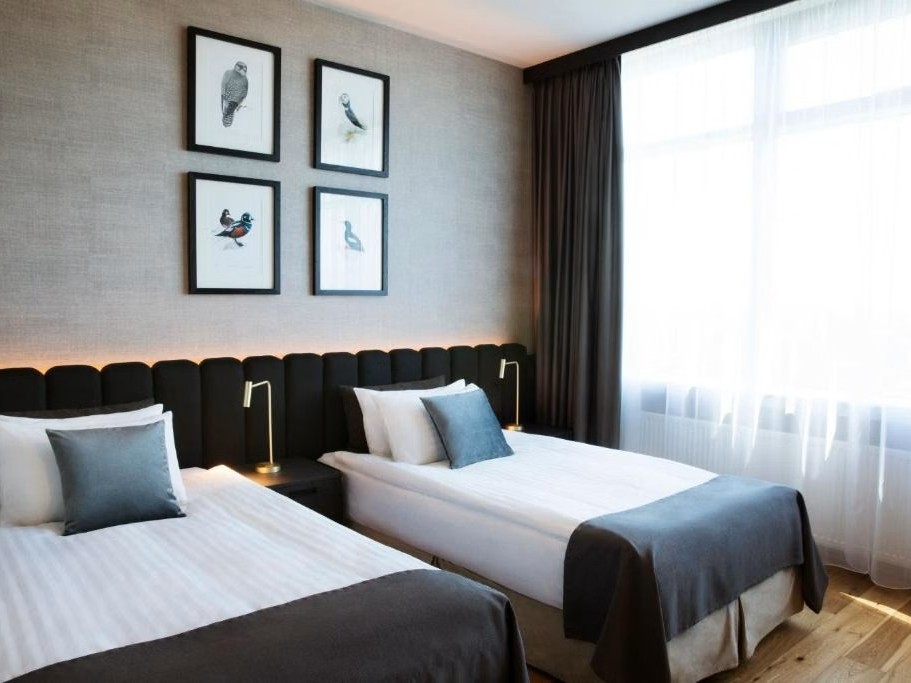
The hotel affects the itinerary when you leave in the morning and when you return with tired children.
Compare:
- Distance from a metro or train station
- Journey time to attractions
- Family or connecting room availability
- Breakfast timings
- Lift access for strollers
- Kitchen or laundry access
Central accommodation can reduce daily travel. Apartments can help with space, kitchens and laundry, while hotels may simplify mornings with breakfast and reception support.
Also check where meals fit around early trains, full day excursions and timed attractions. Carry snacks or familiar food on longer travel days.
If you expect to return to the room during the afternoon, location becomes even more important because a long journey back can make the break impractical. To avoid the inconvenience, Thrillophilia ensures that your hotel is not far from the city center and is easily accessible from every corner. The packages also include internal transfers so that you don’t have to worry about the cabs and taxis.
Give Children Part of the Europe Itinerary
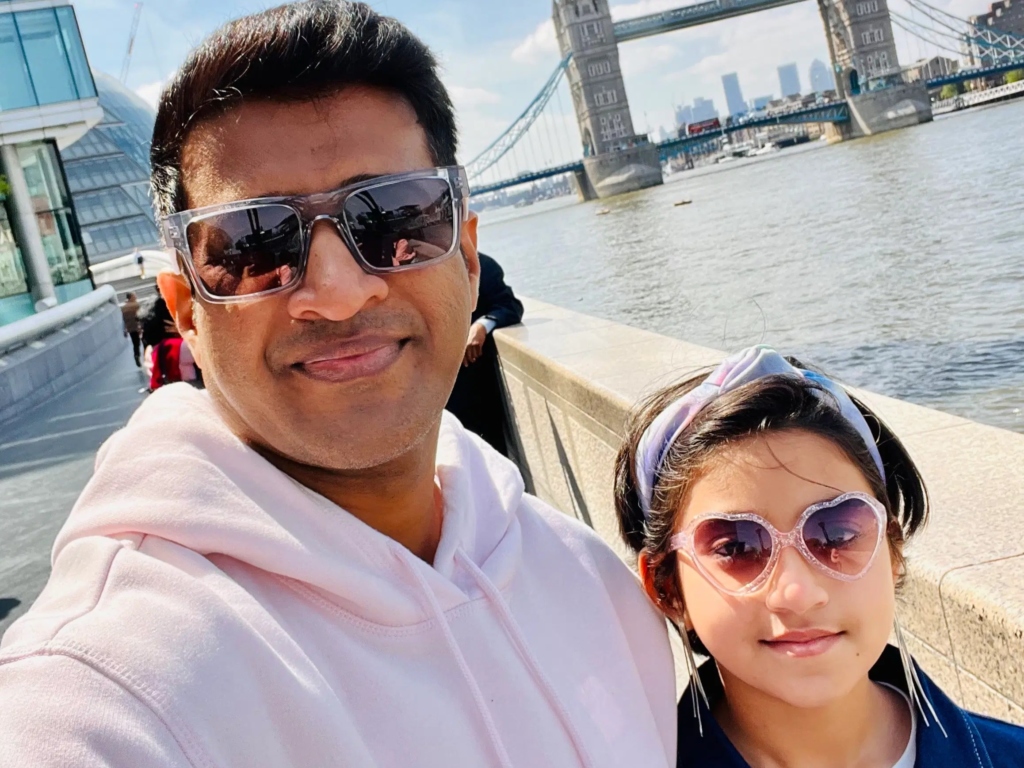
When travelling with kids, it’s so important to include the activities that kids will enjoy as well. Let each child choose one or two things before the trip:
- A canal cruise in Amsterdam
- A Swiss mountain train
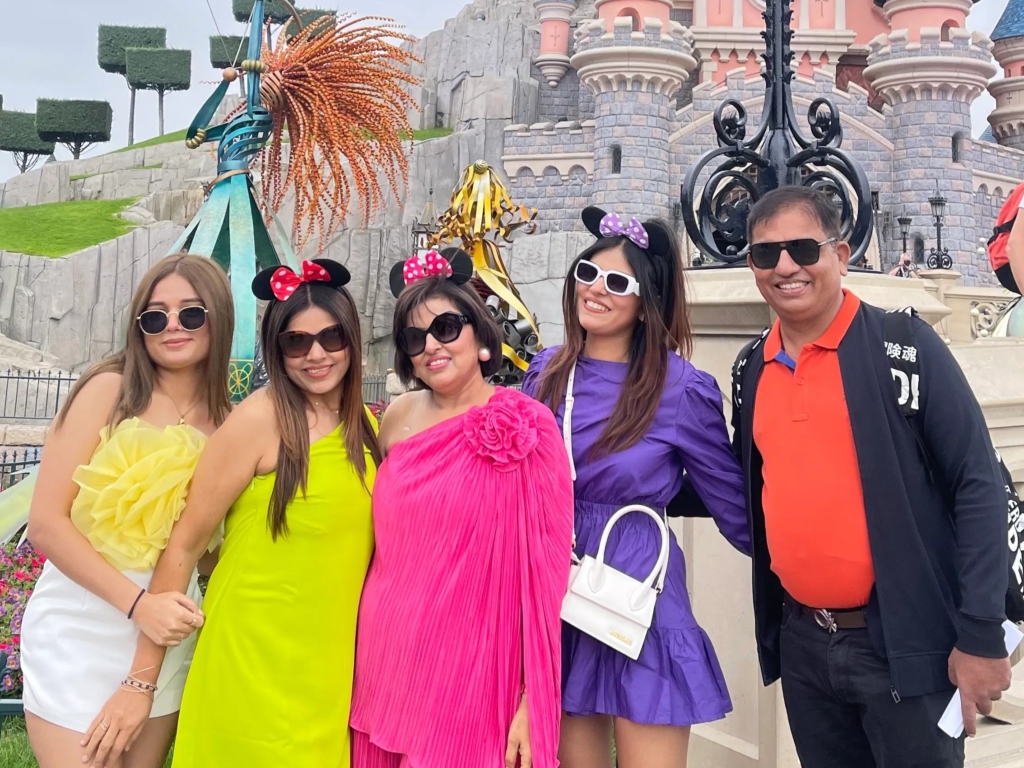
- Disneyland Paris
- A castle
- A football stadium
- A science museum
- A food tour
- A Northern Lights excursion in Iceland
Giving children a choice helps them connect with the trip and makes it easier to decide what stays when the itinerary becomes too full.
It also gives them something specific to look forward to between sightseeing days that may be more adult-focused.
Check the Family Itinerary One Day at a Time
Read the itinerary as a sequence of actual days before making the final bookings.
Look for:
- Two early mornings in a row
- Several hotel changes within a few days
- Major sightseeing on transfer days
- Several long indoor attractions together
- Lunch with no clear place in the schedule
- A full day excursion after a late arrival
- Several days with no unplanned time
A route can look relaxed as “three nights Paris, three nights Switzerland” while still containing early starts, timed attractions, train journeys and full day excursions.
Also check what follows the busiest day. A full day in the Swiss Alps followed by an early train leaves little recovery time.
Remove one activity or slow one transfer while the itinerary is still easy to change.
Frequently Asked Questions
Seven to ten days works well for a focused family itinerary across one or two areas. If you have more days, extend the stays before adding several extra cities.
Start with one major attraction that needs a fixed time or several hours. Add a lighter activity afterwards, such as a park, cruise, neighbourhood walk or free time.
Paris, Amsterdam, Rome and Switzerland give families different combinations of landmarks, boats, trains, parks and interactive experiences. Choose according to the children’s ages and the pace you want.
Yes, especially on routes connecting central stations. You still need to allow time for luggage, station transfers and reaching the hotel at either end.
Yes. Letting them choose one or two experiences gives their interests a place in the trip and helps the family decide what to keep when the schedule becomes crowded.