

Quick Jumplinks to Navigate
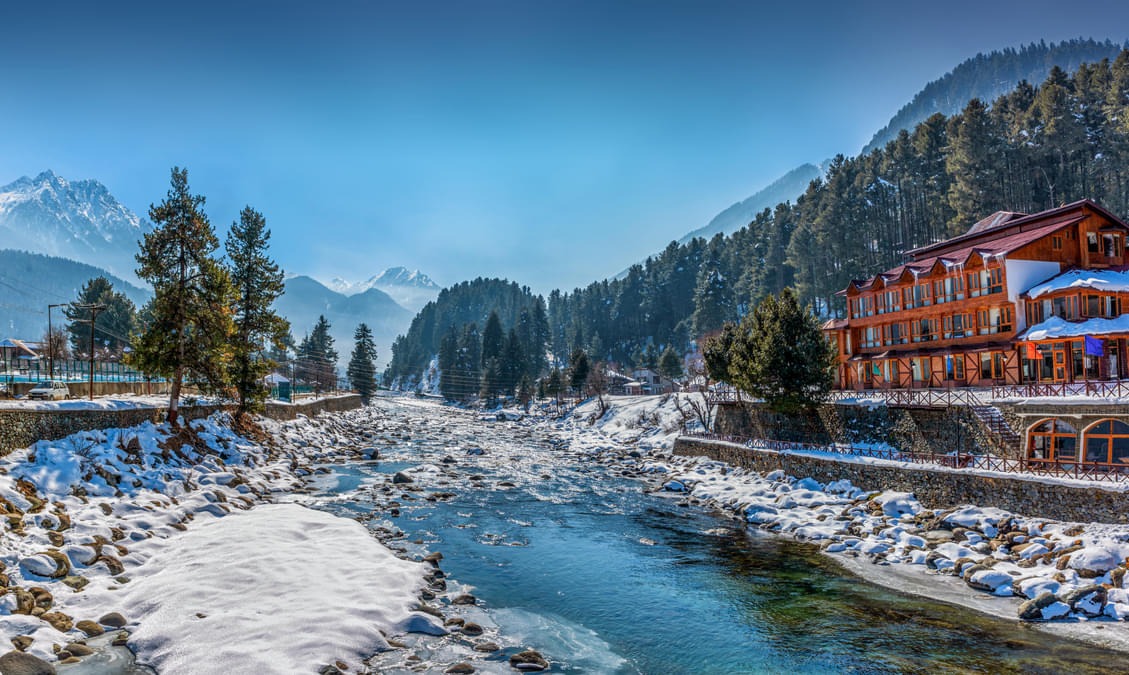
Kashmir is a destination that captures hearts throughout the year, where each season shows a different side of its charm. In the summer season, from March to June, the snow gives way to green valleys, colourful gardens, and flowing rivers. The warm days let you wander through open mountain passes, enjoy shikara rides on Dal Lake, and walk among tulips in full bloom. However, winter, from November to March, transforms Kashmir into a snow paradise.
The valleys lie under thick snow, Dal Lake partially freezes, and the air is chilly and refreshing. This is the time to ski, snowboard, and spend evenings in cosy houseboats. Both seasons create unforgettable memories, but they offer completely different landscapes, activities, as well as moods. Deciding between them depends on what you want from your journey, whether it is peaceful sightseeing, thrilling adventure, or a combination of both. So, the real question is, should you plan your Kashmir tour from India in summer or in winter? Well, let us break it down.
1. Kashmir in Summer (April–June) – Reasons You’ll Admire It
a. Weather & Atmosphere
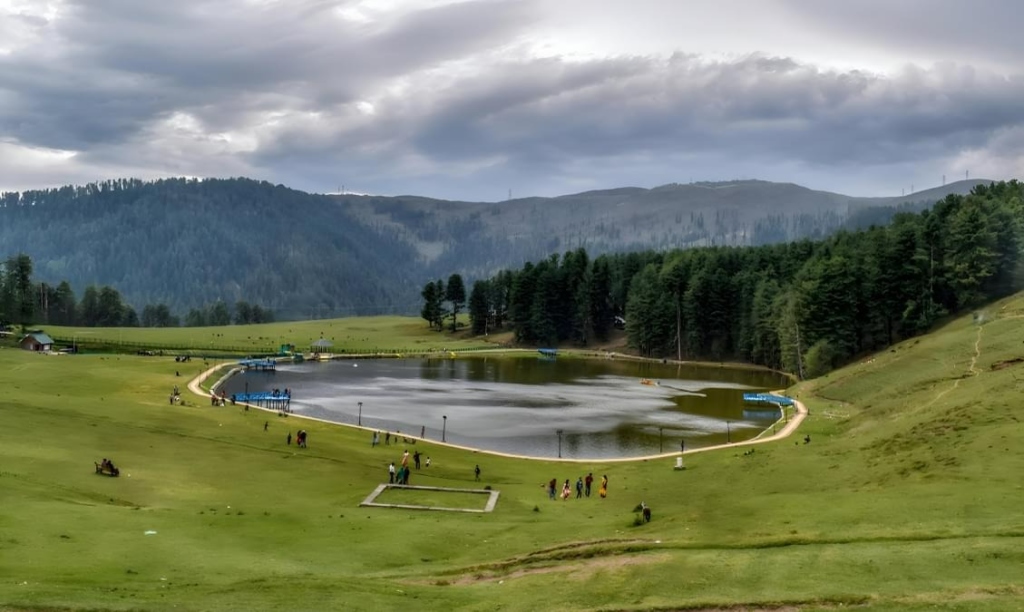
Kashmir experiences dry and pleasant summer days from March to June, with temperatures ranging from 15°C to 30°C. Days are pleasant with longer daylight, but nights can get quite cold, especially in higher areas.
Banihal, Khardung La, and Fotu La, are among the high passes that open during this season. Moreover, valleys like Gurez, Warwan, and Nafran offer clear blue skies, green fields, running streams, bright wildflowers as well as cool breezes, which make trekking fun.
b. Scenic Beauty
During summer, as the snow melts, Kashmir comes alive with green meadows, clear lakes, and colourful blooms. In Gulmarg, the hills turn white with daisies, lupines grow in tall bright clusters, as well as wildflowers spread across the slopes. Pahalgam’s meadows are dotted with buttercups, blue poppies, and wild irises, while Doodhpathri is filled with yellow as well as white blooms along its streams. Yusmarg features pink and purple wildflowers across open grasslands. Moreover, the Tulip Festival in Srinagar’s Indira Gandhi Memorial Tulip Garden showcases over 74 varieties of tulips.
c. Popular Activities
- Take a shikara ride on Dal Lake or Nigeen Lake while admiring the floating markets as well as gardens.
- Explore Mughal Gardens like Nishat Bagh, Shalimar Bagh, along the Chashme Shahi.
- Stay in a traditional houseboat near Dal Lake as well and enjoy a cup of warm kahwa.
- Shop for handicrafts and textiles in the local markets of Lal Chowk or Polo View market.
- Trek to the Great Lakes, such as Vishansar as well as Krishansar.
- Try river rafting in the Lidder River in Pahalgam or Sonmarg, and fish for trout.
- Ride the Gulmarg Gondola to see Apharwat peak or play golf at Gulmarg Golf Course.
d. Summer Travel Tips
- Book your accommodations early, as summer is the peak tourist season.
- Carry a strong waterproof backpack along with a small daypack to store essentials.
- Keep water, protein bars, food, sunglasses, as well as sunscreen in your daypack.
- Wear dry-fit full-sleeve t-shirts, waterproof leggings, as well as high-ankle shoes for walks.
- Pack thermals, fleece, and a lightweight jacket for cool evenings.
- Bring a sunhat, a woollen cap, and gloves to protect against the cold and winter sun.
- Carry a personal first aid kit and essentials like lip balm, sanitary pads, and toilet paper.
- Keep enough cash, a power bank, and a headscarf for mosques.
- Use a BSNL postpaid SIM for better connectivity in rural and remote areas.
2. Kashmir in Winter (December–February) – Why You’ll Love It?
a. Weather & Atmosphere
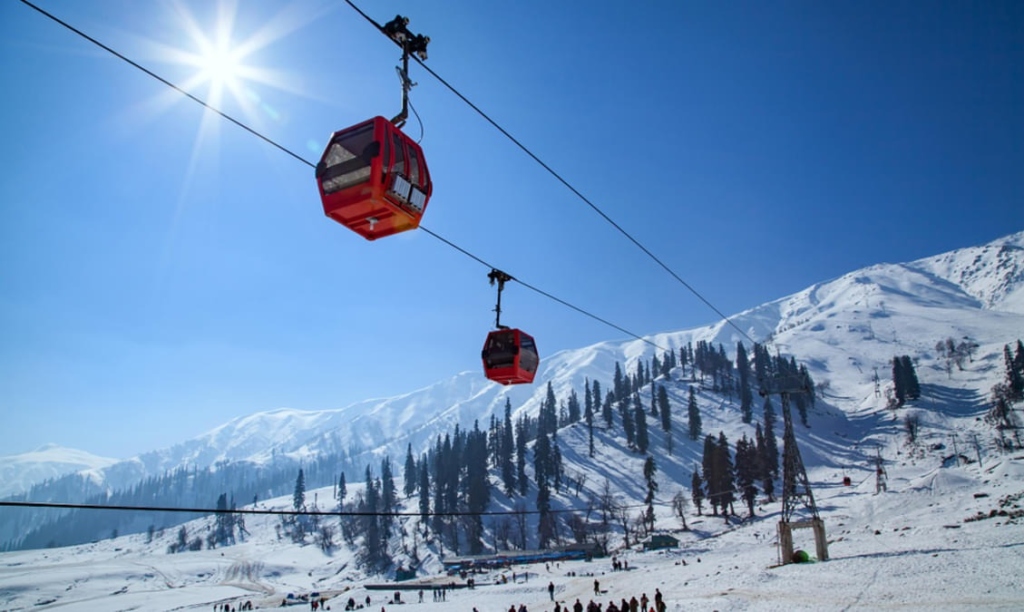
Winter in Kashmir lasts from October to March, with temperatures ranging from -2°C to 12°C. The season brings heavy snowfall to popular places to visit in Kashmir like Gulmarg, Pahalgam, and Sonamarg, turning them into top spots for skiing as well as snowboarding.
Srinagar sees moderate snowfall; however, Dal Lake sometimes turns frozen. Valleys and meadows are covered in snow, mountain peaks are covered in snow as well, and pine trees appear frosted, which makes the region a beautiful sight for visitors.
b. Scenic Beauty
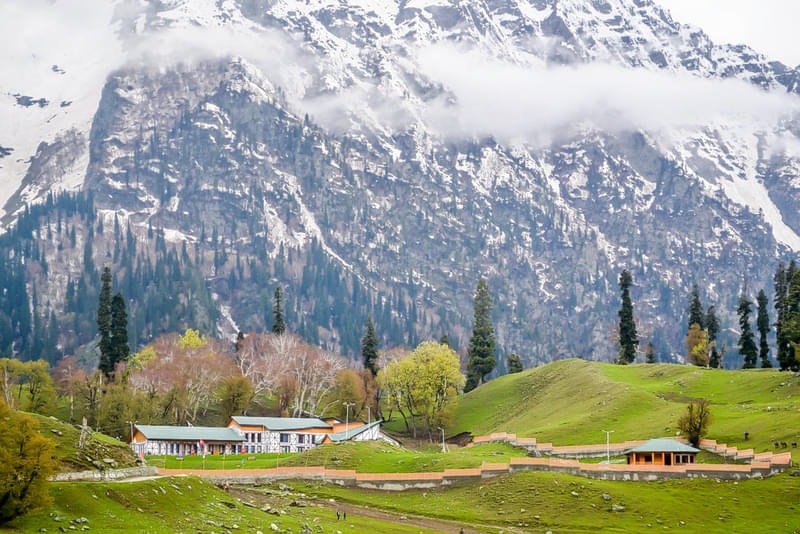
Kashmir in winter turns into a white wonderland with glaciers, snow-covered landscapes, frozen lakes, waterfalls, as well as snow-laden peaks. You can see the frozen Dal Lake, which often freezes, and creates a rare as well as beautiful sight. Pine, fir, and deodar trees remain green, while Chinar trees stand out in their reddish-brown winter hues.
You can also spot multiple winter-blooming flowers like Madagascar periwinkle, poinsettia, along sun spurge. Meadows and valleys are blanketed in snow along with the chilly air, adding to the charm. Some of the popular spots you can visit for winter sports during this time are Gulmarg, Pahalgam, as well as Sonmarg.
c. Popular Activities
- Enjoy powdery slopes at Apharwat Peak with options for beginners and experts.
- Ride down snowy slopes in Gulmarg, Sonamarg, or Pahalgam.
- Try ice skating on the thick, naturally frozen surface of Dal Lake or Nigeen Lake, which are among the top activities to try in Kashmir.
- Take Asia’s highest gondola ride at Gulmarg for snowy views of Apharwat Peak.
- Visit Thajiwas Glacier to see frozen waterfalls as well as try trekking.
- Stay in a cosy houseboat on Dal or Nigeen Lake, with views of snow-covered Zabarwan mountains.
- Explore snow-dusted Nishat Bagh, Shalimar Bagh, and Chashme Shahi.
- Relish Harissa, Rogan Josh, Dum Aloo, Gushtaba, Kahwa, along with Noon Chai.
- Capture snow-laden peaks, frozen lakes, as well as icicle-covered trees across Kashmir.
d. Winter Travel Tips
- Wear multiple layers of thermals, sweaters, as well as insulated jackets to stay warm.
- Use waterproof and insulated boots with good grip for icy as well as slippery paths.
- Drink enough water to maintain your energy levels in the cold as well as to avoid dehydration.
- Check weather updates as sudden snowfall can cause road closures in remote regions.
- Rent 4×4 vehicles or hire local drivers to safely negotiate difficult terrain.
- Keep your schedule flexible in case of delays for road closures, landslides, and snowfall.
- Carry sunglasses, sunscreen, as well as lip balm for sun protection.
- Choose accommodation which is well-heated, especially when staying in Gulmarg or Pahalgam.
- Pack a flashlight, a power bank, as well as spare batteries for emergencies.
3. Summer vs Winter, which one is better?
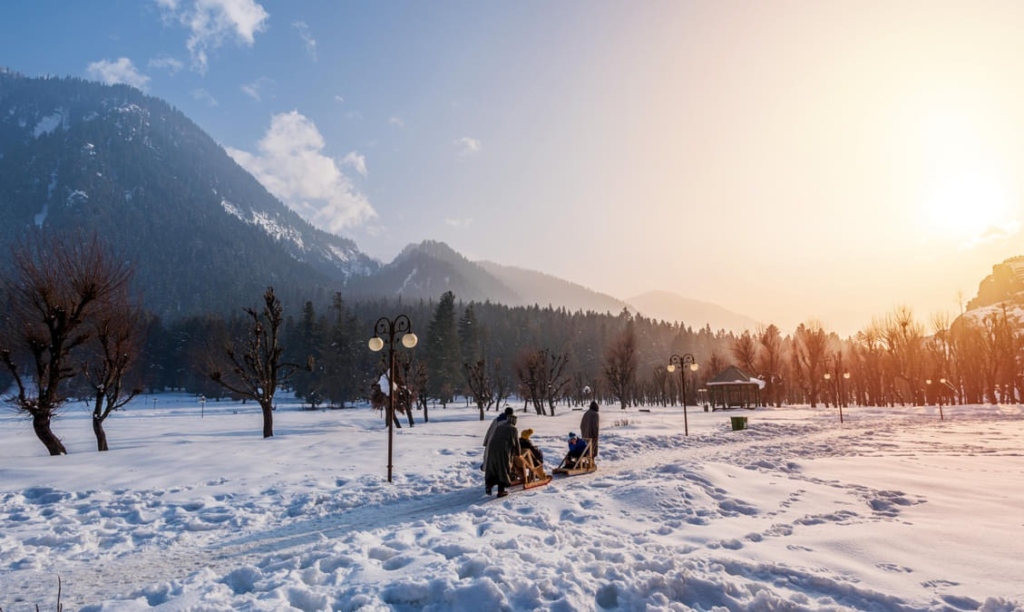
Kashmir in summer offers mild and pleasant days, which makes it easy to explore without heavy clothing, while winter attracts visitors with its magical snowfall. Summer landscapes are green as well as colourful with blooming gardens and flowing rivers. Winter, on the other hand, turns the valleys and mountains into a sparkling white wonderland.
Summer is ideal for activities such as trekking, river rafting, as well as outdoor sightseeing, while winter is perfect for skiing, snowboarding, and building snowmen. As most tourist spots remain open, accessibility is better in summer, while winter snow may result in road closures but also provides unique snowy adventures. Summer usually has more visitors and slightly higher prices, while winter is less crowded as well as cheaper, except during the peak ski season
4. Which Season is Right for You?
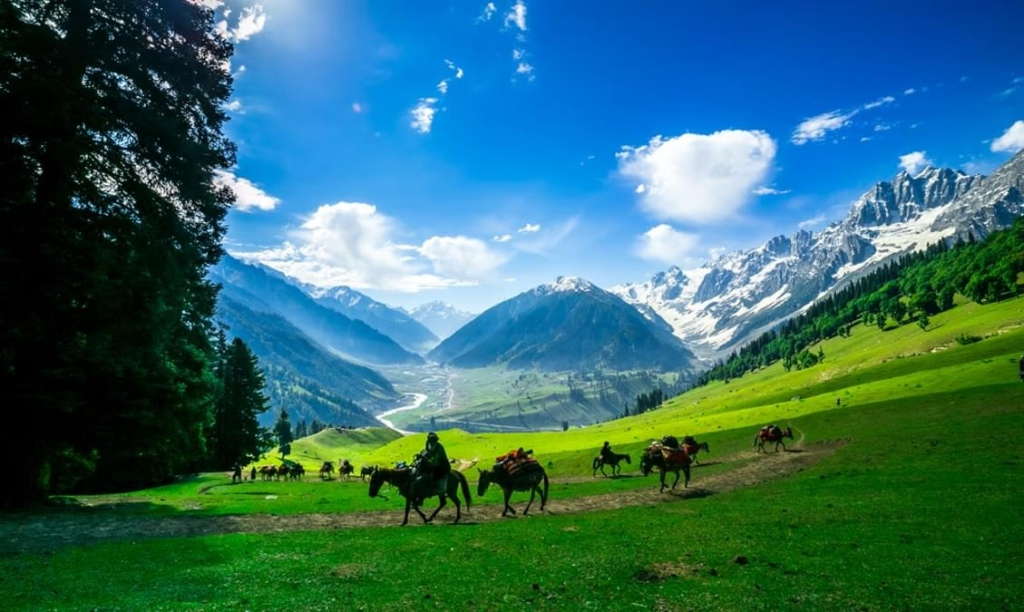
If you love nature, you can plan your trip in summer to enjoy green meadows in Gulmarg, gurgling streams in Pahalgam, as well as colourful tulips in Srinagar. However, if snow excites you, you can choose winter for skiing down the slopes of Gulmarg. You can also snowboard in Aru Valley, ice-skate on frozen ponds, along snow tubing in Sonmarg.
Families and first-time visitors can find summer easier with open roads and pleasant weather perfect for sightseeing. Therefore, they can visit attractions like Dal Lake, Shankaracharya Temple, Mughal Gardens, along Aru Valley.
However, couples on a honeymoon trip to Kashmir can pick summer for walking hand in hand in the blooming Shalimar Bagh or winter for cosy nights in snow-covered houseboats. Each season in Kashmir offers its own special experiences, so think about what excites you most and choose the one that will make your trip truly memorable.
5. Travel Planning Tips for Both Seasons
- Plan a summer trip between May and August for open roads as well as outdoor activities.
- Choose December to February in winter for snow experiences like snowboarding and skiing.
- Confirm bookings well in advance to avoid last-minute issues as hotels, flights, as well as tours fill up quickly in both seasons.
- Carry light layers for summer, but heavy woollens, gloves, thermals, as well as waterproof shoes for winter.
- Stay hydrated, protected from sun or frostbite as well and carry altitude sickness medicines.
Final Verdict
Kashmir is a year-round gem because it provides visitors with two very unique experiences. Boat excursions on Dal Lake, mountain hikes as well and beautiful gardens are all part of summertime. On the other hand, winter transforms the valley into a wintry paradise where adventure sports like snowboarding and skiing are available.
Whether you desire cold adventures wrapped in winter charm or warm days with limitless exploration, the decision then depends on your preferred travel style. We say, choose your season, gather your belongings, and prepare to be captivated by the timeless appeal of Kashmir.