

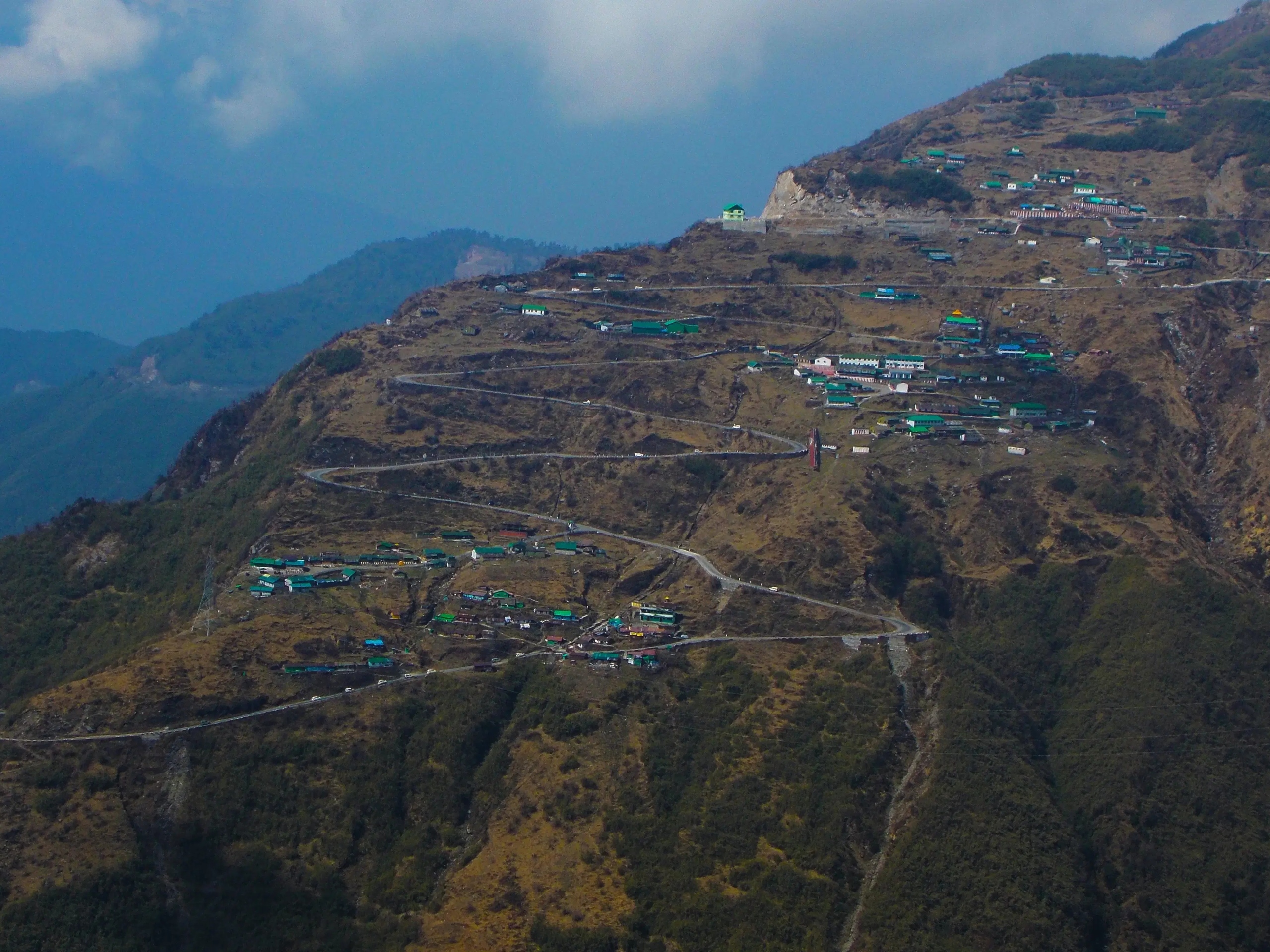
Quick Jumplinks to Navigate
Planning a Sikkim trip starts with deciding what kind of holiday you want. Sikkim may look compact on the map, but its mountain roads, high-altitude destinations and different regions mean you cannot plan it like a typical city break. A trip focused on Gangtok and East Sikkim can work in 4-5 days, while adding North or West Sikkim usually calls for 7-9 days.
The first step is therefore not booking a hotel. It is deciding which parts of Sikkim you actually want to experience.
Gangtok and East Sikkim are a practical choice for first-time visitors, with monasteries, viewpoints, Tsomgo Lake and Nathu La. North Sikkim is better suited to travellers looking for high-altitude landscapes, Yumthang Valley and Gurudongmar Lake. West Sikkim offers quieter mountain scenery and places such as Pelling, while South Sikkim works well for a slower, more offbeat holiday.
Thrillophilia offers more than 90 dedicated North East India tour packages that can cover the region in depth, along with cities and duration as per your choice. Here is a Sikkim travel guide along with the best time to visit Sikkim that can help you plan your next trip.
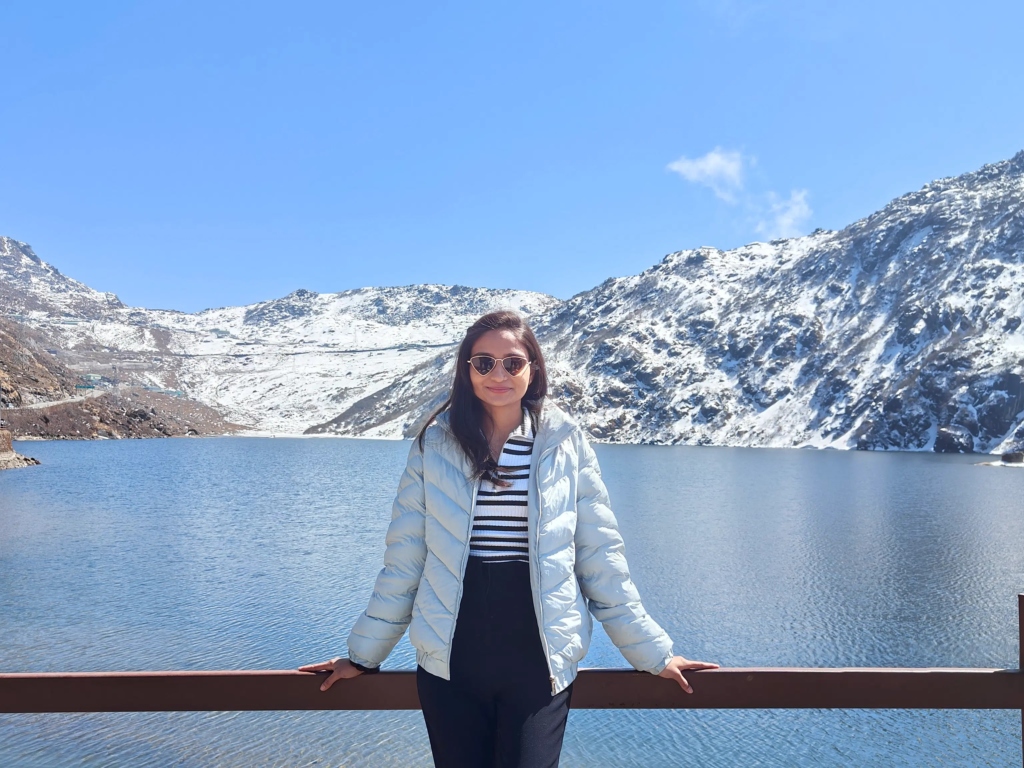
Sikkim Trip Planning at a Glance
| Planning factor | What to consider |
| Ideal duration | 6-8 days for a well-rounded first trip |
| Short trip | 4-5 days focused on Gangtok and East Sikkim |
| Longer trip | 7-10 days for North/West Sikkim combinations |
| Approx. land budget | INR 15,000-INR 40,000+ per person |
| Main arrival gateway | Bagdogra Airport or NJP Railway Station |
| Best overall season | March-May and October-November |
| Snow experience | Winter months, subject to road and access conditions |
| Main base | Gangtok |
| Key planning factors | Permits, road conditions, altitude, weather and transfers |
Current Thrillophilia Sikkim packages range from shorter 4-6 day itineraries to 9-10 day routes covering multiple regions, with current package prices varying according to duration and inclusions.
What Should Be Your Budget for a Sikkim Trip?
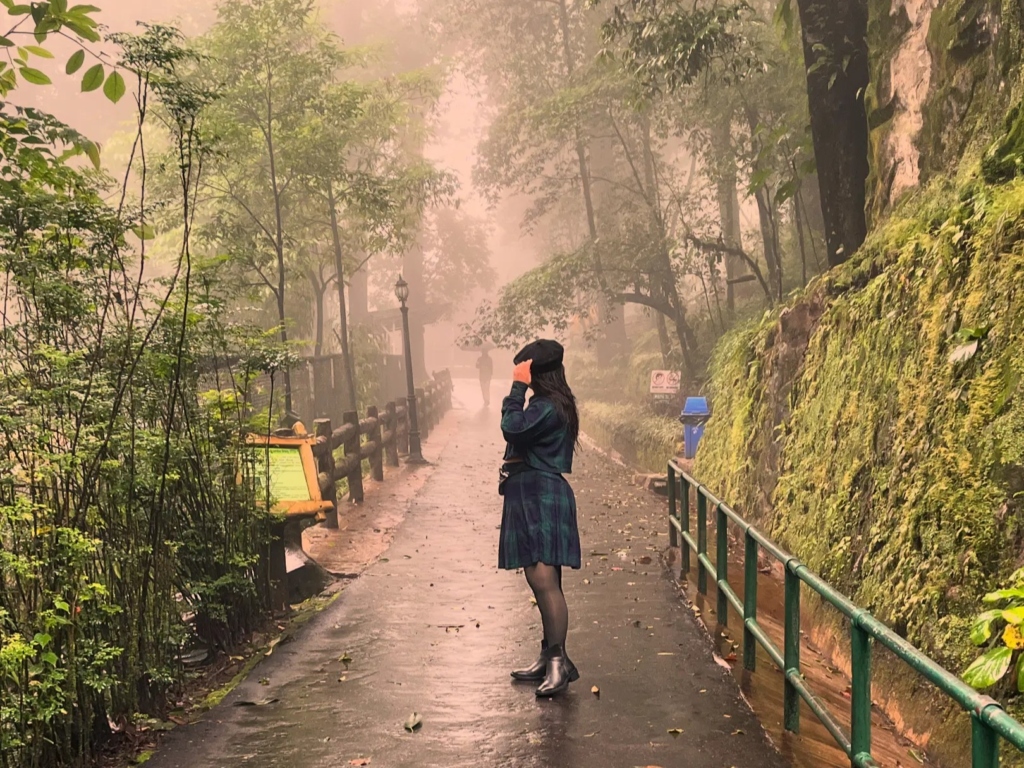
Your Sikkim trip cost depends largely on the number of days, accommodation category, season and how many long-distance transfers you include.
As a practical planning estimate for a land-based trip, you can consider:
| Expense | Budget | Mid-Range | Premium |
| Accommodation/night | INR 1,000-INR 1,800 | INR 2,000-INR 4,000 | INR 5,000+ |
| Meals/day | INR 400-INR 700 | INR 700-INR 1,200 | INR 1,500+ |
| Local/internal transport | INR 1,000-INR 2,000 | INR 2,500-INR 4,000 | INR 4,000-INR 6,000+ |
| Activities/day | INR 500-INR 1,500 | INR 1,000-INR 2,500 | INR 2,000+ |
These are rounded planning figures and can change with season, route and travel style. Mountain transfers are one of the biggest variables in a Sikkim budget, particularly when you add North Sikkim or remote areas.
For reference, Thrillophilia’s current Sikkim packages start at around INR 19,400 per person for a 6-day itinerary, while 10-day packages currently range up to around INR 43,000 or more depending on inclusions. Flights to Bagdogra would be an additional cost.
When comparing a Sikkim tour package with an independently planned trip, check whether accommodation, transfers, meals, sightseeing and permit assistance are included before comparing the headline prices.
How Many Days Do You Need for a Sikkim Trip?
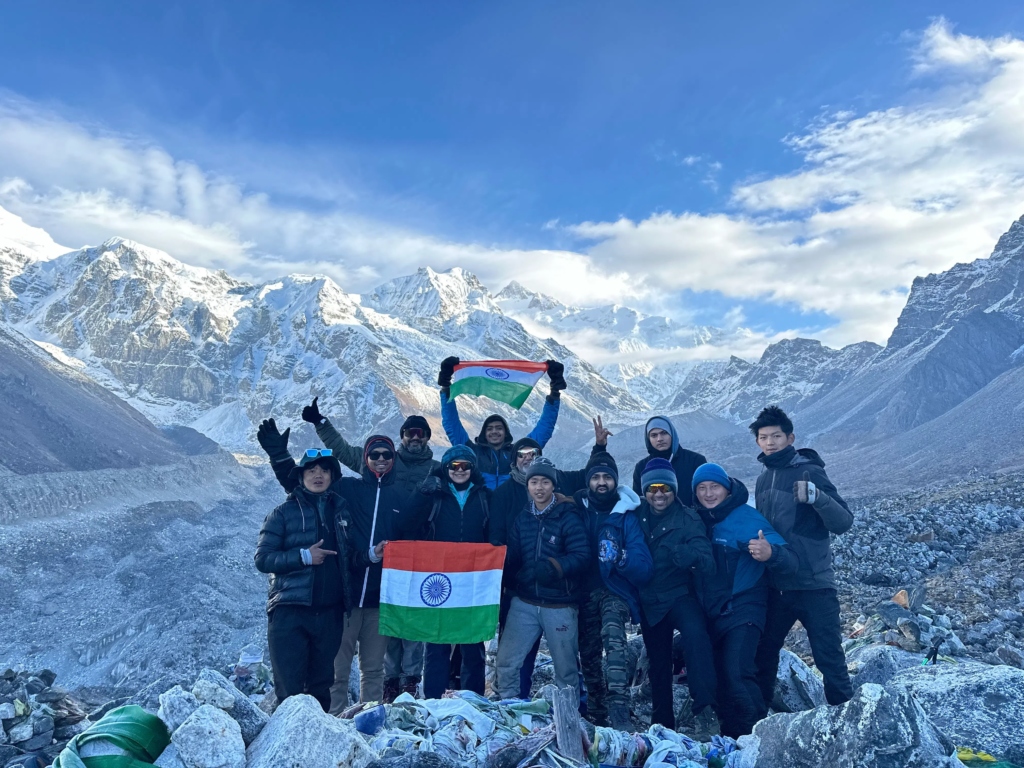
The number of days you have should determine how much of Sikkim you attempt to cover.
| Duration | What it is suitable for | What you can cover |
| 4-5 Days | Short Sikkim holiday | Keep Gangtok as your base and include a day trip to Tsomgo Lake and Nathu La if permits and weather allow. |
| 6-7 Days | Gangtok + North Sikkim | Combine Gangtok with Lachen and Lachung, subject to current access and permits. You can include experiences such as Gurudongmar Lake and Yumthang Valley when the route is operational. |
| 8-10 Days | Explore more of Sikkim | Slow down and combine East, North and West Sikkim, or add Darjeeling if it fits your route. |
A short trip is better suited to first-time visitors who want to experience Sikkim without spending most of their holiday on mountain roads.
Thrillophilia’s current 6-day Sikkim itineraries include Gangtok, Lachen and Lachung, while 7-day packages offer combinations covering Gangtok, North Sikkim, Pelling or Darjeeling.
This duration works better if you want to include Pelling, North Sikkim and Gangtok without turning every day into a transfer day.
Which Sikkim Route Should You Choose?
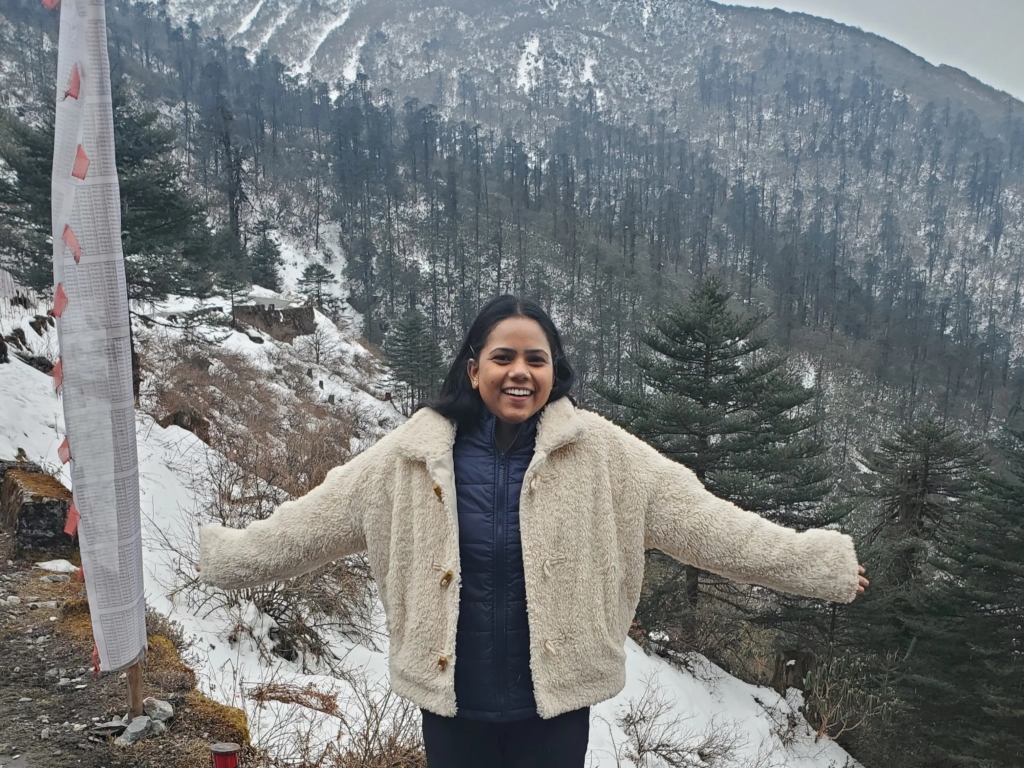
Sikkim is best planned region by region rather than attraction by attraction.
| Region | Best for | Places and experiences mentioned |
| East Sikkim | First-time visitors | Gangtok, MG Marg, monasteries, viewpoints, Tsomgo Lake and Nathu La |
| North Sikkim | High-altitude landscapes and dramatic mountain scenery | Lachen, Gurudongmar Lake, Lachung and Yumthang Valley |
| West Sikkim | Quieter landscapes and mountain views | Pelling, monasteries, viewpoints and cultural attractions |
| South Sikkim | A slower and more offbeat trip | Ravangla, Namchi, nature, monasteries and local experiences |
You can also look at dedicated East Sikkim tour packages for a trip particularly to this region.
Access to North Sikkim can be affected by weather, road conditions and permit regulations. You can also check out North Sikkim tour packages for a trip to this region.
What Is the Best Sikkim Trip Itinerary for First-Time Travellers?
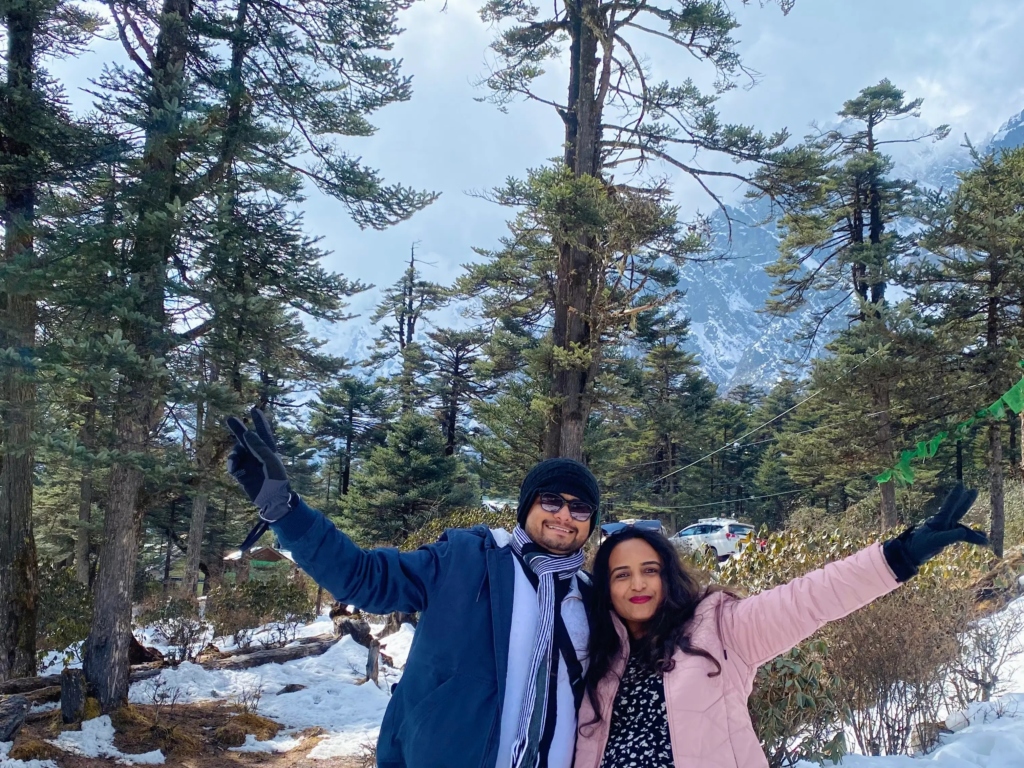
If you are visiting Sikkim for the first time, avoid trying to cover every region.
A 6-day Sikkim itinerary focused on Gangtok and North Sikkim can give you a good balance of city sightseeing, mountain landscapes, lakes and valleys.
A practical route could be:
- Day 1: Bagdogra/NJP → Gangtok
- Day 2: Gangtok sightseeing
- Day 3: Gangtok → Lachen
- Day 4: Lachen → Gurudongmar Lake → Lachung
- Day 5: Lachung → Yumthang Valley → Gangtok
- Day 6: Gangtok → Bagdogra/NJP
North Sikkim road access and permits can change, so the actual sequence should be confirmed close to the travel date. If you prefer a slower holiday, replace North Sikkim with Pelling and spend more time exploring West Sikkim.
How to Reach Sikkim
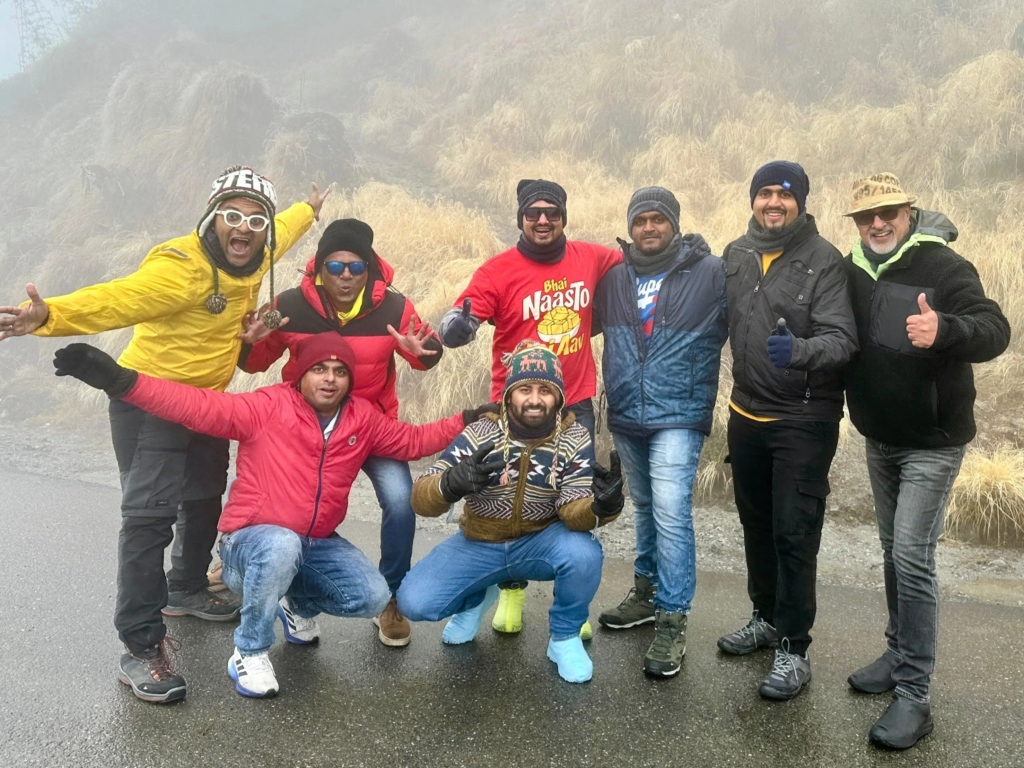
Your arrival point plays an important role in both your budget and itinerary.
- By Air: Bagdogra Airport in West Bengal is the most commonly used airport for Sikkim trips. From Bagdogra, you can continue towards Gangtok by road. Pakyong Airport is closer to Gangtok but has fewer flight options, so Bagdogra is generally more practical for travellers who want greater flexibility in flight planning.
- By Train: NJP Railway Station is the main rail gateway used for Sikkim trips. From NJP, travellers continue to Gangtok by taxi or other road transfers.
- By Road: Road travel is an important part of a Sikkim holiday. From Bagdogra or NJP, Gangtok takes several hours by road, depending on traffic and road conditions.
This is also why you should avoid planning an important sightseeing activity immediately after arrival. Thrillophilia provides Sikkim trips from major Indian cities, such as Sikkim tour packages from Delhi and Sikkim tour packages from Bangalore.
When Is the Best Time to Visit Sikkim?
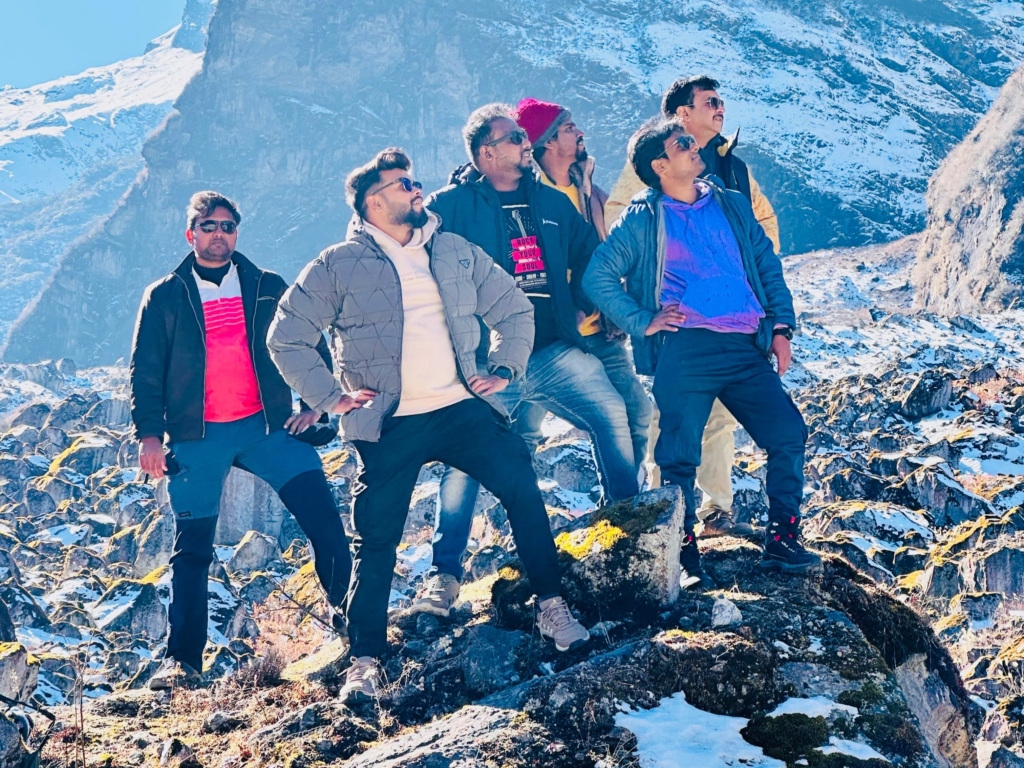
The best time to visit Sikkim depends on what you want to see.
| Months | What to expect | Best suited for / things to consider |
| March to May | Pleasant weather to many lower and mid-altitude areas, blooming rhododendrons and clearer mountain views in suitable conditions | Sightseeing, nature experiences and exploring Gangtok and surrounding regions |
| June to September | Heavy rainfall; the landscape becomes intensely green | Landslides and road disruptions can affect travel plans. Build flexibility into your itinerary and avoid a tightly packed route dependent on exact road travel times |
| October to November | Clearer skies and excellent mountain views | Sightseeing and photography. This is also a high-demand period, so accommodation and transport can cost more |
| December to February | Cold weather and possibility of snow in higher areas | Winter conditions. Snowfall can also affect access to high-altitude destinations |
Do not plan a winter Sikkim trip solely around a guarantee of snow. Check current road conditions and local access before travelling.
Do You Need Permits for Sikkim?
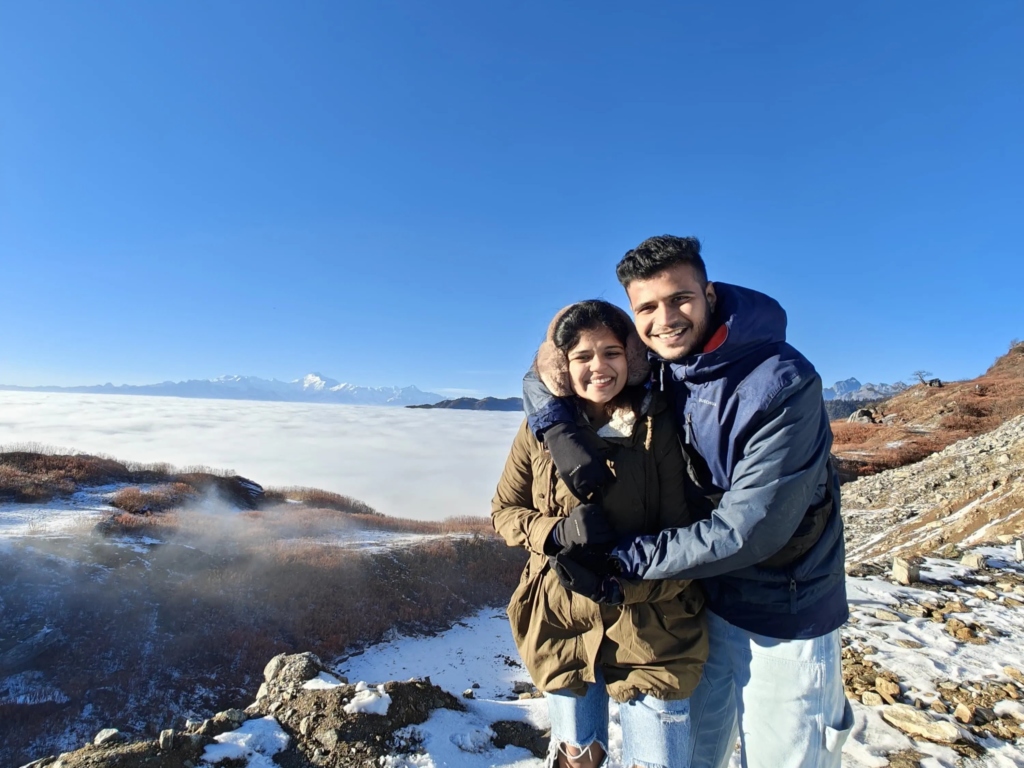
Permit requirements are an important part of planning a Sikkim itinerary, particularly if you want to visit restricted or protected areas.
For Indian travellers, destinations such as Tsomgo Lake, Nathu La and parts of North Sikkim have specific permit requirements and access rules. Foreign nationals have additional restrictions for some areas.
This means you should decide your route before assuming that every destination can be added as a last-minute day trip.
Permit rules and operating conditions can also change, so confirm the latest requirements before travelling.
Thrillophilia’s current Sikkim packages include permit assistance as part of the trip-planning process, particularly useful for routes involving restricted areas.
How to Plan Sikkim Trip by Traveller Type
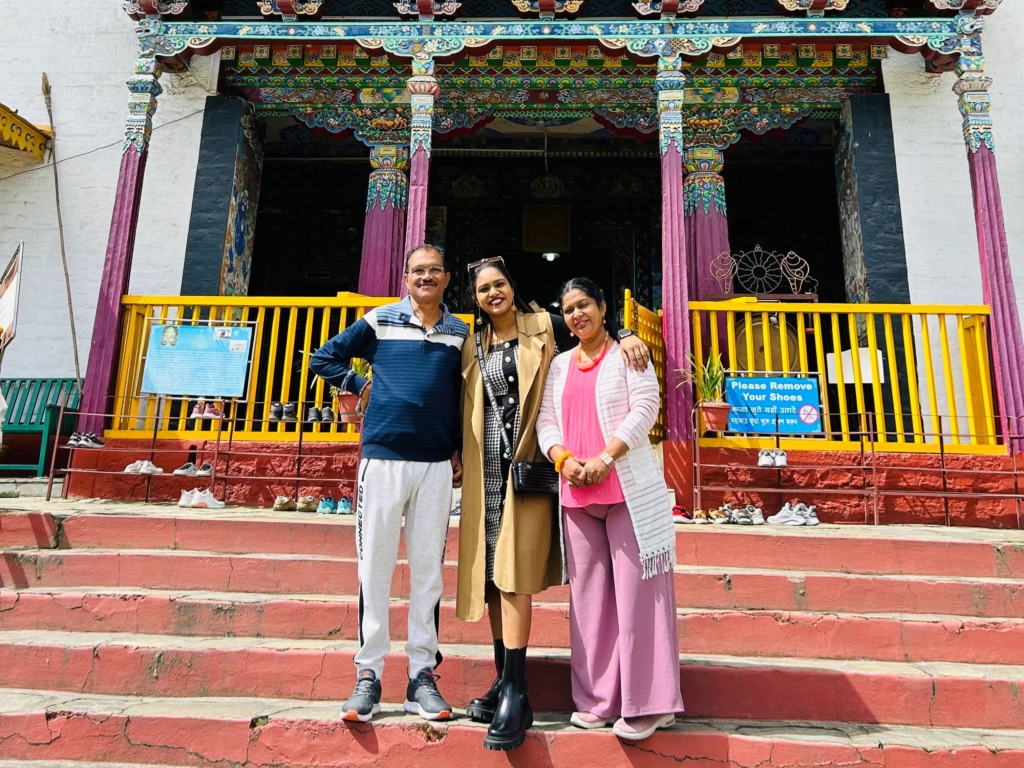
The best Sikkim itinerary changes depending on who you are travelling with.
- For Couples: Keep the pace slower and focus on scenic stays, mountain views and destinations such as Gangtok and Pelling. A 6-8 day itinerary works well without having to change hotels every day.
- For Families: Prioritise comfortable accommodation and shorter road journeys wherever possible. Gangtok combined with either Pelling or a carefully planned North Sikkim route can work well, depending on the age and comfort of your family members.
- For Adventure Seekers:North Sikkim and trekking routes offer more demanding experiences, while activities such as river rafting and paragliding can be added depending on the season and location. Always account for weather and road conditions before finalising adventure activities.
- For Budget Travellers: Keep the itinerary focused on Gangtok and one additional region rather than adding multiple long transfers. Choosing standard accommodation and shared transport can also help keep the overall Sikkim trip budget under control.
- For First-Time Sikkim Travellers: Gangtok is the easiest base from which to begin. Once you understand the travel time and mountain-road conditions, you can decide whether to extend the trip towards North or West Sikkim.
What Should You Pack for Sikkim?
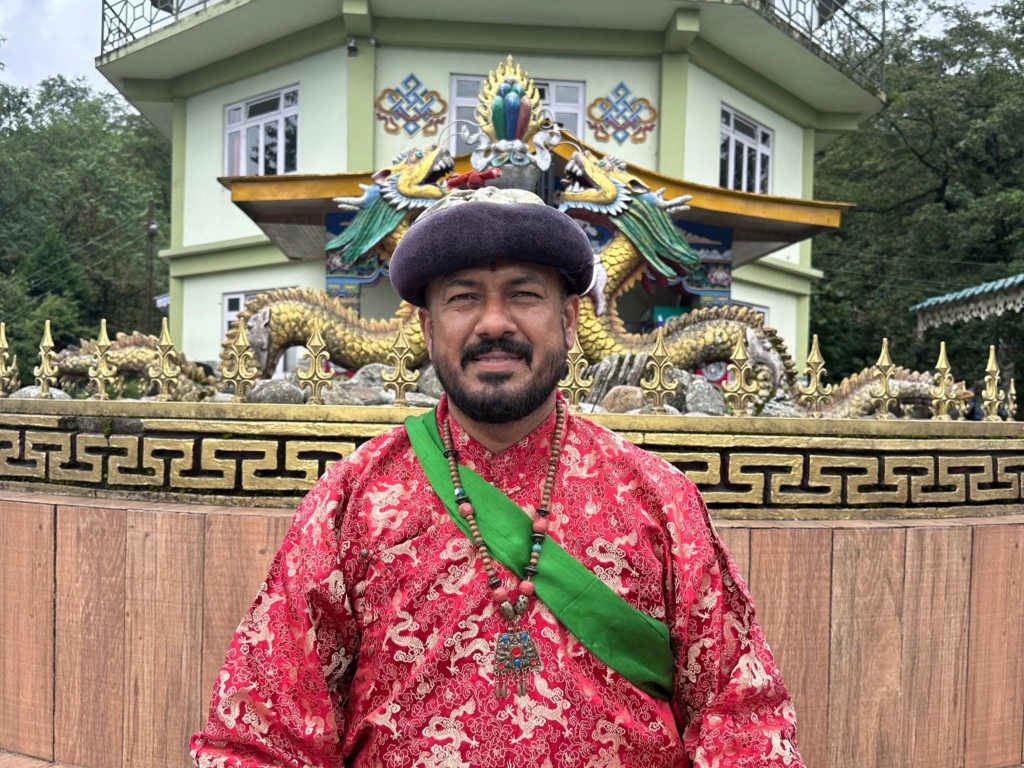
Your packing list should change according to the season and altitude.
For most trips, carry:
- Warm layers
- Comfortable walking shoes
- Rain jacket or umbrella
- Sunglasses
- Sunscreen
- Basic medicines
- Personal medication
- Power bank
- Copies of important documents
For North Sikkim and other high-altitude destinations, add warmer layers even if you are travelling during a relatively mild season.
You should also avoid overpacking. Since many Sikkim itineraries involve changing hotels and travelling by road, a manageable bag makes the trip easier.
How Thrillophilia Helps You Plan a Sikkim Trip
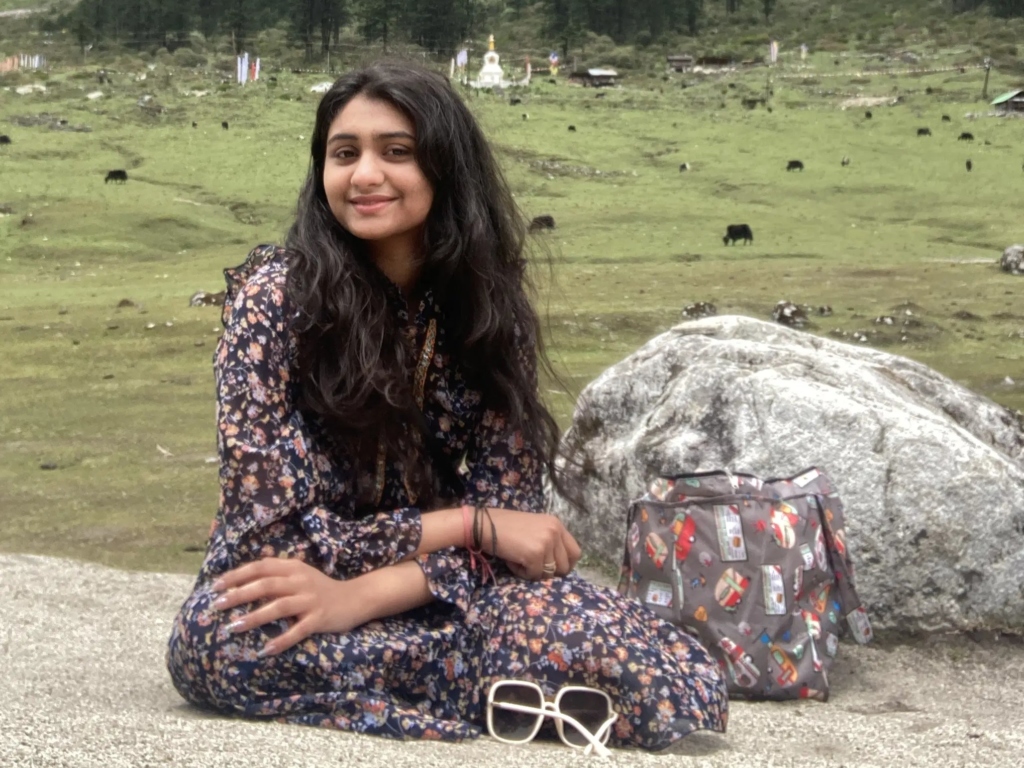
Planning Sikkim independently is possible, particularly if you are focusing on Gangtok and nearby destinations. It becomes more complicated when you add North Sikkim, high-altitude lakes, restricted areas and multiple mountain transfers.
Thrillophilia’s Sikkim tour packages currently cover 4-10 day itineraries across Gangtok, North Sikkim, Pelling and other regions, with options that can be customised around your duration, accommodation preferences and travel style.
The useful part is that the planning does not stop at choosing hotels. Transfers, sightseeing and permit-related requirements can be coordinated around the route, which is particularly helpful when the itinerary includes destinations where access depends on weather and local regulations.
Thrillophilia also provides 24/7 on-trip assistance, giving travellers an extra layer of support when road conditions, transfers or local arrangements change. This can be particularly useful in Sikkim, where mountain travel is more dependent on weather and road conditions than a typical city holiday.
Sikkim Trip Planning Checklist
Before leaving for Sikkim, make sure you have:
- Confirmed your arrival point: Bagdogra or NJP
- Chosen your Sikkim regions
- Planned enough days for your route
- Checked the latest permit requirements
- Confirmed North Sikkim access, if applicable
- Booked accommodation
- Arranged airport/railway and intercity transfers
- Checked weather and road conditions
- Packed suitable layers and rain protection
- Carried required identification documents
- Kept some buffer in your budget and itinerary
Frequently Asked Questions
Four to five days are enough for a short Gangtok and East Sikkim trip. For a more complete Sikkim itinerary covering North or West Sikkim, 6-8 days is more practical. Travellers wanting to cover multiple regions at a relaxed pace can consider 9-10 days.
A 6-7 day itinerary covering Gangtok and North Sikkim is a popular choice for first-time visitors. If you prefer shorter drives and a slower holiday, Gangtok combined with Pelling is another good option.
A Sikkim trip can cost around INR 15,000-INR 25,000 per person for a shorter budget land package, while longer and more comprehensive itineraries can cost INR 30,000-INR 45,000 or more. Flights, accommodation category, season and inclusions can significantly change the final cost. Current Thrillophilia packages reflect a broad range across 4-10 day itineraries.
March to May and October to November are generally good periods for sightseeing, nature and mountain views. December to February is better suited to travellers looking for winter conditions, while the monsoon requires more flexibility because of heavy rain and possible road disruptions.
Sikkim is a well-established tourist destination, but mountain travel requires normal precautions. Check weather and road conditions, avoid rushing to high-altitude areas and follow local instructions for restricted destinations.
No. Access to North Sikkim can be affected by weather, road conditions and local regulations. Travellers should confirm the current route and permit situation before travelling.
Yes, specific permits are required for these restricted areas, and access is subject to current regulations and weather conditions. Permit arrangements should be confirmed before the trip.
Yes. A 7-10 day itinerary can combine Sikkim with Darjeeling, depending on which regions of Sikkim you want to cover. However, adding Darjeeling to a short trip can make the itinerary rushed.
Yes. Gangtok and selected parts of East and West Sikkim can work well for families. For younger children or older travellers, keep the itinerary less packed and avoid unnecessarily long consecutive road journeys.
Yes. Couples often prefer slower itineraries covering Gangtok, Pelling and scenic mountain stays. A 6-8 day trip gives enough time for sightseeing while leaving room for leisure.
Yes, especially for Gangtok and nearby destinations. However, North Sikkim and restricted destinations require more coordination around permits, vehicles, weather and road conditions. A structured itinerary can make these parts easier to manage.