

Quick Jumplinks to Navigate
What is the first thing that comes to mind when you hear the word “Kerala”? Wonderful beaches, backwaters and of course, Sadhya. But Kerala is more than just backwaters and seafood; it celebrates colourful and vibrant festivals year-round. Onam is widely popular, but today you will learn more about the various festivals of Kerala and their cultural essence.
Your tongue might twist pronouncing these festival names but if you are exploring Kerala holiday packages, attending at least one of these sacred festivals is a must to truly experience the state’s vibrant culture. Let’s quickly dive into the festivals celebrated in God’s own country.
1. Thissur Poornam
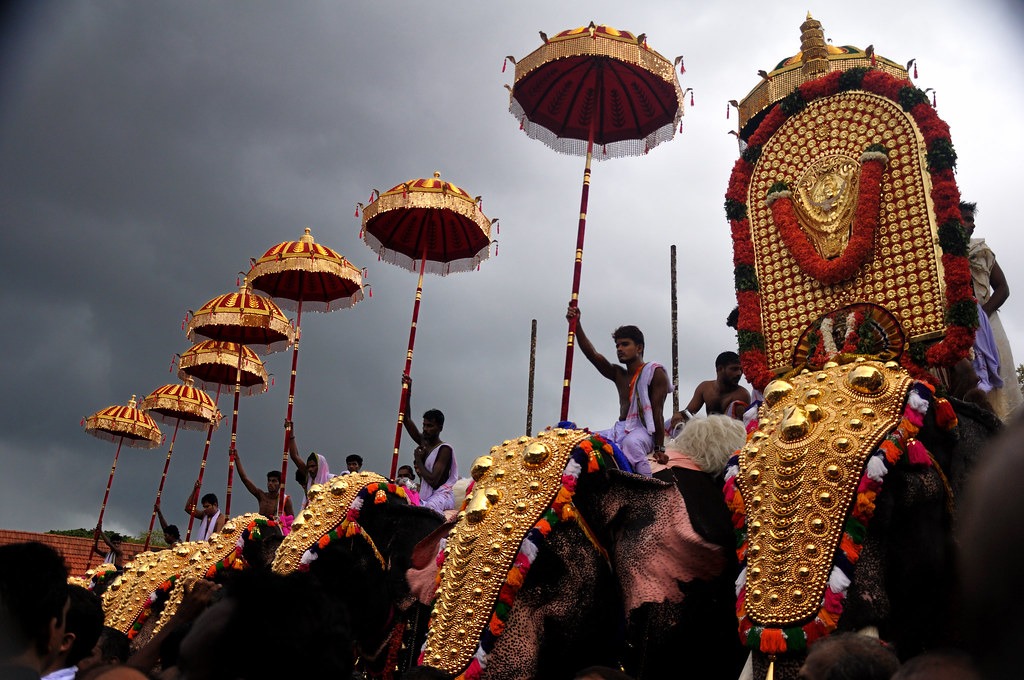
It is one of the largest and most important festivals celebrated in Kerala. Pooram means the full moon day according to the Malayalam calendar and Thissur is the place where this festival is celebrated. You will be fascinated to know that everything offered to the Goddess is prepared from scratch.
Around the Vadakkunnathan Temple, a flag hosting ceremony is done one week before, followed by rounds of fireworks. The incredible thing is that this festival is secular; all religions and communities indulge in this festival, gathering around 50 caparisoned elephants and over 200 artists.
Month of Celebration: April and May
2. Onam
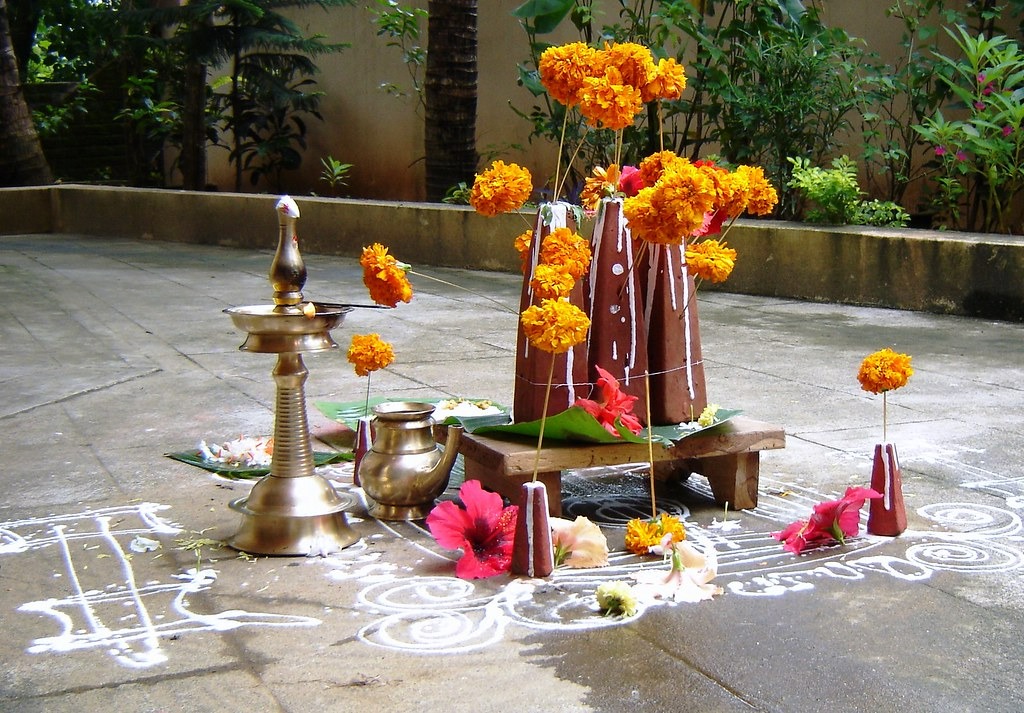
One of the oldest traditional festivals of Kerala is Onam. Widely popular amongst the Malayali community, this festival is a huge cultural event that signifies the harvest season. It is a ten-day festival in which traditional flower decorations are made in every household, and people prepare Sadya, a vegetarian feast served on a banana leaf.
Boat races like Chundan Vallam happen yearly during the festival, showcasing teamwork and competitive spirit. Various traditional dance rituals are also performed, like Kummattikali and Thumbi Thullal.
Month of Celebration: August-September
3. Attukal Pongala
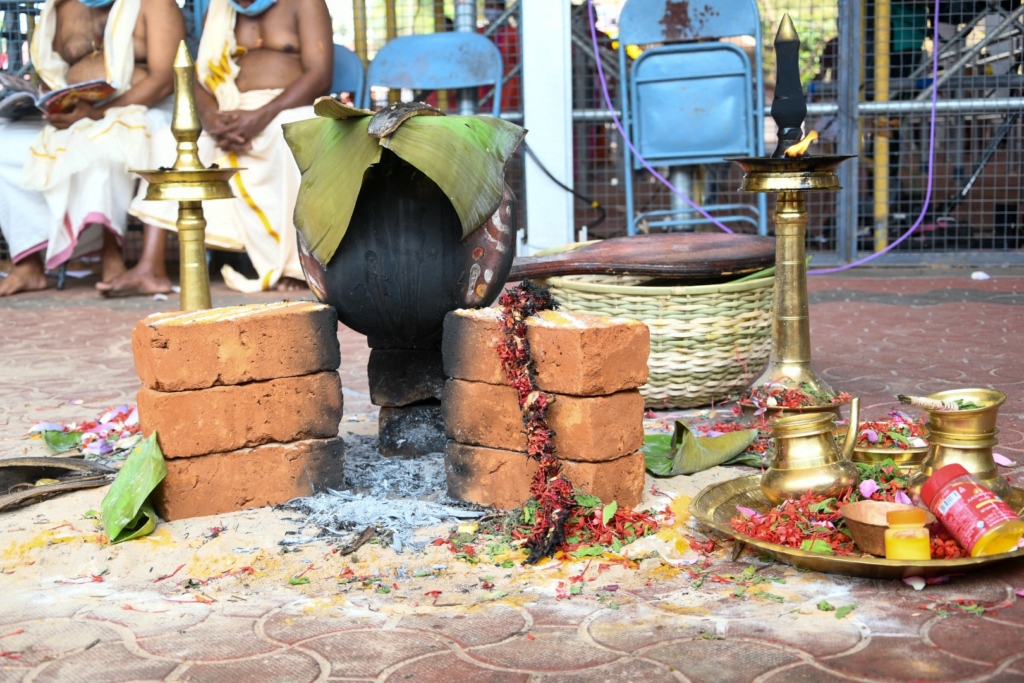
Are you fond of sweets? If yes, then you must visit this incredible Attukal Pongala festival, which is celebrated for ten days at the famous Attukal temple in Thiruvananthapuram, Kerala. The festival is started by cooking Pongala, which is rice porridge with jaggery and coconut in earthen pots and is offered to the goddess.
This festival signifies the devotion and unity of women from different communities who join together and cook Pongala. It celebrates womanhood and faith in the goddess Bhadrakali.
Month of Celebration: February and March
4. Vishu
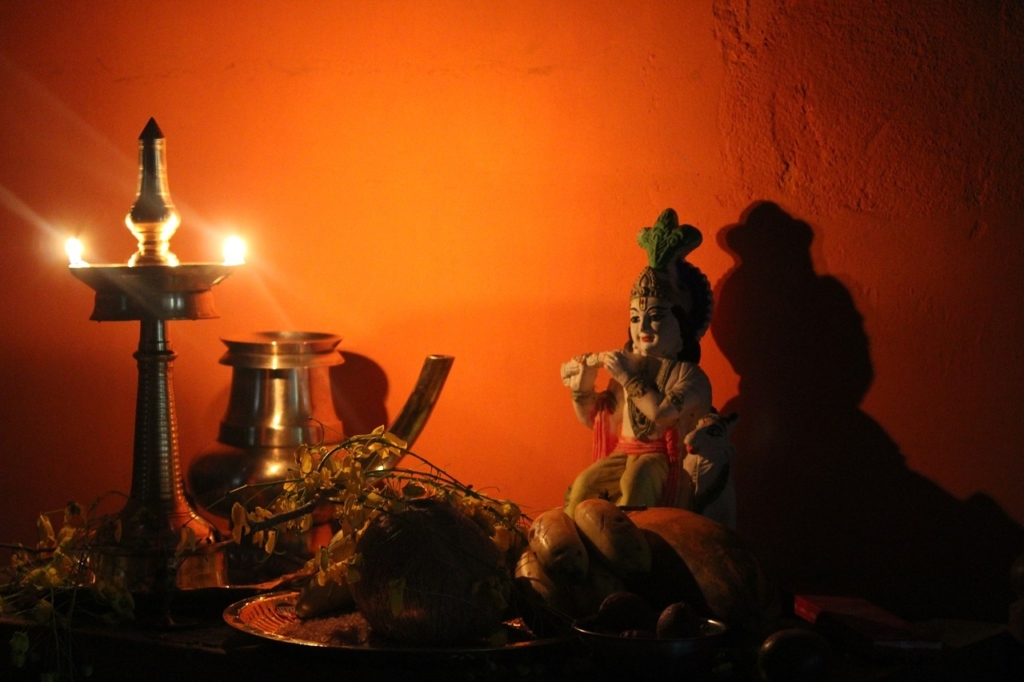
Malayalis celebrate their own New Year called Vishu, which marks the beginning of a new year in the Gregorian calendar. This festival is celebrated across Kerala, Tulu Nadu, and parts of Kanyakumari. On the first day of this auspicious day, people arrange sacred items like raw rice, cucumbers, fresh lemons, money, and silver items and are later offered to Goddess Bhadrakali.
During this festival, sacred deities are worshipped with Sadya and Veppampoorasam. People are believed to visit the pooja room with their eyes closed to ensure they see Vishukkani before anything else as they believed it to bring good fortune.
Month of Celebration: April
5. Theyyam
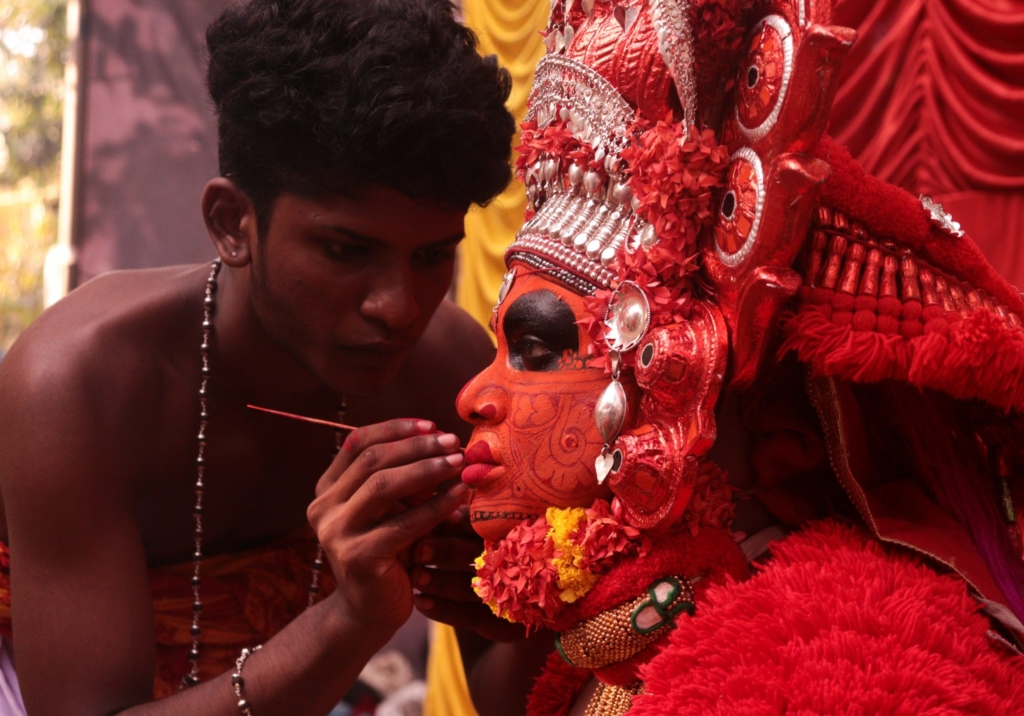
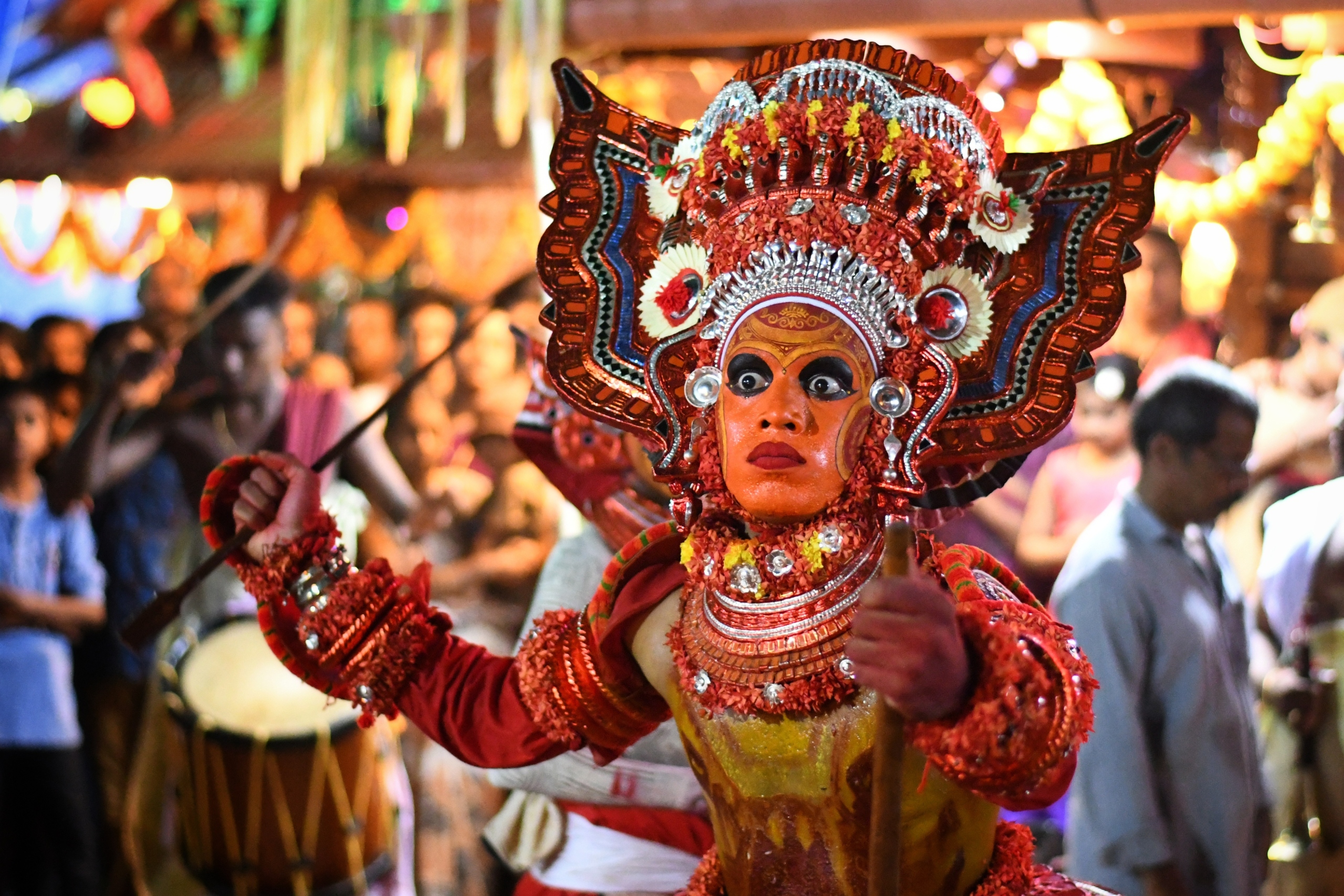
This is not just a musical festival but more than that. Celebrated in the north Malabar region of Kerala, it includes dancing to powerful music in radiant colourful costumes, and worshipping regional deities. During this time, people tend to connect with divine power and ancestors through sacred rituals known as kolams.
Theyyam reflects tradition, ancient history and local belief that this festival brings blessings, cures illnesses and offers prosperity everywhere. Experiencing Theyyam is truly one of the most amazing things to do in Kerala, offering a glimpse into its spiritual depth and cultural richness.
Month of Celebration: Between December and April
6. Alpashi Utsavam
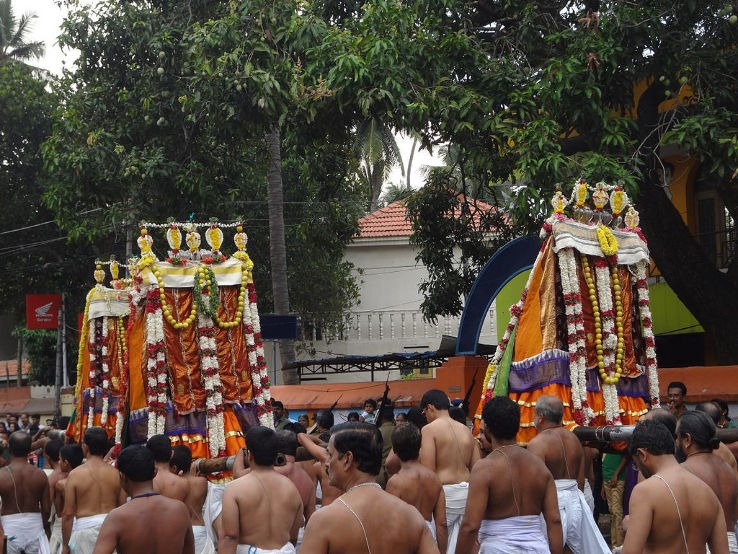
A beautiful ten-day festival called Alpashi Utsavam is known for its grand processions that include deities on their Vahanas (Simhasana, Anantha, Kamala, Pallakku and Garuda). Alpashi Utsavam is celebrated at the Sree Padmanabhaswamy Temple in Thiruvananthapuram, Kerala where the sacred bath is considered to be the highlight of the festival.
Deities are taken to the beach during this ritual and given a holy bath. This festival is also a perfect blend of faith and tradition, showcasing the rich culture of Kerala.
Month of Celebration: October
7. Kerala Boat Festival
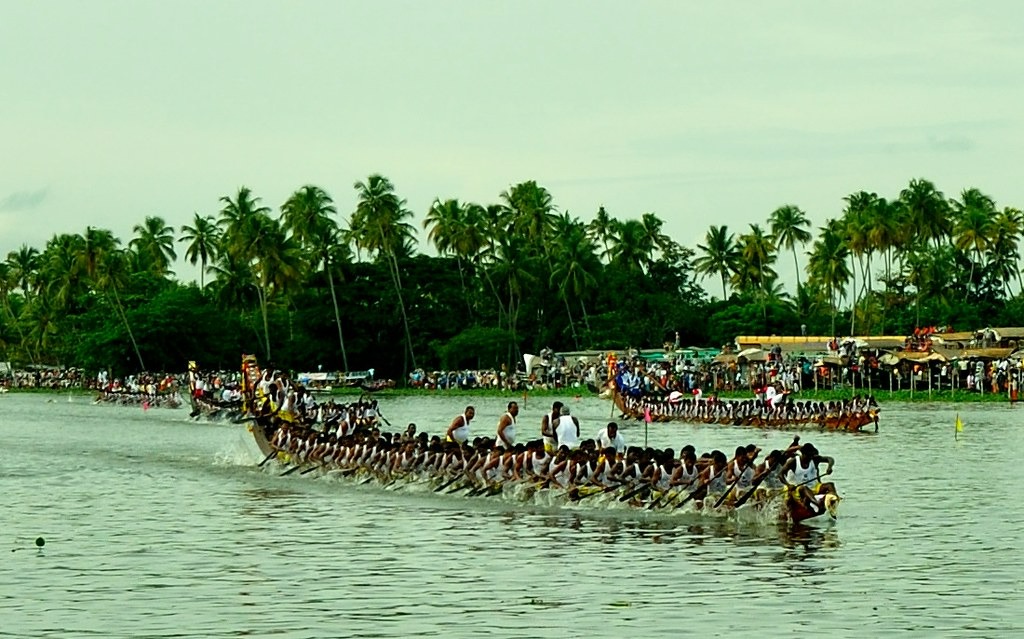
If you plan to visit Kerala in August or September, this is the most adventurous and exciting festival held in the backwaters of Alappuzha during the monsoon season. As the name suggests, it’s a colourful snake boat race in the Kuttanad region.
This ritual of racing traditional boats that are about 100 to 120 feet long is not just a sport for people but also a celebration of Kerala’s heritage culture, showcasing the lively spirit of teamwork.
Month of Celebration: July to September
8. Kadammanitta Padayani
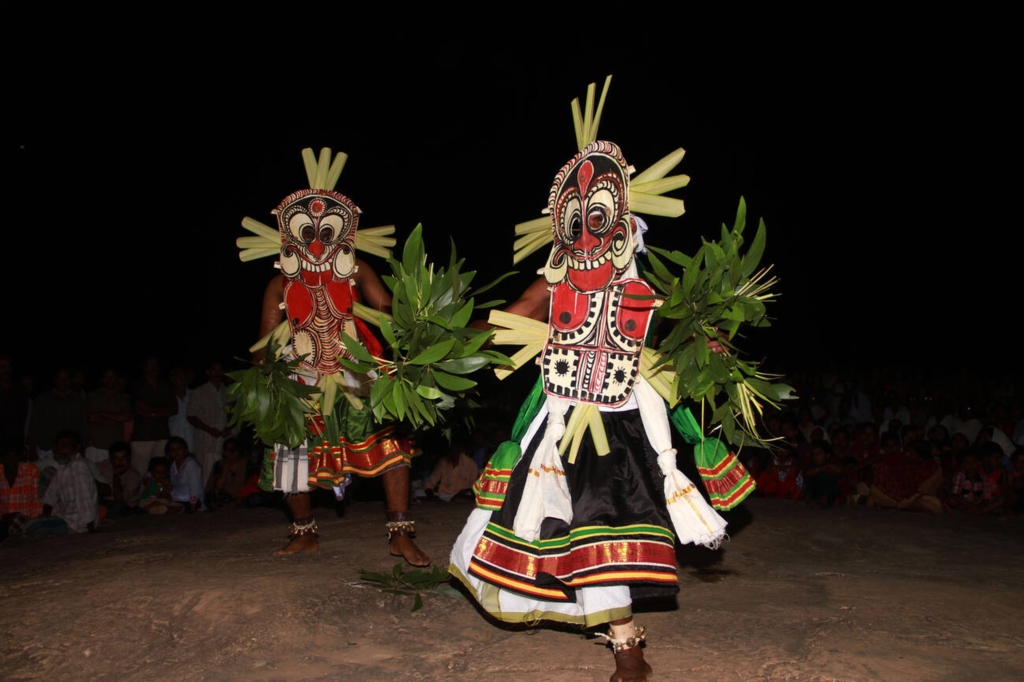
If you want to feel Kerala’s true essence, you should attend this unique folk festival popularly celebrated in Kadammanitta village. It is a profoundly spiritual and ritualistic festival devoted to the goddess Bhadrakali.
Various performances, such as Padayani, are held, in which performers wear large, colourful masks, well-designed costumes, and dance to soul-stirring spiritual music with a powerful drumbeat.
Month of Celebration: April or May
9. Cochin Carnival
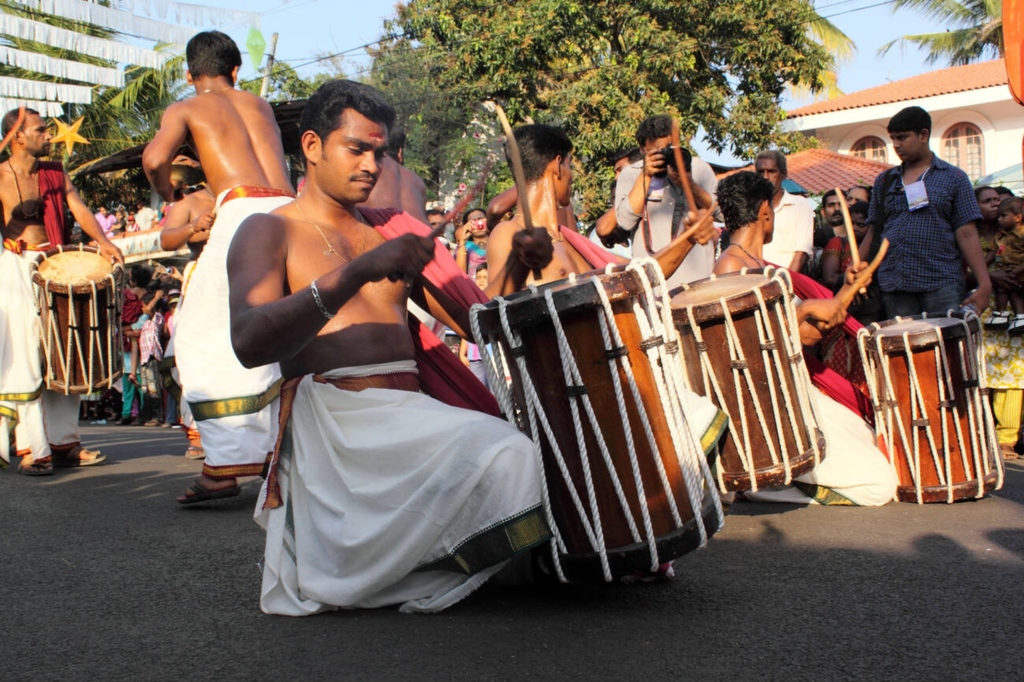
This is the grand celebration in the last week of December at Fort Kochi, Cochin city. It is one of the most lively and vibrant local festivals, with everything from bustling street parades to cultural performances. Highlight of this carnival is where they burn the “effigy of Pappanji” (a symbolic figure of an old man) at midnight on New Year’s Eve.
This ritual represents the previous year’s end and the new one’s beginning. You can shop and feast at the massive rows of stalls and food courts.
Month of Celebration: Last week of December
Also Checkout: Kerala tour packages for family
Conclusion:
Each festival in Kerala has a deeply rooted connection with its ancient history, folklore stories and legends related to these traditional events. More than anything, you will certainly appreciate the hospitality and excitement that runs through the local residents. After reading so much about these famous festivals, you might feel inspired to experience at least one of them in person this year. These celebrations are once-in-a-lifetime opportunities that teach you a lot about our Indian culture and heritage.