


Quick Jumplinks to Navigate
Long travel days, multiple city changes, unfamiliar food, and theme park visits can become difficult for children if you try to fit too much into one holiday.
Unlike couples’ holidays or solo trips, family travel requires you to consider your children’s ages, sleep schedules, meal preferences, and tolerance for long journeys. A European itinerary covering Paris, Rome, Amsterdam, and Switzerland might look exciting on paper, but travelling between several destinations can leave young children tired before they have time to enjoy each place.
With over 15 years of experience and more than 3 million customers, Thrillophilia helps families plan well-paced holidays by considering children’s ages, preferred activities, meal requirements and travel schedules. You should also understand the documentation required for children travelling to Europe, including their passports, Schengen visas, and parental consent documents where applicable.
Disneyland Paris is another important consideration for families, particularly those visiting Europe for the first time. According to our internal data, 79% of our travellers say they will visit Disneyland for a day during their trip. A visit to Disneyland Paris can take up a significant portion of your holiday. Consider travelling time, attraction queues, ticket prices and your children’s ages when deciding how many days to allocate to the park.
Thrillophilia’s experience in organising international holidays can help families coordinate accommodation, transfers, sightseeing, and activities across multiple European destinations. When choosing a package, parents can compare itineraries based on the destinations covered, available free time, accommodation arrangements, and the amount of travel involved.
With 24/7 on-ground destination experts, our guides explain the practical considerations involved in planning a European holiday with children, from deciding how many cities to visit to preparing their travel documents. It will help you understand what to prioritise, what to arrange before departure, and how to plan a trip that works for the entire family.
Which European Country Is Best for a First Family Trip?
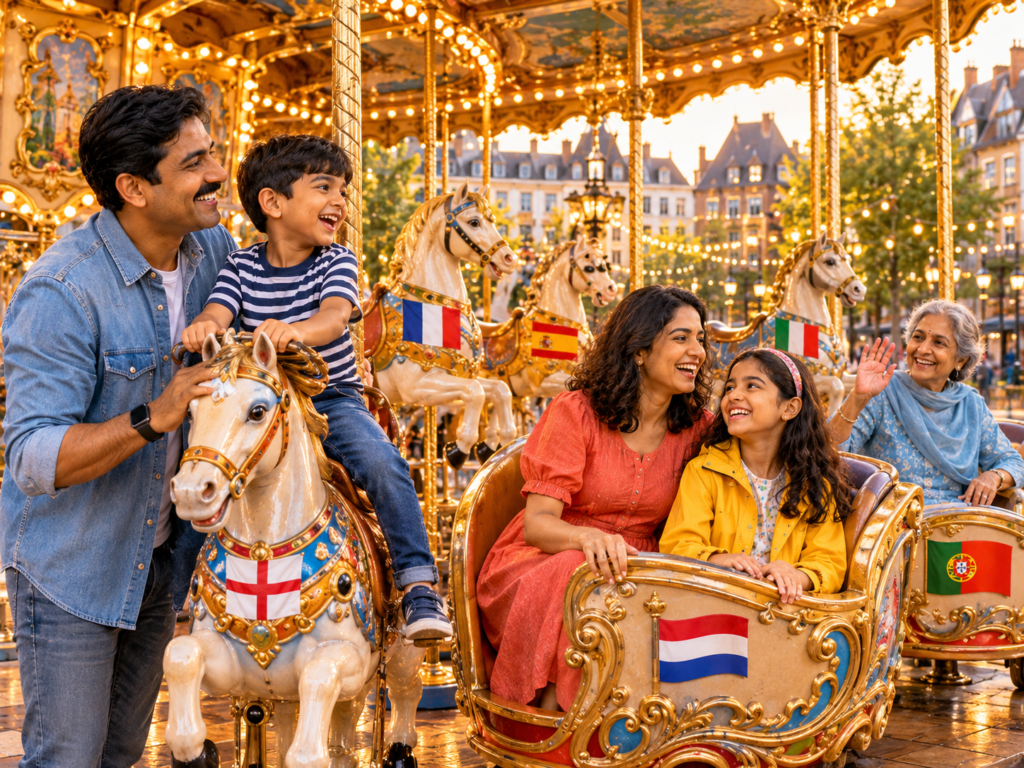
| Country and first-trip base | Best for ages | Why it works |
| England (London) | All ages, especially 3 to12 | English is widely spoken, with free museums, large parks, and familiar food options. |
| France (Paris) | 5 to 14 | Parks, walkable neighbourhoods, and Disneyland Paris give children plenty to enjoy. |
| Spain (Barcelona) | 4 to 16 | Beaches, city attractions, and warm shoulder-season weather make it appealing to families. |
| Italy (Rome, Florence) | 7 to 16 | Ancient landmarks, hands-on history, and gelato breaks can keep older children interested. |
| Netherlands (Amsterdam) | All ages; good for strollers | A compact centre, flat routes, canals, and family-friendly attractions make getting around easier. |
| Portugal, Czechia, Hungary | All ages; budget-conscious families | Lisbon, Prague, and Budapest can offer family sightseeing at lower costs than some Western European bases. |
How Many Cities Should You Visit on a Europe Trip With Kids?

| Trip length | A practical plan | What to keep in mind |
| 5 to 7 days | One main city | Add a nearby day trip only if travel time is manageable. |
| 8 to 10 days | Two connected cities | Keep transfers simple and allow time to settle into each hotel. |
| 10 to 14 days | Two or three cities | Use direct trains where practical, and avoid changing hotels every other night. |
| 15 to 21 days | Three or four bases | Include rest days and check the total cost of intercity travel. |
How do you keep the daily pace manageable?
- Plan one main attraction each day. Add a nearby park, short walk, or casual meal if the children still have energy.
- Alternate busy and lighter days. Follow a museum visit with a playground or boat ride instead of booking long sightseeing tours on consecutive days.
- Keep travel days simple. Allow time to reach the station, find the platform, store luggage, and check into your next hotel.
- Let each child choose an activity. A canal cruise, science museum, football stadium tour, or special meal gives them something to look forward to.
- Leave room for breaks. Younger children may need naps, while older children may need downtime after hours of walking.
Train travel is a convenient way to explore several European cities, although child fares and discounts vary by country, railway operator, route and age group. For families travelling with younger children, airport transfers and private transportation can also make certain journeys more convenient. Thrillophilia provides complete transportation services from the airport to the seaside, making your trip completely hassle-free. Check the fare rules before assuming children travel free.
We help you customise your itinerary before booking around your children’s ages, preferred destinations, and available travel time. We also walk you through what to pack and what each day looks like. Tell us if your children need regular naps, have limited walking tolerance, or prefer specific activities. These details help us understand what your family needs from the trip.
What Food Can Children Eat During a Europe Trip?

You do not need to plan every meal around Indian restaurants. European cities have bakeries, supermarkets, cafés, and restaurants serving simple foods such as bread, pasta, eggs, potatoes, and pizza. The challenge is finding suitable options when children are hungry, tired, or particular about food.
- Carry familiar snacks: Pack suitable snacks for long train rides and sightseeing, while checking airline and destination rules.
- Check menus first: Look for simple dishes and ask about ingredients, especially if your child has allergies.
- Plan around meal times: In cities where dinner starts late, choose an earlier meal or give children a suitable snack.
- Explain dietary needs clearly: Vegetarian meals are not automatically Jain, and ingredients or cooking methods may matter.
Do Children Need Their Own Passports and Schengen Visas?
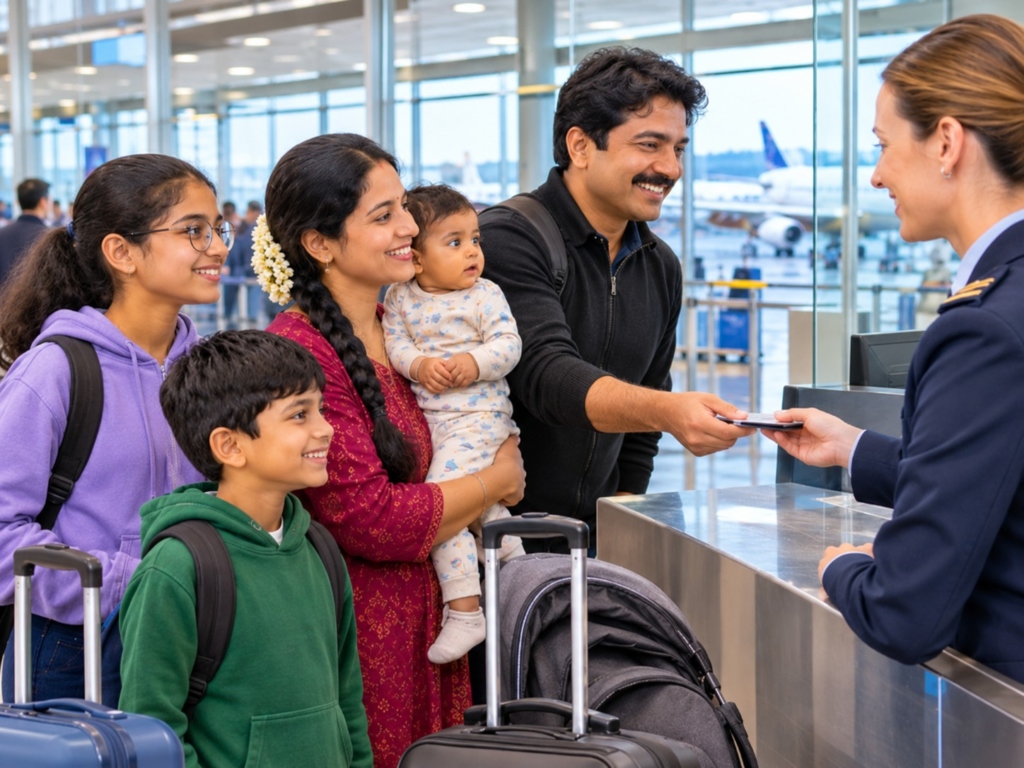
Yes. Every child, including an infant, needs their own passport. Visa requirements depend on each traveller’s nationality and the countries they plan to visit. Check the rules well before booking non-refundable flights or accommodation.
| If travelling on… | Passport requirement | Visa or entry requirement |
| Indian passport | Each child needs an individual passport. Check the expiry date and the destination’s validity rules before travelling. | A Schengen visa is generally required for short tourist visits to Schengen countries. Each person who needs a visa must submit an application. |
| Visa-exempt passport | Each child needs their own valid passport. For Schengen visits, it generally must be valid for at least three months after the planned departure and have been issued within the previous ten years. | A short visit may not require a visa, but additional entry authorisation rules may apply. Check the requirements for your nationality and travel dates. |
When should you apply for a Schengen visa?
You can apply up to six months before your planned trip. Standard processing takes 15 calendar days, but it can extend to 45 days if further checks or documents are needed. Appointment availability can also add to the waiting time, so avoid leaving the application until the last few weeks. Thrillophilia’s 10+ destination experts across Europe help you with planning, bookings and visa application procedures for a trip without any worries.
Prepare the documents required by the consulate handling your application. These may include:
- A separate application form and passport for each applicant.
- Photographs that meet the stated requirements.
- Travel medical insurance.
- Flight, accommodation, and itinerary details.
- Evidence of funds and the purpose of the visit.
- Additional documents for a child, such as parental consent or birth-related records, where required.
Apply to the Schengen country where you will spend the most time. If you plan to spend equal time in multiple countries, the first country of entry generally determines where you apply. Always check the relevant consulate’s instructions.
We review your visa documents and suggest corrections before you apply. Of the visa applications we’ve assisted, 98% were approved. This is our reported historical approval figure, not a guarantee of your family’s outcome. The embassy or consulate makes the final decision.
What Support Can You Expect During Your Europe Trip?
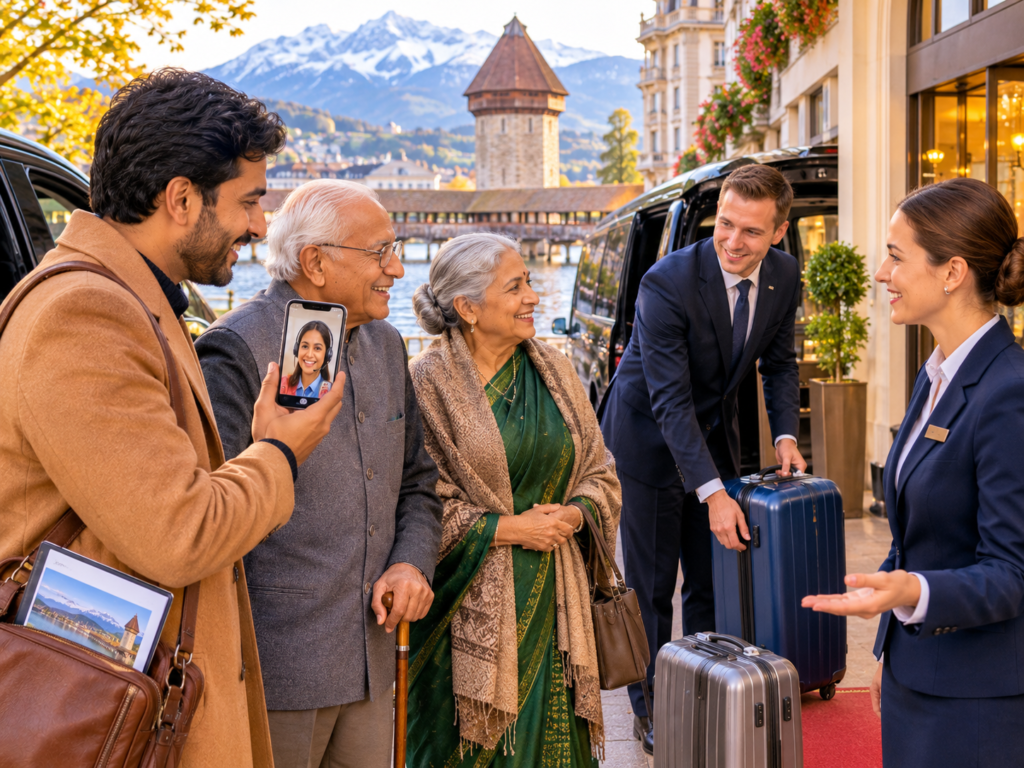
With a 4.7 rating and 27,500 reviews by verified travellers, Thrillophilia provides every customised itinerary based on their travellers’ experiences, realistic insights, and destination-friendly routes for a clear itinerary. For indian travellers, we also provide complete guidance on top Indian restaurants, especially for veg and Jain tourists across Europe, along with daily complimentary breakfast.
- Before departure: We tailor your itinerary and explain what to pack and what each day involves.
- Hotel arrangements: If your flight lands early or gets rescheduled, we can arrange early check-in, subject to availability and confirmation.
- Transfers: Every transfer is in a clean, well-maintained vehicle.
- On-trip assistance: Our team checks in throughout your trip and helps resolve issues on the ground.
- After your return: We call for feedback, and traveller suggestions have shaped how we run trips.
Frequently Asked Questions
Yes, if you choose a compact base, check stroller access, and plan breaks. Amsterdam and London can work well, but check station access and accommodation stairs before booking.
Yes, if you focus on Paris and one other city. Allow one or two dedicated days for Disneyland Paris instead of squeezing the parks into a sightseeing day.