

Quick Jumplinks to Navigate
Just opening the phone and diving headfirst into booking everything at once is not exactly the best approach when you’re planning a trip to Europe.
One common and the most effective strategy is to secure the least flexible parts of your trip first and delay bookings that can easily be changed or made closer to departure.
For most Europe holidays, the process starts with your route and travel dates. You can then move to flights, accommodation, intercity transport and time-sensitive attractions. Flexible activities, restaurants and smaller plans can wait.
Flight costs change with the dates, so it’s better to book them earlier than the activities you’ll do in Europe. Hotel availability can influence where you stay, so that should ideally come next.
Popular trains and attractions may require advance reservations. Visa applications may also require evidence of accommodation, travel arrangements, and other supporting documents.
In fact, the order in which you make bookings can affect your itinerary, flexibility, and complete travel experience. You can also go for Thrillophilia’s packages that include everything. From flight tickets to accommodations, everything is taken care of, and you won’t have to worry about bookings.
But if you wish to travel on a DIY package, here is the practical order to follow when planning a Europe trip:
The Right Order to Plan and Book Your Europe Trip
1. Decide Your Route Before Booking Anything

Your first booking should actually be no booking.
Decide where you want to go, how long you can stay, and how you will move between cities. Europe makes it tempting to add destinations because countries sit close together. However, crossing borders does not always mean travelling quickly.
Thrillophilia’s Europe destination experts recommend avoiding overly packed itineraries. Its internal booking data indicates that travellers visiting more than three countries in fewer than 10 days often find the schedule rushed.
A route such as Paris to Zurich to Lucerne to Milan to Rome may look manageable on paper. Your actual time also includes airport transfers, railway stations, hotel check-ins and packing. Once your route works on paper, move to the next step.
2. Check Visa and Entry Requirements

Do this before paying for non-refundable bookings. Visa requirements vary according to your nationality, destination and travel purpose. If your itinerary includes Schengen countries and you need a Schengen visa, you should understand the application requirements before finalising expensive arrangements.
For a Schengen visa, applicants generally need valid travel medical insurance. The policy must cover the relevant territory and intended stay, with minimum coverage of €30,000 (~INR 33L) for specified medical expenses.
You should also check passport validity, visa appointment availability, and any country-specific entry rules. If your itinerary involves countries outside the Schengen Area, check their requirements separately. Remember, if you’re on a Europe family tour, every person needs to have a different Schengen visa along with their separate health insurance cover.
3. Book International Flights Next

Once your route and visa requirements are set, your international flight becomes the next major booking. Your flight determines:
- Arrival and departure dates
- The first and last city
- Available travel time
- Airport transfers
- Potential internal connections
For example, arriving in Paris and departing from Rome can be more feasible than returning to Paris simply to catch your flight home. It is also where an open-jaw flight or multi-city ticket can save unnecessary backtracking. Do not book your return flight before deciding your final city.
4. Book Accommodation After Your Flights

Hotels should usually come after flights because your exact dates are now fixed. Start with cities where accommodation availability is limited, or prices rise sharply during busy periods.
Popular European cities can become expensive during summer, Christmas markets, major festivals, and school holidays. Choose your hotel based on more than its star rating. Location can save both money and time.
As per Thrillophilia’s Europe operational team, its itineraries prioritise hotels near train stations and city-centre transport hubs. This can reduce daily transfer time compared with properties that require frequent taxis. You should check the following things:
- Cancellation conditions
- Check-in and check-out times
- Breakfast inclusion
- City taxes
- Distance from public transport
- Luggage storage
- Room occupancy rules
Your visa application will also require accommodation evidence. So, make sure your booking documentation matches the itinerary submitted with the application.
5. Book Trains and Internal Flights

Now lock down the transport between European cities. Do not assume you can always buy a train ticket at the station at the same price. Popular high-speed and overnight services can require reservations.
Eurail recommends booking seats as early as possible for high-speed and night trains, particularly during June to September and weekends. Many popular services open reservations around three months ahead, although booking windows vary by operator.
Eurostar is a good example. Reservations are mandatory for Eurail Pass holders, and popular services can sell out. However, do not book every train immediately.
First check:
- Whether a reservation is compulsory
- Whether the route has cheaper regional alternatives
- Whether your rail pass actually covers the service
- Whether your hotel check-in time works
- Whether you have enough time between connections
A slower regional train can sometimes give you more flexibility.
6. Reserve Must-See Attractions
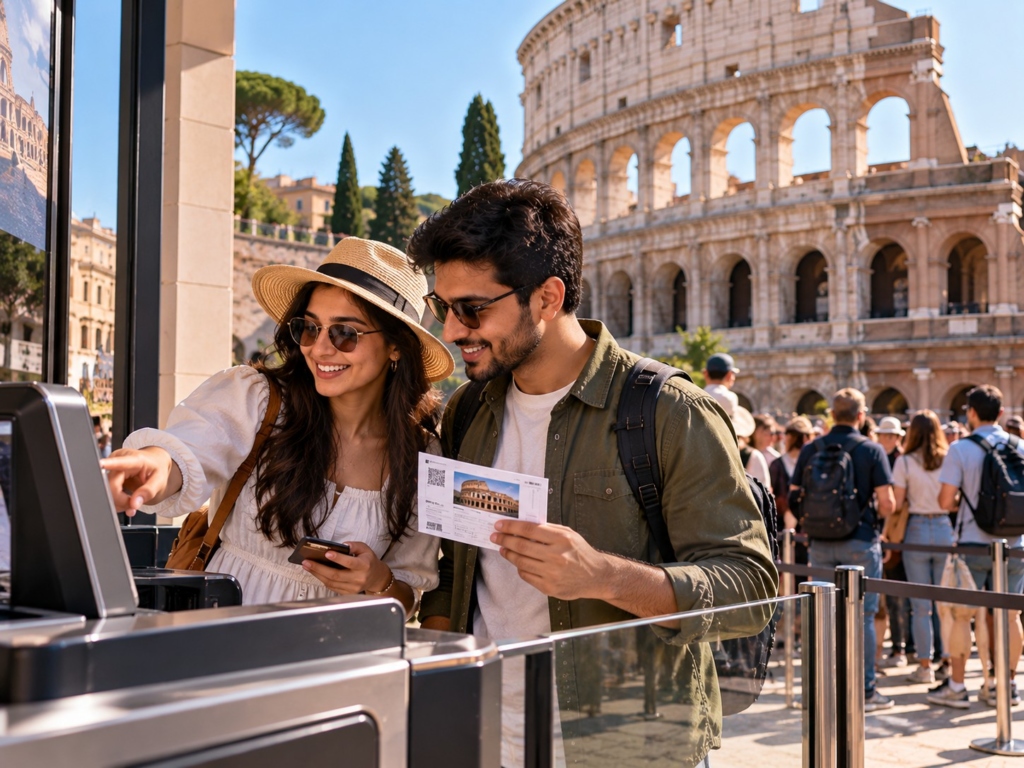
After your transport is fixed, book attractions that have timed entry or limited availability. Some of the main examples include:
- Eiffel Tower
- Vatican Museums
- Colosseum
- Popular Alpine mountain excursions
- Major museums
- Northern Lights tours
- Glacier activities
The exact attractions depend on your itinerary. Thrillophilia’s Europe tour packages include pre-booked entry to selected major attractions on relevant itineraries. Its Europe operations team says attraction slots are planned around actual availability and the day’s route.
7. Arrange Airport Transfers and Local Transport

Airport transfers usually do not need to be your priority. Book them once you know:
- Flight number
- Arrival airport
- Arrival time
- Hotel address
- Number of travellers
- Luggage requirements
For major European cities, public transport can often be a practical alternative. Private transfers make more sense when travelling with children, elderly family members, heavy luggage, or arriving late at night.
Package travellers should check whether transfers are already included. Thrillophilia’s Europe packages commonly include airport pickup and drop-off according to the itinerary.
Avoid paying separately for something your package already covers.
8. Buy Travel Insurance Once Your Trip Details Are Clear

Travel insurance should not be treated as an afterthought. You can buy it after your dates, countries, and major bookings are confirmed. It lets you select coverage that actually matches your journey. You must check the following:
- Medical expenses
- Emergency evacuation
- Medical repatriation
- Trip cancellation
- Trip interruption
- Baggage loss
- Travel delays
- Personal liability
- Adventure activity exclusions
If you need a Schengen visa, make sure the policy meets the applicable visa requirements.
For winter trips or adventure-focused itineraries, check whether activities such as skiing or glacier excursions are covered.
9. Delay Flexible Activities and Restaurants
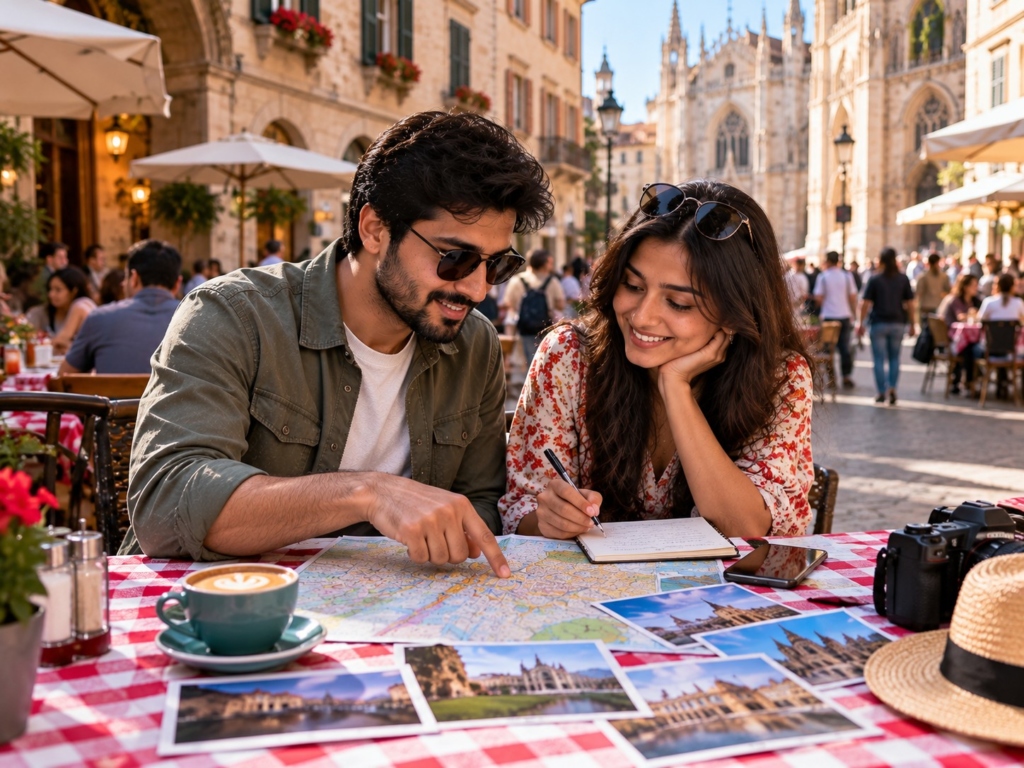
Not everything needs to be booked months ahead. You can usually delay:
- Casual restaurants
- Shopping
- Local cafés
- Free walking routes
- Flexible sightseeing
- Some day trips
- Local experiences with regular availability
It gives you room to adjust your schedule. If you book every hour before leaving India, a delayed train or unexpected weather change can disrupt your entire day.
Frequently Asked Questions
Start by choosing your destinations, travel dates, and route. Then check visa requirements, book flights and accommodation, and reserve important trains and attractions. Keep some flexibility for local activities.
Compare flights, hotels and intercity transport separately before booking. For first-time travellers, a well-planned tour package can simplify accommodation, transfers and sightseeing. Check inclusions and exclusions before paying.
Start planning around four to six months before departure. It gives you time to finalise your route, compare flights, arrange accommodation and complete visa formalities. Popular summer destinations may need earlier planning.
Choose your countries first, then check the applicable visa requirements. For Schengen travel, apply through the country that is your main destination. Next, arrange flights, accommodation, insurance and intercity transport.
₹2 lakh can be enough per person, but it depends on the duration, countries, season and travel style. A budget-focused trip to lower-cost European destinations is more achievable within this amount. Western Europe, Switzerland and peak-season travel can push the budget higher.