

Quick Jumplinks to Navigate
A Europe holiday can take you to medieval towns and historic capitals, to Mediterranean coastlines and Alpine valleys. One of the challenges is fitting these experiences into a practical itinerary without spending much on hotel check-ins, railway platforms, and roads.
Most of these mistakes are not obvious at the planning stage. A route can look perfectly fine in the beginning, with each city allotted a day or two, and only once you’re actually moving between destinations do the hidden costs of transfers, luggage, and rushed mornings start to add up.
A well-planned Europe tour itinerary should strike a proper balance among sightseeing, transfers, destinations, accommodation, and a slow pace. Getting this balance right matters more in Europe than in many other parts of the world, simply because the continent’s excellent transport links make it easy to plan a route that looks efficient on paper but leaves very little room to actually enjoy each stop.
Thrillophilia’s Europe packages are curated to offer a range of travel durations and routes, from a 7-day Paris and Switzerland trip to longer multi-country itineraries.
This post talks about some itinerary mistakes you should avoid while planning for a Europe trip.
Trying to Cover Too Many Countries
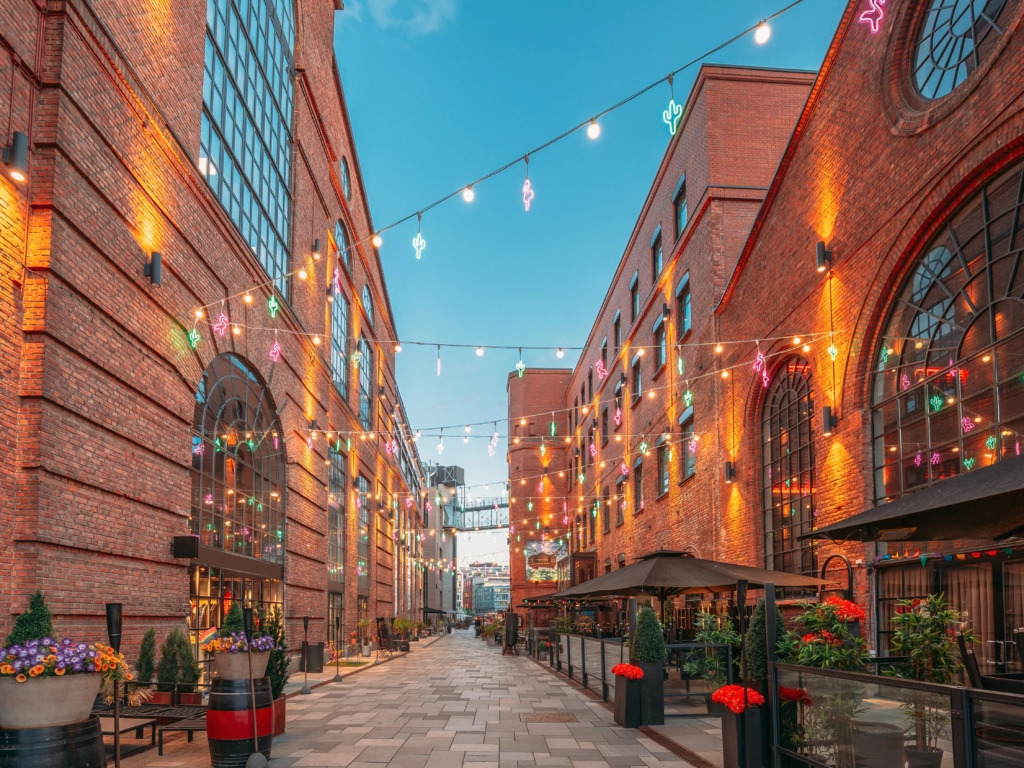
Europe has excellent flight and rail connections, making various countries look deceptively close. But reaching one country from another is one of the challenging parts of the trip. You need to check out of the hotel, get to the airport or station, take a journey, and check into your next accommodation. This applies whether you’re planning independently or joining a fixed Europe group tour, where the daily schedule is often set in advance.
Trying to cover Switzerland, Amsterdam, Rome, Paris, and Vienna in a 7-day trip may look exciting, but it can feel rushed and leave little time to enjoy any of them. As per Thrillophilia’s destination experts, shorter Europe holidays are ideal for travellers, focusing on two geographically connected countries or one region.
For example, Thrillophilia’s 7-day Wonders of Switzerland and Paris combines a trip to Paris and Switzerland with a listed starting price of around INR 1,35,000 per person. This offers travellers a combination of Alpine scenery and European city sightseeing without unnecessary transfers. The key to a great Europe trip is to count your actual sightseeing days, instead of counting the number of destinations.
Changing Hotels Frequently
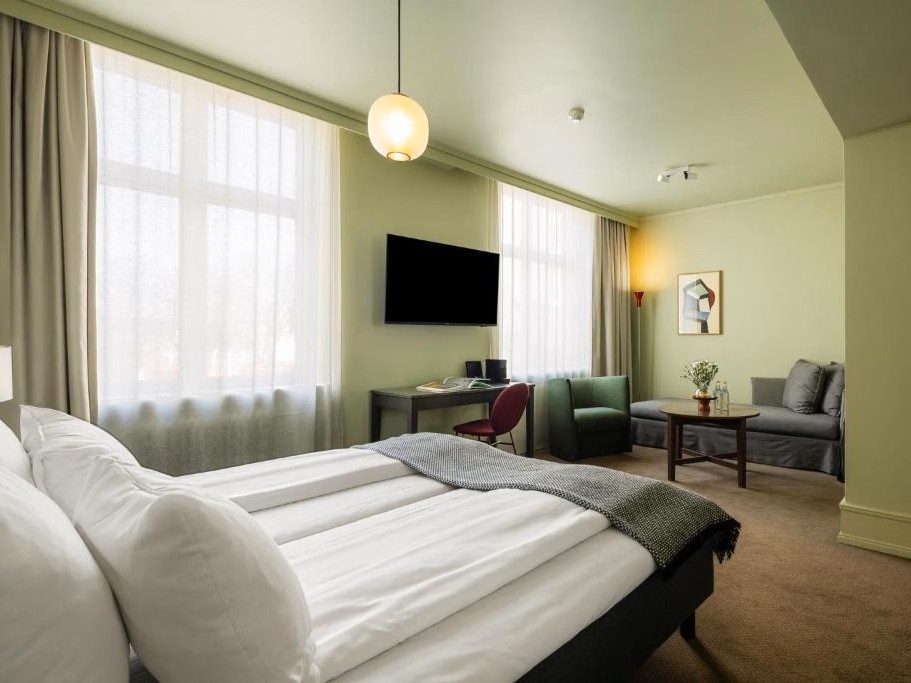
There is a hidden cost to changing hotels frequently, which is time and energy. Every hotel change includes packing, checking out, carrying luggage, travelling to the next destination, and checking in again. Even if you are taking a short train journey, it can take a large part of your day once these steps are included. This is especially relevant on a Europe family tour package, where extra hotel changes add strain for children or older travellers.
A 7-day Europe itinerary is usually easier as it involves one or two main bases only. On longer trips, hotel changes can become manageable, but they should follow a logical route. According to Thrillophilia’s on-ground team, travellers should consider the number of nights spent in every destination rather than counting countries to explore. Two or three nights in a city provides enough time to enjoy instead of a quick overnight stop.
Avoiding Geography While Planning the Route

On a map, European countries may appear compact, but poor routing can be the cause of extra travel hours. For example, Rome-Florence-Venice is ideal for travellers exploring Italy, while Paris-Brussels-Amsterdam is a logical Western European route for travellers.
By contrast, moving continuously between Western, Northern, and Southern Europe during a short trip can create unnecessary over-turning. Based on Thrillophilia’s internal data, geographically connected destinations allow travellers to make better use of limited holiday time.
Before selecting your itinerary, map your destinations in the sequence that you plan to visit them. If your route is repeatedly crossing the continent, you should remove one or two stops.
Not Planning Enough Time for Transfers

A two-hour train journey between destinations does not mean losing only two hours. It also includes leaving your hotel, reaching the station, allowing time for boarding, completing the train journey, and then travelling from the destination station to your next hotel. Airports can take even more time due to transfers, check-in, and security processes.
Thrillophilia’s customised Europe packages include intercity transportation and airport transfers, based on the selected itinerary. Thrillophilia’s destination experts note that transfer time should be considered an important part of your itinerary while calculating sightseeing hours.
A useful rule is to avoid planning to visit your most important attraction immediately after a long intercity trip. You should keep that day lighter and start exploring more extensively the following day.
Booking Your Hotel Without Checking Location

Considering a hotel’s star ratings will help you know about its facilities, but not how convenient it will be for sightseeing. If your accommodation is far from the city center or public transport, it will increase your transportation time every day. It becomes very crucial when you have only two or three nights in a destination. Couples on a Europe honeymoon package often prioritise atmosphere over location, but proximity to sightseeing matters just as much.
While booking Thrillophilia’s Europe packages, accommodations are planned as per individual itinerary, with hotel category and location varying between packages. Before booking, you should check:
- Access to public transport
- Distance from key attractions
- Distance from airports and railway stations
- Number of nights at each hotel
- Check-in and checkout timings
- Whether breakfast is included
As per Thrillophilia’s on-ground team, a convenient hotel location can make a significant difference to the time available for sightseeing during shorter Europe trips.
Planning for Too Many Attractions Into One Day
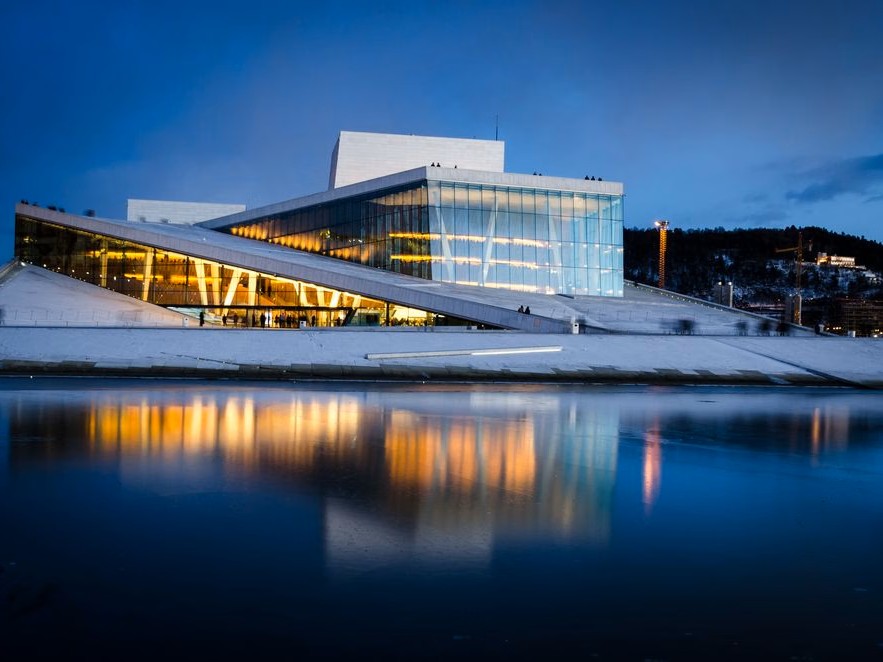
Europe has a range of famous attractions to plan several itineraries, but trying to cover everything in a single day can make the experience exhausting. Vatican Museums in Rome, the Louvre in Paris, and famous Swiss mountain excursions each can take many hours. Adding various major attractions can make the itinerary feel rushed.
Instead, you can combine one or two major attractions with meals, free time, and neighborhood exploration. For example, you can give yourself enough time to explore the Louvre and nearby attractions instead of trying to include the Eiffel Tower, Versailles, and other attractions in the same schedule.
Keep in mind attractions’ opening hours and time-entry tickets while planning to visit. A fixed entry slot for any attraction can affect the rest of your day, so you should avoid creating an itinerary with back-to-back bookings.
Checking Only the Starting Package Price
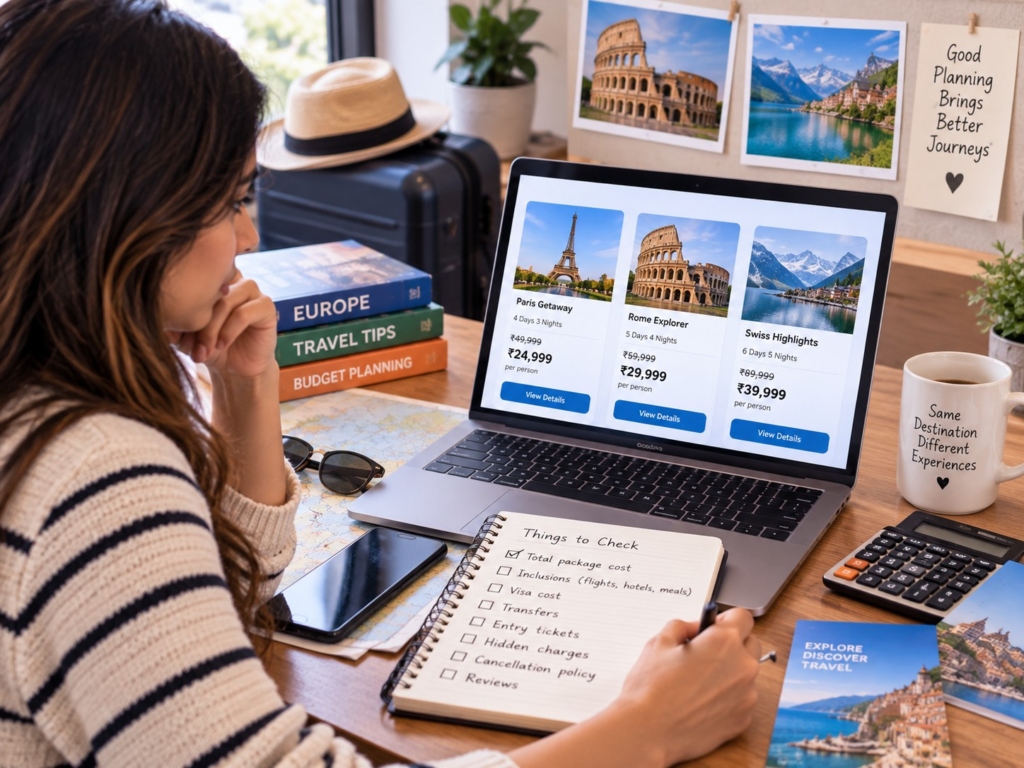
You should understand that the lowest price of the Europe package does not provide the best value. Thrillophilia’s current Europe collection includes packages starting from approximately INR 1.35 lacs per person, with more comprehensive itineraries reaching higher price points. The final cost varies as per the accommodation, route, inclusions, and duration. This is particularly true when comparing a Europe group tour package, where inclusions can vary significantly between similarly priced options.
The listed packages have inclusions such as airport transfers, accommodations, sightseeing, intercity transportation, and on-ground support. Based on Thrillophilia’s internal package information, travellers need to compare the complete list of inclusions rather than comparing only the starting price. A package that includes suitable accommodation and convenient transfers may provide better practical value instead of a cheaper option.
Leaving No Free Time

A packed itinerary may look attractive and productive, but free time in your journey is a significant part of experiencing Europe.
During the trip, transportation and frequent hotel changes can affect your free time to explore additional places. You may spend longer at a Swiss viewpoint, stop at a café in Paris, simply walk through an old town, or explore a market in Amsterdam without following a fixed schedule. Additionally, free time gives you flexibility if transportation or weather causes a change in plans.
Thrillophilia’s on-ground team notes that travellers on longer holidays can utilise their additional days to slow down the itinerary instead of automatically adding another country. An extra night in a destination can sometimes offer more value instead of adding another city to the route.
Frequently Asked Questions
Two to three nights is a suitable starting point for major cities; however, the ideal stay depends on the destination. Larger cities such as Rome and Paris may deserve more time than smaller stopovers.
For a memorable and relaxed trip, you should consider one or two countries to cover in 7 days. You can cover more with a fast-paced itinerary, but frequent transfers can affect your sightseeing time.
Yes, you should book popular attractions with timed entry in advance, especially during busy travel periods. This can help avoid long queues and prevent sold-out time slots from disrupting your itinerary.
Trying to add too many countries to the itinerary in a short period is one of the most common mistakes. Travellers should select a geographically sensible route with fewer destinations for meaningful sightseeing time.
You need to check hotel category and location, intercity and airport transfers, meals, sightseeing, and exclusions. You should also confirm whether visa fees, international flights, and travel insurance are charged or included.