

Quick Jumplinks to Navigate
Europe’s monuments, museums and major attractions usually live up to expectations and give travellers the experiences they have come to see. What often surprises Indian travellers, however, is not the sightseeing itself but the pace of everyday life. Quieter public spaces, fixed opening hours for shops and malls, slower service at restaurants and different daily routines can feel noticeably different from what travellers are used to in India.
There are also a few smaller details that may catch Indian travellers off guard. Meal timings can be different, with lunch and dinner often taking place earlier than many Indians are accustomed to. For example, sitting down for dinner at 8 PM may seem late in some European destinations, especially when restaurants close relatively early. Public transport etiquette, tipping practices, pedestrian rules and other unwritten social norms can also vary from one country to another.
These differences may seem minor, but understanding them before your Europe trip can help you avoid unnecessary confusion and plan your days more realistically. Knowing when attractions open, when shops close, how long transfers take and what local customs to expect can make it easier to decide how many activities to fit into a day without making the itinerary feel rushed.
Based on guidance from Thrillophilia’s destination experts and practical considerations for Indian travellers, familiarising yourself with these local rules and everyday differences before departure can make your Europe trip considerably smoother.
Everyday Differences Indian Travellers Notice in Europe
1. Food Habits Catch You Off Guard
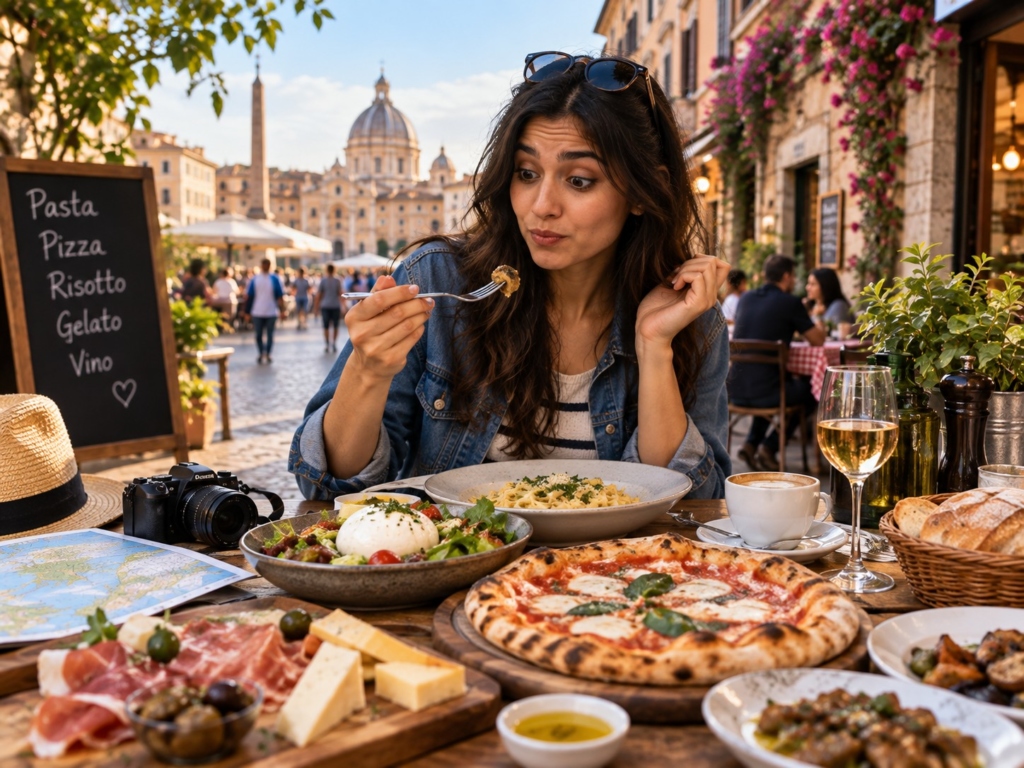
Meal timings can feel noticeably different from what many Indian travellers are used to. Dinner timings vary considerably across Europe: Spain, for example, commonly serves dinner later in the evening, while restaurants in some other European destinations may stop taking orders much earlier. In Italy, dinner traditionally begins around 7:30 p.m. onwards, while Spanish restaurants commonly serve dinner from around 8 p.m. onwards. Exact timings still vary by city, season and restaurant.
Lunch is traditionally an important main meal in countries such as Italy and Spain, although eating habits vary between regions and households.
Then there’s the “Indian food” question. Indian restaurants are widely available in major European cities, but the style of food can vary considerably. Some restaurants serve British-Indian curry-house dishes, while others specialise in regional Indian cuisines such as South Indian, Punjabi, Gujarati or Bengali food. Vegetarian and Jain travellers will generally find more choices in larger cities, although checking ingredients is still advisable, particularly for sauces, broths and prepared foods.
Tipping can also be different from what Indian travellers expect. In many European countries, service charges or service-inclusive pricing are common, but tipping customs vary significantly by destination.
2. Public Transport Comes With Its Own Rules
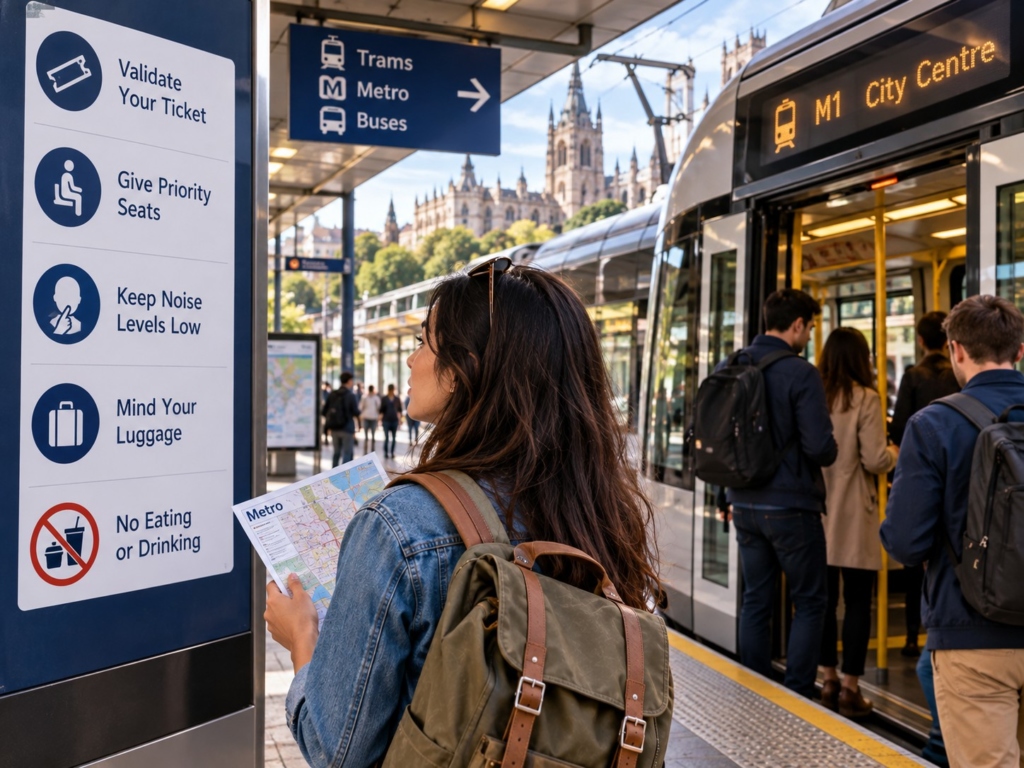
European public transport can feel remarkably organised, but each city has its own rules. Some trains have designated quiet coaches where phone calls and loud conversations are discouraged or prohibited. Even outside these coaches, keeping conversations and audio at a reasonable volume is generally appreciated.
Ticket validation can also trip up first-time visitors. Public transport systems differ between cities: some use paper tickets that must be validated before or at the beginning of a journey, while others rely on contactless bank cards, digital tickets, travel cards or station gates. Rome, for instance, requires applicable paper tickets to be validated, while Amsterdam increasingly supports contactless travel through OVpay.
Never assume that buying a ticket automatically means it is valid for your journey. Check the local operator’s instructions before boarding, as travelling without a valid or correctly validated ticket can result in a penalty fare.
Honking is another small cultural difference. In many European cities, unnecessary honking is discouraged and is generally reserved for situations where it is genuinely needed for safety.
3. Shopping Days And VAT Refunds Work Differently

Sundays can be noticeably quieter in parts of Europe. Germany and Austria, for example, have relatively restrictive Sunday trading rules, although restaurants, tourist attractions, convenience stores, transport hubs and some other businesses may remain open. Opening hours also vary by region and type of business, so it is worth checking before planning a major shopping day.
VAT refunds are worth planning for rather than figuring out at the airport. Non-EU residents may be able to reclaim VAT on eligible purchases when taking the goods out of the EU, but the minimum purchase amount, eligibility conditions and refund procedure vary by country. The amount actually refunded can also be lower than the VAT rate because tax-refund operators may deduct fees.
The basic process usually involves:
- Requesting the required tax-free documentation from the retailer and presenting your passport or other required identification.
- Keeping the purchased goods, receipts and tax-free documents until departure.
- Having the goods and documentation validated by customs when required before leaving the EU.
- Submitting the validated documentation through the relevant tax-refund operator, such as Global Blue or Planet, where applicable.
If you are carrying expensive purchases, allow additional time at the airport. Customs validation and VAT-refund queues can become busy during peak travel periods, and the process can take longer if you have to present your purchases for inspection. Airport procedures also vary, particularly when the goods are packed in checked luggage.
4. Safety Needs More Attention In Tourist Zones
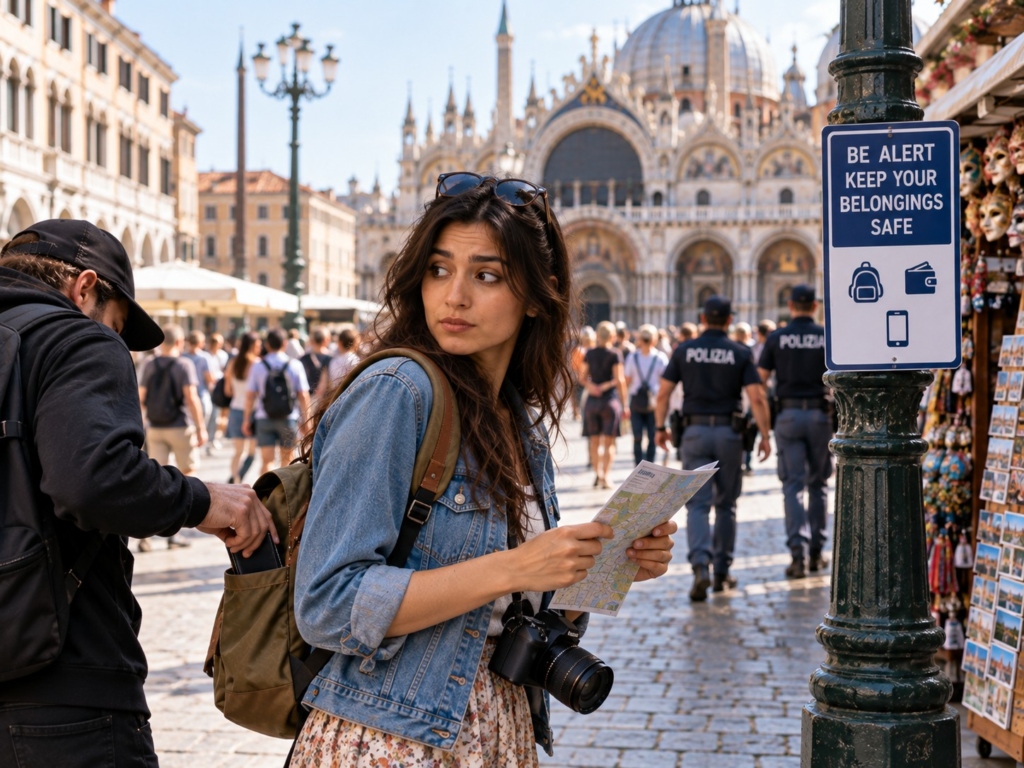
Europe is a popular destination for Indian travellers, but crowded tourist areas and public transport can be hotspots for petty theft and pickpocketing. Busy areas around major attractions, metro systems, railway stations and popular pedestrian streets deserve particular attention.
Paris, Rome and Barcelona, for example, all advise visitors to take precautions against pickpocketing in busy tourist areas and on public transport.
Two scams that travellers may encounter are friendship-bracelet approaches and petition scams. In both cases, the initial interaction can be used to distract a traveller while another person attempts to steal belongings. The exact scams vary from city to city, so staying aware is more useful than memorising a single list.
A cross-body bag with secure zippers is more practical in crowded places than an open backpack, and splitting cash, cards and important documents across different secure locations can limit the impact of a lost wallet.
For travellers on our Europe group tour, this becomes particularly useful during busy sightseeing days, when large groups naturally attract more attention and belongings can be harder to keep track of.
5. Weather Shifts Faster Than You Expect
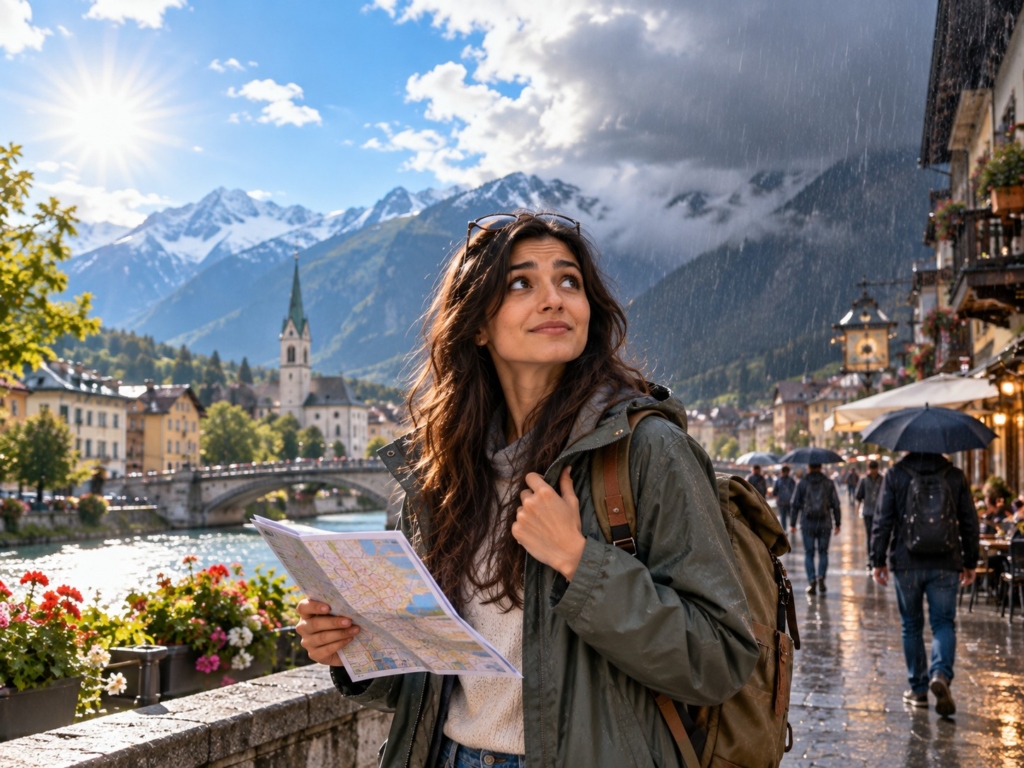
European weather varies sharply by region, so packing for “Europe” as though it has one climate can be misleading. Southern European destinations can be hot in summer, while Northern Europe may remain considerably cooler. Alpine destinations can also experience much colder temperatures than nearby cities, even during summer.
Rain can arrive unexpectedly in many destinations, making a compact umbrella or lightweight rain jacket useful even during the warmer months. Travellers visiting the Alps should also prepare for cooler evenings, while winter travellers need to check the specific destination’s forecast rather than relying on a Europe-wide temperature range.
July and August are generally among the busiest travel months for many European destinations, particularly around popular attractions and resort areas. This can mean higher accommodation and airfare costs, although the exact price difference depends on the destination, hotel and travel dates.
Based on Thrillophilia’s destination and booking experience, April to June and September to October can offer a useful balance between weather, availability and crowds for many European itineraries. However, the best month depends on the countries included and the type of holiday planned.
For couples planning Europe honeymoon packages, for example, shoulder-season travel can be worth considering if you want a more relaxed sightseeing experience, while winter may be preferable for Christmas markets or snow-focused itineraries.
6. Language Barriers Turn Out Smaller Than Expected
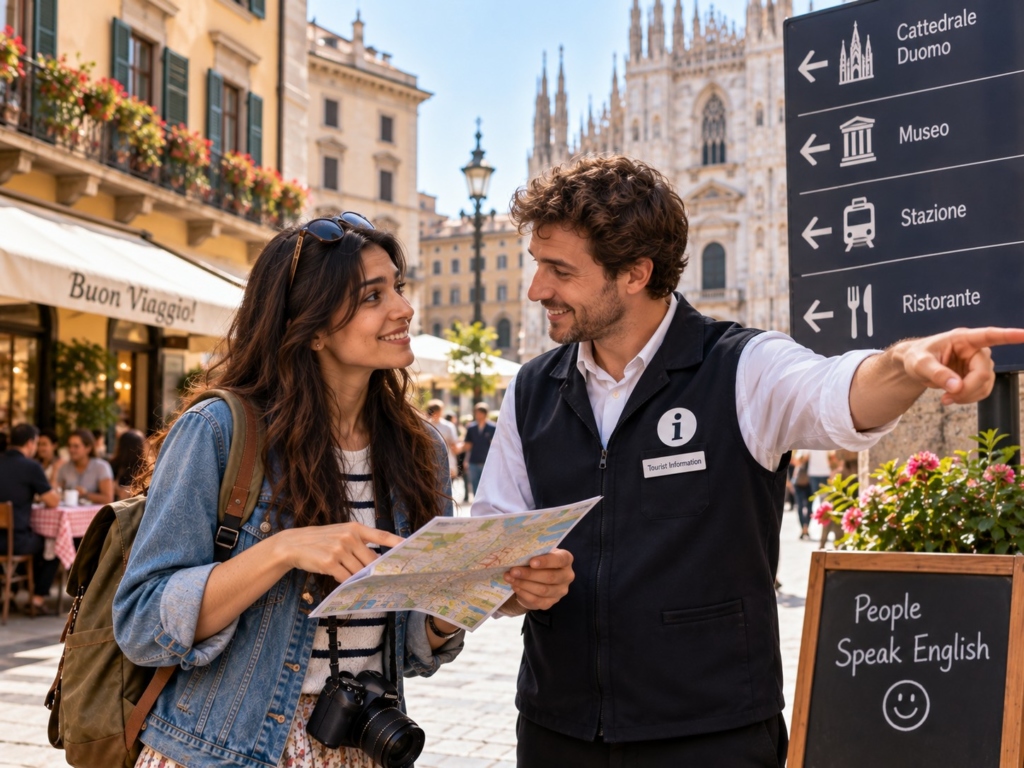
English is widely spoken in tourist-facing businesses across much of Northern and Western Europe, particularly in major cities. The Netherlands, Sweden, Denmark and Norway have high levels of English proficiency, so Indian travellers can generally manage everyday tourist interactions without speaking the local language.
France, Germany and Italy are also accustomed to international visitors, particularly in hotels, major attractions, restaurants and transport hubs. In smaller towns and rural areas, however, English may be less reliable, making a translation app useful.
A handful of local phrases can still make everyday interactions easier. In French, “Bonjour” and “Merci” cover most basic exchanges, with “S’il vous plaît” useful for polite requests. German travellers can rely on “Guten Tag,” “Danke” and “Entschuldigung”, while “Buongiorno,” “Grazie” and “Per favore” are useful in Italy.
None of these replaces English, but leading with a local greeting before switching to English is a simple way to make conversations feel more courteous and natural.
7. Hotel Rooms And Amenities Feel Compact
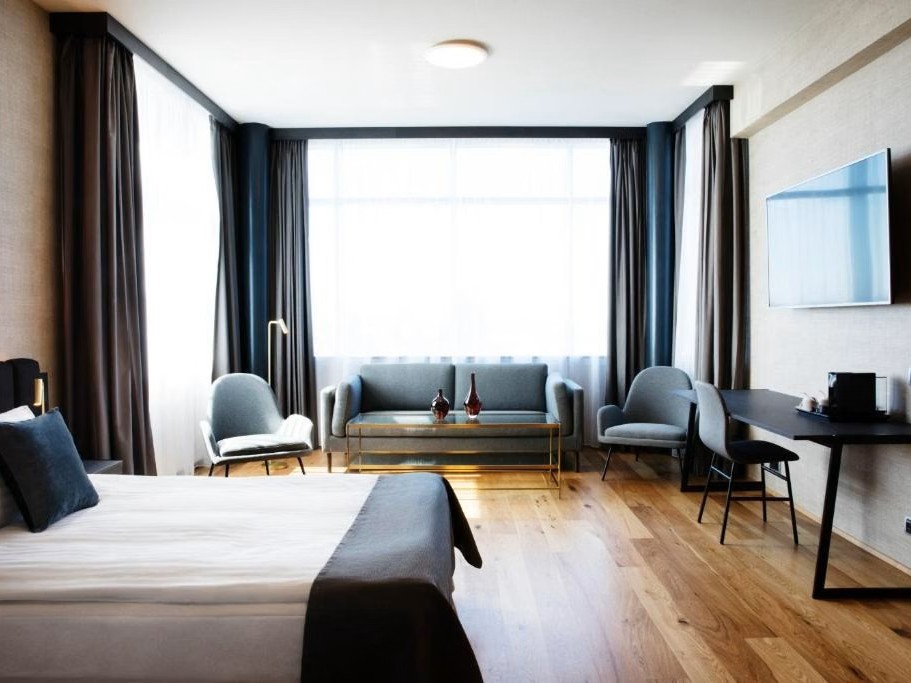
Hotel rooms in major European cities can feel smaller than what Indian travellers are accustomed to, particularly in historic city centres where buildings have space and planning constraints. Room sizes vary considerably by hotel and category, so it is better to check the property’s listed room dimensions before booking rather than assume a standard European size.
Kettles, tea trays and complimentary bottled water are also not universal hotel amenities. Whether they are provided depends on the property and room category, and bottled water can be charged separately at some hotels.
Check-in often begins around 2 p.m. to 3 p.m., while checkout can range from around 10 a.m. to noon. Exact timings depend on the property, and early check-in is usually subject to availability and may involve an additional charge.
Room size aside, location tends to matter more than many travellers initially realise. A hotel located far from a railway station or central sightseeing areas can add significant transit time every day, particularly on a multi-city itinerary. Choosing accommodation close to major transport links can make it easier to start early, return to the hotel between activities and catch onward trains without unnecessary transfers.
For travellers choosing Europe family tour options, this can be especially useful. Families often have more luggage and need additional time for meals, rest stops and transfers, making a convenient hotel location more valuable.
Our Europe packages are designed around practical accommodation and itinerary considerations, with hotel category, location, breakfast and available meal options depending on the specific package and destination. Travellers should always check the individual package inclusions before booking.
8. Cash And Cards Each Have Their Place
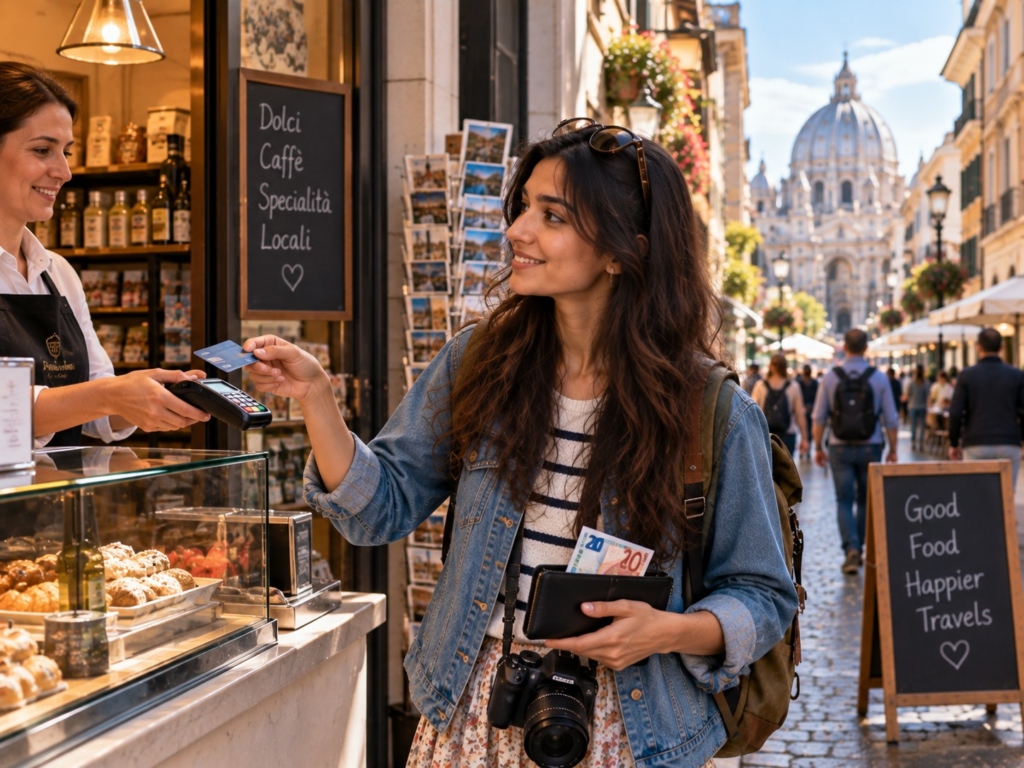
Card and contactless payments are widely accepted across much of Europe, especially in larger cities, hotels, supermarkets, restaurants and transport systems. However, Germany and Austria can still feel more cash-friendly than some Indian travellers expect, particularly at smaller businesses, traditional markets and certain local establishments.
Carrying a small amount of local currency is therefore useful even if most of your spending is done by card. Before travelling, check whether your bank charges foreign-transaction or ATM fees.
One particularly useful ATM habit is to withdraw in the local currency rather than accepting the ATM’s own currency conversion when offered. This option, known as dynamic currency conversion, can involve a less favourable exchange rate and additional costs.
For longer multi-country itineraries, using a combination of a widely accepted card and some emergency cash is usually more practical than relying exclusively on either one.
Frequently Asked Questions
April to June and September to October can offer a good balance of pleasant weather, sightseeing conditions and crowds across many European destinations. July and August are generally busier in popular destinations, while December is particularly attractive for travellers interested in Christmas markets and winter experiences. The ideal period ultimately depends on the countries and activities included in your itinerary.
Major European destinations are well established for tourism, but petty theft and pickpocketing can occur around crowded tourist attractions, railway stations and public transport. Women travelling independently should use the same precautions they would in any major international destination: keep valuables secure, avoid isolated areas late at night and remain aware of their surroundings.
Yes. Vegetarian food is widely available in major European cities, and Indian restaurants can be particularly useful for travellers looking for familiar vegetarian meals. However, availability varies between destinations and smaller towns. If you follow a strict vegetarian, vegan or Jain diet, check ingredients and confirm meal requirements with the restaurant or tour operator in advance.
Specific Europe family tour and honeymoon packages may offer vegetarian meal options, but inclusions differ by itinerary, hotel and destination, so travellers should check the individual package details before booking.
Indian passport holders generally need a visa to visit countries in the Schengen Area for tourism. A Schengen visa covers participating Schengen countries, but it does not cover every European country. For example, the United Kingdom has its own visitor-visa system.
The standard Schengen visa fee for adults is currently €90, although applicable visa-centre or service charges are additional and can vary. The INR equivalent can also change with the exchange rate used by the relevant authority.
Travellers should check the latest requirements with the embassy/consulate or authorised visa application centre handling their application before submitting documents.