


Quick Jumplinks to Navigate
The best way to plan a Europe trip by region is to choose one primary region, build your route around well-connected cities, and add a second region only when you have enough time for sightseeing and are left with at least 2 days of the trip.
Western Europe suits first-time travellers covering cities such as London, Paris and Amsterdam. Central Europe works well for compact routes such as Prague–Vienna–Budapest.
While Southern Europe is ideal for Italy, Spain and Mediterranean holidays, Eastern Europe offers a mix of historic cities, lower-cost travel and less crowded destinations.
The planning usually depends on what kind of trip you want to have. Are you more of an art lover who would love to see Italy and Paris, or do you want a relaxed trip to less crowded destinations? Once you have that clarity, you can easily choose the region you’d like to cover.
Planning by region also helps you plan the countries you’ll realistically cover without spending most of the holiday in transit. A 7–10 day trip is usually better focused on one or two regions or a tightly connected route, while longer holidays can combine neighbouring regions.
Looking at rail, road and flight connections before adding each destination helps keep the itinerary geographically feasible and leaves more time for actual sightseeing.
Plan Western Europe Around Major Rail Connections

Western Europe works well for multi-city trips because several major capitals connect by fast rail.
London, Paris, Brussels and Amsterdam are connected by Eurostar, making Western Europe relatively easy to navigate by high-speed train. Paris to Amsterdam takes around 3 hours 20 minutes by direct train, while direct London to Amsterdam services take around 4 hours 20 minutes.
A practical nine-day route is:
- 3 nights in London
- 3 nights in Paris
- 3 nights in Amsterdam
Add Brussels only if you have more time, since it creates another hotel change.
This route suits travellers who want major cities, museums and landmarks without relying heavily on internal flights. Remember that the UK is outside the Schengen Area, so Indian travellers combining London with Schengen destinations need separate visa planning.
Use Central Europe for a Compact Multi City Route

Prague, Vienna and Budapest form one of the best Central Europe tours easiest multi-city combinations. Direct train journeys take around 4 hours 25 minutes from Prague to Vienna and around 2 hours 50 minutes from Vienna to Budapest.
For nine days, try Prague, Vienna, and Budapest
Allow around three nights in each city for Prague Castle and Old Town, Schönbrunn Palace and Vienna’s museums, followed by Budapest’s Danube sights and thermal baths.
Flying into Prague and home from Budapest, or reversing the route, also avoids unnecessary backtracking.
If you extend the trip, Germany or the Austrian Alps fit more naturally than adding several Swiss bases. Switzerland often needs separate excursion days, which can make a short Central Europe route transfer-heavy.
Give Southern Europe More Time Within Each Country
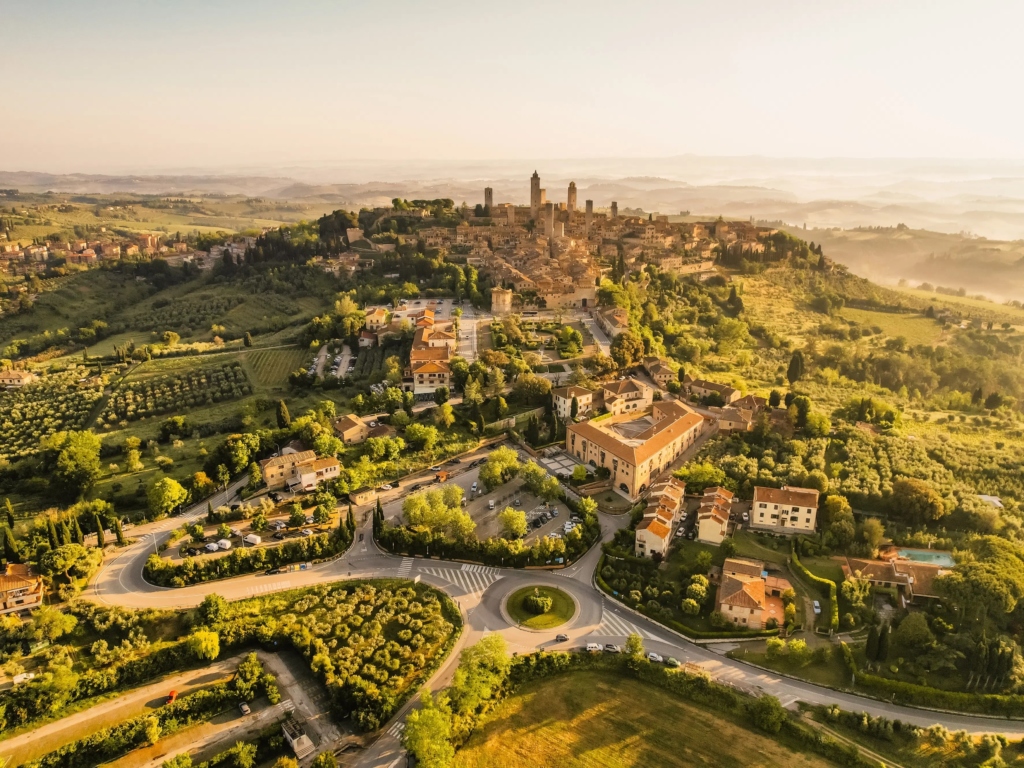
Southern Europe looks compact on a map, but Italy, Spain, Portugal, Greece and Croatia do not automatically form one convenient itinerary.
Choose one corridor first.
For Italy:
Rome → Florence → Venice
High-speed rail makes this sequence practical, with ancient sites in Rome, Renaissance art in Florence and Venice as the final stop.
For Portugal, combine Lisbon, Sintra and Porto. For Spain, Madrid and Barcelona can anchor the route. Greece may require ferries or domestic flights when islands are included, while Croatia follows a different pattern through cities such as Zagreb, Split and Dubrovnik.
Avoid treating Southern Europe as a checklist of countries. Add another destination only if the transport fits naturally.
In July and August, also account for summer heat and higher demand when planning sightseeing and intercity travel.
Build Eastern Europe Around Actual Transport Availability

Eastern Europe is better planned around city connections than broad regional labels.
Poland, Romania and Bulgaria may all be grouped under Eastern Europe, but their main visitor routes do not connect as simply as Paris, Brussels and Amsterdam.
Start with a city pair:
- Warsaw and Kraków in Poland
- Bucharest, Brașov and Transylvania in Romania
- Romania and Bulgaria for a longer cross-border route
Some rail routes also cross Central, Eastern and Southern Europe, linking cities such as Prague, Budapest, Bled and Vienna. Brașov and Split especially require different connections.
So focus on train time, border crossings and hotel changes instead of where every destination sits inside the same regional label.
Combine European Regions Only When the Route Continues Naturally
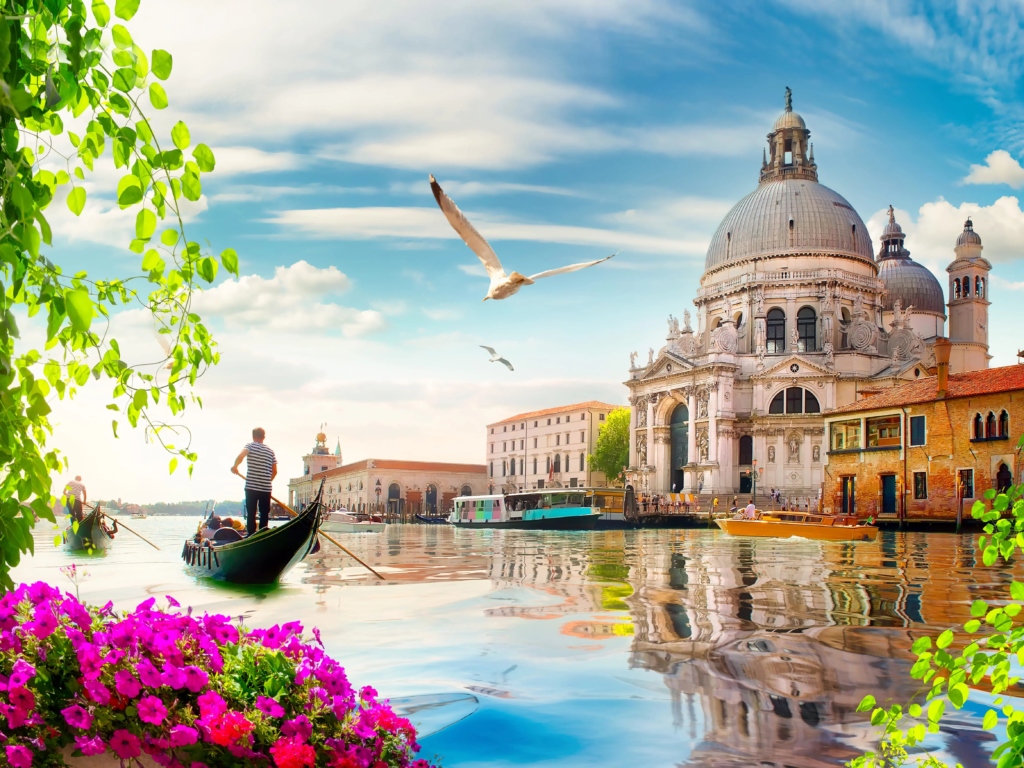
A multi-region Europe trip works best when one region naturally leads into the next, rather than sending you repeatedly back and forth across the continent.
Western Europe to Central Europe is one practical combination, with a route such as Paris → Switzerland → Austria allowing travellers to move progressively eastward. Paris also has established rail connections to Switzerland, including Geneva and Zurich via TGV Lyria, although some routes require a change in Paris.
Another well-connected option is Central Europe to Southern Europe, such as Vienna → Venice → Florence → Rome. Vienna has direct rail services to Venice, while Italy’s high-speed network makes it relatively easy to continue south to Florence and Rome.
Western Europe to Southern Europe can also work well when the route follows a broadly south-eastern direction. Paris → Milan → Florence → Rome, for example, avoids unnecessary returns to the same cities and allows travellers to continue through Italy by high-speed rail once they reach Milan.
To avoid the hassle and cover maximum places in a limited time, Thrillophilia’s Western Europe tour packages come with a feasible itinerary. These packages also cover internal transport so that you don’t have to worry about it.
Check Visas and Currencies Separately From Regions

Do not assume that “Western”, “Central” or “Eastern” tells you which visa or currency a country uses.
The Schengen Area currently has 29 members and includes the EU as well as non-EU countries such as Switzerland and Norway. The euro also does not map neatly to regional labels. Bulgaria, for example, adopted the euro on 1 January 2026.
For Indian travellers, check each country on the final route before booking non-refundable transport. Pay particular attention when combining the UK with Schengen Europe or when visiting countries that use their own currencies.
Test the Route Against Actual Europe Itineraries

Once you have chosen a region, check whether the next one continues naturally from the last stop.
A Western Europe route can move from Paris into Switzerland and Austria. A Central Europe trip can continue south from Vienna into Venice and Rome. These combinations work because the route keeps moving forward instead of sending you back across the continent.
As per Thrillophilia’s destination experts, multi-country routes work better when neighbouring destinations are grouped in a continuous sequence rather than connected through repeated backtracking.
One current route moves through France, the Netherlands, Germany, Switzerland, Austria and Italy in sequence, showing how Western, Central and Southern Europe can fit into one longer itinerary.
A second region should earn its place by making the route more logical, not simply by adding another country.
Frequently Asked Questions
Western Europe is convenient for travellers who want London, Paris, Brussels or Amsterdam, while Central Europe suits a compact Prague, Vienna and Budapest route. The better choice depends on the cities you actually want to prioritise.
Yes, if you have enough time and keep the route moving in one direction. Paris, Switzerland and Austria can work together more efficiently than choosing widely separated capitals from several regions.
Two or three connected countries usually give you more usable sightseeing time than four or five. Check hotel changes and complete transfer times instead of choosing the number of countries first.
Prague is commonly grouped with Central Europe for travel planning, although regional classifications vary. For itinerary purposes, its useful connections with Vienna, Budapest and Berlin matter more than the label.
Western and Central Europe offer several convenient intercity rail corridors. London, Paris, Brussels and Amsterdam connect well in the west, while Prague, Vienna and Budapest make a practical Central European rail route.