

Quick Jumplinks to Navigate
Europe is full of places that look unmissable on a bucket list. Be it Venice at sunset, Santorini’s caldera, the Eiffel Tower, Barcelona’s architecture, or the Swiss Alps. But seeing a destination in photos and actually fitting it into a Europe itinerary are two very different experiences. Long queues, crowded streets, limited entry slots and hours spent travelling between cities can take away the fun of sightseeing and make you feel like you’re just waiting in another queue.
This does not mean you should skip Europe’s most famous destinations. Instead, ask which places deserve the time, money and effort it takes to visit them, and whether there is a better way or season to experience them.
For a first-time traveller, this matters even more. Trying to cover five or six major destinations in a 10-day Europe trip can leave more time spent checking out of hotels and catching trains than actually exploring the cities. In some cases, an underrated destination can offer a similar experience with fewer crowds, lower costs, and a more relaxed pace.
Before booking a Europe tour package, compare some of Europe’s most popular destinations with the reality on the ground, including when to visit, how long to stay, what to book in advance, and which underrated alternatives may offer better value. The goal is not to remove the iconic places from your list, but to help you build a Europe itinerary that works beyond the spreadsheet.
Bucket List Destinations and Their Ground Reality
1. Venice, Italy
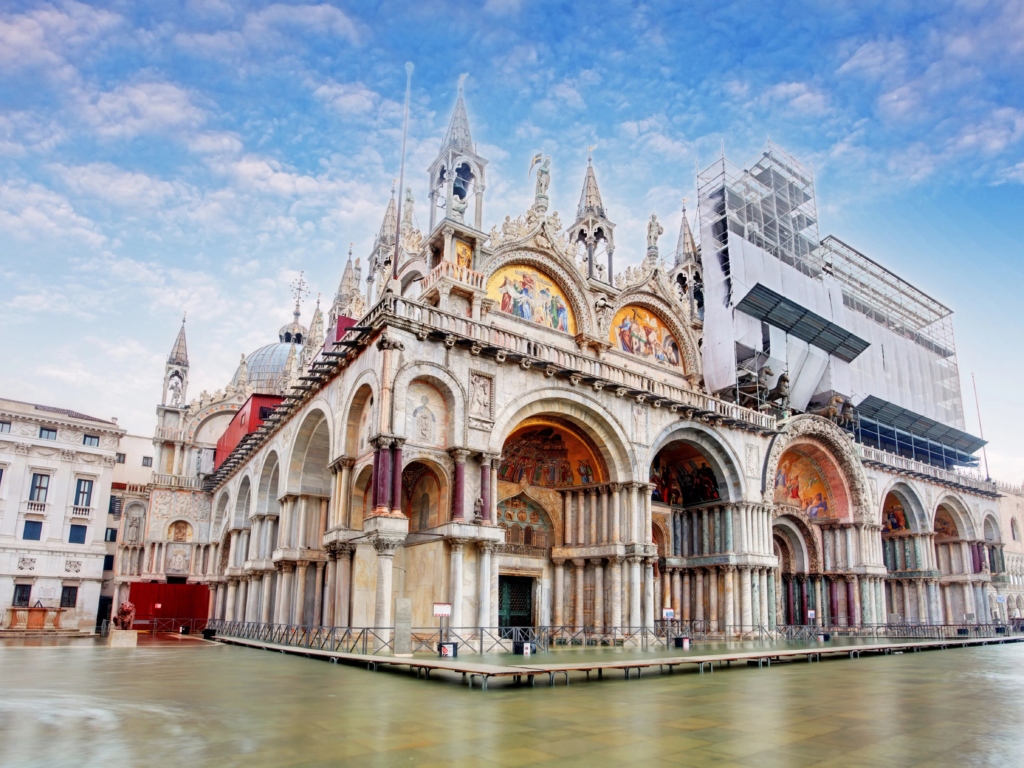
Venice absorbs more than 12,000 day-trippers on heavy cruise days against roughly 50,000 residents. You feel that ratio the moment you reach the streets near Rialto. Between 10:00 a.m. and 06:00 p.m., the main routes stop working as walkways. They turn into slow, outdoor queues.
November to February gives you the same city at a workable pace. Staying overnight in Cannaregio or Castello helps too, since both empty out after the day boats leave. A 30-minute gondola ride costs EUR 80 to 100 per boat (INR 8,900 – 11,169). The Grand Canal vaporetto covers similar water for EUR 9 (INR 900). Thrillophilia’s Europe tour packages include a shared gondola ride scheduled outside peak hours depending upon the package.
What to explore instead:
- Padua, Italy: Around 40 minutes from Venice by train, Padua offers historic squares, arcaded streets and the Scrovegni Chapel, making it an easy addition to a northern Italy itinerary.
- Verona, Italy: Roughly 1 to 1.5 hours from Venice by train, Verona offers Roman architecture, historic streets and a compact old town that works well as another stop in northern Italy.
- Bologna, Italy: Around 1.5 hours from Venice by high-speed train, Bologna offers medieval porticoes, historic architecture and a strong food culture.
2. Santorini, Greece
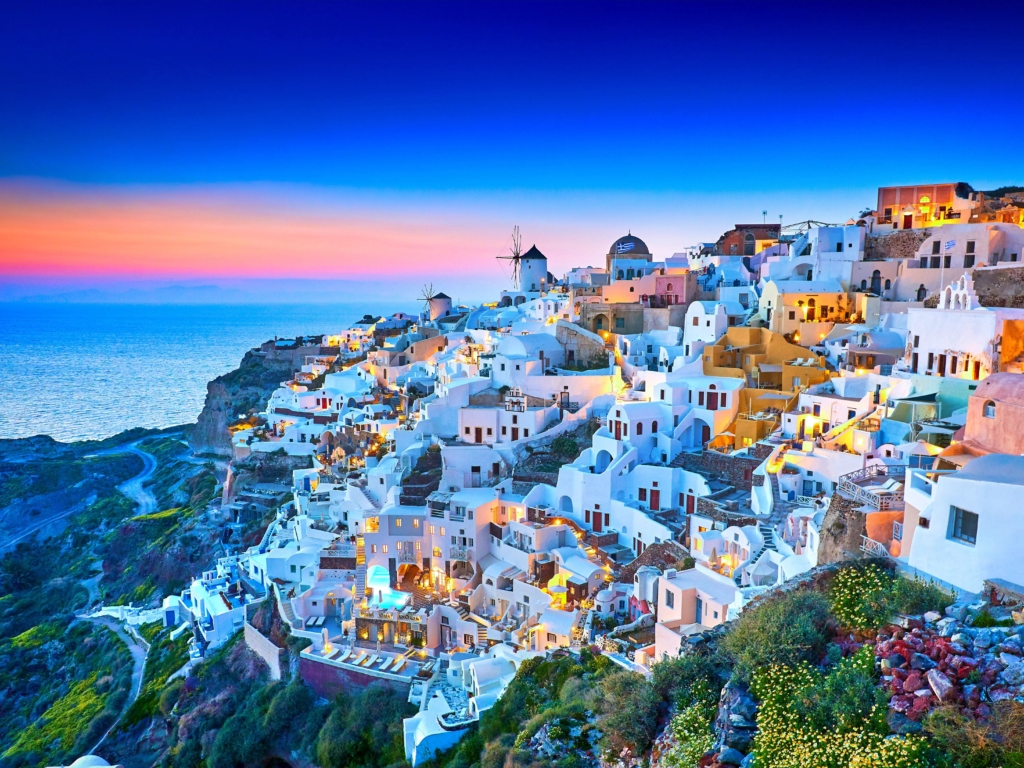
Oia and Fira stay congested from mid-morning until early evening throughout the peak season. When four or more ships dock, the Castle viewpoint fills nearly three hours before sunset. People hold that position with very little to do while they wait.
Booking a room with a private caldera terrace sounds indulgent for a short stay. In practice, it decides whether you watch the sunset or queue for it. Kamari, Perissa, Pyrgos, and Emporio stay noticeably calmer through the same weeks. Naxos, Paros, and the Peloponnese coast offer comparable water without the cruise surge.
What to explore instead:
- Naxos, Greece: Located in the Cyclades like Santorini, Naxos offers beaches, traditional villages, hiking, and a more relaxed island experience. It can also be combined with Santorini by ferry.
- Paros, Greece: Another Cycladic island, Paros offers beaches, whitewashed villages and lively waterfront towns and can be added to a multi-island itinerary.
- Milos, Greece: Also accessible by ferry from Santorini, Milos is known for its distinctive coastline, beaches and coves and is a good alternative for travellers who want dramatic scenery without Santorini’s crowds.
3. Barcelona, Spain
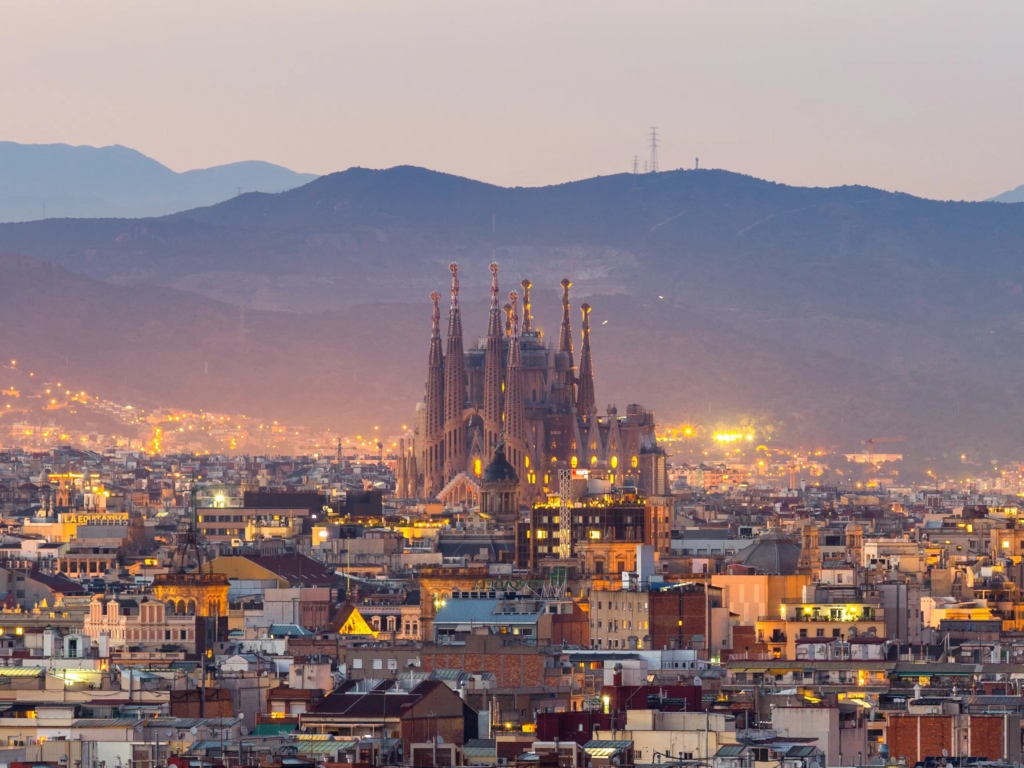
Barcelona has seen sustained anti-tourism protests alongside a genuine rental shortage in peak months. The Gothic Quarter and the Sagrada Família area jam up between 11:00 a.m. and 05:00 p.m.
April, May, September, and October remain far more manageable for walking the city. Sagrada Família needs timed entry booked weeks ahead, priced at roughly INR 3,000. Slots aligned with the morning light through the eastern windows disappear first. For those looking for longer tours, Thrillophilia’s Western Europe group tours cover Spain with Rome, Madrid, and Fatima across 16 days.
What to explore instead:
- Girona, Spain: Around 40 minutes from Barcelona by high-speed train, Girona offers a well-preserved old town, medieval walls and colourful riverside houses, making it an easy addition to a Catalonia itinerary.
- Tarragona, Spain: Around 1 to 1.5 hours from Barcelona, Tarragona combines Roman ruins, a historic old town and Mediterranean beaches.
- Granada, Spain: Located in Andalusia, Granada offers the Alhambra, Moorish architecture and historic neighbourhoods. It works best as part of a wider southern Spain itinerary rather than as a quick substitute for Barcelona.
4. Paris, France
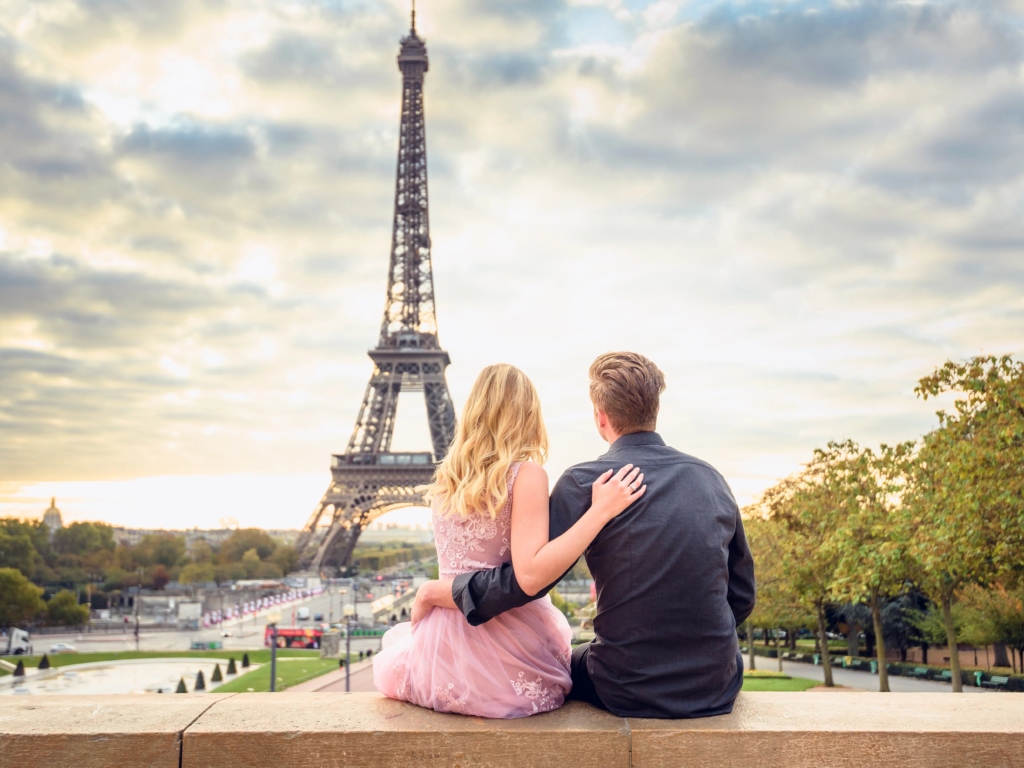
The Louvre and the Eiffel Tower summit generate long queues right through July and August. Afternoon temperatures across southern Europe can push past 34°C in the same window.
Take the tower at 09:00 a.m. or after 09:00 p.m. for a clearer visit. Trocadéro Gardens give you the 10:00 p.m. illumination free, from a better angle than the base. Half a day is the honest minimum for the Louvre, and pre-booking costs around INR 1,600. Paris features in our 12-day France, Switzerland, and Italy route from INR 2,35,000 onwards.
What to explore instead:
- Annecy, France: Located in southeastern France near the Swiss border, Annecy combines a compact old town, lake and Alpine scenery, making it a natural addition to a France-Switzerland itinerary.
- Lyon, France: Around two hours from Paris by high-speed train, Lyon offers historic neighbourhoods, Renaissance architecture and a strong food culture.
- Strasbourg, France: Located in northeastern France near the German border, Strasbourg combines canals, medieval architecture and a compact historic centre and works well on a France-Germany-Switzerland route.
5. The Swiss Alps
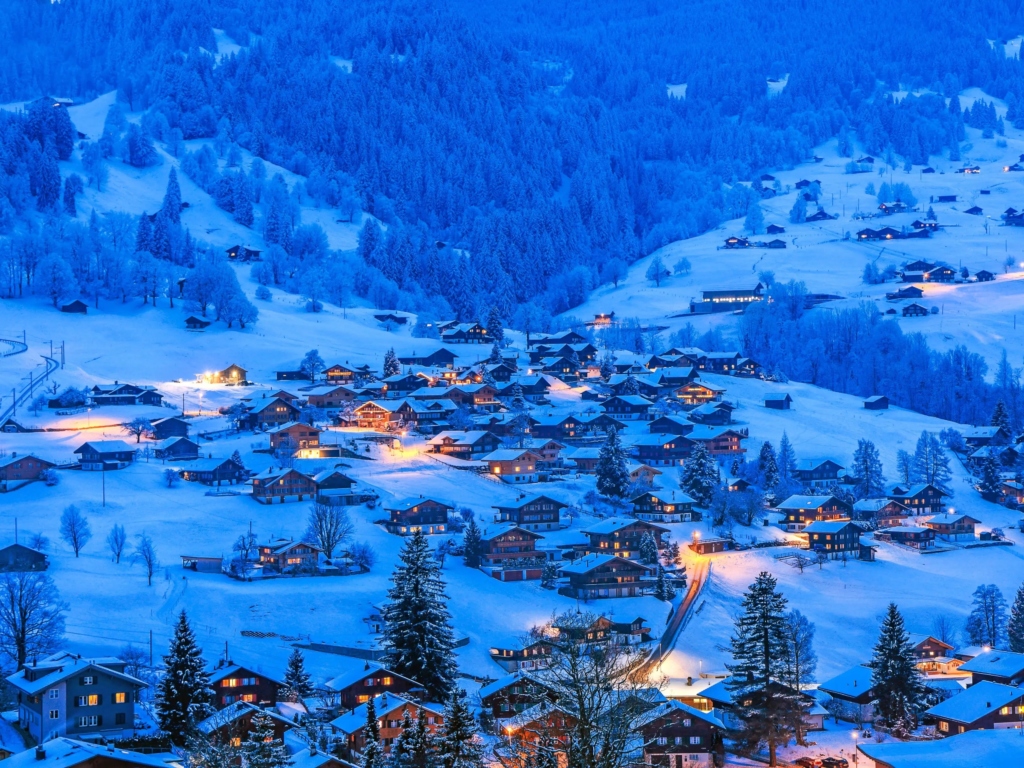
Before booking a trip to Switzerland, especially a Europe honeymoon package covering Switzerland, make sure you check the opening time and conditions of places like Jungfraujoch.
Jungfraujoch closes for roughly 40 days each year because of fog and high wind. That detail rarely appears in the itineraries people build for themselves. Day trips from Zurich to Zermatt often involve more rail time than village time.
Basing yourself in Lucerne for two or three nights solves most of that problem. One alpine excursion done properly beats two compressed into a single day. Jungfraujoch costs INR 18,000 to INR 22,000, while Mount Titlis costs INR 10,000 to INR 13,000. The 08:00 a.m. gondola carries the best odds of clear skies, and those odds fall through the morning.
What to explore instead:
- Lake Bled, Slovenia: Lake Bled offers alpine scenery, a lake, a hilltop castle, and outdoor activities. It works naturally as part of a Slovenia or Central Europe tour itinerary.
- Annecy, France: Located near the French Alps, Annecy combines a mountain backdrop with a lake and historic old town and can be paired with Switzerland on a broader itinerary.
- Dolomites, Italy: The Italian Dolomites offer dramatic mountain scenery, hiking and cable-car experiences and make geographic sense for travellers already exploring northern Italy, including Venice.
6. Prague, Czechia
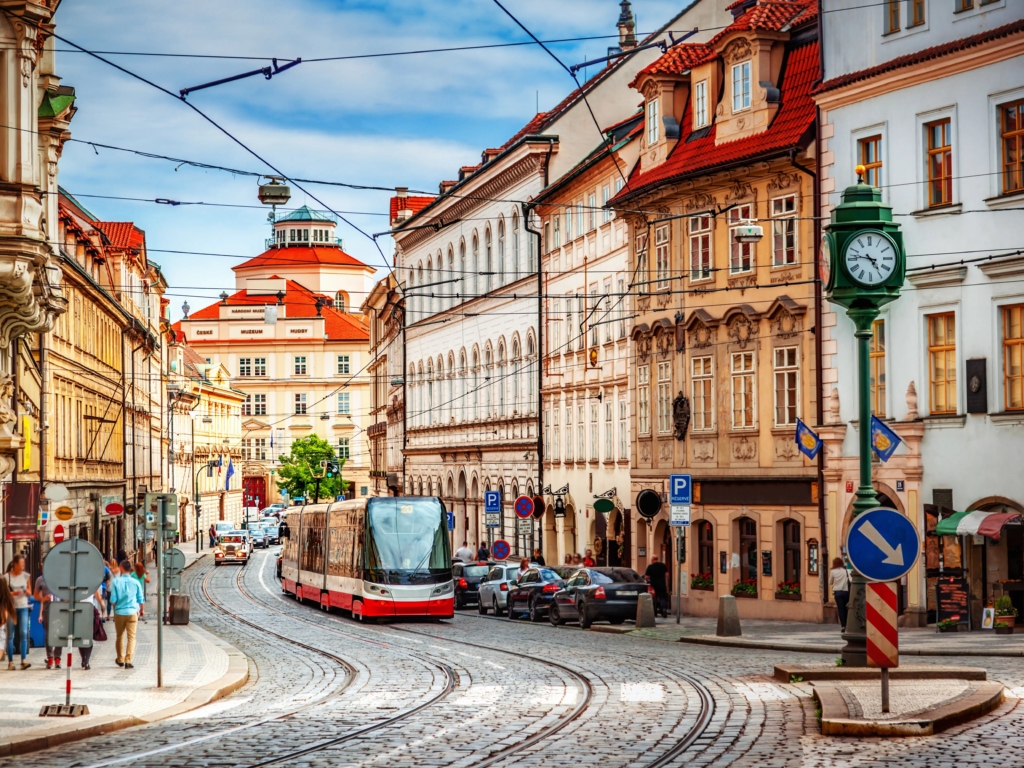
Prague’s Old Town Square, Charles Bridge and Prague Castle are among the city’s biggest draws, but the compact historic centre can become extremely crowded during the peak summer months. Charles Bridge is particularly busy around midday, while the streets around Old Town Square can feel congested when multiple tour groups arrive at the same time.
As per Thrillophilia’s on–ground team, visiting early in the morning or later in the evening gives you a much quieter experience. Staying within or close to the historic centre also means you can reach the major sights before the day-tour crowds arrive. Prague is also compact enough to explore largely on foot, so you do not need to pack too many attractions into a single day.
What to explore instead:
- Český Krumlov, Czechia: Around 2.5 to 3 hours from Prague, this UNESCO-listed town offers a preserved historic centre, castle and riverside setting. It works well as a one- or two-night addition to a Czechia itinerary.
- Brno, Czechia: Around 2.5 hours from Prague by train, Brno offers historic architecture, cafés, castles and a more local atmosphere.
- Vienna, Austria: Around four hours from Prague by train, Vienna makes a natural addition for travellers building a Central Europe itinerary around Prague, Budapest and Austria.
7. Amsterdam, Netherlands
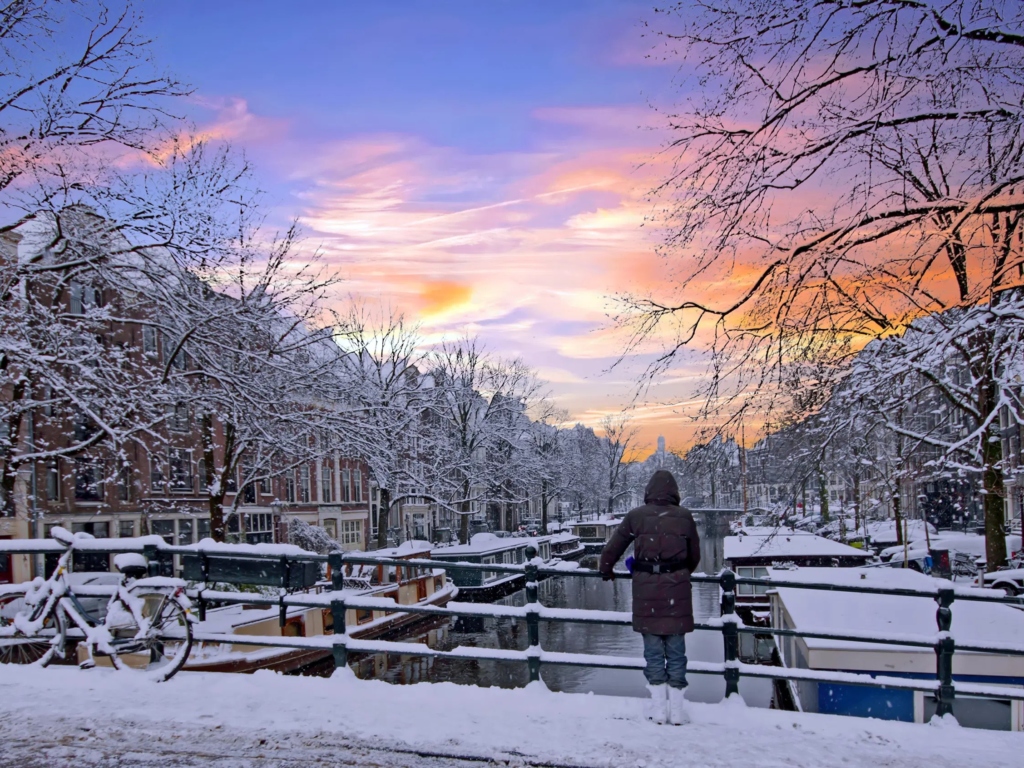
Amsterdam’s canals, museums and historic architecture make it one of Europe’s most popular city-break destinations, but its compact centre can become extremely busy during peak travel periods. Areas around Dam Square, the Red Light District and popular canal routes can be particularly crowded, while attractions such as the Anne Frank House and Van Gogh Museum often require planning.
Spring and early autumn can offer a more comfortable balance between weather and crowds, while early mornings are useful for exploring the canal belt and major landmarks. Amsterdam is also well connected by train, making it practical to combine with other destinations in the Netherlands and neighbouring countries.
What to explore instead:
- Utrecht, Netherlands: Around 30 minutes from Amsterdam by train, Utrecht has canals, historic streets and a lively city centre, making it one of the easiest alternatives to add to a Netherlands itinerary.
- Haarlem, Netherlands: Just around 15 to 20 minutes from Amsterdam by train, Haarlem offers historic architecture, museums and a quieter atmosphere while remaining close enough for a day trip, making it a perfect spot for Europe family tour.
- Bruges, Belgium: Around 3 hours from Amsterdam by train, Bruges offers canals, medieval architecture and a compact historic centre, making it a logical addition to a Netherlands-Belgium itinerary.
Frequently Asked Questions
Venice, Santorini, Barcelona, Paris, the Swiss Alps, Prague and Amsterdam can still be worth visiting, especially for first-time travellers. The key is to plan around peak hours, book popular attractions in advance and allow enough time at each destination instead of trying to cover too many places in one trip.
Some alternatives include Padua or Verona instead of spending all your time in Venice, Naxos or Paros instead of Santorini, Girona or Tarragona instead of Barcelona, and Annecy or Lyon instead of Paris. These destinations can offer similar experiences while fitting naturally into regional itineraries.
For a first-time Europe trip, two to three countries in 10 days is generally a more manageable approach. According to Thrillophilia’s internal data cited in the article, travelling across more than three countries in 10 days can result in a rushed itinerary, with too much time spent changing hotels and travelling between destinations.
The best time depends on the destination, but shoulder seasons such as spring and early autumn can offer a better balance between weather and crowds. For example, April, May, September and October are suggested for a more manageable Barcelona experience, while November to February can make Venice quieter.
Yes. A 12- to 14-day itinerary is a more comfortable timeframe for combining these destinations. The article recommends around three nights in Paris, three nights in Lucerne with one alpine excursion, followed by time in Rome and Florence.