

Quick Jumplinks to Navigate
Europe is a continent of contrasting history, diverse cultures, and stunning landscapes. But when it comes to planning your European adventure, a common dilemma arises: should you explore the beauty of Eastern Europe or the sophistication of Western Europe? Both regions offer unique experiences, from fairy-tale architecture and historic towns to buzzing city life and cultural landmarks.
Choosing the right region depends on your interests, budget, and the kind of memories you want to take home. This blog will help you weigh the differences and decide which side is perfect for your next Europe trip.
1. Cost of Travel
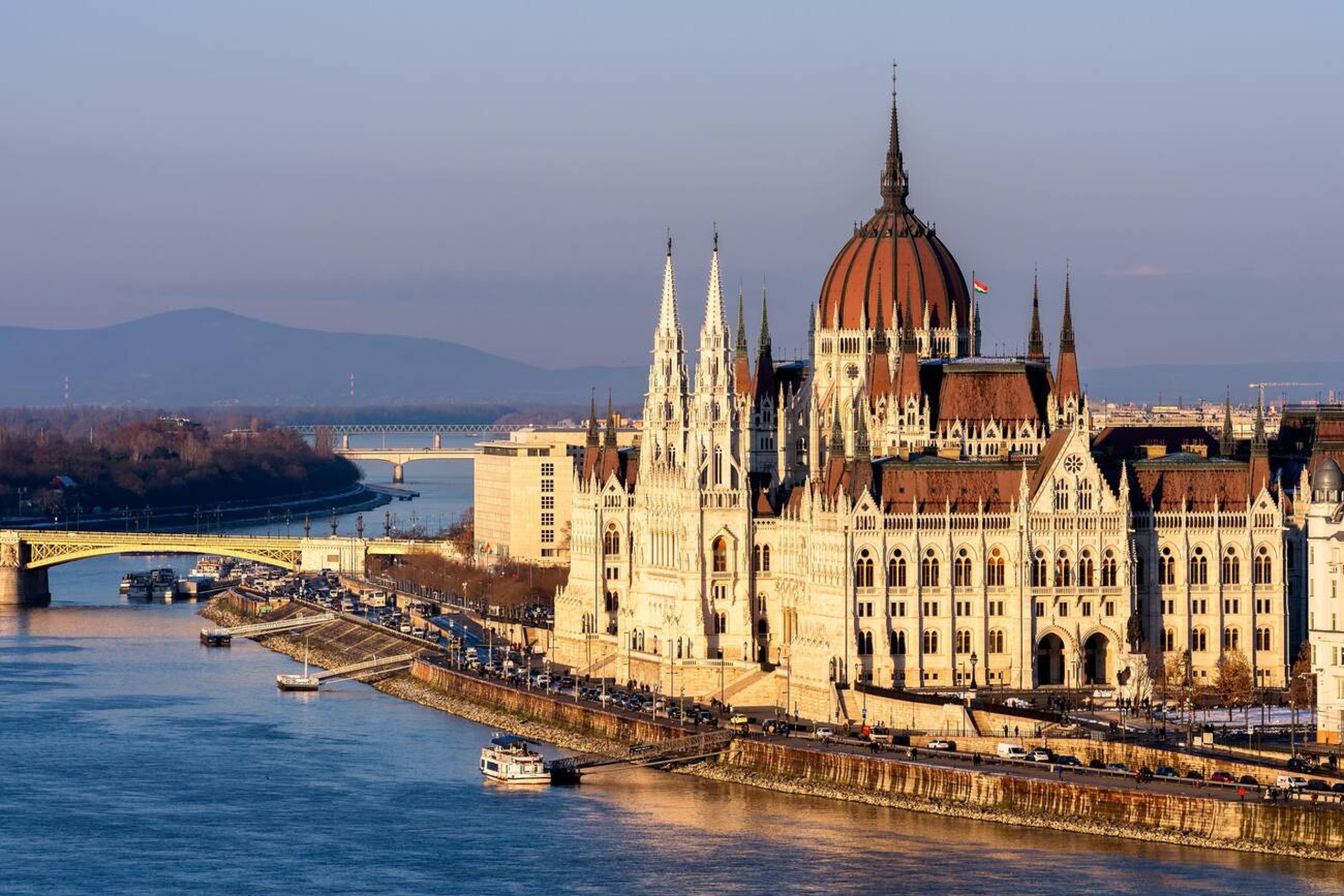
Cost is one of the first differences travellers notice when they are travelling anywhere in Europe. Eastern Europe tends to be more budget-friendly, which makes it ideal for backpackers, solo travellers, or those looking to stretch their travel funds. Cities like Budapest, Krakow, and Sofia offer affordable accommodations, meals, and attractions without compromising on experience.
Western Europe, on the other hand, is often more expensive due to higher costs for hotels, dining, and public transport. While it may be pricier, Western Europe delivers polished infrastructure, world-renowned museums, and iconic landmarks that some travellers find worth the splurge.
2. Historical and Cultural Appeal
Eastern Europe is steeped in fascinating history, much of which was shaped by shifting borders, empires, and revolutions. Places like Prague, Tallinn, and Lviv boast medieval old towns, baroque architecture, and remnants of the Soviet era. Visiting Eastern Europe offers a chance to explore lesser-known historical narratives and authentic local culture.
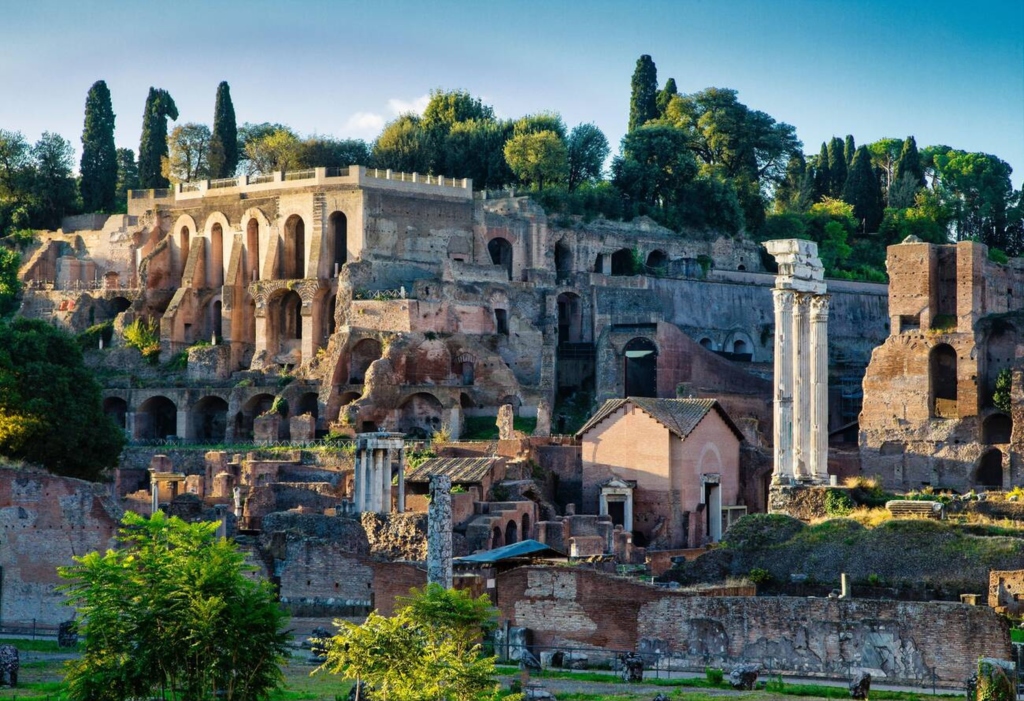
In contrast, Western Europe is known for its classic European heritage and global cultural influence. The art scene of Paris, the ancient ruins of Rome, and the classical music tradition of Vienna highlight centuries of artistic and intellectual achievement. It is perfect for travellers drawn to famous landmarks and well-preserved historical sites.
3. Cities vs Nature
Eastern Europe offers a unique blend of quaint cities and unspoiled nature. You can wander through the cobbled streets in cities like Krakow or Belgrade. Then, escape to the Carpathian Mountains or Plitvice Lakes for hiking, wildlife spotting, and serene landscapes.
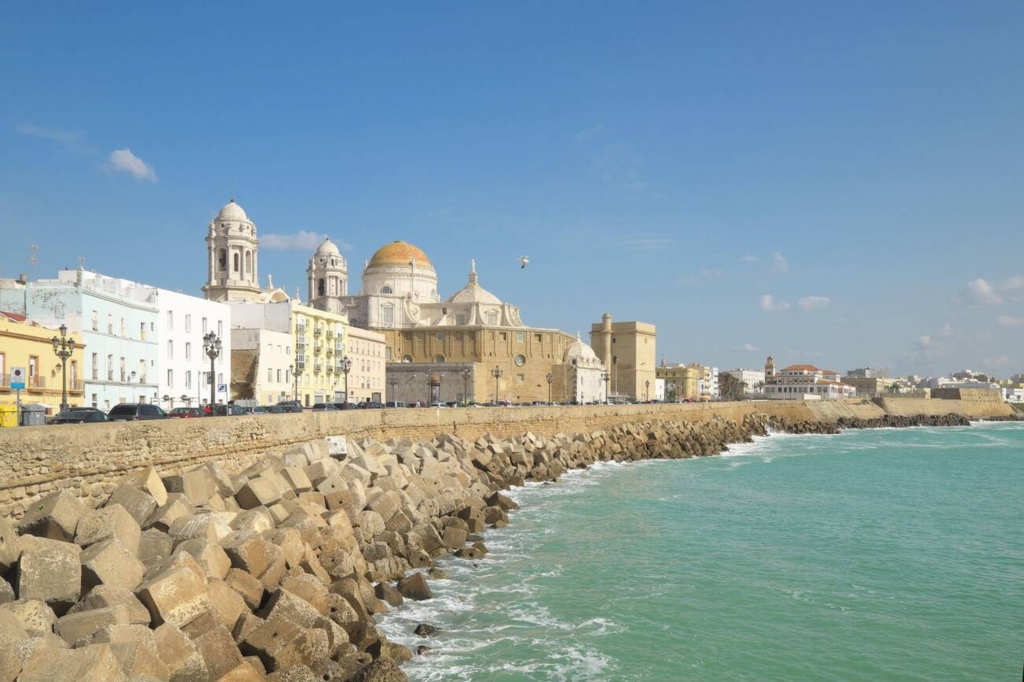
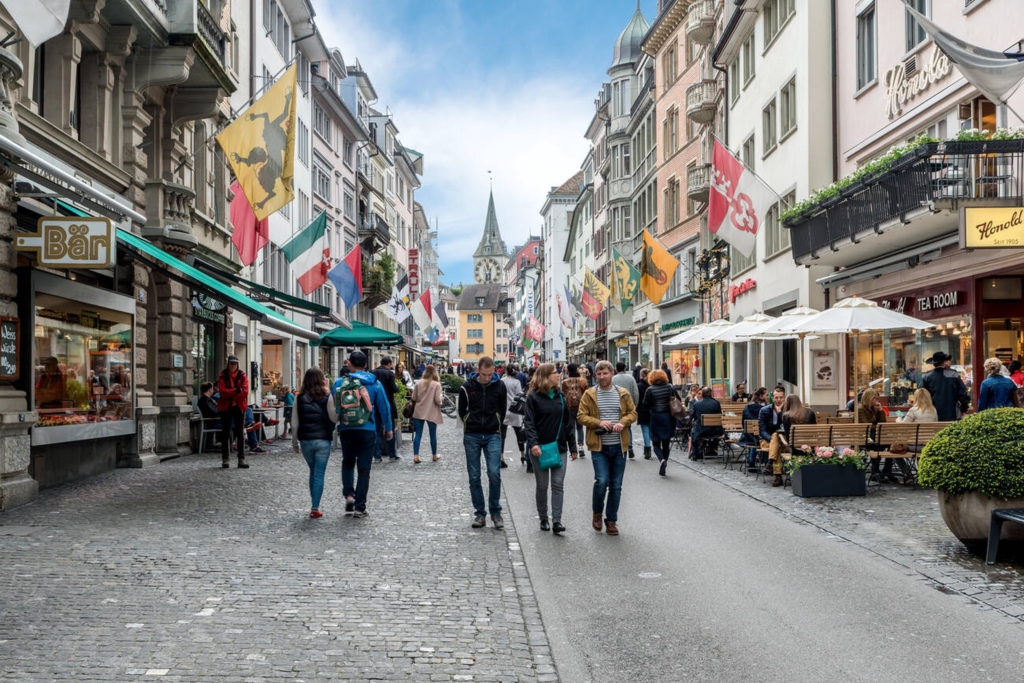
Western Europe leans toward iconic natural scenery intertwined with urban life. The Alps, French Riviera, and Scottish Highlands offer beautiful landscapes, while cities like Zurich, Amsterdam, Bruges, and Barcelona provide world-class amenities, shopping, and nightlife. Nature here often feels more curated with luxury travel experiences, making it another great option for a couple trip to Europe.
4. Food and Culinary Experience
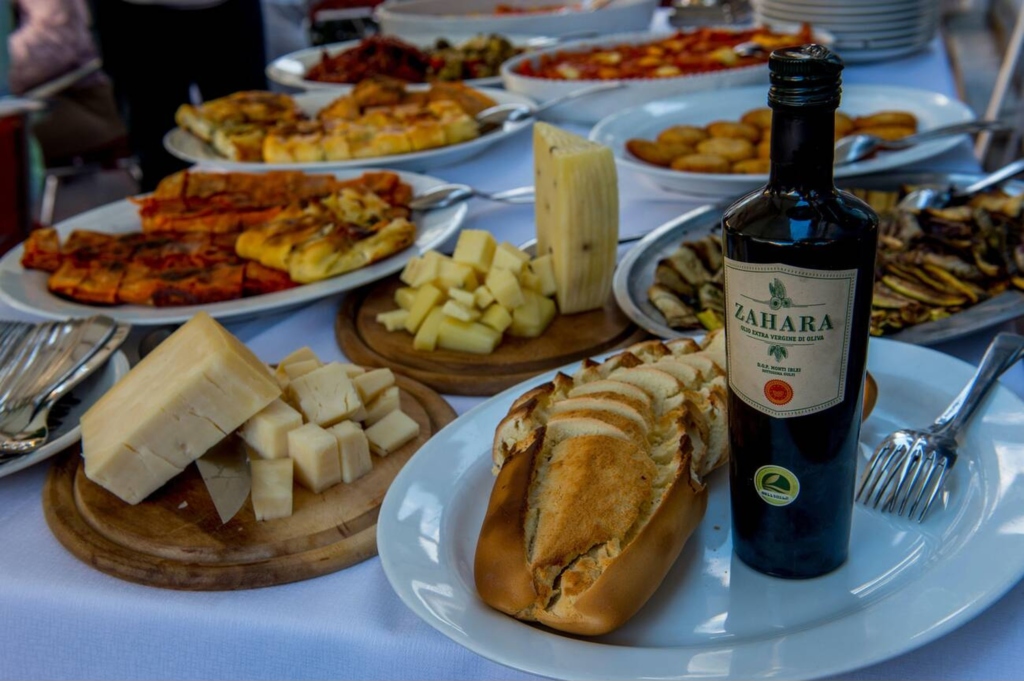
Food in Eastern Europe is healthy, comforting, and often tied to traditional family recipes. Some of the famous foods that you can try here are pierogi in Poland, goulash in Hungary, or borscht in Ukraine. Street food and local markets are also vibrant and inexpensive, which provides an authentic taste of regional culture.
On the contrary, Western Europe boasts globally recognised cuisine, from French pastries and Italian pasta to Spanish tapas and Belgian chocolate. Dining here can be a culinary adventure, but it usually comes with higher prices.
5. Nightlife and Entertainment
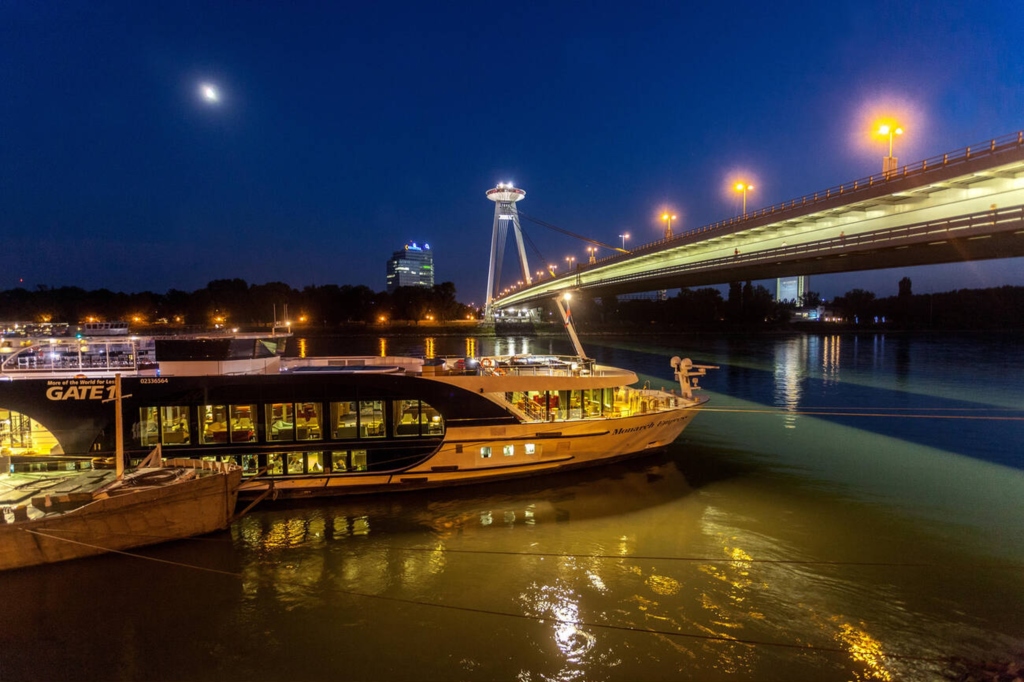
Eastern Europe surprises many travellers with its lively nightlife and extraordinary entertainment experiences. Cities like Budapest and Belgrade are famous for ruin pubs, bars, and affordable club scenes. Festivals celebrating music, food, and culture are frequent, which gives you plenty of opportunities to immerse yourself in local life.
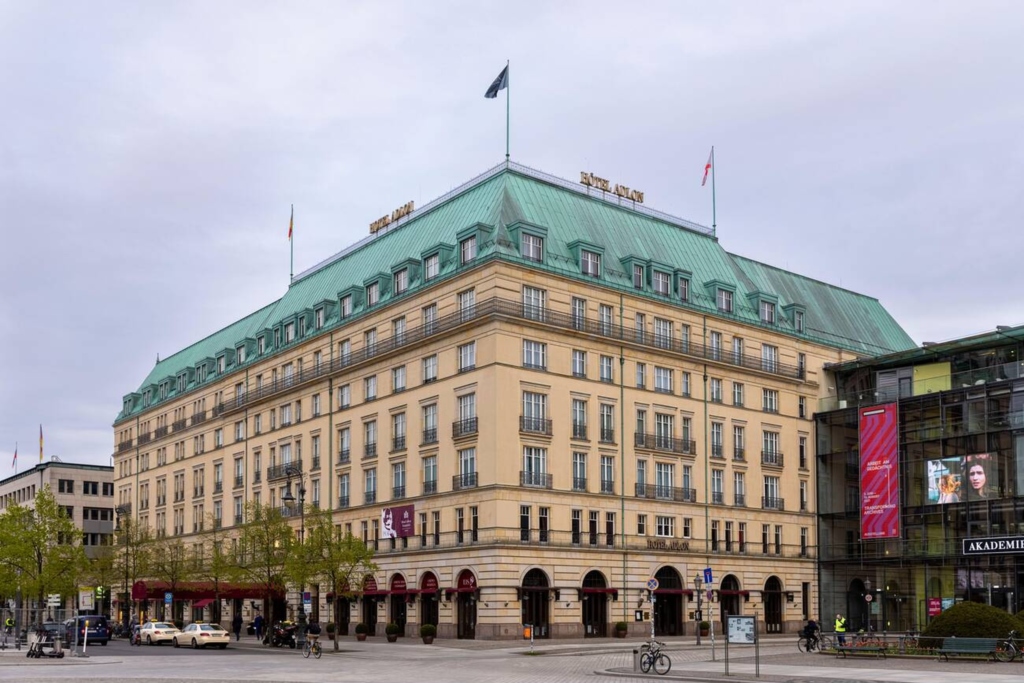
Western Europe, on the other hand, offers a more polished nightlife experience, with historic opera houses, jazz clubs, and high-end bars. Cities like Berlin, London, and Amsterdam feature world-famous electronic music venues and festivals and these are counted among the most visited tourist destinations in Europe.
6. Crowds and Tourism
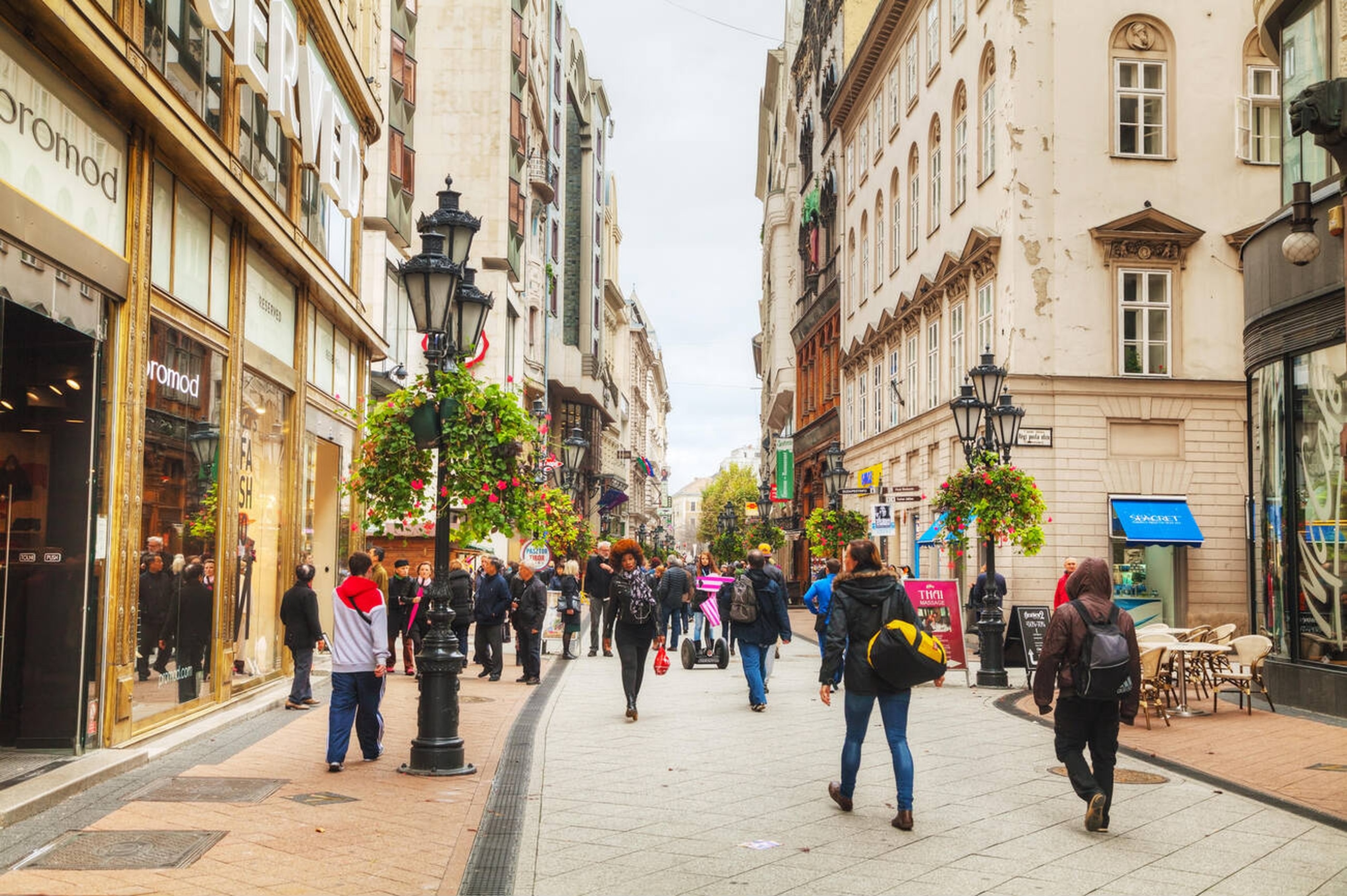
Eastern Europe is generally less crowded than Western Europe, hence it is easier to explore historic streets, museums, and landmarks without long waits. The attractions feel more authentic, with fewer tourists and more interaction with locals.
Western Europe attracts millions of visitors every year, particularly in cities like Paris, Venice, and Barcelona. While sightseeing here is undeniably iconic, you may encounter long queues and crowded streets, especially during peak seasons.
7. Accessibility
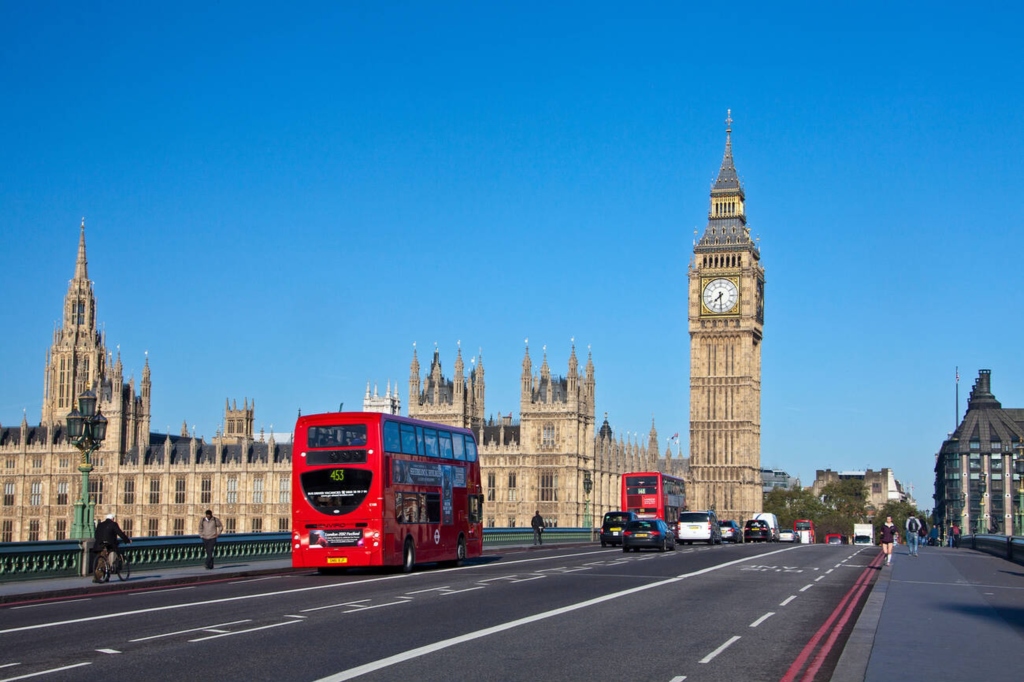
Eastern Europe has developing transportation networks, including reliable trains and buses, though some rural areas may require private transport. Low-cost airlines also make hopping between cities and countries convenient and affordable.
Comparatively, Western Europe excels in transportation infrastructure. High-speed trains, extensive metro systems, and efficient airports make travelling between cities smooth and quick.
8. Language and Communication
In Eastern Europe, English is widely spoken in tourist areas, but you may encounter language barriers in smaller towns. Learning a few basic phrases in the local language can enhance your experience and show respect to locals.
Western Europe generally has better English proficiency, particularly in Northern and Western countries like the Netherlands, Germany, and Scandinavia. Communication is easier for international travellers, and signage is often bilingual, which makes navigation stress-free.
9. Unique Experiences
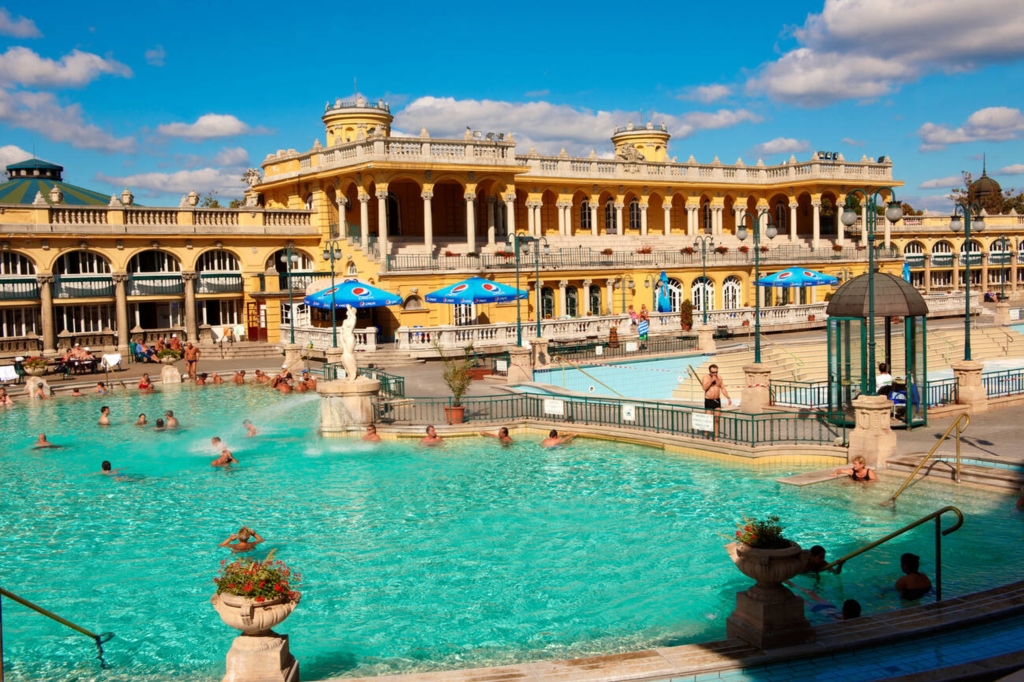
Eastern Europe offers experiences, like exploring Soviet-era bunkers, thermal baths in Budapest, or colourful markets in Ljubljana. Some of the off-the-beaten-path towns, such as Český Krumlov or Sibiu, provide a sense of discovery and adventure that is hard to replicate elsewhere.
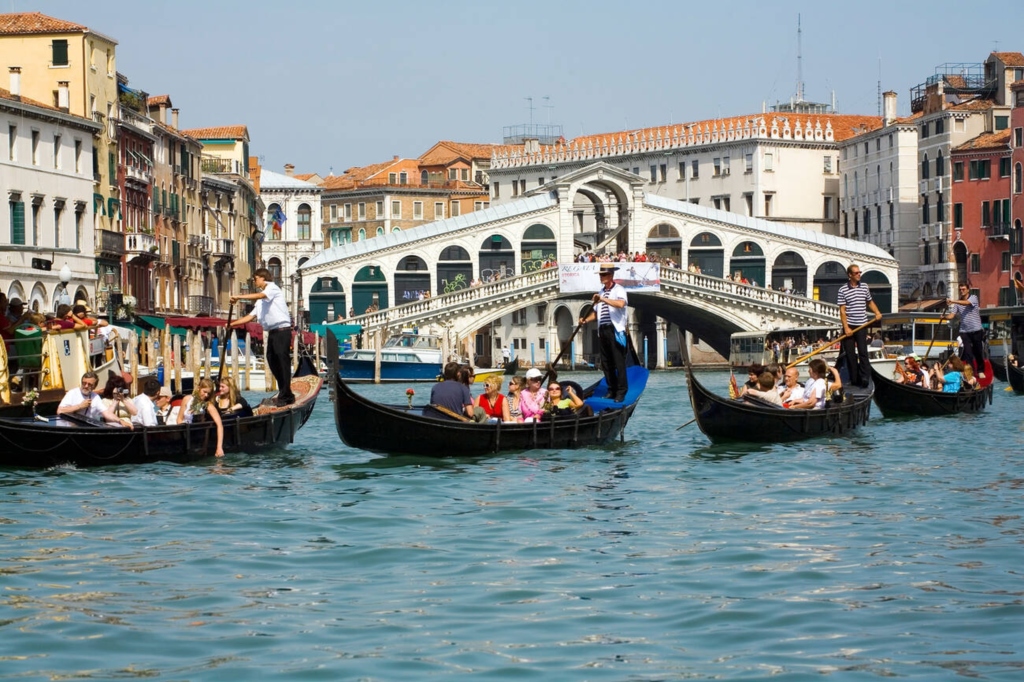
However, Western Europe is packed with iconic experiences of cruising the canals of Venice, visiting the Eiffel Tower, exploring castles in Bavaria, or sampling wine in Bordeaux, which are among the most amazing things to do in Europe. Here, experiences are world-famous, meticulously maintained, and often luxurious.
10. Suitability for Different Travellers
Eastern Europe is ideal for budget-conscious travellers, history lovers, backpackers, and people looking for authentic and unusual adventures. The beauty of the region lies in affordability, cultural depth, and a slower pace of life.
On the contrary, Western Europe suits travellers who prioritise convenience, luxury, famous landmarks, and a refined cultural experience. It appeals to families, couples on romantic getaways, and anyone wanting to see the most iconic attractions of Europe without compromising comfort.
Conclusion
Choosing between Eastern and Western Europe depends on what you value most on a trip. If you seek affordability, hidden gems, history, and authentic local culture, Eastern Europe is a treasure trove waiting to be explored. For travellers drawn to iconic landmarks, refined cuisine, efficient transport, and luxurious experiences, Western Europe delivers memorable adventures. Ultimately, both regions offer rich experiences, so whether you pick the charm of the East or the sophistication of the West, your European journey is sure to be worth it.