

Quick Jumplinks to Navigate
The best time to visit Bhutan depends on the weather, the experiences you want and how much flexibility you have in your travel plans. Spring and autumn are popular seasons for exploring Bhutan’s monasteries, valleys, mountain views and cultural festivals. Winter is suitable for quieter sightseeing, while summer brings lush green landscapes and occasional heavy rain.
If you are planning a trip between June and September, you may be wondering whether Bhutan is safe during the monsoon and whether landslides can affect sightseeing. Travel is possible during these months, but heavy rain can cause road closures, delays and changes to your itinerary. Planning extra time and keeping alternative activities in mind can make your trip more manageable.
When planning a Bhutan holiday, it is important to consider more than just the weather. Travel distances between destinations, road conditions, sightseeing schedules, accommodation locations and seasonal accessibility can all influence your experience. Having a well-planned itinerary with realistic transfer times can make exploring Bhutan considerably more comfortable.
Explore Bhutan Tour Packages to compare itineraries and choose a travel period that suits your plans. Thrillophilia’s Bhutan itineraries offer travellers different ways to explore the country’s cultural attractions, scenic valleys and popular destinations, helping them plan their holiday around their available time and travel preferences.
Best Time to Visit Bhutan at a Glance
- March to May: Pleasant sightseeing conditions, spring flowers and outdoor experiences.
- June to September: Monsoon season, with lush scenery but a higher chance of rain and travel disruptions.
- October to November: Generally favourable for clear mountain views, cultural festivals and sightseeing.
- December to February: A quieter season with crisp weather, cold nights and possible snowfall at higher elevations.
Bhutan’s climate varies by altitude and region. Conditions in the southern foothills can differ considerably from those in the mountains, so check the forecast for your specific destinations before travelling.
While choosing your travel dates, also consider the time required to travel between Paro, Thimphu and Punakha. These journeys involve mountain roads, winding stretches and varying elevations. A practical itinerary should account for driving time rather than treating every destination as a short-distance transfer. This is an important consideration when comparing Bhutan holiday itineraries and deciding how many days to spend in the country.
Best Time to Visit Bhutan Month by Month
January: Cold Weather and Quiet Sightseeing
January is suitable for travellers who prefer quieter attractions and winter scenery. Days can be sunny, but mornings and evenings are cold, especially at higher elevations. Snowfall is possible in mountain areas, and some routes may be affected by winter conditions.
Paro and Thimphu are good options for cultural sightseeing, while Punakha may offer milder weather because of its lower elevation. Carry warm layers and avoid packing too many outdoor activities into one day.
When planning a January holiday, prioritise destinations that remain comfortable to explore during colder weather. Cultural attractions, monasteries and traditional towns can be good additions to your itinerary. If your trip includes mountain excursions, check accessibility and expected temperatures before finalising your travel arrangements.
Best for: Quiet holidays, winter landscapes and travellers comfortable with cold weather.
February: Winter Landscapes and Cultural Experiences
February continues to bring cold conditions, although the weather may become more comfortable towards the end of the month. It is a good time to explore traditional architecture, local towns and cultural attractions without the busier spring and autumn crowds.
Some Bhutanese festivals take place around this period, but dates vary each year. Check the festival calendar before booking if attending a celebration is important to you.
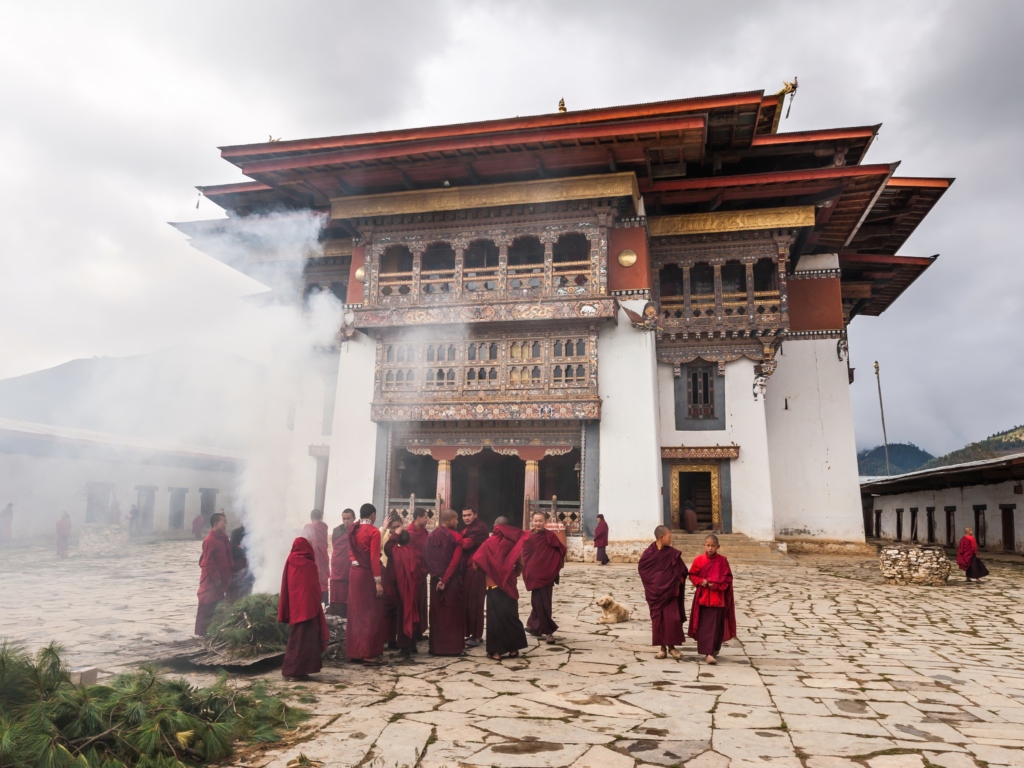
Travellers interested in Bhutanese culture can include visits to dzongs, monasteries and traditional markets in their sightseeing plans. When building a cultural itinerary, allow sufficient time at each attraction instead of trying to cover several locations in a single day. This also gives you more opportunities to understand local traditions and enjoy the destination at a relaxed pace.
Best for: Cultural sightseeing and peaceful town visits.
March: The Start of Spring
March marks the beginning of spring, with gradually warming conditions and the first signs of seasonal blooms. It is a good time to explore Paro, Thimphu and Punakha, although mornings and evenings can still be chilly.
Pack layers and keep outdoor plans flexible, as weather conditions can vary between valleys.
March is particularly suitable for travellers who want to combine cultural sightseeing with nature walks and scenic drives. When planning your route, consider including enough time for the journey between destinations, especially if you are travelling through mountain stretches. A balanced itinerary covering Paro, Thimphu and Punakha can help first-time visitors experience different aspects of Bhutan without making the trip unnecessarily hectic.
Best for: Sightseeing, nature walks and early spring scenery.
April: Flowers, Green Valleys and Pleasant Sightseeing
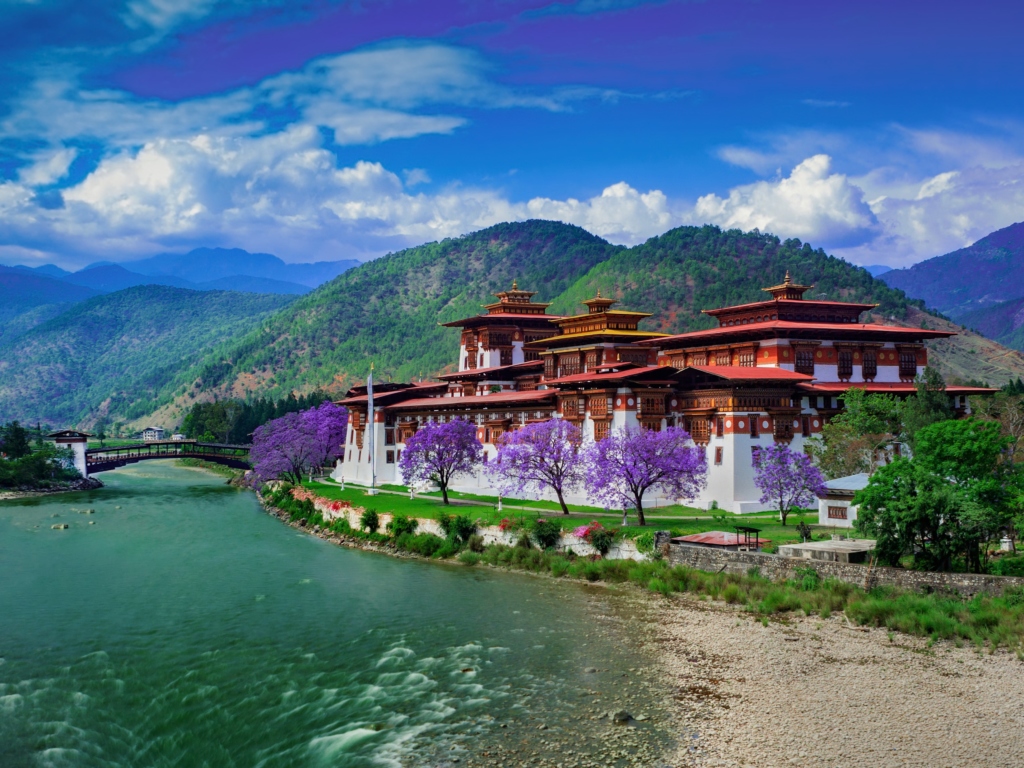
April is a popular month for visiting Bhutan. Spring flowers, greener landscapes and generally comfortable conditions make it suitable for exploring monasteries, dzongs, valleys and local towns.
It is also a rewarding time for nature lovers. Occasional showers are possible, so carrying a light rain jacket is sensible.
For travellers visiting Bhutan for the first time, April offers opportunities to combine cultural attractions with outdoor experiences. Popular sightseeing stops around Paro and Thimphu can be paired with a visit to Punakha, depending on the duration of your holiday.
If you are interested in visiting Tiger’s Nest Monastery, remember that the hike requires a reasonable level of physical fitness and can take several hours. Keep the excursion on a dedicated day rather than combining it with multiple long-distance transfers. Planning activities according to their physical demands is an important part of creating a comfortable Bhutan itinerary.
Best for: Spring landscapes, cultural sightseeing and outdoor activities.
May: Warm Days Before the Heavier Monsoon
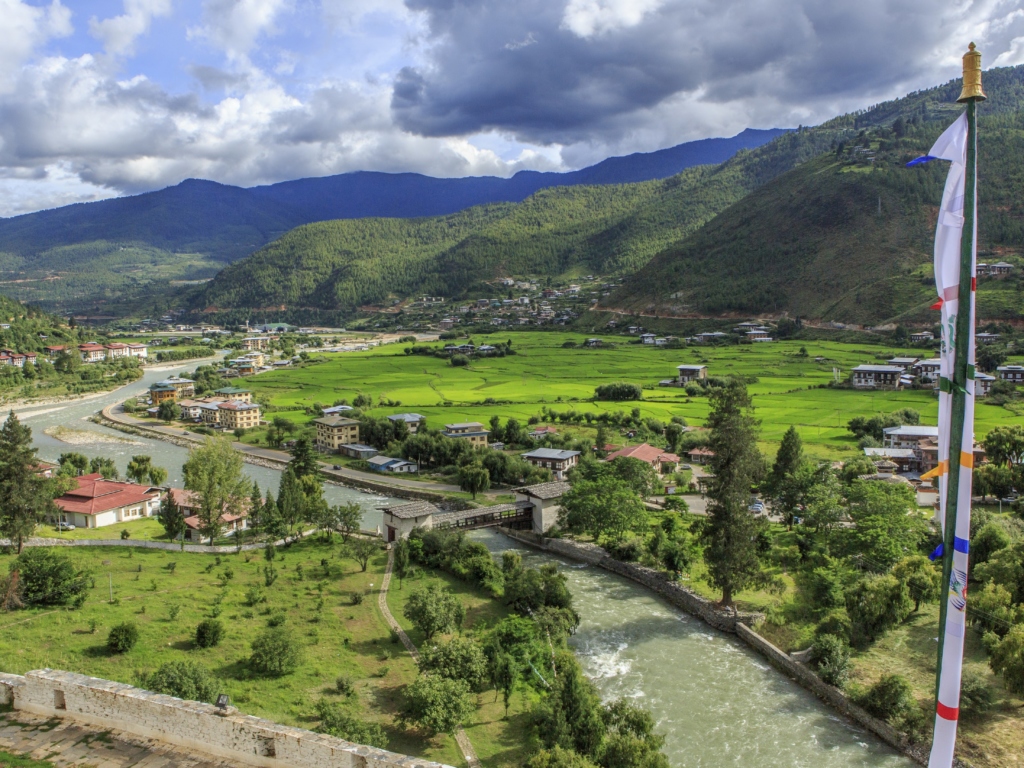
May can offer good sightseeing conditions, especially earlier in the month. Temperatures begin to rise, and occasional rain becomes more likely as summer approaches.
You can explore cultural attractions and scenic valleys, but monitor the forecast if your plans include long road journeys or outdoor excursions.
May is a useful period for travellers looking to experience Bhutan before the main monsoon season begins. However, conditions can change towards the end of the month, so avoid making your itinerary overly dependent on clear mountain views.
When booking accommodation and arranging transport, consider the location of your stay in relation to the attractions you want to visit. This can reduce unnecessary travel time and leave more room for sightseeing. Thrillophilia’s destination-based itinerary options can help travellers compare different route combinations and choose a duration that suits their plans.
Best for: Spring travel and scenic drives before the main monsoon period.
June: The Beginning of Monsoon Conditions
June is a transition month when rainfall becomes more frequent, particularly towards the latter part of the month. The countryside becomes lush and green, but cloudy skies can reduce visibility of the Himalayan peaks.
You can still visit Bhutan in June, but a flexible itinerary is important. Keep indoor cultural attractions as alternatives to outdoor sightseeing and avoid scheduling several long road transfers back to back.
Travellers visiting during this period should pay particular attention to the sequence of destinations in their itinerary. Keeping sightseeing attractions close to your overnight location can help reduce unnecessary road travel when rainfall becomes heavier.
It is also worth checking whether your planned excursions are suitable for the weather conditions on the day. A well-organised holiday should leave room for adjustments instead of requiring you to follow a fixed sightseeing schedule regardless of local conditions.
Best for: Travellers who enjoy green landscapes and are comfortable adjusting their plans.
July: Is Bhutan Worth Visiting During the Monsoon?
Bhutan in July can be beautiful, with green valleys, forests and abundant vegetation. However, it is also one of the wetter periods of the year, and heavy rain can affect road conditions, outdoor activities and mountain views.
Landslides, falling rocks and flooding may block roads or make some journeys unsafe. This does not mean every trip will be disrupted, but conditions can change quickly.
If you visit in July, keep these precautions in mind:
- Allow extra travel time: Avoid scheduling important activities immediately after a long drive.
- Keep your itinerary flexible: Be prepared to change the order of sightseeing or skip a stop if conditions deteriorate.
- Check road conditions daily: Ask your hotel, local driver or tour operator about current conditions before setting out.
- Carry rain protection: Waterproof footwear, a rain jacket and a protective luggage cover can be useful.
- Plan alternatives: If an outdoor excursion is inaccessible, consider a museum, craft centre or another attraction that remains open.
For travellers booking an organised Bhutan holiday, discussing monsoon-related travel arrangements with the tour operator beforehand is particularly useful. Ask how itinerary changes are handled, whether alternative sightseeing arrangements can be made and what happens if a road becomes temporarily inaccessible.
Thrillophilia travellers should also check the specific inclusions, transport arrangements and cancellation or rescheduling terms of their selected itinerary rather than assuming that every package follows identical arrangements.
July can work for travellers with flexible schedules who do not mind rainy weather. If clear mountain views and predictable road travel are your main priorities, consider visiting in another month.
Best for: Travellers who enjoy lush landscapes and can accommodate weather-related changes.
August: Green Scenery with Continued Rainfall
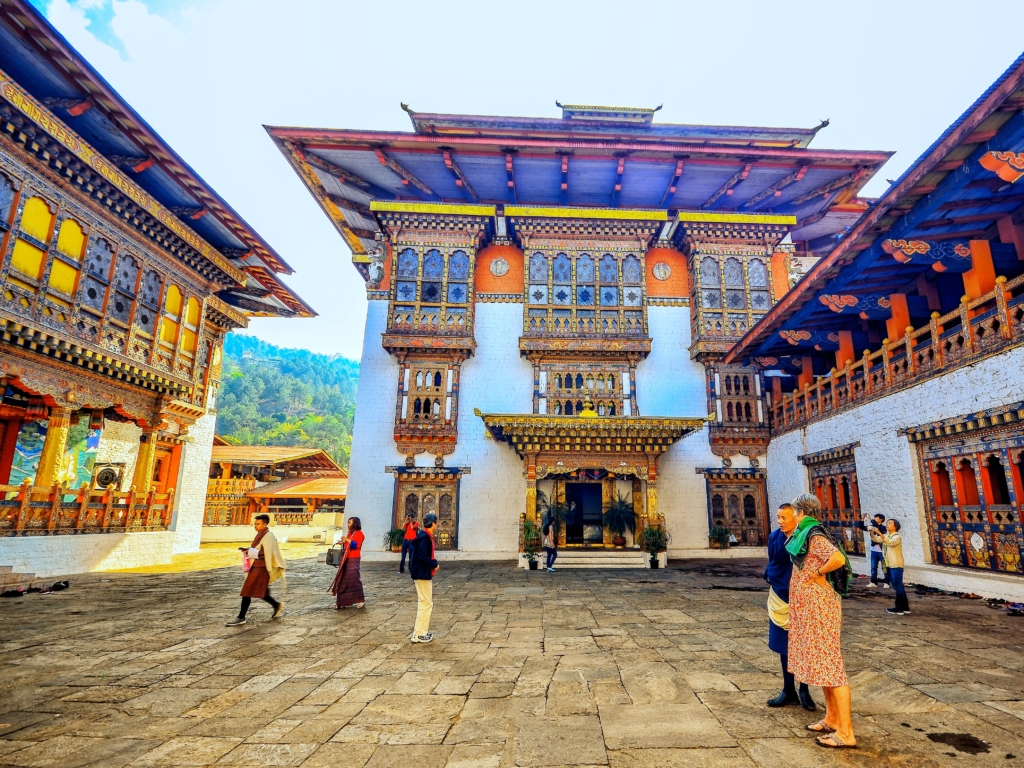
August remains part of Bhutan’s monsoon season, and heavy rain can continue to affect roads and outdoor plans. The countryside is often very green, but clouds and mist may limit visibility in mountain areas.
Avoid an overly packed itinerary. Stay informed about weather alerts, check your route and allow enough time to reach your next destination safely.
Road closures and sightseeing changes are possible, but they are not inevitable on every trip. The actual impact depends on rainfall, local conditions and your destinations.
If you are travelling in August, choose accommodation and sightseeing arrangements that give you some flexibility. Avoid placing important outdoor activities towards the end of your holiday, as a weather-related delay earlier in the trip could affect your schedule.
Travellers comparing organised itineraries should also look at the number of overnight stays in each destination. Spending sufficient time in Paro, Thimphu or Punakha can make the holiday less rushed and provide more flexibility if outdoor activities need to be rearranged.
Best for: Flexible travellers who prioritise green scenery over clear mountain views.
September: The Transition Towards Autumn
September begins with continuing monsoon conditions, but the weather generally transitions towards autumn later in the month. Rain can still affect transport, so early September requires the same precautions as July and August.
Towards the end of the month, conditions may become more favourable for sightseeing, although the timing varies each year. If your dates are flexible, late September may be worth considering after checking the forecast.
This month can be an interesting option for travellers who want to experience Bhutan’s green landscapes while moving closer to the more favourable autumn season. However, do not assume that the monsoon ends on a fixed date. Check local weather conditions before confirming outdoor excursions and longer road journeys.
If you are planning a multi-destination holiday, allow sufficient time for transfers and avoid making your return journey dependent on a single long-distance road trip immediately before your flight.
Best for: Travellers who want green landscapes and can adjust their plans.
October: One of the Best Months to Visit Bhutan
October is widely regarded as an excellent month for a Bhutan holiday. It follows the main monsoon period and often brings clearer skies, comfortable daytime temperatures and better opportunities for mountain views.
It is a good time to explore Paro, Thimphu and Punakha, enjoy scenic drives and visit cultural attractions. October can also coincide with popular festivals, depending on the annual calendar.
Because it is a popular travel period, book accommodation and transport in advance if you have fixed dates.
October is particularly suitable for first-time visitors looking to experience Bhutan’s major attractions in one holiday. You can plan a combination of cultural sightseeing, scenic drives, monastery visits and outdoor activities without having to work around the more frequent rainfall associated with the monsoon.
Travellers interested in festivals should verify the exact dates before confirming their itinerary. Festival dates can vary each year, and accommodation availability may become limited around major celebrations.
When comparing Bhutan tour packages on Thrillophilia, check the number of days allocated to each destination, the sightseeing inclusions, accommodation category and transport arrangements. These details can make a significant difference to the overall experience, even when two itineraries cover similar places.
Best for: First-time visitors, photography, mountain scenery and cultural sightseeing.
November: Clear Skies and Comfortable Sightseeing
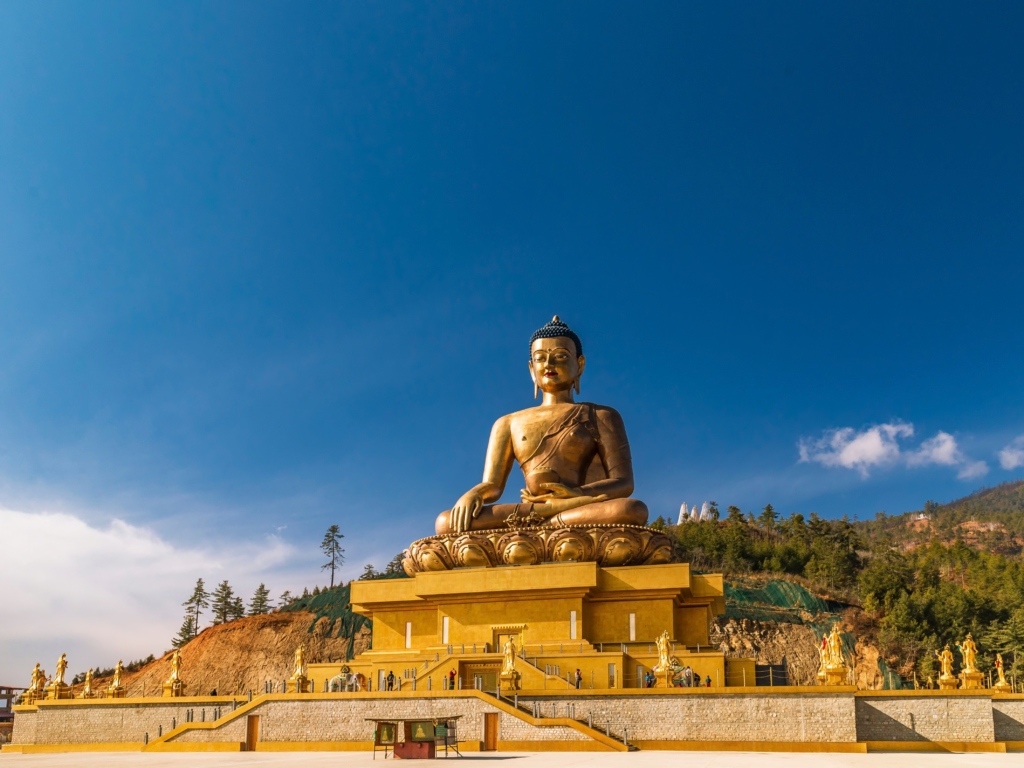
November is another favourable month for exploring Bhutan. The weather is generally drier, and clear days can provide excellent views of the surrounding mountains. Temperatures begin to drop, particularly in the mornings and evenings.
It is a good month for visiting monasteries, historic fortresses, traditional towns and scenic valleys. Pack warm clothing if your itinerary includes mountain excursions.
November is also a good choice for travellers who prefer a combination of cultural exploration and comfortable road journeys. You can plan visits to popular attractions such as Tiger’s Nest Monastery, Punakha Dzong and Buddha Dordenma while allowing sufficient time to explore each destination.
For a more rewarding experience, avoid treating every attraction as a quick photography stop. Bhutan’s monasteries, dzongs and traditional settlements offer opportunities to learn about the country’s architecture, history and everyday culture.
If you are booking through Thrillophilia, compare itineraries based on the sightseeing time included, overnight stops and travel pace. This can help you select a holiday that matches your interests instead of choosing solely on the number of destinations covered.
Best for: Scenic sightseeing, photography and travellers who prefer dry weather.
December: A Peaceful Winter Holiday
December brings colder weather and fewer visitors in some areas. Days can be clear and sunny, but temperatures drop considerably after sunset. Snowfall is possible at higher elevations, although conditions vary by location.
Focus on cultural attractions, town visits and comfortable accommodation. Cold weather may affect outdoor plans, especially if your itinerary includes high mountain passes.
December can be a rewarding time to explore Bhutan at a slower pace. Cultural sightseeing in Paro and Thimphu, visits to monasteries and relaxed town exploration can form the main part of your holiday.
Before booking, check the expected temperatures and accommodation facilities at each overnight destination. Heating arrangements, warm clothing and suitable footwear are particularly important during winter travel.
If your itinerary includes higher-altitude areas, confirm road accessibility and weather conditions before setting out. Keeping your travel schedule realistic will help you enjoy the quieter side of Bhutan without unnecessary discomfort.
Best for: Quiet sightseeing, winter scenery and travellers who enjoy cold weather.
Is Bhutan Safe During the Monsoon from June to September?
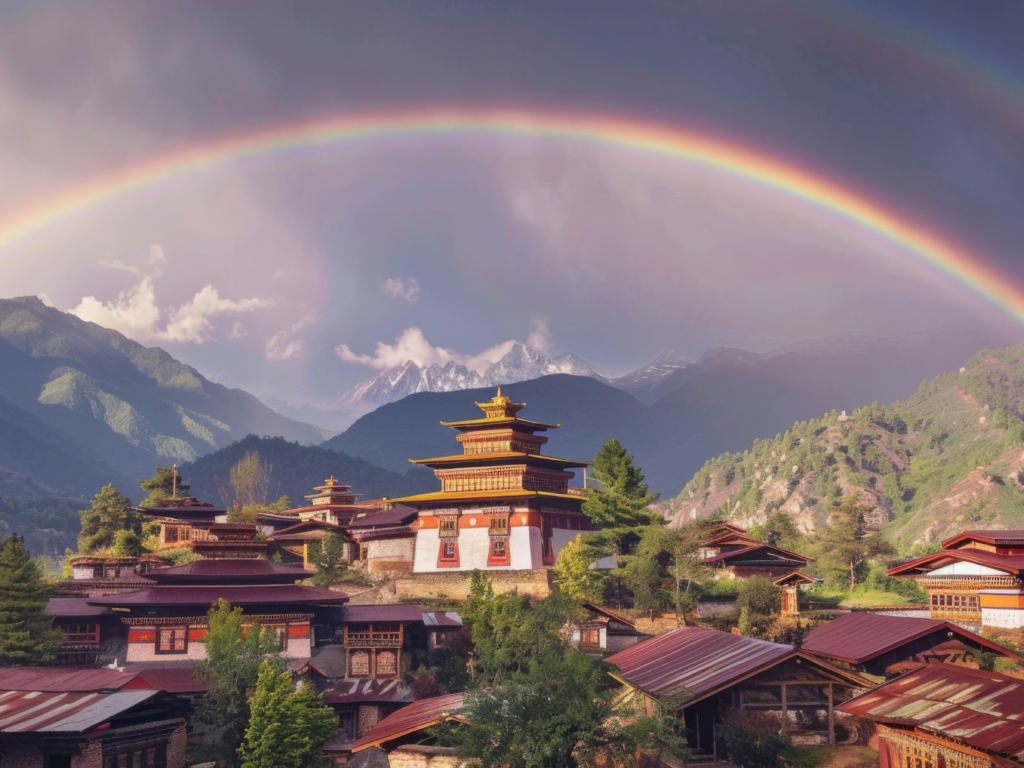
You can visit Bhutan during the monsoon, but safe travel depends on local weather and road conditions rather than the month alone. Heavy rainfall can loosen rocks, trigger landslides and damage roads or bridges. Mountain routes may become temporarily inaccessible, and journeys can take longer than expected. Poor visibility can also affect scenic drives.
Before travelling during the monsoon:
- Check weather forecasts and local travel updates regularly.
- Ask your accommodation or tour operator whether roads and attractions on your route are accessible.
- Keep your schedule flexible instead of planning every day around fixed activities.
- Avoid travelling through areas affected by landslides or flooding.
- Follow local authorities’ instructions, even if this means changing or cancelling an excursion.
- Consider travel insurance that covers trip interruptions and relevant emergency assistance.
For a safer and more comfortable holiday, it is also important to understand the practical arrangements included in your tour. Confirm the transport arrangements, accommodation locations, planned sightseeing stops and procedures for weather-related itinerary changes before departure.
When choosing a Thrillophilia Bhutan package, review the inclusions and exclusions carefully. Check whether airport transfers, intercity transportation, accommodation, sightseeing and applicable local services are covered. These details help you understand what is arranged in advance and what may need separate planning.
Travellers should also keep emergency contact details accessible and stay in communication with their local driver or tour coordinator when travelling between destinations during heavy rainfall.
Will Landslides Cancel Sightseeing in Bhutan?
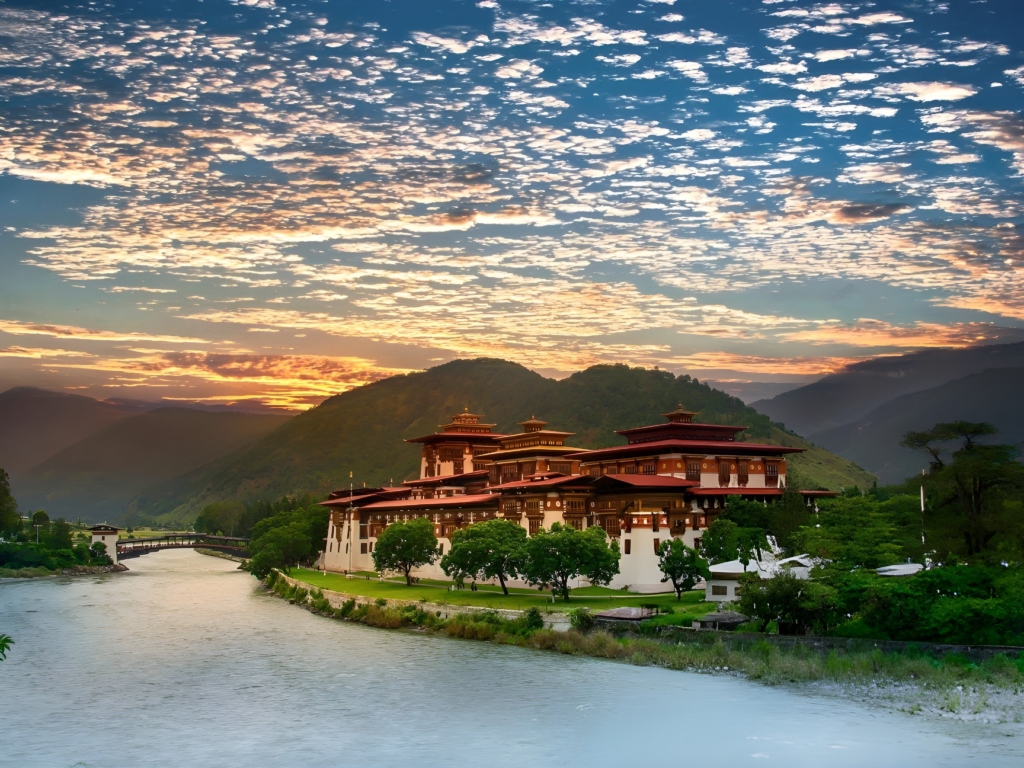
Landslides can cause sightseeing changes, but they do not automatically mean your entire holiday will be cancelled. The impact depends on where a landslide occurs, whether it affects your route and how quickly the road or attraction becomes accessible again.
If a road between two destinations is blocked, your driver or tour operator may need to delay departure, use an alternative route where safe or rearrange your itinerary. An outdoor excursion may also be postponed if rain makes the route unsafe.
Avoid scheduling every important attraction on a single day. Keep some flexibility, particularly for long-distance transfers, and ask about cancellation or rescheduling arrangements before booking.
If you have fixed international flights, leave enough time to reach your departure point. Do not assume a road will reopen by a particular time without confirmation from local authorities.
An important part of responsible tour planning is recognising when an attraction or road journey should be avoided rather than trying to complete the original schedule at any cost. This is particularly relevant for mountain destinations, where road accessibility can change depending on rainfall and local conditions.
Before confirming a holiday with Thrillophilia, travellers can clarify how weather-related changes are communicated, what alternative arrangements may be possible and which changes are covered under the applicable booking terms. Keeping these details clear before departure helps set realistic expectations and makes it easier to manage unexpected disruptions.
Which Month Should You Choose for Your Bhutan Trip?
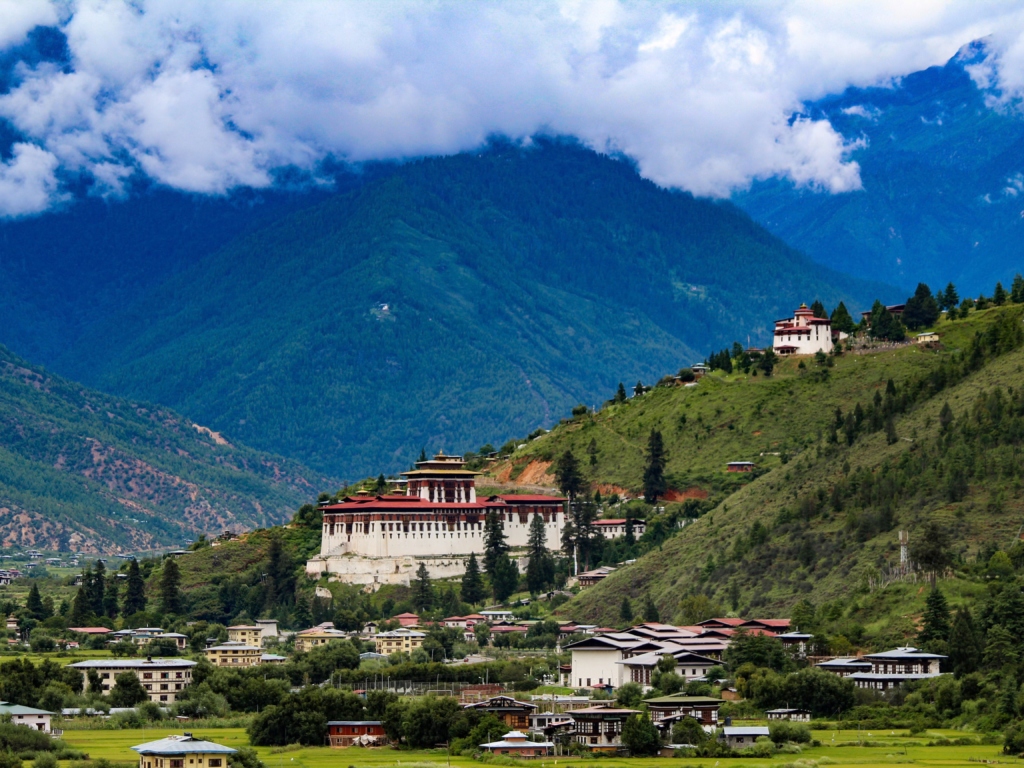
The right month depends on your priorities:
- For first-time visitors: Consider April, October or November for generally favourable sightseeing conditions.
- For clear mountain views: October and November are often good choices, although weather is never guaranteed.
- For spring flowers and nature: March and April are attractive options.
- For a quieter winter holiday: January, February or December may suit you if you are prepared for cold conditions.
- For monsoon travel: June to September can work if you have flexible dates, check conditions regularly and accept that some activities may need to change.
If you have already decided to travel in July or August, you do not necessarily need to abandon your plans. Choose a realistic route, avoid unnecessary long drives and keep alternative activities ready.
When finalising your Bhutan holiday, consider the total duration, your preferred travel pace, accommodation expectations and the experiences you want to prioritise. A shorter itinerary covering Paro and Thimphu may suit travellers with limited time, while a longer holiday can include Punakha and additional cultural or nature-based experiences.
Thrillophilia’s Bhutan tour options allow travellers to explore different itinerary combinations and compare arrangements before making a booking. Pay attention to the inclusions, accommodation details, sightseeing coverage, transport arrangements and applicable booking policies rather than comparing packages on price alone.
For the best overall experience, choose a travel month that matches your priorities and leave enough flexibility to enjoy Bhutan without rushing between destinations.
Frequently Asked Questions
A July trip is possible, but heavy rainfall can cause landslides, flooding, road closures and delays. Check local weather and road conditions daily, allow extra time for transfers and follow the advice of local authorities. If your dates are flexible, consider October or November for generally drier sightseeing conditions. Travellers booking an organised holiday should also clarify weather-related itinerary changes and transport arrangements with their tour operator before departure.
No. Landslides do not necessarily affect every destination, but they can block specific roads, delay transfers or make outdoor attractions temporarily inaccessible. Your plans may need to change depending on local conditions. Keep your itinerary flexible and confirm accessibility with your hotel, driver or tour operator before setting out. If you are travelling with Thrillophilia, check the applicable booking terms and ask about possible alternative arrangements in case weather affects your planned sightseeing.