

Quick Jumplinks to Navigate
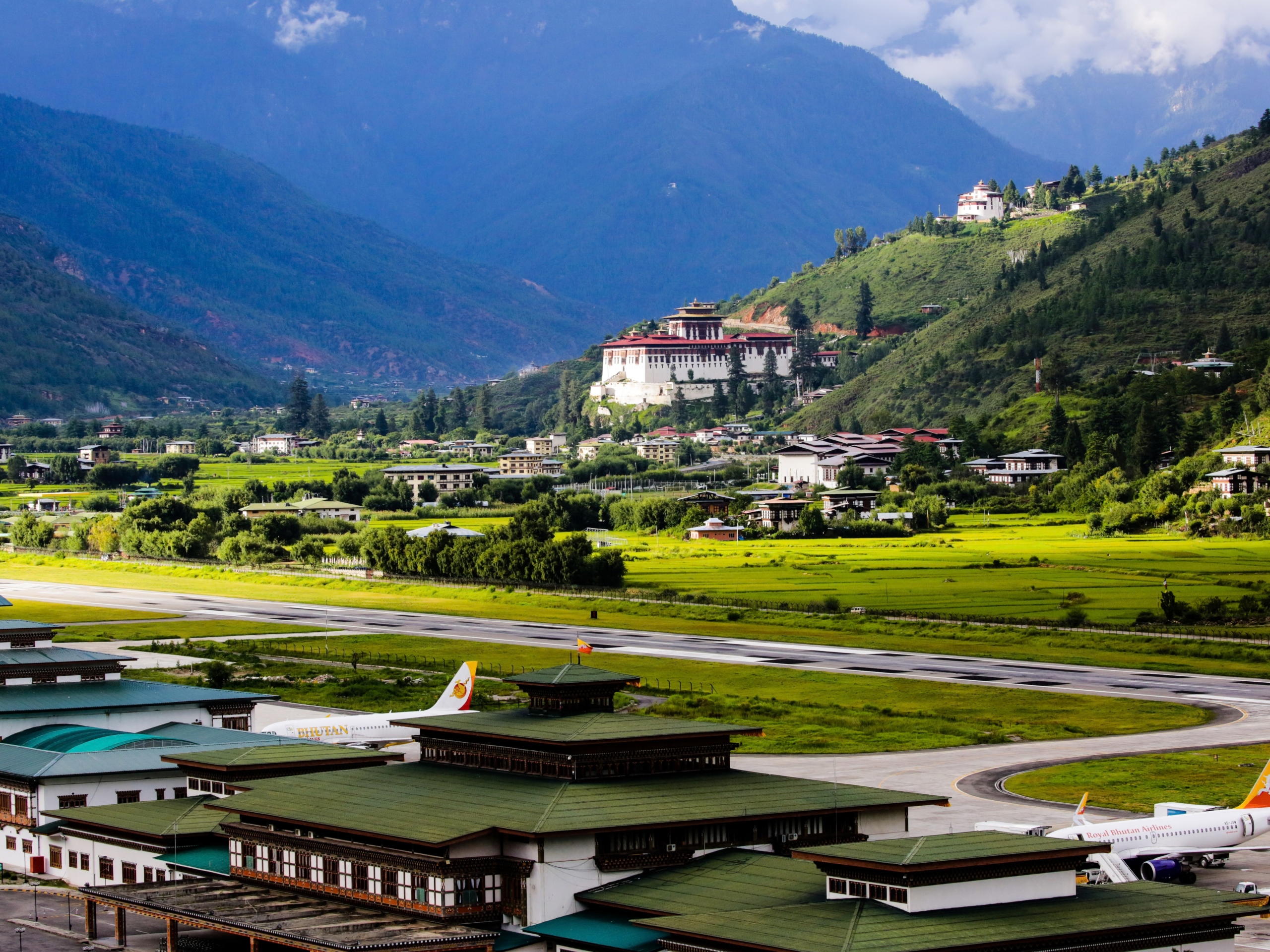
Planning a Bhutan trip without a travel agent is possible, and it can be a good option if you enjoy researching destinations, comparing hotels and planning your own itinerary. You can book your accommodation, arrange your transport and decide how much time you want to spend in places such as Paro, Thimphu and Punakha. However, travelling independently does not mean you can ignore Bhutan’s entry requirements, daily fees or local travel rules. You will also need to consider how mountain journeys, sightseeing schedules and accommodation locations fit together. Before deciding whether to plan everything yourself or book a package, it helps to understand what you will need to organise.
Bhutan offers a different kind of holiday, with peaceful monasteries, mountain roads, traditional architecture and scenic valleys. The experience often depends on how well you plan the route. For instance, fitting Paro, Thimphu and Punakha into a short holiday requires careful coordination of travel time and sightseeing. Whether you are travelling with friends or planning a trip with your partner, you can explore Bhutan tour packages to understand the destinations, day-wise itineraries and experiences commonly included in organised holidays before building your own itinerary.
Can You Visit Bhutan Without a Travel Agent?
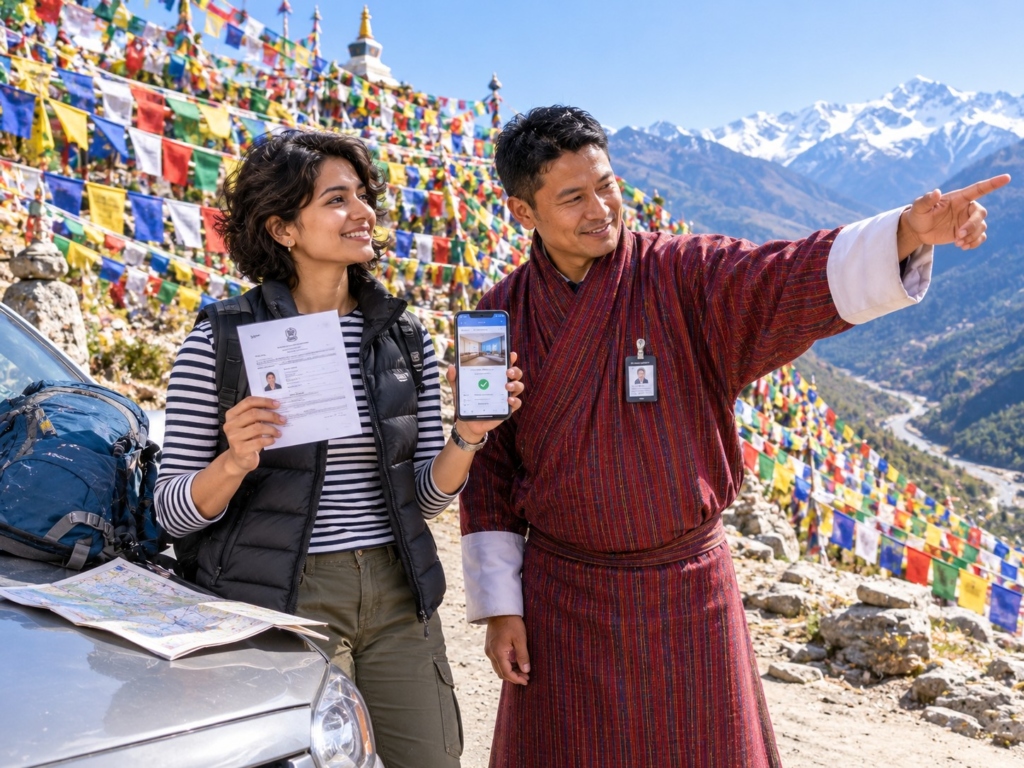
Yes. Bhutan allows travellers to arrange their trips independently, so you do not necessarily need to book a complete holiday package through a travel agent. You can research your route, book suitable accommodation and organise transport and sightseeing according to your preferences. However, some requirements still apply, even when you make every booking yourself.
For Indian travellers, a visa is not required, but an entry permit is necessary. You can apply for the permit online or at an authorised point of entry, subject to the applicable requirements. Indian visitors must also pay the Sustainable Development Fee (SDF), currently INR 1,200 per person per night for adults. Children aged 6 to under 12 pay a reduced rate of INR 600 per night, while children under six are exempt.
Independent travellers must also follow Bhutan’s accommodation and guiding requirements. Indian visitors are required to stay in Department of Tourism-certified accommodation, and a local guide is mandatory for sightseeing under the current tourism rules. Check the latest information on the official Bhutan tourism website before finalising your plans.
From a trip-planning perspective, understanding these requirements before booking is important. Even a well-priced hotel or transport arrangement may not be suitable if it does not meet the applicable rules. When comparing a Thrillophilia package with a DIY holiday, check how the selected itinerary addresses accommodation, permits and guided sightseeing rather than assuming every requirement is automatically covered.
What You’ll Have to Arrange Yourself on a DIY Bhutan Trip
1. Entry Permits and Travel Documents
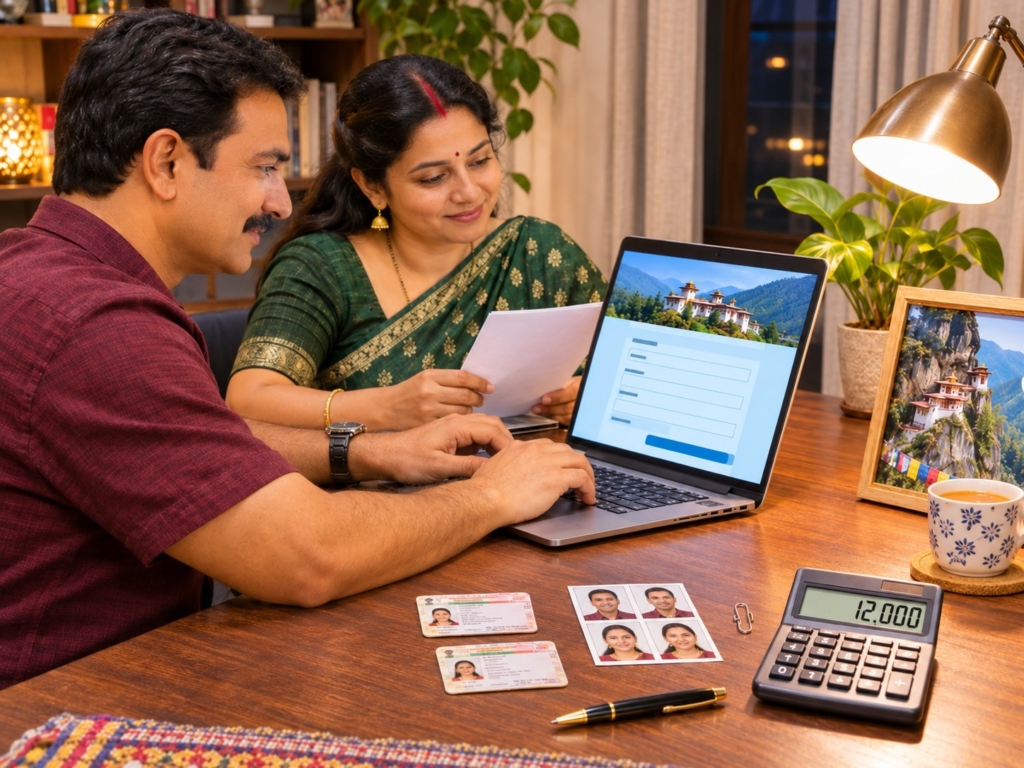
Your first responsibility is to prepare the documents needed to enter Bhutan. Indian citizens can generally use a valid Indian passport or an original Voter ID card for the entry permit process. Children under 18 need the required identification documents and must travel with a legal guardian. Keep passport-size photographs and other requested documents ready, and check the latest rules before departure.
You will also need to account for the SDF when calculating your total budget. For example, two adults staying for five nights would pay INR 12,000 in SDF altogether, before accommodation, transport, meals and sightseeing expenses. This fee applies regardless of whether you book a package or plan your trip independently.
You can review the latest Bhutan entry permit and SDF requirements before travelling. Completing the documentation in advance can help you avoid unnecessary delays at the border or airport.
For travellers choosing an organised holiday, this is one of the first areas to clarify with the travel company. Before booking a Thrillophilia itinerary, check what permit-related guidance or assistance is included and which documents you must arrange personally. Also confirm whether the package price includes the SDF or whether you need to pay it separately. Having these details in writing makes it easier to calculate the actual trip budget.
2. Finding and Booking the Right Hotels
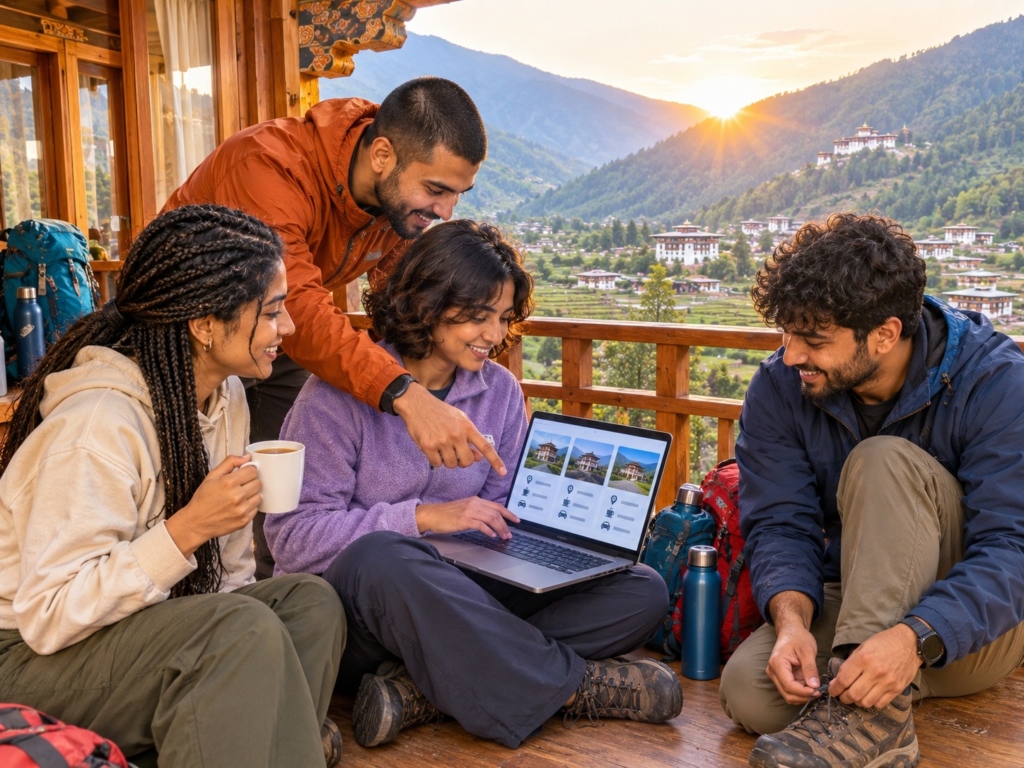
If you are planning a Bhutan trip with friends, booking your own hotels may seem like the easiest way to control your budget. You can compare room prices, read reviews and choose properties based on their location, facilities and comfort level. However, make sure that every property meets Bhutan’s applicable tourism accommodation requirements before making a payment.
Think about how your accommodation fits into your route. A hotel in central Thimphu may be convenient for visiting markets and cultural attractions, while a stay in Paro can make it easier to plan an early start for the famous Tiger’s Nest Monastery hike. If your itinerary includes Punakha, you may prefer staying there rather than returning to Thimphu after a long day on the road.
Also, check the cancellation policy, breakfast arrangements, parking facilities and distance from the places you plan to visit. The cheapest room is not always the most practical option if reaching it involves a long transfer or additional transport costs.
This is also why hotel location matters when comparing package itineraries. A property may look attractive online, but its distance from the day’s sightseeing stops can affect how much time you spend travelling. When reviewing Thrillophilia’s Bhutan packages, look beyond the hotel category and check the property details, location and meal inclusions. If you have preferences such as a mountain-facing room, a central location or specific dietary requirements, communicate them before confirming the booking.
3. Arranging Transport Between Destinations
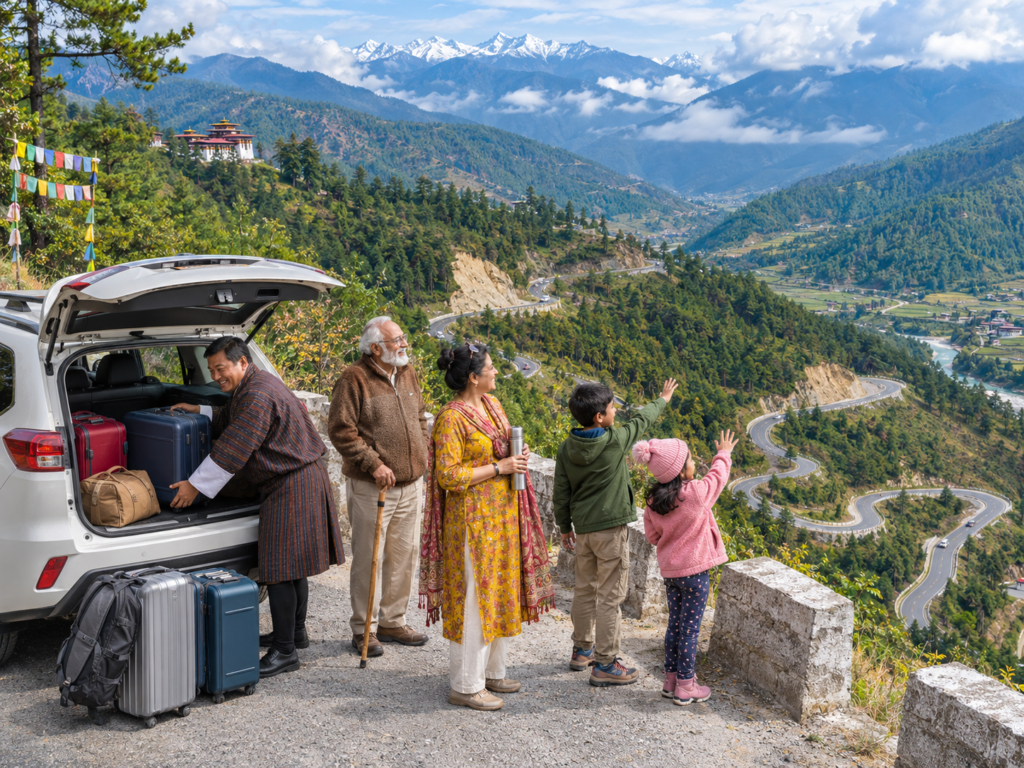
Transport is one of the most important parts of planning a Bhutan trip without a travel agent. Although the country is compact compared with many other destinations, mountain roads can make journeys longer than expected. You will need to plan how to travel between Paro, Thimphu and Punakha, along with any additional valleys or towns you want to explore.
You can arrange transport through a local service provider, a driver or your hotel. Bhutan also has the Druk Ride app for finding transport services. However, self-drive rental cars are not generally available in Bhutan, so do not assume that you can simply rent a car and drive around independently.
If you are entering Bhutan by road, plan your journey to Phuentsholing and arrange the onward transfer to your first destination. If you are flying, check your arrival time and confirm how you will reach your hotel.
The driving experience is an important part of a Bhutan holiday. Routes between destinations involve winding mountain roads, changing elevations and occasional weather-related delays. A realistic itinerary should therefore leave enough time for transfers instead of treating every journey as a short commute.
With an organised Thrillophilia package, check whether private transfers, airport or border pick-ups and sightseeing transportation are included. Also confirm whether the same vehicle is available throughout the trip or whether transfers involve different local providers. These details help set expectations, particularly for families, senior travellers and groups carrying multiple bags. A clearly planned transfer schedule can make the journey between Paro, Thimphu and Punakha considerably easier to manage.
4. Planning Your Own Sightseeing Itinerary
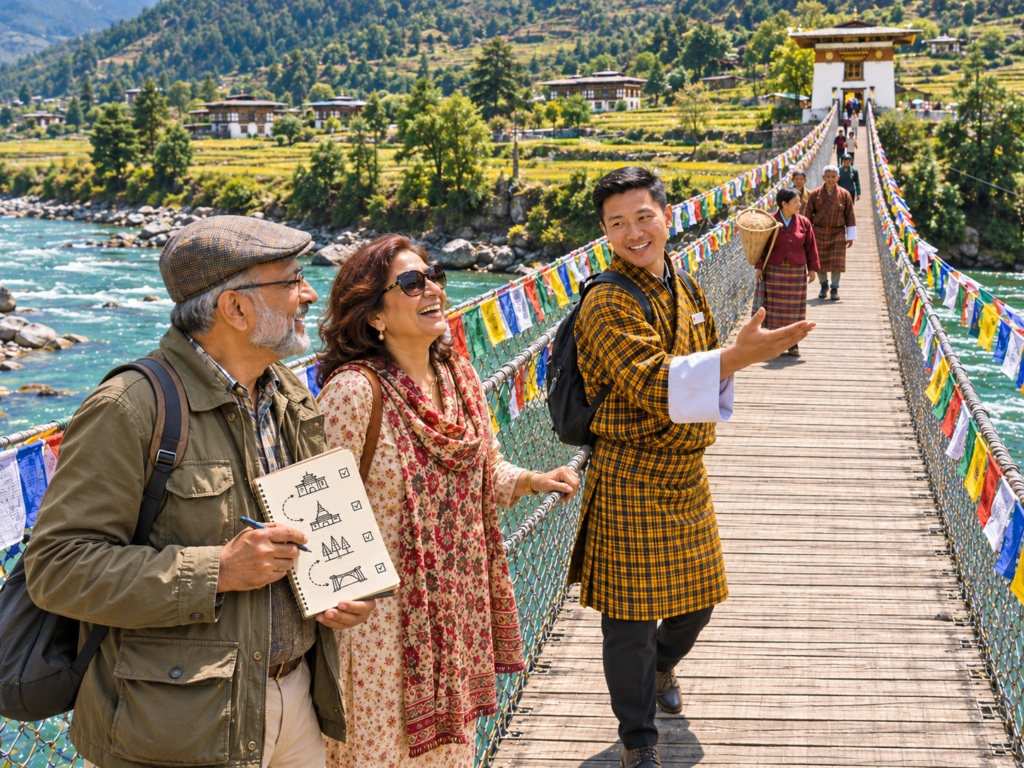
A DIY trip gives you more freedom to decide what you want to see and how long you want to spend at each attraction. You can spend an afternoon exploring Thimphu’s local markets, visit monasteries at your own pace or plan a full day around Paro’s cultural landmarks.
Start by listing the places you want to visit and grouping them by location. In Thimphu, you can explore Buddha Dordenma, the National Memorial Chorten and local handicraft markets. In Punakha, you can visit Punakha Dzong and the Punakha Suspension Bridge. Paro is known for Rinpung Dzong, traditional architecture and the hike to Taktsang, popularly called Tiger’s Nest Monastery.
Allow enough time for transfers, meals and rest instead of filling every day with attractions. The Tiger’s Nest hike, for example, requires several hours and can be physically demanding. You must also arrange an accredited guide for sightseeing as required by Bhutan’s current rules. Treks must be undertaken with an accredited tour operator or guide.
A common planning mistake is trying to cover too many destinations in a short holiday. The journey from Thimphu to Punakha, for example, involves crossing Dochula Pass, and travellers may want to stop there to enjoy the mountain views and memorial chortens. Similarly, the Tiger’s Nest hike deserves a dedicated part of the day rather than being squeezed between multiple sightseeing stops.
When comparing Thrillophilia’s day-wise Bhutan itineraries, look at how much time is allocated to each destination and whether the schedule allows for these experiences. A useful itinerary should balance sightseeing with travel time and rest. If you want to add a particular monastery, market or viewpoint, check whether the route can accommodate it without making the day unnecessarily rushed.
For more inspiration, browse Bhutan travel packages to compare different routes and see which destinations can realistically fit into your available travel days.
5. Managing Meals, Activities and Daily Expenses

When you plan independently, you will need to decide where to eat, which activities to book and how much money to keep aside for everyday expenses. Bhutanese food includes dishes such as ema datshi, red rice and momos, while cafés and restaurants in popular tourist areas offer other dining options.
You should also account for monument entry fees, guided sightseeing, local transport, snacks and any activities you want to add. Some attractions may have specific opening hours or entry requirements, so confirm these before setting out.
Keep a little extra money for unexpected expenses, especially if your plans involve long mountain drives or changes in weather. Card payments are accepted in many urban establishments, but cash can still be useful in smaller towns and remote areas. A local SIM card can also help you contact your driver or accommodation, although mobile coverage may be limited in some valleys.
If you are booking through Thrillophilia, carefully review the meal plan and activity inclusions instead of assuming that every experience is part of the package. For example, check whether breakfast and dinner are covered, whether monument tickets are included and whether any additional experiences require separate payment. Travellers with vegetarian, Jain or other dietary preferences should communicate their requirements in advance so that suitable arrangements can be checked with the relevant hotels or restaurants.
A clear breakdown of inclusions is particularly useful when comparing a package with a DIY budget. It helps you identify which expenses have already been accounted for and which ones you will need to manage during the holiday.
DIY Bhutan Trip vs a Package: What’s the Difference?
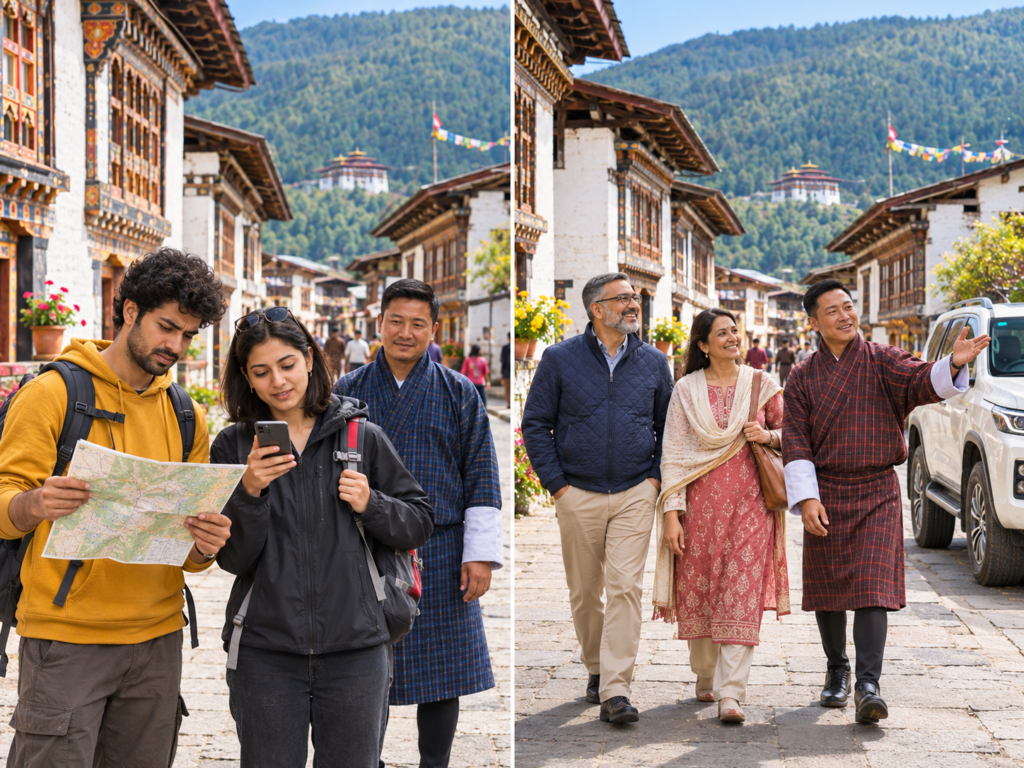
The biggest difference is how much planning you want to handle yourself.
With a DIY Bhutan trip, you control your hotel choices, route, sightseeing schedule and daily spending. This can work well for friends who enjoy researching places, comparing accommodation and coordinating their own travel arrangements. You can also adjust your itinerary as you go, provided you follow the relevant entry, accommodation and guiding requirements.
However, independent planning requires time and attention. You will need to coordinate your hotels with your transport, confirm that your bookings fit your sightseeing schedule, arrange the required guide and account for mandatory fees separately. If one part of the plan changes, you may have to rearrange the rest yourself.
A package brings several of these arrangements together. Depending on the itinerary, it may include accommodation, meals, internal transfers, guided sightseeing and assistance with permits. You still need to check what is included, as flights, some meals, monument entry fees and travel insurance may be charged separately.
One advantage of comparing an organised itinerary is that you can review the trip as a complete plan rather than evaluating each booking in isolation. For a destination like Bhutan, where road journeys and sightseeing schedules are closely connected, this can help you understand whether the proposed route is practical for your travel dates.
If you are considering Thrillophilia, examine the day-wise itinerary, hotel details, transport arrangements, inclusions and exclusions before making a decision. Ask specific questions about arrival transfers, local sightseeing, guide arrangements and any additional fees. This gives you a clearer picture of the support being offered and helps prevent misunderstandings during the trip.
If you want to compare the convenience of an organised holiday with the flexibility of planning independently, browse Bhutan holiday packages and review their day-wise itineraries and inclusions. This gives you a clearer idea of which arrangements you would need to make yourself.
Is a DIY Bhutan Trip Actually Cheaper?
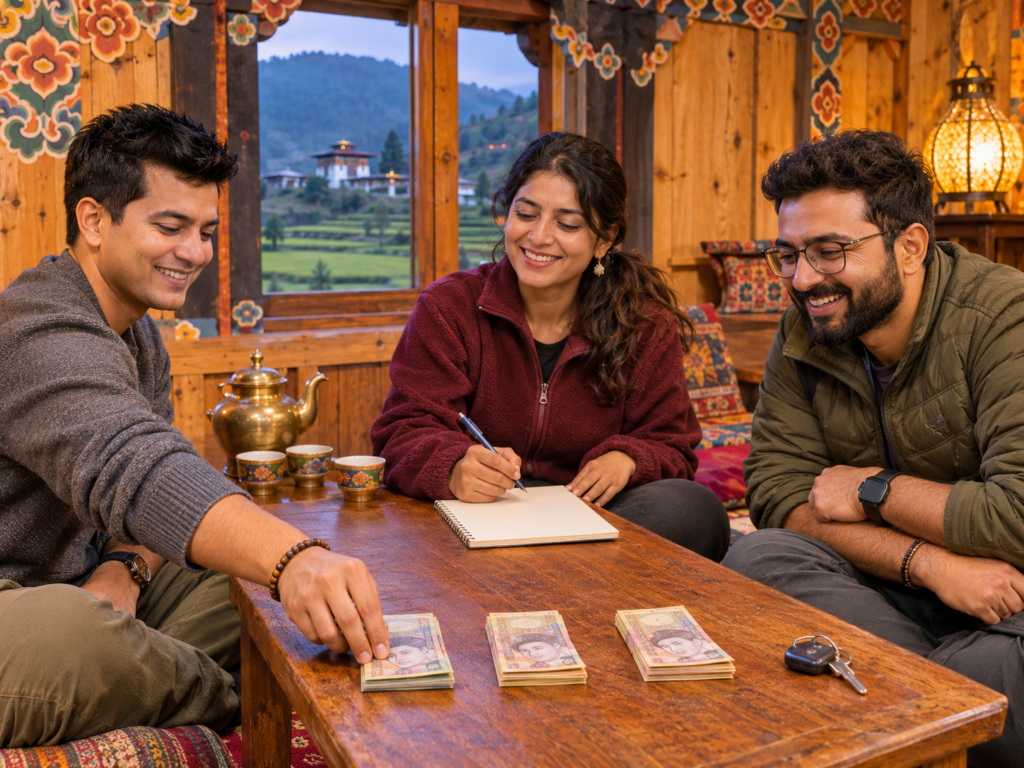
It can be, but booking everything independently does not automatically make your holiday cheaper. Your final budget depends on the hotels you choose, the number of people travelling together, the distance between destinations, your transport arrangements and the activities you include.
The SDF is a mandatory expense for eligible visitors regardless of how they book their trip. You must also budget for suitable accommodation, transport and any required guide services. If you are travelling with friends, sharing a vehicle and a room may help reduce the cost per person, depending on the accommodation and transport arrangements.
A package may offer convenience by combining several services into one booking, while a DIY trip gives you more control over individual choices. Compare the full cost of both options rather than looking only at the hotel price or package starting price. Include transport, meals, guide fees, entry charges and mandatory fees to understand the actual difference.
When comparing a Thrillophilia package with independent bookings, make a simple list of the services included in the quoted price. Add the cost of accommodation, transport, guide services, meals and sightseeing separately for your DIY option. This is a more reliable way to compare value than looking at the initial booking amount alone. Also check whether the package has any optional activities or additional charges that could affect your final budget.
What Works Better for Friends Planning a Bhutan Trip?
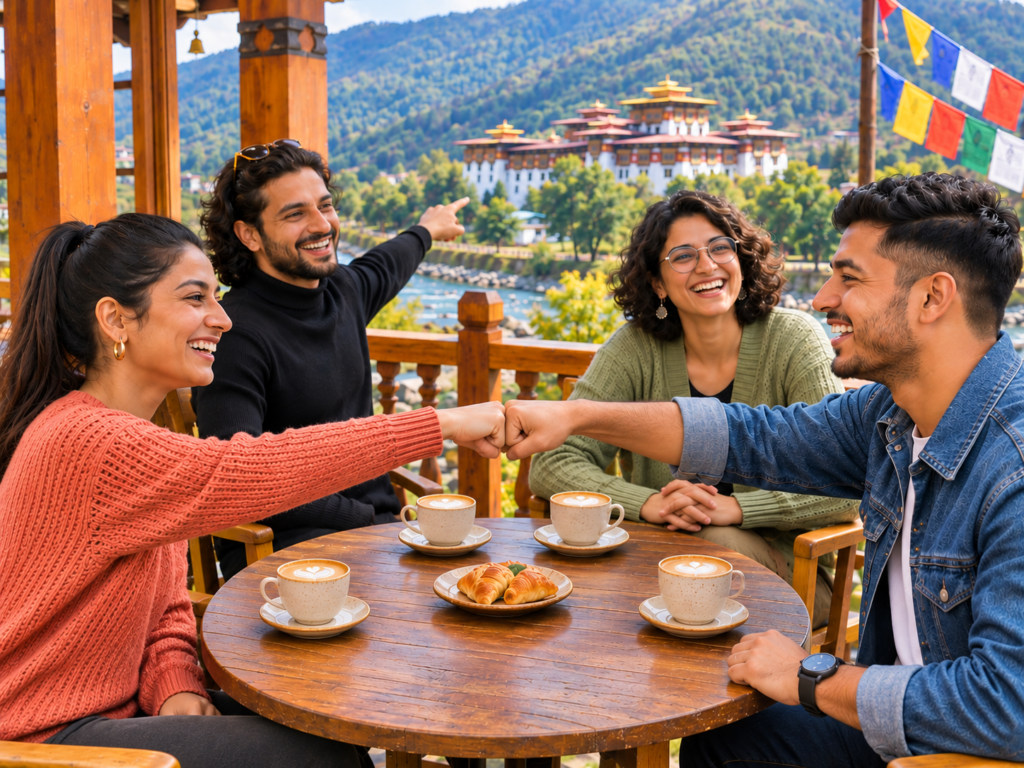
If you are travelling with a group of friends, begin by agreeing on your budget, travel dates and preferred pace. Some people may want to explore monasteries and local culture, while others may prefer scenic drives, short hikes and cafés. Discuss these preferences before making non-refundable bookings.
Independent planning can suit a group that enjoys organising travel and has enough time to coordinate the details. You can select accommodation that suits everyone, decide where to spend longer and arrange transport around your shared itinerary. However, managing several bookings and keeping everyone on schedule can become complicated if the group has different preferences.
A package may be more convenient if everyone wants the main arrangements handled together. You can compare the itinerary, accommodation and transport inclusions before deciding whether the added convenience is worth the cost. For groups, it is also worth checking room-sharing arrangements, vehicle capacity and whether the itinerary allows enough flexibility for different interests.
For first-time visitors, having the main route and transfers planned in advance can reduce the amount of coordination required during the holiday. However, if your group has specific interests or wants to spend more time at particular attractions, discuss these preferences with the travel team before booking. The aim should be to choose an itinerary that suits the group rather than simply fitting as many attractions as possible into each day.
So, Should You Plan Bhutan Yourself or Book a Package?
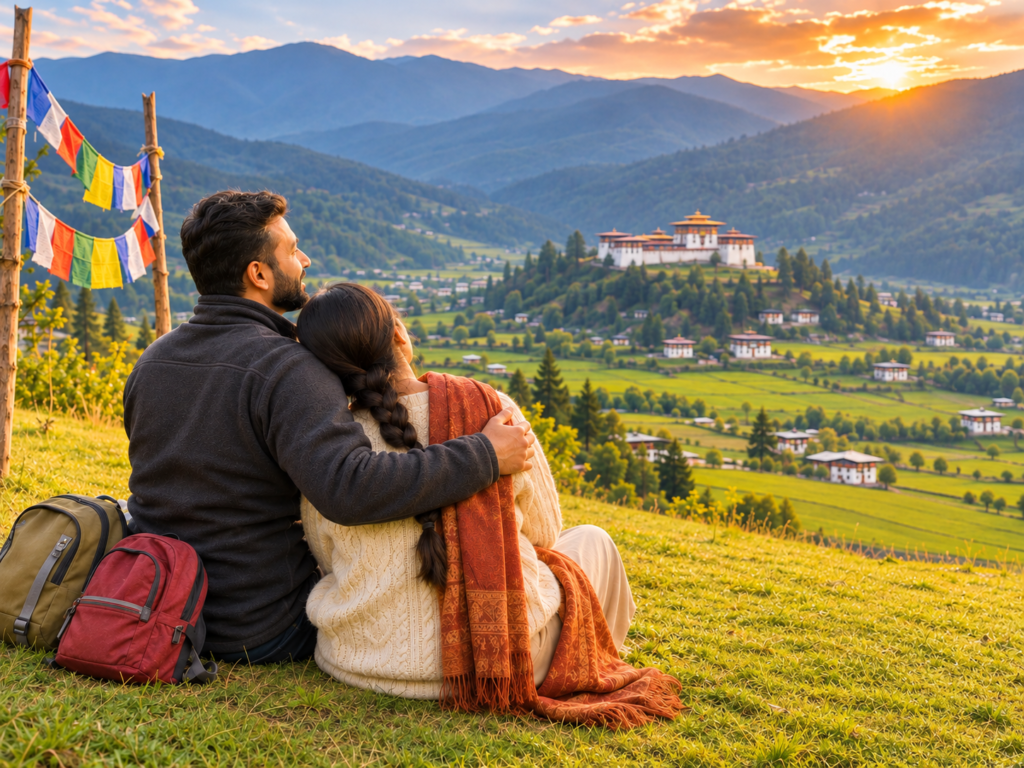
Choose a DIY Bhutan trip if you enjoy researching destinations, comparing hotels and taking responsibility for your travel arrangements. It gives you greater control over your choices, but you will still need to follow Bhutan’s entry rules, pay the applicable SDF, stay in eligible accommodation and arrange required guide services.
Choose a package if you would rather spend less time coordinating bookings and prefer having major travel arrangements planned together. This can be especially useful for first-time visitors, short holidays or groups that want a straightforward itinerary. Thrillophilia’s Bhutan packages are worth comparing if you want to review planned routes, accommodation options and transport arrangements in one place. Check the specific inclusions and exclusions before deciding whether the package suits your requirements.
There is no single option that works for everyone. Compare the total cost, inclusions, flexibility and amount of planning involved before deciding. With the right preparation, both approaches can help you enjoy Bhutan’s peaceful valleys, mountain scenery and rich cultural heritage.
Frequently Asked Questions
Yes. Indian citizens can plan their Bhutan trip independently without booking a complete tour package. However, they need the appropriate entry permit, must pay the applicable SDF and follow Bhutan’s accommodation and local guide requirements. Check the latest rules on the official Bhutan tourism website before departure.
Yes, you can book your own accommodation and arrange transport independently, provided your accommodation meets the applicable requirements. You should also arrange a local guide where required and confirm transport options between destinations. Plan your route in advance because mountain journeys can take longer than expected, particularly when travelling between Paro, Thimphu and Punakha.
.