

Quick Jumplinks to Navigate
If you are planning a holiday filled with green hills, waterfalls and mountain views, Bhutan and Meghalaya are two destinations worth considering. Both offer beautiful landscapes and cultural experiences, making them popular choices for travellers from East and North India. However, the overall experience and budget can be quite different.
When comparing Bhutan vs Meghalaya, the biggest difference is that Bhutan offers an international travel experience, while Meghalaya provides a scenic mountain escape within India. Bhutan is known for its monasteries, traditional architecture and peaceful valleys. Meghalaya attracts travellers with its waterfalls, living root bridges, caves, clear rivers and green hills.
Bhutan can cost more because of its Sustainable Development Fee (SDF), accommodation, transport and other travel expenses. Meghalaya does not have this Bhutan-specific fee, making it easier to plan a budget-friendly holiday. Travellers can explore Bhutan tour packages before deciding which destination offers better value.
Bhutan vs Meghalaya: Which Trip Is More Worth It?
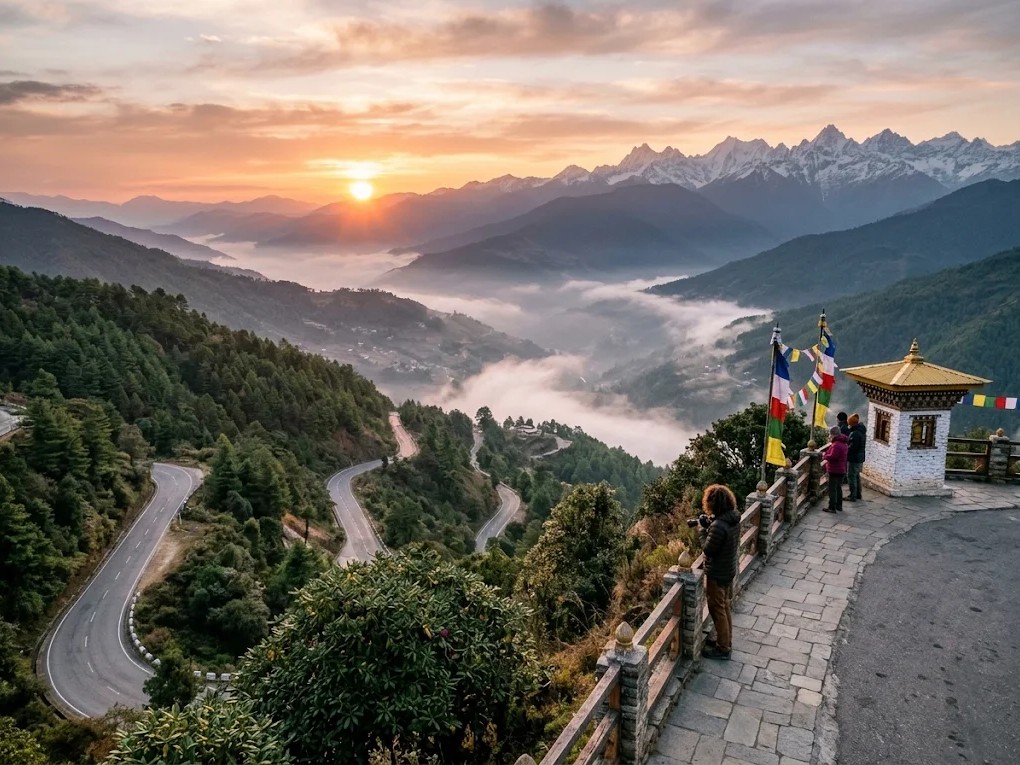
The answer depends on what you want from your holiday. Meghalaya is a good choice if you want waterfalls, caves, rivers and scenic road journeys without crossing an international border. Bhutan is worth considering if you want to experience another country’s culture, visit Buddhist monasteries and explore traditional mountain towns.
For travellers from East India, Meghalaya may be easier to plan as a short holiday, especially when starting from cities such as Kolkata. Travellers from North India should compare the cost and travel time of reaching both destinations.
If your priority is saving money while enjoying nature, Meghalaya is often the more practical choice. If you want a different cultural experience and have more room in your budget, Bhutan may be worth the additional expense.
Bhutan vs Meghalaya: Which Is More Budget-Friendly?
Bhutan generally involves additional expenses that you should consider before booking. Indian tourists need an entry permit, and the Sustainable Development Fee may apply. The standard SDF for Indian adults is INR 1,200 per person per night, subject to current rules and applicable concessions. Check the latest details on the official Bhutan travel website.
This fee adds to your accommodation, meals, transport and sightseeing expenses. For families, the total can increase with the number of travellers and nights spent in the country. Your choice of hotel, route and itinerary will also affect the final cost.
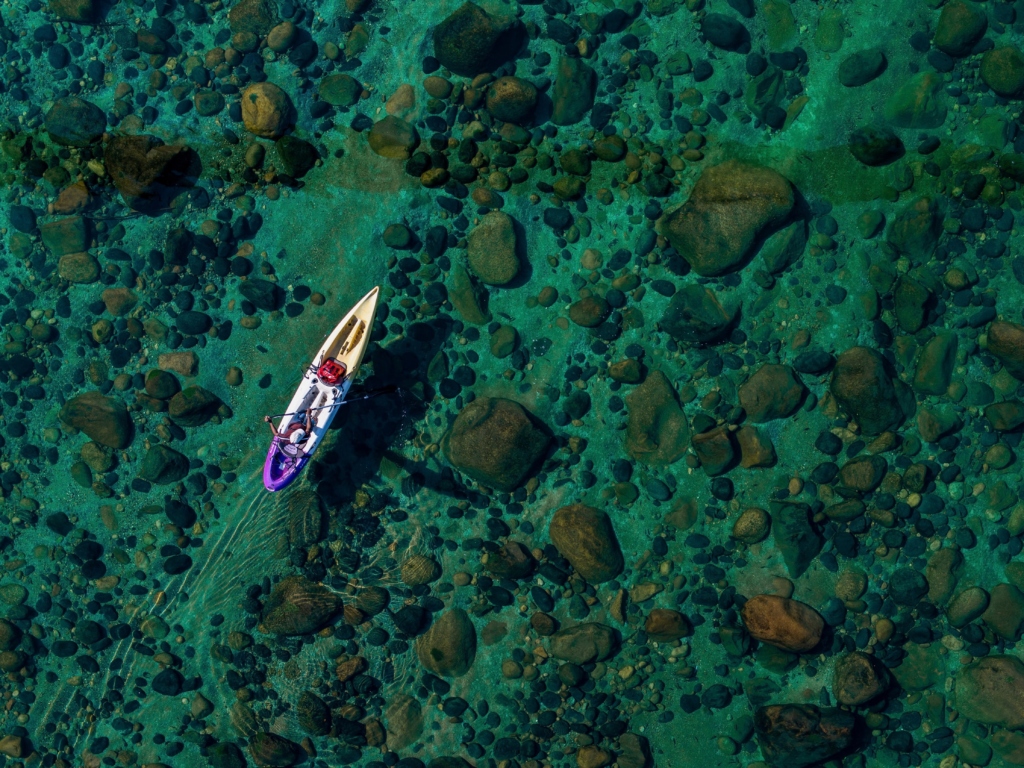
Meghalaya does not have Bhutan’s daily SDF for Indian domestic travellers. Your main expenses will include travel to the state, accommodation, local transport, meals and activities. You can manage your budget by choosing suitable accommodation, grouping nearby attractions and avoiding unnecessary transfers.
Which offers better value? Meghalaya is often more suitable for travellers looking for an affordable nature holiday. Bhutan may justify the extra spending if cultural experiences and international travel are your priorities.
What Experiences Can You Expect in Bhutan and Meghalaya?
Exploring Bhutan
Bhutan combines cultural sightseeing with natural beauty. Paro is known for the famous Tiger’s Nest Monastery, located on a cliff overlooking the valley. Thimphu offers cultural landmarks, monasteries and local markets, while Punakha is popular for its dzong and river scenery.
The overall experience is generally slower and focused on cultural exploration. Bhutan is a good choice if you want to admire traditional architecture, learn about local customs and enjoy scenic mountain drives.
Exploring Meghalaya
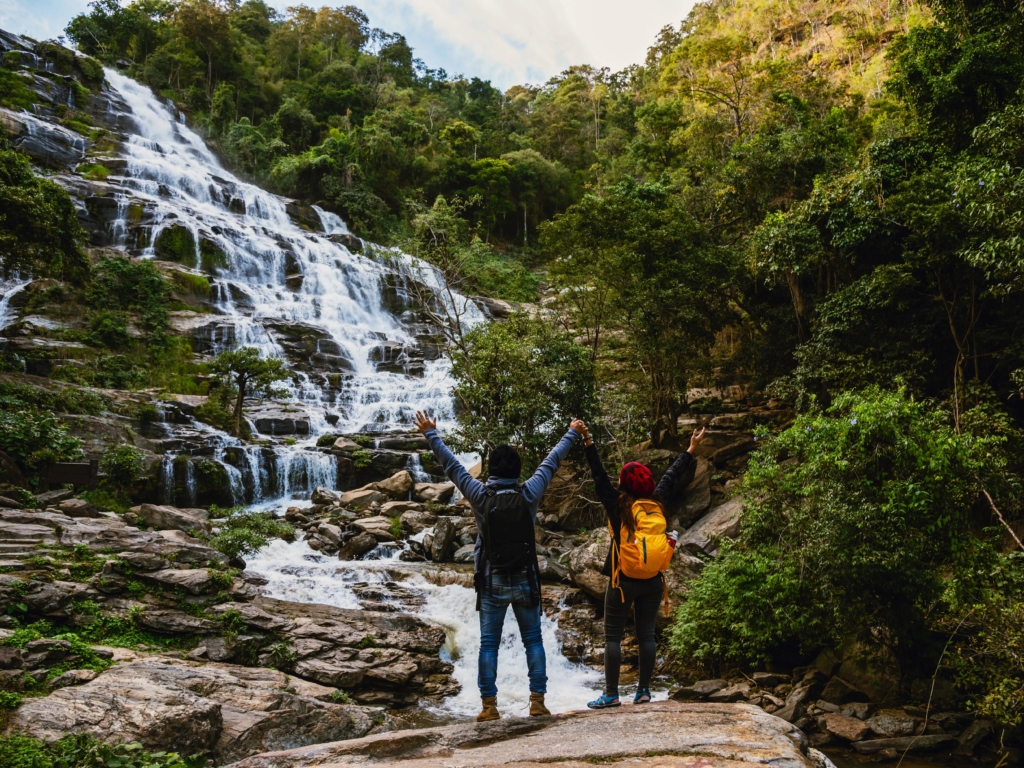
Meghalaya is particularly appealing to nature lovers. Shillong offers cafés, local markets and nearby viewpoints. Cherrapunji, also known as Sohra, is known for waterfalls, caves and green landscapes. Dawki attracts visitors with the Umngot River, while Mawlynnong is popular for its village setting and natural surroundings.
You can also explore living root bridges and forest trails, depending on your interests and fitness level. Meghalaya is a strong choice if you want to enjoy outdoor experiences and scenic landscapes without leaving India.
Bhutan vs Meghalaya for Families: Which Is Better?
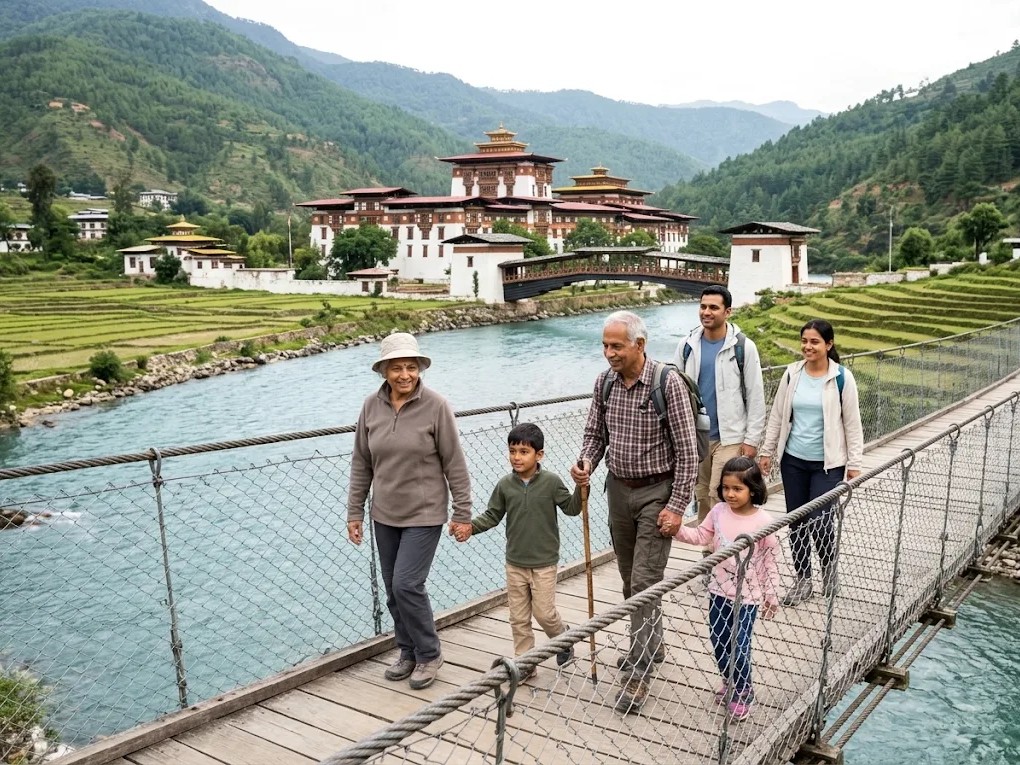
Both destinations can work well for families, but the right choice depends on your budget, preferred activities and the comfort of everyone travelling.
Bhutan offers cultural attractions, scenic valleys and a peaceful atmosphere. Families can explore Paro and Thimphu, visit monasteries and enjoy mountain views at a relaxed pace. However, mountain road journeys can take time, and some attractions involve uphill walks or steps. The SDF should also be included in the family budget.
Meghalaya offers waterfalls, river views, caves and scenic drives. It can be easier to plan a domestic holiday with flexible accommodation and transport options. However, living root bridge trails can involve long walks and steep steps, while some viewpoints have uneven paths.
If you want a family holiday with greater control over spending, Meghalaya may be the more practical option. If your family enjoys cultural experiences and wants to explore another country, Bhutan is worth considering.
Best Places to Visit in Bhutan and Meghalaya
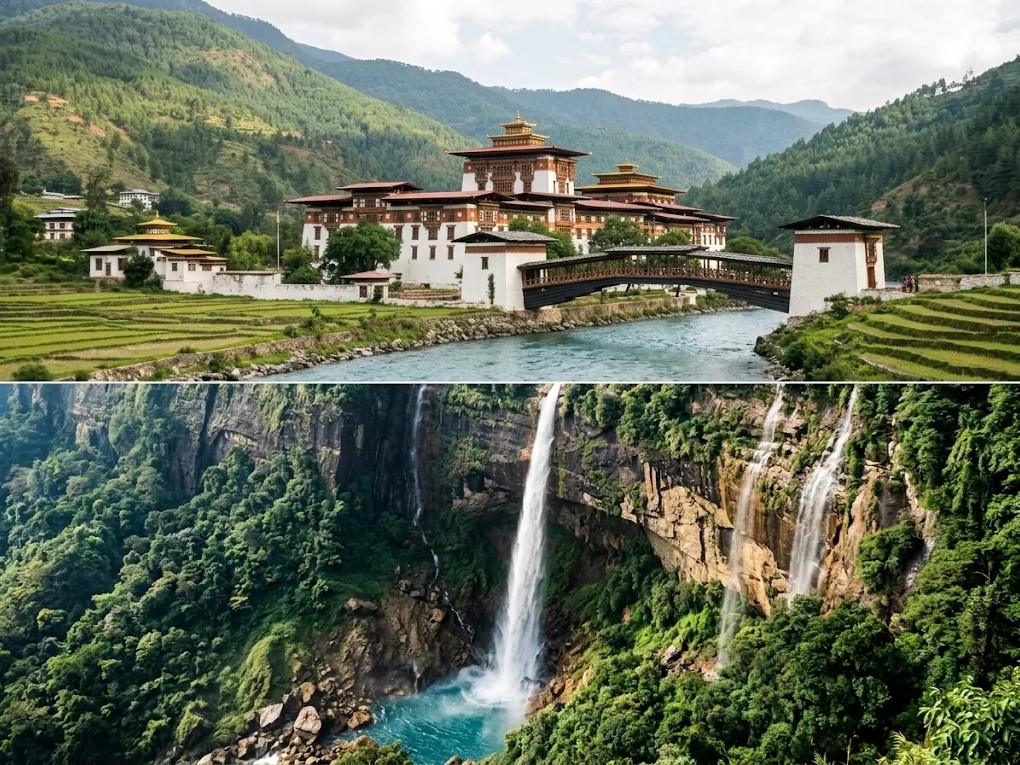
Places to Visit in Bhutan
- Paro is known for its scenic valley, traditional architecture and Tiger’s Nest Monastery. The hike to the monastery can be demanding, so plan according to your fitness level.
- Thimphu offers cultural landmarks, monasteries and local markets, making it a useful stop for learning about Bhutanese traditions.
- Punakha is popular for Punakha Dzong, riverside scenery and green landscapes.
- Dochula Pass is another attraction known for its mountain views, depending on weather conditions.
Places to Visit in Meghalaya
- Shillong is a popular base for cafés, markets, viewpoints and nearby attractions.
- Cherrapunji or Sohra is known for waterfalls, caves, green valleys and living root bridges.
- Dawki attracts visitors with the Umngot River and its clear waters when conditions allow.
- Mawlynnong is known for its village setting and natural surroundings
- Mawphlang Sacred Grove offers an opportunity to explore a forest with cultural significance.
Meghalaya suits travellers who prefer waterfalls, forests and rivers. Bhutan may appeal more to those who want monasteries, traditional architecture and cultural sightseeing.
How Many Days Do You Need?
A three- to four-day Meghalaya trip can focus on Shillong and selected nearby attractions. With five to six days, you can consider adding Cherrapunji and Dawki, depending on your arrival and departure arrangements.
For Bhutan, a three- to four-day itinerary may focus on Paro and Thimphu. With five to six days, you can consider adding Punakha and exploring more cultural attractions at a comfortable pace.
Mountain roads can make journeys longer than expected in both destinations. Avoid trying to cover every attraction in a short trip, especially when travelling with family.
How Can You Reach Bhutan and Meghalaya?
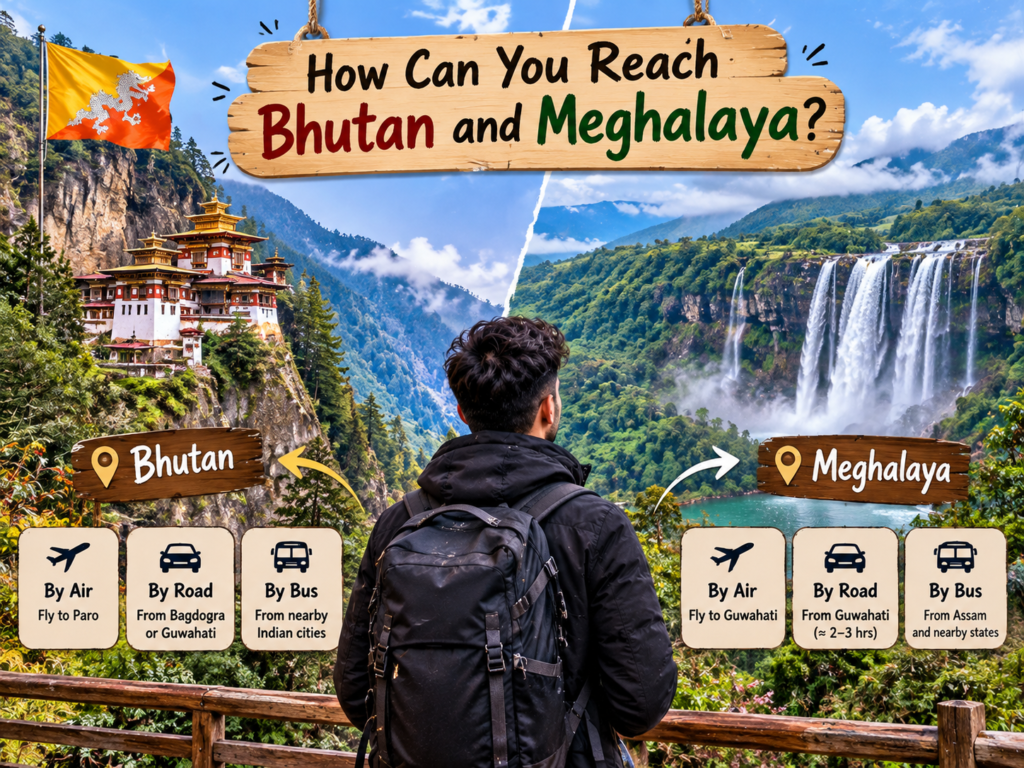
Travellers can reach Bhutan by flying to Paro International Airport when suitable flights are available. Another option is to reach an Indian gateway, such as Bagdogra, and continue by road towards the Bhutan border. Indian citizens must arrange the required entry permit.
Meghalaya is commonly reached through Guwahati in Assam, followed by a road transfer to Shillong. Travellers can also compare train and flight options to Guwahati, depending on their departure city.
For travellers from Kolkata and other parts of East India, compare the complete journey cost, including flights or trains, road transfers and local transport. A destination that looks cheaper initially may cost more once all travel expenses are included.
When Is the Best Time to Visit?
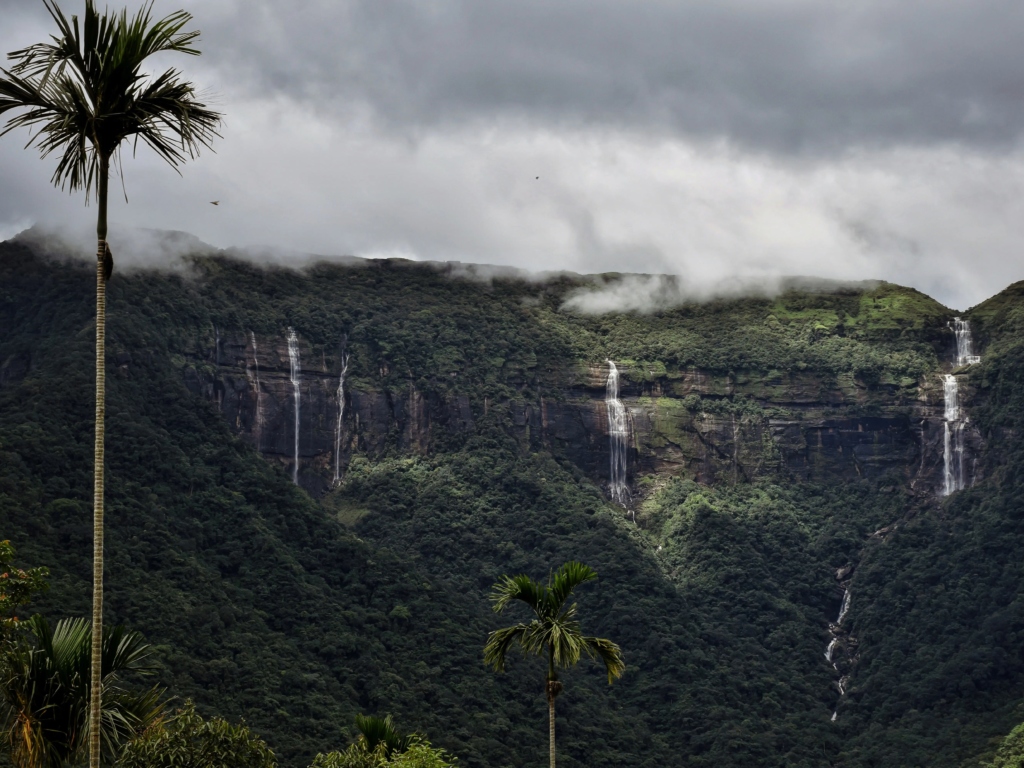
Spring, from March to May, and autumn, from September to November, are popular periods for sightseeing in Bhutan. These seasons can offer pleasant conditions for cultural visits and scenic drives, although weather varies by region and altitude.
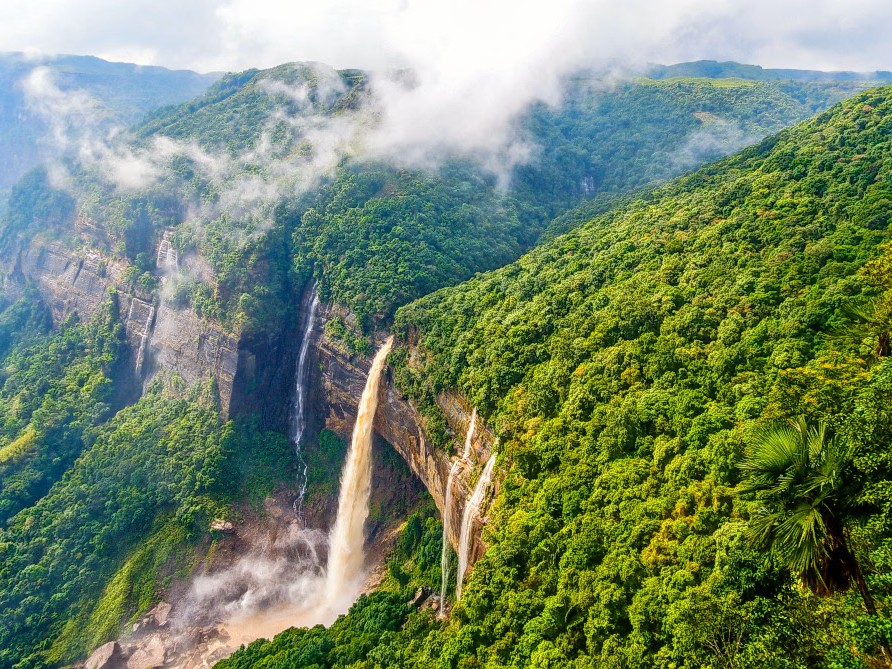
In Meghalaya, October to April is often preferred for sightseeing and outdoor activities. The monsoon months bring heavy rainfall and lush landscapes but can also affect road conditions and outdoor plans. If waterfalls and greenery are your priority, check local weather and travel conditions before visiting during the rainy season.
How Does Thrillophilia Help You Choose Between Bhutan and Meghalaya?
At Thrillophilia, our experience in planning destination holidays helps travellers compare itineraries, accommodation and travel arrangements according to their interests and budget. Exploring Bhutan tour packages can help you understand the experiences and inclusions available before making a decision.
- Itineraries Based on Your Travel Style: Compare cultural sightseeing in Bhutan with nature-focused holidays around Meghalaya.
- Accommodation Options: Review available stays according to your budget, location preferences and comfort needs.
- Transport Planning: Check the transfers included in your itinerary, especially for destinations requiring longer mountain road journeys.
- Package Customisation: Ask about available options to adjust the itinerary, pace and selected experiences to suit your family or travel preferences.
- Clearer Package Inclusions: Check whether accommodation, transfers, sightseeing and selected activities are included, and identify additional expenses before booking.
Package inclusions and customisation options depend on the selected itinerary and availability. Compare the total cost, including applicable fees and expenses not covered by the package, before booking.
Frequently Asked Questions
Bhutan can cost more because Indian tourists generally pay an SDF of INR 1,200 per person per night, in addition to accommodation, transport, meals and other expenses. Meghalaya does not have this Bhutan-specific daily fee for Indian domestic travellers. The final cost of either trip depends on your travel arrangements and activities.
Both can be suitable for families. Meghalaya is often a practical choice for a budget-conscious nature holiday, while Bhutan suits families interested in cultural attractions, monasteries and scenic mountain towns. Consider your budget, travel time and everyone’s comfort before choosing.