

Quick Jumplinks to Navigate
If planning a Bhutan holiday with your parents aged 62 and 72 then visiting Tiger’s Nest Monastery can be a memorable family experience, but the hike requires careful planning, particularly for older travellers. The steep trail, high altitude and long descent can make the journey challenging, even for people who are reasonably active.
The good news is that reaching the monastery is not essential to enjoying the experience. You can consider a pony ride for part of the uphill journey, walk to the halfway cafeteria for the famous viewpoint, or skip the hike and explore Paro at a relaxed pace.
For families travelling with senior parents, the priority should be comfort, safety and flexibility. Here is everything you need to know about planning Tiger’s Nest with parents in their 60s and 70s.
Can Parents Aged 62 and 72 Do the Tiger’s Nest Hike?
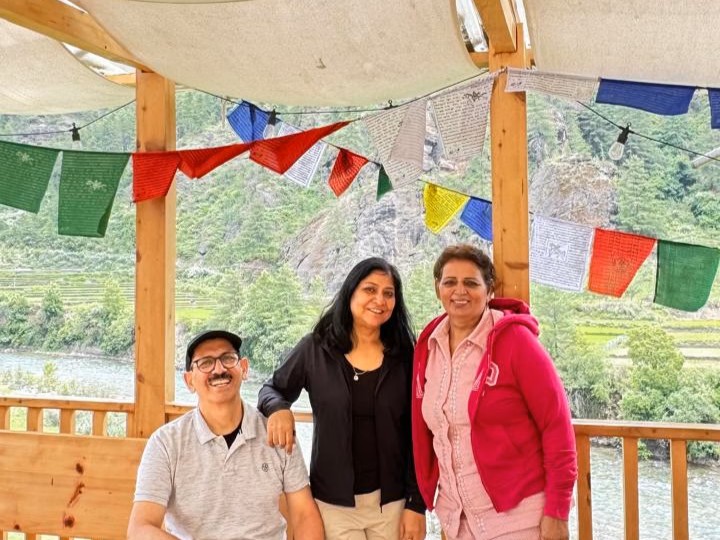
Yes, some travellers in their 60s and 70s can complete the hike, but age alone does not determine suitability. Fitness, balance, joint health and the ability to manage sustained uphill walking are more important.
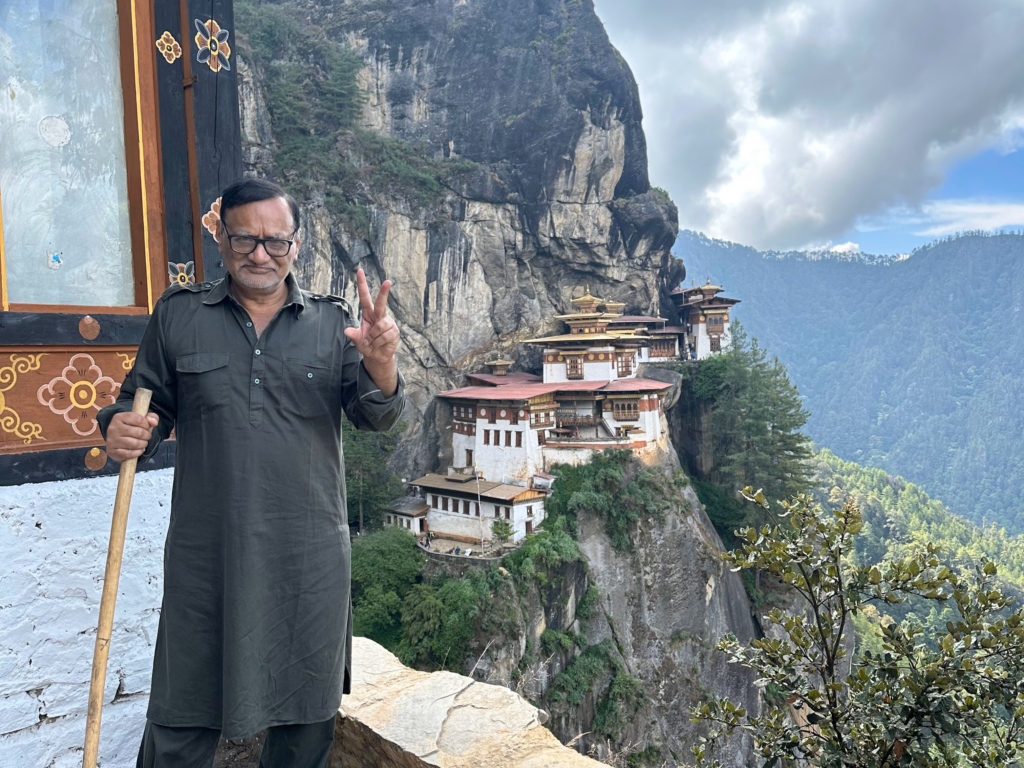
Also known as Paro Taktsang, Tiger’s Nest Monastery sits at approximately 3,120 metres above sea level. The trail passes through forested slopes before reaching steep steps near the monastery. A full round trip commonly takes around 4 to 6 hours, depending on pace, weather and rest breaks.
Before deciding, consider the following:
- Walking stamina: Can your parents walk uphill for an extended period without becoming excessively tired?
- Knee and hip comfort: The descent can put considerable strain on joints, particularly on steep steps.
- Balance: Uneven paths and stone steps require secure footing.
- Altitude tolerance: Physical exertion can feel harder at higher elevations, and altitude-related symptoms are possible.
- Existing health conditions: Anyone with heart or lung problems, significant mobility limitations or other relevant medical concerns should consult their doctor before attempting the hike.
If your parents regularly walk, manage stairs comfortably and have no medical restrictions, they may be able to attempt the trail at a slow pace. However, if either parent struggles with stairs, experiences knee pain or becomes breathless after short walks, the halfway viewpoint or an alternative sightseeing day may be more suitable.
Allow time to acclimatise to Bhutan’s elevation before attempting strenuous activity. Acclimatisation can help, but it does not eliminate altitude-related risks. Most importantly, make turning back an acceptable option rather than treating the monastery entrance as the only successful outcome.
Is There a Pony Ride at Tiger’s Nest?
Yes, pony rides are available for part of the uphill trail, offering an alternative to walking the entire initial climb. However, ponies do not take visitors all the way to the monastery.
The ride generally ends at the halfway cafeteria, where visitors can enjoy a view of Tiger’s Nest across the valley. Anyone wishing to continue must walk the remaining route, including steep sections and steps. The return journey is also on foot.
Here is what families should know:
- Uphill assistance: A pony can reduce the amount of uphill walking required.
- Halfway stopping point: The ride generally ends near the cafeteria and viewpoint.
- Remaining climb: Visitors must walk if they want to reach the monastery.
- Return journey: The descent can be tiring and challenging for seniors with knee or balance issues.
- Availability and costs: Confirm local arrangements, pricing and operating conditions before the visit.
For a parent aged 72, a pony ride should not automatically be considered the safer option. Mounting and dismounting, maintaining balance on a moving animal and managing the downhill walk can present their own difficulties.
If either parent cannot comfortably walk downhill, skipping the hike may be a better decision than relying on a pony to make the experience accessible. Ask your tour operator about current local arrangements, but make the final decision based on your parents’ mobility and comfort.
Can You Skip Tiger’s Nest and Visit the Viewpoint Instead?
Absolutely. Skipping the final climb is a sensible choice for families who want to experience the scenery without putting unnecessary pressure on their parents.
The Taktsang Cafeteria viewpoint, approximately halfway up the trail, offers a memorable view of the monastery perched on the cliff. It is a popular stopping point for visitors who do not wish to complete the entire hike.
However, reaching the cafeteria still involves uphill walking. It is not directly accessible by car, and the trail may be demanding for people with limited stamina or mobility.
You have three practical options.
Option 1: Walk to the halfway viewpoint
This works best for parents who can manage a moderate uphill walk with frequent breaks. Spend time enjoying the view and refreshments if the cafeteria is open, then return without attempting the final climb.
Option 2: Consider a pony ride
A pony may help reduce the uphill walking required to reach the cafeteria, provided your parent can ride and dismount safely. Remember that the return journey is on foot, so consider the complete route before choosing this option.
Option 3: Skip the hike entirely
Spend the day exploring Paro town, visiting suitable cultural attractions or enjoying a scenic drive through the valley. This is often the most comfortable option for seniors with limited mobility.
The best choice depends on your parents’ health and preferences. If the walk to the cafeteria feels too demanding, there is no need to attempt it. You can still enjoy the landscape and cultural experiences that make Paro special.
How Difficult Is the Trail for Senior Travellers?
Tiger’s Nest is not a technical mountaineering route, but it involves sustained uphill walking, uneven terrain and a demanding descent. The elevation can also make physical exertion feel more difficult.
The main challenges include:
- Uphill climb: The trail has gradual stretches, switchbacks and steeper sections that require regular rest stops.
- Steep steps: The final approach involves descending and ascending steps, including a section near a waterfall.
- Downhill walking: The return journey can strain the knees and requires good balance.
- Changing conditions: Rain, mud, cold weather or icy patches can make sections more difficult.
For parents aged 62 and 72, avoid treating the hike as a quick sightseeing stop. Allow approximately 4 to 6 hours for the full round trip, potentially longer if frequent breaks are needed.
Do not rush to meet a group schedule. Reaching the halfway cafeteria does not mean the remaining climb will be easy. If your parents begin to feel excessively tired, experience unusual breathlessness or struggle with their footing, stop and reassess the plan.
How to Plan the Day at a Comfortable Pace

A flexible schedule helps senior couples and multigenerational families enjoy the experience without feeling rushed.
- Early morning: Start after breakfast– Travel to the trailhead early enough to allow time for breaks and a gradual start. Check local weather and trail conditions before setting off. Carry water, suitable clothing and any prescribed medication.
- Mid-morning: Assess your parents’ comfort– Walk slowly and stop whenever needed. If either parent experiences unusual breathlessness, dizziness or excessive fatigue, stop and reassess rather than continuing towards the viewpoint.
- At the cafeteria: Keep the final climb optional– If your parents reach the halfway viewpoint comfortably, allow time for refreshments and photographs. Decide whether to continue based on how they feel, rather than treating the monastery visit as compulsory.
- Afternoon: Return and rest– Allow enough time for the descent and drive back to Paro. Avoid scheduling another strenuous activity or a long transfer immediately afterwards.
If one family member wants to complete the full hike while the parents prefer a shorter outing, discuss separate arrangements, transport and meeting points in advance. This allows everyone to enjoy the day without placing unnecessary pressure on the seniors.
Best Time to Visit Tiger’s Nest with Senior Parents
Spring and autumn are generally popular seasons for visiting Bhutan, but trail conditions can change quickly.
- Spring, March to May: Pleasant sightseeing conditions and blooming landscapes make this a good period to explore Paro. Carry warm layers for cooler mornings.
- Autumn, September to November: Clearer mountain views are often possible, making this season attractive for sightseeing and photography.
- Monsoon, June to August: Rain can make the trail muddy and slippery, while clouds may obscure the monastery. Seniors with balance difficulties should reconsider hiking in wet conditions.
- Winter, December to February: Cold temperatures and possible ice or snow can make the trail more challenging. Check current conditions before attempting the climb.
For older travellers, dry weather, good footwear and sufficient daylight matter as much as the season. Keep the itinerary flexible so you can change plans if conditions are unsuitable.
What Should Seniors Carry for the Hike?
Pack a lightweight day bag with essentials suited to the weather and your parents’ needs.
- Comfortable walking shoes: Choose broken-in shoes with good grip and reliable support.
- Walking poles: These may help with balance if your parents are comfortable using them.
- Water and light snacks: Carry sufficient water and easy-to-eat food for breaks.
- Warm layers and rain protection: Weather can change quickly in the mountains.
- Sun protection: Sunglasses, sunscreen and a hat are useful.
- Regular medicines: Keep prescribed medication and relevant medical information accessible.
- Identification and cash: Carry necessary travel documents and some local currency.
Visitors must follow monastery rules regarding clothing, footwear and belongings. Photography is prohibited inside the shrine rooms, so check the current arrangements before entering.
Before the trip, consult your parents’ doctor if either has a heart or lung condition, significant arthritis, balance difficulties or another health concern that could affect the hike. Watch for headache, nausea, dizziness or unusual breathlessness. If symptoms suggest altitude illness or worsen, descend and seek medical assistance. Travel insurance covering medical emergencies and evacuation is also worth considering.
What Can Your Parents Do in Paro if They Skip Tiger’s Nest?
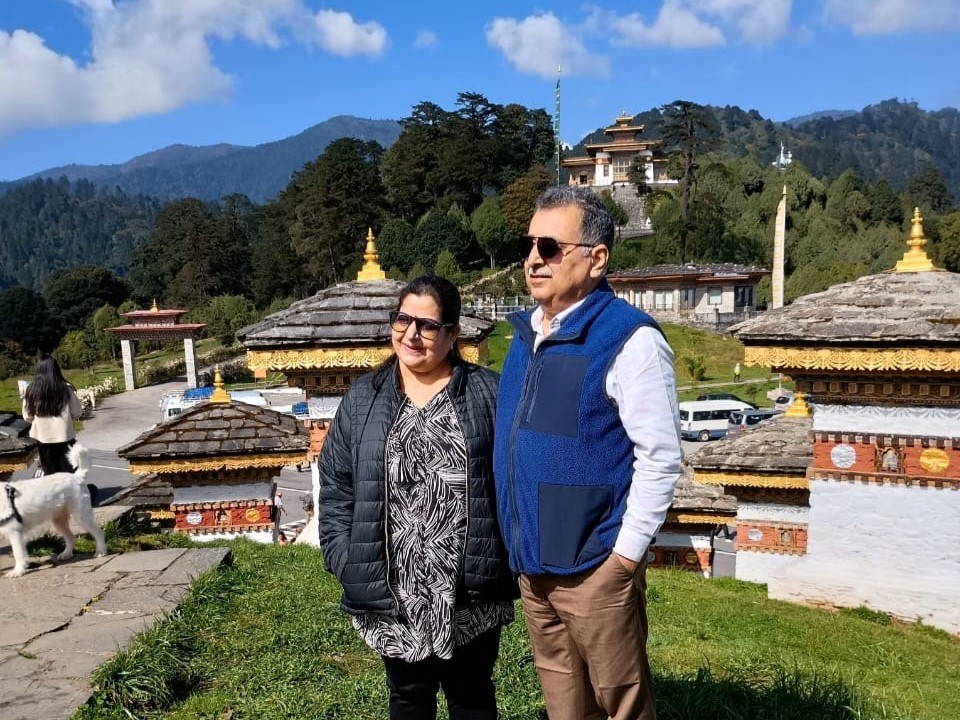
Skipping the hike does not mean missing Bhutan’s culture or scenery. Paro offers several alternatives that can be adapted to your parents’ comfort.
- Rinpung Dzong: Admire traditional Bhutanese architecture and the riverside setting. Some areas involve stairs and uneven surfaces, so explore only the sections your parents can comfortably manage.
- Paro town: Enjoy a relaxed walk through local shops, stop for a Bhutanese meal or spend time at a café. Frequent opportunities to sit and rest make this a practical alternative for seniors.
- Kyichu Lhakhang: Visit this historic temple for a quieter cultural experience. Check access arrangements and account for any steps or uneven ground.
- Scenic drives through the Paro Valley: Enjoy mountain views, traditional houses and rural landscapes with less physical exertion. Ask your tour planner to include convenient stops with easy access.
Choose alternatives according to your parents’ mobility. Even seemingly easy attractions can involve standing, stairs or sloping paths. A relaxed itinerary with fewer stops may be more enjoyable than trying to cover every attraction in one day.
How to Plan a Senior-Friendly Bhutan Holiday with Thrillophilia
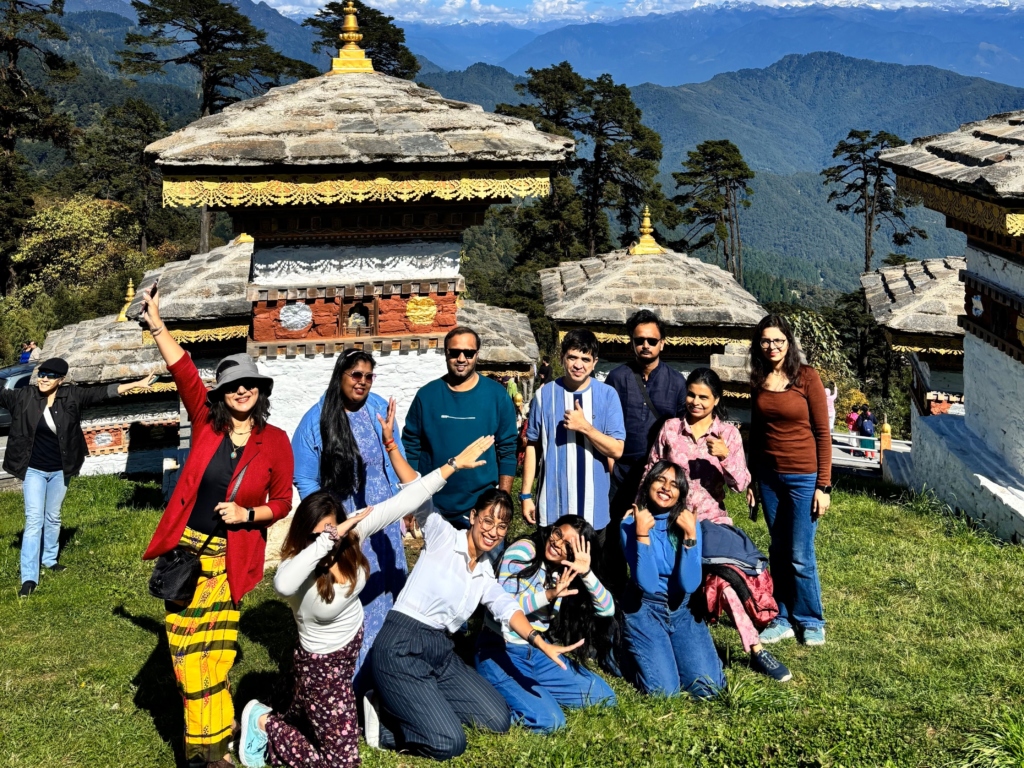
A comfortable Bhutan holiday with senior parents depends on realistic travel times, suitable accommodation and enough flexibility to adjust activities.
When exploring Thrillophilia Bhutan tour packages, consider the following priorities.
- Choose an itinerary with sufficient rest time: Avoid packing too many sightseeing stops into one day. Allow time for meals, comfortable transfers and early evenings at the hotel. A slightly longer holiday may be more enjoyable than covering the same destinations in fewer days.
- Discuss mobility requirements before booking: Explain whether your parents can manage stairs, uphill walking and uneven paths. Mention requirements such as ground-floor rooms, lifts, easy vehicle access or shorter sightseeing visits. Confirm availability before the accommodation is finalised.
- Keep Tiger’s Nest optional: Ask whether the itinerary can accommodate the full hike, the halfway viewpoint or alternative Paro sightseeing. If family members have different fitness levels, discuss separate arrangements and transport in advance.
- Review transfers and driving times: Bhutan’s mountain roads can make journeys slower than expected. Avoid combining a strenuous hike with a long transfer, and leave room for weather-related delays.
- Check accommodation and meals:Discuss room preferences, dietary requirements and proximity to dining areas. A ground-floor room or other accessibility request should be confirmed rather than assumed.
- Understand the package inclusions:Review accommodation, meals, transfers, sightseeing, guide services, entry tickets and additional costs before paying. Ask whether applicable permits and local fees are included or payable separately.
Indian nationals visiting Bhutan require the relevant entry permit rather than a visa. Check the latest documentation requirements before travelling. Bhutan’s Sustainable Development Fee for Indian visitors has been set at INR 1,200 per person per night under the applicable policy, but confirms the current rate, rules and exemptions before departure.
Why Choose Thrillophilia For Your Parents?
Planning through Thrillophilia allows you to compare available itineraries and clarify arrangements before committing to a holiday. For families travelling with senior parents, this preparation can help make the trip more manageable.
- Itinerary selection: Compare packages by duration, destinations, sightseeing schedules and inclusions to find an option that suits your family’s pace.
- Planning discussions: Share your parents’ ages, mobility limitations and preference to skip the hike if necessary. Ask which adjustments are possible and obtain confirmation before booking.
- Accommodation planning: Discuss stairs, lift access, room location and proximity to dining facilities.
- Transport clarity: Review transfer durations and daily driving plans so your parents have time to rest.
- Alternative activities: Ask whether Paro town, cultural attractions or scenic drives can replace the full hike. Confirm any additional costs.
- Cost transparency: Check what the package price covers and budget separately for excluded services or activities.
- Pre-trip preparation: Clarify entry documents, packing requirements, local conditions and activity restrictions before departure.
- Support arrangements: Check the available contact process during the trip and whom to approach if plans change or assistance is needed.
Frequently Asked Questions
Yes, they may be able to visit Tiger’s Nest if their fitness, balance and overall health allow them to manage sustained uphill walking. The trail involves steep steps, uneven terrain and a demanding descent, which can be challenging for older travellers. Consult their doctor if they have existing
Yes, you can skip the hike and spend the day exploring Paro town, visiting cultural attractions or enjoying scenic drives through the valley. This can be a more comfortable option for parents with limited mobility or those who prefer a relaxed holiday. Discuss alternative sightseeing arrangements with your tour operator before booking.
Yes, pony rides are available for part of the uphill trail, generally up to the halfway cafeteria. Visitors must walk the remaining route to the monastery, and the return journey is also on foot. Confirm availability and assess whether your parents can safely mount, dismount and manage the descent.
The halfway cafeteria offers a memorable view of Tiger’s Nest and can be a good alternative to completing the full hike. However, reaching it still requires uphill walking, and the viewpoint is not directly accessible by car. If your parents struggle with slopes or have balance difficulties, consider skipping the hike entirely.
Allow approximately 4 to 6 hours for the full round trip, depending on walking speed, weather and rest breaks. A visit to the halfway viewpoint also requires time for the uphill walk and descent. Keep the rest of the day free so your parents can return to Paro and relax without rushing.
You can plan separate activities if suitable arrangements are available for both family members. Discuss transport, guide arrangements and meeting points with your tour operator before the visit. The parent skipping the hike can enjoy Paro town, cultural attractions or a relaxed scenic drive.