

Quick Jumplinks to Navigate
Sikkim is a dream destination for motorcyclists. Dramatic mountain passes pierce the sky. Winding roads hug sheer cliffs. Every twist reveals jaw-dropping Himalayan vistas. It offers ultimate freedom on two wheels. Winding Himalayan roads, dramatic high-altitude passes, and sheer cliffside turns offer unmatched two-wheeled adventure. Also, Sikkim is India’s ultimate motorcycling playground.
The timing of the best time for a Sikkim bike trip dictates everything on this journey. The right month ensures your safety. It opens high-altitude roads. It guarantees crystal-clear mountain views. Choose your season wisely to conquer Sikkim safely.
With Thrillophilia’s curated itinerary, one can enjoy every bit of a road trip to Sikkim without any hassle. Thrillophilia provides a distilled route plan and transportation options, along with detailed planning, guidance throughout the journey and a 24/7 on-ground service for a flawless trip. With your desired Sikkim tour package with Thrillophilia, explore every bit of your dream road trip without worrying about the planning.
Weather-Driven Cost Breakdown
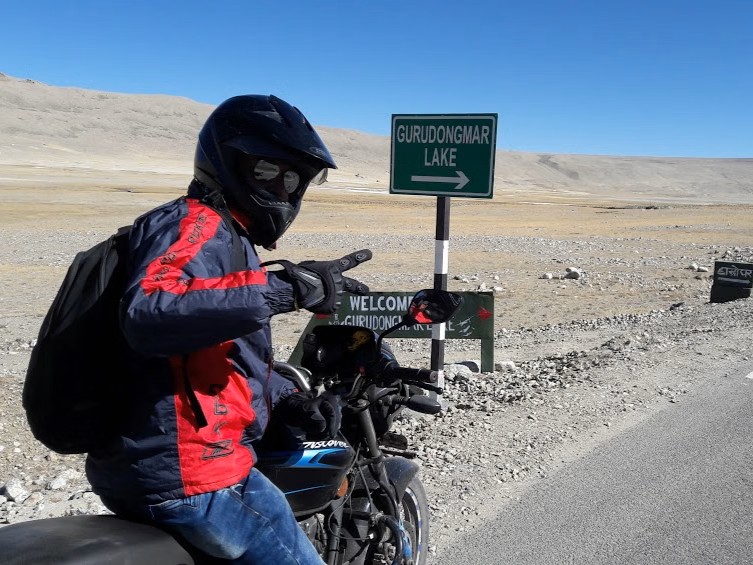
Riding through Sikkim involves seasonal price shifts. The unpredictable Himalayan weather dictates when passes open, when gear becomes life-saving, and when accommodation prices skyrocket. By going with Thrillophilia’s Sikkim bike trip, one can get the best of all under budget. Be it providing the best vehicle, a fully pro itinerary or a backup vehicle to carry luggage, spare parts and extra fuel, our destination experts have you all covered.
Moreover, the baseline budget directly hinges on three distinct seasonal windows.
Bike Rental & Mechanical Wear
- The Dry Peak Effect: Bike rentals in Siliguri or Gangtok peak in price during April–May and October–November. Popular adventure bikes like the Royal Enfield Himalayan command maximum rates.
- The Monsoon/Slush Cost: While daily rental fees drop drastically during rainy or freezing months, your maintenance costs spike. Riding through the deep slush of North Sikkim burns more clutch plates, demands frequent chain lubrication, and increases the risk of tipping over, which leads to structural damage charges upon vehicle return.
Fuel Economy vs. Terrain
- Clear Tarmac: During dry months, your bike delivers optimal fuel efficiency. You will burn predictable amounts of fuel climbing the Zuluk loops or heading to Mangan.
- Harsh Climate Penalty: In the monsoon (July–September) or during early winter snowmelt (late November), you spend hours riding in first or second gear through water crossings and mud. This heavy revving cuts your fuel efficiency by up to 35%, forcing a higher fuel budget.
Stays and Mandatory Packages
- Peak Season Tariffs: Standard hotel and homestay rates double in popular clusters like Lachen, Lachung, and Pelling during clear months.
- The North Sikkim Lockdown: In remote North Sikkim, you cannot easily travel independently. Tourism rules often force you into a fixed package (Permit + Homestay + Food) managed by local agents. During peak season, these packages are highly non-negotiable. In the off-season, you can bargain aggressively, but you risk properties being completely shut due to cold or landslides.
The Climate Emergency Buffer (Non-Negotiable)
- Monsoon/Winter Risk: If you ride during marginal weather, you must carry a dedicated cash reserve. Flash floods, landslides, or sudden blizzards can strand you in places like Lachen or Zuluk for 2–3 extra days. You will have to pay out-of-pocket for unplanned nights, extra food, and potential mechanic rescues.
Best Time to Visit Sikkim by Bike
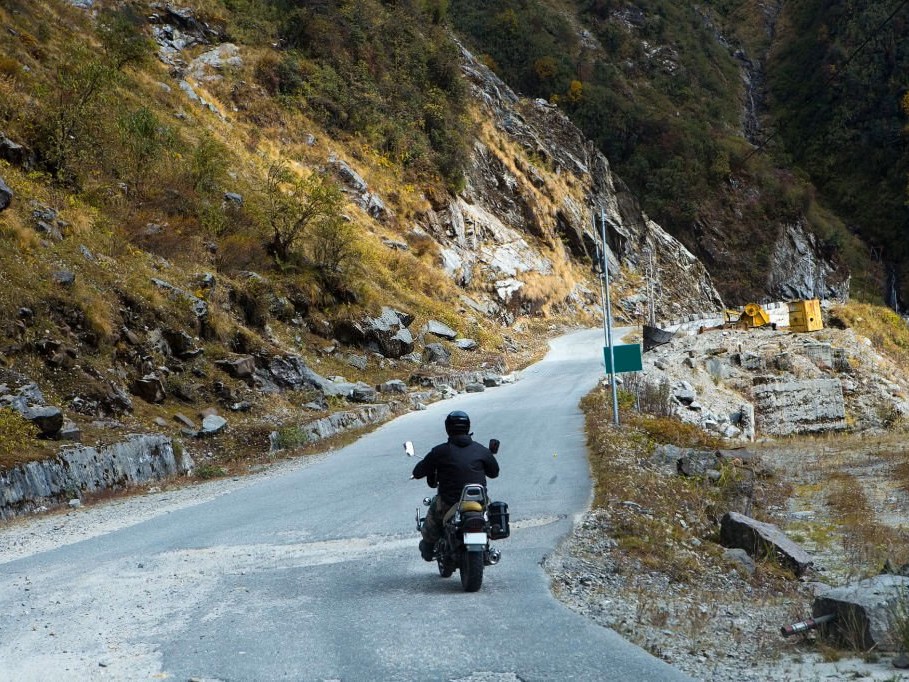
The best season for a Sikkim bike tour depends on the route, road conditions and weather. Different periods offer very different riding experiences.
| Period | Road Conditions | Scenery | Riding Conditions | Suitable For |
| Mid-June | High mountain routes begin opening, while snowmelt can create water crossings. | Snow may still remain on higher stretches. | Active water crossings and changing conditions. | Intermediate and experienced riders |
| July–August | Rain, slush and landslide risks can affect approach roads. | Lush monsoon landscapes. | Water levels can rise during the afternoon. Buffer days may be necessary. | Confident and flexible riders |
| September | Roads are generally more stable with minimal slush. | Golden autumn landscapes, clearer skies and fewer crowds. | More stable riding conditions. | Beginners and experienced riders |
| Early October | Generally rideable early in the month, while colder conditions develop later. | Clear mountain views and autumn scenery. | Freezing nights and possible sudden snow blockages later in the month. | Experienced riders with flexible plans |
| November–May | Many high-altitude routes can be affected or closed by heavy snow. | Winter mountain scenery. | Extremely challenging conditions for regular motorcycle touring. | Not suitable for regular motorcycle tou |
Permits required for a Sikkim Bike Tour
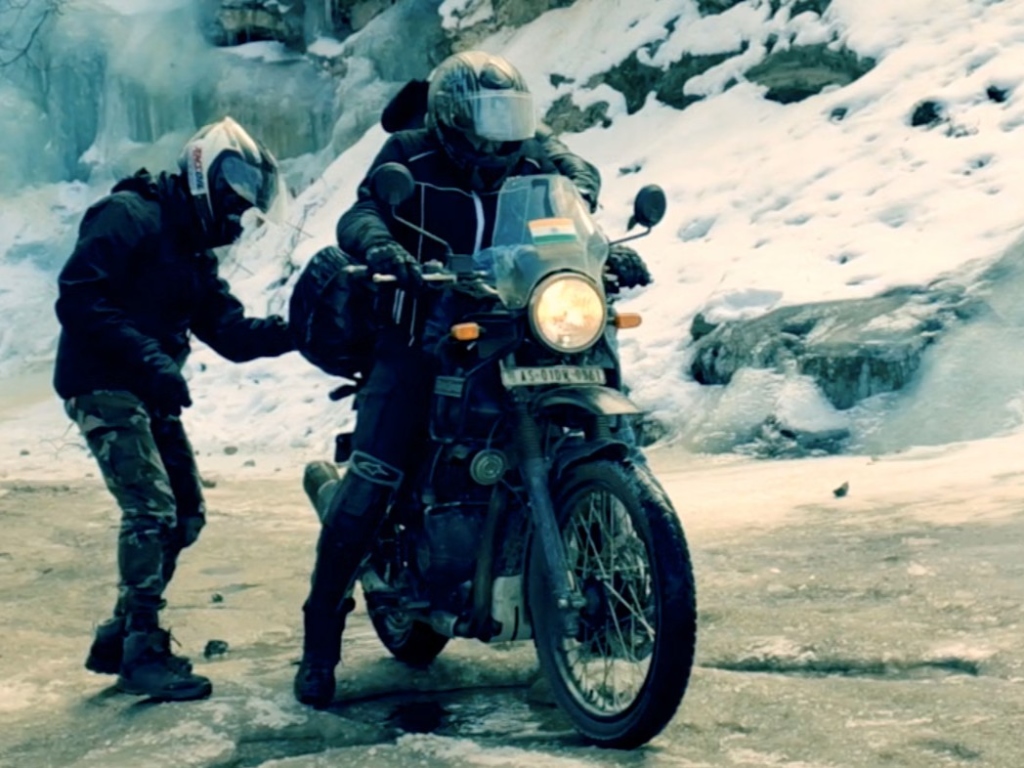
To enter Sikkim’s restricted border zones, you must secure a Protected Area Permit (PAP), which is strictly monitored at multiple army checkpoints.
Where You Need a Protected Area Permit (PAP)
- East Sikkim (The Silk Route): Required for Tsomgo Lake, Nathula Pass, Baba Mandir, Kupup, and Zuluk.
- North Sikkim: Required for Lachen, Lachung, Yumthang Valley, Yumesamdong (Zero Point), and Gurudongmar Lake.
- West Sikkim: Required for high-altitude trekking routes like Dzongri and Goechala.
- South & Lower West Sikkim: No PAP required for Namchi, Ravangla, or Pelling city limits; a standard driving licence is sufficient.
Mandatory Document Checklist
You must carry original documents along with 4–5 physical photocopies of each, as cellular networks are unreliable and army checkpoints will retain physical copies.
- Valid Indian Government ID: Aadhaar card, Voter ID card, or passport.
- Passport-Size Photos: At least 4 to 6 recent physical color photographs per person
Note: PAN cards are not accepted as valid proof of address or citizenship for border permits.
Vehicle Documentation (For Your Bike/Car)
- Valid Driving Licence: Must explicitly cover the vehicle class you are operating.
- Registration Certificate (RC): Must be active and fully legible.
- Valid Insurance Policy: Comprehensive or third-party vehicle insurance documents.
- Pollution Under Control (PUC) Certificate: Must be valid and unexpired.
- No Objection Certificate (NOC): Mandated only if the vehicle is registered under someone else’s name or if it is a leased commercial vehicle.
How to Apply for the Permits
- Via a Registered Local Tour Agency (Easiest Method):
- Sikkim tourism policies heavily favour booking through registered local operators for North Sikkim and Nathula Pass.
- You email your documents 24–48 hours in advance, and they hand over the physical permits when you arrive in Gangtok.
- Self-Application (Gangtok Tourism Office):
- You can apply independently at the Tourism & Civil Aviation Department in Gangtok or the District Administrative Centre (DAC).
- Permits for Zuluk/Silk Route can also be processed at the Rongli Checkpost while entering.
- Constraint: Self-applied permits for single/solo riders are frequently rejected for high-altitude zones like Gurudongmar Lake due to safety and military protocols.
Region-Wise Route Guide for your Sikkim motorcycle trip
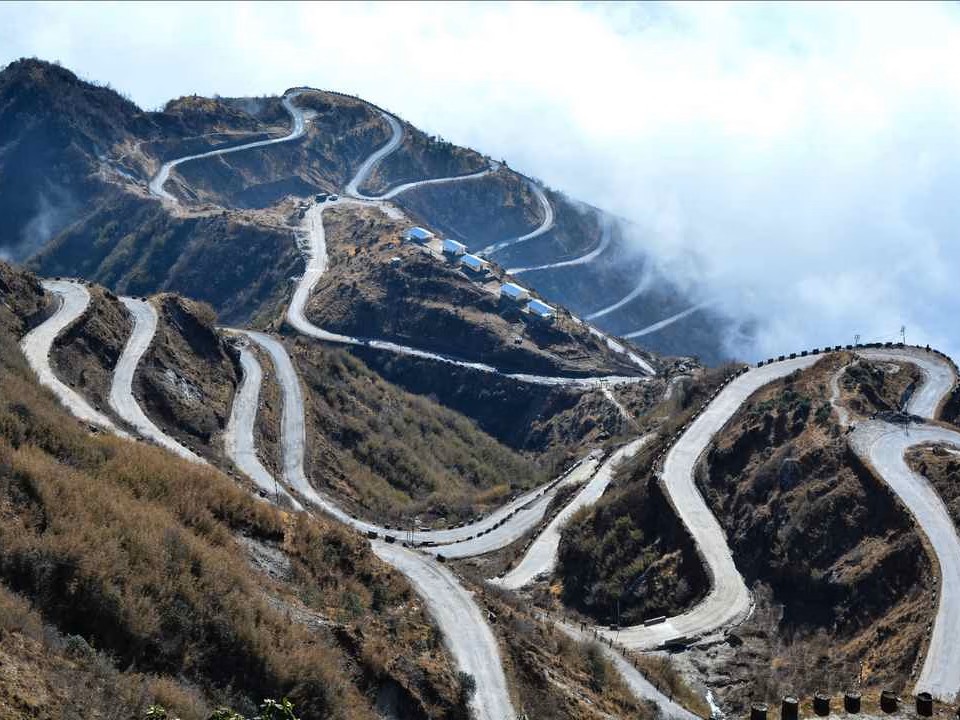
A motorcycle trip through Sikkim offers an intense blend of smooth highways, loop-filled switchbacks, and extreme high-altitude off-roading. Navigation varies wildly by region, and most routes past the capital require Protected Area Permits (PAP).
The primary entry gateway is Siliguri (West Bengal), routing through the Sevoke and Rangpo borders along the Teesta River.
East Sikkim (The Silk Route)
- The Route: Gangtok → Tsomgo Lake → Nathula Pass → Zuluk loops.
- The Vibe: Hundreds of steep hairpin turns climbing jagged cliff faces.
- Permit Info: Mandatory for all riders. Issued in Gangtok.
- Snow Blocks: December through April brings heavy high-altitude snowfall.
- Best Window: May to June or October to November for clear asphalt.
North Sikkim (The High-Altitude Challenge)
- The Route: Gangtok → Mangan → Lachen → Gurudongmar Lake (17,800 ft) and Lachung → Yumthang Valley.
- The Vibe: Brutal dirt trails, deep water crossings, and extreme altitude.
- Permit Info: Military zone. Permits are required for all travellers.
- Weather Risks: Highly sensitive to flash floods, landslides, and sudden blizzards. Monsoon rains wash out roads completely.
- Best Window: October to November offers the most stable terrain.
West and South Sikkim (The Easier Trails)
- The Route: Namchi → Ravangla → Pelling → Yuksom.
- The Vibe: Rolling green tea gardens, smooth tarmac, and massive Buddha statues.
- Permit Info: Free entry. No special inner-line permits are required.
- Ride Style: Relaxed, low-risk, and perfect for beginners or leisure touring.
- Best Window: Open year-round, though October to May offers peak mountain views
Motorcycle Selection & Preparation
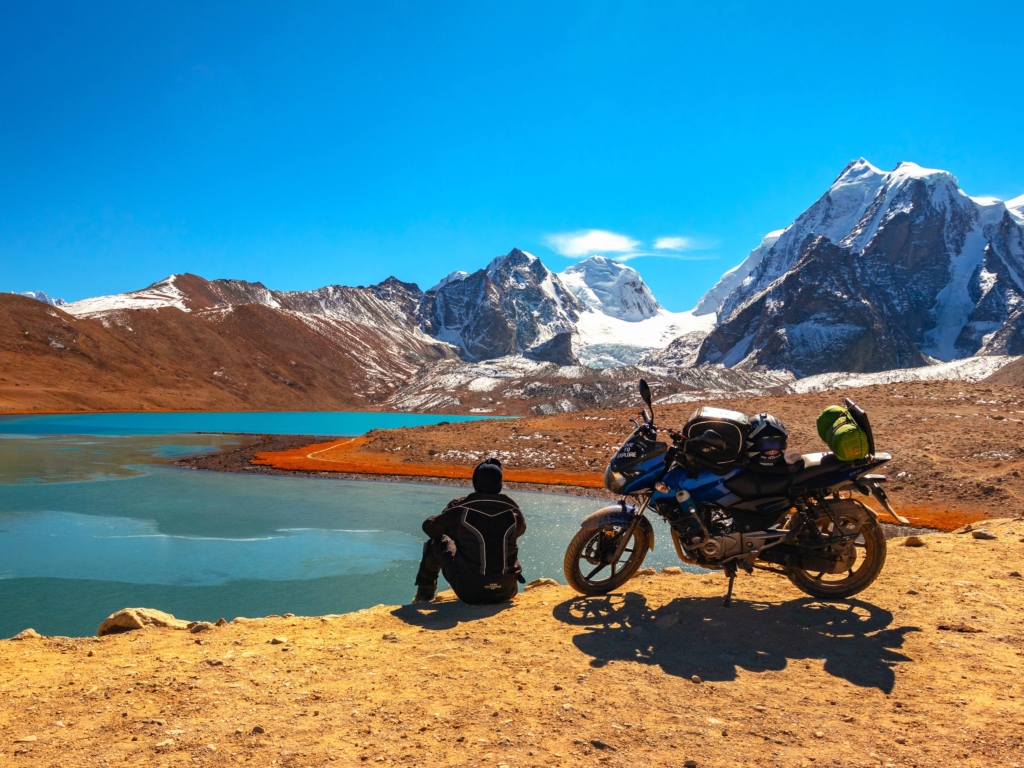
To conquer Sikkim’s steep inclines and high-altitude passes, your motorcycle must be mechanically resilient and adequately powered. Thrillophilia designs each Sikkim bike trip package with vehicles along with an itinerary, 24/7 on-ground service and last an emergency 4×4 backup vehicle for a smooth trip.
Moreover, here are the top essentials travellers must take care of while planning your best time for a Sikkim bike trip.
Pre-Trip Mechanical Checkup Guide
Before you leave Siliguri or Gangtok, perform this rigorous inspection. A breakdown in remote sectors like Lachen or Nathula can leave you stranded for days without a mechanic.
1. Braking System (Your Lifeline)
- Pads Inspection: Ensure brake pads have at least 3–4mm of usable material. Downhill riding from high passes will rapidly wear them down.
- Fluid Levels: Check both front and rear master cylinders. Flush and replace with DOT 4 fluid if it appears dark or spongy.
- Discs: Inspect for warps, deep scores, or cracks.
2. Clutch & Throttle Response
- Clutch Plates: Test for slippage under hard acceleration. You will burn your clutch slipping it over wet rocks and steep inclines; start with fresh plates if yours are worn.
- Cable Play: Ensure 2–3mm of free play at the clutch lever. Carry a spare clutch and throttle cable zip-tied right alongside the existing cables for a quick swap.
3. Tires & Wheel Assembly
- Tread Depth: Use dual-purpose or block-pattern tyres (like Ceat Gripp or Metzeler Tourance) with at least 60-70% tread depth remaining. Slick street tires will fail instantly in North Sikkim mud.
- Type Check: If using spoke wheels (tube tyres), carry spare front and rear tubes along with a portable tyre inflator and tyre irons.
- Rims: Check alloy wheels for cracks or spoke wheels for loose spokes, as hitches over deep potholes can bend rims.
4. Drivetrain & Lubrication
- Chain Slack: Adjust chain tension with your luggage loaded on the bike. It should generally have 25–30mm of play.
- Sprockets: Inspect the sprocket teeth. If they are hooked or sharp, replace the entire chain-sprocket kit before the ride.
- Lubrication Regime: Clean and lube the chain every 400 km. Because Sikkim routes feature heavy mud, slush, and water crossings, use a heavy-duty wet chain lube or gear oil (90 grade) which resists water wash-off better than dry lubes.
5. Essential Spares to Carry
- Engine oil (1-litre bottle for top-ups)
- Spare spark plug and fuse kit
- Chain lube spray and clean rag
- Quick-fix metal epoxy (M-Seal) for engine case cracks from stone flying
Tips for planning the best Sikkim bike trip
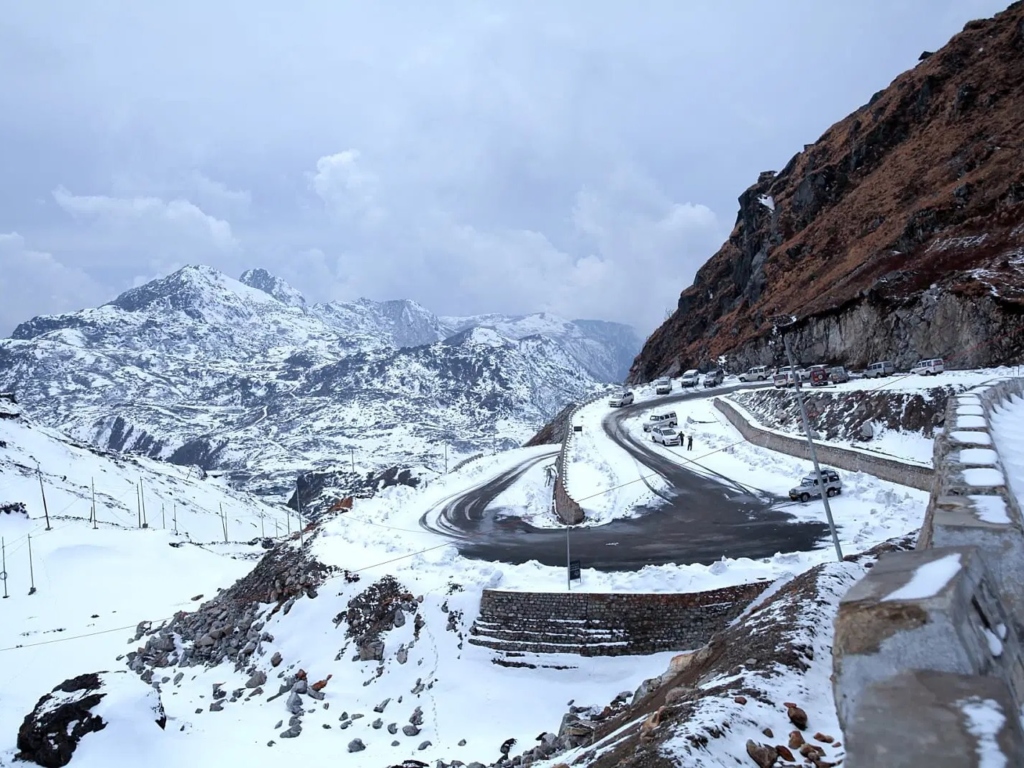
- If completing a full circuit, start with West/South Sikkim (Pelling, Namchi) to acclimatize your body before tackling the extreme altitudes of North Sikkim.
- Cellular networks (even Jio and Airtel) vanish entirely past Mangan in the north and Rongli in the east. Map your daily routes completely offline.
- High-altitude weather shifts violently in the afternoon. Aim to cross major passes like Kunzum or reach your destination by 2:00 PM before fog, blizzards, or heavy snowmelt streams set in.
- Glacier-fed streams (waterfalls flowing across roads) are lowest in the morning. By afternoon, melting snow turns them into deep, rushing torrents. Cross early, use first gear, keep a steady throttle, and do not use the clutch midstream.
- Mount your luggage using heavy-duty bungee cords or soft pannier racks. Wrap every single item inside heavy trash bags before loading them into your main bags; Sikkim’s sudden cloudbursts will penetrate standard rain covers.
- The roads are narrow with vertical drop-offs. Sound your horn at every single hairpin turn to alert oncoming military trucks.
- Climbing to Gurudongmar Lake (17,800 ft) or Nathula Pass (14,140 ft) too quickly can trigger acute mountain sickness. Rest a full night in Lachen or Lachung before ascending.
- Drink 4–5 litres of water daily. Avoid alcohol entirely until you have safely descended to lower altitudes.
- Pack Diamox (for AMS, after consulting a doctor), pain relievers, motion sickness pills, band-aids, and ORS packets.
- Remote checkpoints, local tea stalls, and homestays do not have working UPI or card machines. Carry at least ₹5,000–₹10,000 in crisp physical cash.
- Sikkim is highly eco-conscious. Disposable plastic water bottles are strictly banned in North Sikkim. Carry a reusable insulated flask.
- Store your Protected Area Permits (PAP) and photocopies in an easily reachable, waterproof pocket. You will need to present them at multiple army checkposts throughout the day.
Plan Your Sikkim Bike Trip with Thrillophilia and Ride Without the Stress
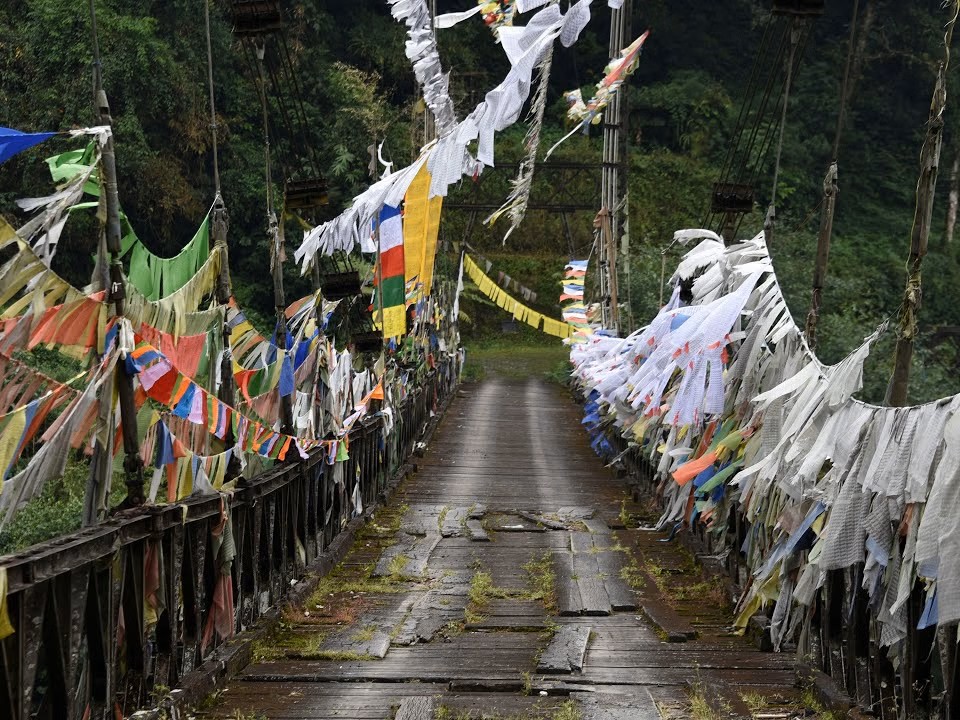
A Sikkim bike trip means managing mountain permits, altitude sickness risks, high-altitude road closures, and mechanical breakdowns, often all on the same day. Thrillophilia’s on-ground network is built around exactly these variables, so you can focus on the riding while the logistics stay handled.
- Expertly Reviewed Routes for Real Riders: Every itinerary is reviewed by destination experts and experienced ride captains before it goes on sale. Riding distances are kept realistic, rest days are placed at the right altitudes, and acclimatisation stops are built in, not added as an afterthought.
- Permit Arrangement Handled in Advance: Inner Line Permits for Lachen, Lachung, Gurudongmar Lake, Tsomgo Lake, and Baba Mandir are arranged before you reach the checkpoint, not scrambled for on the morning of. Solo riders, who are frequently rejected for high-altitude border zones when applying independently, benefit from this most.
- Backup Vehicle and Mechanic Riding with You: A 4×4 backup vehicle travels with most groups carrying spare parts, extra fuel, and luggage. An experienced mechanic handles daily maintenance, tyre changes, and chain lubrication, so a broken clutch cable near Lachen does not end your trip.
- Flexible Routes Across Multiple Durations: Whether you have 6 days for a focused North Sikkim circuit, 7 days for the complete Gangtok-to-Gurudongmar loop, or 9 days for the Sikkim-to-Darjeeling extension, there is a route matched to your leave schedule.
- Accommodation and Stays Vetted Before You Arrive: Hotel and homestay partners across Gangtok, Lachen, Lachung, Zuluk, and Darjeeling are verified before being added to any Sikkim biking itinerary. In remote North Sikkim, where forced package-plus-homestay arrangements are the norm, knowing your stay is reliable matters.
- Royal Enfield Motorcycles Included: Packages include a Royal Enfield 350cc or 500cc from the tour’s designated start point, with no separate rental scramble on Day 1. The bike comes ready for the terrain, not a city commuter handed over at a desk.
- Routes Built for Different Rider Levels: The Silk Route circuit suits experienced riders chasing hairpin-loaded East Sikkim roads. The North Sikkim circuit to Gurudongmar is the altitude test. West and South Sikkim offer lower-risk, smooth tarmac for first-timers finding their mountain legs. There is a Sikkim bike trip for every honest self-assessment of riding ability.
- 24/7 On-Ground Support Throughout: When a landslide closes the road to Lachen or unexpected snowfall blocks the descent from Nathula, having a reachable team on the ground makes the difference between a stranded day and a rerouted one.
Frequently Asked Questions
No, Sikkim tourism regulations generally restrict solo riders from obtaining Protected Area Permits (PAPs) for high-altitude border zones like Gurudongmar Lake and Nathula Pass due to military safety protocols. You must travel with at least one other rider or process your paperwork through a registered local travel agency to gain entry.
The ideal windows are from October to November for stable weather, crystal-clear Himalayan views, and dry tarmac, or from April to May for blooming rhododendrons. Avoid the monsoon months of July to September, as torrential rains cause severe landslides and wash out roads entirely.
Yes, personal vehicles registered outside Sikkim are allowed, but you must secure specific vehicle permits at the Rangpo or Melli border checkposts. Ensure your name matches the registration certificate (RC) exactly, or carry a formal, signed No Objection Certificate (NOC) if the bike belongs to someone else.
Yes, block-pattern or dual-purpose tyres with at least 70% tread depth are highly recommended to survive the rugged terrain. Standard street tyres will slip and puncture easily on the broken dirt tracks, deep mud, and sharp loose gravel characteristic of North Sikkim routes.
Prevent AMS by ascending gradually and spending a mandatory night acclimatising in lower villages like Lachen or Lachung before riding to extreme heights like Gurudongmar Lake (17,800 ft). Drink 4–5 litres of water daily, avoid alcohol, and carry medications like Diamox after consulting your doctor.
While UPI works reliably in major towns like Gangtok, Namchi, and Pelling, cellular networks vanish completely in North and East Sikkim. Checkpoints, homestays, and fuel stations in remote areas operate strictly on physical currency, so you must carry at least ₹5,000–₹10,000 in cash.
No, foreign passport holders are strictly prohibited by the Ministry of Home Affairs from visiting premium border areas like Gurudongmar Lake and Nathula Pass. They can, however, visit Tsomgo Lake, Zuluk, and the Yumthang Valley by obtaining a Restricted Area Permit (RAP) through an authorized agency.
Always approach active glacier streams early in the morning when the water levels are lowest. Slot your motorcycle into first gear, maintain a steady, high throttle without slipping the clutch, and follow the tracks of local vehicles to avoid hidden boulders and deep underwater potholes.
No, Sikkim strictly enforces a zero-plastic policy, and single-use packaged drinking water bottles are completely banned in high-altitude zones like North Sikkim and Lachen. You must carry a reusable, insulated steel flask which you can refill with filtered water at local homestays and eateries.
You should carry a spare clutch cable, accelerator cable, spark plug, front and rear tire tubes, a compact digital tire inflator, and heavy-duty wet chain lube. Because professional mechanics are unavailable past Mangan, knowing basic tasks like fixing a flat or tightening your chain is crucial.