

Quick Jumplinks to Navigate
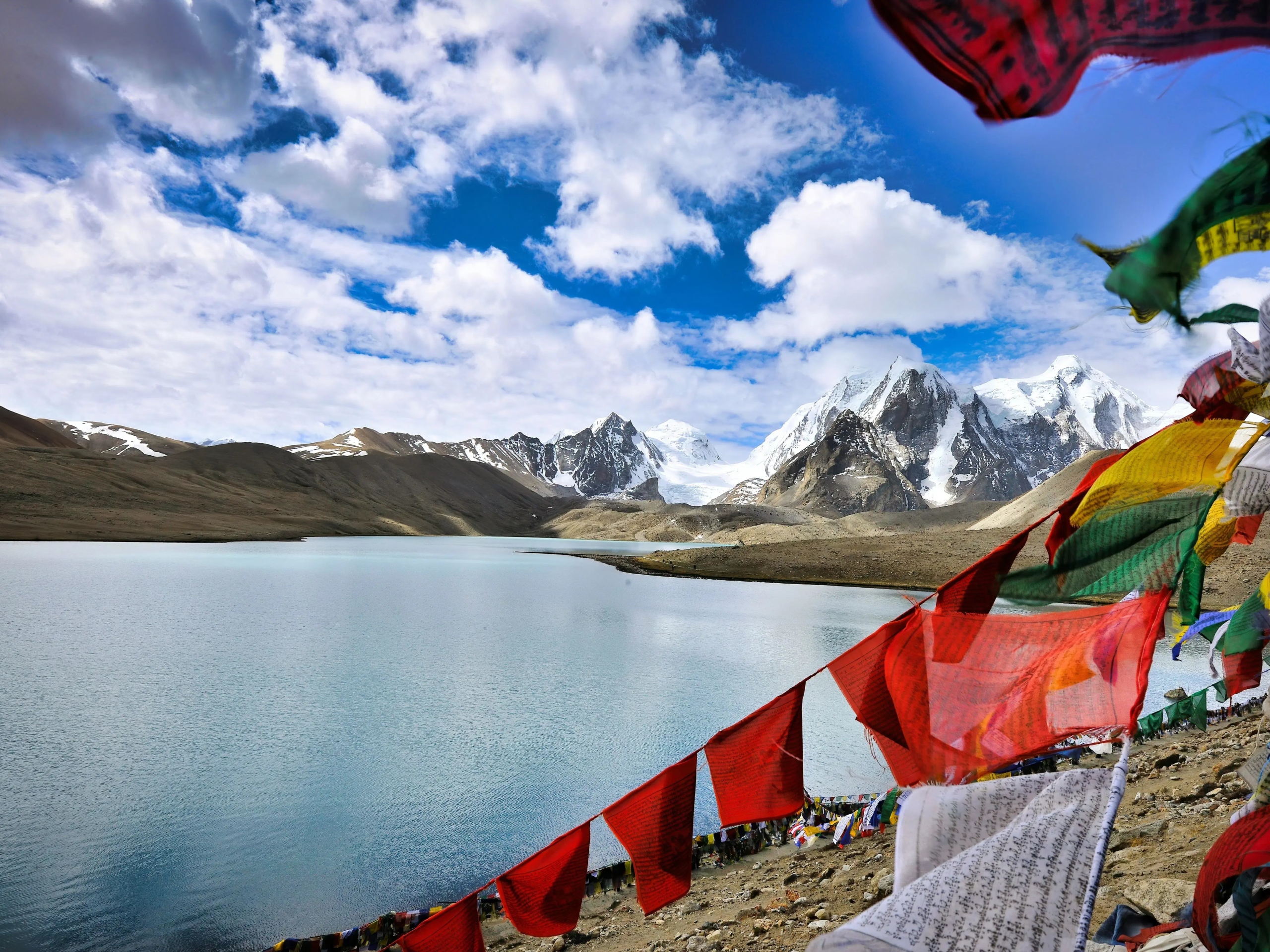
Sikkim stands out as India’s premier clean, organic, mountain paradise, quietly tucked away in the Eastern Himalayas. As the nation’s first fully certified organic state, it offers a remarkably pristine environment free from plastic bags and public litter, setting a global standard for eco-tourism. This peaceful sanctuary immediately captivates travellers with its crisp mountain air, dramatic elevation shifts, and deeply rooted local warmth, making it the ultimate destination for those seeking an authentic, sustainable escape into nature.
Though it is India’s second-smallest state, Sikkim packs an extraordinary geographical and cultural punch within its compact borders. It is dominated by the majestic presence of Mount Khangchendzonga, the world’s third-highest peak, which acts as a sacred backdrop to the entire region. Beyond the towering snow walls, the landscape unfolds into vibrant, flower-filled valleys like Yumthang and Lachung, alongside centuries-old Buddhist monasteries like Rumtek and Pemayangtse that echo with peaceful chants. From high-altitude alpine lakes to terraced tea gardens, this small wonderland seamlessly blends raw natural beauty with deep spiritual tranquillity.
With Thrillophilia, one can book their ideal Sikkim tour package, along with a customized itinerary, accommodation, handpicked inclusions, and round-the-clock support for a relaxed and seamless Sikkim trip.
Sikkim Trip Cost
A Sikkim tour cost starts from INR 12,500 to INR 65,000 and varies depending on factors such as accommodation category, transportation, meal plans and the experiences included in the itinerary. Travel season, group size and permit requirements can also influence the overall cost. For an ideal Sikkim itinerary, the approximate cost can be divided into the following categories:
| Trip Type | Cost Per Person Per Day | Approx. 6-Day Cost | Typically Includes |
| Budget | INR 2,000 to INR 3,000 | INR 12,500 to INR 18,000 | 3-star hotel, breakfast, shared transfers and all PAPs |
| Mid-Range | INR 4,000 to INR 6,000 | INR 22,500 to INR 35,000 | 4-star hotel, all meals, private 4WD SUV, guided tours and all PAPs |
| Luxury | INR 8,000 to INR 12,000 | INR 45,500 to INR 65,000 | Boutique property, all meals, private car, curated experiences and all PAPs |
Best Time to Visit Sikkim
| Season / Period | Weather & Experience | Highlights | Things to Consider |
| Spring (March to June) | Pleasant and cool weather, offering a welcome escape from the heat of the Indian plains. | Yumthang Valley and Varsey Sanctuary bloom with rhododendrons, orchids, and wild alpine flowers. | One of the most popular times to explore Sikkim. |
| Autumn (October to November) | Crisp, clear blue skies, low humidity, fresh green valleys, and sharp views of snow-capped peaks. Days are cool and nights comfortably chilly. | Ideal conditions for trekking, including trails like Goecha La. | Best suited for travellers looking for clear mountain views and trekking conditions. |
| Monsoon (July to September) | Heavy rainfall and unpredictable mountain weather. | – | Torrential rain can trigger landslides and road blockages along steep mountain highways. |
| Deep Winter (December to February) | Extremely cold, with sub-zero temperatures in high-altitude areas. | – | Heavy snowfall can cause sudden road closures, particularly around North Sikkim and Nathula Pass. Avoid if you dislike freezing conditions or want to minimise weather-related travel disruptions. |
How to Reach Sikkim
The best and most popular way to reach Sikkim is to fly into Bagdogra Airport in West Bengal and take a 4-hour scenic taxi or bus ride to Gangtok. With Thrillophilia’s balanced route, ideal pick-up stops and airport and sightseeing transportation, one can enjoy and relax during their entire journey.
- By Air: The most practical way to reach Sikkim by air is to fly into Bagdogra International Airport (IXB), located in neighbouring West Bengal. This airport connects seamlessly with major Indian aviation hubs like Delhi, Mumbai, and Kolkata. Once you land, the journey to Sikkim’s capital, Gangtok, covers roughly 123 kilometres. Because of the winding mountain terrain, this scenic uphill drive typically takes between 4 and 5 hours. Alternatively, Sikkim does house its own small airport at Pakyong, but flights there are highly irregular and frequently cancelled due to low-visibility mountain weather.
- By Rail: If you prefer travelling by train, your primary gateway is the New Jalpaiguri (NJP) Railway Station, situated just outside Siliguri in West Bengal. NJP is one of the busiest rail junctions in the region and receives regular, direct trains from across India, including express services from Guwahati, Chennai, and New Delhi. From the station, Gangtok is a 4.5 to 5.5-hour drive away. For those looking to cut down on road travel time, a massive new railway project connecting Sevoke to Rangpo inside Sikkim is currently under construction, which will eventually bring train travellers directly to the state’s border.
- Local Mountain Transport: Once you cross into Sikkim, navigating the steep, winding mountain roads requires relying on the state’s well-organised network of private and shared commercial vehicles. Small, standard cars are fine for city driving around Gangtok, but travelling to rugged, high-altitude regions like North Sikkim (Lachen and Lachung) or West Sikkim (Pelling) requires heavy-duty private 4×4 vehicles like Mahindra Scorpios or Tata Sumos. If you are a budget traveller, shared taxis operate strictly from designated local stands between fixed hours, charging a flat rate per seat. Keep in mind that driving yourself is highly discouraged; the narrow Himalayan hairpin bends, sudden weather changes, and steep drop-offs are best left to skilled local drivers who know the terrain perfectly.
Essential Permits and Documents
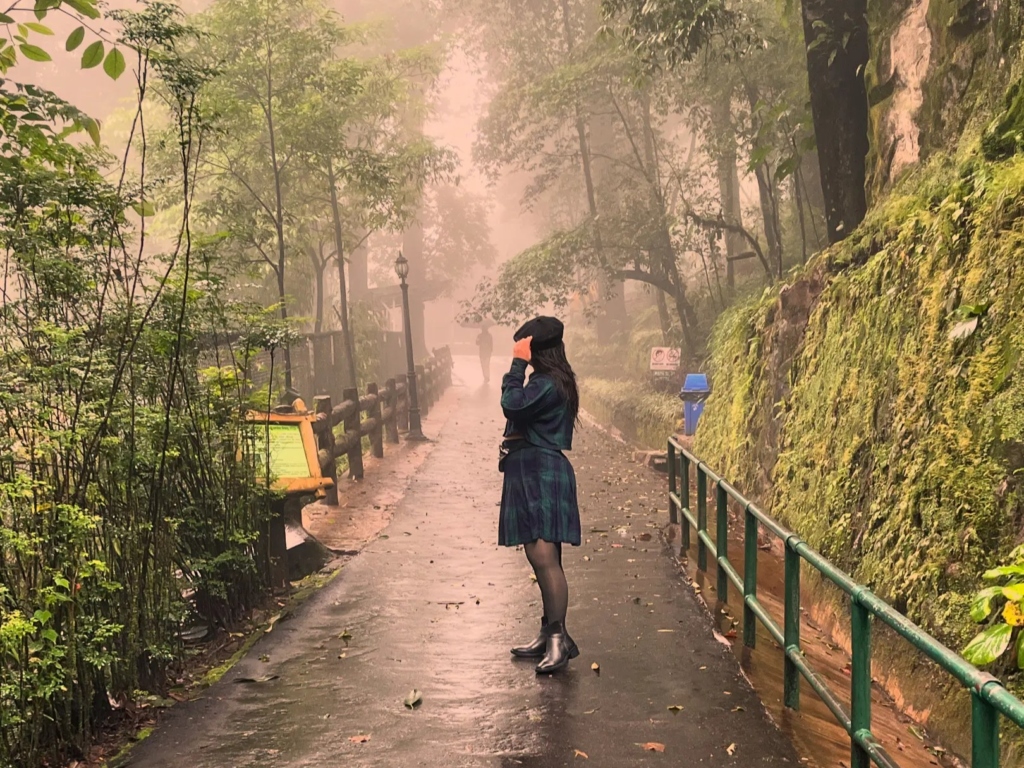
You need a Protected Area Permit (PAP) for North and East Sikkim and a Restricted Area Permit (RAP) if you are a foreign national. Thrillophilia destination experts provide complete guidance during application.
Protected Area Permit (PAP) for Restricted Zones
Because of its sensitive international borders with China, Bhutan, and Nepal, large parts of Sikkim are designated as restricted zones that require a Protected Area Permit (PAP). You cannot visit high-altitude highlights like Tsomgo Lake, Baba Mandir, and the historic Nathula Pass in East Sikkim without this official clearance. Similarly, the entire North Sikkim circuit, including Lachen, Lachung, Yumthang Valley, and Gurudongmar Lake, as well as the historic Silk Route town of Zuluk, requires PAPs. These permits are typically processed a day in advance through government-registered travel agents in Gangtok, and certain high-border areas like Nathula and Gurudongmar are strictly closed to foreign tourists due to national security regulations.
Mandatory ID Requirements
To secure your permits smoothly, you must carry the correct government-issued identification along with multiple physical passport-sized photographs.
- Domestic Indian Travellers: You must present a valid voter ID card, passport, or driving licence. Please note that an Aadhaar card is often not accepted by military checkpoints for border permits, so relying on it alone can disrupt your travel plans.
- Foreign National Travellers: You must first obtain an Inner Line Permit (ILP), which is free and issued at border check-posts like Rangpo or Melli upon showing a valid passport and Indian visa. Once you have your ILP, you can apply for restricted area PAPs for trekking routes or specific valleys like Yumthang, provided you travel in a group of at least two people through a registered local agency.
Top Places to Include in Your Itinerary
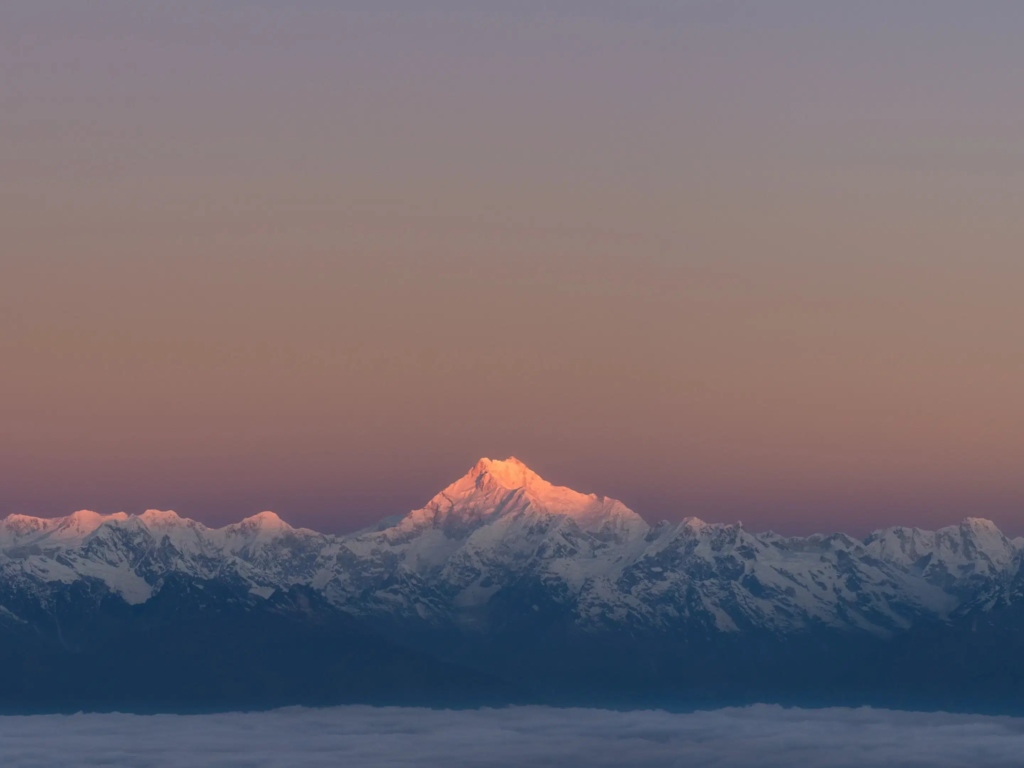
Sikkim has much to offer every type of tourist, from flower-filled valleys and exhilarating excursions to snow-capped mountains and alpine lakes. These are the top places to visit in Sikkim.
- Gangtok & Surroundings: Your exploration of Sikkim naturally begins in Gangtok, the vibrant capital city that perfectly fuses the modern Himalayan lifestyle with deep-rooted traditions. The heart of the city is MG Marg, a clean, pedestrian-only boulevard lined with lively cafes, local restaurants, and handicraft shops. For breathtaking early morning views, head to Tashi Viewpoint, which offers a sweeping panoramic view of Mount Khangchendzonga on a clear day. Just outside the city sits Rumtek Monastery, a magnificent 12th-century seat of Tibetan Buddhism filled with rare religious artwork, intricate murals, and a deeply peaceful spiritual atmosphere.
- High-Altitude Gems: Venturing further east into the high mountains brings you to a collection of surreal, sacred alpine landscapes located along the old Silk Route. The primary highlight here is Tsomgo Lake (also known as Changu Lake), a glacial lake situated at 12,400 feet that remains completely frozen into thick white sheets during winter and reflects clear blue skies in May. Nearby lies Baba Mandir, a unique and highly revered shrine built to honour a legendary Indian army soldier. For those with a permit, the journey culminates at Nathula Pass, a dramatic, high-altitude mountain pass on the Indo-China border where you can stand inches away from the international frontier fence.
- North Sikkim: North Sikkim is a rugged wonderland of deep gorges, roaring waterfalls, and raw alpine wilderness that feels completely cut off from the rest of the world. Travellers use the peaceful village of Lachung as a base to explore the breathtaking Yumthang Valley, famously dubbed the “Valley of Flowers” due to its spectacular spring rhododendron blooms. Further west, the remote village of Lachen serves as the gateway to Gurudongmar Lake. Sitting at an astonishing 17,800 feet, this is one of the highest lakes in the world, surrounded by stark, snow-capped peaks and sacred to both Buddhists and Sikhs.
- West & South Sikkim: The western and southern districts offer a brilliant mix of historical ruins, modern architecture, and rolling green plantations. In West Sikkim, the ridge-top town of Pelling is famous for its thrilling Chenrezig Skywalk, India’s first glass skywalk overlooking a colossal statue, and the nearby Rabdentse Ruins, the atmospheric remains of Sikkim’s second ancient capital. Moving south, you will encounter Ravangla, home to the stunning Buddha Park, which features a magnificent 130-foot eco-friendly Buddha statue silhouetted against giant mountain peaks. The journey down concludes beautifully at Temi Tea Garden, Sikkim’s only tea estate, where you can stroll through terraced slopes of organic tea bushes.
Sample Sikkim Itinerary: Most Booked by Our Travellers
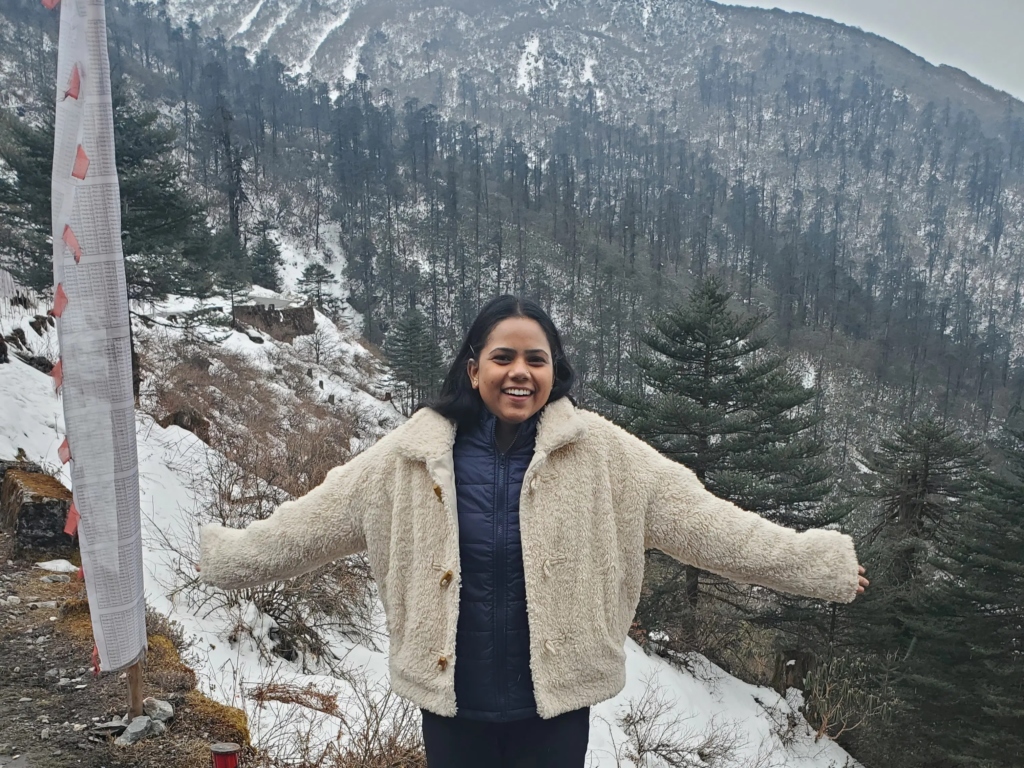
This 6-day itinerary follows one of the most popular Sikkim circuits: Gangtok–Lachen–Lachung–Gangtok–Siliguri. It combines Gangtok’s monasteries and mountain views with the high-altitude landscapes of North Sikkim, including Gurudongmar Lake and Yumthang Valley. The current 6-day 5-night Sikkim tour package listings show this route among the best-selling options.
6 Days, 5 Nights: Highlights of North Sikkim
Best for: First-time visitors and adventure-seeking travellers who want to experience Gangtok and the dramatic landscapes of North Sikkim within a compact six-day itinerary.
- Day 1: Siliguri to Gangtok. Arrive at Siliguri or Bagdogra and transfer to Gangtok. Check in to the hotel and spend the evening at leisure.
- Day 2: Gangtok sightseeing. Explore Gangtok’s major attractions and enjoy the city’s mountain views and local culture. Depending on the package, sightseeing can include popular attractions and monasteries around the city.
- Day 3: Gangtok to Lachen. Drive towards Lachen through the scenic landscapes of North Sikkim. The journey itself is an important part of the experience, with mountain roads, valleys and waterfalls along the way. Check in at Lachen and rest for the night.
- Day 4: Lachen to Lachung. Begin with an excursion towards Gurudongmar Lake, one of Sikkim’s most spectacular high-altitude lakes, before continuing towards Lachung. Spend the evening at leisure in the mountain village.
- Day 5: Lachung to Gangtok. Visit Yumthang Valley and enjoy the surrounding Himalayan scenery before travelling back towards Gangtok. Check in and relax after the long mountain journey.
- Day 6: Gangtok to Siliguri. Check out and transfer to Siliguri or Bagdogra for your onward journey.
Local Food & Cuisine to Try
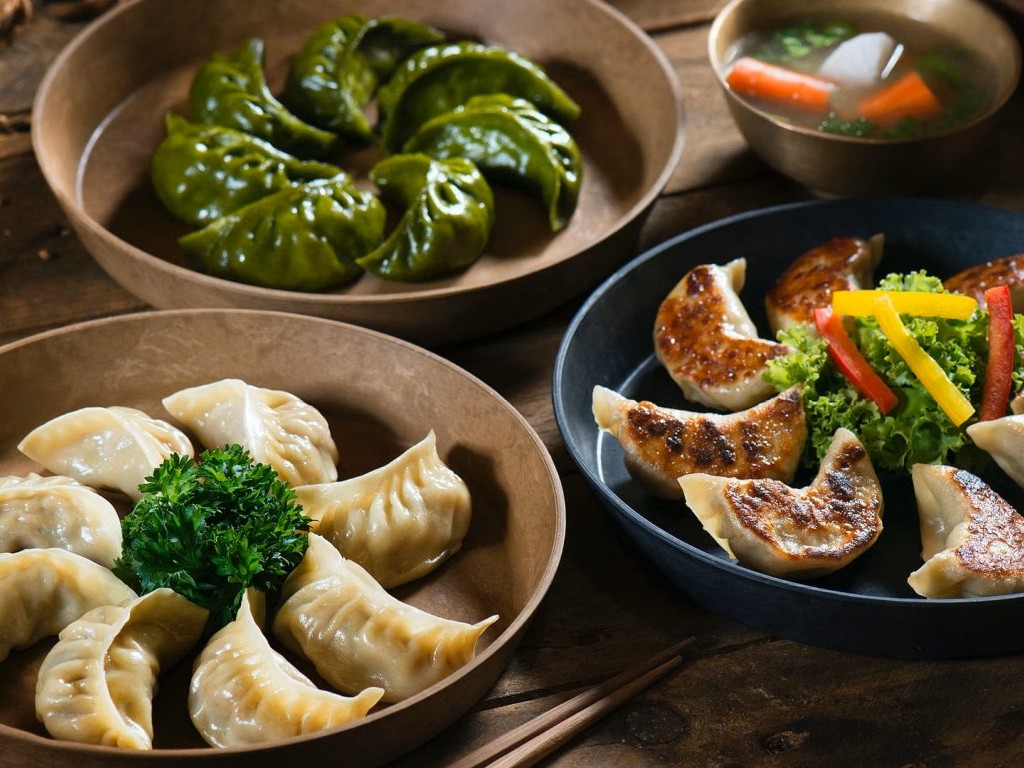
Nepali, Tibetan, and Bhutanese flavours, featuring fresh, simple ingredients, wild vegetables, and traditional fermentation methods. Thrillophilia, with 15+ destination experts, recommends the top places to visit along with dishes which one can’t miss. Moreover, travellers get breakfast every day along with vegetarian options and other meals as per the booked itinerary.
Traditional Dishes
- Momos: Steamed flour dumplings filled with spiced vegetables or minced meats.
- Thukpa: Comforting, hot noodle soup packed with fresh alpine greens.
- Gyathuk: Flat, hand-pulled noodle broth seasoned with aromatic mountain herbs.
- Gundruk: Tangy soup made from traditionally fermented, sun-dried mustard leaves.
Spicy Kicks
- Dalle Khursani: Fiery, bright red cherry pepper known for intense heat.
- Dalle Pickle: Pungent condiment preserved in oil, served alongside local meals.
Beverages
- Butter Tea: A warm, savoury Tibetan beverage churned with salt and yak butter.
- Tongba: Fermented millet brew served warm in a traditional wooden container.
Practical Travel Tips for Sikkim
While planning a trip a complete Sikkim tour guide is
- Pack alternative reusable flasks before heading to Lachen or Lachung.
- Keep trash in your bags to avoid steep on-the-spot fines.
- Smoke only in designated private zones to respect state laws.
- Prepare for total lack of cellular data in high-altitude valleys.
- Avoid relying on UPI or card payments outside major towns.
- Carry sufficient physical cash for food, fuel, and emergency needs.
- Withdraw ample cash at ATMs before leaving the capital city.
- Rest for a full day in Gangtok to acclimatise properly.
- Drink plenty of water and avoid alcohol at high elevations.
- Pack prescribed acetazolamide tablets after consulting your doctor.
- Descend to lower altitudes immediately if severe headaches or dizziness hit.
Book Your Sikkim Tour with Thrillophilia
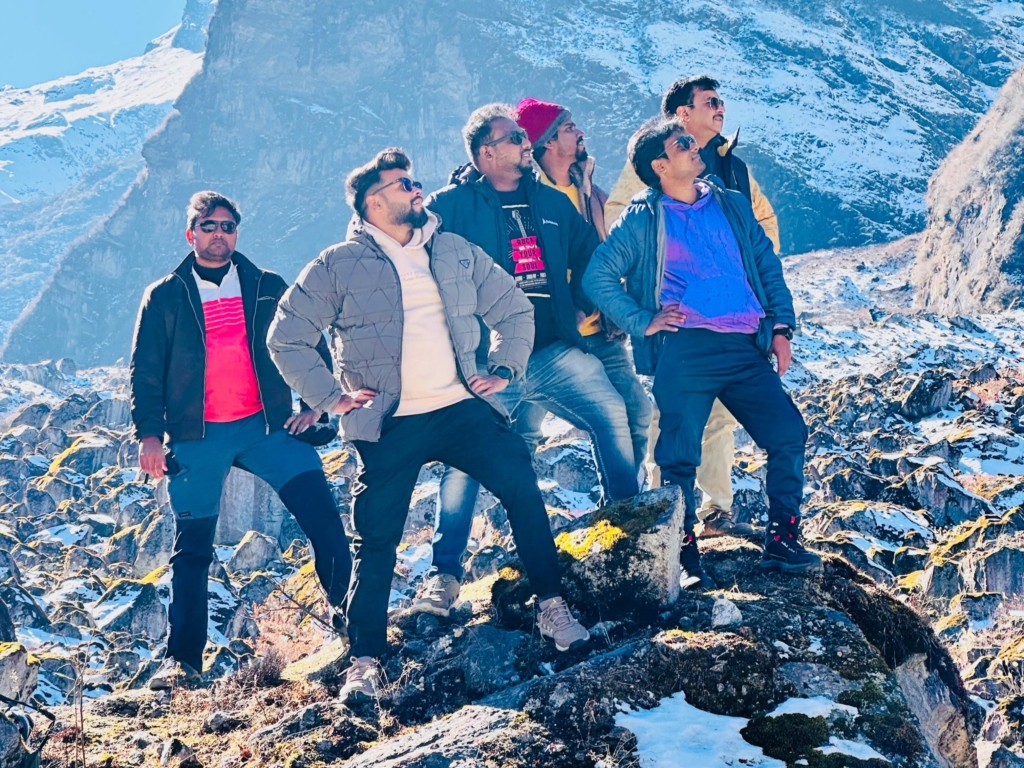
A Sikkim trip looks straightforward until you are actually planning one. Permit requirements that change without much notice, North Sikkim road conditions that shift overnight, the 4 PM checkpoint curfew that catches travellers off guard, and the altitude sequencing that genuinely affects health – these are not fine-print concerns. They are the things that decide whether a Sikkim trip feels smooth or stressful. Thrillophilia’s local teams are built around exactly these variables, so you are not figuring them out on the road.
- Permits Arranged Before You Arrive, Not After: Protected Area Permits for Tsomgo Lake, Nathula Pass, Gurudongmar Lake, Yumthang Valley, and the Silk Route are confirmed as part of the booking process. Thrillophilia confirms permit availability before any North Sikkim package is finalised, not after you have already travelled there.
- Itineraries That Actually Respect Altitude: Arriving in Gangtok and heading to Gurudongmar Lake the next morning risks acute mountain sickness. Every North Sikkim itinerary follows the fixed acclimatisation sequence, Gangtok first, then Lachen, then Gurudongmar, and that sequence is never skipped or compressed regardless of schedule pressure.
- Region Mapping That Saves You Time and Energy: North Sikkim suits adventure-focused travellers and solo riders. East Sikkim works well for first-time visitors and for a comfortable Sikkim tour package for families with some altitude. Thrillophilia maps your itinerary to the regions that match your travel style first, which also avoids the logistical waste of doubling back across mountain roads unnecessarily.
- 4WD SUVs for Every North Sikkim Transfer: For Lachen, Lachung, Yumthang Valley, and Gurudongmar Lake, only 4WD SUVs are deployed, not standard sedans or hatchbacks.
- Itineraries Built Around the 4 PM Checkpoint Rule: All vehicles must cross the Toong Police Check Post before 4 PM. Missing this curfew means an overnight detention at the checkpoint. Every sightseeing plan and transfer schedule in North Sikkim is built around this deadline, with buffer time factored in rather than hoped for.
- 60+ Packages Across Every Travel Style and Budget: Whether you have 4 days for a Gangtok-focused short break, 6 days for a focused North Sikkim circuit, or 10 days for a full Sikkim-plus-Darjeeling experience, there is a package matched to your leave schedule and comfort level. Budget options start from INR 19,266 per person; luxury boutique stays with curated experiences are available at the premium end. The range covers solo travellers, families with seniors, trekking groups and couples planning for a Sikkim honeymoon package.
- 24/7 On-Trip Support That Stays Reachable: Local teams monitor weather conditions, road updates, and permit regulations continuously, particularly across North Sikkim, where conditions shift quickly. Sneha Kulkarni, who travelled with her family on the North East Family Trip package, put it plainly: the team adjusted the Pelling sightseeing schedule mid-trip when the family wanted more time at the Skywalk — that kind of flexibility matters more in Sikkim than it does in most other destinations.
Frequently Asked Questions
Yes, Indian citizens require a Protected Area Permit (PAP) to visit restricted, high-altitude border zones like Tsomgo Lake, Nathula Pass, and North Sikkim. These are easily arranged a day in advance through government-registered travel agents in Gangtok. However, standard entry into Gangtok, Namchi, or Pelling does not require any special permit.
Foreign nationals cannot visit certain sensitive border areas like Nathula Pass or Gurudongmar Lake due to military regulations. They can, however, visit high-altitude zones like Yumthang Valley and Tsomgo Lake, provided they travel in a group of at least two people through a registered agency. They must also obtain a free Inner Line Permit (ILP) at the state entry checkpoints.
Yes, Sikkim enforces a strict ban on single-use plastic water bottles, especially in tourist hubs and high-altitude regions like Lachen and Lachung. Visitors are legally required to carry reusable insulated flasks or purchase larger, state-approved water containers. Violating these eco-laws attracts heavy, on-the-spot financial penalties from local authorities.
While digital payments and UPI are widely used in the capital city of Gangtok and major towns, they completely fail in remote regions. High-altitude destinations like Lachen, Lachung, and Gurudongmar Lake suffer from frequent cellular network outages and zero internet connectivity. It is absolutely essential to withdraw and carry sufficient physical cash before leaving Gangtok.
The best way to prevent Acute Mountain Sickness (AMS) is to acclimatise gradually by spending your first night at a lower elevation, like Gangtok. Stay well-hydrated, avoid alcohol, and maintain a slow, steady physical pace when exploring heights above 10,000 feet. Consult a doctor beforehand to pack preventive medications like acetazolamide and descend immediately if symptoms worsen.
While small hatchbacks and sedans are perfectly fine for city driving around Gangtok, they are not permitted or built for rugged circuits. Travelling to North Sikkim or West Sikkim requires heavy-duty, high-clearance 4×4 vehicles like Mahindra Scorpios or Tata Sumos to navigate landslide-prone terrain and steep hairpin bends. These can be booked privately or experienced via shared local taxis.
Airtel and Jio offer excellent 4G and 5G connectivity, clear voice calls, and fast data speeds in Gangtok, Namchi, and Pelling. However, as you travel deeper into North Sikkim or towards the international borders, network signals drop drastically. BSNL is generally considered the most reliable backup network for basic calling capabilities in these remote, high-altitude valleys.
No, military check-posts and permit offices in Sikkim generally do not accept Aadhaar cards as a valid standalone identity document for restricted border zones. To avoid rejection, domestic travellers must carry their physical voter ID card, valid passport, or driving licence. You will also need to carry at least four to six recent passport-sized photographs.
If you are visiting during the spring months (March to June), pack light layers, a windcheater, and comfortable walking shoes for pleasant daytime sightseeing. For winter travel (October to February), you will need heavy thermal innerwear, down jackets, woollen gloves, and insulated boots. Thick socks and beanies are mandatory to handle the sub-zero temperatures of North Sikkim.
You can drive your personal, out-of-state vehicle up to Gangtok, Pelling, or Namchi, provided you carry all valid vehicle documentation and permits. However, self-driven vehicles and commercial self-drive rentals are strictly prohibited from entering restricted high-altitude areas like North Sikkim or Nathula Pass. For those specific circuits, you are legally required to hire a local vehicle with a registered driver.