


Quick Jumplinks to Navigate
Europe can feel expensive even when you have planned a strict budget. The higher costs are easy to notice, but small expenses like city taxes, service charges, café bills, public transport and attraction fees can add up quickly.
Western and Northern European cities such as Paris, Amsterdam and Copenhagen usually have higher hotel and food costs. Central and Southern Europe, including Prague, Portugal and Spain, can be easier on your budget, although tourist areas can still be expensive.
The constant euro-to-rupee conversion can also make everyday spending feel heavier. This is why it helps to plan your major expenses first and keep a separate amount for daily spending.
If you book a Europe tour package where accommodation, transfers, sightseeing, and selected activities are already planned. You can see more clearly what is covered and what you still need to spend on.
As per Thrillophilia’s destination experts, travellers often underestimate these smaller recurring costs far more than the big-ticket items like flights and hotels. Thrillophilia’s packages bring these major costs together, making your budget easier to understand. Before booking, check the hotel category, destinations, duration, transfers, meals, sightseeing, visa assistance and local support. You can then set aside separate money for flights, shopping, excluded meals and personal expenses.
Why Europe Can Feel More Expensive Than Your Planned Budget
Your hotel, flights and train tickets may fit your budget, but smaller charges can quietly increase your total spending. Tourist taxes, card fees, data charges and everyday purchases are easy to miss while planning from India.
1. What Goes Into the Package Cost

Your hotel, flights and train tickets may fit your initial budget, but smaller charges can quietly increase your total spending. Tourist taxes, card fees, data charges, public transport, café expenses and everyday purchases are easy to miss while planning from India. The constant euro-to-rupee conversion can also make regular spending feel heavier.
This is why it is important to plan your major expenses first and keep a separate amount for daily spending. Europe can also vary significantly by destination, with Western and Northern European cities such as Paris, Amsterdam and Copenhagen generally costing more than Central and Southern European destinations such as Prague, Portugal and Spain.
2. Account for Tourist Taxes, Card Fees and Currency Exchange

Many European cities charge visitors a nightly tourist tax based on the hotel category or room price, so check whether this is included in your booking. Rome can charge around INR 336 to INR 1,118 per person per night, while Amsterdam’s tax can reach 12.5% of the room cost. Paris also charges a nightly tax based on accommodation type.
Foreign card payments can attract around 3% transaction fees, depending on your bank. Avoid Dynamic Currency Conversion when a shop or ATM asks whether you want to pay in INR. Paying in the local currency usually gives you a better exchange rate, while cash withdrawals may also carry ATM fees.
3. Plan for Connectivity and Other Small Daily Costs

International roaming can become expensive if you use mobile data throughout your trip, while airport SIM cards may cost more than buying a local SIM in the city. An eSIM or travel data plan booked before departure can make connectivity costs easier to control. You should also keep money aside for small expenses such as public toilets, café seating charges, bottled water, bread, or table-service fees.
These costs may seem insignificant individually but can become noticeable over a 10-day trip. Keeping a separate daily spending amount helps you account for these smaller expenses instead of allowing them to slowly push your overall Europe trip budget beyond what you originally planned.
4. Understand Dining Charges, Table Fees and Tipping
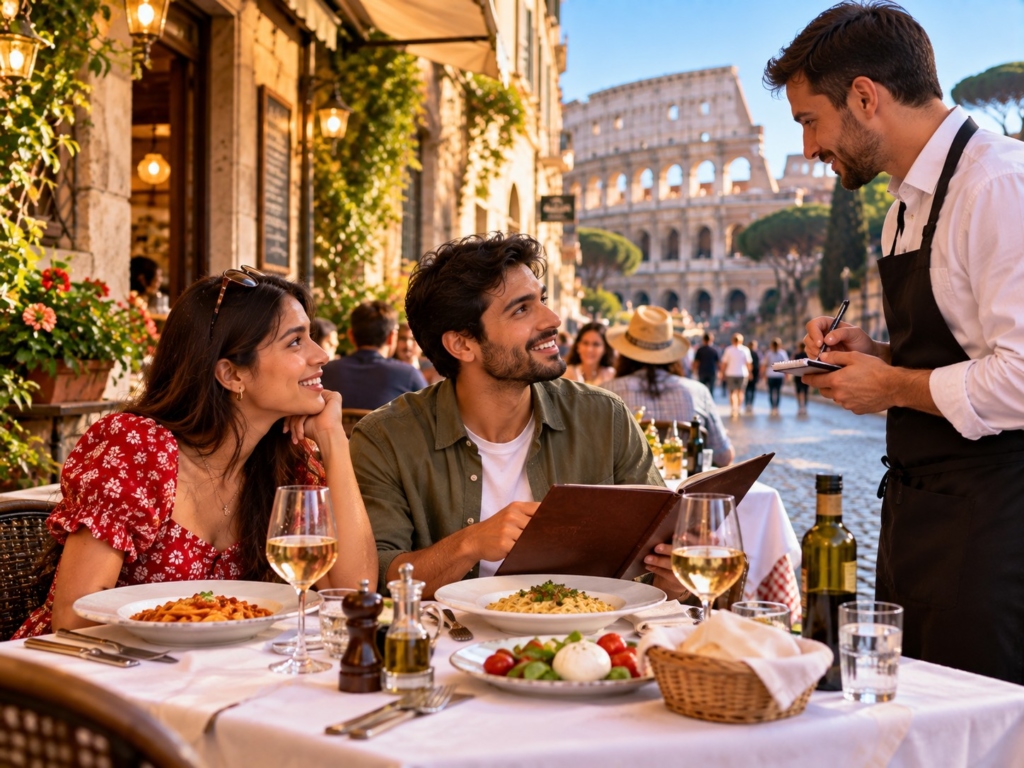
European prices usually include VAT and standard service costs, so the amount shown on a menu or ticket is generally close to what you pay. However, some restaurants and tourist services add clearly stated fees for specific extras. Some places charge a separate cover or table fee.
In Italy, for example, a coperto can add around INR 224 to INR 335 per person for table setup, bread, or service. If you are on a Europe family tour, this cost can go up and can increase your overall budget.
Sitting at an outdoor table can also cost more than ordering at the counter. Tipping is generally optional in Europe and is not normally expected at North American levels.
5. Choose Your Accommodation and Dining Location Carefully

Where you stay and eat can change your European trip budget considerably. Hotels in city centres often have higher rates because they are close to major sights and transport, while restaurants near famous landmarks also tend to charge more. Tourist areas generally have higher prices for food, shopping and accommodation. Moving a few streets away can give you access to cheaper cafés, supermarkets and local markets while also giving you a better view of everyday local life.
However, staying centrally can sometimes reduce daily transport costs because you may be able to walk to attractions. Therefore, compare the cost of accommodation with the transport savings before deciding where to stay.
6. Factor in Airport, Station and Local Transfers
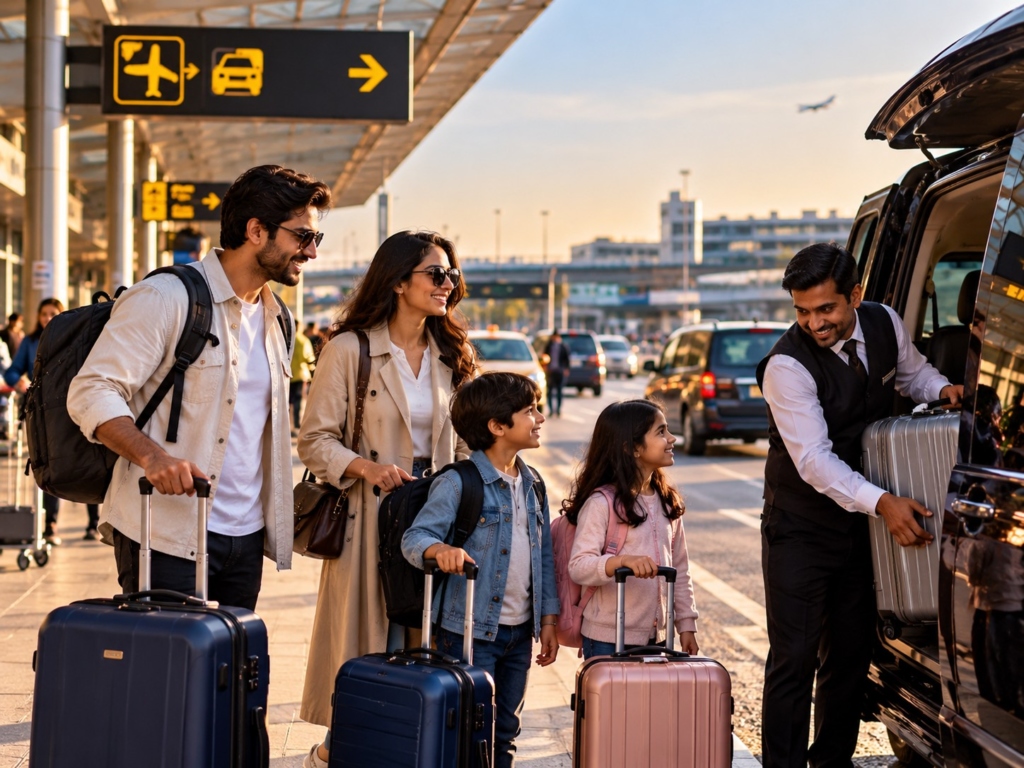
Getting from airports or train stations to your hotel can add significantly to your overall spending. Taxis and private transfers are usually expensive, while local trains and buses generally cost less. This is particularly important when choosing accommodation because a cheaper hotel located far from the city centre may require more spending on daily transport. Check the route from the airport or station before booking your hotel and consider how easily you can access local public transport.
Transport and sightseeing can already take a large part of your Europe budget, particularly if you book late or travel during busy periods, so understanding transfer costs in advance can help you avoid unexpected expenses.
7. Book Trains, Flights and Attractions Before the Last Minute

Train and attraction prices are often higher when booked close to the travel date. A train ticket costing around INR 3,914 when booked early can reach INR 16,774 on the day of travel. Popular attractions may also have limited entry slots, making planning useful. The same principle applies when travelling between cities. Budget airlines may charge extra for checked baggage, cabin bags and airport transfers.
A €20 (INR 2,200 approx) flight can become considerably more expensive after a €40 (INR 4,450 approx.) baggage fee and a €5 (INR 559) bus transfer from a distant airport. Always compare the complete travel cost rather than the initial ticket price.
To help you save on costs, Thrillophilia offers flight-inclusive packages that cover airfare and come with all the basic inclusions. If you’re looking to reduce your overall expenses, it’s better to book a package that includes flights.
8. Check Attraction and Activity Fees Before Booking

The listed ticket price for an attraction may not always be the final amount you pay. Popular attractions can add reservation and booking fees, while guided tours, audio guides, and special access may cost extra. For example, the Louvre may charge for advance booking, while the Colosseum can cost more for special areas or guided entry.
At the Eiffel Tower, prices vary depending on whether you choose the lift or stairs and which level you want to access. And if you are on a Europe honeymoon package and want some special inclusions, additional charges can make sightseeing more expensive than expected if they are not included in your package. Always check the final price, including applicable booking or reservation fees, before confirming your attraction tickets.
9. Account for Peak-Season Pricing
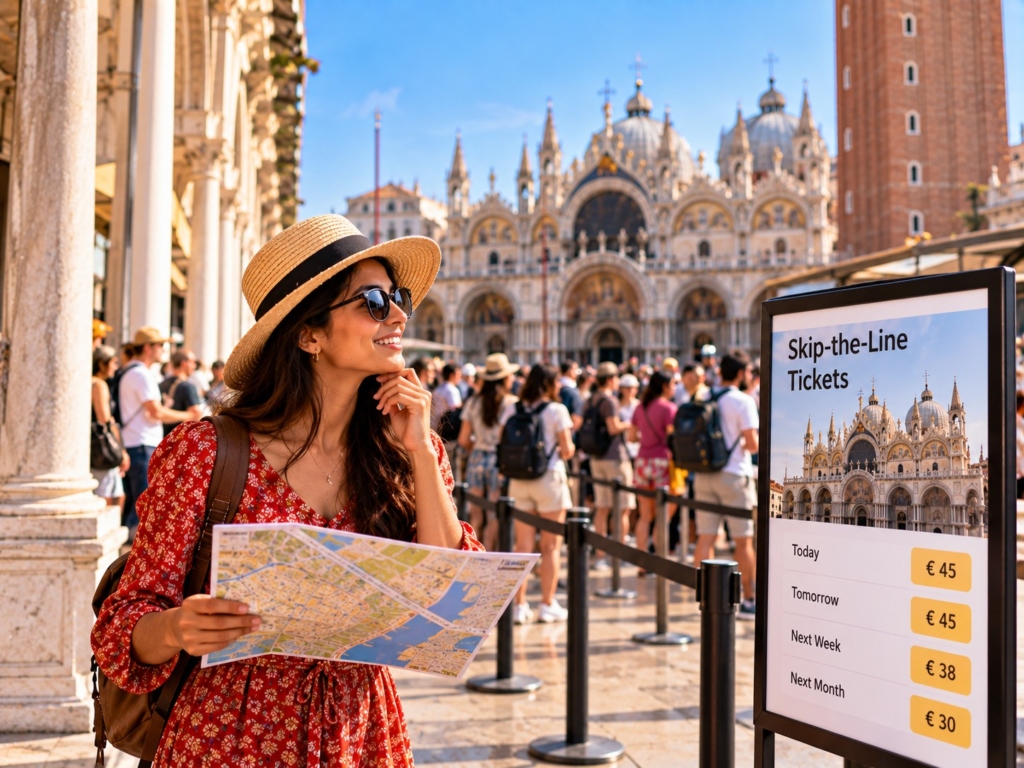
June to August and the Christmas period usually cost more because demand increases across hotels, trains, flights and activities. Prices can rise sharply during these periods, particularly in popular European destinations.
If your travel dates are flexible, booking early and travelling during the shoulder season can help reduce these costs. Peak-season pricing is also something to consider when comparing package options or planning your own itinerary because the same destination can have significantly different costs depending on travel dates.
As per Thrillophilia’s destination experts, Europe prices can change during peak travel periods. Thrillophilia works with local hotels and transport partners to update rates and availability, helping keep package prices aligned with current seasonal costs.
10. Keep a Buffer and Compare the Total Cost

A few simple choices can help you stay within your European travel budget. Keep 10% to 15% of your budget aside for city taxes, tips, coffee, public toilets, local transport and unexpected costs. Small daily payments can add up during a long trip, so having a buffer prevents these expenses from affecting money allocated for major bookings.
You should also compare the total cost rather than just the listed price. A cheap flight may land far from the city and require an expensive transfer, while a low-cost hotel may increase your daily transport expenses. Check baggage, transport, taxes, and other fees before choosing any booking.
11. Avoid Overpacking Your Europe Itinerary

Changing cities too often can increase your spending because every additional destination may require trains, buses, taxis, and a new hotel stay. Even when individual transport tickets appear affordable, the combined cost can become significant over a longer trip. Staying longer in fewer places can help keep costs lower while also giving you more time to explore each destination.
This approach can reduce the number of transfers and hotel changes you need to pay for. It also makes your itinerary less rushed. When planning your Europe trip, whether a Europe group tour or an independent itinerary, consider whether adding another city is worth the additional accommodation and transportation costs rather than simply trying to cover as many destinations as possible.
Frequently Asked Questions
Georgia is among the cheapest options from India. The return flights are around INR 30,000 to INR 40,000 and daily expenses of INR 2,500 to INR 4,000. Bulgaria is another budget choice, costing about INR 3,000 to INR 5,000 daily, followed by Hungary, Romania and Poland.
For a 10 to 12 day Europe trip from India, budget around INR 1,50,000 to INR 3,00,000 per person. Eastern and Central Europe can cost INR 1,00,000 to INR 1,80,000, while Western Europe may reach INR 2,00,000 to INR 3,50,000. Flights, visa, accommodation, food, and transport are the main expenses.
Yes, you can carry around €50 (INR 5591 approx) to €100 (INR 11183) in cash for small cafés, markets, public toilets and emergencies. Use cards for most payments. Withdraw cash from local bank ATMs and choose euros or local currency, not INR, when prompted.
Europe is not completely cashless. Cards are widely accepted, especially in the Netherlands and Nordic countries. But Germany, Austria and parts of Southern Europe still use cash for small shops, markets, local transport and public facilities.
You can reduce your Europe trip costs by booking flights, hotels and long-distance trains in advance, travelling during the shoulder season and avoiding too many city changes. Staying longer in fewer destinations can reduce spending on trains, buses, taxis and additional hotel stays. Keeping 10% to 15% of your budget as a buffer can also help cover city taxes, tips, coffee, local transport, public toilets and unexpected expenses.