


Quick Jumplinks to Navigate
City passes in Europe save money when the attractions you want to visit cost more on individual tickets than the pass itself. They’re less useful for relaxed itineraries, short stays, or tour packages where major sightseeing is already included.
These passes bundle museum and monument entry with public transport, cruises, guided tours, or other experiences. Their value comes down to what you plan to visit, how many days you have, and how fast you want to move. Here’s what you need to know before buying one.
1. Start With the Break-Even Math
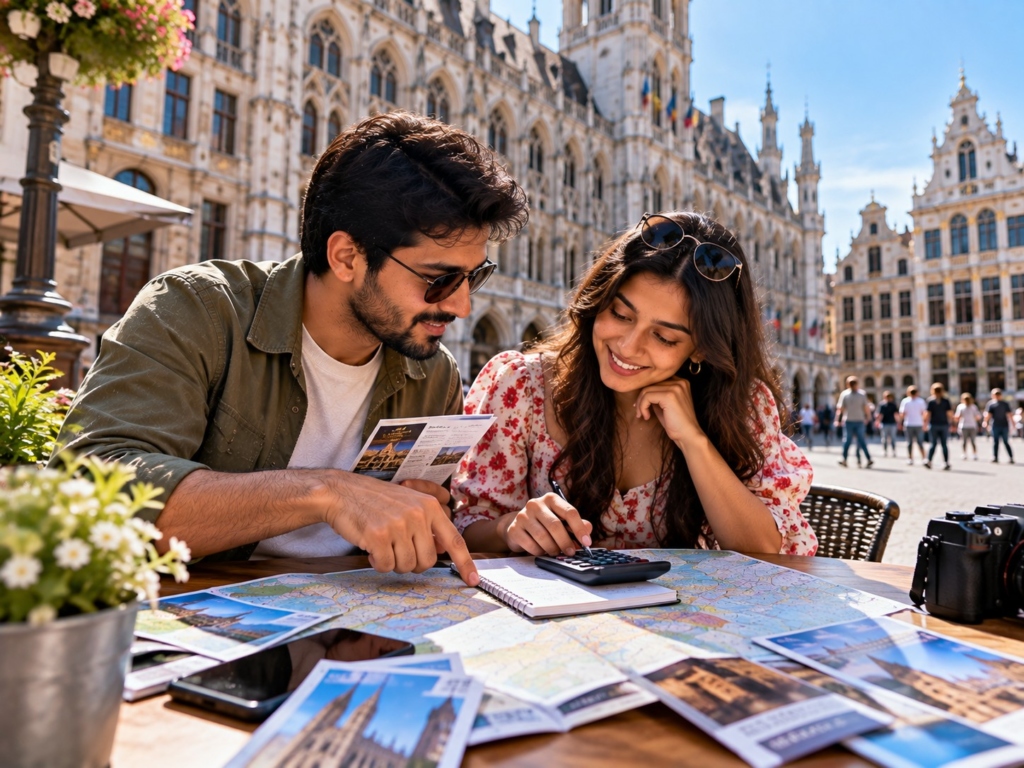
The easiest way to know if a city pass saves you money is to calculate your break-even point. If a pass costs €80 for four attractions and public transport, check what each part would cost individually, and confirm you’ll have time to use it all. If tickets and transport add up to €10 more than the pass, it’s saving you money. One catch: don’t count an attraction as a saving if you wouldn’t have bought that ticket anyway.
2. Know What’s Usually Included

Most city passes bundle some combination of museum entry, monument entry, public transport, river cruises, guided tours, and skip-the-line access. Museum and monument entry pay off when several are already on your itinerary. Transport helps if you’re moving around daily. A cruise only adds value if you’d buy that ticket regardless, and skip-the-line access matters most at attractions known for long queues.
3. Don’t Assume “Included” Means “Instant Entry”

As Thrillophilia customer reviews point out, a pass doesn’t automatically get you immediate entry everywhere. Some attractions still require timed reservations or cap visitor numbers, pass or no pass. Certain sites on the Paris Museum Pass, for instance, still need a reservation slot despite being covered. So build in time to book these slots in advance rather than assuming the pass alone gets you through the door.
4. When to Buy

A city pass suits an attraction-heavy itinerary best. Spending three days visiting several Paris museums and monuments makes a pass more useful than buying every ticket separately, and it simplifies budgeting since sightseeing gets paid upfront. Consider one if you want four or more paid attractions in two or three days, enjoy museums and monuments, expect frequent transport use, or want cruises and guided tours bundled in.
5. When to Skip Buying

A pass can be poor value on a deliberately slow itinerary. Skip it if most of your sightseeing is free landmarks with only one or two paid stops, or if you prefer unplanned exploration over a checklist. It’s also not worth it for a single day in the city, or if the included attractions sit too far apart to visit comfortably. Don’t buy a pass just to force yourself into rushing.
6. Match Your Travel Style to the Right Choice

Visiting four or more paid attractions in two to three days favours a city pass, while one or two attractions a day suits individual tickets better. A museum-heavy itinerary leans toward a pass, whereas mostly free sightseeing leans toward individual tickets for the odd paid stop. Relaxed trips do better with individual tickets, heavy transport use needs a case-by-case comparison, and a single day only justifies a pass if it covers everything on your list.
7. Check Whether Your Tour Package Already Covers It

Your Europe tour package inclusions decide whether you even need a city pass in the first place. Thrillophilia’s Europe tour packages include sightseeing and entry tickets for selected attractions depending on the itinerary, and the team can customise this based on what you want covered. Before buying a separate pass, check whether your chosen itinerary already includes those same attractions and transfers, so you’re not paying twice.
8. Treat Each City Separately on a Multi-Country Trip

On a multi-country trip, decide on city passes city by city rather than for the whole journey at once. A pass that makes sense in Paris may not make sense in Rome, Amsterdam, or Vienna, since sightseeing styles differ from city to city. You might spend two days in Paris museums, then spend most of your Amsterdam stay wandering canals that need no pass at all. Budget each one as its own decision.
Frequently Asked Questions
Yes, if you want to explore multiple places in a short span. Just confirm beforehand that the attractions and transport you’d otherwise pay for cost more than the pass.
Paris and Rome tend to have the most useful passes, thanks to the sheer number of monuments and museums on offer. Amsterdam, Vienna, and other cities also have passes, but their value depends heavily on your planned itinerary.
Not necessarily. The pass only saves money when you visit enough of the included attractions to exceed its price.
Add up the individual prices of the attractions you genuinely plan to visit, plus any transport or other benefits you’d otherwise pay for, and compare that total to the pass price. If the pass costs at least €10 less, it’s worth getting. But if it pushes you toward attractions you wouldn’t otherwise visit, or if its validity is too short to actually use it fully, it’s not worth it.
Some do. If transport matters to you, check the pass details closely, since coverage, zones, and validity periods vary from pass to pass.