

Quick Jumplinks to Navigate
A City That Changes With the Seasons
Hong Kong is often seen as a city defined by its skyline, but what becomes clear over time is how much the experience changes across the year. The same streets, waterfronts, and neighbourhoods take on a different pace depending on the season, shaped by events, weather, and the way people use the city. This is why many travellers return more than once, not to repeat the same trip but to experience a different side of it.
Each season brings its own rhythm, from large cultural events in spring to coastal exploration in summer, followed by festival driven months in autumn and a festive atmosphere in winter. Instead of offering one fixed experience, Hong Kong shifts gradually across the year, allowing travellers to choose when to visit based on what they want to see and do.
Understanding this seasonal pattern makes it easier to plan a trip that aligns with personal preferences, whether that is exploring cultural events, spending time outdoors, or experiencing festivals that shape the city’s identity.
Spring: Culture, Events and City Energy
Spring in Hong Kong, particularly between March and May, is one of the most active periods for cultural events and city wide programming. This is when the city hosts what is often referred to as “Super March”, a period that brings together art fairs, exhibitions, and large scale cultural gatherings across different districts.
One of the key highlights during this time is Art Basel Hong Kong, which attracts galleries, artists, and visitors from across the world. Alongside it, events such as Art Central and other gallery led exhibitions take place across areas like Central and West Kowloon, turning parts of the city into active cultural spaces. These events are not limited to formal venues, as installations and public art often appear in open areas, making them accessible even for casual visitors.
The weather during spring supports this movement across the city, with moderate temperatures that make walking between neighbourhoods comfortable. This is also a good time to explore districts such as Sheung Wan or Tsim Sha Tsui on foot, as the climate allows for longer periods outdoors without the intensity of summer heat.
Spring therefore combines cultural activity with favourable weather, creating a period where the city feels particularly dynamic without becoming overwhelming. For travellers interested in art, design, and city exploration, this season offers a structured yet flexible way to experience Hong Kong.
Summer: Islands, Water and Outdoor Activities
Summer introduces a different perspective of Hong Kong, one that moves away from dense urban areas and towards the coastline and surrounding islands. Between June and August, the focus shifts to outdoor activities that are built around water, open spaces, and shorter day plans that work around the heat and humidity.
During this time, many travellers explore Hong Kong islands such as Lamma Island, Cheung Chau, and Lantau Island, each offering a slower pace compared to the main city. These islands are connected by ferry routes, making them accessible without long travel times, and allow visitors to move between walking trails, small villages, and waterfront areas within a single day.
Beaches also become an important part of the experience, with locations such as Shek O and Repulse Bay seeing increased activity during the season. Water based activities such as kayaking and paddleboarding are commonly available in calmer coastal areas, especially around Sai Kung. These activities are often planned in the morning or late afternoon, when temperatures are relatively lower.
While summer in Hong Kong can feel humid, the structure of activities adapts to these conditions. Days are often divided between outdoor exploration, shaded breaks, and time near the water, which helps balance the intensity of the weather.
For travellers who want to experience a more active and less urban side of the destination, summer offers a version of Hong Kong that is shaped by its coastline and natural landscape.
Autumn: Festivals and Culinary Experiences
Autumn, from September to November, is often considered one of the most comfortable times to visit Hong Kong, both in terms of weather and the variety of events taking place. The season is defined by festivals that bring communities together, as well as a stronger focus on food related experiences across the city.
One of the most recognised events during this period is the Mid-Autumn Festival, when public spaces are filled with lantern displays, evening gatherings, and cultural performances. Areas around Victoria Harbour and neighbourhood parks become focal points for celebrations, with families and visitors spending time outdoors after sunset. The atmosphere during this festival is shaped by light, colour, and shared community activity.
Autumn also hosts the Hong Kong Wine & Dine Festival, which brings together local and international cuisine along the waterfront. This event reflects the city’s position as a culinary hub, where traditional Cantonese dishes and global influences exist within the same space. It also connects with the broader food culture that defines Hong Kong, from neighbourhood restaurants to fine dining experiences.
The weather during this season is cooler and less humid, which makes it easier to explore the city on foot or spend longer periods outdoors. Whether it is walking through neighbourhoods, attending evening festivals, or exploring dining districts, autumn offers a balanced experience that combines comfort with cultural depth.
This combination of festivals and favourable weather makes autumn one of the most engaging seasons for travellers who want to experience both the social and culinary sides of Hong Kong.
Winter: Festivities and Celebrations
Winter in Hong Kong, from December to February, brings a shift in atmosphere as the city moves into a period defined by celebrations and seasonal events. The transition begins with Hong Kong WinterFest, when public spaces are decorated with lights, installations, and themed displays that reflect the festive period.
During this time, areas around Victoria Harbour and key shopping districts take on a more international character, with Christmas markets, seasonal menus, and evening events becoming part of the city’s routine. The cooler weather supports outdoor movement, allowing visitors to explore the city without the intensity of summer conditions.
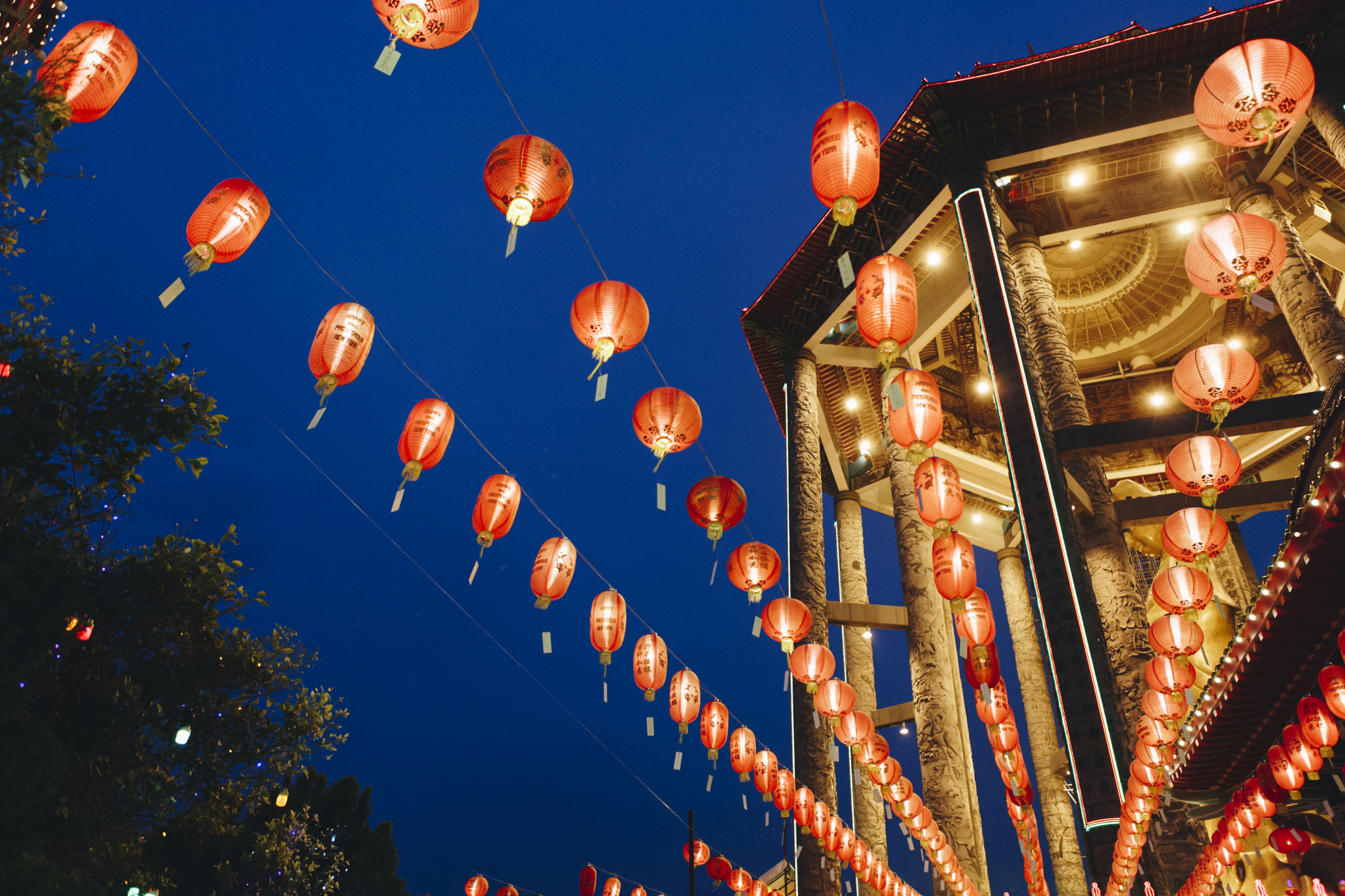
As the season progresses, attention shifts towards the Chinese New Year, one of the most important cultural events in the region. The city prepares through decorations, public displays, and community events that build up to the celebrations. For Indian travellers, this period may feel familiar in its scale and energy, as it shares similarities with large festive seasons that involve gatherings, food, and public celebrations.
Winter therefore combines international and local elements, creating a period where the city feels both globally connected and culturally rooted. It is a time when Hong Kong becomes more visual and event driven, with multiple layers of celebration taking place across different parts of the city.
Choosing the Right Time to Visit
There is no single best time to visit Hong Kong, as each season offers a different experience shaped by events, weather, and the way the city is used. Spring brings cultural energy and large scale events, summer shifts the focus towards islands and outdoor activities, autumn combines festivals with comfortable weather, and winter introduces a period of celebrations and visual transformation.
The choice of when to visit depends on what kind of experience travellers are looking for, whether it is exploring art and culture, spending time near the water, or being part of seasonal festivals.
Understanding how the city changes across the year allows travellers to plan more intentionally, turning a single trip into an experience that matches their interests rather than a fixed itinerary.