

Quick Jumplinks to Navigate
A Landscape Shaped by Mountains, Coastlines and Green Space
Hong Kong is often recognised for its dense skyline, busy harbour, and high rise buildings that define the city’s global image. Many travellers arrive expecting a destination shaped mainly by urban development and modern infrastructure. However, the region’s geography tells a very different story, where mountains, forests, and coastlines form a large part of the landscape. Only a limited portion of Hong Kong’s land has been developed, while large areas remain natural terrain protected through country parks and conservation zones. These green spaces are not located far from the city but are integrated into the territory’s overall layout. As a result, natural environments remain easily accessible from most urban districts. This unique balance allows travellers to experience both city life and outdoor landscapes within short travel distances.
Outdoor Experiences Across Four Key Landscapes
The outdoor environment in Hong Kong can be understood through four main categories that define how people explore the region. These include hiking trails, beaches, outlying islands, and nature based sightseeing experiences across different terrains. Each of these elements offers a distinct way to understand the geography and lifestyle of the territory. Together, they create a structure through which travellers can explore beyond the skyline and into the surrounding landscapes. The accessibility of these experiences makes them a central part of the things to do in Hong Kong for visitors. Instead of travelling long distances, most outdoor locations can be reached within a short journey from the city centre. This ease of movement allows travellers to experience multiple landscapes within a single trip.
Hiking Trails Across Mountains and Country Parks
A large part of Hong Kong’s natural environment is preserved through a network of country parks that protect forests, reservoirs, and mountain terrain. These parks include well maintained paths that allow people to experience hiking in Hong Kong without leaving the region’s urban connectivity. Across the territory, there are more than 130 hiking trails that range from beginner friendly walks to more demanding mountain routes. Many of these trails pass through wooded valleys, climb along ridgelines, and open towards coastal views. This range allows both casual walkers and experienced hikers to explore the landscape at their own pace.
One of the most well known routes is the Dragon’s Back trail in Shek O Country Park, which follows a ridge overlooking coastal terrain and nearby islands. The trail is considered accessible while still offering wide views of the surrounding landscape. Other routes lead to reservoirs, forested hills, and higher peaks that provide a broader perspective of the region. These hiking routes demonstrate how the city’s natural terrain remains an important part of everyday outdoor activity. Exploring these trails allows travellers to understand the scale and variety of Hong Kong’s geography.
Islands and Coastal Communities
Beyond the mainland districts, Hong Kong includes around 263 islands that extend across its coastal waters. These islands offer a slower pace of life compared to the city centre and are connected through a regular ferry network. Travelling between these islands is a common part of local movement and does not require long travel times. Several of these Hong Kong islands are known for fishing villages, walking paths, and small neighbourhood markets that reflect local traditions. Lamma Island is one of the most visited examples, known for villages such as Yung Shue Wan and coastal walking routes that connect different parts of the island.
Cheung Chau Island offers a different experience through narrow streets, traditional temples, and long established fishing communities. The absence of regular traffic in many areas allows walking and cycling to remain the primary ways of exploring the island. Lantau Island, the largest island in the region, combines mountain landscapes with rural villages and coastal scenery. Travellers visiting Lantau Island Hong Kong often explore hiking routes, heritage sites, and quieter waterfront areas. These islands show how geography has shaped different lifestyles across the territory. Moving between them provides a clear contrast to the dense urban environment associated with Hong Kong.
Beaches, Water Sports and Coastal Access
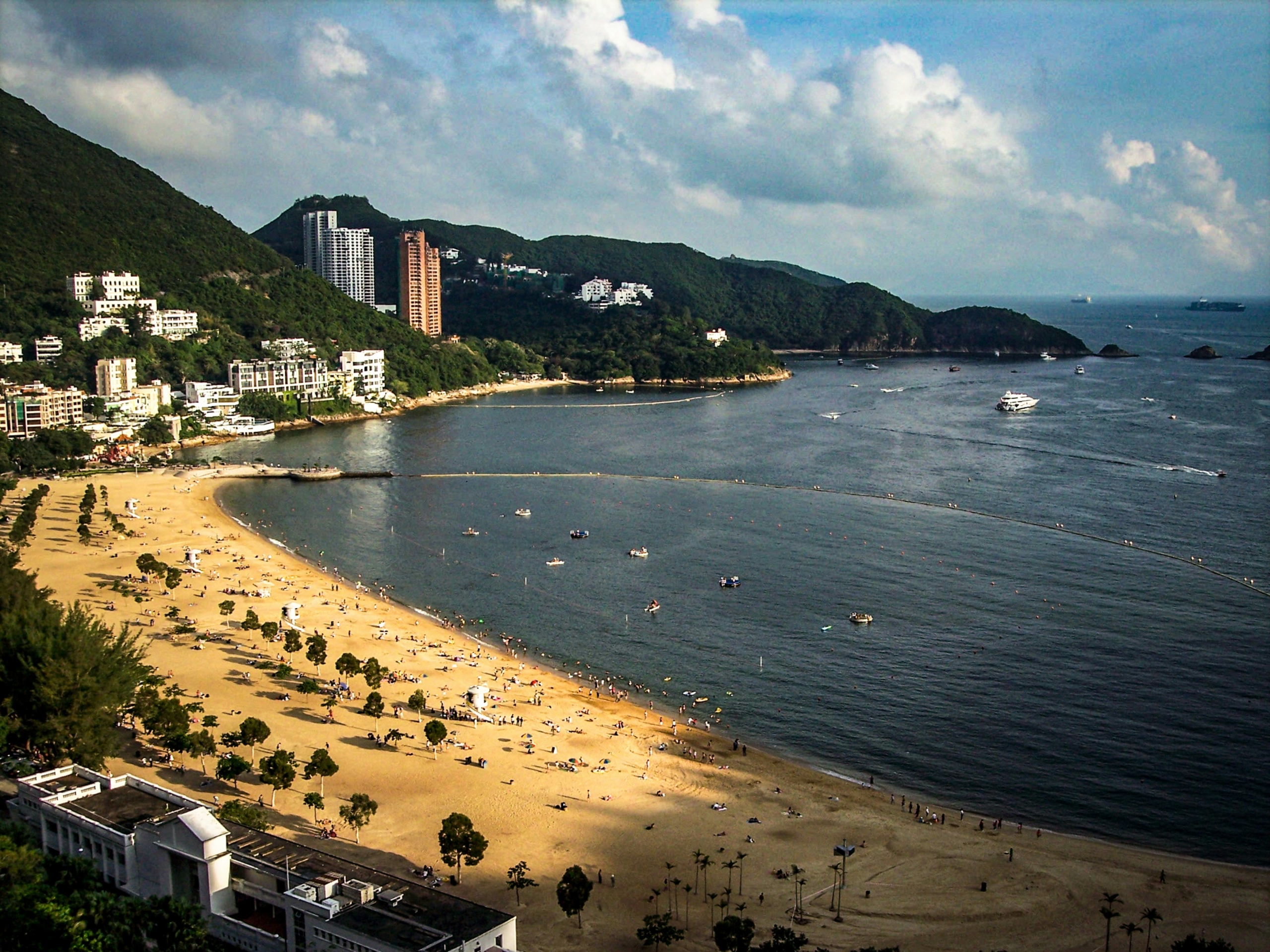
Hong Kong’s coastline includes a wide range of beaches that are used for recreation throughout the year. Some beaches are located close to residential districts, while others are reached through hiking routes or rural roads. Repulse Bay, located along the southern coast of Hong Kong Island, is one of the most visited beaches due to its accessibility and open shoreline. Shek O Beach offers another setting where people gather for swimming, walking, and spending time near the water. These locations demonstrate how Hong Kong beaches are integrated into everyday life.
During the warmer months, many of these coastal areas also support water based activities such as kayaking, paddle sports, and swimming. Sai Kung and surrounding coastal regions are particularly known for these experiences because of their clear water and open landscapes. Tai Long Wan is one such area where visitors can combine hiking with time spent near the sea. The combination of beaches and water activities makes coastal exploration an important part of outdoor activities in Hong Kong. These environments provide a contrast to the city’s built landscape while remaining easily accessible.
Scenic Viewpoints and Elevated Landscapes
Beyond beaches and islands, Hong Kong’s mountainous terrain provides several elevated viewpoints that reveal the structure of the region’s landscape. Victoria Peak is one of the most recognised locations because it overlooks the harbour and surrounding districts. From this height, travellers can observe how the dense skyline connects with green hills and coastal waters. The Ngong Ping cable car on Lantau Island offers another perspective as it moves above forests, villages, and mountain slopes. This journey provides a continuous view of how different landscapes are connected.
Mountain peaks such as Lantau Peak also attract hikers looking for wider views across islands and open sea. These routes highlight how steep ridges and elevated terrain shape the natural environment of Hong Kong. Standing at these viewpoints often changes how travellers understand the destination. Instead of seeing only an urban centre, they begin to recognise the broader geography that surrounds it. These elevated landscapes play an important role in defining the region’s identity beyond its skyline.
Understanding Hong Kong Through Its Natural Landscape
Exploring Hong Kong’s outdoor environments reveals a side of the destination that is not immediately visible in its urban districts. Mountains, beaches, islands, and protected parks all exist within short distances from one another. This accessibility allows travellers to experience multiple aspects of the region within a limited time frame. Moving between these landscapes provides insight into how geography has influenced daily life across the territory. For travellers interested in outdoor activities in Hong Kong, these environments offer a wide range of experiences beyond the city. Through its natural spaces, Hong Kong presents a balanced identity shaped by both urban development and surrounding landscapes.