

Quick Jumplinks to Navigate
Hong Kong is widely recognised as one of Asia’s most influential food destinations, where culinary traditions from different cultures have shaped the city’s dining identity. The city’s dense neighbourhoods, busy markets, and waterfront districts create an environment where food remains an important part of everyday life. Across Hong Kong, travellers encounter a wide spectrum of dining experiences that range from quick street snacks to refined restaurant menus. This variety reflects the history of the city, which developed as a trading hub connecting Chinese culinary traditions with international influences.
As a result, Hong Kong cuisine continues to evolve while maintaining strong connections to Cantonese cooking techniques and local ingredients. Exploring the city through food offers insight into how residents eat, gather, and share meals throughout the day. From bustling food stalls to elegant dining rooms, every meal reveals another layer of Hong Kong food culture.
Street Food and the Everyday Energy of Hong Kong
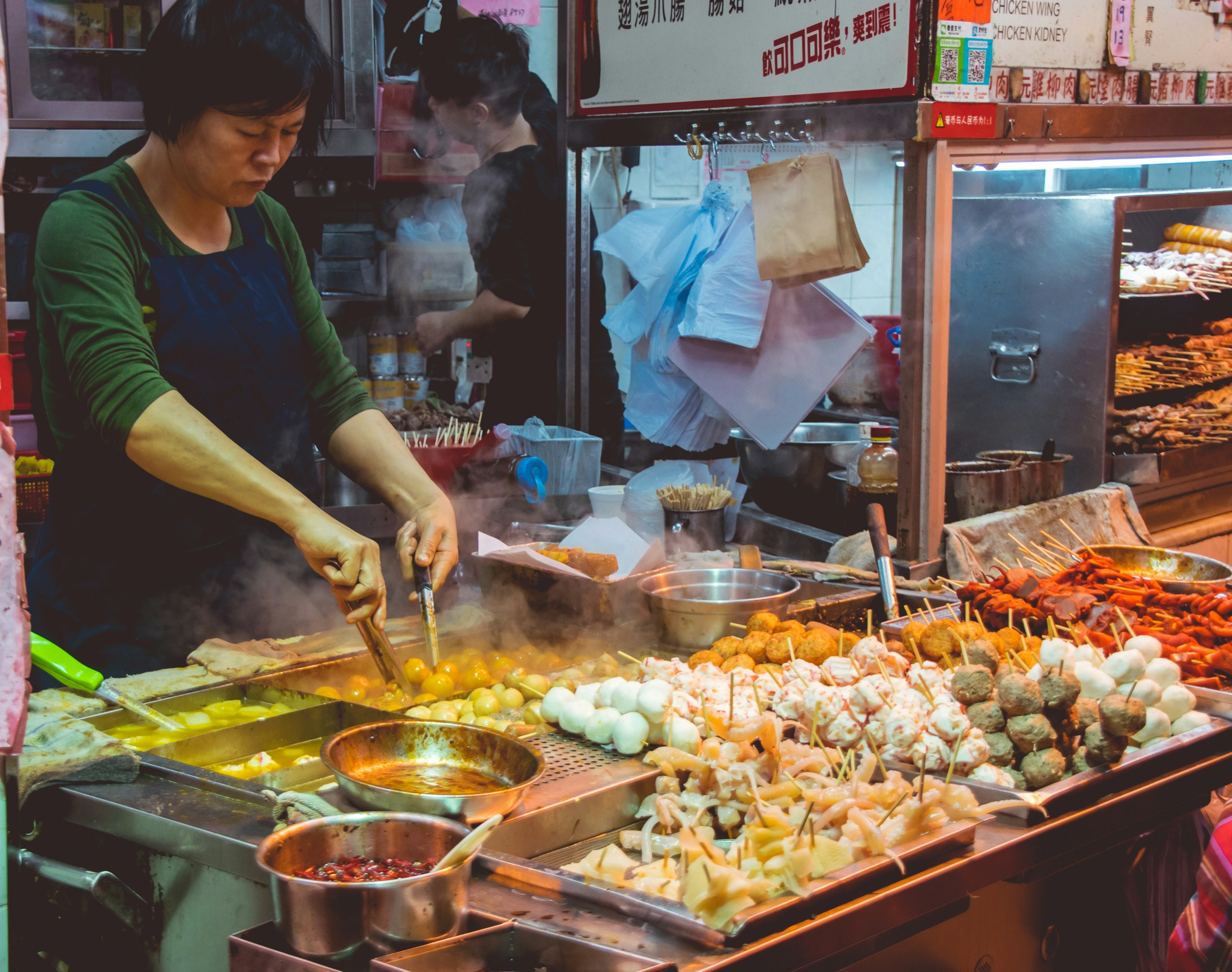
Street food plays an essential role in shaping the daily rhythm of the city, offering quick meals that suit Hong Kong’s fast paced lifestyle. Vendors prepare these dishes in small stalls or traditional dai pai dongs, open air food stalls that historically served workers and traders across the city. These open air food stalls often appear in busy neighbourhoods where residents stop for snacks during work breaks or evening walks. Among the most recognisable treats is the egg waffle, a sweet batter cooked in a mould that creates small golden bubbles. Another popular snack is curry fish balls, served on skewers and coated in a warm sauce that combines mild spices and savoury flavours.
Street vendors also sell steamed siu mai dumplings, crispy tofu dishes, and freshly baked pineapple buns that are widely loved across the city. These foods are simple in preparation, yet they represent long standing culinary traditions that remain important to local communities. Many of these recipes developed decades ago when workers needed affordable meals that were quick to prepare and easy to eat while walking. Today these snacks remain a familiar part of daily life and continue to attract travellers searching for authentic Hong Kong street food. For visitors wondering what to eat in Hong Kong, street stalls often provide the first introduction to the city’s flavours.
Cha Chaan Teng Cafes and Local Dining Culture
While street stalls represent the quick pace of everyday meals in the city, a slower and more familiar dining culture appears inside neighbourhood cafes known as cha chaan tengs. These cafes developed during the twentieth century when Hong Kong residents began adapting Western dishes to suit local tastes and ingredients. Over time this fusion of culinary traditions created a distinct style of everyday dining that reflects the city’s international history. Menus in cha chaan teng cafes usually combine Cantonese cooking methods with Western inspired dishes that are familiar to local diners. One of the most well known drinks served in these cafes is Hong Kong style milk tea, which has a strong flavour and smooth texture.
Meals often include baked rice with meat or seafood, macaroni soup with ham, and thick slices of French toast served with condensed milk. Although the ingredients appear simple, the dishes reflect the creativity of cooks who adapted global influences to local preferences. These cafes also serve as social spaces where residents meet friends, discuss daily news, and enjoy relaxed meals throughout the day. For many people living in the city, visiting a cha chaan teng remains a familiar routine that connects modern life with long standing culinary habits. This dining tradition continues to shape how traditional Hong Kong food is experienced across neighbourhoods.
Neighbourhood Restaurants and Cantonese Specialities
Beyond cafes and street stalls, Hong Kong’s neighbourhood restaurants reveal the depth and variety of the city’s culinary traditions. Many of these establishments focus on Cantonese dishes that have been refined through generations of cooks and family owned kitchens. Roast meat restaurants are especially common and often display hanging cuts of barbecued pork, roast duck, and soy sauce chicken in glass windows at the entrance. These dishes require careful preparation techniques that balance seasoning, roasting temperatures, and cooking time. Small noodle shops also remain popular across the city, serving bowls of wonton noodles or beef brisket soup prepared using traditional recipes.
Seafood restaurants often specialise in fresh ingredients sourced from nearby waters, allowing diners to choose fish or shellfish before it is prepared. These establishments may appear modest in size, yet they often represent decades of culinary experience and community connections. Many local chefs continue to recommend neighbourhood restaurants because they preserve the cooking traditions that define Hong Kong cuisine. Through these restaurants, travellers gain a deeper understanding of how everyday dining reflects the cultural identity of the city. Exploring these establishments helps reveal why Hong Kong food culture remains closely tied to neighbourhood life.
Fine Dining and Hong Kong’s Global Culinary Reputation
While neighbourhood eateries preserve everyday food traditions, Hong Kong has also developed a strong reputation as a global centre for refined dining experiences. The city hosts a remarkable number of acclaimed restaurants, including several recognised as Hong Kong Michelin star restaurants. These establishments present carefully prepared menus that focus on premium ingredients and precise cooking techniques. Many chefs continue to rely on traditional Cantonese methods such as steaming, slow braising, and controlled roasting. At the same time, modern culinary ideas have influenced how chefs reinterpret classic dishes for contemporary diners.
Some restaurants combine local ingredients with international flavours, reflecting the city’s history as an international trading port connecting East and West. This approach allows chefs to honour traditional techniques while exploring new possibilities in presentation and flavour combinations. For travellers researching the best food in Hong Kong, these restaurants demonstrate the city’s ability to balance heritage with innovation. However, fine dining represents only one part of a much broader culinary landscape that includes humble street stalls and family run eateries. The contrast between these different dining experiences helps define the city’s unique food identity.
Taste Hong Kong and Chef Recommended Dining
Because the city offers such a wide range of dining experiences, travellers may find it difficult to decide where to begin their culinary exploration. To help visitors navigate this diversity, the Hong Kong Tourism Board introduced the Taste Hong Kong initiative, which brings together chef recommended dining across the city. These selections include a mix of neighbourhood eateries, contemporary restaurants, and globally recognised establishments that reflect different aspects of Hong Kong cuisine. By following these recommendations, travellers can explore dining experiences that are rooted in both tradition and evolving culinary trends. This approach allows visitors to move beyond popular lists and discover places valued by professionals within the industry.
Several restaurants highlighted in global rankings also reflect Hong Kong’s position within the international dining landscape. Bar Leone has been recognised among the world’s leading bars, representing the city’s evolving beverage culture and social dining spaces. Restaurants such as The Chairman and Wing have been ranked among Asia’s best, focusing on refined interpretations of Cantonese cuisine. These establishments emphasise ingredient quality, preparation techniques, and regional flavours rather than experimental presentation. Their inclusion within the city’s dining scene shows how Hong Kong continues to maintain strong culinary foundations while adapting to contemporary expectations.
Alongside Cantonese dining, Hong Kong also offers a strong presence of Indian cuisine within its fine dining landscape. Restaurants such as New Punjab Club and Chaat have received recognition for presenting Indian dishes with a focus on technique and regional authenticity. These restaurants demonstrate how the city’s dining culture includes global influences that extend beyond Chinese cuisine. Their presence reflects the diversity of the local food scene, where different culinary traditions exist within the same urban environment. For travellers, this variety expands the understanding of what defines dining in Hong Kong.
Beyond restaurants, Hong Kong also has a well established coffee culture supported by independent cafés and long standing bakeries. Local bakeries continue to serve classic items such as egg tarts, which remain a familiar part of everyday dining. Bakehouse is one of the more recent examples that has gained attention for its egg tarts and baked goods. At the same time, older neighbourhood bakeries continue to operate using traditional methods and recipes. This combination of modern cafés and long standing establishments shows how the city’s food culture continues to evolve while maintaining continuity with its past.
A Culinary Landscape Shaped by History and Culture
Food in Hong Kong reflects the history of a city shaped by migration, commerce, and constant cultural exchange. Over time these influences have created a dining culture that combines local traditions with international perspectives. Street snacks, neighbourhood cafes, and refined restaurants all contribute to the diversity that defines Hong Kong food today. Each meal represents the creativity and experience of cooks who continue to adapt recipes for modern tastes while respecting traditional methods. For travellers exploring what to eat in Hong Kong, the city offers a wide range of flavours that reveal its cultural heritage. Through this culinary journey, visitors can better understand the communities and traditions that shape everyday life across the city.