

Quick Jumplinks to Navigate
Europe looks different throughout the year, so plan based on what you want from your much-anticipated vacation. Peak season in Europe brings warmer weather, longer days and maximum access to summer experiences, but also higher demand and larger crowds. Shoulder season, particularly May-June and September-October in much of Europe, offers a better balance of sightseeing, weather, and availability.
However, you need to remember that Europe does not follow one seasonal calendar. July in Switzerland can be ideal for mountain excursions, while the same month can feel hot and crowded in Rome. Similarly, October can be pleasant in Southern Europe but much cooler in Scandinavia.
As an Indian traveller, the right season depends on where you are going, what you want to do, and how quickly you plan to move between countries
As per Thrillophilia’s destination experts, shoulder season is the more comfortable choice if you are a first-time traveller planning a Europe tour package. May, June and September can offer you a comfortable combination of sightseeing weather, daylight and manageable crowds.
On the other hand, the peak summer season is preferable when your priorities include Mediterranean beaches, Alpine hiking, long outdoor days or travelling during the Indian school holidays.
How Peak and Shoulder Seasons Vary Across Europe
1. Crowds Across Europe
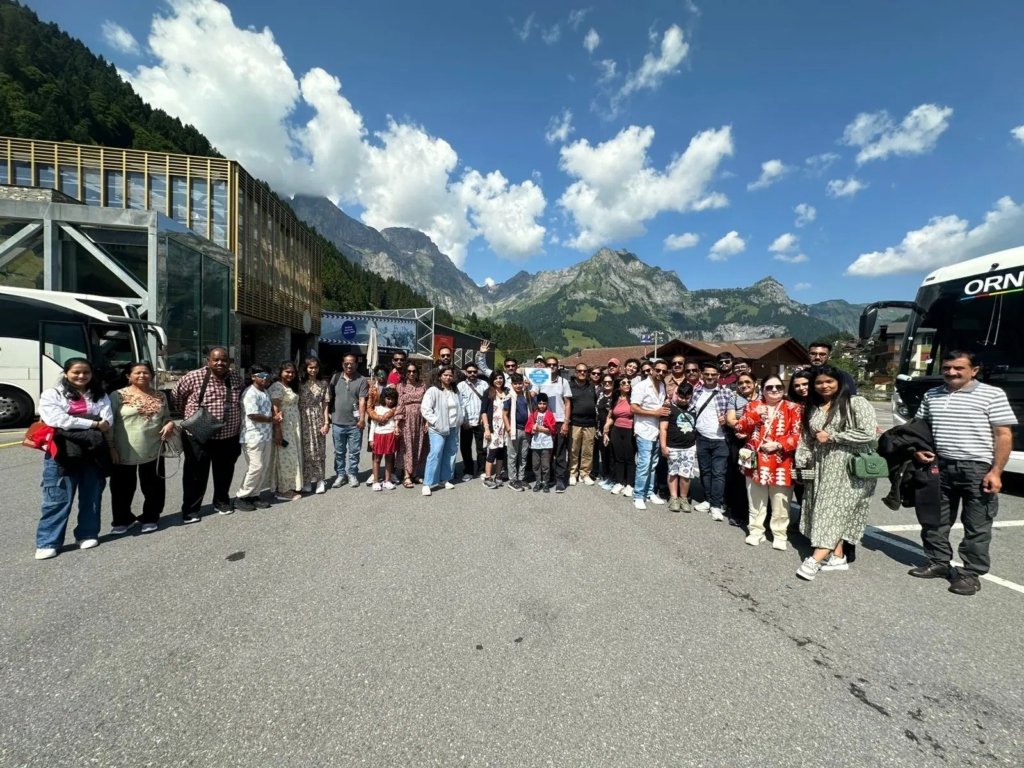
In the peak months of July and August, popular cities such as Paris, Rome, Barcelona and Venice can become particularly busy. Attractions like Rome, Barcelona, Venice, and Paris experience heavy congestion and long lines at major landmarks. Major attractions may require reservations, while central hotels and popular restaurants can fill quickly. Moreover, during this season, travellers experience warm to hot weather, high accommodation and flight prices, and a heavy influx of travellers heading to Mediterranean beaches.
On the other hand, shoulder season does not mean empty streets. September remains a popular month, particularly in major European cities. But the overall pressure can be lower than during the height of summer, offering a much calmer sightseeing experience without the overwhelming summer bottleneck. Moreover, this season offers pleasant, mild weather, more reasonable hotel and flight rates, and easier access to restaurants and museums without booking months in advance. Additionally, parts of the Mediterranean can still see warm weather and lingering crowds well into September.
According to Thrillophilia’s internal data, the crowd factor makes a massive difference for a multi-country itinerary. If you are planning to cover four or five cities, a 15-day Europe tour package would work best, as reducing queue time can give you more time for actual sightseeing.
2. Weather Across Europe
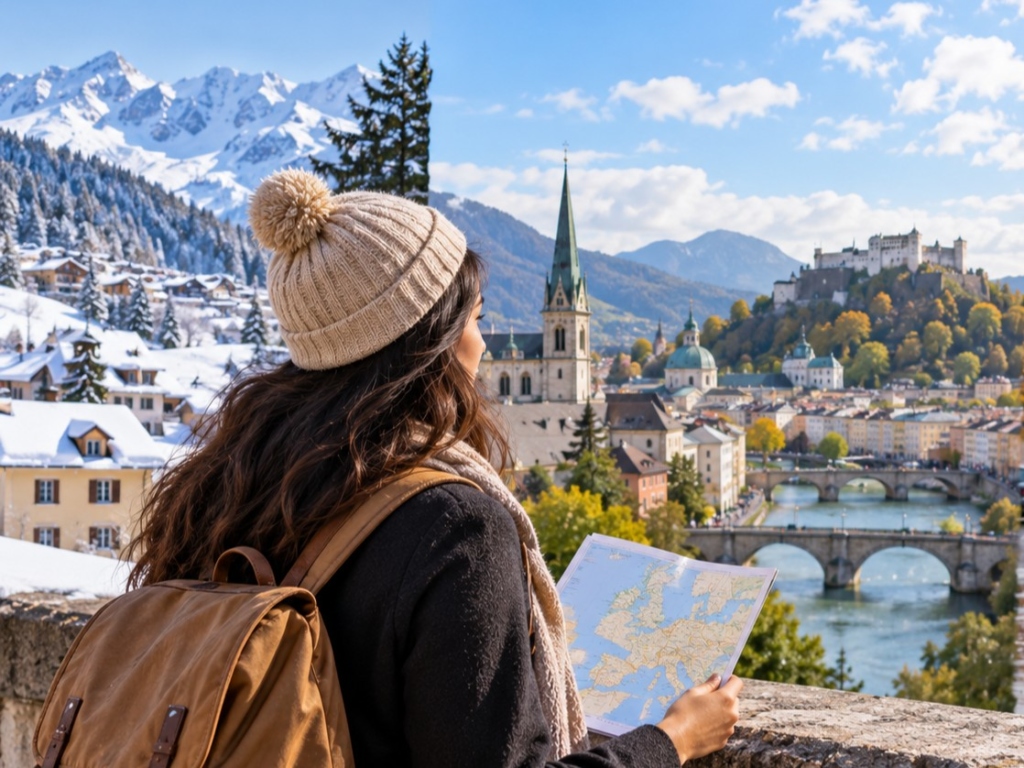
Peak summer months of July and August see Europe’s longest days and generally warmest conditions. While such conditions are great for outdoor activities, destinations in Southern Europe can become very hot.
Shoulder months are easier for walking-heavy itineraries involving historic centres, museums, viewpoints and day trips. May and June are good months before the height of summer, while September retains warm conditions in Southern Europe after the busiest period.
3. Prices and Availability Across Europe

Europe’s peak season witnesses the highest prices along with the largest crowds, while the shoulder season offers moderate weather, thinning crowds, and 15% to 30% lower costs (as per Thrillophilia’s destination expert data)
Peak season in Europe means more demand for flights, accommodation and popular experiences. Shoulder season can provide more choice, particularly if your dates are flexible.
However, you should not assume that every shoulder-season booking will automatically be cheaper. A major festival, event or weekend can push prices up, while some destinations may see different demand patterns. So, before booking, compare your exact travel dates, hotel category and package inclusions for a Europe budget tour package. You can also look up Thrillophilia’s multi-destination Europe trip for a wide range of itineraries that are designed, keeping Europe’s seasons and experiences in mind.
4. Southern Europe Across the Seasons
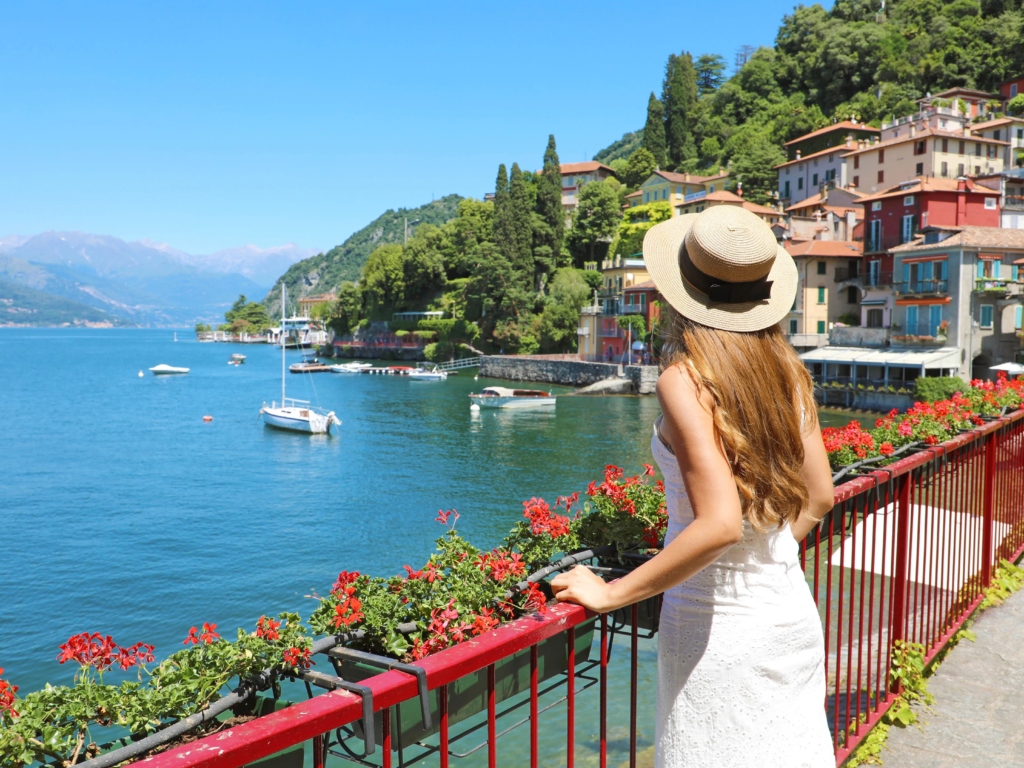
Southern Europe’s peak summer season runs from June to August, while the shoulder seasons span from April to May and September to November.
During peak season (June to August), Europe experiences a bright, hot summer along with dry weather, with temperatures often exceeding 32°C, making it ideal for beaches and festivals. For Mediterranean destinations, these are the busiest months. Beaches, outdoor dining and island activities are at their most active, but heat and crowds can make city sightseeing more tiring. As a first-time visitor or couples planning for a Europe honeymoon package, one should prefer May, June, and September, as they are more comfortable for combining cities with outdoor experiences.
Moreover, during shoulder season (April–May & September–November), tourist numbers drop significantly, streets feel calmer, and accommodation rates become more affordable. This season offers mild, pleasant temperatures (18°C to 24°C), blooming landscapes, and seasonal harvests.
5. Switzerland and the Alps Across the Seasons
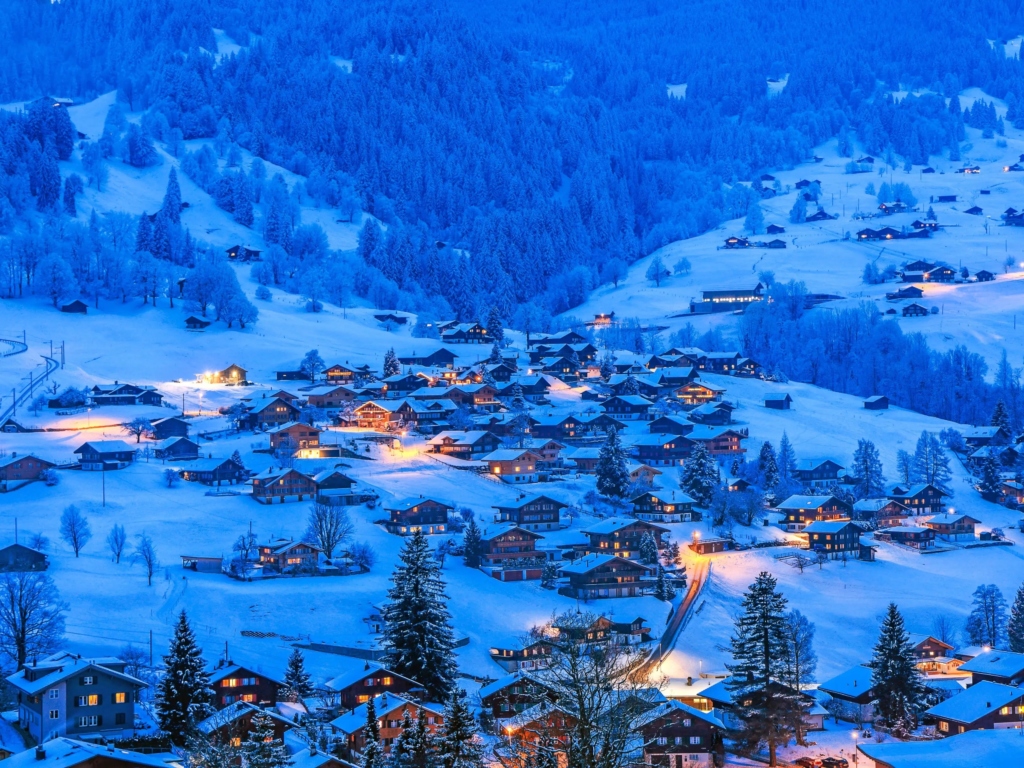
Switzerland in June to August is popular for hiking, scenic rail journeys, cable cars and mountain excursions, while winter is the key season for skiing and snow experiences. So, if your spring or autumn itinerary has a particular mountain railway, cable car or excursion, check its operating dates before choosing a shoulder-season departure.
During shoulder season, early autumn (September) brings pleasant weather, vibrant foliage, and local wine festivals, while spring (May to June) showcases blooming wildflowers in the lower meadows. However, higher mountain passes and certain cable cars may be closed for maintenance or seasonal transitions during these transitional months.
6. Northern Europe Across the Seasons
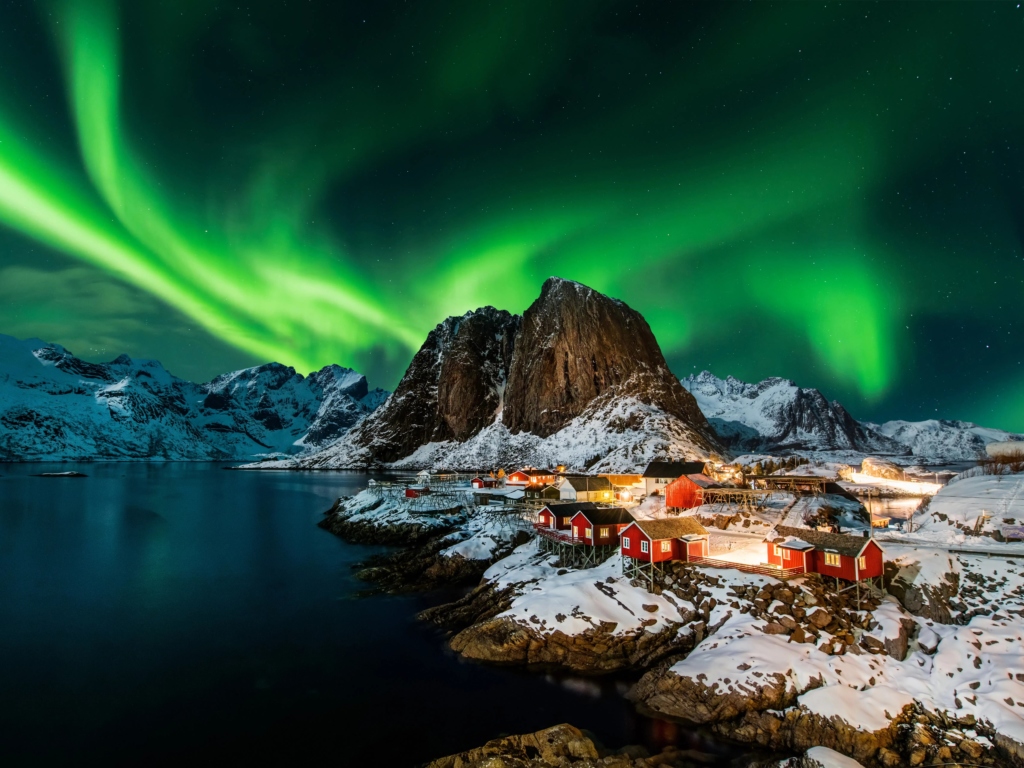
Countries such as Norway, Sweden, Denmark and Finland benefit differently from summer because daylight becomes a major part of the travel experience. June to August is great for outdoor sightseeing, scenic journeys and longer days. Travelling outside this window can mean shorter daylight hours and colder conditions. On the other hand, winter has entirely different experiences, such as Christmas markets and Northern Lights trips.
Spring and autumn serve as the shoulder seasons, offering a balanced mix of milder conditions and fewer tourists. May brings blooming flowers and up to 18 hours of daylight in countries like Denmark and Norway, while September offers autumn foliage and early opportunities to view the Northern Lights in places like Iceland. Visitors during these months benefit from reduced crowds and lower rates on hotels and cruises, though some rural attractions may have limited operating hours
7. Central Europe Across the Seasons
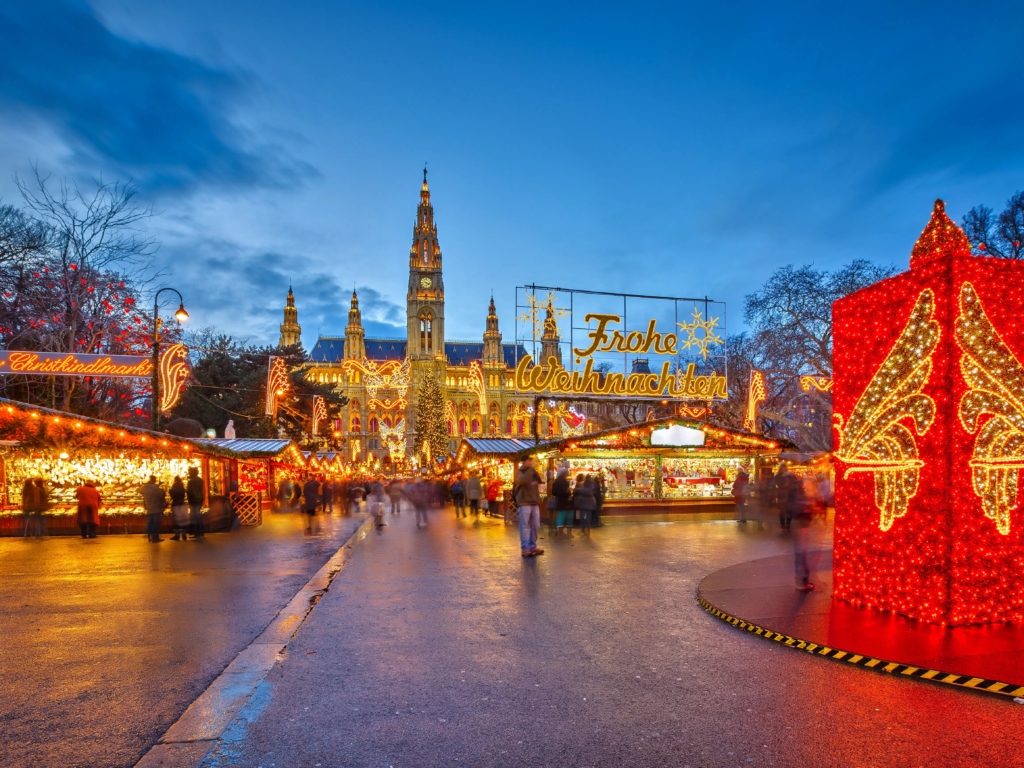
Cities such as Prague, Budapest and Vienna are more flexible because their major attractions operate across a longer part of the year. Spring and early autumn are comfortable for a Central Europe tour package, including walking through historic centres, visiting museums and exploring cafés without the intensity of peak summer.
The shoulder season, spring and autumn, offers mild weather, stunning seasonal scenery like blooming flowers or golden foliage, and far fewer tourists. During these months, accommodation and travel costs drop significantly. Visitors enjoy a relaxed pace in major cultural hubs without the intense heat or heavy congestion of mid-summer.
With a 4.8 rating by 3400+ reviewed travellers, Thrillophilia provides itineraries covering the best route during the best season with top hand-picked destinations and activities, providing a Europe worth remembering every moment.
Frequently Asked Questions
Peak season in Europe is the busiest travel period marked by maximum crowds, highest prices, and optimal weather, typically occurring during summer or major holidays. In contrast, the shoulder season is the transitional window right before or after peak times, featuring fewer tourists, moderate costs, and pleasant weather. During shoulder months, travellers enjoy a more relaxed experience with easier availability, though some seasonal attractions may have reduced hours.
The cheapest months to travel to Europe are the low-season months of January, February, and November when transatlantic flight demand declines sharply. During this late fall and deep winter window, airlines offer their lowest airfares, and hotels drop rates significantly to fill empty rooms. Travellers benefit from minimal crowds at major landmarks, though daylight hours are shorter and weather requires heavier packing.
Yes, September is good for a Europe trip, especially for multi-country itineraries and plans best for a Europe group tour package. Since local schools reopen, major tourist sites are less congested, and prices for flights and accommodations begin to drop. It is also a perfect time for swimming in the Mediterranean, hiking the Alps, and experiencing autumn wine harvests across the continent.
Both months are excellent, but September is generally better for swimming and wine harvests, while May is superior for long daylight hours and spring blooms. September features warmer Mediterranean sea temperatures and stable early-autumn weather, making it ideal for coastal vacations. May offers lush, green landscapes and lower prices before the summer rush, though the sea remains too cold for comfortable swimming.
The best winter destinations depend entirely on whether you prefer snowy alpine landscapes or milder coastal weather. For winter sports and festive Christmas markets, Switzerland, Austria, and Germany offer world-class ski resorts and cosy holiday atmospheres. If you want to escape the freezing cold, southern destinations like Spain’s Andalusia region, Portugal’s Algarve, and the island of Cyprus provide comfortable, mild temperatures and plenty of winter sunshine.