

Quick Jumplinks to Navigate
Indian travellers in European restaurants often run into small mistakes because service, meal timings, dietary requests, and tipping don’t work the way they do at home. A request that feels routine in India, such as changing ingredients or asking for the bill quickly, may be handled another way in Europe.
These differences become more noticeable on a multi-country trip, where restaurant habits can shift again between places such as Italy, France, Spain and Central Europe. Water charges and cover fees are easy to miss. Vegetarian labelling and payment habits also vary between countries.
Thrillophilia, with its years of experience in planning Europe trips, compiles a list of the most common mistakes that visitors make in European restaurants. These are the restaurant habits worth knowing before you go.
Basic Restaurant Etiquette Mistakes in Europe
1. Expecting Water to Be Free
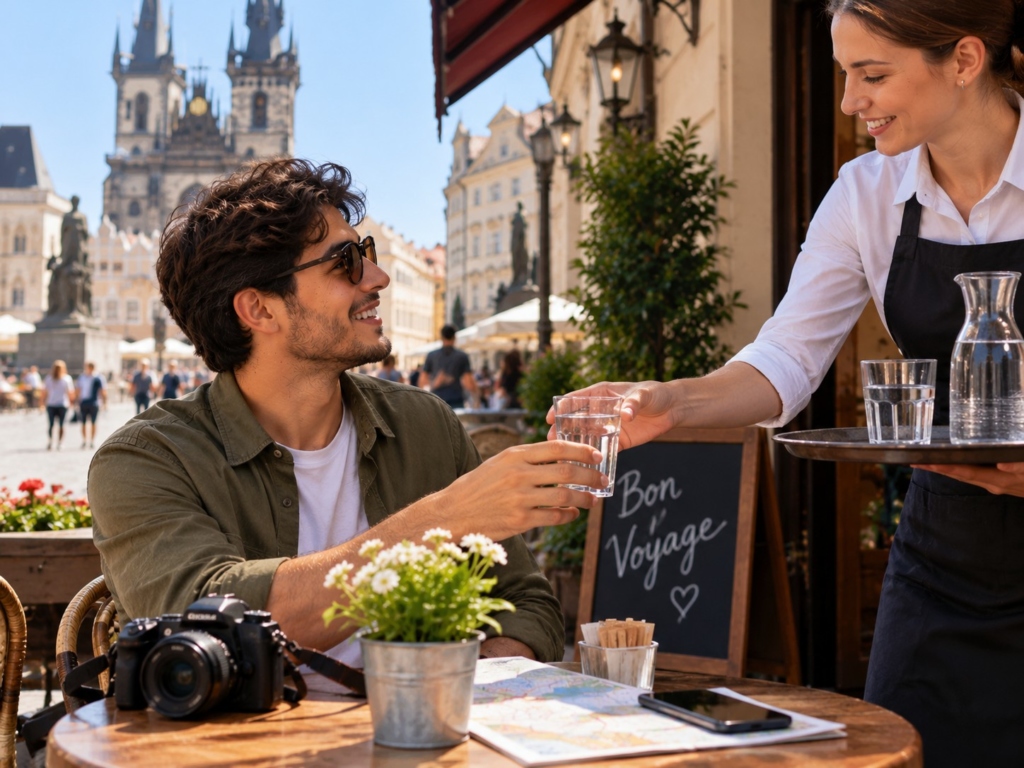
You ask for water and a bottle arrives. At the end of the meal, it appears on the bill.
That is common in many European restaurants, where still or sparkling bottled water is charged separately. Tap water rules vary, so say clearly what you want before the bottle is opened.
You may be asked:
- Still or sparkling?
- Bottled or tap?
- Large or small?
If you want tap water, ask for it directly.
A few euros does not sound like much, but paying for bottled water at lunch and dinner across a long trip adds up quickly.
2. Sitting Around Waiting for the Bill
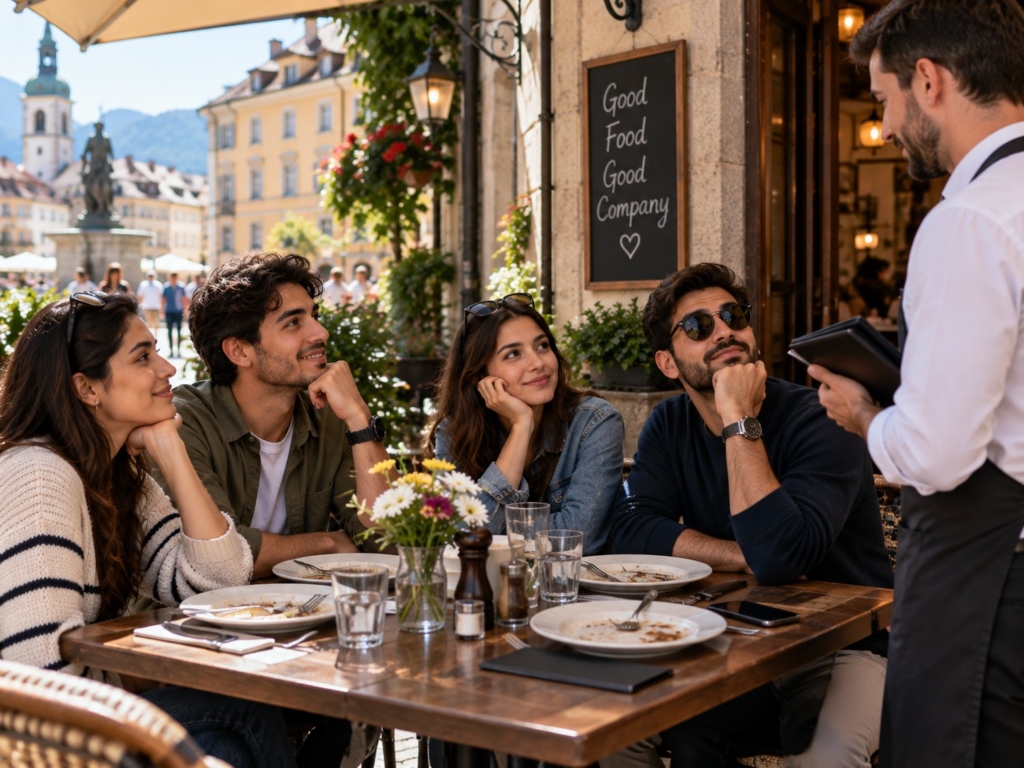
You finish dessert, the table is cleared, and nobody brings the bill.
In many cafés and restaurants, staff leave you alone until you say you are ready to pay. You do not need to keep waiting for someone to notice.
Simply ask:
- “Could we have the bill, please?”
- “Can we pay, please?”
Remember this on days when dinner is followed by a train, show or timed activity. Ten extra minutes at the table can matter when the rest of the evening is already fixed.
3. Tipping the Same Way in Every Country
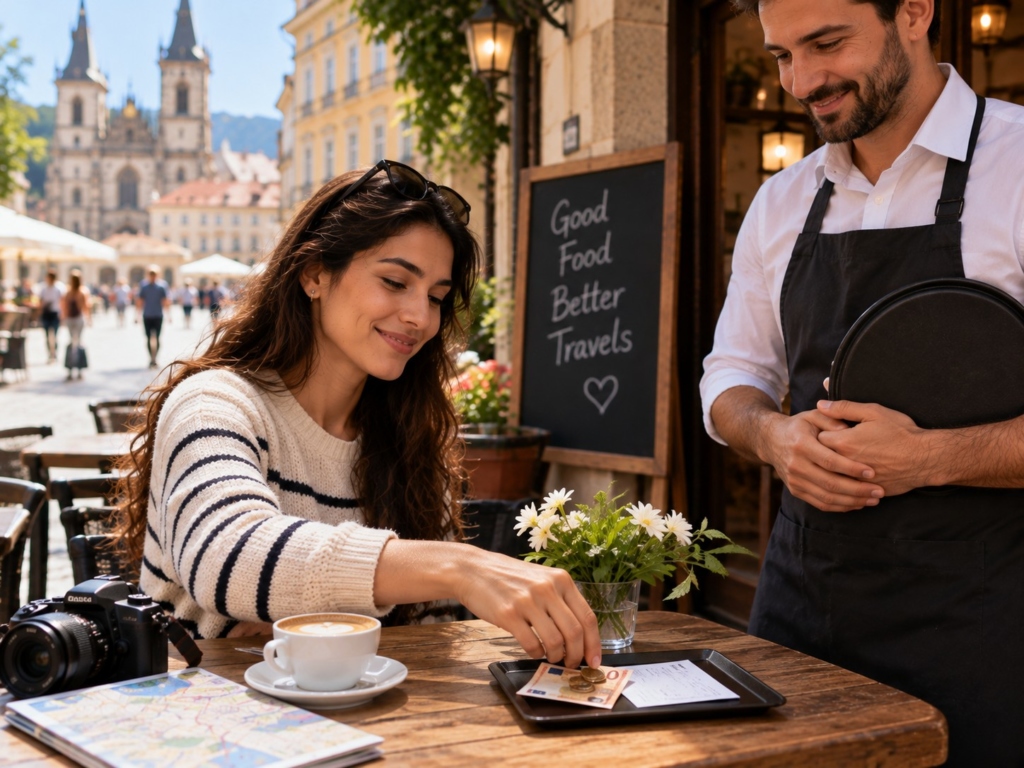
A tip that feels normal in one European city may be unnecessary in another.
Some restaurants already include service. Elsewhere, diners round up the bill or leave a small amount. So before adding anything, read the bill first.
If a card terminal asks for a tip, look at the total before approving the payment. You do not need to add extra simply because the machine gives you the option.
4. Asking for Changes After the Dish Arrives
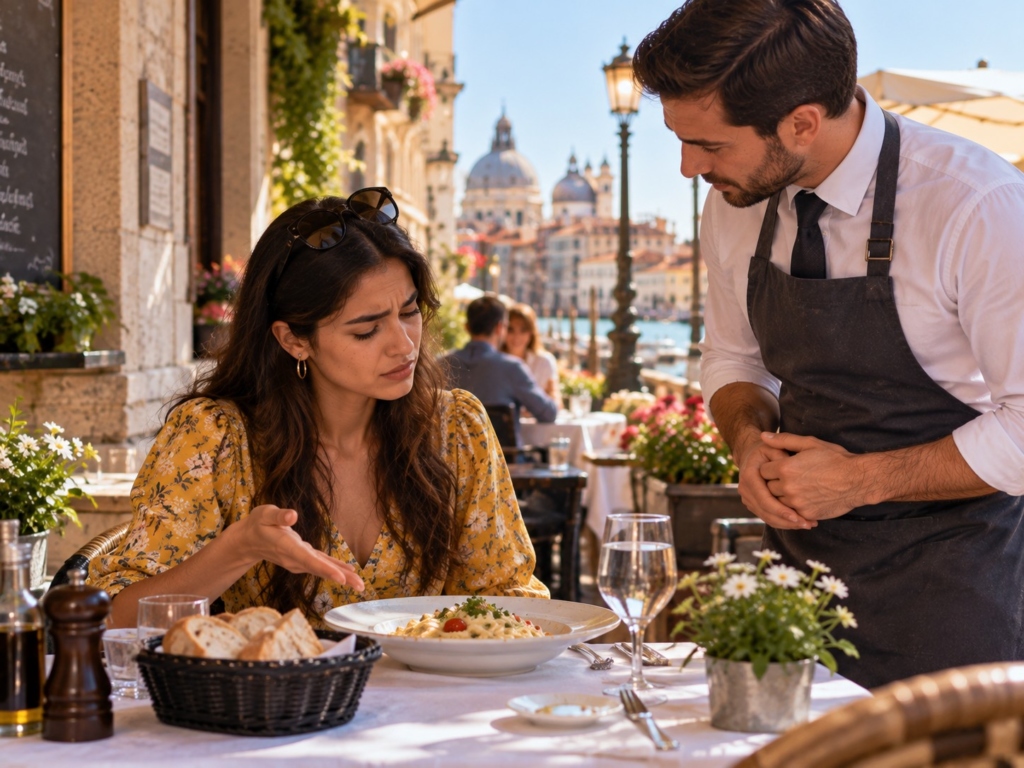
No onion, no garlic, less spice, no egg. These requests are easier to handle before the kitchen starts preparing the food.
Some restaurants will happily make changes. Others may be serving a fixed dish that cannot be altered much.
If you have an allergy or a strict dietary requirement, mention it before ordering.
For ordinary preferences, ask what the kitchen can change and choose from there.
5. Reading “Vegetarian” and Stopping There
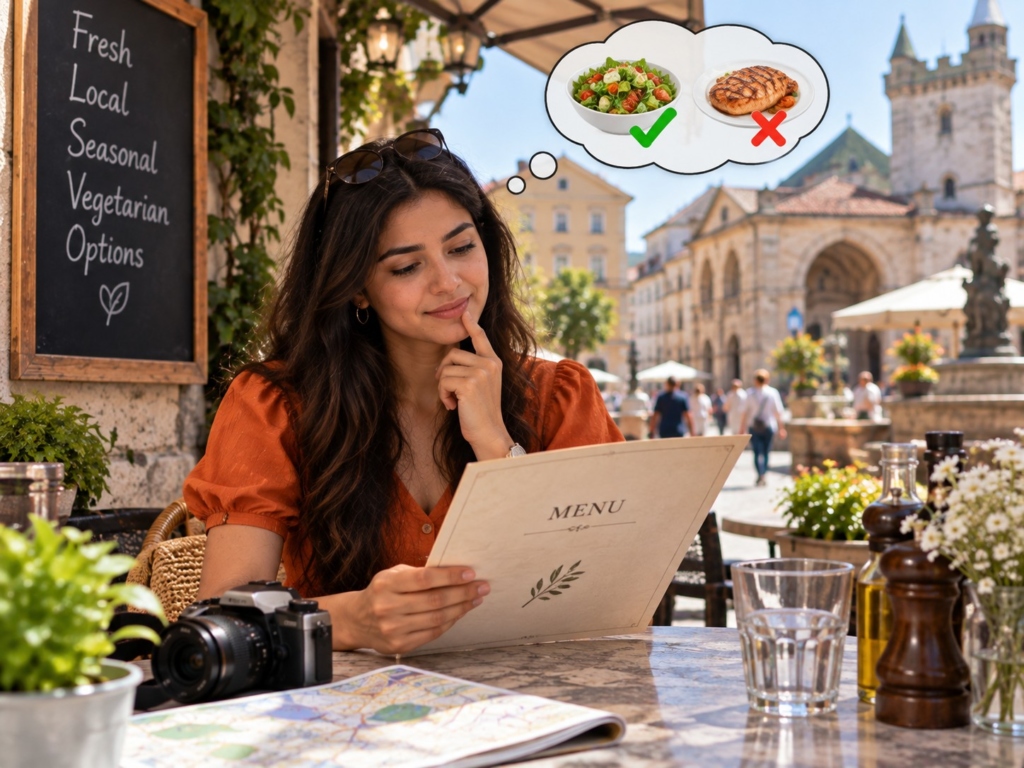
A vegetarian label helps, but it may not tell you everything you need to know.
Soup can be made with meat stock. A salad may contain anchovies. A sauce can include ingredients that are not obvious from the dish name.
If you follow a strict vegetarian or Jain diet, ask about the ingredients when the description is unclear.
According to Thrillophilia’s on-ground team, this is one of the most common gaps between what a menu label promises and what actually arrives at the table, particularly for travellers following a strict vegetarian or Jain diet.
Saving a short note on your phone in the local language is useful too, especially outside the bigger tourist areas. You can show it to the server instead of trying to explain the same requirement from scratch every time.
6. Turning Up for Dinner at the Wrong Time
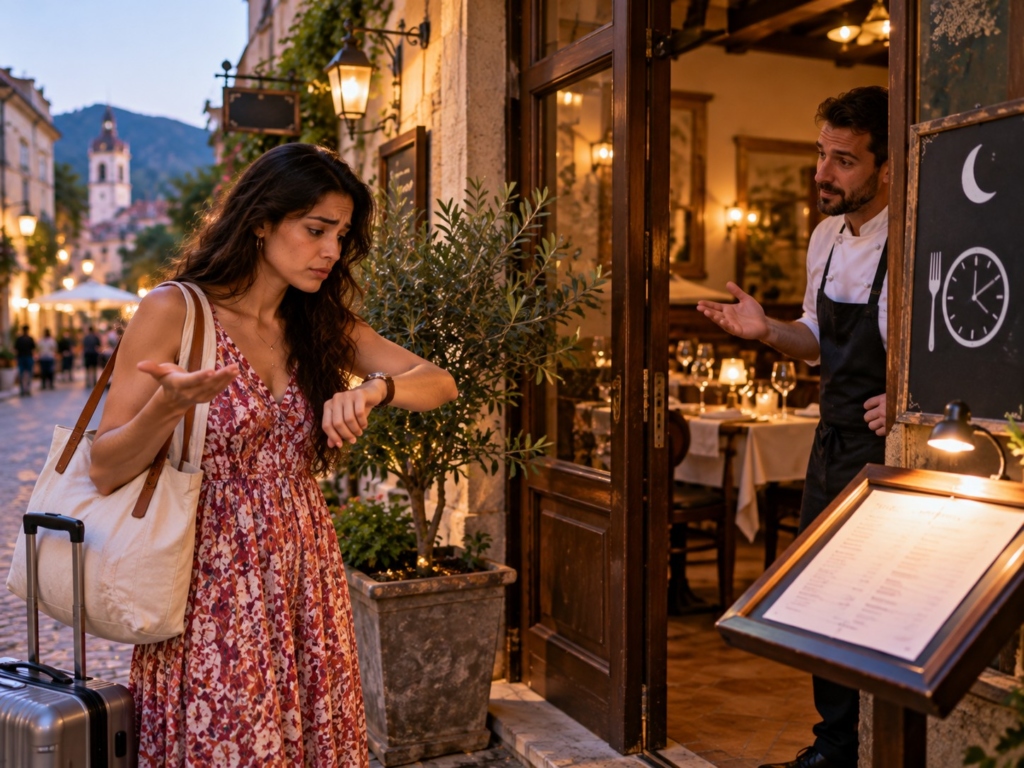
Restaurant timings can change a lot from one country to another.
In Spain, dinner often starts later. In Italy, some restaurants close between lunch and dinner. Smaller towns may stop serving food earlier in the evening.
So a 9:30 pm hotel arrival deserves a quick food plan before you travel. A restaurant may still look open online even though the kitchen has stopped taking orders. Families on a Europe family tour package should plan this especially carefully, since children often need to eat earlier than a typical European dinner service allows for.
Before a late arrival, look up:
- Kitchen closing time
- Nearby restaurants
- Whether a reservation is needed
- Food available at the station or airport
On a long transfer day, eating earlier can save you from hunting for dinner after check-in.
7. Choosing the Restaurant Right Beside the Landmark
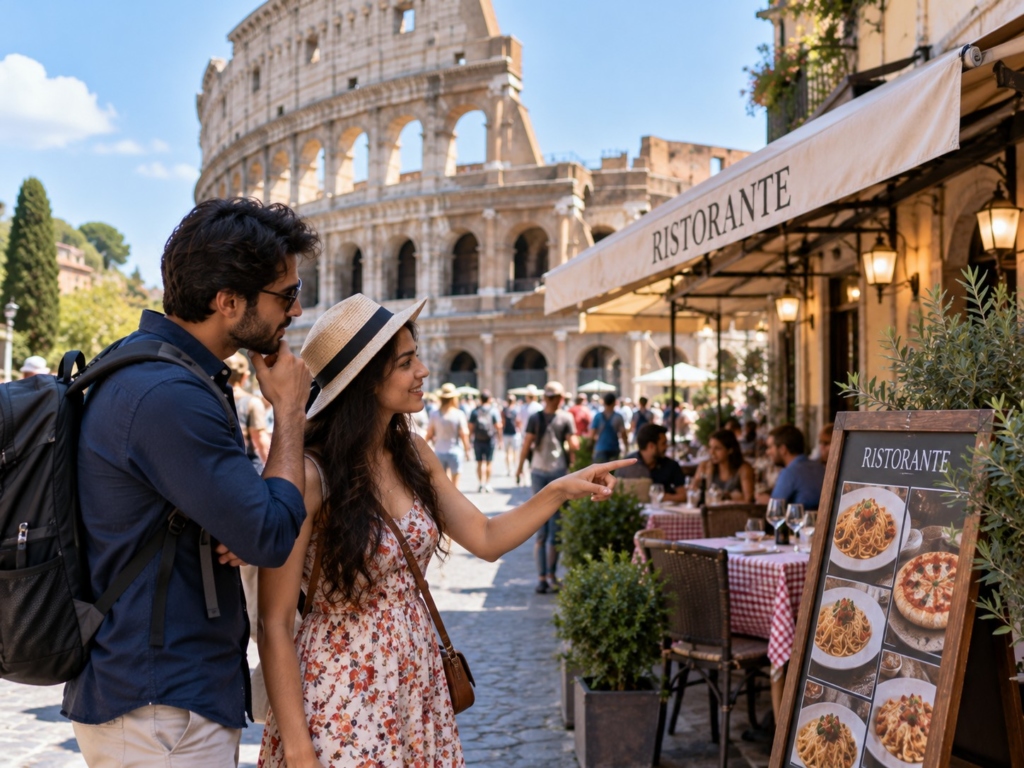
The restaurant facing the Eiffel Tower or sitting beside the Trevi Fountain is easy to spot. It may also come with higher prices and fewer interesting choices.
You do not need to go far. Walking a street or two away often gives you more options.
Before sitting down, scan the menu. Look at the prices, dietary options, and any service or cover charges.
In Italy, you may see a coperto, which is a per-person cover charge shown on the menu. Knowing about it before ordering saves confusion when the bill arrives.
8. Leaving an Important Dinner to Chance
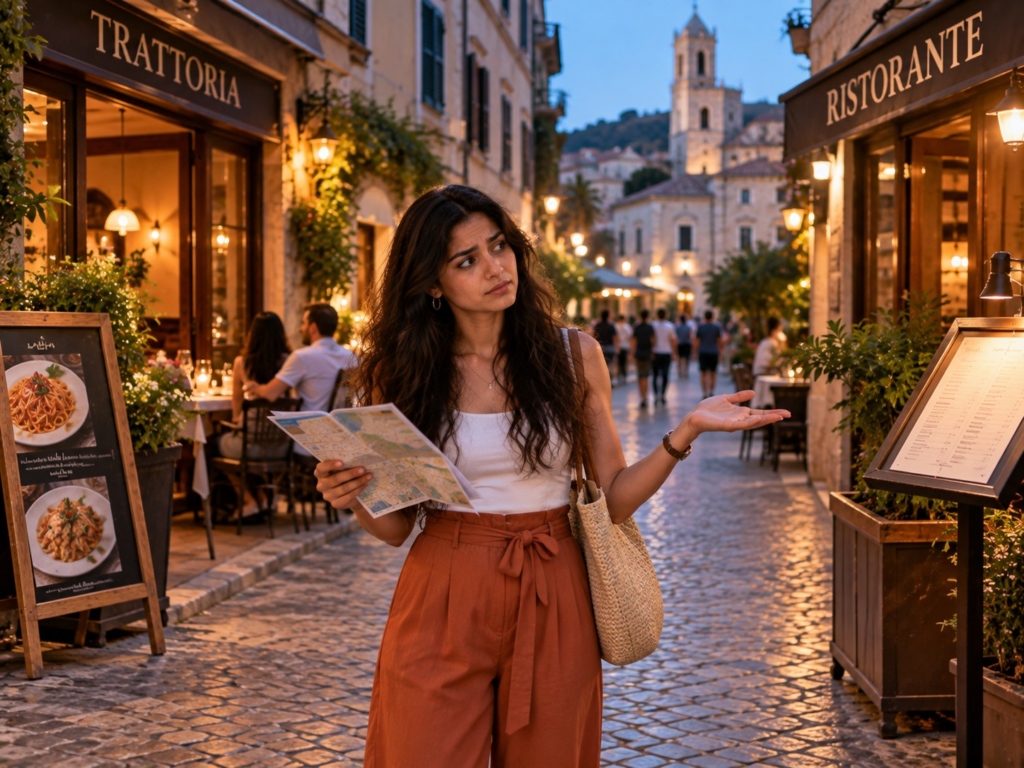
You do not need to reserve every meal in Europe. But if there is one restaurant you really want to try, walking in at 8 pm on a Saturday may not work. This is especially relevant if you are travelling on a Europe group tour, where mealtimes are often shared with several other people at once.
Book ahead when:
- You have a specific restaurant in mind
- You are travelling with a larger group
- You need specific dietary arrangements
- Dinner follows a show or activity
- You are visiting during a busy season
Keep ordinary meals flexible. Save reservations for the places that would genuinely disappoint you if they were full.
9. Choosing Indian Rupees on the Card Machine
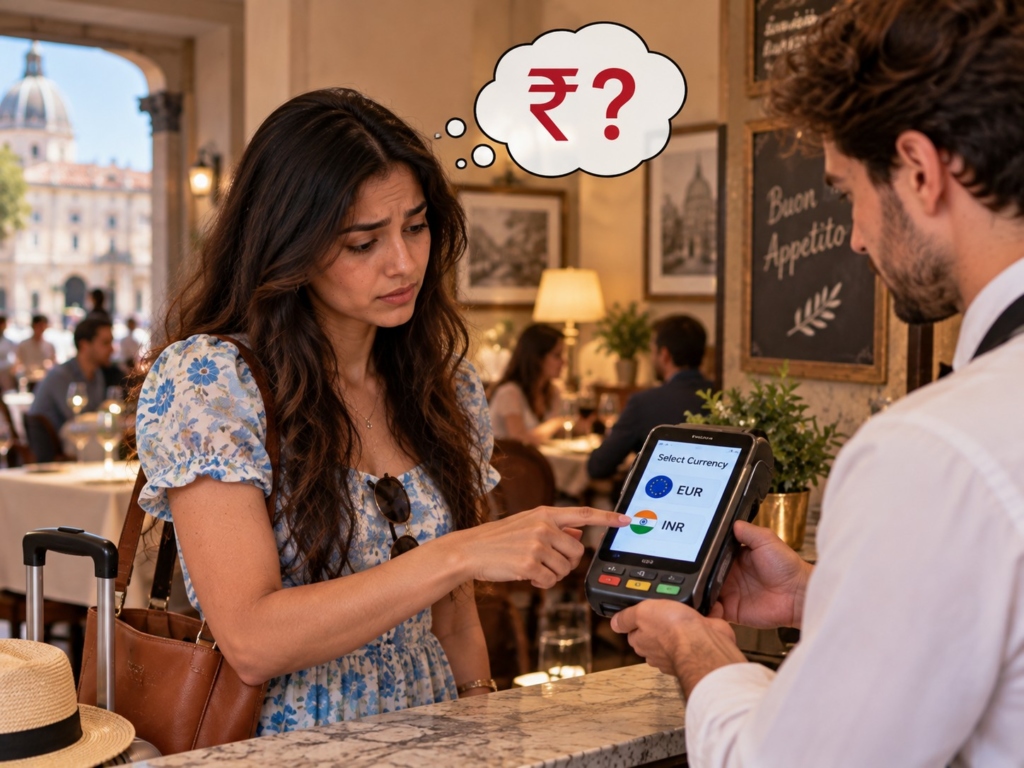
Some card terminals may ask whether you want to pay in euros or have the amount converted into Indian rupees.
The rupee figure can feel easier because you immediately know the amount in familiar currency. The conversion offered at the terminal, however, may use a different exchange rate or include its own markup.
Before selecting INR, compare how your card handles foreign-currency transactions. Paying in the restaurant’s local currency lets your card issuer handle the conversion.
Always look at the currency shown on the screen before tapping or entering your PIN.
10. Assuming Every Café Will Take Your Order at the Table
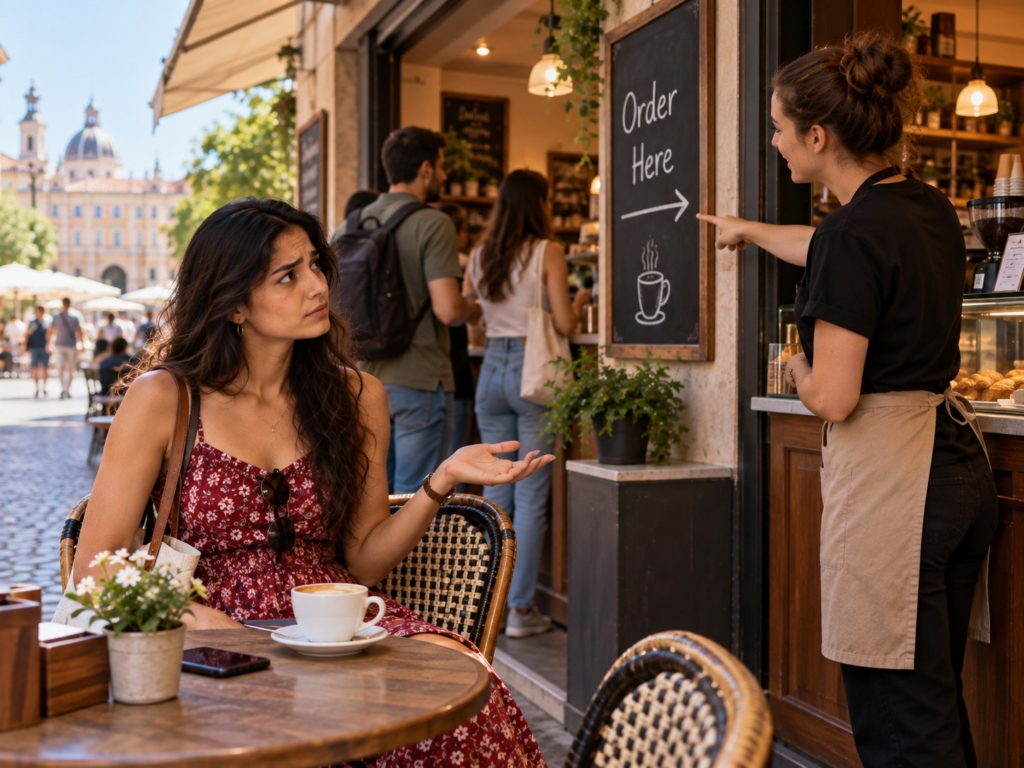
You may sit down and wait for a server, only to realise everyone else ordered at the counter.
Service style changes between cafés, bakeries and restaurants. Some places take orders at the table, while others expect you to order and pay at the counter first.
Watch what other customers are doing or ask the staff when you enter.
In some cafés, table service and counter service also follow different pricing or ordering rules, so check before taking a seat. Knowing the setup will save you from waiting at an unattended table.
Frequently Asked Questions
It depends on the country and the restaurant. Some bills already include service, while in other places people simply round up or leave a small tip. Check the bill first, then follow the local custom.
Not always. Some restaurants will bring tap water if you ask, while others mainly serve bottled still or sparkling water for a charge. If you want tap water, ask clearly before the bottle is opened.
Yes, especially in larger cities and popular tourist areas. If you are strictly vegetarian, still check the ingredients because soups, sauces, stocks and side dishes can sometimes contain meat or other non-vegetarian ingredients.
Not for every meal. Reservations are more useful for popular restaurants, weekend dinners, larger groups or places you particularly want to try. For casual lunches and everyday meals, keeping a few nearby options usually works better.
In many restaurants, staff leave you at the table until you signal that you are ready to pay. Finishing your meal does not always mean the bill will arrive automatically, so ask when you are ready.