


Quick Jumplinks to Navigate
There is no generalised best season for Europe tour due to Europe’s vast geographical terrain. Each season is characterised by distinct experiences, which makes Europe trips equally rewarding across all seasons.
You can enjoy diverse activities like sunbathing on Mediterranean beaches and hiking through Alpine regions in the summer, wandering through Christmas markets in winter, or witnessing the renowned tulip blooms of the Netherlands in the spring.
However, choosing your best season for Europe tour affects more than just your overall trip experience. Pricing during the peak and low seasons directly affects your budget and crowd levels, while flight prices, school holidays, and Schengen planning can further influence your best travel window. These factors determine how much in advance you need to make your travel arrangements, especially in order to get the best flight and hotel deals.
To help you determine the best months to visit Europe that will suit your trip intent, budget, and style, this guide is structured to compare weather, destinations, experiences, crowds and costs across Europe’s spring, summer, autumn and winter. Ultimately, you should choose your best Season to visit Europe from India based on where you want to go and what you want to experience, not just the calendar.
Best Season to Visit Europe: At a Glance
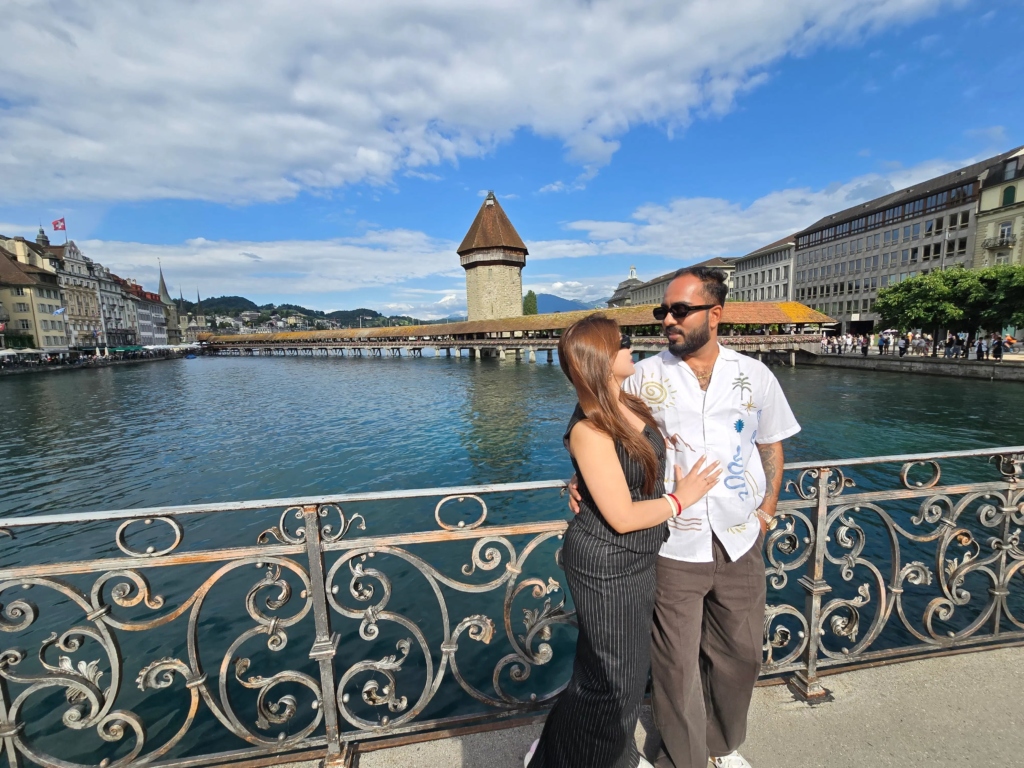
The most preferred windows for Europe trip departures, especially by first-timers, are June–August and September–October. These are the windows where the weather is warm, comfortable, and best-suited for outdoor-heavy itineraries.
June-August and December-February are considered the ideal months to experience peak summer and winter landscapes in Europe, respectively. These seasons also feature peak pricing on hotels and flights due to high traveller demand and festive windows, while September-March is more coveted for trips centred around witnessing the Northern Lights.
There isn’t one specific best season for Europe tour that applies to the entire continent, since each season brings something distinct and unique to each region. This is why to decide on your best time to visit Europe from India, you need to first determine what you want to primarily experience on your Europe trip.
| Season | Best for | Crowd Level | Price Level |
| Spring | City sightseeing, flowers, mild weather | Moderate | Moderate |
| Summer | Alps, fjords, long days, outdoor travel | High | High |
| Autumn | Foliage, cities, food and wine | Moderate | Moderate |
| Winter | Christmas markets, skiing, Northern Lights | Varies | Moderate-High |
Thrillophilia’s destination experts guide you with destination-specific seasonal highlights for you to determine the best season to visit Europe from India based on your intended trip experience and budget.
Europe in Spring: March to May
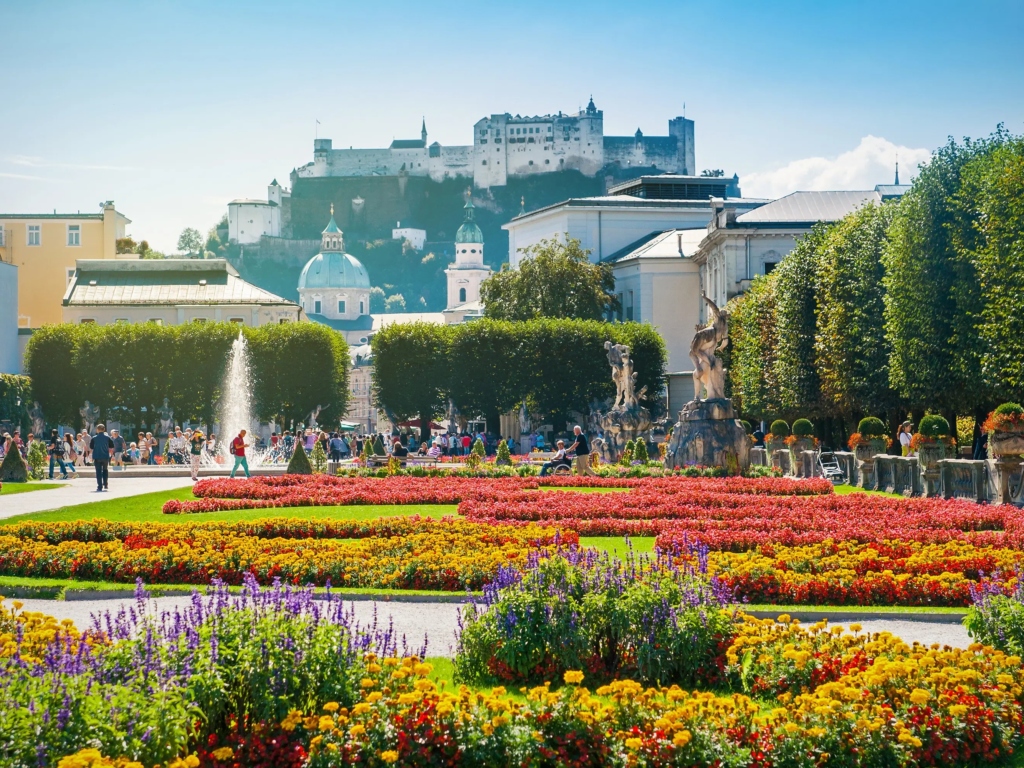
Spring in Europe is one of the most comfortable seasons for a Europe tour, especially for travellers who want to explore Europe’s highlights without the summer’s intense heat and high crowd levels, with temperatures like 3°C in early March up to 20°C by late May. However, weather conditions can still vary between Northern and Southern European destinations, and the Easter holiday window can see a temporary surge in travellers.
This season is best suited for city sightseeing, couples, families, and exploring gardens and flowers.
March
A good option for travellers looking for fewer crowds and potentially better pricing, especially in Southern Europe.
April
This is when spring starts getting more noticeable throughout the country and gardens and parks start featuring seasonal blooms.
May
One of the most versatile months for a Europe holiday, May’s temperatures are generally warmer, and many regions continue to be less crowded compared to the peak seasons.
Spring is best for
- Switzerland: Lakes, scenic rail journeys and early Alpine exploration
- France: Paris and the French countryside
- Italy: Cultural sightseeing and coastal destinations
- Austria: Cities and Alpine landscapes
- Greece: Early-season island and coastal travel
Europe in Summer: June to August
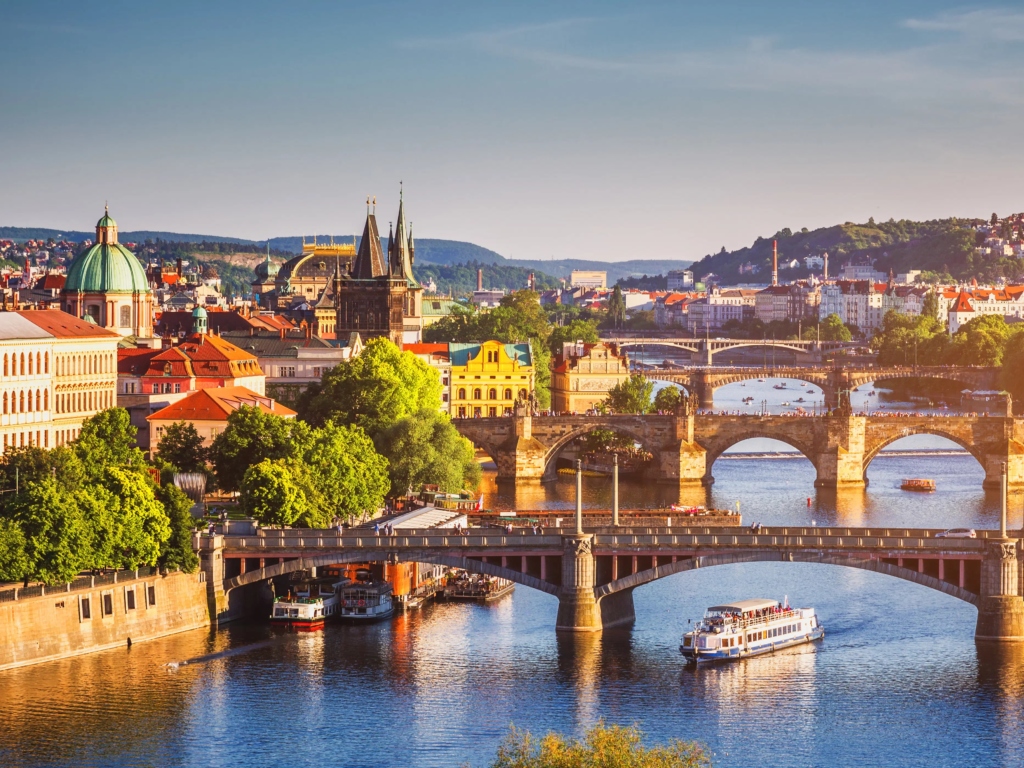
This is the peak travelling season across most of Europe with long daylight hours, warmer temperatures of 18°C to 30°C, and diverse opportunities to combine European cities with mountains, lakes, fjords and coastal destinations. However, due to high traveller demand, flight and accommodation pricing inflates by 20-30% with high crowd levels.
Europe in summer is best-suited for Alpine landscapes, fjords, Mediterranean beaches, family holidays, outdoor activities, and long sightseeing days.
June
For a Europe trip in summer, June offers a sweet spot between experiencing the summer window’s accessibilities without the intense heat.
July and August
These are the peak summer months across most European destinations. With longer daylight hours, sightseeing and excursions are also easier to fit into the same day.
Summer is best for:
- Greece, Croatia and Spain: Beach holidays
- Switzerland and Austria: Hiking and Alpine scenery
- Norway: Fjords and outdoor activities
- Iceland: Road trips and natural landscapes
- France and Italy: Extended city and cultural holidays
Europe in Autumn: September to November
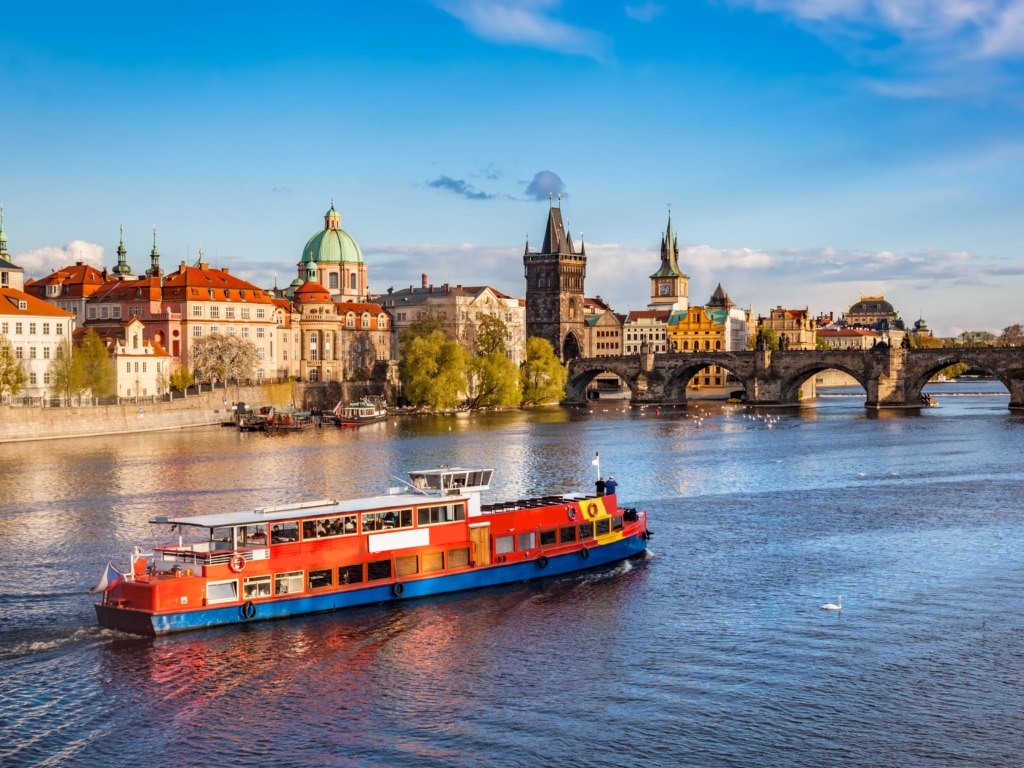
For experienced travellers and couples on their honeymoon trips to Europe, autumn is one of the best months to visit Europe, with temperatures around 10°C and 24°C. It’s especially better suited for multi-country itineraries, with pleasant conditions in many destinations, colourful foliage, fewer peak-season crowds and better accommodation deals.
Autumn is best experienced for city sightseeing, couples, food and wine experiences, scenic landscapes, fewer crowds and shoulder-season travel.
September
September usually marks the start of the shoulder season and offers many advantages of summer but without the same level of heat and crowd levels.
October
This is the window where autumn becomes more apparent with colourful foliage, a slight chill in the air, and gradually decreasing daylight hours, particularly across Central and Northern Europe.
November
November is when the season transitions towards winter, mostly across the central and northern European destinations, and daylight hours decrease noticeably.
Autumn is best for:
- Switzerland: Autumn landscapes and mountain towns
- Austria: Vienna and Alpine regions
- Germany: Historic cities and autumn scenery
- Italy: Food, wine and cultural experiences
- France: Paris and countryside travel
Europe in Winter: December to February
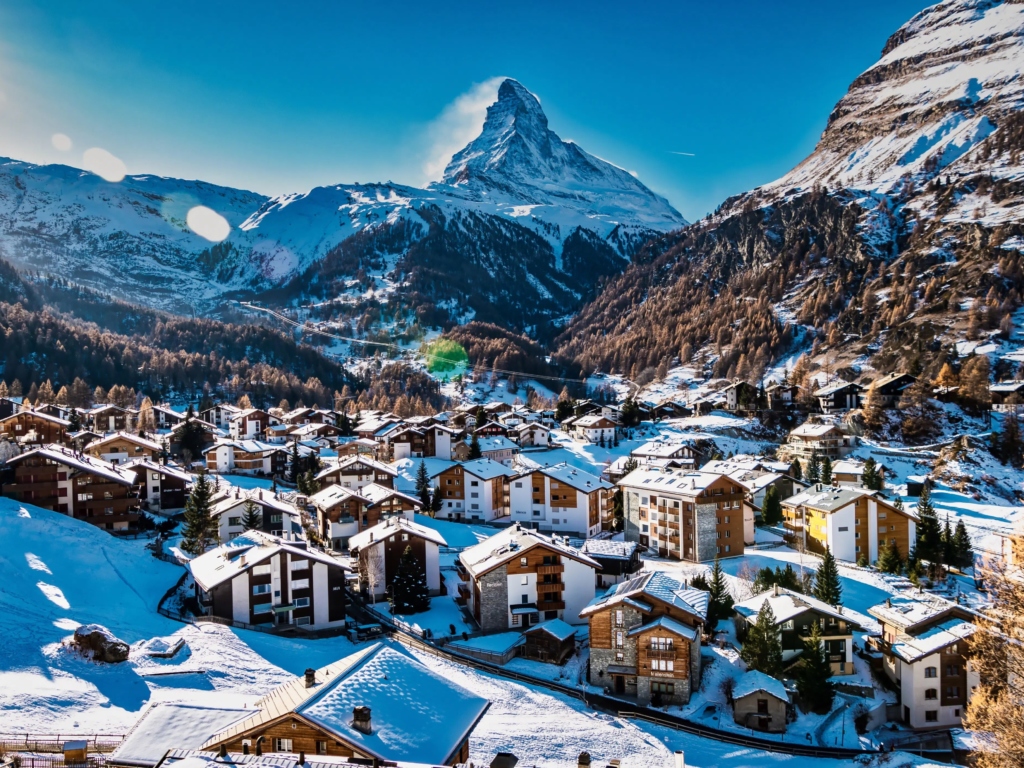
Winter transforms Europe into a very different travel destination, with snow-covered landscapes, Christmas markets, ski resorts and some of the best conditions for Northern Lights trips in the continent’s far north with a temperature range of -10°C to 15°C. However, the snow can affect transport, daylight hours are shorter and some attractions operate on reduced schedules and therefore require flexible itineraries.
When planning your winter Europe trip from India, Thrillophilia ensures it accounts for itinerary flexibility, buffer timing, and continued weather updates throughout your trip.
December
December is one of the most atmospheric times to visit Europe. Cities across Germany, Austria, France, Switzerland and Czechia host Christmas markets, while streets and historic centres are decorated for the festive season.
January
After the festive window, January often feels cooler and quieter right after. If you want to prioritise skiing and snow experiences, January is a good selection for you, particularly Switzerland, Austria and France.
February
February continues to offer reliable winter conditions across northern and Alpine Europe. Finland and Norway are strong choices for Northern Lights holidays, with activities such as husky safaris, reindeer experiences and snowmobile excursions adding variety to the trip.
Winter is best for:
- Switzerland: Ski resorts and snowy Alpine landscapes
- Austria: Skiing and winter villages
- France: French Alps and winter sports
- Italy: Dolomites and ski resorts
- Finland: Arctic winter experiences
How the Season Affects Your Europe Trip Cost
The season you choose for your Europe trip can affect your overall Europe trip cost significantly. This is because flight, hotel, and intercity transfer pricing tends to rise during popular traveller months, while shoulder and low seasons can offer better value.
Similarly, while Thrillophilia’s standard Europe tour package pricing starts around INR 1,17,500 per person for short trips and goes up to INR 3,50,000 for longer ones, these prices can fluctuate depending on your booking and departure window.
However, it is important to understand that the most economical season isn’t necessarily the right choice if it means missing the experiences you have travelled for.
Understanding which is the best season to visit Europe can be confusing, especially if you don’t have prior experience. For more clarity, you can connect with our experts for a comprehensive breakdown of Europe’s seasons and how each of them works for you.
FAQs
Although there are no fixed ‘best months to visit Europe’, May and September are often strong choices for pleasant weather, fewer crowds, and more affordable pricing on flights and accommodations.
July and August are the most expensive months to visit Europe due to ideal weather conditions for outdoor sightseeing, high traveller demands, school holiday windows, and premium pricing on hotels and flights.
January and February are the most economical months to travel Europe. These are deep-winter months with hotel pricing down by 20-30% compared to the peak season, and crowd levels are at their lowest. However, snowfall can cause route blockages, and several activities in Europe might get delayed.
July is the hottest month in Europe, followed closely by August. During this time, southern and central regions regularly experience intense heat with occasional heat waves and temperatures occasionally exceeding 40°C (104°F) in countries like Spain, Greece, and Italy.