

Quick Jumplinks to Navigate
Utah is not a destination that reveals itself from a single viewpoint. It unfolds gradually through movement. The most powerful experiences are not confined to one park entrance or one marked trail, but are shaped by early starts, scenic drives, and carefully chosen hikes across varied terrain.
For Indian travellers seeking a premium, self-drive journey in the United States, Utah offers a landscape built for exploration. The state’s national parks, scenic highways, and lesser-known desert corridors are connected by well-maintained roads that encourage deliberate pacing. Experiencing Utah properly means understanding how its hikes, viewpoints, and drives work together as one continuous journey.
Scenic Drives in Utah That Define the Journey
1. Sunrise Hikes That Transform the Landscape
Light plays a defining role in Utah’s national parks. The same formation can feel entirely different depending on the hour of the day.
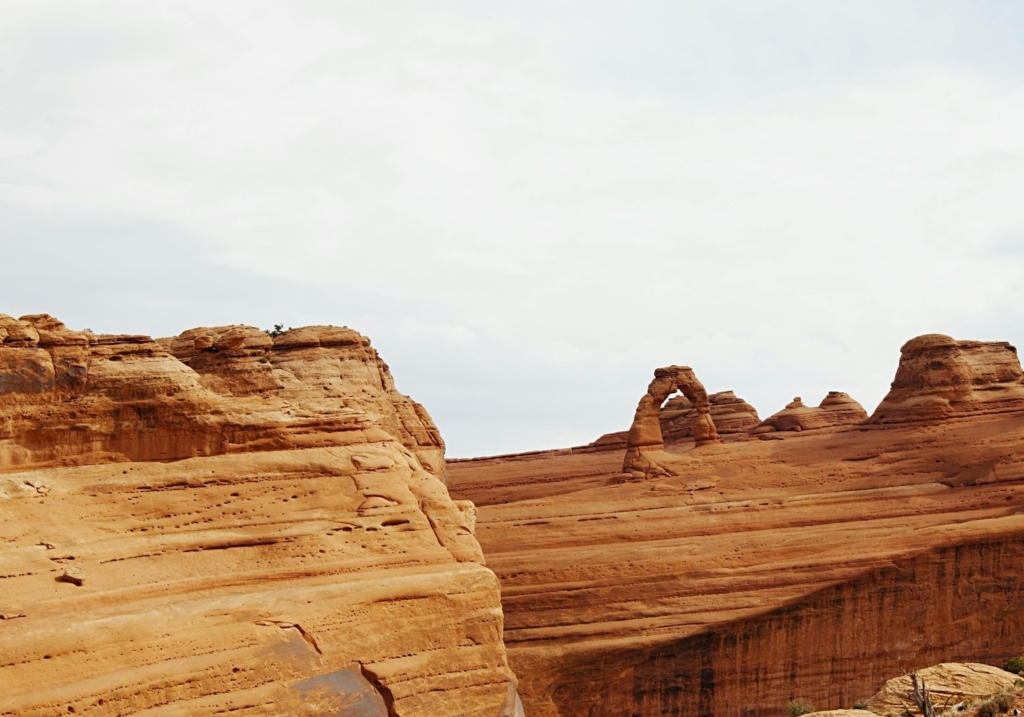
In Arches National Park, near Moab, Delicate Arch is the most photographed landmark in the state. However, the experience shifts dramatically at sunrise. Arriving early reduces foot traffic and allows the sandstone to reflect softer tones before midday heat intensifies. The 4.8 kilometre round-trip hike is moderately strenuous, but manageable with proper planning and hydration.
In Canyonlands National Park, the Island in the Sky district offers expansive canyon views that stretch across layered desert terrain. Mesa Arch, positioned at the edge of a cliff, frames the rising sun across distant rock formations. The short walk to the arch makes it accessible, but timing remains essential. Early arrival ensures both space and clarity of view.
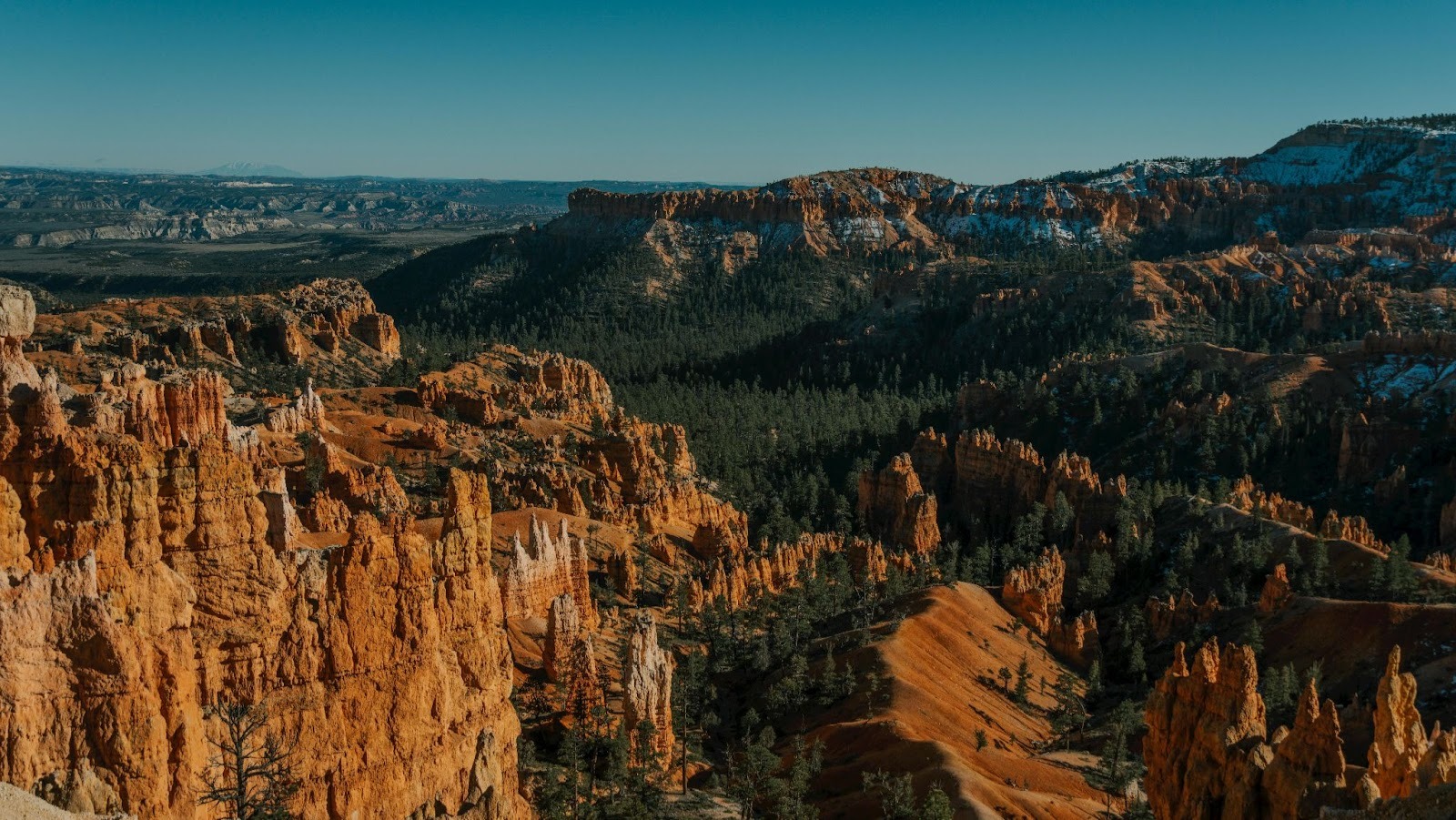
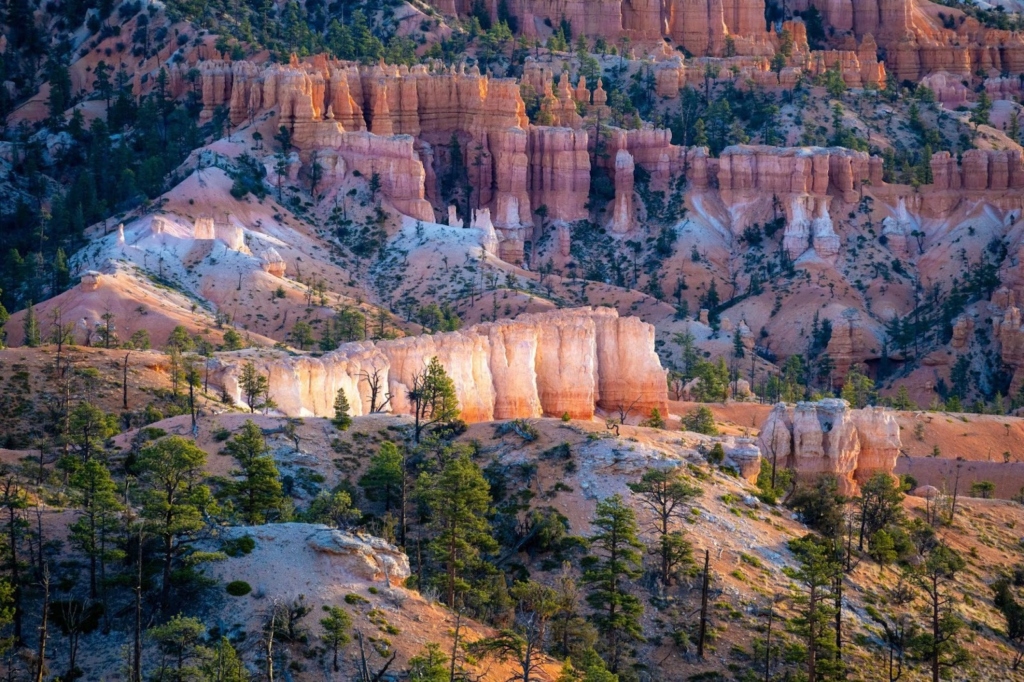
Further west, Bryce Canyon National Park delivers a different type of sunrise experience. The amphitheatre below Sunrise Point and Sunset Point reveals thousands of hoodoos arranged in dense formations. Light gradually descends into the canyon, changing colour tones from deep orange to pale gold within minutes.
These hikes do not require advanced technical skill. What they require is timing, preparation, and a willingness to begin the day before crowds form.
2. Scenic Drives That Define the Journey
Utah’s highways are not secondary to its parks. They are part of the experience.
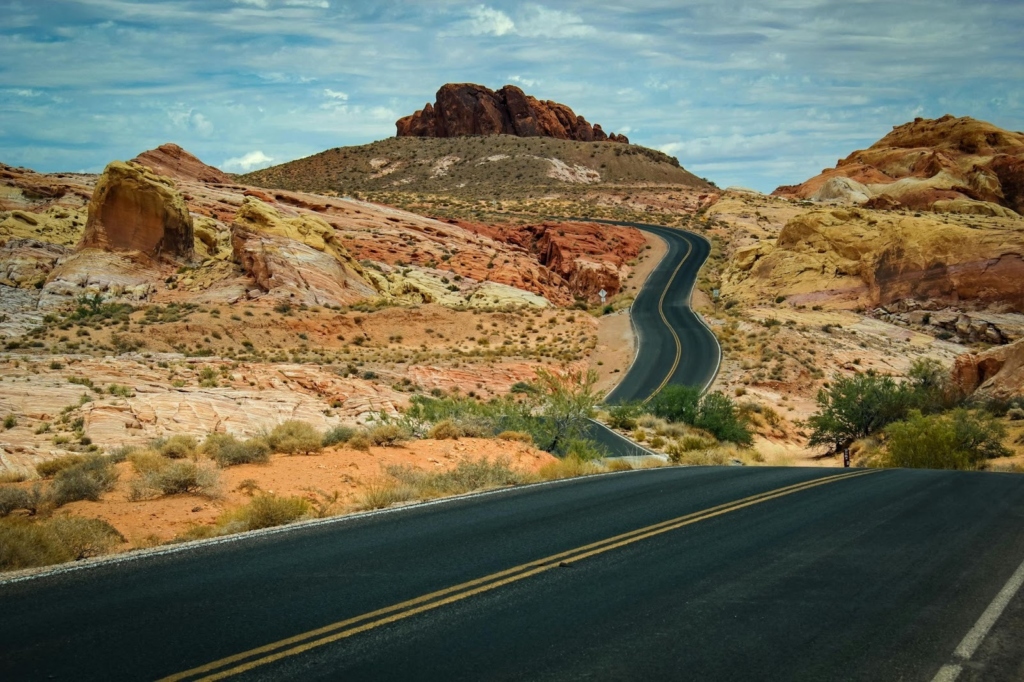
Utah State Route 128, also known as the Upper Colorado River Scenic Byway, runs alongside the Colorado River near Moab. Sheer red cliffs rise on either side, while the river carves a contrasting green corridor through the desert. This stretch is best driven slowly, with planned pull-outs rather than continuous movement.
Utah State Route 12, connecting Capitol Reef and Bryce Canyon, climbs through alpine forest before narrowing along the Hogback section. In this segment, the road runs along a thin ridge with visible drops on both sides. Elevation shifts bring noticeable changes in vegetation and temperature within a single hour of driving.
In San Juan County, the approach to Monument Valley along U.S. Highway 163 introduces wide desert horizons and distant sandstone buttes. The landscape expands gradually rather than appearing abruptly, reinforcing the sense of scale that defines southern Utah.
These roads are engineered for access but reward unhurried driving. Pull-outs, scenic overlooks, and marked viewpoints encourage pauses rather than speed.
3. Canyon Depth and Desert Texture
Utah’s national parks differ in geological character, which prevents repetition even across a multi-day journey.
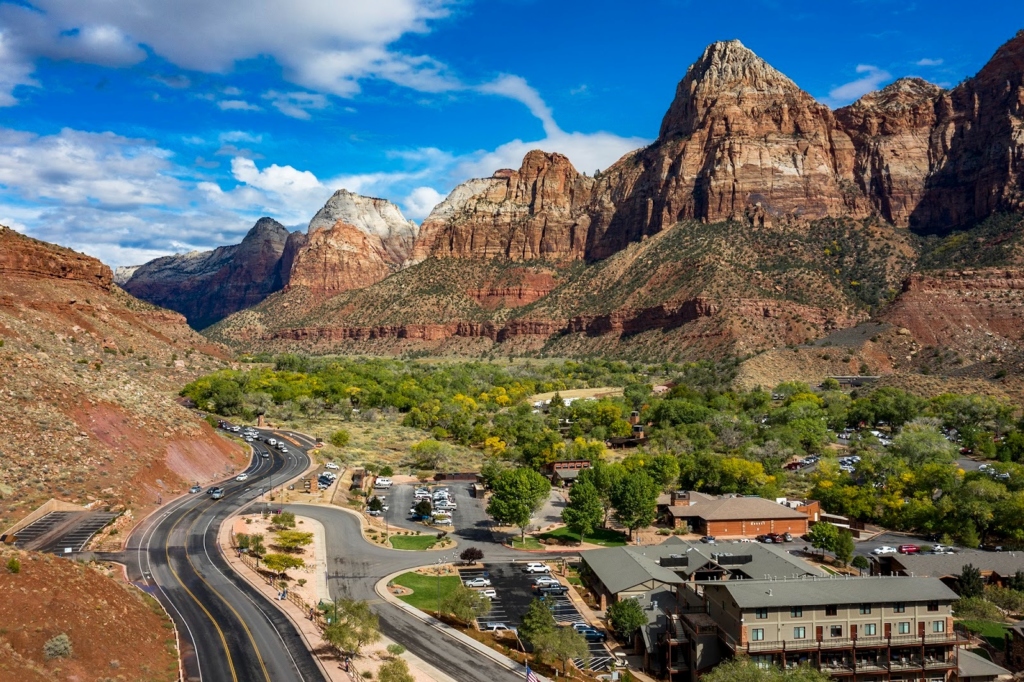
In Zion National Park, vertical sandstone walls rise dramatically along the Virgin River corridor. Popular hikes such as Angels Landing require permits due to demand and safety considerations, while riverside trails provide more moderate options with consistent canyon views. The scale here is vertical and immersive rather than expansive.
In contrast, Canyonlands in the Island in the Sky district emphasises horizontal scale. Overlooks such as Grand View Point reveal layered canyon systems shaped by erosion over millions of years. The terrain feels open and exposed, particularly during late afternoon light.
Near Kanab, guided access to Peek-a-Boo Slot Canyon and Little Zion Slot Canyon introduces narrow sandstone corridors shaped by flash floods and erosion. These slot canyons are typically explored with licensed guides using high-clearance vehicles, which adds structure to the experience.
Access to The Wave, located in the Coyote Buttes area near the Arizona border, operates through a controlled permit system managed via recreation.gov. Permit numbers are limited to preserve the formation, which makes planning essential for travellers interested in including it.
Each of these landscapes offers a distinct geological character. Experiencing them together reinforces Utah’s diversity rather than creating repetition.
4. Monument Valley and Cultural Context
Monument Valley Navajo Tribal Park, located within San Juan County, introduces a landscape shaped not only by geology but by cultural history. The towering sandstone buttes have appeared in countless films, yet the area remains an active part of Navajo Nation.
The 17-mile Valley Drive scenic route allows visitors to navigate between major formations at ground level. Guided tours led by Navajo guides provide access to restricted sections and contextualise the cultural significance of the terrain.
Unlike national parks managed by the U.S. National Park Service, Monument Valley operates under tribal management. Understanding this distinction adds depth to the visit and encourages responsible travel behaviour.
The landscape here is wide and exposed. Sunrise and sunset alter shadow lines quickly, making timing central to the experience.
5. Structuring a Premium Self-Drive Experience
Utah’s appeal lies in how these experiences connect through movement. A well-planned journey allows one primary hike or scenic activity per day, followed by a slower afternoon drive or viewpoint circuit.
Moab works as a base for Arches and Canyonlands, reducing repeated packing and driving. Kanab provides structured access to slot canyon tours and proximity to Zion and Bryce Canyon. San Juan County anchors Monument Valley and quieter desert stretches.
Drive times between these regions remain manageable, typically ranging between two and four hours depending on the route. This allows for morning exploration, midday transitions, and evening arrival without excessive fatigue.
Early starts reduce crowd density in major parks. Midweek visits often provide more flexibility than weekends, particularly in Zion and Arches during peak seasons.
Accommodation options across these regions range from design-forward lodges to well-equipped desert resorts, supporting travellers who value comfort alongside exploration.
Why Utah Is Best Experienced in Motion
Utah is not defined by one landmark. It is defined by contrast and continuity. Vertical canyon walls in Zion differ from the open overlooks of Canyonlands. River-carved corridors along SR-128 contrast with high desert highways leading into Monument Valley.
The common thread is movement. Hiking at sunrise, driving through elevation shifts, pausing at canyon edges, and adjusting pace based on light conditions shape the overall journey.
For Indian travellers seeking a long-haul destination that rewards planning and exploration, Utah offers a landscape built for deliberate travel. Its national parks, scenic byways, and regional bases combine to create a self-drive experience that feels expansive yet structured.
Utah in motion is not about covering ground quickly. It is about choosing the right moments to stop, step out, and let the terrain define the day.