

Quick Jumplinks to Navigate
Morocco’s winter season shifts attention from outdoor intensity to indoor comfort, which makes accommodation choice more important. While desert camps and mountain excursions define daytime travel, evenings are often spent inside traditional city properties. For travellers staying within medinas, the most distinctive option is a riad, a historic courtyard house converted into a guesthouse. Understanding how a riad functions during winter helps travellers plan realistically and choose accommodation that matches their comfort priorities.
Key Factors That Shape a Winter Stay in a Riad
1. What Is a Riad and How Is It Designed?
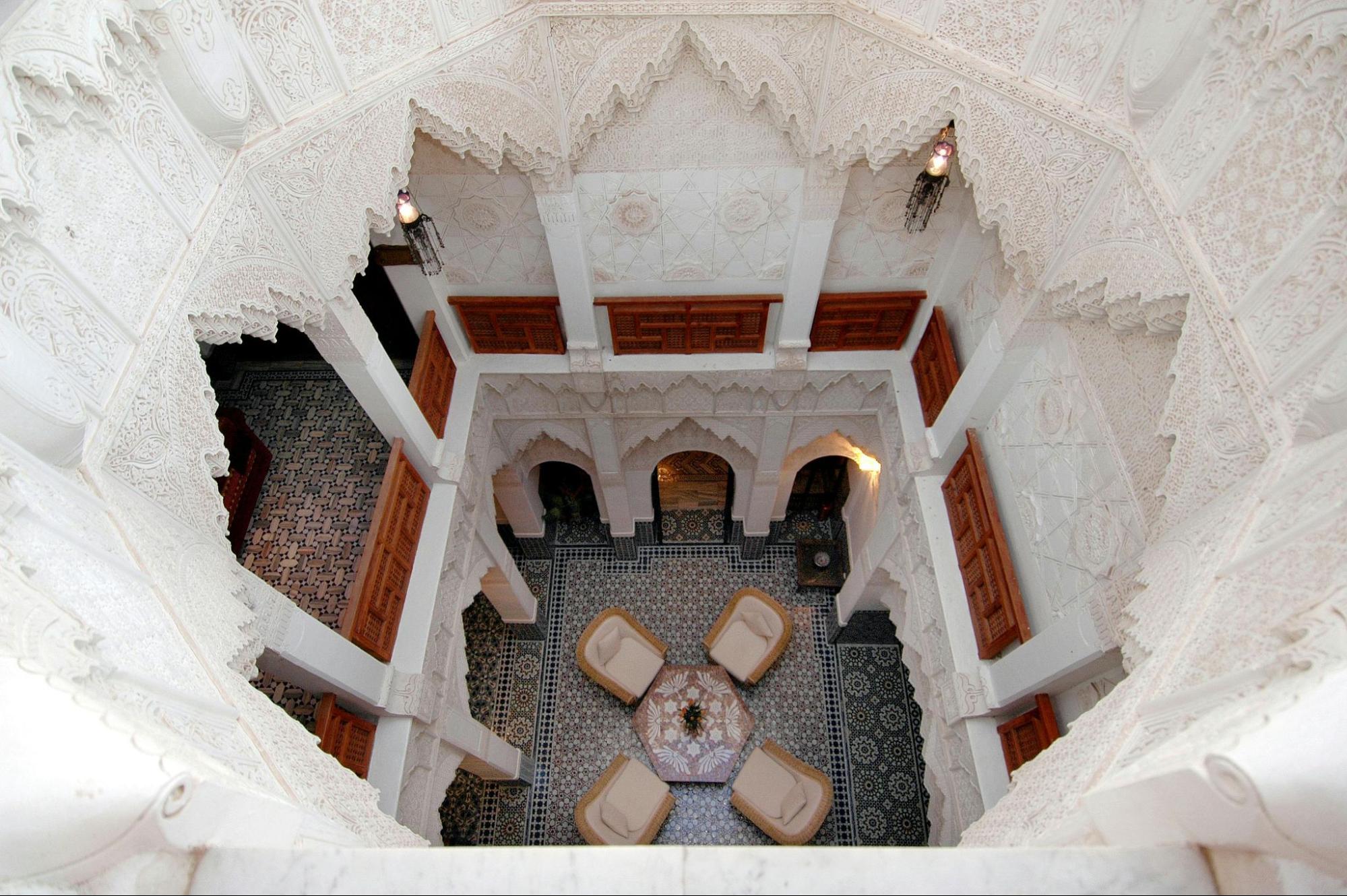
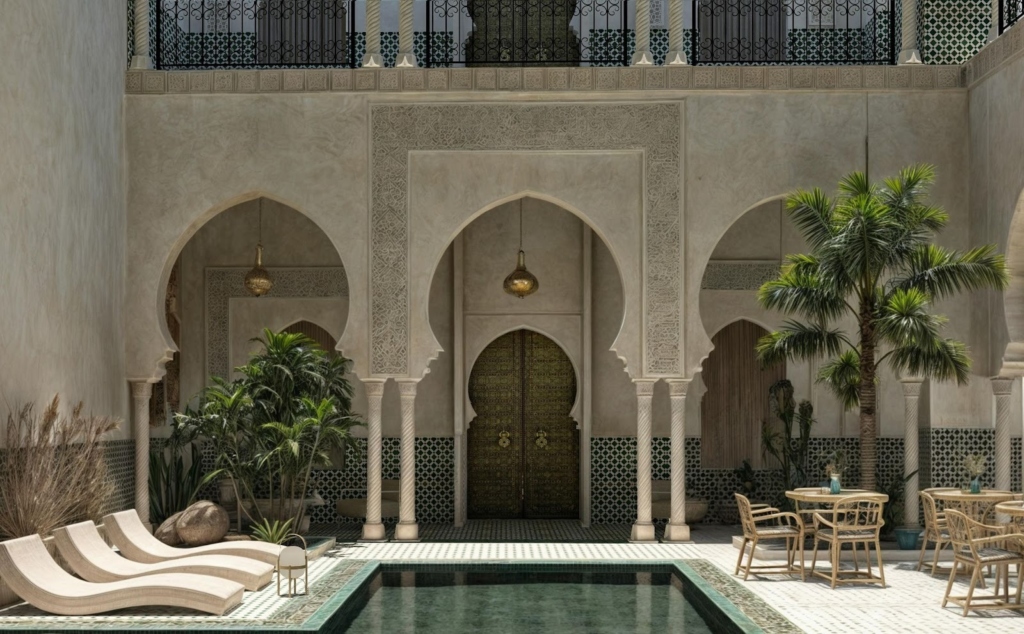
A riad is a traditional Moroccan house built around a central open courtyard, and many now operate as small guesthouses inside historic medinas. Rooms face inward toward this courtyard instead of the street, which creates privacy and reduces exposure to outside noise and weather changes. This inward-facing layout is the defining architectural feature of a riad and directly influences how the property functions during winter months.
Riad architecture developed as a practical response to climate conditions, relying on thick walls, tiled surfaces, limited exterior openings, and shaded internal spaces. These elements help regulate indoor temperatures by slowing heat transfer and reducing direct wind exposure during cooler periods. Because the courtyard remains open to the sky, airflow continues naturally while surrounding rooms stay partially insulated from temperature shifts.
2. How Riads Handle Temperature in Winter
During winter, the riad becomes a contained indoor environment where architectural design plays a visible role in guest comfort. Stone floors and courtyard surfaces often retain cooler night temperatures, which makes mornings and evenings noticeably colder than midday hours. Many riads address this by providing additional bedding, portable heaters, fireplaces, or underfloor heating in renovated properties.
Heating systems are not standardised across all riads, so travellers should confirm room-level heating before finalising reservations. Reliable hot water supply is equally important, especially in older buildings that have undergone gradual restoration. Clear communication about heating and water systems prevents avoidable discomfort and aligns expectations with property capabilities.
3. What Changes in Daily Experience During Winter
Winter alters how common areas are used inside a riad, shifting activity toward enclosed and sheltered spaces. Breakfast is typically served indoors rather than on open terraces, and evening meals move into covered dining rooms. Lounges and enclosed courtyard sections become central gathering areas where guests spend time between outings.
Rooftop terraces remain usable during sunny afternoons in many cities, but extended evening use becomes less practical as temperatures drop. Indoor dining and conversation therefore replace rooftop socialising as the primary evening experience. These shifts reflect seasonal practicality rather than reduced quality of stay.
4. Location Inside the Medina: What to Expect
Most riads are located within medinas, which are historic quarters built before modern vehicle infrastructure existed. Because many lanes are pedestrian-only, guests often walk from the nearest vehicle drop-off point to reach the entrance. In winter, occasional rain can make stone pathways slippery, so luggage handling and arrival timing require basic planning.
These access conditions are standard for medina properties and should not be viewed as disadvantages when understood clearly. Some riads offer staff assistance for luggage, while others expect guests to manage short walking distances independently. Confirming this detail before arrival removes uncertainty and ensures smoother check-in experiences.
5. Riad Versus Hotel in Winter: Practical Differences
Riads operate on a smaller and more personal scale than most standard hotels, which becomes more noticeable during cooler months. Properties often contain between five and twenty rooms, allowing hosts to interact directly with guests. Service is typically managed by on-site owners or small teams rather than large reception departments.

Hotels generally provide central heating and more uniform climate control systems, which may appeal to travellers prioritising predictable indoor temperatures. Riads, by contrast, offer architectural character and host-driven interaction but require confirmation of heating specifics.
6. What to Check Before Booking a Riad in Winter
Before confirming a winter stay, travellers should review several practical details that directly affect comfort. Confirm whether the room includes electric heaters, fireplaces, or underfloor heating, and verify that hot water is available consistently throughout the day. Reliable heating and water systems are essential during cooler nights, particularly in older restored buildings.
It is also useful to confirm rooftop access policies and indoor dining arrangements during winter months. Ask about the walking distance from the nearest vehicle access point and whether luggage assistance is available. These factual checks reduce uncertainty and make the booking decision more straightforward.
7. Combining a Riad Stay With Mountain or Desert Trips
For travellers combining city stays with mountain or desert excursions, a riad provides a stable urban base between outdoor experiences. If snow is part of the itinerary, Oukaimeden near Marrakesh remains Morocco’s primary ski area at elevations between approximately 2600 and 3200 metres. Snow presence varies by altitude and annual conditions, so travellers should confirm local updates before planning winter sports activities.
City climates also influence how riads are experienced in late winter and early spring. In Marrakesh, for example, March daytime temperatures commonly reach the low to mid twenties Celsius, while evenings fall into the low teens. These ranges allow comfortable daytime sightseeing but still require layered clothing during nights and early mornings.
8. Who Should Choose a Riad in Winter?
Choosing between a riad and a hotel during winter depends on travel style and comfort preferences. Travellers who value central heating, elevator access, and larger facilities may find established hotels more suitable. Those seeking smaller properties with architectural character and direct host interaction often prefer riads.
Winter occupancy levels are generally lower than peak spring and summer periods, which can result in more attentive service and occasional room flexibility. With fewer guests present, hosts often have more time to arrange private drivers, restaurant reservations, and tailored local recommendations. These operational advantages make winter stays particularly appealing for slower, culturally focused travellers.

9. Why Clear Information Improves the Winter Experience
A winter stay in a riad is shaped by architecture, heating systems, access logistics, and service structure rather than seasonal aesthetics alone. When properties clearly communicate details such as heating type, hot water reliability, and luggage access, travellers can book confidently. Short factual notes such as “heated rooms confirmed” or “24-hour hot water available” address common concerns immediately.
When expectations are aligned with practical realities, the riad becomes a reliable and culturally grounded accommodation choice for late winter and early spring travel.