

Quick Jumplinks to Navigate
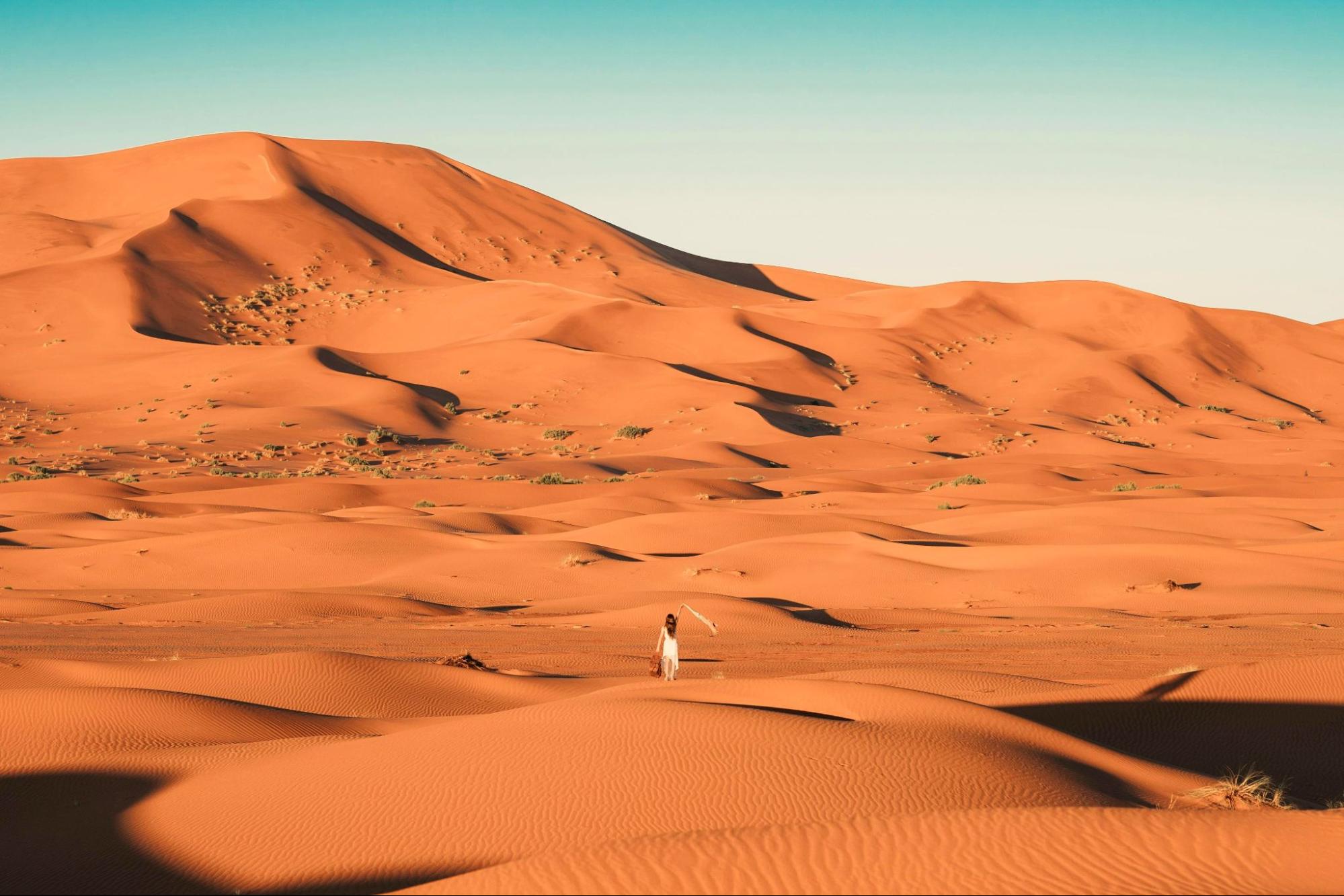
Morocco in winter feels like a well-kept secret. The country still hums with life, colour, and movement, but the pace softens. Streets are easier to wander, landscapes breathe a little deeper, and experiences feel more personal. From cool desert mornings to sunlit coastal walks and quiet mountain towns, winter is when Morocco reveals its most comfortable and crowd-free side.
For travellers who prefer exploration without the rush, winter offers the perfect balance of discovery and ease.
Key Reasons to Explore Morocco
1. What to See in Morocco During Winter
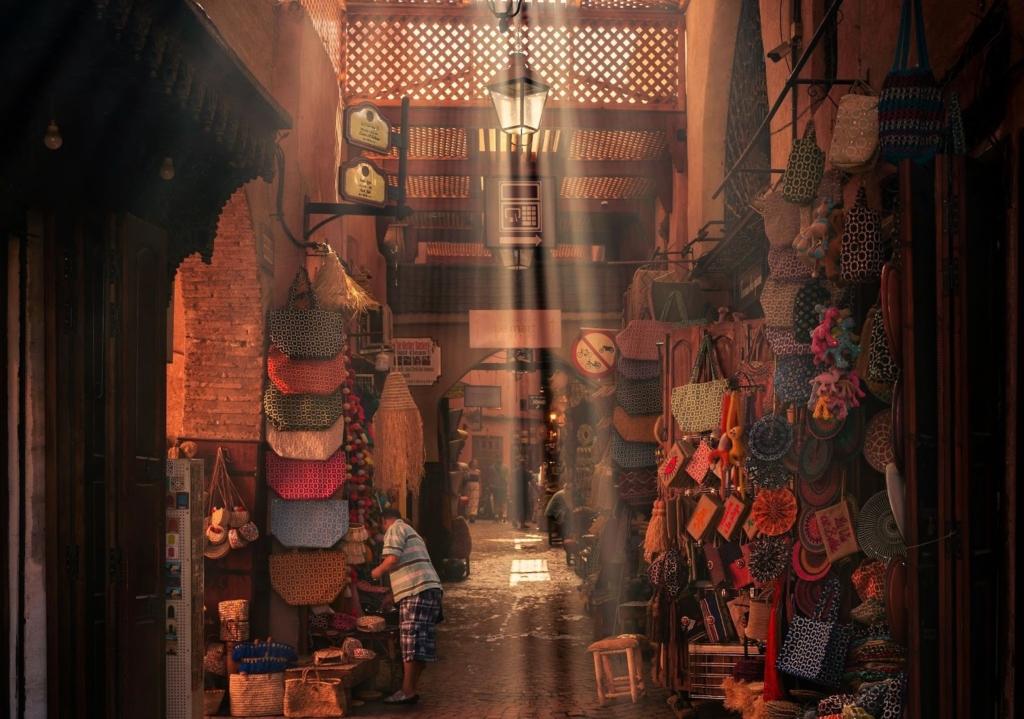
Winter allows you to experience Morocco’s most iconic sights without fighting heat or large tour groups. The cities, deserts, and natural landscapes all feel more approachable.
The medinas of Marrakech and Fes become far more enjoyable in cooler weather. Narrow lanes, busy souks, and historic courtyards invite slow exploration. You can spend hours wandering without needing constant breaks, pausing for mint tea or a warm tagine as the day unfolds.
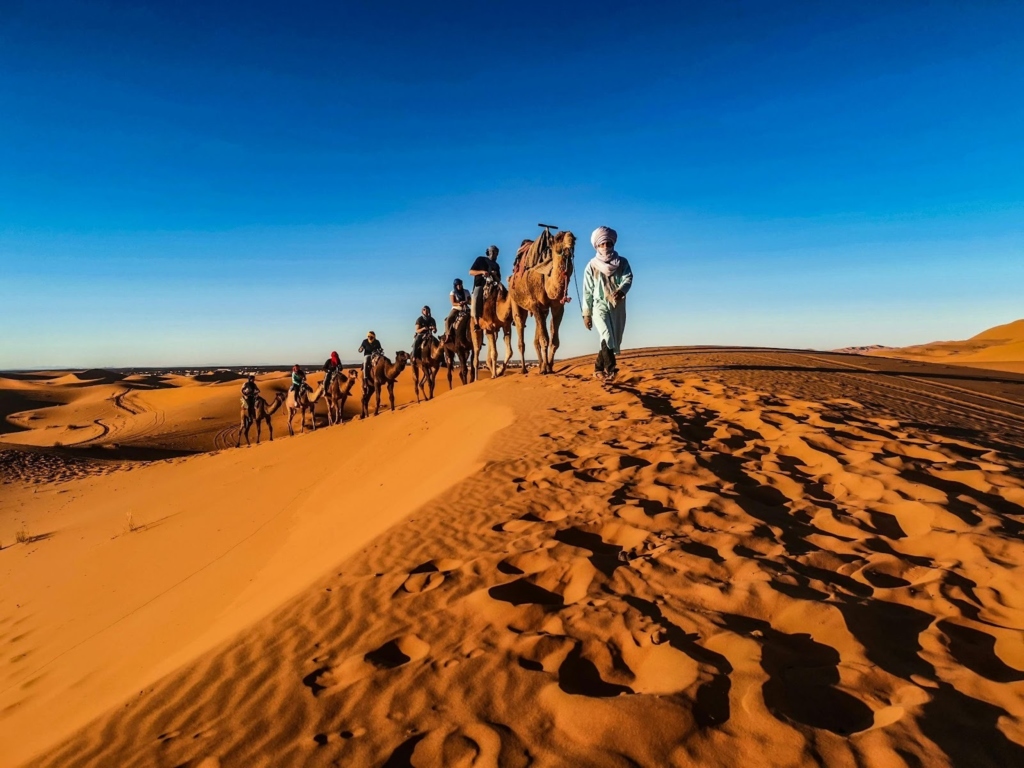
The Sahara Desert is another highlight during winter. Unlike summer, when temperatures can be extreme, winter days are mild and ideal for camel rides, dune walks, and desert camps. Nights turn cold, but that only adds to the atmosphere. Sitting by a fire under a sky full of stars is one of the most memorable experiences Morocco has to offer.
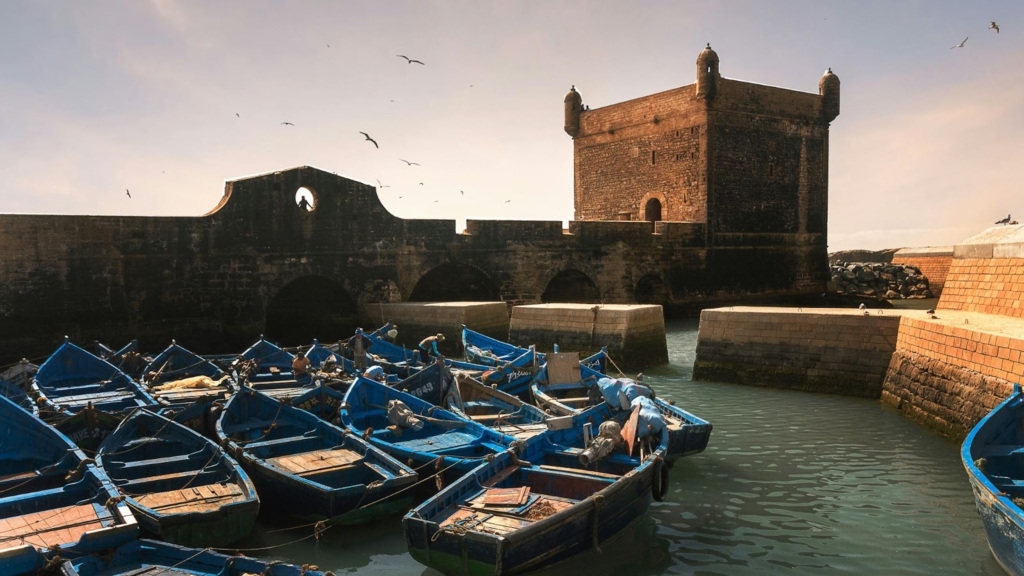
Along the coast, cities like Essaouira shine in winter. The Atlantic breeze keeps the weather fresh, cafes stay relaxed, and beaches feel open rather than crowded. It is a great time to enjoy seafood, coastal walks, and local art without the buzz of peak travel months.
2. Where to Go for a Crowd-Free Experience
Choosing the right destinations is key to enjoying a quieter Moroccan winter.
Smaller cities and towns often deliver the richest experiences. Meknes, for instance, offers beautiful architecture and history similar to Fes but with far fewer visitors. Its medina feels lived-in rather than staged, allowing you to observe daily life at a comfortable pace.
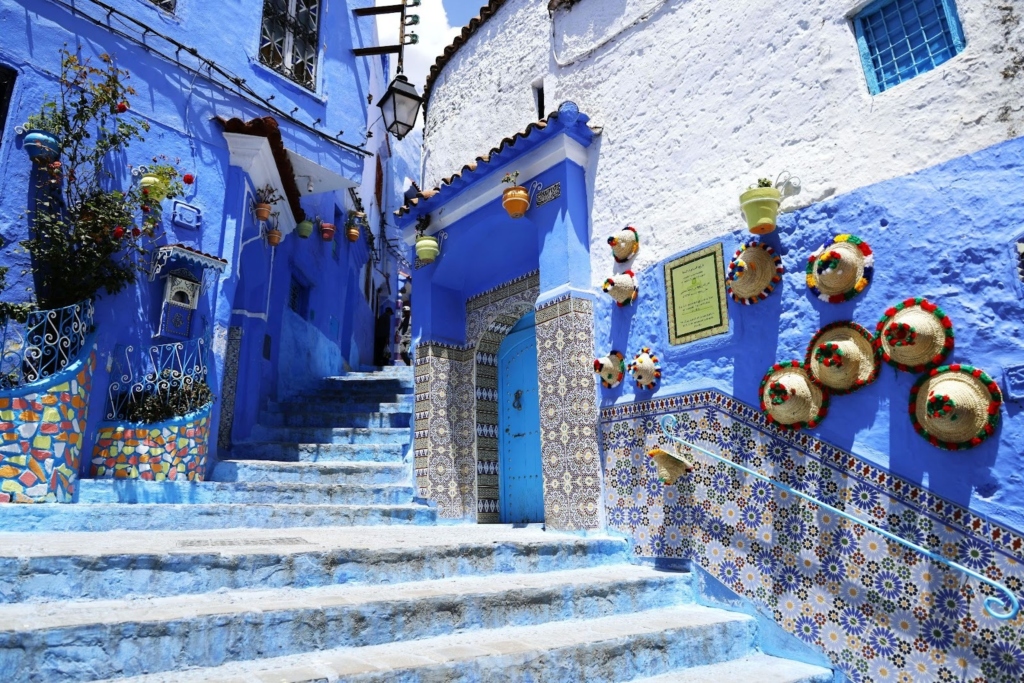
Chefchaouen, the blue city tucked into the Rif Mountains, becomes especially peaceful in winter. The cool air suits long walks through its painted streets, and the surrounding hills add a calm backdrop that encourages slow travel.
For nature lovers, the Atlas Mountains offer a refreshing contrast to city life. Snow occasionally dusts higher villages, while lower valleys remain accessible for scenic drives and gentle hikes. Winter here feels quiet and reflective, ideal for travellers seeking space and silence.
Desert regions like Merzouga and Zagora are best visited in winter, when conditions allow longer stays. Fewer tour groups mean camps feel less crowded, and guides have more time to share stories, music, and local traditions.
3. How to Plan a Crowd-Free Winter Trip
Planning well can make all the difference when travelling to Morocco in winter.
Timing matters. Late November, early December, and January are some of the calmest periods, especially outside holiday weeks. These months offer the best chance to enjoy popular sites without heavy footfall. February starts to see a gradual increase in visitors, but it remains quieter than spring.
Choosing accommodations carefully also helps. Riads inside medinas often feel warmer and more intimate in winter, offering cosy courtyards and traditional meals. Staying slightly outside main tourist squares can reduce noise and crowds while keeping you close to major attractions.
Transportation is another factor to consider. Winter road conditions are generally good, but mountain routes may experience occasional closures due to weather. Building flexibility into your itinerary allows you to adapt without stress.
Layered clothing is essential. Days are comfortable, but mornings and evenings can be cold, especially in the desert and mountains. Packing for variation ensures you stay comfortable without overpacking.
4. Experiencing Morocco Beyond the Highlights
Winter encourages travellers to look beyond the checklist. It is the season to sit longer in cafes, engage in conversations, and observe the small rhythms of daily life.
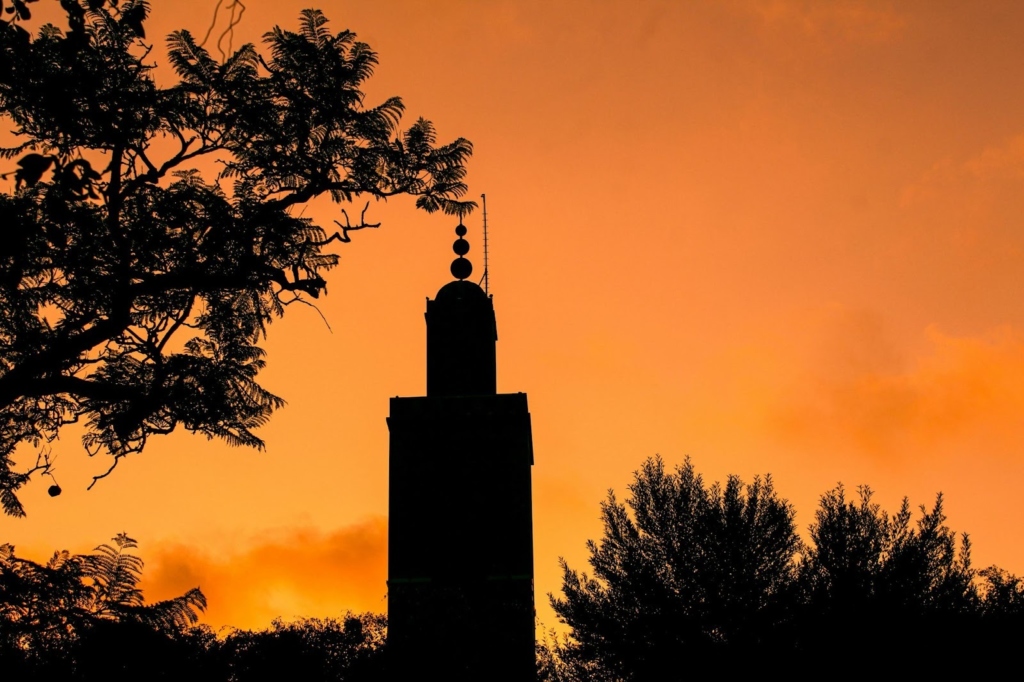
Markets feel more local. Workshops feel more accessible. Even simple experiences, like watching the call to prayer echo through a quiet city at dusk, feel more pronounced when there is space to notice them.
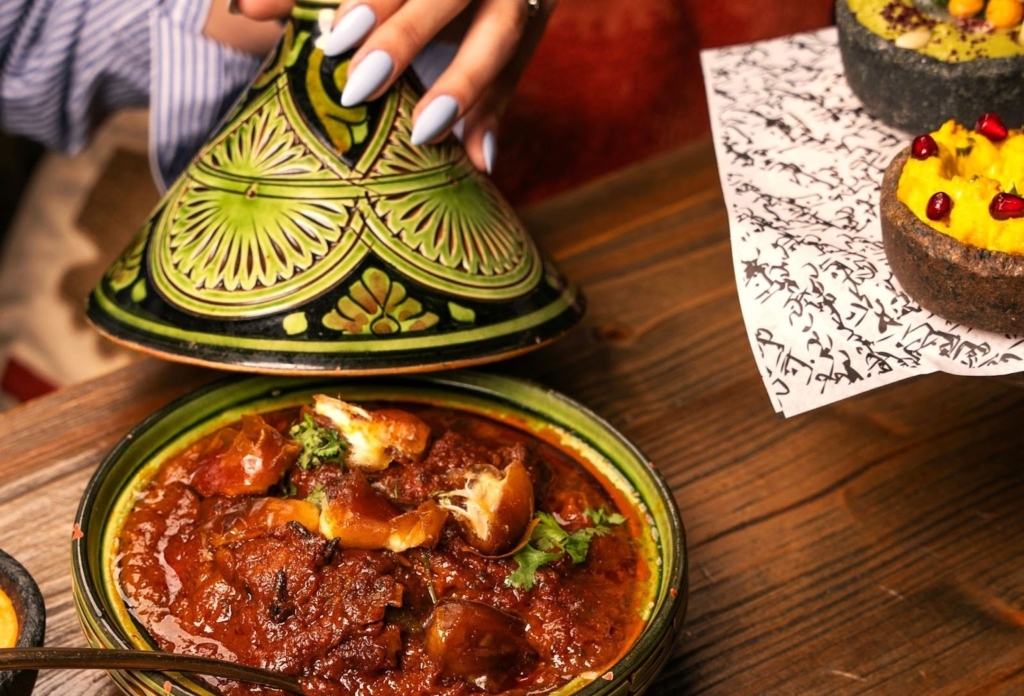
Food also becomes a central part of winter travel. Slow-cooked stews, fresh bread, and warming spices suit the season perfectly. Meals feel less like fuel and more like rituals, shared and savoured.
5. Why Winter Is Morocco’s Most Rewarding Season
Morocco does not lose its intensity in winter. It gains clarity. The landscapes feel sharper, the experiences more immersive, and the journey less hurried.
For travellers seeking authenticity, comfort, and room to explore, winter offers Morocco at its most generous. Without the crowds and heat, the country opens up in subtle, memorable ways, rewarding those who take the time to explore it slowly.