

Quick Jumplinks to Navigate
Morocco is a country of contrasts. Golden deserts stretch endlessly under open skies. Ancient medinas pulse with colour, sound, and history. Snow quietly settles over mountain villages only a few hours from sunlit coastlines. While Morocco can be visited year-round, winter reveals a side of the country that feels calmer, richer, and far more immersive than the peak summer months.
From November through February, Morocco slows down just enough to let travellers truly absorb its rhythm. The temperatures soften, landscapes feel more dramatic, and everyday experiences become easier to enjoy without the distraction of extreme heat or heavy crowds.
Key Reasons to Explore Morocco
1. The Sahara Desert Feels Alive in Winter
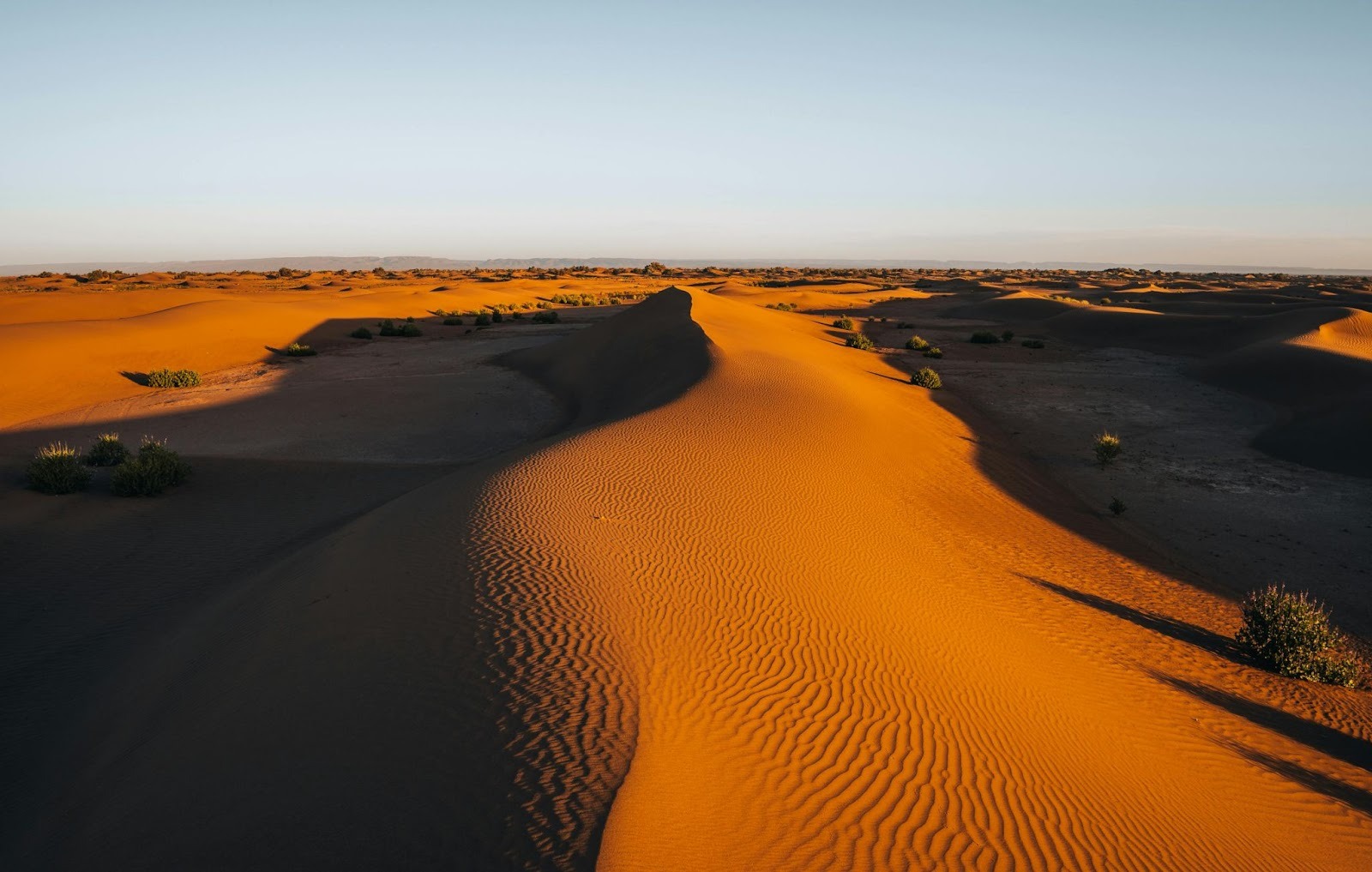
The Sahara is one of Morocco’s most iconic landscapes, but it is also one of the most misunderstood. Many imagine it as an unforgiving place, best admired from afar. Winter changes that perception entirely.
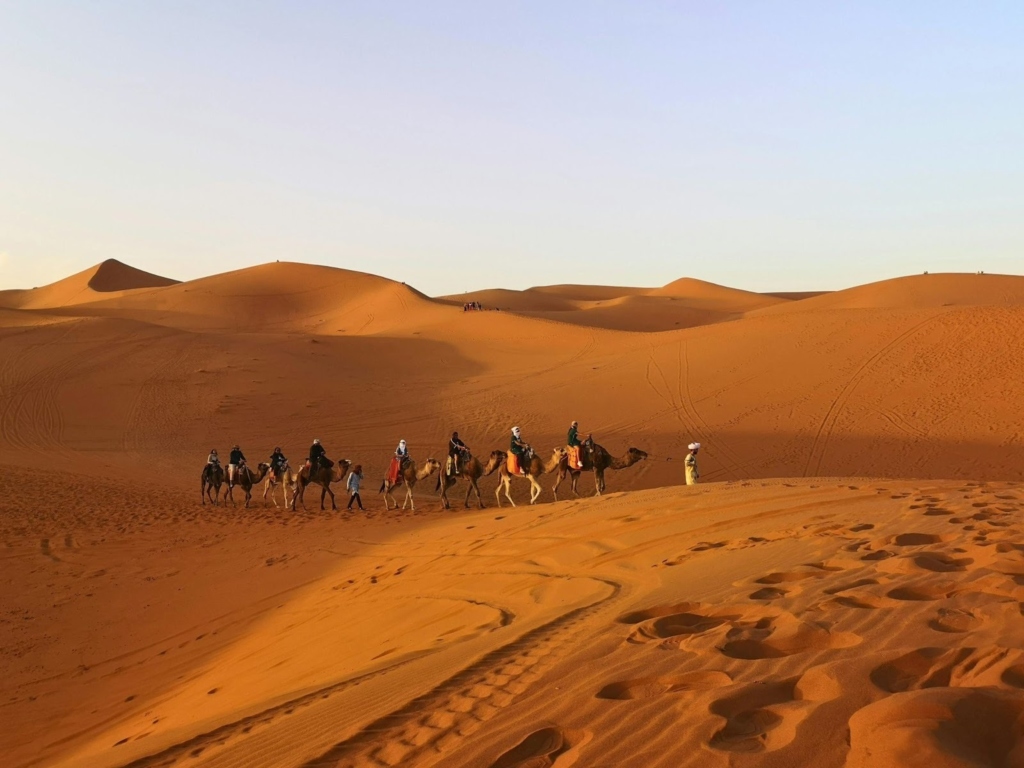
Daytime temperatures in the desert during winter are comfortable, often hovering between pleasant warmth and cool breezes. This makes long camel rides across the dunes, guided walks, and open-air meals genuinely enjoyable rather than physically exhausting. Nights grow cold, but that chill adds to the experience. Wrapped in blankets beside a campfire, listening to traditional music under a sky crowded with stars, the desert feels intimate and alive.
Winter also allows travellers to linger. Instead of rushing through desert experiences, you can spend time exploring nearby oases, fossil beds, and kasbahs, all without the pressure of retreating from the sun.
2. Medinas Are Meant to Be Walked, Not Rushed
Morocco’s cities are at their best when explored slowly. The medinas of Marrakech, Fes, and Meknes are dense, layered spaces where history reveals itself in small details. Narrow alleyways open into hidden courtyards. The scent of spices drifts through open doors. Artisans shape metal, leather, and wood using techniques passed down for generations.
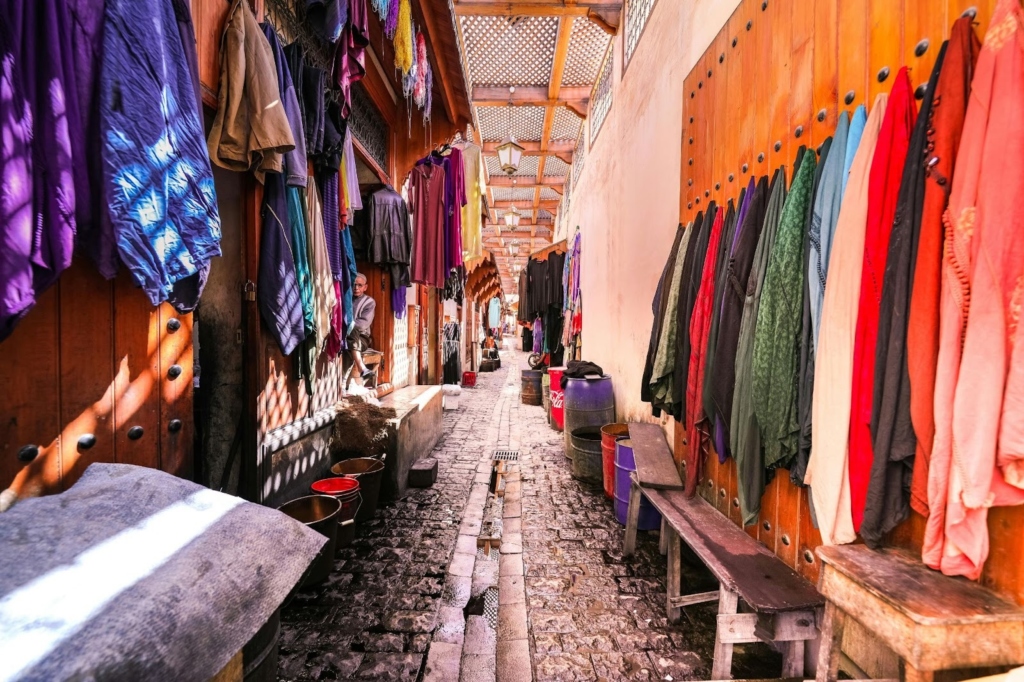
In summer, the heat can turn these walks into short bursts between shaded stops. Winter restores the joy of wandering. You can spend hours getting lost without feeling drained, pausing for mint tea, lingering in souks, or sitting quietly in a riad courtyard as sunlight filters in.
Cultural sites also become more accessible. Palaces, madrasas, and historic mosques can be explored at an unhurried pace, allowing time to notice patterns, inscriptions, and architectural details that are easy to miss when moving quickly.
3. The Atlas Mountains Show a Different Face
Few travellers associate Morocco with winter landscapes, yet the Atlas Mountains offer one of the country’s most surprising seasonal transformations. Villages tucked into the slopes take on a quieter, more reflective atmosphere as snow dusts rooftops and trails.
Winter is an excellent time for scenic drives through the mountains, where dramatic valleys and terraced fields look sharper against the pale sky. Lower altitude hikes remain accessible, while higher passes offer views that feel almost alpine.
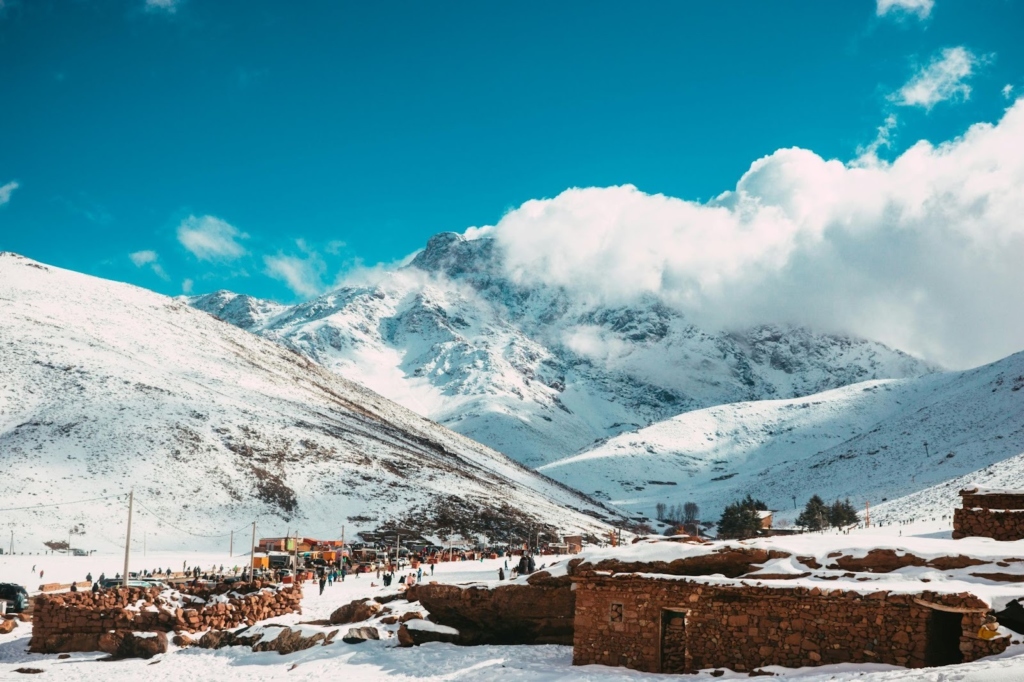
Mountain towns such as Ifrane, often called Morocco’s winter retreat, show a side of the country that feels worlds away from the desert. Even without snow activities, simply experiencing the contrast between cold mountain air and warmer plains below is memorable.
4. A Slower Pace and Fewer Crowds
Winter brings a natural pause to Morocco’s travel rhythm. While the country never feels empty, the energy shifts. Popular attractions feel less hurried. Restaurants are easier to access. Conversations with locals feel more relaxed.
This slower pace allows for more meaningful interactions. Shopkeepers are more inclined to talk. Guides take extra time explaining stories behind places. Even simple moments, like sharing tea or watching daily life unfold in a square, feel less rushed.
For travellers who value depth over checklists, winter offers the space to connect rather than consume.
5. Winter Light Enhances Morocco’s Beauty
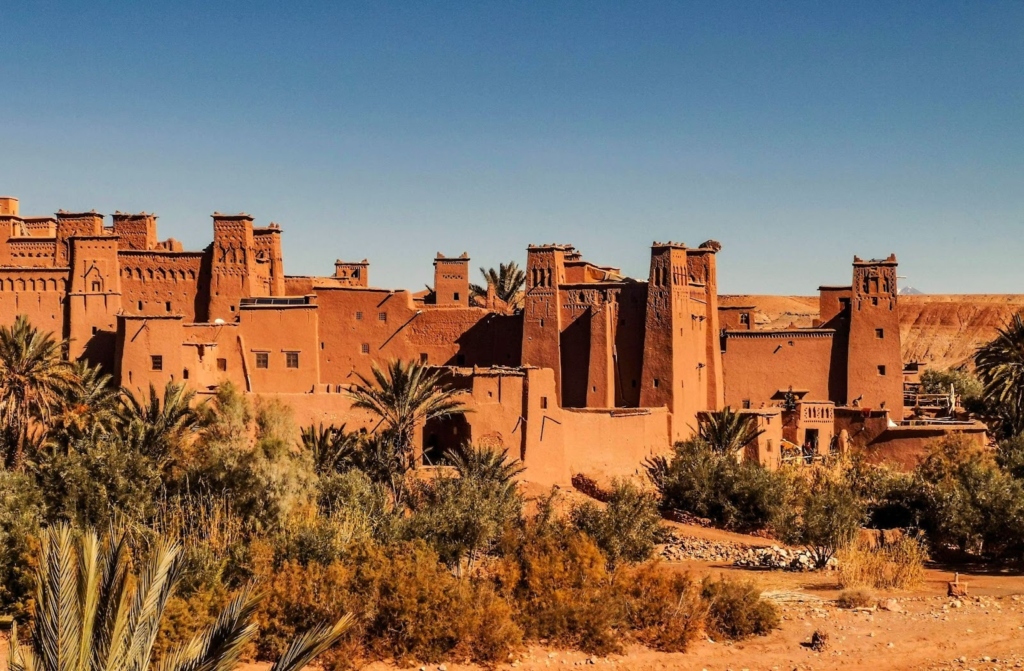
There is something special about winter light in Morocco. The sun sits lower, casting softer shadows across desert dunes and stone walls. Colours appear richer, from the deep reds of Marrakech’s architecture to the cool blues of mountain skies.
Photographers often favour winter for this reason alone. Landscapes feel sharper, skies clearer, and scenes more dramatic without the harsh glare of summer sun.
6. A Season That Balances Comfort and Discovery
Perhaps the greatest advantage of visiting Morocco in winter is balance. Days are active without being exhausting. Evenings invite rest rather than recovery. You can experience the desert, explore cities, and venture into the mountains within a single trip without feeling overstimulated or worn down.
Winter does not dilute Morocco’s intensity. It refines it. The sounds are clearer, the spaces more navigable, and the experiences more personal.
For travellers seeking Morocco at its most immersive and rewarding, winter is not just a good time to visit. It may be the best time to truly experience everything the country has to offer.