

Quick Jumplinks to Navigate
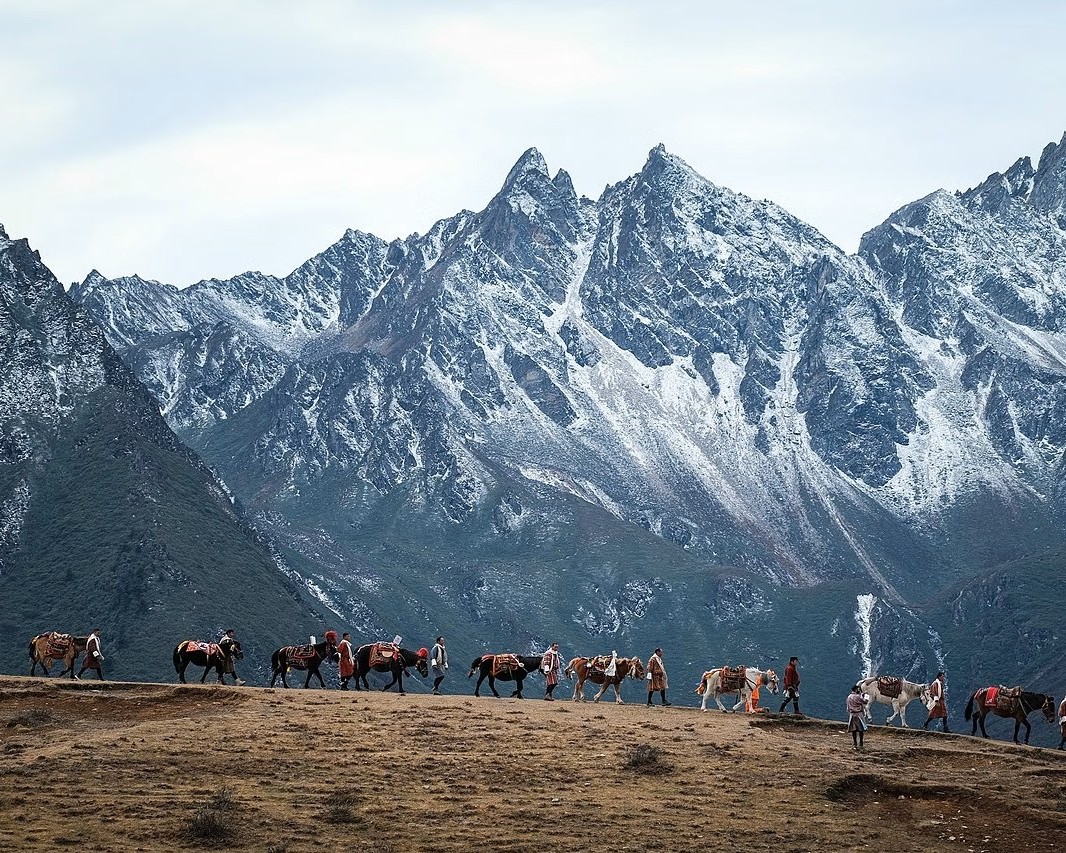
Bhutan is a land of pristine beauty, where snow-covered valleys and crystal-clear skies create a breathtaking landscape during the winter season. From December to February, the cool and dry weather makes it an ideal time for sightseeing and experiencing rare winter festivals that celebrate Bhutan’s rich traditions. The sight of the snow-capped Himalayas shimmering under the bright winter sun is itself a reason for travellers to book a Bhutan tour package during this season.
However, travelling to Bhutan in winter also means preparing for chilly nights, shorter daylight hours, and occasional snowfall at higher altitudes. So, packing wisely, booking accommodation in advance, dressing in layers, and understanding the right documents can make a big difference in your overall experience. Whether you want to hike to the iconic Tiger’s Nest Monastery or attend the vibrant Druk Wangyel Tsechu festival, Bhutan in winter offers something truly special for every traveller.
Bhutan in Winter: Travel Tips
1. Dress in Layers and Pack Smart

Among the most practical Bhutan in winter travel tips, dressing in smart layers helps you to stay comfortable across changing temperatures. You can dress in thermal base layers and long-sleeved shirts to lock in warmth. Moreover, add mid-layers like fleece or wool sweaters for insulation and top them with a waterproof and windproof jacket for cold or high-altitude areas. Packing long trekking pants and jeans is also a great idea for casual wear.
Accessories like a warm hat, gloves, scarf, and thick wool socks are must-haves to protect against the chill. The sturdy and waterproof walking shoes or hiking boots are essential for uneven terrain, while slip-on shoes work well for temples. It is also advisable to keep essentials like sunscreen, lip balm, a daypack, a water bottle, a headlamp, a camera, a power bank, and a small first-aid kit.
Tips to Follow
- Wear thermals as your base layer to stay warm throughout the day.
- Choose fleece or wool mid-layers for effective insulation without bulk.
- Carry a waterproof and windproof outer jacket for high-altitude travel.
- Pack warm accessories like gloves, a beanie, and wool socks for early mornings and evenings.
- Keep a pair of sturdy waterproof shoes for hikes and comfortable slip-ons for monasteries.
Common Mistakes to Avoid
- Wearing cotton layers that trap moisture and make you feel colder.
- Packing multiple heavy jackets instead of smart, lighter layering.
- Forgetting sunscreen and lip balm, which are essentials in Bhutan’s dry winter air.
- Using non-waterproof shoes on trails that may be icy or wet.
- Not carrying a small first-aid kit for minor injuries or altitude-related discomfort.
2. Choose the Right Time to Visit

The best time to visit Bhutan during the winter season is from December to February, when the air is fresh and the skies are clear. During these months, you can enjoy peaceful travel with fewer crowds and perfect visibility of the snow-capped Himalayas. The daytime temperatures stay mild, around 3°C to 16°C, which is ideal for sightseeing and low-altitude treks, while nights can drop below freezing.
Bhutan’s weather in winter brings occasional snowfall in higher regions like Dochula Pass or Bumthang, which turns the landscapes into scenic views. Most valleys, such as Thimphu, Paro, and Punakha, remain easily accessible, though some high passes may see brief closures.
Tips to Follow
- Plan your trip between December and February to enjoy clear skies and snow-capped views.
- Check local weather updates regularly, especially for high passes like Dochula.
- Keep buffer days in your itinerary during peak snowfall weeks.
- Travel early in the day when temperatures are higher and visibility is better.
- Visit valleys like Punakha for milder winter temperatures.
Common Mistakes to Avoid
- Assuming all regions of Bhutan remain snow-free in winter.
- Ignoring weather-related road closures on mountain routes.
- Planning long-distance travel late in the afternoon when daylight reduces.
- Expecting high-altitude areas to always be accessible during peak winter.
- Not preparing for freezing nighttime temperatures in most cities.
3. Get Your Permits and Travel Documents Ready
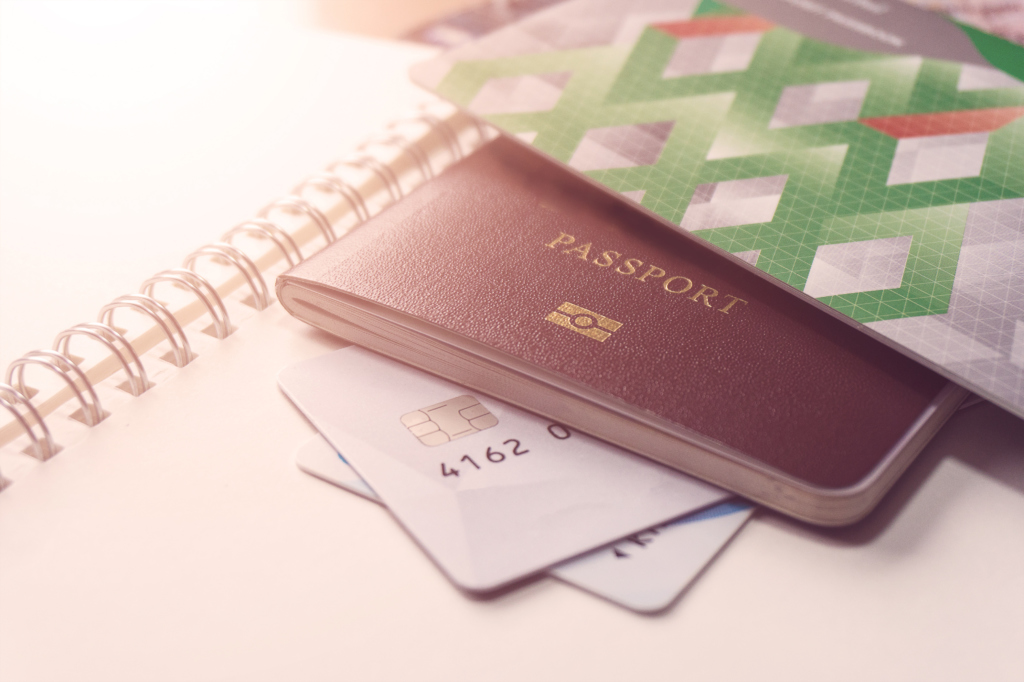
Before you set off for your trip, getting all your travel documents and permits ready is one of the essential Bhutan in winter travel tips. Indian citizens can enter Bhutan with a valid passport (with 6 months’ validity) or a voter ID card. While children under 18 must carry an English birth certificate or passport, and they should travel with a legal guardian. You will also need a Bhutan Entry Permit, which can be obtained at Paro Airport or the Phuentsholing border. It is also required to pay the Sustainable Development Fee (SDF) of ₹1,200 per person every night.
For foreign nationals, a pre-arranged visa and a visa clearance letter through a licensed Bhutanese tour operator are required, along with a USD 100 per night SDF. If you are driving your own vehicle, you need to register it online through the Check Post Management System (CPMS).
Tips to Follow
- Carry your passport or voter ID with at least 6 months’ validity.
- Keep printed and digital copies of your Bhutan Entry Permit.
- Pay the Sustainable Development Fee (SDF) in advance for smooth entry.
- Ensure children have valid documents like passports or birth certificates.
- Register your vehicle in advance if entering Bhutan by road.
Common Mistakes to Avoid
- Arriving with expired or invalid ID documents.
- Not carrying multiple copies of permits for hotel and checkpoint verification.
- Forgetting that SDF is charged per person per night.
- Assuming foreign nationals can enter without a pre-arranged visa.
- Missing CPMS vehicle registration when self-driving.
4. Plan for Shorter Daylight Hours
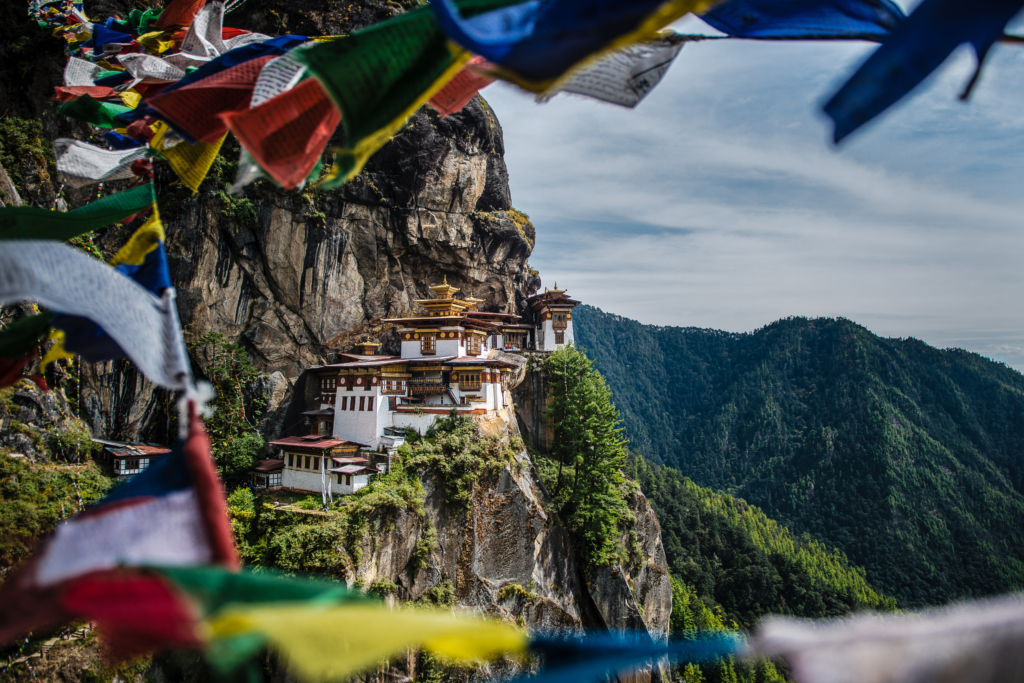
During winter, Bhutan experiences shorter days, with sunset often around 5:30 PM. Starting your mornings early is one of the best Bhutan in winter travel tips to make the most of the daylight. You should begin sightseeing or hiking soon after sunrise, especially for popular spots like Tiger’s Nest Monastery or Cheli La. Plan your route carefully, as snow or ice can slow travel on mountain roads, and keep a flexible schedule for unexpected delays.
Once the sun sets, temperatures drop quickly, so book comfortable accommodations. Evenings are perfect for cosy indoor experiences, like relaxing in a traditional hot stone bath or visiting beautifully lit monasteries.
Tips to Follow
- Start sightseeing or hiking immediately after sunrise to maximise daylight.
- Prioritise longer activities like Tiger’s Nest early in the day.
- Keep your travel routes flexible to adjust for weather delays.
- Book hotels closer to city centres to reduce travel time after sunset.
- Plan indoor evening activities like hot stone baths or cultural walks.
Common Mistakes to Avoid
- Beginning treks late in the afternoon when temperatures drop sharply.
- Assuming monasteries remain open till late in the evening.
- Driving on mountain roads after dark, where visibility is limited.
- Underestimating how quickly temperatures fall after sunset.
- Overpacking the day with too many activities.
5. Stay Hydrated and Eat Warm Local Food
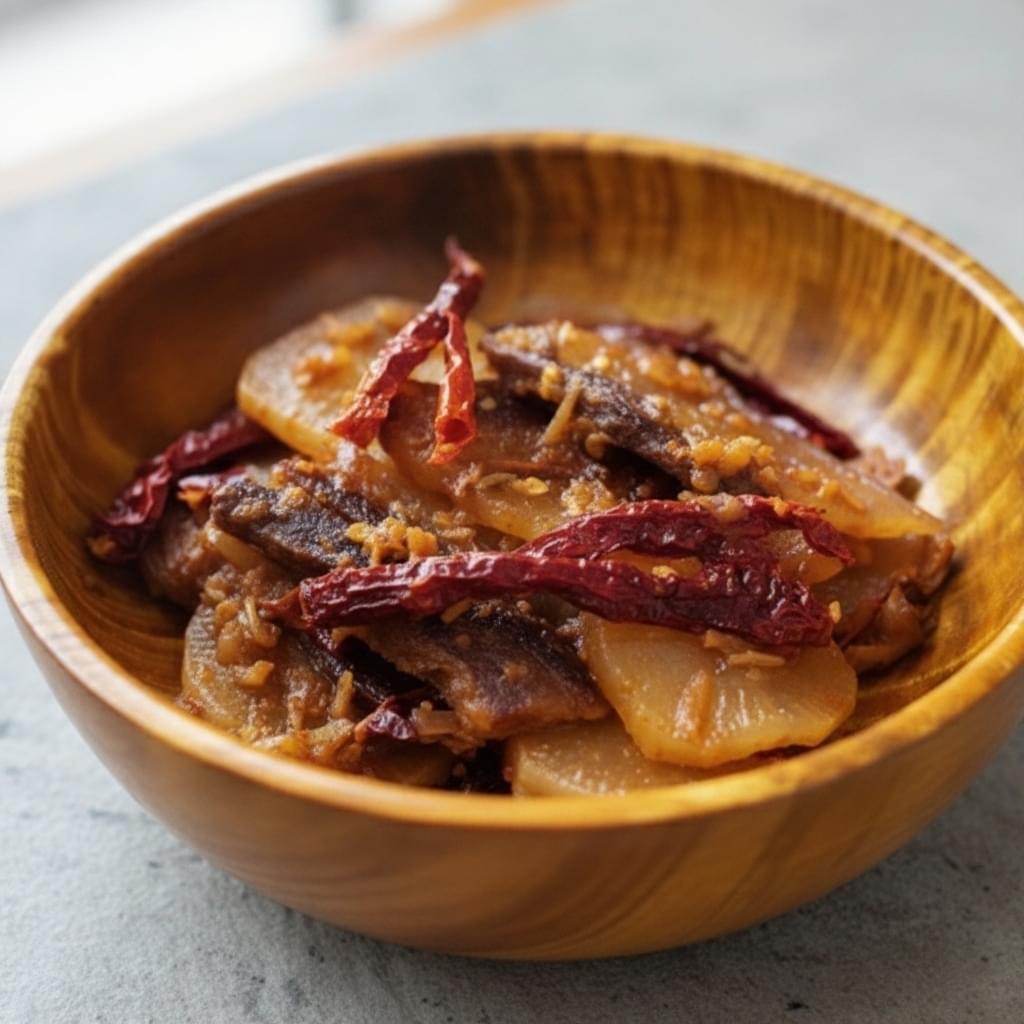
The dry mountain air and high altitude can quickly cause dehydration in Bhutan’s winter, even if you do not feel thirsty. Hence, you should drink plenty of fluids throughout the day, especially warm beverages that keep your body comfortable in the cold. A great local favourite is suja (Bhutanese butter tea), which is rich and energising for chilly mornings. You can also enjoy black tea with milk and sugar, which are widely available across the country. It is advisable to carry a reusable water bottle during hikes and avoid alcohol or caffeine, as they can worsen dehydration.
Eating warm and healthy local food in Bhutan is another way to stay cosy and experience Bhutanese culture. You can try ema datshi, a spicy chilli and cheese stew, or momos, steamed dumplings filled with meat or vegetables.
Tips to Follow
- Sip warm water or tea frequently to combat dry mountain air.
- Carry a reusable insulated bottle for hikes and monastery walks.
- Try winter-friendly dishes like ema datshi and hot soups to stay warm.
- Include hydrating fruits and light snacks in your daypack.
- Limit caffeine and alcohol, especially before hikes.
Common Mistakes to Avoid
- Drinking water only when thirsty, despite high altitude dehydration risks.
- Relying solely on cold beverages during winter.
- Skipping meals during long sightseeing days.
- Ignoring signs of altitude discomfort caused by dehydration.
- Avoiding local food due to unfamiliarity – Bhutanese winter dishes are comforting and energising.
6. Learn About Visa Application and Tour Operators

Indian travellers do not need a visa, but they must carry a valid passport or Voter ID to receive an entry permit at the border. A nightly Sustainable Development Fee (SDF) of INR 1,200 per person applies to all Indian visitors, and children under 18 must show their original birth certificate or passport. For foreign nationals, an e-visa is mandatory and must be processed through a licensed Bhutanese tour operator before arrival.
Booking with a trusted operator makes the entire process easier. Travel companies like Thrillophilia offer Bhutan packages that include visa assistance, hotel bookings, transportation, guides, and permit support, which saves you time and confusion. Choosing a reliable tour provider is one of the smartest Bhutan in winter travel tips, which helps you stay compliant with regulations.
Tips to Follow
- Keep your passport and ID ready for entry permit processing.
- Pay the SDF online or through your tour provider for hassle-free entry.
- Choose a licensed tour operator for permit assistance and reliable planning.
- Confirm hotel bookings early, as they are needed for documentation.
- Keep your itinerary handy for quick checkpoint verification.
Common Mistakes to Avoid
- Assuming Indian travellers do not need permits just because visas aren’t required.
- Leaving SDF payment for the last minute.
- Choosing unverified tour operators, leading to delays or incorrect information.
- Forgetting printed hotel vouchers during permit checks.
- Not understanding that foreign nationals must secure a visa before arrival.
7. Be Prepared for Altitude Changes

The breathtaking landscapes of Bhutan have varying altitudes, from gentle valleys to mountain passes over 3,000 metres. To enjoy your trip comfortably, it is important to adjust gradually to the thinner air. You can spend the first couple of days taking it easy in lower-altitude areas like Paro or Thimphu before heading to higher regions such as Bumthang or Dochula Pass.
Staying well-hydrated and avoiding overexertion are the essential Bhutan in winter travel tips. If you have a history of altitude sickness, consult your doctor before travelling and consider carrying necessary medication. During hikes, walk at a steady pace and plan tougher climbs, like Tiger’s Nest Monastery, later in your itinerary. Avoid alcohol and smoking, which can affect oxygen absorption.
Tips to Follow
- Spend your first 1–2 days in lower regions like Paro or Thimphu.
- Walk slowly during hikes and take regular breaks.
- Drink plenty of fluids to maintain oxygen circulation.
- Carry altitude medication if recommended by your doctor.
- Plan high-altitude visits like Dochula Pass later in your itinerary.
Common Mistakes to Avoid
- Rushing straight to high-altitude areas on the first day.
- Ignoring early symptoms such as headaches or shortness of breath.
- Combining long hikes with alcohol consumption.
- Overexerting yourself during the Tiger’s Nest climb.
- Not wearing enough warm layers at higher altitudes.
8. Book Accommodation in Advance
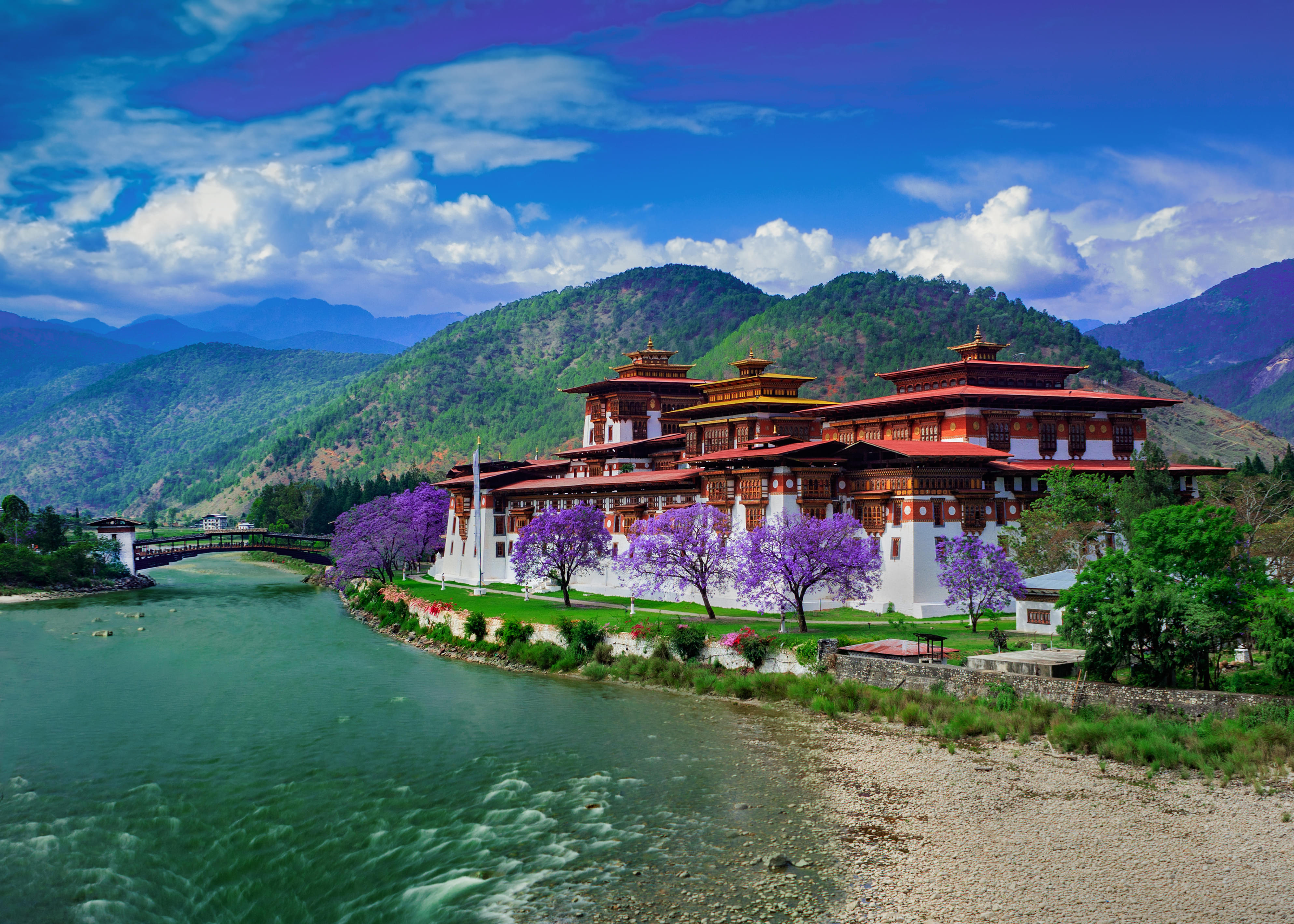
Booking your stay in advance is one of the smartest Bhutan in winter travel tips. Even though the season feels peaceful and less crowded, many hotels and lodges limit operations during the colder months. Moreover, confirmed hotel bookings are required to apply for your Bhutan entry permit. So, you should aim to secure your hotel bookings at least 4-6 months before your trip when demand for cosy stays and scenic snow views is higher. You should also confirm that your chosen place has proper heating, hot water, and reliable electricity.
Tips to Follow
- Reserve hotels at least 4–6 months ahead for winter trips.
- Choose stays that offer proper heating and hot water.
- Keep digital and printed booking confirmations for permits.
- Select centrally located hotels for easier travel in cold evenings.
- Confirm whether electricity backup is available during power cuts.
Common Mistakes to Avoid
- Waiting till the last minute to book winter properties.
- Assuming all hotels operate fully in the cold season.
- Not checking heating options before confirming your stay.
- Booking remote accommodations that require long night drives.
- Forgetting that hotel confirmations are mandatory for entry permits.
9. Carry Cash and Use ATMs Wisely

When you are calculating your Bhutan travel cost, you should always budget your cash expenses to stay prepared for any situation. You should carry enough cash for small purchases and local transport, as many shops and homestays do not accept cards. Indian Rupees (INR) are widely accepted in the country, but only in smaller denominations up to ₹500.
It is also useful to exchange some INR for Bhutanese Ngultrum (BTN) once you arrive in major cities like Thimphu or Paro. ATMs are available mainly in these towns, but they can be unreliable, so withdraw smaller amounts and use bank-affiliated machines whenever possible. Before you travel, inform your bank about your trip to avoid card blocks and check international transaction fees to plan your withdrawals efficiently.
Tips to Follow
- Carry small denomination Indian Rupees (₹100–₹500).
- Withdraw cash in major towns like Paro or Thimphu.
- Exchange some money into Bhutanese Ngultrum (BTN) for local markets.
- Inform your bank before travelling to avoid blocked cards.
- Use ATMs inside bank branches for safer withdrawals.
Common Mistakes to Avoid
- Relying entirely on cards in rural regions and homestays.
- Carrying only ₹2,000 notes, which many shops do not accept.
- Waiting till remote villages to look for ATMs.
- Ignoring transaction fees or daily withdrawal limits.
- Forgetting to check cash availability during weekend holidays.
10. Respect Local Customs and Environment
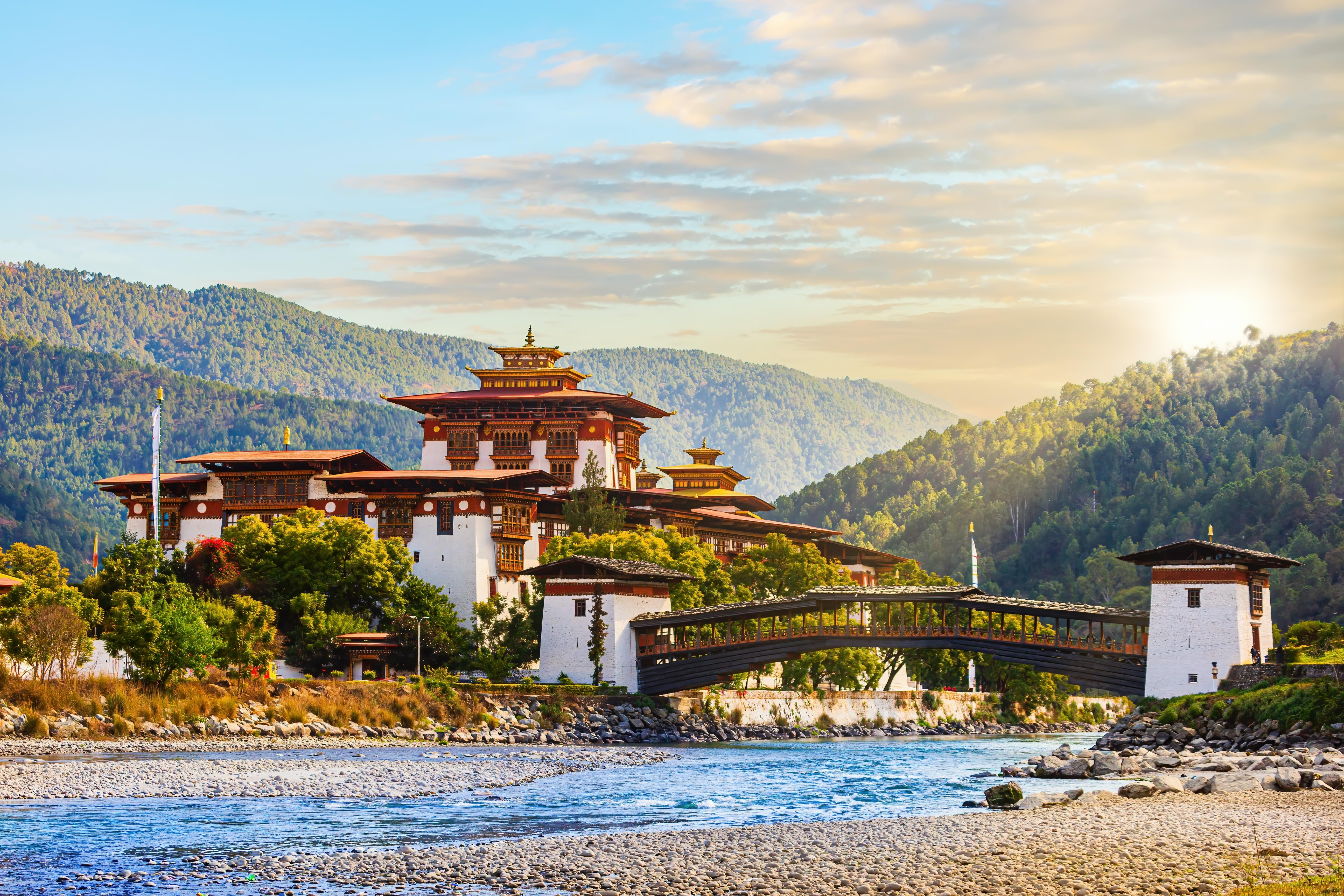
Bhutan places deep importance on cultural respect and environmental preservation, as it reflects the country’s philosophy of Gross National Happiness. Hence, when travelling, you should dress modestly by covering your shoulders and knees, especially at temples and monasteries. Always remove your shoes before entering religious sites, walk clockwise around stupas and prayer wheels, and sit lower than monks as a sign of respect. Avoid pointing your feet at people or sacred objects, and never touch anyone’s head, which is considered holy. Ask for permission before photographing people or inside temples, as photography may be restricted in certain areas.
Environmentally, Bhutan is one of the greenest nations in the world, so do not litter and carry a small bag for your trash. Follow your guide’s advice to make sure your actions align with local customs.
Tips to Follow
- Dress modestly when visiting temples and monasteries.
- Walk clockwise around stupas and prayer wheels.
- Remove shoes before entering religious areas.
- Follow your guide’s instructions during cultural visits.
- Carry a small bag for your waste to keep Bhutan clean.
Common Mistakes to Avoid
- Wearing revealing clothes at cultural sites.
- Touching or pointing feet toward sacred objects.
- Photographing people or temple interiors without permission.
- Leaving litter behind in nature trails or monasteries.
- Speaking loudly or disturbing monks during prayer sessions.
FAQs
Yes, winter is a great time to visit Bhutan if you prefer clear skies and stunning mountain views. The season offers fewer crowds, fresh weather, and unique cultural festivals like Druk Wangyel Tsechu in December and Trongsa Tshechu in January. While some high passes may see snow, most valleys remain accessible, which makes it perfect for calm and scenic travel.
January is one of the coldest months in Bhutan, with daytime temperatures ranging from 3°C to 15°C in valleys like Thimphu and Paro, and dropping below freezing at night. Higher-altitude regions like Bumthang can be even colder and may experience snowfall, so packing warm layers and winter accessories is essential for comfort.
Layering is one of the best Bhutan in winter travel tips to handle changing temperatures. You should wear thermals, fleece or wool sweaters, and a down jacket for warmth. Plus, you can add gloves and a scarf to stay comfortable outdoors. A pair of comfortable and waterproof shoes is also ideal for sightseeing and light hikes.
Bhutan is moderately priced in December, and costs can vary based on your travel style. While accommodation and flights may be slightly cheaper during winter, the mandatory Sustainable Development Fee (SDF) applies throughout the year. Travelling with local operators or booking early can help manage expenses while enjoying comfortable stays and authentic experiences.
You can see snowfall in higher-altitude regions like Paro, Thimphu, Bumthang, and mountain passes such as Dochula or Chelela. Snow usually begins in late December and continues through February and transforming the landscape into a beautiful white haven. These areas offer stunning photo opportunities and a peaceful winter atmosphere for travellers.